
TCM Lab · Health reading
Chinese medicine for insomnia: TCM assessment for insomnia and a sleep diary for insomnia
Published Updated
Difficulty sleeping is not one single experience. You may lie awake at the start of the night, wake repeatedly, wake too early, or sleep for what seems like enough time yet feel unable to function well the next day. Chinese medicine for insomnia can be discussed as a complementary route, but it is most useful when a TCM assessment for insomnia starts with a clear account of the pattern and possible contributors. A sleep diary for insomnia turns a vague report of “bad sleep” into information that can be reviewed alongside stress, routines, medicines and physical symptoms. It also helps show when a family doctor or sleep specialist should take priority, particularly if loud snoring, gasping, marked daytime sleepiness, mood changes, pain or another health concern is present.
Appointments are confirmed through WhatsApp. If you have language requirements, please mention them in your enquiry.

The short answer
Chinese medicine for insomnia may be an option to discuss after a TCM assessment for insomnia, not a substitute for finding medical or sleep-related causes. A sleep diary for insomnia can document bedtimes, estimated sleep, waking, medicines, caffeine, alcohol and daytime sleepiness. It can help a practitioner understand the pattern, while persistent symptoms, impaired daytime function, loud snoring or breathing pauses call for conventional medical or sleep-specialist assessment.
Transparent pricing
See the fees.
Choose your care.
Explore our complete official price list, including first-trial prices, regular prices, packages and branch-specific options.
Opening WhatsApp prepares an enquiry; it does not send a message, take payment or confirm an appointment. Suitability and individual arrangements are confirmed during consultation.
Chinese medicine
All prices in HKDAcupuncture and Chinese herbal medicine package
Includes a Chinese medicine consultation with pulse assessment, body acupuncture and 3 days of Chinese herbal granules that do not require decoction.
HK$580 (single session)
Chinese medicine consultation with pulse assessment
Hair and scalp
All prices in HKDScalp health and hair-loss management
Includes AI scalp analysis, deep scalp and follicle cleansing, and scalp oil-control care.
HK$380 (first trial)
Regular price: HK$680
- 6 sessions: HK$3,480 (HK$580 per session)
- 12 sessions: HK$5,760 (HK$480 per session)
- 20 sessions: HK$8,600 (HK$430 per session)
- 30 sessions: HK$11,400 (HK$380 per session)
Hair acupuncture and Chinese herbal medicine package
Includes scalp acupuncture and 3 days of Chinese herbal medicine that does not require decoction.
HK$580 (single session)
Registered Chinese Medicine Practitioner consultation
- 6 sessions: HK$3,180 (HK$530 per session)
- 12 sessions: HK$5,760 (HK$480 per session)
- 20 sessions: HK$8,600 (HK$430 per session)
- 30 sessions: HK$11,400 (HK$380 per session)
Combined hair and scalp treatment
Combines acupuncture and Chinese herbal medicine with salon-level scalp and follicle care. Packages include complimentary hair-care shampoo and serum.
HK$1,260 (single session)
Combined treatment
- 8 sessions: HK$8,640 (HK$1,080 per session)
- 16 sessions: HK$15,680 (HK$980 per session)
- 20 sessions: HK$18,600 (HK$930 per session)
- 30 sessions: HK$26,400 (HK$880 per session)
Weight management
All prices in HKDFull-body acupoint embedding for weight management
Includes full-body acupoint embedding. Packages include complimentary Chinese herbal medicine for weight management, with the number of included days scaled to the package. Embedding material and the individual treatment arrangement are confirmed during consultation; this is not a cosmetic thread lift.
HK$980 (single session)
No trial session
- 10 sessions: HK$7,800 (HK$780 per session)
- 20 sessions: HK$14,600 (HK$730 per session)
- 30 sessions: HK$20,400 (HK$680 per session)
Facial acupuncture
All prices in HKDFacial acupuncture (basic)
Includes facial acupuncture and meridian-based facial care, including care for facial puffiness.
HK$480 (first trial)
Regular price: HK$680
- 10 sessions: HK$5,200 (HK$520 per session)
- 20 sessions: HK$9,600 (HK$480 per session)
- 30 sessions: HK$13,500 (HK$450 per session)
Facial acupuncture (advanced)
Includes enhanced facial acupuncture with a specially formulated moisturising mask and serum.
HK$780 (first trial)
Regular price: HK$1,180
- 10 sessions: HK$9,000 (HK$900 per session)
- 20 sessions: HK$16,600 (HK$830 per session)
- 30 sessions: HK$23,400 (HK$780 per session)
Pain care
All prices in HKDExtracorporeal shockwave treatment
Shockwave treatment for deep-tissue and fascial care. The Kwun Tong clinic offers the multi-area options shown below.
Priced by branch
Branch-specific pricing
Prince Edward: HK$250 per area
Kwun Tong: HK$250 for 1 area / HK$450 for 2 areas / HK$600 for 3 areas
Pain care (manual therapy)
Includes Chinese medicine musculoskeletal assessment, manual joint techniques and tui na.
HK$580 (single session)
Chinese medicine musculoskeletal assessment
Pain care (acupuncture and manual therapy)
Combines acupuncture and manual therapy.
HK$680 (single session)
Combined care
Chinese medicine for insomnia: TCM assessment for insomnia and a sleep diary for insomnia explained
Insomnia is a description of a sleep difficulty, not simply a low number on a clock. Some people struggle to fall asleep despite having time and opportunity to sleep. Others sleep at first but wake in the middle of the night and cannot settle again, or wake early before they intend to start the day. The impact matters as much as the night itself: fatigue, irritability, poor concentration and reduced ability to manage ordinary responsibilities deserve attention. The Sleep Assessment Unit at The Chinese University of Hong Kong describes difficulty initiating or maintaining sleep and early-morning awakening as common insomnia patterns, and links an enduring problem with meaningful impairment in daily life [3].
A sleep diary for insomnia gives the consultation a usable timeline. The National Heart, Lung, and Blood Institute diary is designed to record the quality and quantity of sleep, use of medicines, alcohol and caffeinated drinks, and daytime sleepiness for review with a doctor [1]. Add the time you got into bed, lights-out time, a best estimate of time taken to fall asleep, each memorable awakening, final waking time, time out of bed, naps and shift work where relevant. Estimates are enough; the purpose is to notice a pattern, not to achieve perfect measurement or to police every minute of sleep.

Chinese medicine for insomnia: TCM assessment for insomnia starts with a sleep diary for insomnia
At a TCM assessment for insomnia, the diary can keep the discussion anchored in your actual nights. A practitioner may ask whether the main problem is settling at bedtime, waking after a few hours, vivid dreaming, early waking or feeling unrefreshed. They may also ask about appetite, digestion, bowel habits, pain, headaches, temperature sensations, mood, work demands, travel and the timing of meals, exercise and screens. In traditional Chinese medicine, observation, listening, questioning and pulse-taking may be used to form a traditional pattern assessment. Terms such as heart fire, liver constraint or heart–spleen deficiency belong to that traditional approach; they are not modern medical diagnoses and do not rule out sleep apnoea, depression, thyroid disease, medication effects or other conditions.
Chinese medicine for insomnia: TCM assessment for insomnia and a sleep diary for insomnia patterns
Patterns often point to different questions rather than one quick answer. A person who falls asleep at 3 a.m. after late-night work may need to examine timing and wind-down habits. Someone who wakes with a racing mind after a stressful event may need support for stress and a broader mental-health conversation. Repeated awakenings after alcohol, caffeine late in the day, pain or frequent urination should be written down rather than assumed to be the same problem. The Hong Kong Department of Health notes that insomnia can involve difficulty falling asleep, early waking or intermittent waking, and that psychological, lifestyle, environmental and physical factors can all contribute [2]. A diary makes those possible links easier to describe without trying to diagnose yourself.
Compare your options
| What you notice | Useful diary details | Next conversation to have |
|---|---|---|
| Long time before sleep begins | Bedtime, lights-out time, estimated time to fall asleep, late screens, caffeine, stress or shift work | Whether the timing and wind-down routine fit your daily demands, and whether a TCM or medical assessment is appropriate |
| Waking several times | Approximate waking times, what woke you, duration awake, pain, alcohol, room noise or bathroom trips | Possible lifestyle, physical or emotional contributors; mention any new medicine or symptoms |
| Waking early and unable to return to sleep | Final waking time, intended wake time, mood on waking, daytime effects and nap timing | Whether this is a recurring insomnia pattern and whether mood, stress or medical review is needed |
| Snoring, gasping or extreme daytime sleepiness | Breathing observations from a bed partner if available, unplanned dozing, fatigue and safety concerns | Prompt discussion with a doctor or sleep service; do not treat the diary as a diagnosis |
| Sleep medication or supplements in use | Name, dose and timing as written on the label or prescription, plus any side effects noticed | Medication review with the prescribing clinician before changing or adding treatment |
On smaller screens, scroll the table sideways to compare all columns.
Chinese medicine for insomnia: TCM assessment for insomnia, sleep habits and a sleep diary for insomnia
Sleep habits are the foundation whether or not you choose Chinese medicine for insomnia. Regular wake times, a quieter and darker sleeping space, and a period to unwind before bed are practical starting points. The NHS advises going to bed only when sleepy, getting up at the same time each day, keeping the bedroom dark and quiet, exercising during the day, and avoiding late caffeine, alcohol, nicotine and screen use close to bedtime [5]. These are experiments to make consistently, not a test of willpower. If a change makes sleep worse or creates anxiety around bedtime, record that result and bring it to a clinician instead of repeatedly tightening the routine on your own.
There is no universal bedtime that proves someone is sleeping well. A person working rotating shifts, caring for a child or travelling across time zones faces constraints that differ from a person with a stable daytime schedule. The more useful question is whether the timing is broadly regular for your life and whether it leaves you safe and able to function. Notice what happens after a poor night: sleeping late, taking long naps, relying on several caffeinated drinks, cancelling exercise or bringing work to bed can unintentionally keep a difficult cycle going. A diary captures those next-day responses, which may matter as much as the number of awakenings.

Chinese medicine for insomnia: TCM assessment for insomnia considers sleep diary for insomnia details
Bring the diary, a current medicine list and a short account of what has changed around the time sleep became difficult. Include prescription medicines, over-the-counter products, supplements and any sleeping aids, plus the time you take them. Note caffeine in tea, coffee, energy drinks or other sources; alcohol; nicotine; and naps. It can also help to mark demanding workdays, illness, pain, menstrual changes or travel, without assuming that one event explains everything. This preparation makes a TCM assessment for insomnia more specific and supports safer communication with other clinicians. If you are already prescribed sleep medicine, the related question Can I see a Chinese medicine practitioner while taking sleeping pills? should be discussed with both practitioners; do not stop or alter prescribed medicine by yourself.

Chinese medicine for insomnia: TCM assessment for insomnia, sleep diary for insomnia and daily factors
Daily factors can be explored gently and practically. For example, write down the last caffeinated drink, when you ate a heavy meal, whether you exercised, the room conditions, and what you did when you could not sleep. The Department of Health recommends a daily routine, regular exercise away from bedtime, a comfortable dark and quiet room, and avoiding caffeine-containing drinks as part of self-help for temporary insomnia [2]. Avoid turning the diary into a nightly scorecard. One restless night after a deadline does not prove a chronic condition, while a recurring pattern over weeks is useful information. For more context on awakenings after sleep begins, see difficulty staying asleep; it may help you name the part of the night that needs attention.
Chinese medicine for insomnia: TCM assessment for insomnia, next steps and a sleep diary for insomnia
After an assessment, acupuncture or Chinese herbal medicine may be discussed as personalised complementary options within a traditional Chinese medicine approach. That discussion should include your pattern, health history, medicines, allergies and what other care you are receiving. It should not be framed as a guaranteed cure, a fixed number of visits or a reason to postpone assessment of an underlying condition. Evidence also needs a proportionate reading: a Cochrane review indexed by PubMed found that the available acupuncture-for-insomnia studies had poor methodological quality, substantial differences between studies and likely publication bias, so the evidence was not rigorous enough to support or refute acupuncture for insomnia [4]. If acupuncture interests you, Is acupuncture helpful for insomnia? explains why an individual conversation is more useful than a promise.

Complementary care can sit alongside conventional assessment rather than compete with it. The CUHK Sleep Assessment Unit lists sleep hygiene and cognitive behavioural therapy for insomnia, including strategies such as stimulus control, sleep restriction therapy and relaxation training, among its approaches [3]. The NHS similarly notes that a clinician may offer cognitive behavioural therapy and refer someone to a sleep clinic when another sleep disorder is suspected [5]. Those options may be particularly relevant when worry about sleep has become part of the problem. A good next step can therefore be a coordinated plan: improve the routine, review the diary, discuss supportive TCM options if appropriate, and seek medical or psychological care for factors that need those skills.
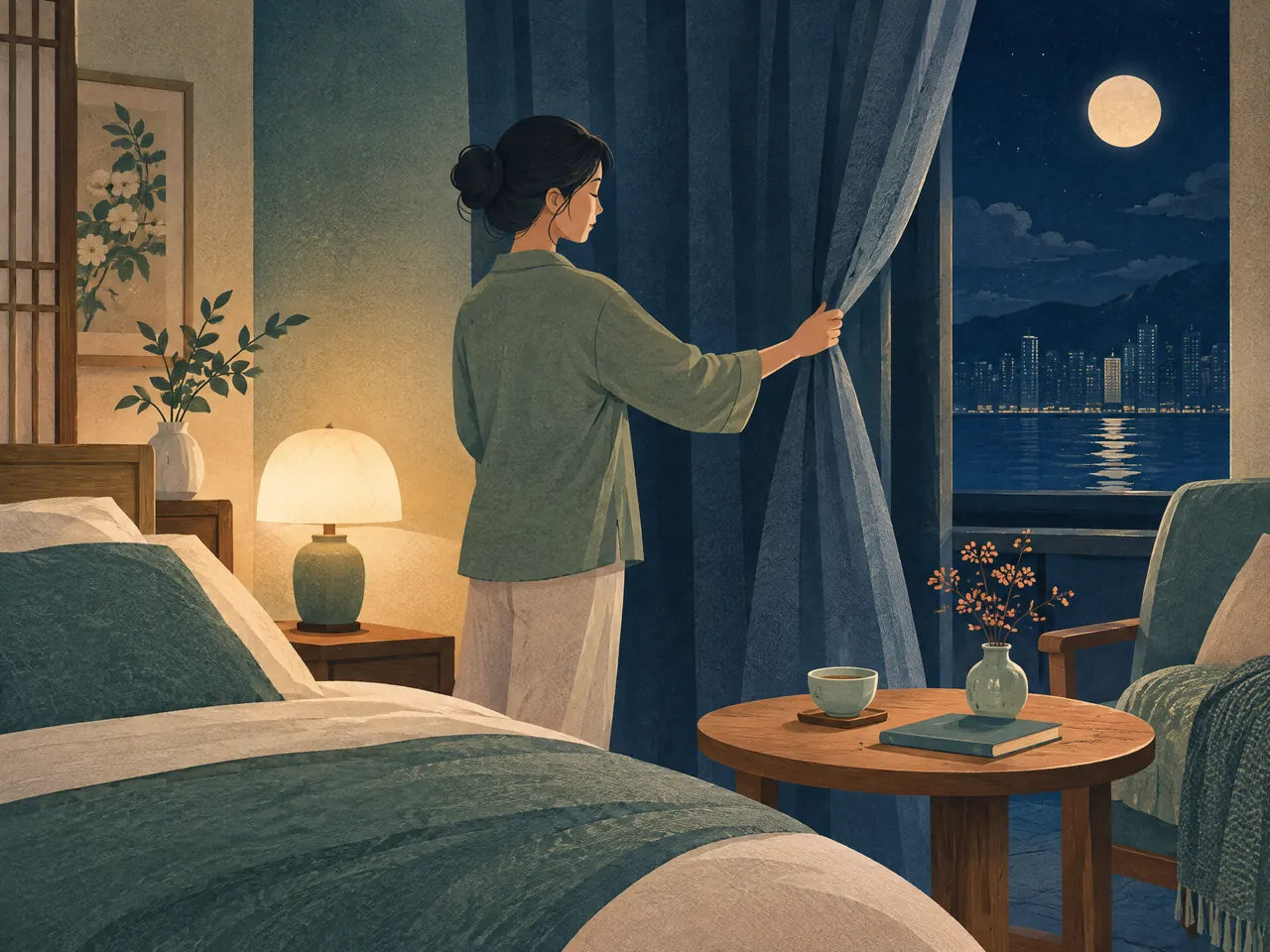
Chinese medicine for insomnia: TCM assessment for insomnia, sleep diary for insomnia and supportive options
Use the consultation to decide what support is realistic for the coming weeks. Bring a concise goal, such as understanding repeated waking, reducing the habit of checking the time, or establishing a more consistent wake time. Ask what information the practitioner needs, how progress will be reviewed, and how any proposed herbal or acupuncture plan fits with current medicines and medical care. Keep the sleep diary for insomnia during this period so that changes are visible beyond a general feeling of having had a better or worse week. Do not expect a web article to select a formula, dose or treatment schedule for you. If you want a broader introduction before deciding, Can Chinese medicine help with insomnia? is a useful starting point for questions to take to a consultation.

Chinese medicine for insomnia: TCM assessment for insomnia, sleep diary for insomnia and when to seek care
Arrange medical assessment rather than relying on self-management alone if sleep difficulty lasts for months, changes your ability to cope at work or home, or creates a safety risk such as drowsy driving. Seek prompt assessment for loud persistent snoring with breathing pauses, choking or gasping, marked daytime sleepiness, new severe mood symptoms, or troubling physical symptoms. CUHK notes that obstructive sleep apnoea involves repeated shallow or paused breathing during sleep and may be accompanied by loud snoring and daytime fatigue [3]. Early waking can be part of insomnia, but its timing and accompanying symptoms matter; read is waking up early and not being able to go back to sleep insomnia for the specific question. If you feel at immediate risk of harming yourself or others, use local emergency services or urgent mental-health support instead of waiting for a routine appointment.
Care and health guide
Health service information
This directory brings together services, reading, and visit information related to health services, to help you prepare questions for a consultation.
If you are organising health questions, Chinese medicine clinic Hong Kong is a starting point for learning about related services and preparing for a consultation.
People have different needs; acupuncture Hong Kong provides further reading to help you understand options in your own context.


Your questions, answered
Frequently asked questions
Can Chinese medicine for insomnia guarantee that I will sleep faster?
No. Sleep difficulty can have several contributors, and response to any complementary approach varies. A TCM assessment for insomnia may help structure a personalised discussion, but it should not promise a cure, a fixed number of visits or a certain speed of improvement.
How long should I keep a sleep diary for insomnia?
Keep it long enough to see ordinary weekdays and weekends rather than only one difficult night. Bring the record to a clinician when you seek advice. The useful part is the pattern of sleep, daytime effects, caffeine, alcohol and medicines, not perfectly precise timing.
Can I discuss Chinese medicine for insomnia while taking prescribed sleeping medication?
Yes, but tell the Chinese medicine practitioner and the prescribing clinician about every medicine, supplement and sleeping aid you use. Do not independently stop, reduce or change a prescribed medicine because you are considering acupuncture or herbs.
When is insomnia more than a sleep-hygiene issue?
Arrange medical advice when the problem persists, affects daily life or safety, or occurs with loud snoring, witnessed breathing pauses, choking or gasping, marked daytime sleepiness, severe mood changes, pain or other concerning symptoms. These may need assessment beyond a routine adjustment.
Sources and further information
- [1] [1] National Heart, Lung, and Blood Institute — Sleep Diary
Referenced for: Sleep-diary fields, including sleep quality and quantity, medicines, alcohol, caffeine and daytime sleepiness.
- [2] [2] Centre for Health Protection, Hong Kong Department of Health — Men's Mind: Insomnia
Referenced for: Insomnia patterns, contributing factors, sleep-habit advice and the need for professional support when symptoms persist.
- [3] [3] The Chinese University of Hong Kong Sleep Assessment Unit — Sleep Disorders
Referenced for: Insomnia patterns, functional impairment, sleep-hygiene and CBT-I context, and obstructive sleep-apnoea symptoms.
- [4] [4] PubMed — Acupuncture for insomnia, Cochrane systematic review
Referenced for: Methodological limitations and conclusion of the cited systematic review of acupuncture for insomnia.
- [5] [5] NHS — Insomnia
Referenced for: Symptoms, sleep-habit measures, when to seek clinical advice and CBT or sleep-clinic context.