
TCM Lab · Explore a health topic
Chinese medicine health articles
Published Updated
Health questions rarely stay neatly in one category. A stiff neck after desk work can disturb sleep; reflux may make a late dinner feel harder to manage; sudden shedding can turn an ordinary shower into a worry. These Chinese medicine health articles are a practical starting point for people in Hong Kong who want to understand the question they are asking, prepare for a consultation, and recognise when medical assessment should not wait. Read by the symptom pattern that concerns you most, then use the information to make a more focused enquiry rather than trying to select a treatment from a label alone.
Appointments are confirmed through WhatsApp. If you have language requirements, please mention them in your enquiry.
The short answer
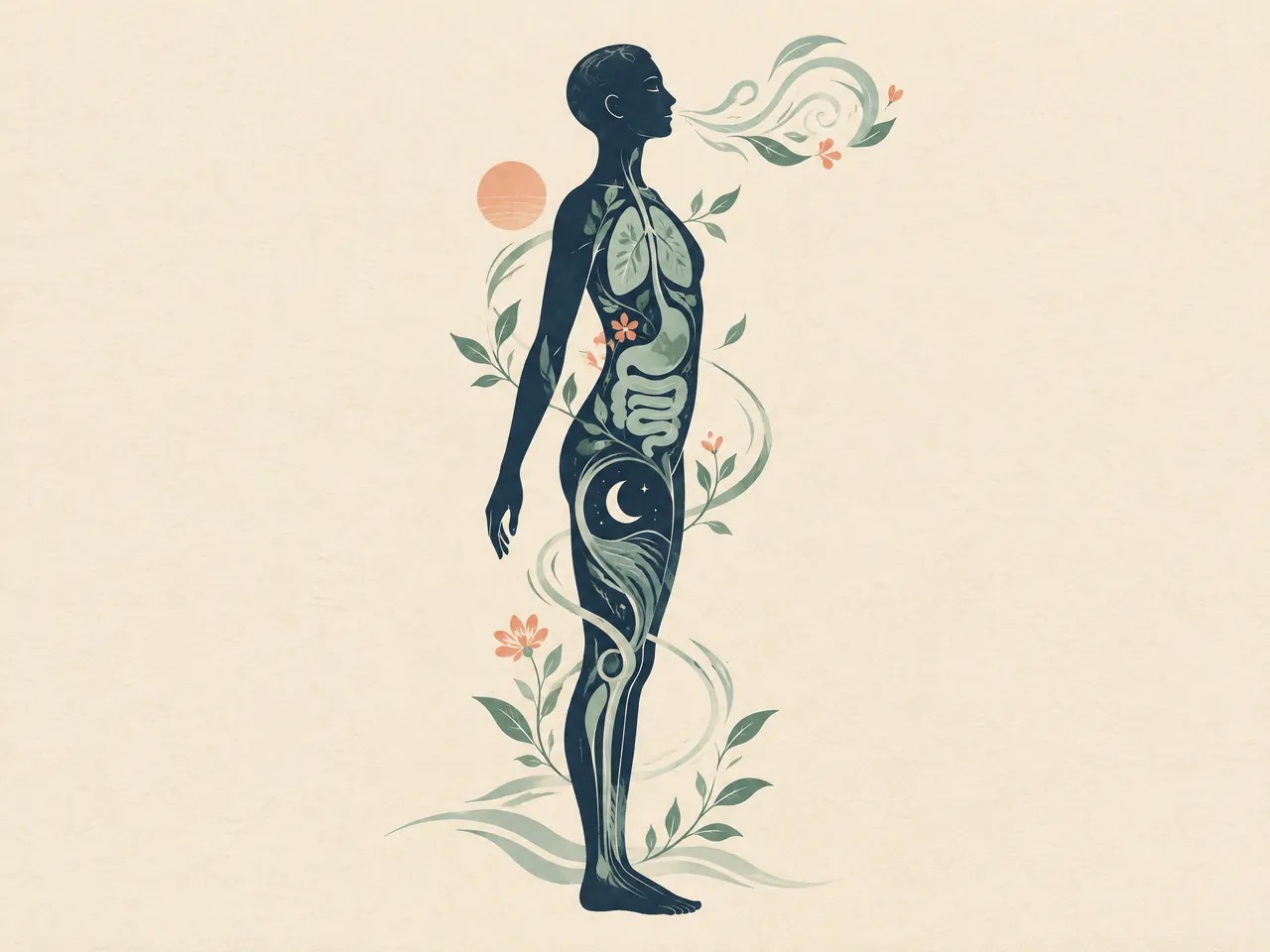
TCM Lab’s Chinese medicine health articles help you frame everyday questions about pain and movement, sleep, skin, digestion, hair, facial acupuncture and weight management. Start with the change you have noticed, its timing, its effect on daily life and any care or medicines already in use. The articles can support a better conversation with a Registered Chinese Medicine Practitioner, but persistent, severe or sudden symptoms still need appropriate medical assessment.
Transparent pricing
See the fees.
Choose your care.
Explore our complete official price list, including first-trial prices, regular prices, packages and branch-specific options.
Opening WhatsApp prepares an enquiry; it does not send a message, take payment or confirm an appointment. Suitability and individual arrangements are confirmed during consultation.
Chinese medicine
All prices in HKDAcupuncture and Chinese herbal medicine package
Includes a Chinese medicine consultation with pulse assessment, body acupuncture and 3 days of Chinese herbal granules that do not require decoction.
HK$580 (single session)
Chinese medicine consultation with pulse assessment
Hair and scalp
All prices in HKDScalp health and hair-loss management
Includes AI scalp analysis, deep scalp and follicle cleansing, and scalp oil-control care.
HK$380 (first trial)
Regular price: HK$680
- 6 sessions: HK$3,480 (HK$580 per session)
- 12 sessions: HK$5,760 (HK$480 per session)
- 20 sessions: HK$8,600 (HK$430 per session)
- 30 sessions: HK$11,400 (HK$380 per session)
Hair acupuncture and Chinese herbal medicine package
Includes scalp acupuncture and 3 days of Chinese herbal medicine that does not require decoction.
HK$580 (single session)
Registered Chinese Medicine Practitioner consultation
- 6 sessions: HK$3,180 (HK$530 per session)
- 12 sessions: HK$5,760 (HK$480 per session)
- 20 sessions: HK$8,600 (HK$430 per session)
- 30 sessions: HK$11,400 (HK$380 per session)
Combined hair and scalp treatment
Combines acupuncture and Chinese herbal medicine with salon-level scalp and follicle care. Packages include complimentary hair-care shampoo and serum.
HK$1,260 (single session)
Combined treatment
- 8 sessions: HK$8,640 (HK$1,080 per session)
- 16 sessions: HK$15,680 (HK$980 per session)
- 20 sessions: HK$18,600 (HK$930 per session)
- 30 sessions: HK$26,400 (HK$880 per session)
Weight management
All prices in HKDFull-body acupoint embedding for weight management
Includes full-body acupoint embedding. Packages include complimentary Chinese herbal medicine for weight management, with the number of included days scaled to the package. Embedding material and the individual treatment arrangement are confirmed during consultation; this is not a cosmetic thread lift.
HK$980 (single session)
No trial session
- 10 sessions: HK$7,800 (HK$780 per session)
- 20 sessions: HK$14,600 (HK$730 per session)
- 30 sessions: HK$20,400 (HK$680 per session)
Facial acupuncture
All prices in HKDFacial acupuncture (basic)
Includes facial acupuncture and meridian-based facial care, including care for facial puffiness.
HK$480 (first trial)
Regular price: HK$680
- 10 sessions: HK$5,200 (HK$520 per session)
- 20 sessions: HK$9,600 (HK$480 per session)
- 30 sessions: HK$13,500 (HK$450 per session)
Facial acupuncture (advanced)
Includes enhanced facial acupuncture with a specially formulated moisturising mask and serum.
HK$780 (first trial)
Regular price: HK$1,180
- 10 sessions: HK$9,000 (HK$900 per session)
- 20 sessions: HK$16,600 (HK$830 per session)
- 30 sessions: HK$23,400 (HK$780 per session)
Pain care
All prices in HKDExtracorporeal shockwave treatment
Shockwave treatment for deep-tissue and fascial care. The Kwun Tong clinic offers the multi-area options shown below.
Priced by branch
Branch-specific pricing
Prince Edward: HK$250 per area
Kwun Tong: HK$250 for 1 area / HK$450 for 2 areas / HK$600 for 3 areas
Pain care (manual therapy)
Includes Chinese medicine musculoskeletal assessment, manual joint techniques and tui na.
HK$580 (single session)
Chinese medicine musculoskeletal assessment
Pain care (acupuncture and manual therapy)
Combines acupuncture and manual therapy.
HK$680 (single session)
Combined care
Explore this topic
Pain and movement
Pain and movement questions are easier to explore when they are described as a pattern, not simply as “back pain” or “a sore shoulder”. Notice the location, whether the feeling is sharp, dull, tight, burning or tingling, and whether it travels. Think about the activity that brings it on: a long MTR commute, screen work, carrying a child, running downhill, lifting at the gym, or waking from sleep. Also note what it stops you doing. Difficulty turning your head while driving and discomfort after a long meeting are different everyday problems, even if both are called neck pain. This level of detail gives any clinician a clearer place to begin.
A useful article on pain should make room for ordinary physical load as well as the possibility that a new symptom needs assessment. Write down when the concern began, whether there was an injury or fall, and whether there are changes in strength, sensation, balance, walking, or bladder or bowel control. Mention previous operations, recent illness, pregnancy where relevant, and every current medicine or topical product. This is especially important before discussing acupuncture or other hands-on care. It avoids the false impression that the body area alone tells the whole story, and it helps you ask a more precise question at a Chinese medicine clinic Hong Kong.
Acupuncture is commonly associated with pain, but it is not a one-size-fits-all answer. The U.S. National Center for Complementary and Integrative Health says research suggests acupuncture may be helpful for several pain conditions, including back or neck pain and knee pain associated with osteoarthritis, while the mechanisms are not fully understood [1]. That is useful context, not a promise about a particular person’s pain. An assessment still needs to consider the diagnosis already made, the goal that matters to you, other treatment underway, and the limits of what can reasonably be expected.

Before an acupuncture enquiry, be ready to say if you are pregnant, have a bleeding condition, take medicine that affects bleeding, have an implanted electronic device, feel faint around needles, or have broken or infected skin near the area of concern. Ask what the appointment would involve, which safety considerations apply to you, what sensations should be reported, and what follow-up might be discussed. Qualified practice and sterile needles matter; they are practical safety questions, not awkward extras. Do not stop prescribed treatment or postpone assessment of a new problem because a complementary approach is being considered.
Not every movement problem begins with pain. Some readers are trying to understand stiffness after sitting, reduced confidence when returning to activity, recurrent tension after intense work periods, or why an old injury feels different under a new training load. The most useful next step is often modest: identify the repeated trigger, make a note of the functional limitation, and decide what needs professional assessment. If you are comparing heat-based approaches, the article on warming therapy can help you form questions about what is being discussed. It should not be treated as a substitute for an individual examination.
Compare your options
| Topic | Details that make the question clearer | When not to rely on an article alone |
|---|---|---|
| Pain and movement | Location, onset, trigger, daily limitation, injury history, changes in sensation or strength, and current medicines | After a fall; with chest pain, new weakness, numbness, severe symptoms or rapidly worsening function |
| Sleep | Bed and wake times, night waking, naps, caffeine or alcohol, pain, stressors and daytime effect | When sleep problems persist for months, disrupt daily life, or include possible breathing interruptions |
| Skin and digestion | Appearance or symptom timing, products and foods, medicines, associated itch or pain, and photographs if useful | For severe pain, swelling, signs of infection, swallowing difficulty, repeated vomiting, bleeding or unexplained weight loss |
| Hair, facial acupuncture and weight management | Timeline, recent illness or lifestyle change, scalp or skin symptoms, goals, diagnoses, medicines and supplements | For sudden or patchy hair loss, active skin problems, significant appetite or weight change, or distress needing wider support |
On smaller screens, scroll the table sideways to compare all columns.
Sleep, skin and digestive health
Sleep, skin and digestion often appear in the same week because daily routines affect all three, but they should not be bundled into one explanation. A person may be awake because of work stress, a noisy room, caffeine, pain, a changing shift pattern, snoring, or another health issue. The NHS notes that regular problems falling asleep, waking repeatedly, waking too early, and daytime tiredness can all be features of insomnia; causes can range from stress and environmental factors to medicines and other conditions [2]. Describe the sleep pattern itself before drawing conclusions from it.
For a first conversation, keep a simple seven-day record rather than trying to recall every bad night. Include bedtime, waking time, night wakings, naps, late meals, alcohol or caffeine, late screen use, exercise timing, and how alert you feel the next day. The record is not a scorecard. It can reveal that the main question is sleep timing, pain, anxiety, reflux symptoms or something else. Consistent wake times, a calm wind-down period, a dark quiet room and regular daytime activity are examples of general habits the NHS includes in its self-help advice [2]. Persistent sleep difficulty or symptoms that undermine day-to-day coping warrant medical advice.

Skin questions need the same attention to change over time. Instead of just saying that your skin is “bad”, describe whether there is itch, pain, scaling, heat, dryness, swelling, spots, oozing, cracking or a reaction after a new product. Note where it began, whether it comes and goes, and whether anyone else at home has similar symptoms. Clear photographs taken in similar lighting can be helpful if the appearance fluctuates. Sudden facial swelling, widespread blistering, a rapidly spreading rash, signs of infection, or difficulty breathing are not matters to wait out with an article; they need prompt medical care.

Digestive questions can be equally specific. Indigestion may include heartburn, feeling full or bloated, nausea, burping, or bringing food or bitter fluid back into the mouth [3]. A useful diary records meals, portion size, meal timing, coffee or alcohol, stress, medicines and the exact symptom that follows. This is more informative than assuming every upper-abdominal feeling has the same cause. Recurrent indigestion, severe pain, unexplained weight loss, difficulty swallowing, persistent vomiting, or blood in vomit or stool needs medical evaluation rather than a self-directed treatment experiment [3].
Chinese medicine articles can help readers turn these broad concerns into a clear consultation question: “Why does the problem appear after late meals?”, “What should I mention about my sleep medication?”, or “Which changes should be checked elsewhere first?” They do not replace dermatology, gastroenterology, primary care, or mental health support when those are indicated. If you want to understand how the clinic approaches an enquiry and professional discussion, read About TCM Lab Hong Kong. Be candid about products, prescriptions, supplements and recent changes, because safety depends on the full picture rather than one symptom category.
Hair, facial acupuncture and weight management
Hair changes can feel intensely personal, which is one reason a calm, fact-based starting point matters. Take note of whether you see general shedding, a widening part, a defined patch, breakage, scalp tenderness, itch, scaling, or a change in eyebrows or body hair. Record when it began and what happened in the preceding months: illness, major stress, rapid weight change, a new medicine, restrictive eating, childbirth, or changes in hair treatment. The NHS notes that hair loss has varied causes, including illness, stress, weight loss and iron deficiency, and advises getting an idea of the cause before turning to a commercial hair clinic [4].
That advice is relevant even when the change seems cosmetic. A medical assessment can clarify whether the scalp or hair pattern calls for testing, treatment, monitoring, or reassurance. Bring photographs from before the change if available, a list of medication and supplements, and information about family pattern hair loss if you know it. Avoid treating a short social-media clip or a single product claim as a diagnosis. It is reasonable to ask a practitioner what they can assess, whether another clinician should be involved first, and which observations would change the plan. No article can tell from a description alone why someone’s hair is shedding.

Facial acupuncture prompts a different set of questions from pain-focused acupuncture. Start with the outcome you are hoping to discuss, such as a concern about facial tension, rather than assuming an aesthetic result. Make sure the practitioner knows about active skin irritation, infection, recent procedures, scarring concerns, bleeding-related medicines, fainting history and any previous reaction to needles. Ask what the proposed discussion is for, how suitability is decided, and what you should avoid or report afterwards. A careful enquiry is more useful than a promise of transformation. For general background on related heat-based discussion, see moxa therapy; different methods should not be assumed to have the same purpose or safety considerations.
Weight-management questions benefit from plain language and a broad view of health. “I want to lose weight” can conceal many different concerns: uncomfortable eating patterns, reduced activity after pain, sleep loss, a medication change, body-image distress, a recent life event, or a health condition already under care. State the goal in practical terms, such as feeling steadier with meals, returning to activity safely, or asking how an existing plan fits with consultation. Share current diagnoses, prescribed medicines, supplements, past approaches and recent changes in weight or appetite. A responsible conversation does not offer automatic or guaranteed body change.

An article is most valuable when it helps you choose the next question, not when it asks you to diagnose yourself. You may compare topics through the TCM Lab website sitemap and then contact the clinic with a focused concern. In Hong Kong, registration is a meaningful professional check: the Chinese Medicine Regulatory Office explains that registered Chinese medicine practitioners must meet approved training requirements and pass the licensing examination under the Chinese Medicine Ordinance [5]. Registration supports accountability; it does not turn an article into a personal diagnosis or guarantee a particular outcome.
Care and health guide
Health service information
This directory brings together services, reading, and visit information related to health services, to help you prepare questions for a consultation.
If you are organising health questions, acupuncture Hong Kong is a starting point for learning about related services and preparing for a consultation.
People have different needs; Chinese medicine pain management Hong Kong provides further reading to help you understand options in your own context.


Your questions, answered
Frequently asked questions
Which Chinese medicine health article should I read first?
Start with the concern that most affects your day: pain and movement, sleep, skin, digestion, hair, facial acupuncture or weight management. If several concerns overlap, begin with the one that is new, worsening or most disruptive, and make a note of the others for the consultation discussion.
Can I use these articles to decide whether acupuncture is right for me?
They can help you prepare useful questions, but they cannot determine suitability. Tell the practitioner about the problem, pregnancy, bleeding-related conditions or medicines, implanted devices, skin concerns and previous reactions to needles. A Registered Chinese Medicine Practitioner should consider the individual situation before recommending anything.
What should I do about ongoing indigestion, insomnia or hair shedding?
Keep a short timeline and record relevant triggers, daily impact, medicines and recent changes. Seek medical advice for persistent or troubling symptoms, and do not delay assessment for warning signs such as severe pain, unintended weight loss, difficulty swallowing, repeated vomiting, bleeding, sudden patchy hair loss or symptoms that affect daily safety.
How can I enquire about a Chinese medicine consultation in Hong Kong?
WhatsApp +852 6940 5663 with your main concern, a short symptom timeline, relevant medicines or current care, and whether you prefer Prince Edward or Kwun Tong. The team can explain current appointment arrangements. A message is an enquiry and does not automatically confirm an appointment, treatment or payment.
Sources and further information
- [1] NCCIH — Acupuncture: Effectiveness and Safety
Referenced for: Evidence context and safety considerations for acupuncture, including pain-related research.
- [2] NHS — Insomnia
Referenced for: Common insomnia symptoms, contributing factors, self-help sleep habits and when to seek clinical advice.
- [3] NHS — Indigestion
Referenced for: Common indigestion symptoms, self-care context and symptoms needing medical assessment.
- [4] NHS — Hair loss
Referenced for: Potential causes of hair loss and the importance of identifying the cause before commercial treatment.
- [5] Hong Kong Chinese Medicine Regulatory Office — Regulation of Chinese Medicine Practitioner
Referenced for: Hong Kong registration and licensing requirements for registered Chinese medicine practitioners.