
TCM Lab · Health reading
ice or heat for migraine, migraine neck pain heat or ice—Should I use ice or heat for a migraine?
Published Updated
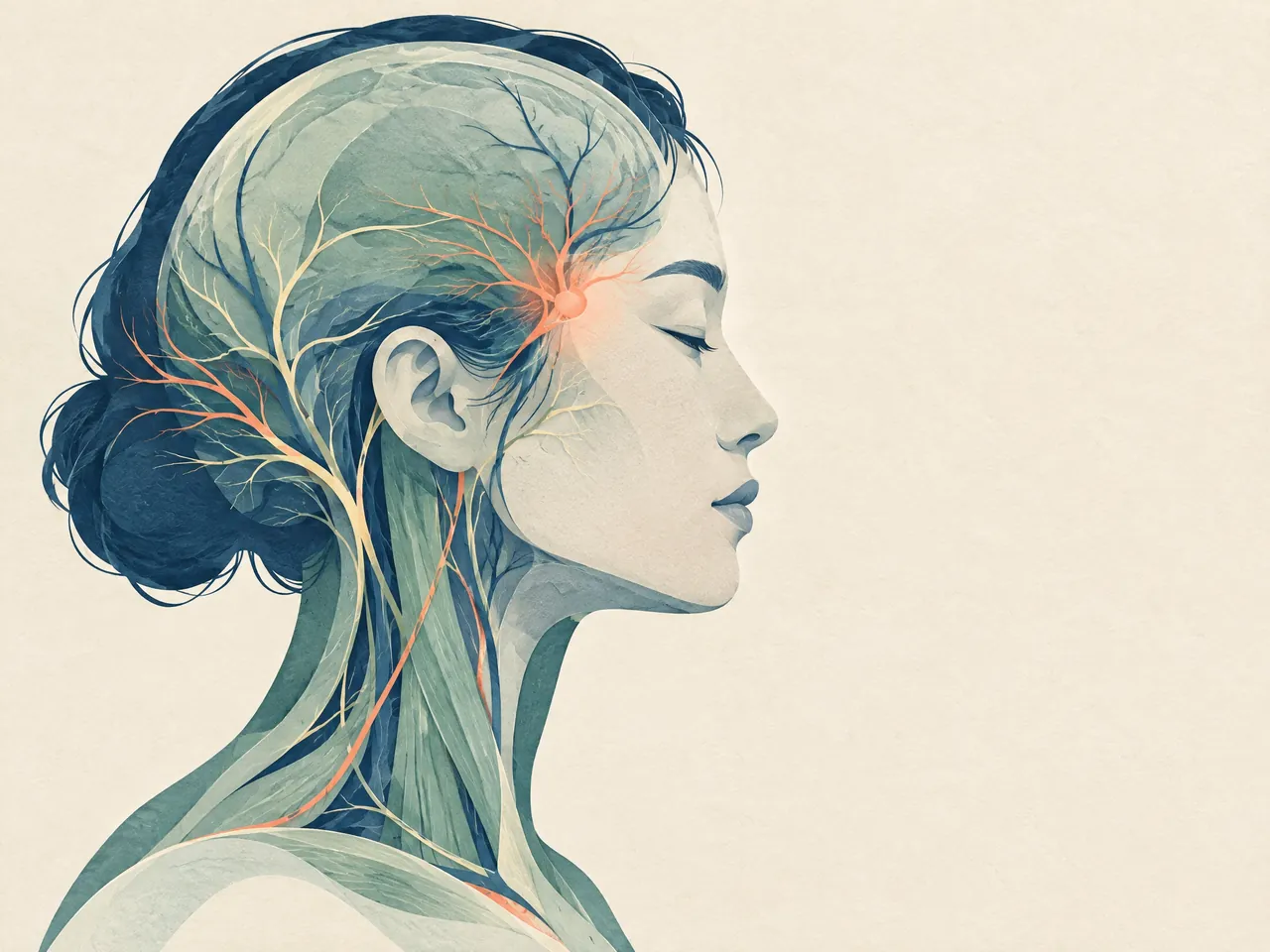
When migraine pain starts, choosing ice or heat is usually a question of the symptom you are trying to make more bearable. A wrapped cold pack may feel calming over a throbbing forehead, temple, or the back of the neck; gentle warmth may be more welcome when the neck and shoulders feel clenched. Neither option is a cure or a substitute for a care plan, but either can be a sensible comfort measure if it feels good, is used cautiously, and does not worsen the attack.
Appointments are confirmed through WhatsApp. If you have language requirements, please mention them in your enquiry.
The short answer
For a migraine, try cold when the head feels hot, tender, or strongly throbbing, and try gentle warmth when neck and shoulder tightness is the main discomfort. There is no universal winner: comfort and safety are the deciding factors. Keep a cloth between the skin and the pack, avoid sleeping with a heated item, and stop if pain, dizziness, or skin discomfort increases. Severe, new, changing, or hard-to-control attacks need medical assessment.
Transparent pricing
See the fees.
Choose your care.
Explore our complete official price list, including first-trial prices, regular prices, packages and branch-specific options.
Opening WhatsApp prepares an enquiry; it does not send a message, take payment or confirm an appointment. Suitability and individual arrangements are confirmed during consultation.
Pain care
All prices in HKDExtracorporeal shockwave treatment
Shockwave treatment for deep-tissue and fascial care. The Kwun Tong clinic offers the multi-area options shown below.
Priced by branch
Branch-specific pricing
Prince Edward: HK$250 per area
Kwun Tong: HK$250 for 1 area / HK$450 for 2 areas / HK$600 for 3 areas
Pain care (manual therapy)
Includes Chinese medicine musculoskeletal assessment, manual joint techniques and tui na.
HK$580 (single session)
Chinese medicine musculoskeletal assessment
Pain care (acupuncture and manual therapy)
Combines acupuncture and manual therapy.
HK$680 (single session)
Combined care
Hair and scalp
All prices in HKDScalp health and hair-loss management
Includes AI scalp analysis, deep scalp and follicle cleansing, and scalp oil-control care.
HK$380 (first trial)
Regular price: HK$680
- 6 sessions: HK$3,480 (HK$580 per session)
- 12 sessions: HK$5,760 (HK$480 per session)
- 20 sessions: HK$8,600 (HK$430 per session)
- 30 sessions: HK$11,400 (HK$380 per session)
Hair acupuncture and Chinese herbal medicine package
Includes scalp acupuncture and 3 days of Chinese herbal medicine that does not require decoction.
HK$580 (single session)
Registered Chinese Medicine Practitioner consultation
- 6 sessions: HK$3,180 (HK$530 per session)
- 12 sessions: HK$5,760 (HK$480 per session)
- 20 sessions: HK$8,600 (HK$430 per session)
- 30 sessions: HK$11,400 (HK$380 per session)
Combined hair and scalp treatment
Combines acupuncture and Chinese herbal medicine with salon-level scalp and follicle care. Packages include complimentary hair-care shampoo and serum.
HK$1,260 (single session)
Combined treatment
- 8 sessions: HK$8,640 (HK$1,080 per session)
- 16 sessions: HK$15,680 (HK$980 per session)
- 20 sessions: HK$18,600 (HK$930 per session)
- 30 sessions: HK$26,400 (HK$880 per session)
Weight management
All prices in HKDFull-body acupoint embedding for weight management
Includes full-body acupoint embedding. Packages include complimentary Chinese herbal medicine for weight management, with the number of included days scaled to the package. Embedding material and the individual treatment arrangement are confirmed during consultation; this is not a cosmetic thread lift.
HK$980 (single session)
No trial session
- 10 sessions: HK$7,800 (HK$780 per session)
- 20 sessions: HK$14,600 (HK$730 per session)
- 30 sessions: HK$20,400 (HK$680 per session)
Facial acupuncture
All prices in HKDFacial acupuncture (basic)
Includes facial acupuncture and meridian-based facial care, including care for facial puffiness.
HK$480 (first trial)
Regular price: HK$680
- 10 sessions: HK$5,200 (HK$520 per session)
- 20 sessions: HK$9,600 (HK$480 per session)
- 30 sessions: HK$13,500 (HK$450 per session)
Facial acupuncture (advanced)
Includes enhanced facial acupuncture with a specially formulated moisturising mask and serum.
HK$780 (first trial)
Regular price: HK$1,180
- 10 sessions: HK$9,000 (HK$900 per session)
- 20 sessions: HK$16,600 (HK$830 per session)
- 30 sessions: HK$23,400 (HK$780 per session)
Chinese medicine
All prices in HKDAcupuncture and Chinese herbal medicine package
Includes a Chinese medicine consultation with pulse assessment, body acupuncture and 3 days of Chinese herbal granules that do not require decoction.
HK$580 (single session)
Chinese medicine consultation with pulse assessment
ice or heat for migraine and migraine neck pain heat or ice—Should I use ice or heat for a migraine? understanding comfort choices
The useful question is not whether cold or warmth treats migraine itself, but which sensation gives you a little more comfort during this particular attack. Migraine commonly includes a severe, often one-sided throbbing headache, nausea, and sensitivity to light or sound. Some people also notice a stiff neck before the head pain. Those features can make a dim, quiet room and a carefully chosen pack feel more practical than trying to carry on as usual. Mayo Clinic includes hot or cold packs on the head or neck among self-care measures for easing migraine pain: ice may have a numbing effect, while heat can relax tense muscles [1].
Temperature preference can change between attacks. The Migraine Trust describes people finding comfort with cold compresses during an attack or warmth for tense neck muscles, while stressing that migraine experiences differ between individuals [3]. A short, comfortable trial is more useful than forcing a method that feels wrong.

ice or heat for migraine for throbbing pain, migraine neck pain heat or ice—Should I use ice or heat for a migraine?
Cold is often the more appealing starting point when pain feels pulsing, hot, or concentrated over the forehead, temple, or upper neck. A cool gel pack, chilled cloth, or purpose-made cold pack can offer a steady, simple sensation without strong smells or noise. There is no need to make it painfully cold or to hold it tightly in place. Place a clean cloth between the pack and skin, settle into a supported position, and notice whether the feeling is soothing rather than distracting. If you become more uncomfortable, chilled, or more aware of the pain, remove it. The practical aim is comfort, not to ‘freeze out’ the migraine.
A cold option can be especially easy to combine with other low-stimulation measures. You might darken the room, silence notifications, sip water if tolerated, and keep movement minimal while the pack rests lightly on the chosen area. If nausea makes lying flat unpleasant, try reclining with the neck supported rather than straining forward over a phone. Do not put ice directly on the skin or use a leaking or damaged pack. People with reduced sensation, circulation concerns, or a skin condition should check with a healthcare professional before relying on temperature therapy. For a more focused discussion of this approach, see cold pack for migraine and Is a cold compress good for migraine?.
ice or heat for migraine for neck and shoulder tension, migraine neck pain heat or ice—Should I use ice or heat for a migraine?
Warmth may be the more comfortable choice when the neck and shoulders feel tight, tired, or held up around the ears. A warm towel, a covered warm pack, or a warm shower can feel gentler than cold on guarded muscles. It should be pleasantly warm, not intense. Check the temperature first with your hand, use a cloth barrier when appropriate, and keep the pack where you can monitor it rather than falling asleep with it. Mayo Clinic notes that hot packs, heating pads, and warm showers or baths can relax tense muscles [1]. That is a comfort effect, not evidence that heat ends the neurological process of a migraine.
Neck pain does not automatically mean that the source is a neck problem. Migraine attacks can involve neck stiffness, and an awkward working posture can coexist with migraine without explaining every symptom. Avoid vigorous neck stretching, forceful massage, or trying to ‘crack’ the neck during a painful, light-sensitive attack. Gentle repositioning can be enough: support the head, let the jaw unclench, lower the shoulders, and stop any movement that sends pain upward. If you are exploring supportive care between attacks rather than seeking immediate pain relief, the pages on episodic migraine acupuncture and acupuncture to prevent migraine attacks explain that preventive conversations are different from urgent treatment during an attack.
Compare your options
| What you notice | A comfort option to consider | Practical safety check |
|---|---|---|
| Pulsing or hot-feeling pain at the forehead, temple, or back of the neck | A cloth-wrapped cold pack or cool damp cloth | Use a skin barrier; remove it if it feels painful, numbing, or unpleasant. |
| Tight upper shoulders or a guarded neck alongside a familiar migraine | A gently warm towel, covered warm pack, or warm shower | Test the temperature first; do not sleep with a heated item or use intense heat. |
| Light, sound, or smell sensitivity is prominent | Rest in a dark, quiet space with the least intrusive option | Do not add scented products or force a method that increases sensory discomfort. |
| New, abrupt, severe, or clearly different headache symptoms | Seek urgent medical assessment rather than relying on temperature therapy | Emergency signs include sudden severe headache, speech problems, seizure, weakness, or vision loss. |
On smaller screens, scroll the table sideways to compare all columns.
ice or heat for migraine and migraine neck pain heat or ice—Should I use ice or heat for a migraine? safe ways to try cold or warmth
Safety is mostly about moderation and attention. Cold should feel cool, not sharply painful; warmth should feel relaxing, not burning. A fabric layer protects the skin and also makes the sensation less abrupt. Stay awake and check how you feel rather than treating the pack as something to leave on indefinitely. Stop immediately if the area becomes painful, very red, numb, blotchy, or more sensitive, or if the headache clearly escalates. Choose another quiet comfort measure instead of persisting because a method helped on a previous day.

Keep medication decisions separate from the temperature decision. A pack does not make it safe to increase pain-medicine doses, combine products without advice, or repeatedly treat attacks without review. The NHS advises taking painkillers as soon as the headache starts when they are appropriate for you, and warns that using them on more than two days a week can cause more headaches and make migraine harder to treat [2]. If you are unsure what is suitable alongside your regular medicines, ask a pharmacist or clinician rather than guessing.

ice or heat for migraine step-by-step cold pack use, migraine neck pain heat or ice—Should I use ice or heat for a migraine?
Start with a cold source that is clean, sealed, and comfortably cool, such as a gel pack prepared according to its instructions or a cool damp cloth. Wrap it in a thin, dry cloth so there is no direct ice-to-skin contact. Sit or lie in a position that does not strain the neck. Rest the pack lightly across the forehead, at the side of the head, or at the back of the neck; do not tie it tightly, press on the eye, or use it while driving. Give yourself permission to stop as soon as it is no longer pleasant. A cold pack is a sensory comfort tool, not a test of endurance.
While trying cold, pay attention to the attack as a whole. Is the throbbing less intrusive? Does the coolness make you tense your shoulders? Are light, sound, nausea, or dizziness becoming more difficult? A brief note afterwards can be more informative than trying to remember the result weeks later. Record the headache start time, where the pain was, whether there was aura or nausea, the type of pack, and whether it helped, did nothing, or aggravated symptoms. A record of both helpful and unhelpful attempts lets a clinician see your real pattern rather than a single memorable attack.

ice or heat for migraine gentle warmth for muscles, migraine neck pain heat or ice—Should I use ice or heat for a migraine?
For warmth, begin gently. A warm towel can be refreshed when it cools; a reusable heat pack should be prepared exactly as its manufacturer directs and covered if it feels intense. Rest it across the upper shoulders or against the back of the neck without putting your body weight on it. Keep water and your phone nearby if you are alone and feeling unwell. Skip heat if it makes you feel flushed, queasy, more dizzy, or more sensitive to the attack. Do not use a heated item over an area of altered feeling, and do not fall asleep with it.
A warm shower may be a more controllable alternative for some people because you can adjust or stop the warmth immediately. Make safety the priority: avoid a very hot shower if you feel faint, make the bathroom environment secure, and leave if standing worsens pain or nausea. Afterward, dry off, rest somewhere quiet, and support the head and neck rather than hunching over a screen. If the neck is sore the day after an attack, gentle everyday activity may feel better than immobility, but any exercise should stop if it brings on head pain, vertigo, or neurological symptoms.
ice or heat for migraine and migraine neck pain heat or ice—Should I use ice or heat for a migraine? limits and next steps
Home comfort measures are most appropriate for a familiar pattern and are not a reason to dismiss a headache that looks different. Migraine can include nausea, vomiting, light and sound sensitivity, aura, or neck stiffness, but similar-sounding symptoms can occur in other conditions. If your usual migraine plan is no longer working, attacks are becoming more frequent or severe, or the pattern has changed, arrange medical advice. The NHS recommends assessment when migraine is severe, worsening, longer than usual, occurring more than once a week, or difficult to control [2].
Some symptoms call for urgent action rather than a cold cloth, warm shower, massage, or a wait-and-see approach. A sudden extremely painful headache, trouble speaking or remembering, loss of vision or new double vision, confusion, seizure, high temperature with possible meningitis symptoms, one-sided face or limb weakness, or headache after a head injury requires emergency assessment [2]. An aura that lasts longer than an hour, an attack lasting more than 72 hours, and migraine during pregnancy or soon after birth also need urgent clinical advice according to NHS guidance [2].
ice or heat for migraine when self-care is not enough, migraine neck pain heat or ice—Should I use ice or heat for a migraine?
Make an appointment when migraine is interrupting work, study, caring responsibilities, sleep, or your confidence in leaving home, even if a pack gives a little relief. A clinician can review whether the diagnosis still fits, check for medication overuse or other contributors, and discuss acute and preventive options that suit your history. Be specific about what you have tried: ‘cold numbs the temple but the nausea remains’ is more helpful than ‘nothing works.’ Mention every medicine, supplement, and therapy you use, including the days on which you take pain relief. That information can reveal patterns that a single pain score cannot.
At TCM Lab, a consultation can be a space to discuss symptoms and traditional Chinese medicine assessment as a complementary option; it does not replace emergency or conventional diagnostic care. A registered Chinese medicine practitioner may ask about the location and quality of head pain, neck tension, sleep, digestion, stress, menstrual pattern where relevant, and current medicines. Traditional pattern terminology is a personalised assessment approach, not a modern neurological diagnosis or a promise of cure. If you would like to ask about assessment availability, use the Kwun Tong Chinese medicine clinic page or contact TCM Lab to describe your symptoms and language needs before arranging a visit.

ice or heat for migraine tracking symptoms and preparing for assessment, migraine neck pain heat or ice—Should I use ice or heat for a migraine?
A useful migraine diary is brief enough to keep during a bad week. Record the date and start time, how the attack began, pain location and quality, accompanying symptoms, possible trigger context, medicines taken, and when you could return to normal activity. Add whether you used cold, warmth, both at different stages, or neither. Note the response in plain language: ‘cool cloth felt calming’, ‘warmth made me nauseated’, or ‘neither changed the pain.’ Mayo Clinic recommends tracking when a migraine started, what you were doing, how long it lasted, and what provided relief to help identify triggers [1].
Take the diary to an appointment along with a list or photos of medication labels. If you notice a new pattern, do not wait until the record feels perfect; an incomplete diary is still useful. For a TCM Lab enquiry, you may also review the Chinese medicine clinic Prince Edward location information and the Chinese medicine clinic price list Hong Kong before contacting the clinic. The purpose of preparation is to help you ask informed questions, not to self-diagnose or postpone care when red flags appear.
Care and health guide
Neck discomfort: care information
This directory brings together services, reading, and visit information related to neck discomfort, to help you prepare questions for a consultation.
When neck discomfort affects your day, noting when it occurs, its relation to activity, and what you have already tried can help prepare a consultation; acupuncture for neck pain is a relevant service or reading entry point.
Individual circumstances differ, and acupuncture Hong Kong offers related information to help you understand options and prepare questions.


Your questions, answered
Frequently asked questions
Is ice or heat better during a migraine?
Neither is better for everyone. Cold may be more comfortable for throbbing head pain, while gentle warmth may feel better for tight neck and shoulder muscles. Choose the sensation that is soothing, use a cloth barrier, and stop if it worsens symptoms.
Can I put a cold pack on my neck for migraine?
Yes, a wrapped cold pack can be used lightly at the back of the neck if it feels comfortable. Avoid direct ice on the skin, tight straps, pressure on the front of the neck, and continuing if numbness, skin pain, or worsening symptoms occur.
Can heat or cold replace migraine medicine?
No. A warm or cold pack is supportive self-care, not a replacement for medicine or a clinical plan. Follow medicine directions from your clinician or pharmacist, and ask for advice if attacks are hard to control or your usual treatment is no longer helping.
When is migraine neck pain an emergency?
Seek emergency care for a sudden extremely severe headache or headache with new weakness, speech or memory problems, vision loss or double vision, confusion, seizure, high fever with possible meningitis symptoms, or after a head injury. Do not try to manage these warning signs with heat or ice at home.
Sources and further information
- [1] [1] Mayo Clinic — Migraines: Simple steps to head off the pain
Referenced for: Supports temperature therapy on the head or neck, the numbing effect of ice packs, relaxation of tense muscles with heat, and headache-diary guidance.
- [2] [2] NHS — Migraine
Referenced for: Supports symptom descriptions, medication-overuse caution, assessment thresholds, and urgent headache warning signs.
- [3] [3] The Migraine Trust — Self-care for migraine: your top tips!
Referenced for: Supports the individual nature of comfort choices and examples of cold compresses and warmth for neck muscle tension.