
TCM Lab · Explore a health topic
Migraine, Migraine Aura and Migraine Prevention: A Practical Guide
Published Updated
A migraine is more than a bad headache: the pattern around the pain can be just as useful as the pain itself. Throbbing pain, nausea, sensitivity to light or sound, visual changes, exhaustion and a disrupted workday can belong in the same record, but one-sided pain alone does not identify the cause. Start by writing down what happened before, during and after each episode. That diary can make a medical consultation more focused, clarify whether migraine aura is present, and separate an acute-attack plan from a longer migraine prevention conversation.
Appointments are confirmed through WhatsApp. If you have language requirements, please mention them in your enquiry.
The short answer
For suspected migraine, record the timing, pain quality, associated symptoms, possible aura, sleep, meals, stress, menstrual timing and medicines used. A diary helps a clinician distinguish a recurring migraine pattern from other headaches and discuss both acute care and migraine prevention. Acupuncture can be explored as supportive preventive care, not as guaranteed immediate relief. A sudden, unusually severe headache or new neurological symptom needs urgent medical assessment.
Transparent pricing
See the fees.
Choose your care.
Explore our complete official price list, including first-trial prices, regular prices, packages and branch-specific options.
Opening WhatsApp prepares an enquiry; it does not send a message, take payment or confirm an appointment. Suitability and individual arrangements are confirmed during consultation.
Pain care
All prices in HKDExtracorporeal shockwave treatment
Shockwave treatment for deep-tissue and fascial care. The Kwun Tong clinic offers the multi-area options shown below.
Priced by branch
Branch-specific pricing
Prince Edward: HK$250 per area
Kwun Tong: HK$250 for 1 area / HK$450 for 2 areas / HK$600 for 3 areas
Pain care (manual therapy)
Includes Chinese medicine musculoskeletal assessment, manual joint techniques and tui na.
HK$580 (single session)
Chinese medicine musculoskeletal assessment
Pain care (acupuncture and manual therapy)
Combines acupuncture and manual therapy.
HK$680 (single session)
Combined care
Hair and scalp
All prices in HKDScalp health and hair-loss management
Includes AI scalp analysis, deep scalp and follicle cleansing, and scalp oil-control care.
HK$380 (first trial)
Regular price: HK$680
- 6 sessions: HK$3,480 (HK$580 per session)
- 12 sessions: HK$5,760 (HK$480 per session)
- 20 sessions: HK$8,600 (HK$430 per session)
- 30 sessions: HK$11,400 (HK$380 per session)
Hair acupuncture and Chinese herbal medicine package
Includes scalp acupuncture and 3 days of Chinese herbal medicine that does not require decoction.
HK$580 (single session)
Registered Chinese Medicine Practitioner consultation
- 6 sessions: HK$3,180 (HK$530 per session)
- 12 sessions: HK$5,760 (HK$480 per session)
- 20 sessions: HK$8,600 (HK$430 per session)
- 30 sessions: HK$11,400 (HK$380 per session)
Combined hair and scalp treatment
Combines acupuncture and Chinese herbal medicine with salon-level scalp and follicle care. Packages include complimentary hair-care shampoo and serum.
HK$1,260 (single session)
Combined treatment
- 8 sessions: HK$8,640 (HK$1,080 per session)
- 16 sessions: HK$15,680 (HK$980 per session)
- 20 sessions: HK$18,600 (HK$930 per session)
- 30 sessions: HK$26,400 (HK$880 per session)
Weight management
All prices in HKDFull-body acupoint embedding for weight management
Includes full-body acupoint embedding. Packages include complimentary Chinese herbal medicine for weight management, with the number of included days scaled to the package. Embedding material and the individual treatment arrangement are confirmed during consultation; this is not a cosmetic thread lift.
HK$980 (single session)
No trial session
- 10 sessions: HK$7,800 (HK$780 per session)
- 20 sessions: HK$14,600 (HK$730 per session)
- 30 sessions: HK$20,400 (HK$680 per session)
Facial acupuncture
All prices in HKDFacial acupuncture (basic)
Includes facial acupuncture and meridian-based facial care, including care for facial puffiness.
HK$480 (first trial)
Regular price: HK$680
- 10 sessions: HK$5,200 (HK$520 per session)
- 20 sessions: HK$9,600 (HK$480 per session)
- 30 sessions: HK$13,500 (HK$450 per session)
Facial acupuncture (advanced)
Includes enhanced facial acupuncture with a specially formulated moisturising mask and serum.
HK$780 (first trial)
Regular price: HK$1,180
- 10 sessions: HK$9,000 (HK$900 per session)
- 20 sessions: HK$16,600 (HK$830 per session)
- 30 sessions: HK$23,400 (HK$780 per session)
Chinese medicine
All prices in HKDAcupuncture and Chinese herbal medicine package
Includes a Chinese medicine consultation with pulse assessment, body acupuncture and 3 days of Chinese herbal granules that do not require decoction.
HK$580 (single session)
Chinese medicine consultation with pulse assessment
Explore this topic
Migraine, Migraine Aura and Migraine Prevention: Recognising the Pattern
Migraine episodes often have a recognisable shape, and that shape can change over time. Throbbing pain, often on one side, nausea, vomiting and sensitivity to light or sound are commonly reported. Some people notice tiredness, yawning, food cravings, thirst, mood change or a stiff neck before head pain. Others feel drained, foggy or unable to concentrate afterwards. Recording stages around the pain gives a fuller picture of migraine’s effect on work, study, childcare, travel and sleep. The NHS describes migraine as a set of symptoms rather than headache pain alone. [2]
A migraine aura is a temporary neurological symptom that occurs for some, not all, people with migraine. It may include flashing lights, zigzags, blind areas, tingling, numbness, dizziness or difficulty speaking. Write down when it started, how it developed, when it ended and whether head pain followed. The National Institute of Neurological Disorders and Stroke notes that aura can affect vision, speech or sensation and usually occurs before the attack. [1] A familiar label should not prevent someone from seeking prompt assessment for a new, different or worrying neurological symptom.
A description such as ‘left-side headache’ is a useful detail, not a diagnosis. Migraine can be one-sided, but tension-type headache, cluster headache, infection, medication overuse and other neurological or vascular conditions can also cause headache. Hong Kong Adventist Hospital notes that migraine may affect one side and may include nausea, vomiting and light sensitivity, while headache causes can be varied. [4] If you are asking yourself Is one-sided headache always a migraine?, use the wider symptom pattern and a clinical assessment rather than location alone.
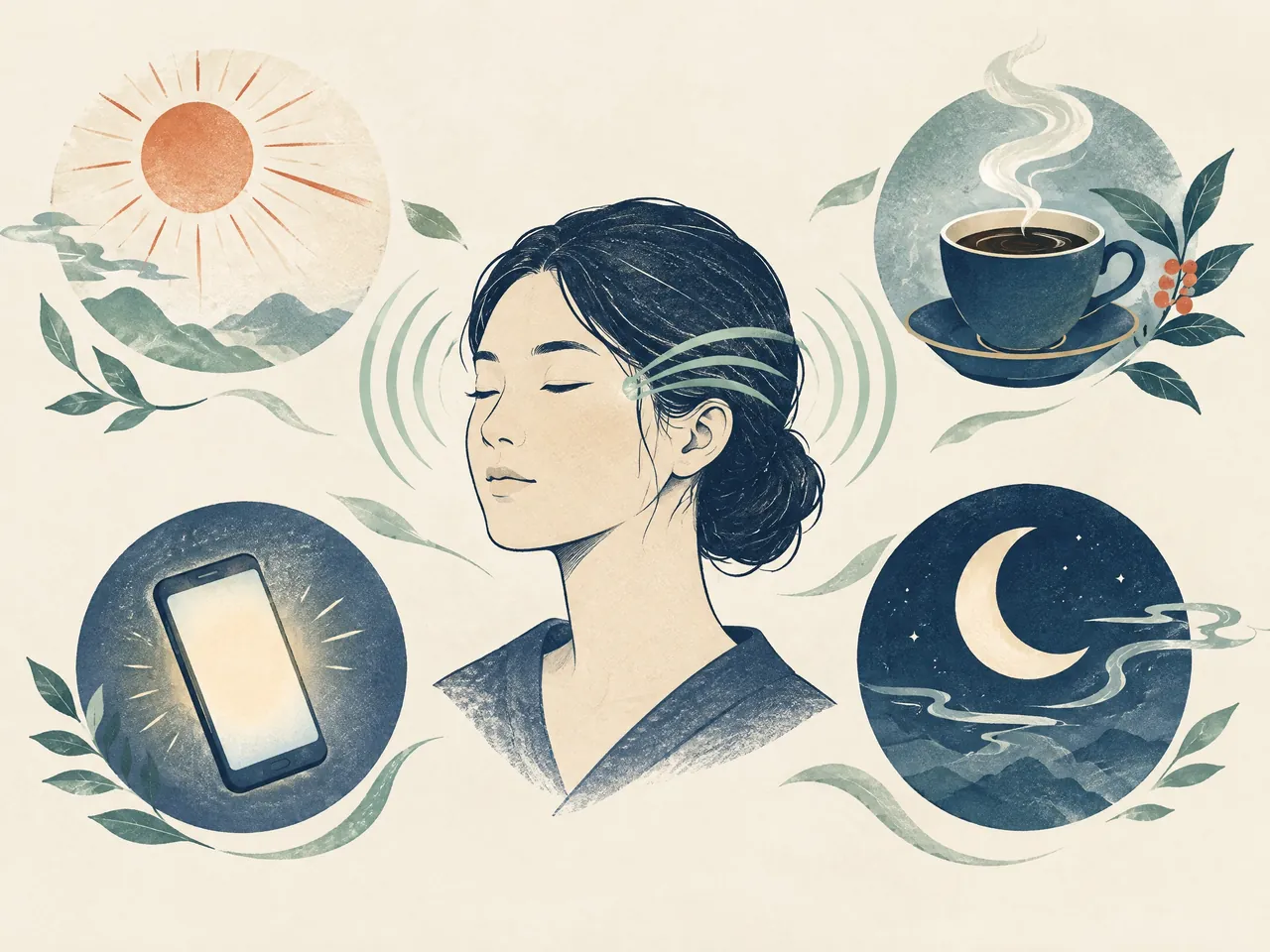
Migraine, Migraine Aura and Migraine Prevention: Symptoms Worth Recording
Make each entry short enough to complete on a difficult day. Begin with the date, time symptoms began and ended, where the pain was felt, whether it was throbbing, pressing or another sensation, and how much it limited ordinary activity. Then add nausea, vomiting, sensitivity to light, sound or smell, neck discomfort, visual changes, tingling, dizziness and speech changes if present. If you rested in a dark room, left work early or could not use a screen, note that impact. It captures disability without pretending that every episode can be reduced to one number.
Also record the 24 hours before an episode in a neutral way: meals and drinks, caffeine, alcohol, sleep length and quality, unusual stress, exercise, weather changes, strong smells, travel, and any change in daily routine. People who menstruate may find it useful to note cycle timing. These are clues to discuss, not proof that one item caused an attack. NINDS recommends noting timing, duration, sensory sensitivities, recent activity, medicines, sleep, stress, food and drinks in a headache journal so that patterns can inform a management plan. [1]
Migraine, Migraine Aura and Migraine Prevention: Why One-Sided Pain Is Not Enough
Compare the current episode with your established pattern. Did it start in the same way? Is the pain behaving differently? Are the accompanying symptoms familiar? A person who usually has slow-onset throbbing pain with nausea may still need assessment if a headache is abrupt, much more severe, follows an injury or comes with new weakness, confusion, altered vision or speech difficulty. The diary is not a tool for self-diagnosis. Its value is that it gives a clinician concrete changes to assess instead of relying on an understandably vague memory after a difficult day.
Medication use belongs in this comparison too. Note the medicine name, dose as directed, timing and whether it helped, rather than making repeated unsupervised changes. The NHS cautions that taking painkillers on more than two days a week can cause more headaches and make migraine harder to manage. [2] This is a reason to ask a doctor or pharmacist for advice when rescue medicines are becoming frequent, not a reason to stop prescribed medicine abruptly. A separate record of medicines may be especially useful if you use treatment for other conditions as well.
Compare your options
| What to record | Example of a useful note | Why it matters at a consultation |
|---|---|---|
| Timing and duration | Visual symptoms began at 09:10; head pain started at 10:00 and eased the next morning. | Shows the order of symptoms and whether the episode differs from your usual pattern. |
| Pain and associated symptoms | Right-sided throbbing pain with nausea and marked light sensitivity; screen work stopped. | Describes the full episode and its effect on normal activity, not pain location alone. |
| Possible preceding factors | Short sleep, skipped lunch and an unusually stressful afternoon; no alcohol. | Allows repeated patterns to be explored without treating one entry as proof of a trigger. |
| Medicines and response | Recorded medicine name and timing as directed; nausea continued and symptoms returned later. | Helps a clinician review acute-care use and whether the present plan needs reassessment. |
| Cycle and routine changes | Period started that day; travel schedule and meals were different from usual. | Adds context that can be relevant to personal migraine patterns and prevention planning. |
On smaller screens, scroll the table sideways to compare all columns.
Migraine, Migraine Aura and Migraine Prevention: From Diary to Consultation
Bring the diary, a medicine and supplement list, and relevant prior diagnoses to a consultation. The aim is to show the sequence clearly, not to arrive with a fixed explanation. A clinician may ask when attacks began, how often they occur, how long they last, what the pain feels like, whether aura or other symptoms occur, and what came before them. NINDS explains that health history and neurological examination help determine what may be causing migraine-like symptoms, while scans are not routinely used simply to diagnose migraine. [1] Your answers can help decide whether the next step is acute treatment advice, prevention planning, further assessment or referral.

It can be helpful to divide questions into ‘today’ and ‘between attacks’. Today’s questions concern the agreed plan for an episode: when to use prescribed treatment, which symptoms mean the plan no longer fits, and who to contact. Between-attack questions concern recurring triggers, sleep and meal regularity, frequency, medicines and possible preventive options. This avoids expecting an approach discussed for migraine prevention to reliably stop an attack already underway. If the diary suggests a relationship with work patterns, weekends or cycle timing, bring those observations without assuming they are the only explanation.
Migraine, Migraine Aura and Migraine Prevention: Tracking Triggers and Episodes
A trigger is personal and may not be the same every time. Instead of banning a food or blaming a busy week after one attack, look for repeated sequences across several entries. For example, an entry might show an early meeting after short sleep, a skipped breakfast, screen exposure and a late afternoon headache. Another may show no obvious preceding event. Both entries matter. A pattern can guide a measured conversation about sleep, regular meals, caffeine, stress or other routines; it should not create an unnecessarily restrictive life. Read more about migraine triggers when you want a structured way to review possible patterns.
Record what happened after treatment too. Did symptoms settle enough to resume an activity, return after a few hours, or continue into the next day? Did nausea make oral medicine difficult? Was there a symptom before pain that could help you act earlier next time? The NHS distinguishes treatment to manage an attack from treatment intended to prevent future attacks. [2] This can shift a consultation from ‘nothing works’ to a clearer review of what was tried, when and under whose advice.
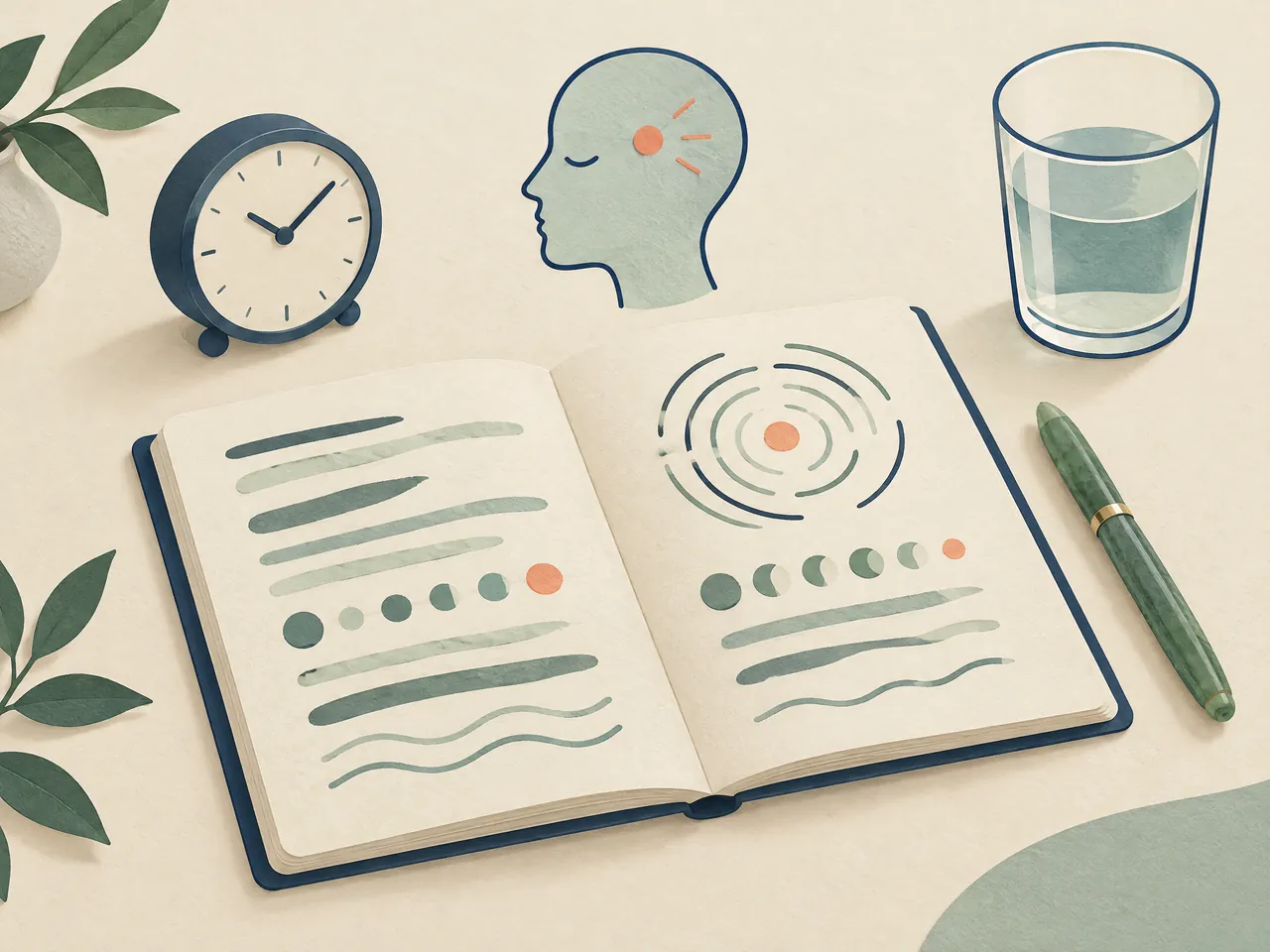
Migraine, Migraine Aura and Migraine Prevention: Understanding Acupuncture's Supportive Role
Acupuncture is sometimes discussed within a broader migraine prevention plan. It should be framed honestly: it is not a guaranteed way to stop an acute migraine attack, and it does not replace urgent assessment or a clinician’s advice about prescribed medicine. The Migraine Trust says there is some evidence that acupuncture may help prevent migraine attacks, with more evidence described for episodic than chronic migraine; it also advises speaking with a doctor about suitability. [3] That makes prevention, not instant rescue, the relevant question to bring to an enquiry.
At a TCM consultation, be ready to describe the diary, current diagnoses, pregnancy status where relevant, medicines, supplements and any past fainting, bruising or needle concerns. Ask what the practitioner is assessing, how acupuncture might sit alongside your existing medical plan, what discomfort or minor local effects should be discussed, and when you should return to your doctor instead. Do not change or combine treatments on the assumption that ‘natural’ means risk-free. A Registered Chinese Medicine Practitioner can discuss suitability individually; an assessment may also point back to medical care if the history needs further evaluation.
Migraine, Migraine Aura and Migraine Prevention: Safety and Next Steps
A familiar migraine history does not rule out danger signs. Seek urgent medical assessment for a headache that starts suddenly and is extremely painful, or for new speaking difficulty, loss of vision or double vision, drowsiness or confusion, seizure, high fever with a stiff neck, one-sided face or limb weakness, or headache after a head injury. NHS urgent guidance lists these features as reasons for emergency help. [2] An aura lasting longer than usual or an unusually prolonged attack also deserves timely medical advice. Do not wait for a TCM appointment.
For non-urgent recurring symptoms, prepare rather than panic. Keep the diary available, list current medicines and allergies, and note the main change you want assessed. If a doctor already manages your migraine, include that advice in the conversation. A TCM enquiry can concern supportive care and prevention, while medical diagnosis and acute treatment remain important parts of safe care. Ask how the practitioner would work alongside your existing plan before deciding whether to arrange a consultation.

If you would like to enquire with TCM Lab, use WhatsApp +852 6940 5663 to describe the main concern, whether symptoms are currently stable, the location you prefer and any language needs. Consultation arrangements are made by appointment. You can compare travel options at the Kwun Tong Chinese medicine clinic or the Chinese medicine clinic Prince Edward page. For transparent planning before you message, see the Chinese medicine clinic price list Hong Kong.
Migraine, Migraine Aura and Migraine Prevention: When Urgent Medical Care Matters
Be especially careful with a change from your personal baseline. ‘I have had migraine before’ does not establish that every later severe headache is migraine. Note the exact time symptoms began if you can, but do not delay urgent care to finish a record, take photos or search for explanations. Tell the medical team about previous migraine, current medicines, pregnancy or recent delivery where relevant, injury, fever and the new symptoms. That information can help them assess the situation quickly.
Urgent assessment is also appropriate when you cannot keep fluids down, when an attack is lasting longer than your usual attacks, or when a symptom that you have called aura is new or lasts longer than expected. NHS guidance says to seek urgent advice for an attack lasting more than 72 hours, aura lasting more than one hour, or migraine during pregnancy or after having a baby. [2] The practical message is simple: unusual duration or neurological change is a reason to escalate, even if headache is part of your normal health history.

Migraine, Migraine Aura and Migraine Prevention: Planning a TCM Enquiry in Hong Kong
A useful first message does not need specialised terminology. Say how long the pattern has been present, how often attacks interrupt normal activity, whether you have visual or sensory symptoms, which medical care you already use, and whether you are seeking a prevention-focused discussion. If you have a headache diary, mention that you can bring it. This helps the clinic understand whether a consultation question is appropriate and helps you ask more precise questions when you meet a practitioner.
During the consultation, expect to discuss the whole pattern rather than only the most painful hour: sleep, meals, stress, cycle timing where relevant, medicines, previous investigations and your goals. You may decide that the next best step is to continue medical follow-up, adjust an existing plan with the relevant clinician, or discuss supportive acupuncture in parallel. The value of the enquiry is an informed conversation about your own circumstances, not a promise that every migraine will respond in the same way.
Care and health guide
Health service information
This directory brings together services, reading, and visit information related to health services, to help you prepare questions for a consultation.
If you are organising health questions, Chinese medicine clinic Hong Kong is a starting point for learning about related services and preparing for a consultation.
People have different needs; acupuncture Hong Kong provides further reading to help you understand options in your own context.


Your questions, answered
Frequently asked questions
What should I record when I suspect migraine?
Note the date, onset and finish time, pain location and quality, nausea, sensitivity to light or sound, any aura, sleep, stress, meals, menstrual timing where relevant, possible preceding factors and every medicine taken. Also write what you could not do normally, such as working at a screen or driving. Repeated, brief entries are more useful than one highly detailed entry remembered weeks later.
Does one-sided head pain always mean migraine?
No. One-sided pain can occur with migraine, but it can also occur with other headache conditions and medical problems. The associated symptoms, timing, medical history and examination matter. Seek urgent assessment for sudden extreme pain, new neurological symptoms, fever and stiff neck, symptoms after a head injury, or a clear change from your usual pattern.
Can acupuncture stop a migraine attack immediately?
Immediate relief cannot be guaranteed. Information from The Migraine Trust discusses acupuncture primarily in relation to preventing migraine attacks, rather than as certain acute pain relief. Discuss whether it is suitable with qualified health professionals, and continue to follow the medical advice already given for prescribed or over-the-counter medicines.
When should I ask about migraine prevention?
Ask when attacks are frequent, disabling, getting harder to control, require increasingly frequent acute medicine, or create a recurring burden even if individual attacks eventually settle. Bring a diary to the discussion. Prevention can include medical and non-drug options, but the right approach depends on your symptoms, health history, current medicines and priorities.
Sources and further information
- [1] National Institute of Neurological Disorders and Stroke — Migraine
Referenced for: NIH information on migraine aura, episode phases, headache journals, diagnosis and treatment context.
- [2] NHS — Migraine
Referenced for: NHS guidance on migraine symptoms, aura, treatment distinctions, diary use and urgent warning signs.
- [3] The Migraine Trust — Acupuncture for migraine
Referenced for: Charity patient information on acupuncture as a possible migraine-prevention option, session context and limitations.
- [4] Hong Kong Adventist Hospital — Headache Clinic
Referenced for: Hong Kong hospital information on local headache and migraine symptom terminology and neurology assessment context.