
TCM Lab · Health reading
Primary vs Secondary Dysmenorrhea: Understanding Secondary Dysmenorrhea Causes
Published Updated
A familiar cramp at the start of a period is one thing; pain that arrives years later, lasts beyond bleeding, or changes alongside the period is another. In primary vs secondary dysmenorrhea, the useful question is not whether pain is ‘normal’ enough to endure, but whether its timing and impact still match a person’s usual pattern. Secondary dysmenorrhea causes need medical consideration because they can include gynaecological conditions that call for specific assessment. A clear cycle record can help turn ‘my cramps are worse’ into information a clinician can act on.
Appointments are confirmed through WhatsApp. If you have language requirements, please mention them in your enquiry.
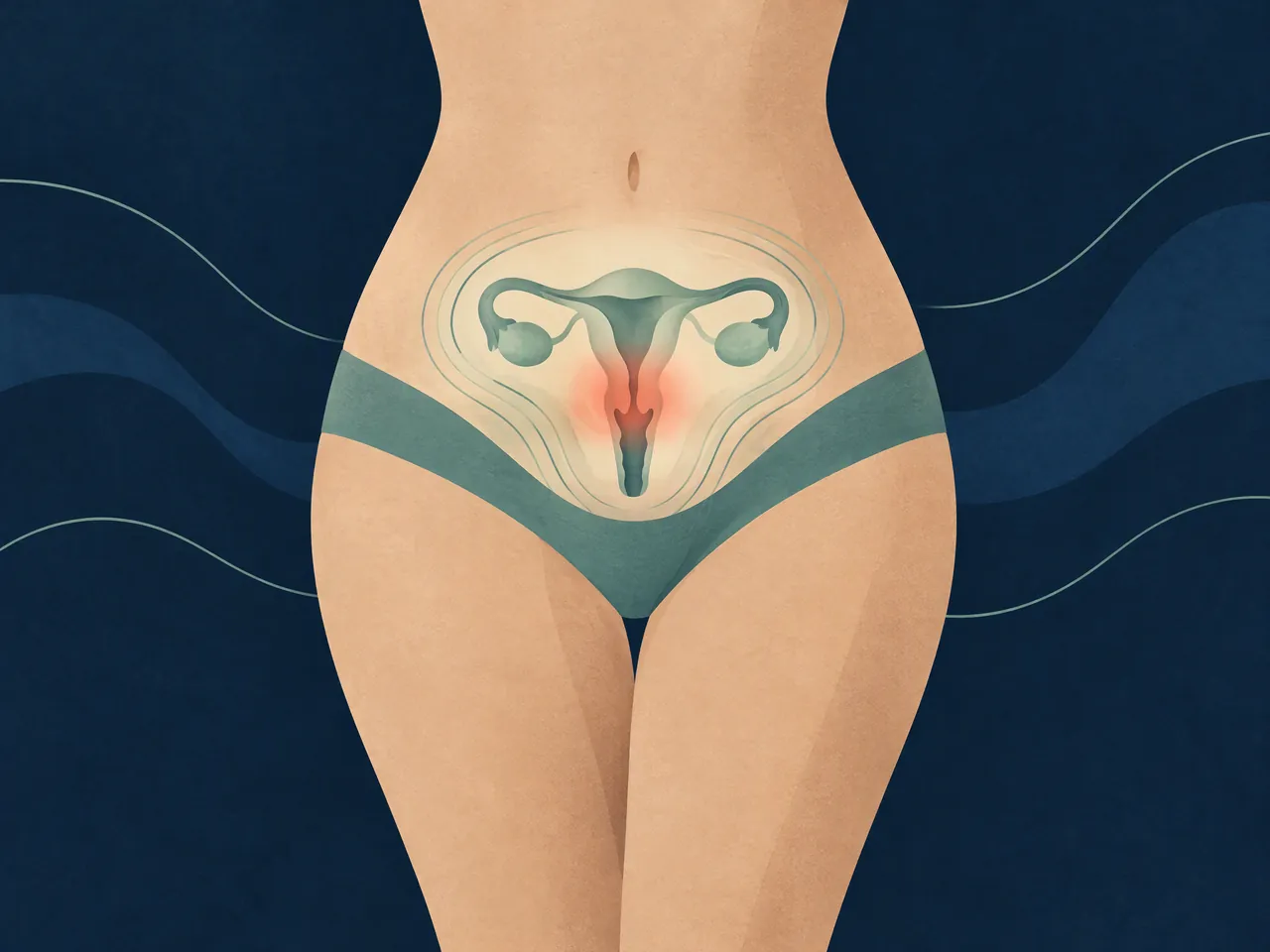
The short answer
Primary dysmenorrhea is period cramping without an identifiable pelvic condition and commonly starts soon after periods begin. Secondary dysmenorrhea is pain linked to an underlying condition, and it may start later, become more severe, last longer, or come with bleeding and pelvic symptoms that differ from a person’s usual cycle. New, worsening, or disabling pain should be medically assessed rather than self-labelled from symptoms alone.
Transparent pricing
See the fees.
Choose your care.
Explore our complete official price list, including first-trial prices, regular prices, packages and branch-specific options.
Opening WhatsApp prepares an enquiry; it does not send a message, take payment or confirm an appointment. Suitability and individual arrangements are confirmed during consultation.
Chinese medicine
All prices in HKDAcupuncture and Chinese herbal medicine package
Includes a Chinese medicine consultation with pulse assessment, body acupuncture and 3 days of Chinese herbal granules that do not require decoction.
HK$580 (single session)
Chinese medicine consultation with pulse assessment
Hair and scalp
All prices in HKDScalp health and hair-loss management
Includes AI scalp analysis, deep scalp and follicle cleansing, and scalp oil-control care.
HK$380 (first trial)
Regular price: HK$680
- 6 sessions: HK$3,480 (HK$580 per session)
- 12 sessions: HK$5,760 (HK$480 per session)
- 20 sessions: HK$8,600 (HK$430 per session)
- 30 sessions: HK$11,400 (HK$380 per session)
Hair acupuncture and Chinese herbal medicine package
Includes scalp acupuncture and 3 days of Chinese herbal medicine that does not require decoction.
HK$580 (single session)
Registered Chinese Medicine Practitioner consultation
- 6 sessions: HK$3,180 (HK$530 per session)
- 12 sessions: HK$5,760 (HK$480 per session)
- 20 sessions: HK$8,600 (HK$430 per session)
- 30 sessions: HK$11,400 (HK$380 per session)
Combined hair and scalp treatment
Combines acupuncture and Chinese herbal medicine with salon-level scalp and follicle care. Packages include complimentary hair-care shampoo and serum.
HK$1,260 (single session)
Combined treatment
- 8 sessions: HK$8,640 (HK$1,080 per session)
- 16 sessions: HK$15,680 (HK$980 per session)
- 20 sessions: HK$18,600 (HK$930 per session)
- 30 sessions: HK$26,400 (HK$880 per session)
Weight management
All prices in HKDFull-body acupoint embedding for weight management
Includes full-body acupoint embedding. Packages include complimentary Chinese herbal medicine for weight management, with the number of included days scaled to the package. Embedding material and the individual treatment arrangement are confirmed during consultation; this is not a cosmetic thread lift.
HK$980 (single session)
No trial session
- 10 sessions: HK$7,800 (HK$780 per session)
- 20 sessions: HK$14,600 (HK$730 per session)
- 30 sessions: HK$20,400 (HK$680 per session)
Facial acupuncture
All prices in HKDFacial acupuncture (basic)
Includes facial acupuncture and meridian-based facial care, including care for facial puffiness.
HK$480 (first trial)
Regular price: HK$680
- 10 sessions: HK$5,200 (HK$520 per session)
- 20 sessions: HK$9,600 (HK$480 per session)
- 30 sessions: HK$13,500 (HK$450 per session)
Facial acupuncture (advanced)
Includes enhanced facial acupuncture with a specially formulated moisturising mask and serum.
HK$780 (first trial)
Regular price: HK$1,180
- 10 sessions: HK$9,000 (HK$900 per session)
- 20 sessions: HK$16,600 (HK$830 per session)
- 30 sessions: HK$23,400 (HK$780 per session)
Pain care
All prices in HKDExtracorporeal shockwave treatment
Shockwave treatment for deep-tissue and fascial care. The Kwun Tong clinic offers the multi-area options shown below.
Priced by branch
Branch-specific pricing
Prince Edward: HK$250 per area
Kwun Tong: HK$250 for 1 area / HK$450 for 2 areas / HK$600 for 3 areas
Pain care (manual therapy)
Includes Chinese medicine musculoskeletal assessment, manual joint techniques and tui na.
HK$580 (single session)
Chinese medicine musculoskeletal assessment
Pain care (acupuncture and manual therapy)
Combines acupuncture and manual therapy.
HK$680 (single session)
Combined care
Primary vs Secondary Dysmenorrhea: How the Patterns Differ — Secondary Dysmenorrhea Causes
Dysmenorrhea means pain associated with menstruation. The terms primary and secondary describe different clinical patterns, not a ranking of how real or how bearable someone’s pain is. Primary dysmenorrhea is cramping before or during a period without another identified pelvic condition. It is associated with prostaglandins, natural chemicals made in the uterine lining that contribute to uterine contractions. Secondary dysmenorrhea refers to menstrual pain caused by a disorder affecting the reproductive organs. The distinction guides what questions and examinations may be useful; it cannot be settled by an online checklist alone. [1]
For someone comparing primary vs secondary dysmenorrhea, the baseline matters. Think back to the first years of menstruation, not just the most recent difficult month. Was the pain present from early cycles, concentrated around the first days of flow, and broadly predictable? Or was there a later shift after years of manageable periods? A predictable pattern can still deserve help, particularly if it disrupts life. Yet a new pattern is information in its own right, because secondary dysmenorrhea causes are considered when symptoms no longer behave like the person’s established menstrual cramps.

Pain is also more than a number on a scale. A short, useful description names where it sits, whether it is cramping, aching, sharp, heavy, or pressure-like, and what it stops someone from doing. Note whether it travels to the back or thighs, wakes you at night, leads to missed work or classes, or changes eating and sleep. This detail does not diagnose a condition, but it helps a clinician distinguish a recurring menstrual experience from pelvic symptoms that need a broader review.
Primary vs Secondary Dysmenorrhea: When Period Pain Usually Begins — Secondary Dysmenorrhea Causes
Primary dysmenorrhea commonly begins soon after menstrual periods start. The pain generally occurs just before or during bleeding and tends to lessen after the first days of the period as prostaglandin levels fall. It may be accompanied by symptoms such as nausea, diarrhoea, headache, or dizziness, so associated symptoms do not automatically establish a secondary cause. What gives the history meaning is the whole pattern: onset, recurrence from cycle to cycle, duration, and whether the experience has changed. [1]
Secondary dysmenorrhea often begins later than primary cramps and may become worse over time. Pain can begin several days before a period, intensify as bleeding continues, and sometimes remain after the period ends. These are patterns to raise with a healthcare professional, not diagnostic rules. A person can have a condition without every listed feature, and similar symptoms can have different explanations. The value of recognising a changed pattern is that it prompts a timely conversation rather than repeated self-treatment without reassessment.

Primary vs Secondary Dysmenorrhea and Secondary Dysmenorrhea Causes to Notice
Examples of secondary dysmenorrhea causes include endometriosis, fibroids, and adenomyosis. ACOG also notes some congenital reproductive-organ problems and other medical conditions as possible contributors. The NHS lists pelvic inflammatory disease and pain associated with an intrauterine device among possible causes of painful periods. These are examples, not a self-diagnosis list, and their symptoms may overlap. A clinician considers the history, examination and, where appropriate, tests before explaining what is most likely. [1] [2]
The terms can be confusing because conditions are not defined by one sensation. For example, it is worth reading about adenomyosis and painful periods when cramps coexist with a changed bleeding pattern, but that connection does not confirm adenomyosis. Likewise, information on fibroids and period pain can help frame questions for an appointment, while imaging and clinical assessment determine whether fibroids are present and relevant. Keeping these distinctions protects against both dismissing symptoms and jumping to conclusions.
Compare your options
| What to notice | Pattern often described with primary dysmenorrhea | Change to raise at a medical assessment |
|---|---|---|
| When pain began | Begins soon after menstruation starts and is familiar from earlier cycles. | Starts after years of different or manageable periods. |
| Timing around bleeding | Usually occurs just before or during the period and eases after the early days. | Begins days before bleeding, lasts longer, or continues after the period ends. |
| Bleeding pattern | No new, unexplained change from the person’s typical flow pattern. | Heavier, irregular, or intermenstrual bleeding, or a noticeable change in flow. |
| Other pelvic symptoms | Cramps may be accompanied by general menstrual symptoms. | Pain during sex, urination or bowel movements; pain between periods; swelling; or new daily-life disruption. |
| Response and next step | Discuss routine symptom management if pain affects wellbeing or activities. | Seek assessment sooner when pain is severe, worsening, unfamiliar, or not helped by usual pain relief. |
On smaller screens, scroll the table sideways to compare all columns.
Primary vs Secondary Dysmenorrhea: Symptoms That May Point to Secondary Dysmenorrhea Causes
A symptom change deserves attention even when someone has always had some degree of period pain. Ask what has changed in the last several cycles: the timing, the duration, the amount of bleeding, the pain’s location, or the ability to carry out usual activities. It can be helpful to record the answer in real time rather than reconstructing it from memory at an appointment. Include the first day of bleeding, when the pain starts and ends, what relief measures were tried, and whether they worked as expected.
Certain features are especially useful to mention: pain during sex; pain when passing urine or opening the bowels; bleeding between periods; periods that have become heavier or irregular; a swollen abdomen; and unintentional weight loss. The NHS advises seeking clinical advice for these changes, as well as for pain that stops usual activities. Those signs do not identify one condition by themselves, but they widen the questions beyond ordinary menstrual cramps. [2]

Seek urgent medical advice when pelvic or period pain is severe or worse than usual and painkillers have not helped. If pregnancy is possible, unexpected pelvic pain or bleeding also calls for prompt medical advice rather than waiting to see whether the next cycle settles. If a person feels acutely unwell, follows local urgent-care guidance. The key point is simple: a familiar coping plan is not a substitute for assessment when the situation is no longer familiar.
Primary vs Secondary Dysmenorrhea: Changes in Bleeding and Pain — Secondary Dysmenorrhea Causes
Bleeding changes can make the history more informative. Record whether flow feels noticeably heavier or lighter than usual, whether clots are new or different, how many days bleeding lasts, and whether spotting happens outside the period. Pair this with the pain timeline. Pain that begins before flow, peaks at a different point than before, or continues after bleeding has finished gives a clinician a clearer map than a single description of ‘bad cramps.’ Bring any record of new contraception or an intrauterine device as well, because timing can matter to the assessment. [2]
It is sensible to write down medicines, supplements and remedies already used, including whether they changed pain, bleeding, stomach symptoms, or alertness. Do not increase, stop, or combine medicines based on an article alone; a pharmacist or doctor can check what is appropriate for the individual. Heat, gentle movement, rest and other comfort measures may be part of a personal plan, but they should not delay review of red-flag changes. A diary is not proof of a cause; it is a concise account of what needs investigating.

Primary vs Secondary Dysmenorrhea: Pain Outside the Usual Period Pattern — Secondary Dysmenorrhea Causes
Pain outside the usual period window is worth describing precisely. Is it present on days without bleeding? Does it occur with penetration, bowel movements, urination, exercise, or prolonged sitting? Is it one-sided or widespread? Does it feel like a cramp, pressure, burning, or a sharp pain? These observations help a clinician decide whether the symptom pattern is primarily menstrual or whether pelvic, urinary, bowel, musculoskeletal, or other factors need consideration. They are clues for a consultation, not labels to apply to yourself.
Daily consequences belong in the record too. Say if pain requires leaving work early, cancelling social plans, changing meals, avoiding sex, or missing sleep. This makes it easier to communicate the burden without minimising it. A person need not wait until pain is unbearable to ask for assessment. Conversely, an apparently mild symptom that is becoming more frequent or is paired with unusual bleeding may still warrant a review. The practical purpose of primary vs secondary dysmenorrhea is to make these pattern changes visible and actionable.
Primary vs Secondary Dysmenorrhea: Reviewing Secondary Dysmenorrhea Causes Safely
A safe review starts with a medical history, not with choosing a cause from a list. A healthcare professional may ask about age when periods started, the first appearance of pain, contraception, chance of pregnancy, cycle regularity, bleeding, bowel and urinary symptoms, sexual pain, medicines, and family history. Depending on the history, a pelvic examination may be recommended. If medicine does not relieve pain, an ultrasound examination may be used; in selected circumstances, further assessment such as laparoscopy may be discussed. [1]
Before an appointment, take a short written timeline rather than trying to remember every detail under pressure. Include several recent cycles if possible, the days you were unable to function normally, and any treatment you have already tried. Put your priority questions at the top: ‘Why has this changed?’, ‘Do I need examination or imaging?’, and ‘What should make me seek help sooner?’ If you have a result from previous imaging or laboratory tests, bring it or ask how it can be shared with the clinician reviewing you.

Assessment can lead to different next steps for different causes, so it is not helpful to assume that one treatment fits everyone. Medicines, hormonal options, targeted treatment for a diagnosed condition, or referral to gynaecology may be considered in a medical setting. The appropriate choice depends on the diagnosis, symptom burden, medical history, pregnancy plans, preferences and risks. The goal is not merely to label pain; it is to make sure significant symptoms are not overlooked and that the plan addresses the cause when one is found. [1] [2]
Primary vs Secondary Dysmenorrhea: What an Assessment May Consider — Secondary Dysmenorrhea Causes
A useful consultation is collaborative. Start with the pain timeline, then describe the bleeding pattern and the effects on school, work, sleep, movement and relationships. Mention previous pelvic surgery, an IUD, recent infections, and all prescribed, over-the-counter and herbal products. It is reasonable to ask what each proposed examination or test can and cannot show, and how results would change the next decision. Clear questions help make a visit more productive without placing the responsibility for diagnosis on the patient.
The table below is a conversation aid, not a diagnostic tool. It compares the pattern often described with primary dysmenorrhea against changes that should be brought to a clinician’s attention. It also separates the information a person can observe from the causes that require professional assessment. Bring the table’s details to a consultation rather than using it to rule conditions in or out.

Primary vs Secondary Dysmenorrhea: Where Secondary Dysmenorrhea Causes Fit with TCM Care
Traditional Chinese medicine terms such as ‘coldness’ or ‘blood stasis’ are part of a traditional assessment language; they do not establish a gynaecological diagnosis or replace examination for secondary dysmenorrhea causes. If acupuncture or Chinese herbal medicine is being considered as supportive care, share the medical assessment, current prescriptions, contraception, allergies, pregnancy possibility and any test results with the practitioner. ACOG notes that acupuncture and acupressure may be useful for painful periods, but that general statement is not a promise of benefit for any individual. [1]
Once urgent or changing symptoms have been medically assessed, TCM Lab can discuss a supportive Chinese medicine consultation in context. You may compare a Kwun Tong Chinese medicine clinic with the Chinese medicine clinic Prince Edward location, and review the Chinese medicine clinic price list Hong Kong before making contact. Bring your cycle diary and explain what medical review has already occurred. A WhatsApp enquiry can clarify appointment arrangements, but it does not replace urgent medical assessment or confirm a diagnosis.
Care and health guide
Health service information
This directory brings together services, reading, and visit information related to health services, to help you prepare questions for a consultation.
If you are organising health questions, Chinese medicine clinic Hong Kong is a starting point for learning about related services and preparing for a consultation.
People have different needs; acupuncture Hong Kong provides further reading to help you understand options in your own context.


Your questions, answered
Frequently asked questions
What is the difference between primary and secondary dysmenorrhea?
Primary dysmenorrhea is menstrual cramping without an identified pelvic condition and commonly begins soon after periods start. Secondary dysmenorrhea is pain associated with an underlying reproductive-organ condition. It may begin later, worsen over time, last longer than usual cramps, or appear with changed bleeding or other pelvic symptoms. Only an individual clinical assessment can determine the cause. [1]
What are common secondary dysmenorrhea causes?
Conditions listed by ACOG and the NHS include endometriosis, adenomyosis and fibroids. The NHS also lists pelvic inflammatory disease, while ACOG describes some congenital reproductive-organ problems and other conditions. An IUD can be associated with period pain, particularly after placement. These possibilities overlap in symptoms, so they should prompt a medical conversation rather than self-diagnosis. [1] [2]
When should I seek medical advice about period pain?
Seek medical advice if pain is severe or worse than usual, does not improve with usual pain relief, or prevents normal activities. Also arrange assessment for heavier or irregular periods, bleeding between periods, pain during sex, when urinating or opening the bowels, abdominal swelling, or unexplained weight loss. If pregnancy is possible and there is unexpected pelvic pain or bleeding, seek prompt medical advice. [2]
Can Chinese medicine replace a gynaecological assessment?
No. Traditional Chinese medicine assessment does not diagnose conditions such as endometriosis, adenomyosis or fibroids. Acupuncture or Chinese herbal medicine may be discussed as supportive care after an individual review, but changing or concerning symptoms still need medical assessment. Share all medicines, contraception, pregnancy possibility and test results with every practitioner involved in your care. [1]
Sources and further information
- [1] [1] American College of Obstetricians and Gynecologists — Dysmenorrhea: Painful Periods
Referenced for: Definitions of primary and secondary dysmenorrhea; described pattern changes; possible causes; assessment; and the limited, non-guaranteed context for acupuncture and acupressure.
- [2] [2] NHS — Period pain
Referenced for: Period-pain symptoms, potential causes, warning signs that need assessment, and the role of ultrasound or gynaecology referral where appropriate.