





How to interpret acupuncture research for primary cramps
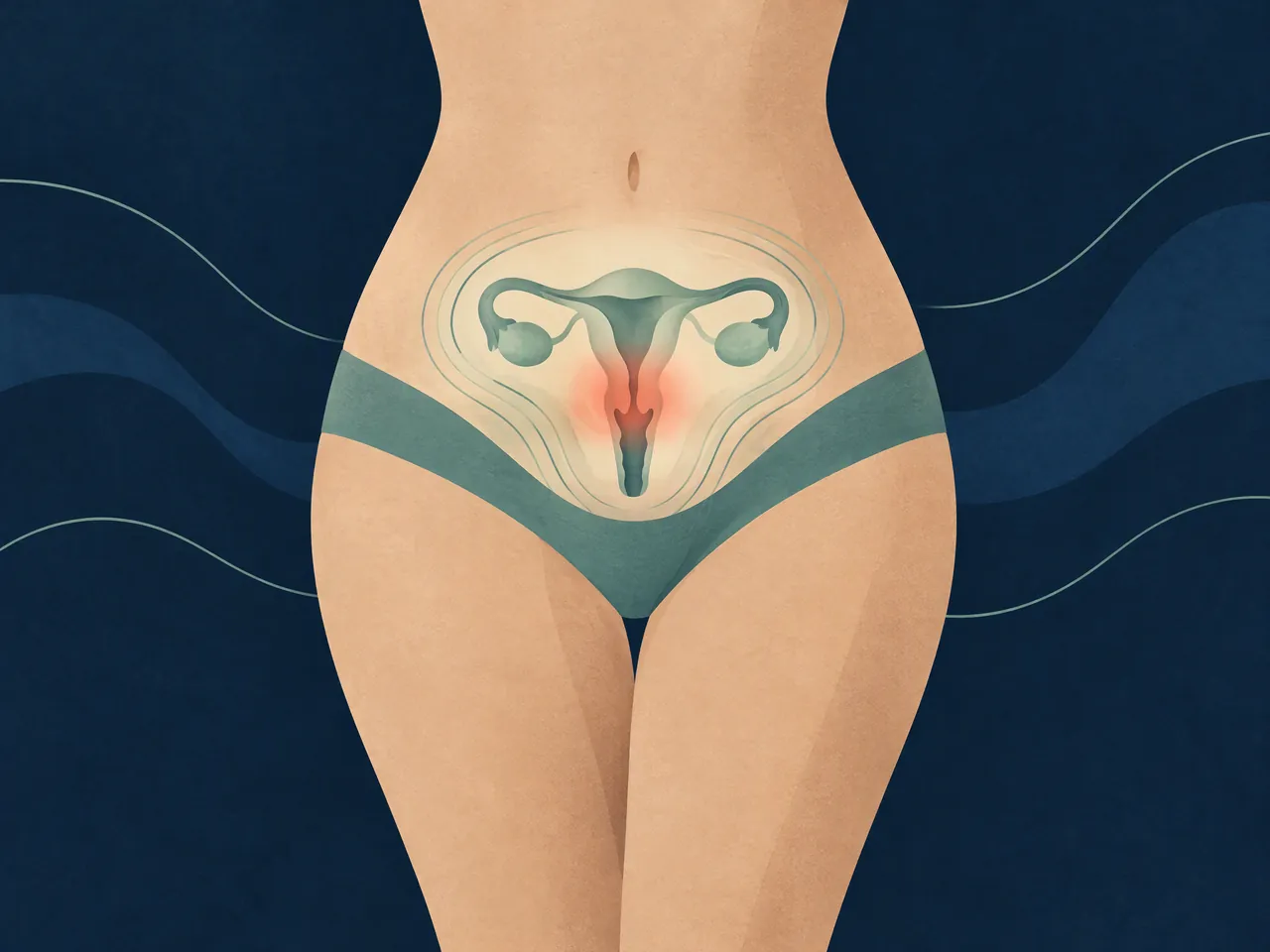
Research on primary dysmenorrhoea should not be read as evidence about endometriosis. A 2016 Cochrane review, covering studies available up to September 2015, examined both acupuncture and acupressure for primary cramps. Results for acupuncture compared with sham or placebo treatment were inconsistent and inconclusive. Across all comparisons, evidence quality was low or very low because of problems including bias, poor reporting and inconsistent findings. This is a dated review rather than a summary of every later study, but it explains why a positive result from an individual trial is not enough to promise reliable relief. [5]
Ask which condition and comparison a quoted study actually addresses. A comparison with no treatment answers a different question from a comparison with a sham procedure or a pain medicine. Neither should automatically be taken to show that acupuncture can replace your medication. Bring a specific question to the consultation: “What evidence applies to my type of period pain, and what remains uncertain?”
Supplemental references
- [5] Cochrane — Acupuncture for period pain, 2016 review
The 2016 review of acupuncture and acupressure for primary dysmenorrhoea searched through September 2015. Acupuncture versus sham/placebo findings were inconsistent and inconclusive; evidence quality across comparisons was low or very low, with bias, poor reporting and inconsistency among the limitations. Supports a dated, condition-specific interpretation, not an assertion that this is the latest evidence, proof of medication equivalence or an endometriosis treatment claim.