
TCM Lab · Health reading
Meniscus Tear Treatment Without Surgery: Understanding Acupuncture and Its Limits
Published Updated
A plan for meniscus tear treatment without surgery should start with the question that matters most: is your knee safe to manage conservatively today? Acupuncture may be a reasonable topic for symptom support once the injury and warning signs have been assessed, but it cannot stitch, regrow or realign torn meniscus cartilage. The useful goal is not to ‘push through’ a painful knee. It is to understand the injury, protect daily function and decide when medical, rehabilitation and complementary care should work alongside one another.
Appointments are confirmed through WhatsApp. If you have language requirements, please mention them in your enquiry.
The short answer
Meniscus tear treatment without surgery can include activity modification, symptom relief and rehabilitation when an assessment indicates that conservative care is appropriate. Acupuncture may be discussed as supportive care for pain or restricted movement, but it cannot repair torn cartilage. Seek medical assessment first for a locked knee, rapidly worsening swelling, severe pain after injury, inability to bear weight or inability to fully bend or straighten the knee. The right plan depends on symptoms, function and examination findings.
Transparent pricing
See the fees.
Choose your care.
Explore our complete official price list, including first-trial prices, regular prices, packages and branch-specific options.
Opening WhatsApp prepares an enquiry; it does not send a message, take payment or confirm an appointment. Suitability and individual arrangements are confirmed during consultation.
Pain care
All prices in HKDExtracorporeal shockwave treatment
Shockwave treatment for deep-tissue and fascial care. The Kwun Tong clinic offers the multi-area options shown below.
Priced by branch
Branch-specific pricing
Prince Edward: HK$250 per area
Kwun Tong: HK$250 for 1 area / HK$450 for 2 areas / HK$600 for 3 areas
Pain care (manual therapy)
Includes Chinese medicine musculoskeletal assessment, manual joint techniques and tui na.
HK$580 (single session)
Chinese medicine musculoskeletal assessment
Pain care (acupuncture and manual therapy)
Combines acupuncture and manual therapy.
HK$680 (single session)
Combined care
Hair and scalp
All prices in HKDScalp health and hair-loss management
Includes AI scalp analysis, deep scalp and follicle cleansing, and scalp oil-control care.
HK$380 (first trial)
Regular price: HK$680
- 6 sessions: HK$3,480 (HK$580 per session)
- 12 sessions: HK$5,760 (HK$480 per session)
- 20 sessions: HK$8,600 (HK$430 per session)
- 30 sessions: HK$11,400 (HK$380 per session)
Hair acupuncture and Chinese herbal medicine package
Includes scalp acupuncture and 3 days of Chinese herbal medicine that does not require decoction.
HK$580 (single session)
Registered Chinese Medicine Practitioner consultation
- 6 sessions: HK$3,180 (HK$530 per session)
- 12 sessions: HK$5,760 (HK$480 per session)
- 20 sessions: HK$8,600 (HK$430 per session)
- 30 sessions: HK$11,400 (HK$380 per session)
Combined hair and scalp treatment
Combines acupuncture and Chinese herbal medicine with salon-level scalp and follicle care. Packages include complimentary hair-care shampoo and serum.
HK$1,260 (single session)
Combined treatment
- 8 sessions: HK$8,640 (HK$1,080 per session)
- 16 sessions: HK$15,680 (HK$980 per session)
- 20 sessions: HK$18,600 (HK$930 per session)
- 30 sessions: HK$26,400 (HK$880 per session)
Weight management
All prices in HKDFull-body acupoint embedding for weight management
Includes full-body acupoint embedding. Packages include complimentary Chinese herbal medicine for weight management, with the number of included days scaled to the package. Embedding material and the individual treatment arrangement are confirmed during consultation; this is not a cosmetic thread lift.
HK$980 (single session)
No trial session
- 10 sessions: HK$7,800 (HK$780 per session)
- 20 sessions: HK$14,600 (HK$730 per session)
- 30 sessions: HK$20,400 (HK$680 per session)
Facial acupuncture
All prices in HKDFacial acupuncture (basic)
Includes facial acupuncture and meridian-based facial care, including care for facial puffiness.
HK$480 (first trial)
Regular price: HK$680
- 10 sessions: HK$5,200 (HK$520 per session)
- 20 sessions: HK$9,600 (HK$480 per session)
- 30 sessions: HK$13,500 (HK$450 per session)
Facial acupuncture (advanced)
Includes enhanced facial acupuncture with a specially formulated moisturising mask and serum.
HK$780 (first trial)
Regular price: HK$1,180
- 10 sessions: HK$9,000 (HK$900 per session)
- 20 sessions: HK$16,600 (HK$830 per session)
- 30 sessions: HK$23,400 (HK$780 per session)
Chinese medicine
All prices in HKDAcupuncture and Chinese herbal medicine package
Includes a Chinese medicine consultation with pulse assessment, body acupuncture and 3 days of Chinese herbal granules that do not require decoction.
HK$580 (single session)
Chinese medicine consultation with pulse assessment
Meniscus Tear Treatment Without Surgery: Understanding the Injury and Symptoms
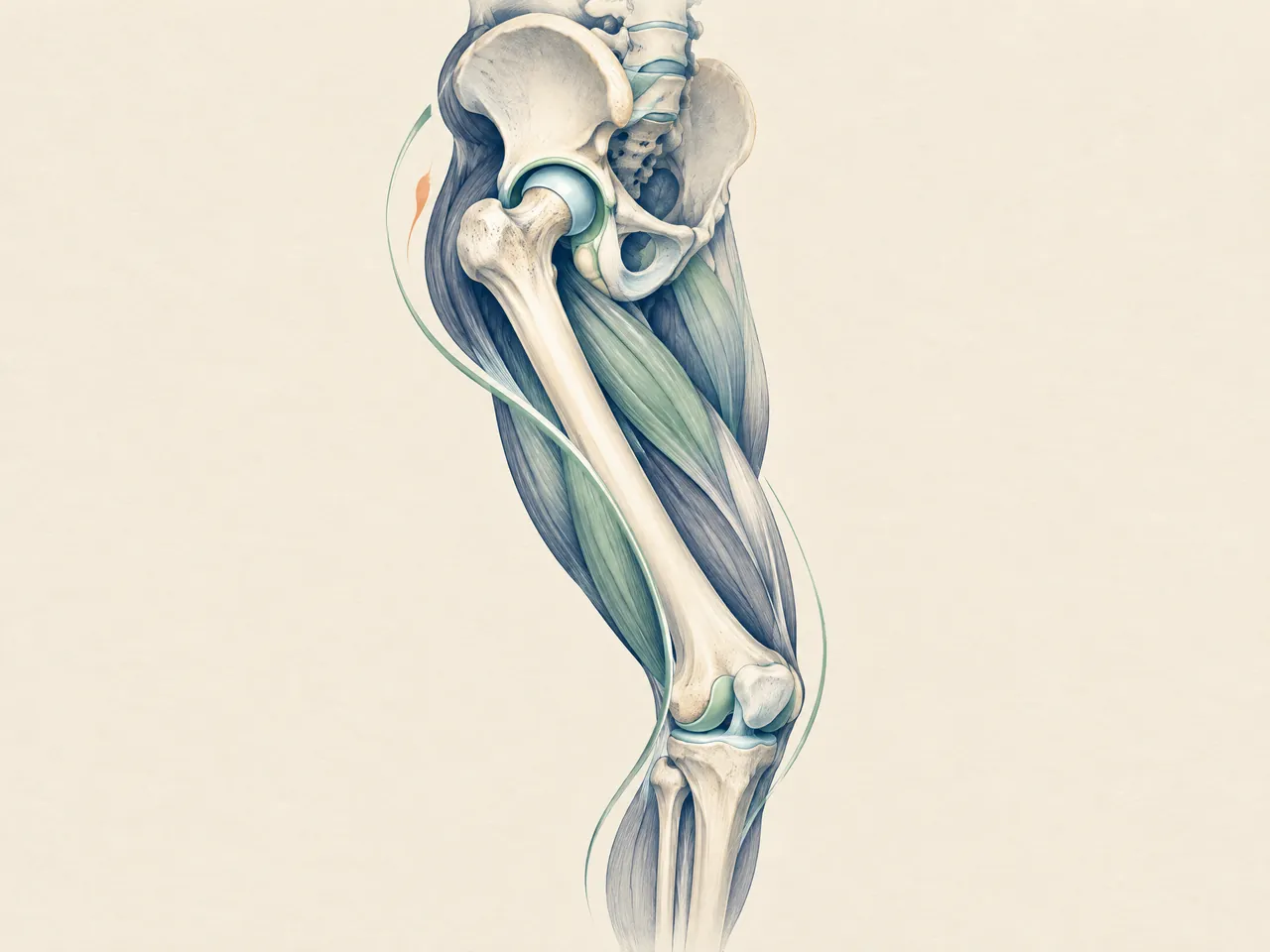
The menisci are two wedge-shaped pieces of fibrocartilage between the thighbone and shinbone. They help cushion load through the knee and contribute to joint stability. A tear may follow a twist or pivot while the foot is planted, but it can also arise in tissue that has become more vulnerable with age. This is why the same word—‘meniscus tear’—can describe very different situations: a sudden sports injury, an awkward turn getting out of a chair, or knee pain that has built up over time. [2]
For many people, treatment without surgery is not a single treatment at all. It is a plan that may combine temporary changes to activities, medical advice on pain management, rehabilitation and monitored return to normal tasks. That plan needs a starting point. Pain on a squat may be manageable for one person yet unacceptable for someone whose work involves stairs, lifting, kneeling or long periods on their feet. A history, examination and, when clinically needed, imaging help separate a suspected meniscus problem from other sources of knee pain. [2]

Meniscus Tear Treatment Without Surgery: What a Meniscus Injury Can Feel Like
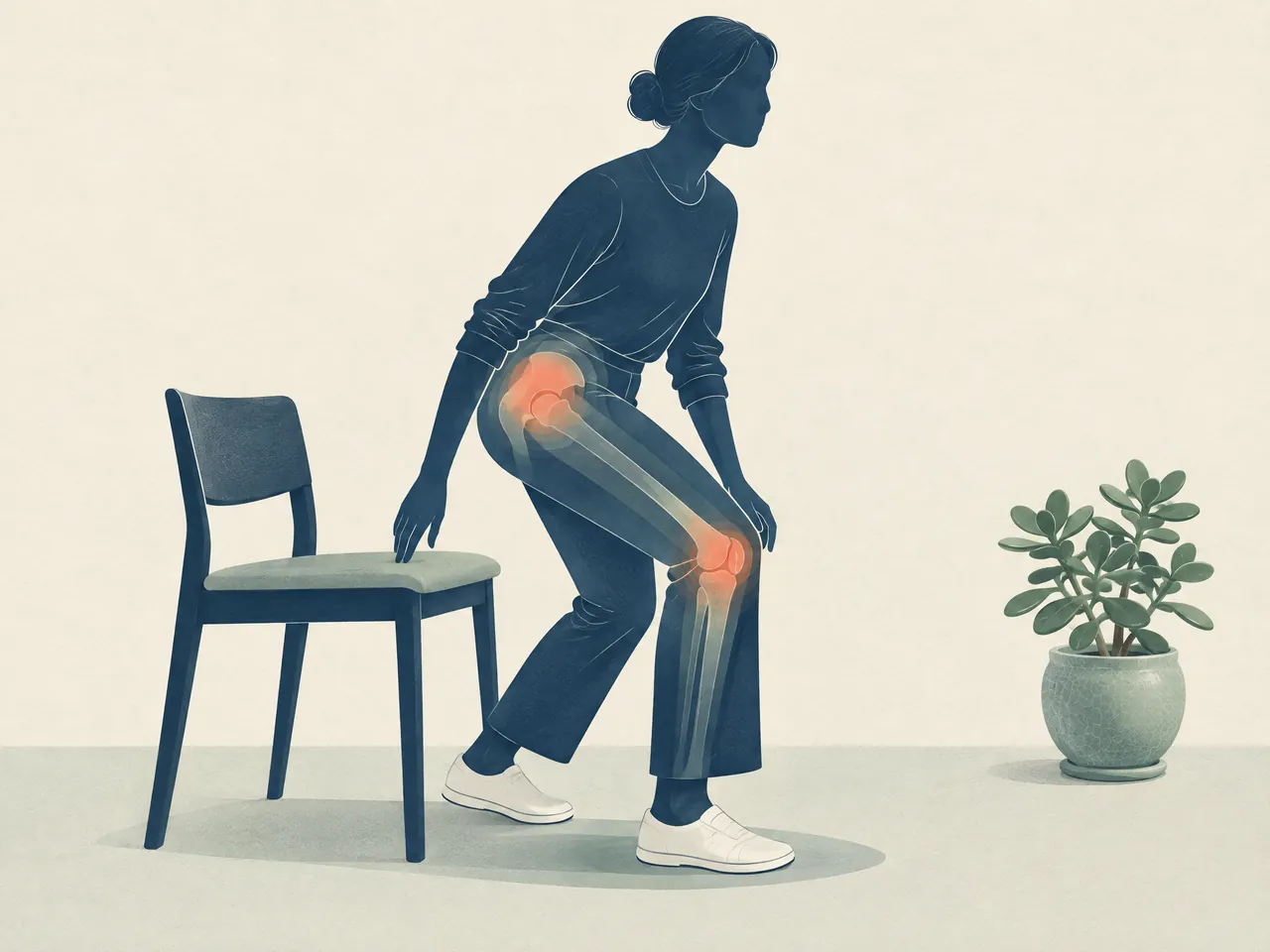
A meniscus injury may feel like pain or tenderness near the joint line, stiffness, swelling, a click, a catch, or a sense that the knee may give way. Some people remember a particular turn or landing; others notice the problem only later when descending stairs, rising from a low chair or rotating while carrying a bag. None of these features can confirm a tear on their own. Similar complaints can occur with a sprain, arthritis or other knee problems, so symptom words are useful clues rather than a self-diagnosis. [1] [2]
Pay attention to the pattern, not just the pain score. Note whether discomfort is present at rest, starts after a certain walking distance, appears only with deep bending, or follows twisting. It is also useful to note whether swelling arrives straight away or later, whether you can fully straighten the knee, and whether the joint has actually stopped moving. Readers trying to make sense of meniscus tear knee pain can use those observations to have a clearer conversation with a clinician rather than testing the knee repeatedly at home.
Meniscus Tear Treatment Without Surgery: Why Locking and Swelling Matter
A click does not always mean a dangerous mechanical problem. By contrast, locking usually describes a knee that catches or is blocked and cannot move through its usual range, especially if it cannot fully bend or straighten. Catching, locking, giving way and limited range of movement are recognised features of meniscus tears, but they also change the urgency of the conversation. A true loss of motion is not a symptom to try to overcome with a deeper stretch, repeated squat or a longer walk. [1] [2]
Swelling needs context too. After some meniscus injuries, stiffness and swelling become more noticeable over the following days rather than at the moment of the twist. [2] A swollen knee that feels hot, very severe pain after a fall or injury, inability to walk or bear weight, or inability to bend or straighten the leg should be assessed urgently. Changes in shape, numbness or tingling in the leg or toes warrant emergency help. [1] These are safety issues, not a judgement on whether you are ‘tough enough’ to continue training.
Compare your options
| Situation or symptom pattern | Priority before complementary care | Question that keeps the plan practical |
|---|---|---|
| Pain after a twist, but walking is possible and movement is improving | Arrange an appropriate assessment and discuss conservative options based on function | Which activities can be modified while recovery and rehabilitation are monitored? |
| Pain, stiffness or swelling that limits routine stairs, commuting or sleep | Seek clinical review rather than relying only on repeated self-treatment | What is the working diagnosis, and would rehabilitation or imaging change the plan? |
| Catching or a knee that cannot fully bend or straighten | Medical assessment first; do not try to force range of motion | Is this a true mechanical block, and what assessment is needed now? |
| Severe pain after injury, inability to bear weight, hot swelling or systemic symptoms | Urgent medical assessment rather than acupuncture | Where can I obtain urgent care safely today? |
| Known or suspected tear without urgent warning signs, with a stable follow-up plan | Discuss whether acupuncture may support symptoms alongside the agreed plan | What symptom or functional goal will show whether this adjunct is worthwhile? |
On smaller screens, scroll the table sideways to compare all columns.
Meniscus Tear Treatment Without Surgery: Where Acupuncture May Fit
Acupuncture uses fine needles placed through the skin. In a meniscus context, its realistic place is a discussion about discomfort, movement restriction and how symptoms affect daily activity after appropriate assessment. It should not be presented as a way to join a torn meniscus back together. NCCIH notes that acupuncture research has examined several pain conditions, while also advising people not to use it to postpone seeing a health-care provider about a problem. That distinction is especially important where a structural knee injury is suspected. [3]
If urgent issues have been excluded and a conservative pathway is suitable, acupuncture may sit alongside—not instead of—medical follow-up and a rehabilitation programme where indicated. The aim should be specific and observable: for example, whether everyday walking is less guarded, whether the knee settles after an essential commute, or whether prescribed movement work is better tolerated. It is not a fixed promise or a substitute for reassessment if the knee becomes more swollen, more unstable or newly locked. For a wider introduction, see acupuncture for a meniscus tear.
Meniscus Tear Treatment Without Surgery: Assessment Before Acupuncture
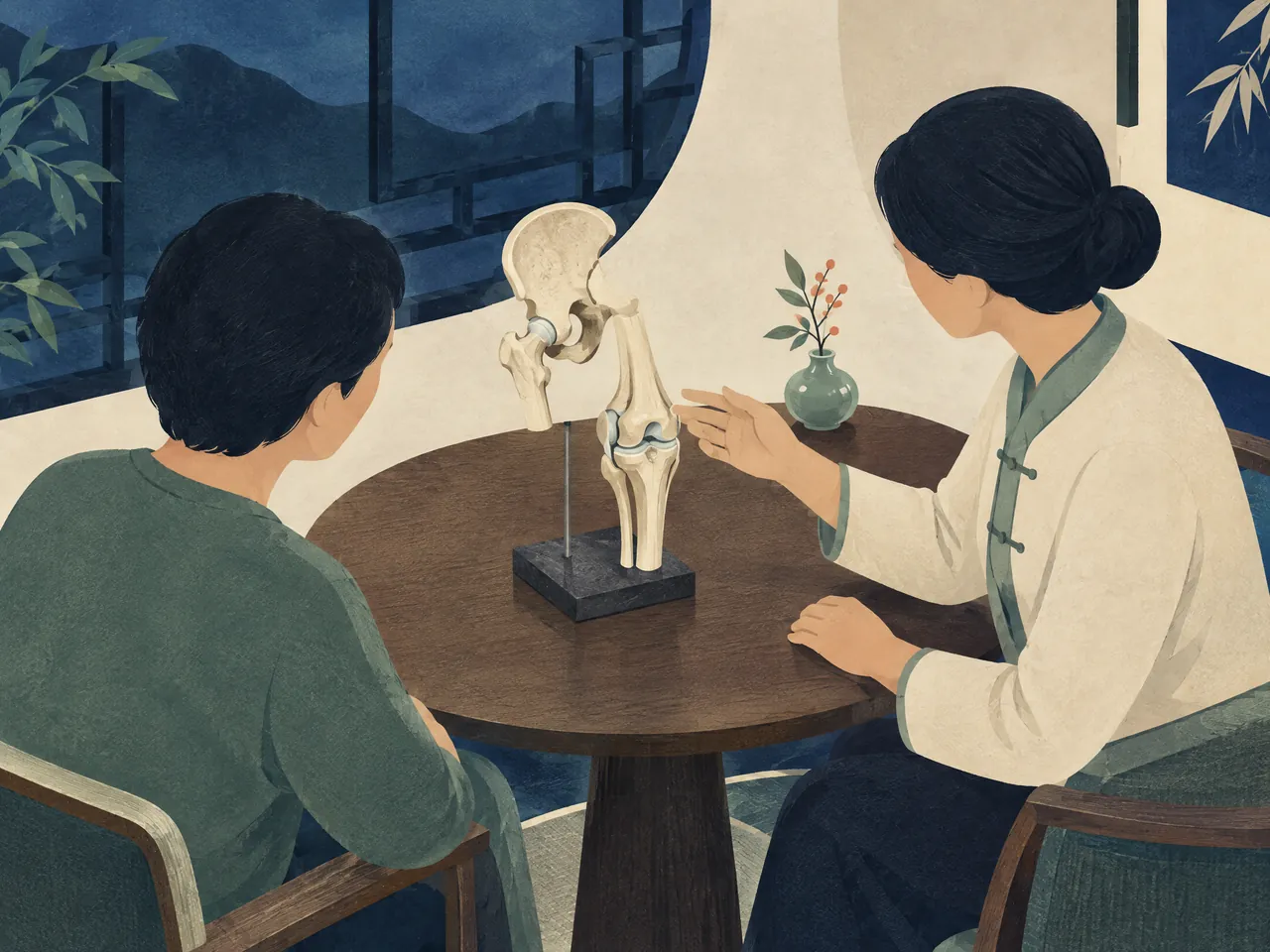
A careful appointment should begin with the story of the knee: when symptoms began, whether there was a twist, fall or sporting incident, what movement now causes trouble, and whether walking or weight-bearing is possible. Relevant context includes a previous knee injury or operation, medication, a history of bleeding problems, and signs of illness such as fever. The practitioner also needs to know whether the knee is getting better, staying the same or deteriorating. These details can reveal when a complementary treatment discussion should pause for medical assessment instead.
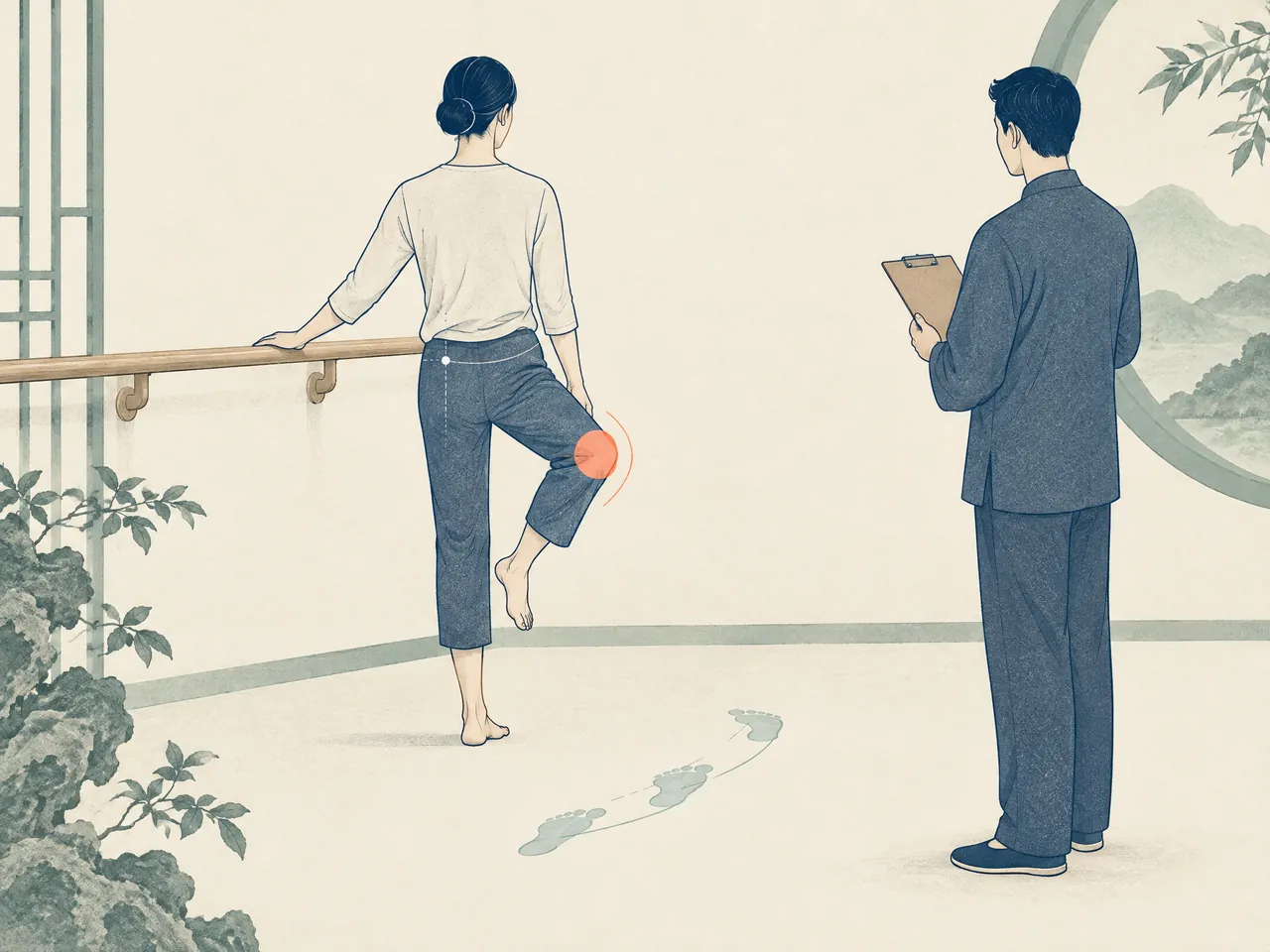
In an orthopaedic assessment, a clinician may check joint-line tenderness, stability and range of movement, and may use manoeuvres such as the McMurray test as part of a wider examination. X-rays can help look for bony causes of pain, while MRI assesses soft tissues including the menisci when imaging is needed. [2] A person does not need to decide on imaging alone before asking about acupuncture. The important point is that a needle treatment should not replace the clinical work of explaining what is known, what remains uncertain and why a particular next step is sensible.
Meniscus Tear Treatment Without Surgery: Symptom Support Rather Than Structural Repair
A torn meniscus has characteristics that affect treatment decisions, including the tear pattern, location, size, associated injuries and the person’s symptoms and activity needs. The outer portion has a better blood supply than the inner portion, which helps explain why the treatment discussion is individual rather than based on one universal rule. [2] Acupuncture does not change those structural features. It may be considered as symptom support, but it cannot determine whether a tear will heal, make an unstable knee stable or remove the need for an orthopaedic opinion when one is indicated.
Set a modest, shared target before treatment. It might be easier sleep, more comfortable short walks, less protective muscle tension or the ability to take part in an agreed rehabilitation exercise. Revisit that target honestly. If pain or function worsens, the answer is not automatically more of the same treatment. Ask whether the working explanation still fits. The separate question does acupuncture help knee pain can be helpful, but general knee-pain evidence should not be treated as proof that a particular meniscal tear has been repaired. NCCIH also cautions that complications can occur when acupuncture is delivered improperly or with nonsterile needles; discuss hygiene and safety with the practitioner. [3]
Meniscus Tear Treatment Without Surgery: Questions, Limits and Next Steps
A conservative plan works best when it contains clear stop points. If symptoms are improving, the next step may be gradual rehabilitation and a paced return to valued activities. If normal activities or sleep remain affected, pain recurs or gets worse, or the knee remains stiff for a prolonged period after waking, arrange a medical review. [1] This does not mean that surgery is inevitable. It means the current plan needs to be checked against the symptoms and function you now have, rather than against the hopes you had on the first day.
Before changing care, describe the practical demand you are trying to return to. A runner may want confidence on turns; a parent may need to carry a child up stairs; an office worker may need to commute without the knee swelling by evening. These goals help turn a vague request for ‘non-surgical treatment’ into a plan that can be monitored. For a related overview of care options and expectations, read acupuncture for meniscus injury.

Meniscus Tear Treatment Without Surgery: When to Seek Medical Assessment First
Seek medical assessment first if you have very bad pain after a fall or injury, cannot walk or put weight through the knee, have hot swollen skin around the knee, feel feverish or shivery with knee pain, or cannot bend or straighten the leg. [1] A knee that looks deformed, points at an unusual angle, or is accompanied by numbness, tingling or loss of feeling needs emergency help. These problems require timely medical judgement; acupuncture should not delay it.
Even without those urgent signs, it is sensible to arrange assessment when knee pain stops normal activities, disturbs sleep, persists after initial self-care or repeatedly returns. [1] Take a simple record of the injury mechanism, the movements that provoke symptoms and any swelling or locking episode. It makes the assessment more efficient and may prevent a non-surgical plan from drifting on without a clear measure of progress. The focused guide to knee pain red flags may also help you recognise when the issue has moved beyond routine symptom support.

Meniscus Tear Treatment Without Surgery: What to Ask Before Choosing Care
Ask what the current assessment can and cannot establish. Is a meniscus tear suspected, already confirmed, or one possibility among several? Are there signs that merit an orthopaedic or physiotherapy opinion? Which activity should be reduced for now, and what movement is reasonable to keep? If acupuncture is proposed, ask which symptoms it is intended to support, how progress will be judged and what change should trigger referral back to a doctor. Clear answers are more useful than a guaranteed number of sessions or a promise of cartilage repair.
Also ask practical safety questions: who will provide the treatment, whether sterile single-use needles are used, what local after-effects to report, and how care will be coordinated with rehabilitation or medical follow-up. If you would like to discuss a TCM assessment in Hong Kong after appropriate medical evaluation, TCM Lab can be contacted about an appointment at the Kwun Tong Chinese medicine clinic or the Chinese medicine clinic Prince Edward. Explain your knee symptoms and any existing diagnosis when you enquire, so the clinic can help clarify the appropriate next conversation.
Care and health guide
Health service information
This directory brings together services, reading, and visit information related to health services, to help you prepare questions for a consultation.
If you are organising health questions, acupuncture Hong Kong is a starting point for learning about related services and preparing for a consultation.
People have different needs; Chinese medicine pain management Hong Kong provides further reading to help you understand options in your own context.


Your questions, answered
Frequently asked questions
Can a meniscus tear be treated without surgery?
Can acupuncture heal or stitch a torn meniscus?
No. Acupuncture cannot stitch torn cartilage, restore the meniscus shape or decide whether surgery is needed. After appropriate assessment, it may be discussed as supportive care for pain or movement restriction, with realistic functional goals.
When should I seek medical help before trying acupuncture?
Seek medical assessment first for severe pain after injury, inability to walk or bear weight, a hot swollen knee, feverish symptoms, or inability to bend or straighten the leg. A knee with deformity, numbness or loss of feeling needs emergency help. [1]
What should I bring up at an acupuncture consultation for knee symptoms?
Explain how the injury happened, current ability to walk and bend the knee, swelling or locking episodes, previous knee problems, medicines and any imaging or medical advice already received. Ask what symptom acupuncture is intended to support, how progress will be reviewed, and when the practitioner would advise medical reassessment.
Sources and further information
- [1] [1] NHS: Meniscus tear (knee cartilage damage)
Referenced for: Symptoms, urgent and non-urgent assessment guidance, self-care context, physiotherapy and surgery overview.
- [2] [2] American Academy of Orthopaedic Surgeons: Meniscus Tears
Referenced for: Meniscus anatomy, mechanisms, symptoms, examination, imaging, treatment factors and non-surgical care context.
- [3] [3] National Center for Complementary and Integrative Health: Acupuncture: Effectiveness and Safety
Referenced for: Acupuncture definition, safety considerations, evidence context for pain and the advice not to postpone health-care evaluation.