
TCM Lab · Health reading
Tennis Elbow Acupuncture: Hong Kong Tennis Elbow Acupuncture and Tennis Elbow Treatment Explained
Published Updated
Pain on the outside of the elbow that appears when you grip a cup, turn a key, use a mouse or lift a bag is often described as tennis elbow. The name can be misleading: repeated wrist and forearm use, not tennis alone, is a common pattern. Tennis elbow acupuncture may be considered as one part of a careful symptom-management discussion, but the first task is to understand the load on the arm and to rule out a problem needing medical care. For people exploring Hong Kong tennis elbow acupuncture, a useful consultation also considers rest, changes at work or sport, and realistic next steps rather than promising a fixed number of sessions or a cure.
Appointments are confirmed through WhatsApp. If you have language requirements, please mention them in your enquiry.
The short answer
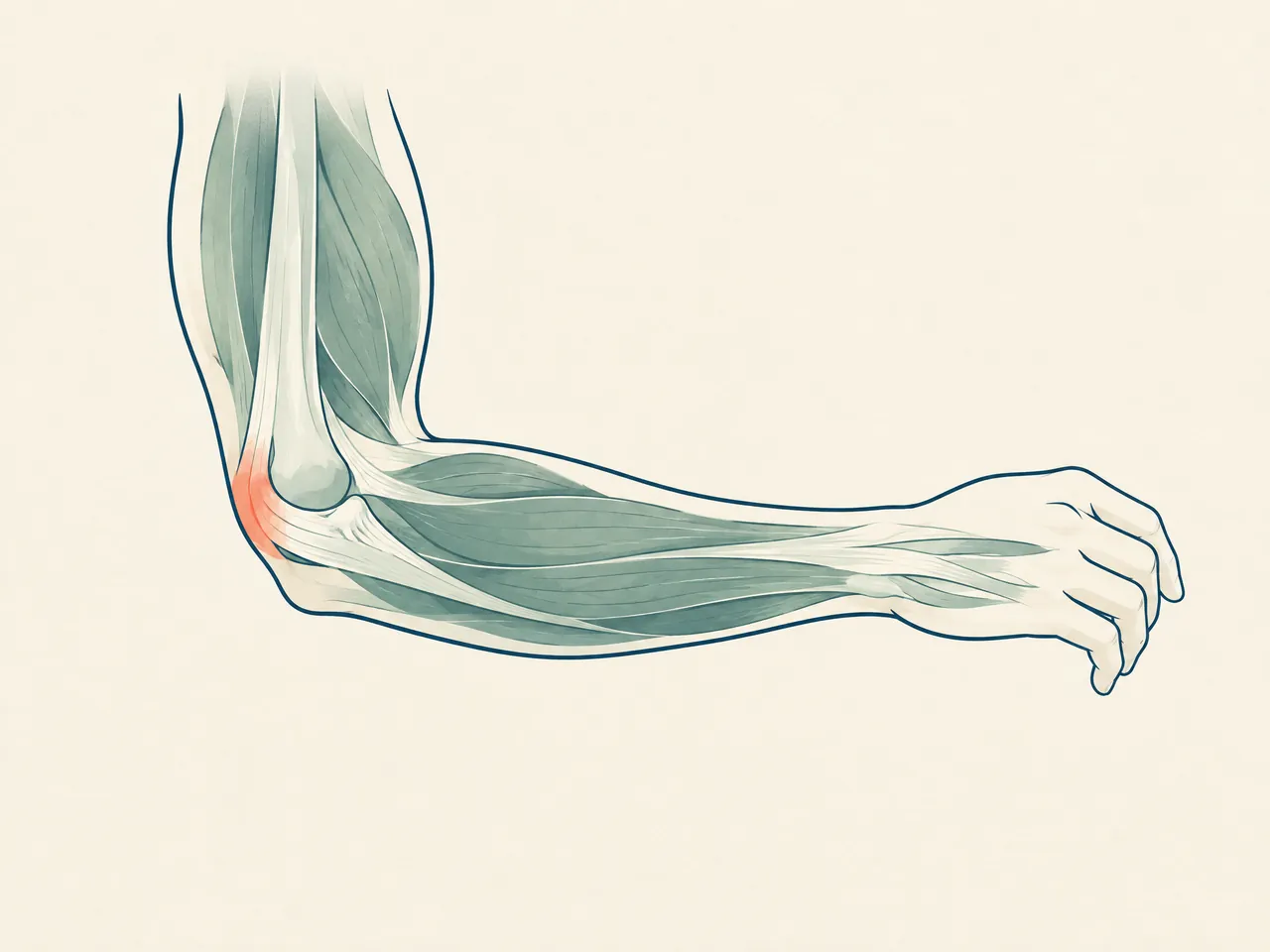
Tennis elbow acupuncture may be considered after an assessment of outer-elbow pain, forearm use and possible injury. It is best discussed as part of tennis elbow treatment that also reduces aggravating load and adjusts daily activities. If there is a sudden injury, deformity, marked swelling, heat, numbness or severe difficulty moving the arm, medical assessment should come first. Acupuncture should not delay diagnosis of a structural or urgent problem.
Transparent pricing
See the fees.
Choose your care.
Explore our complete official price list, including first-trial prices, regular prices, packages and branch-specific options.
Opening WhatsApp prepares an enquiry; it does not send a message, take payment or confirm an appointment. Suitability and individual arrangements are confirmed during consultation.
Pain care
All prices in HKDExtracorporeal shockwave treatment
Shockwave treatment for deep-tissue and fascial care. The Kwun Tong clinic offers the multi-area options shown below.
Priced by branch
Branch-specific pricing
Prince Edward: HK$250 per area
Kwun Tong: HK$250 for 1 area / HK$450 for 2 areas / HK$600 for 3 areas
Pain care (manual therapy)
Includes Chinese medicine musculoskeletal assessment, manual joint techniques and tui na.
HK$580 (single session)
Chinese medicine musculoskeletal assessment
Pain care (acupuncture and manual therapy)
Combines acupuncture and manual therapy.
HK$680 (single session)
Combined care
Hair and scalp
All prices in HKDScalp health and hair-loss management
Includes AI scalp analysis, deep scalp and follicle cleansing, and scalp oil-control care.
HK$380 (first trial)
Regular price: HK$680
- 6 sessions: HK$3,480 (HK$580 per session)
- 12 sessions: HK$5,760 (HK$480 per session)
- 20 sessions: HK$8,600 (HK$430 per session)
- 30 sessions: HK$11,400 (HK$380 per session)
Hair acupuncture and Chinese herbal medicine package
Includes scalp acupuncture and 3 days of Chinese herbal medicine that does not require decoction.
HK$580 (single session)
Registered Chinese Medicine Practitioner consultation
- 6 sessions: HK$3,180 (HK$530 per session)
- 12 sessions: HK$5,760 (HK$480 per session)
- 20 sessions: HK$8,600 (HK$430 per session)
- 30 sessions: HK$11,400 (HK$380 per session)
Combined hair and scalp treatment
Combines acupuncture and Chinese herbal medicine with salon-level scalp and follicle care. Packages include complimentary hair-care shampoo and serum.
HK$1,260 (single session)
Combined treatment
- 8 sessions: HK$8,640 (HK$1,080 per session)
- 16 sessions: HK$15,680 (HK$980 per session)
- 20 sessions: HK$18,600 (HK$930 per session)
- 30 sessions: HK$26,400 (HK$880 per session)
Weight management
All prices in HKDFull-body acupoint embedding for weight management
Includes full-body acupoint embedding. Packages include complimentary Chinese herbal medicine for weight management, with the number of included days scaled to the package. Embedding material and the individual treatment arrangement are confirmed during consultation; this is not a cosmetic thread lift.
HK$980 (single session)
No trial session
- 10 sessions: HK$7,800 (HK$780 per session)
- 20 sessions: HK$14,600 (HK$730 per session)
- 30 sessions: HK$20,400 (HK$680 per session)
Facial acupuncture
All prices in HKDFacial acupuncture (basic)
Includes facial acupuncture and meridian-based facial care, including care for facial puffiness.
HK$480 (first trial)
Regular price: HK$680
- 10 sessions: HK$5,200 (HK$520 per session)
- 20 sessions: HK$9,600 (HK$480 per session)
- 30 sessions: HK$13,500 (HK$450 per session)
Facial acupuncture (advanced)
Includes enhanced facial acupuncture with a specially formulated moisturising mask and serum.
HK$780 (first trial)
Regular price: HK$1,180
- 10 sessions: HK$9,000 (HK$900 per session)
- 20 sessions: HK$16,600 (HK$830 per session)
- 30 sessions: HK$23,400 (HK$780 per session)
Chinese medicine
All prices in HKDAcupuncture and Chinese herbal medicine package
Includes a Chinese medicine consultation with pulse assessment, body acupuncture and 3 days of Chinese herbal granules that do not require decoction.
HK$580 (single session)
Chinese medicine consultation with pulse assessment
Tennis Elbow Acupuncture, Hong Kong Tennis Elbow Acupuncture and Tennis Elbow Treatment: Understanding Elbow Load
Tennis elbow, often called lateral epicondylitis, describes a pattern of pain centred at the outside of the elbow. The forearm muscles that lift the wrist and fingers attach in this region, so a repeated demand on gripping, lifting, twisting or holding the wrist steady can matter. Symptoms may become obvious while shaking hands, opening a jar, carrying groceries, lifting a kettle or holding a phone. The NHS lists outside-elbow pain, tenderness or swelling, forearm pain and difficulty fully straightening the arm among possible features; discomfort can be worse with gripping or wrist movement. [1] The label is therefore a starting point for discussion, not a conclusion that every outer-elbow pain has the same cause.
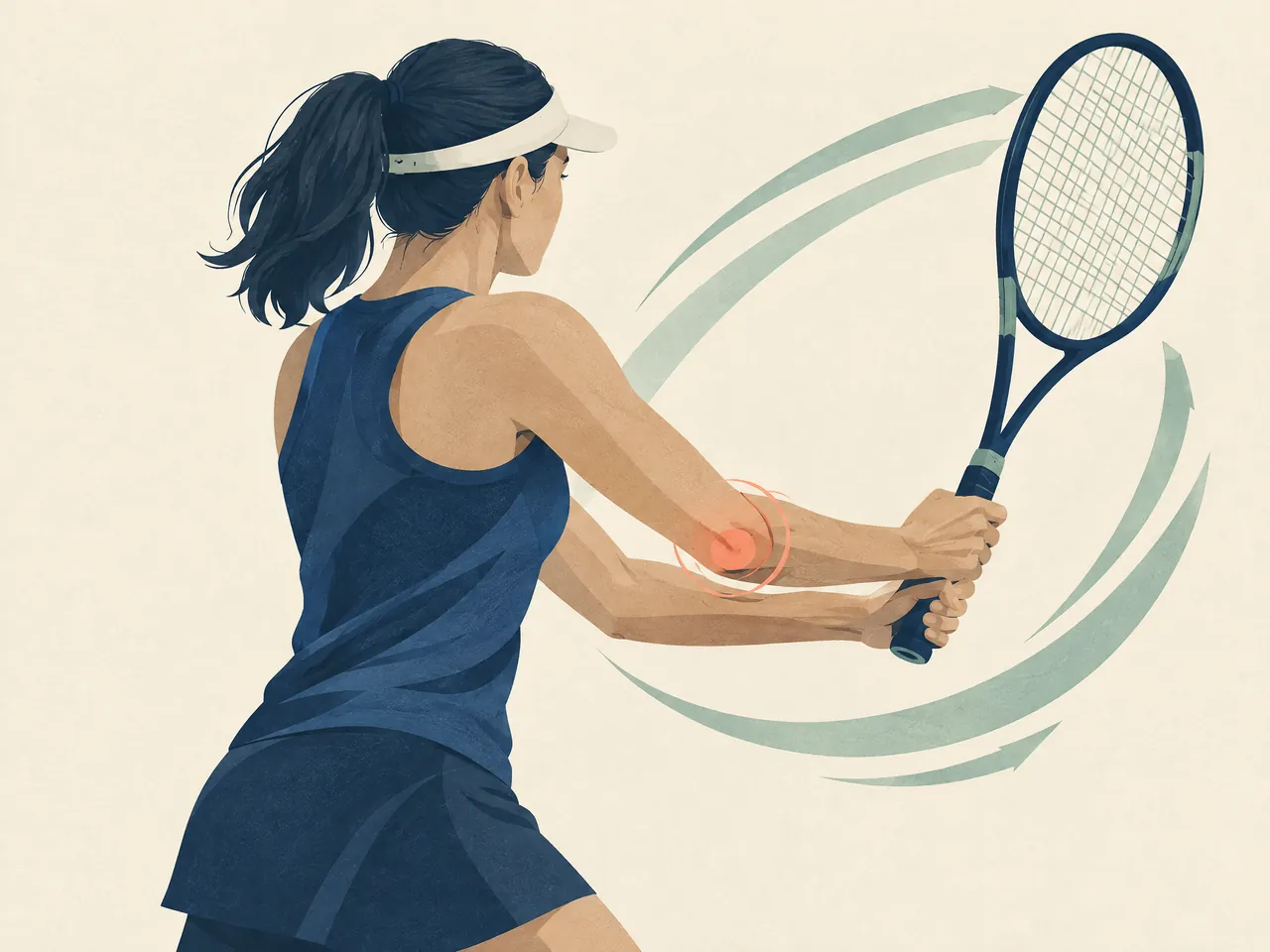
Elbow load is not only about one heavy task. It is the combination of force, repetition, position and recovery time. A long day of computer work can involve frequent small wrist movements; a weekend of racquet sport, DIY work or carrying a child can add a different kind of demand. Pain may follow a change in workload, technique, equipment or activity rather than a single memorable incident. Keeping track of what happened before symptoms began makes the conversation more useful. If symptoms appear after a particular activity, our guide to tennis elbow pain after activity can help organise the details to raise at an assessment.
Tennis Elbow Acupuncture, Hong Kong Tennis Elbow Acupuncture and Tennis Elbow Treatment: Common Causes and Triggers
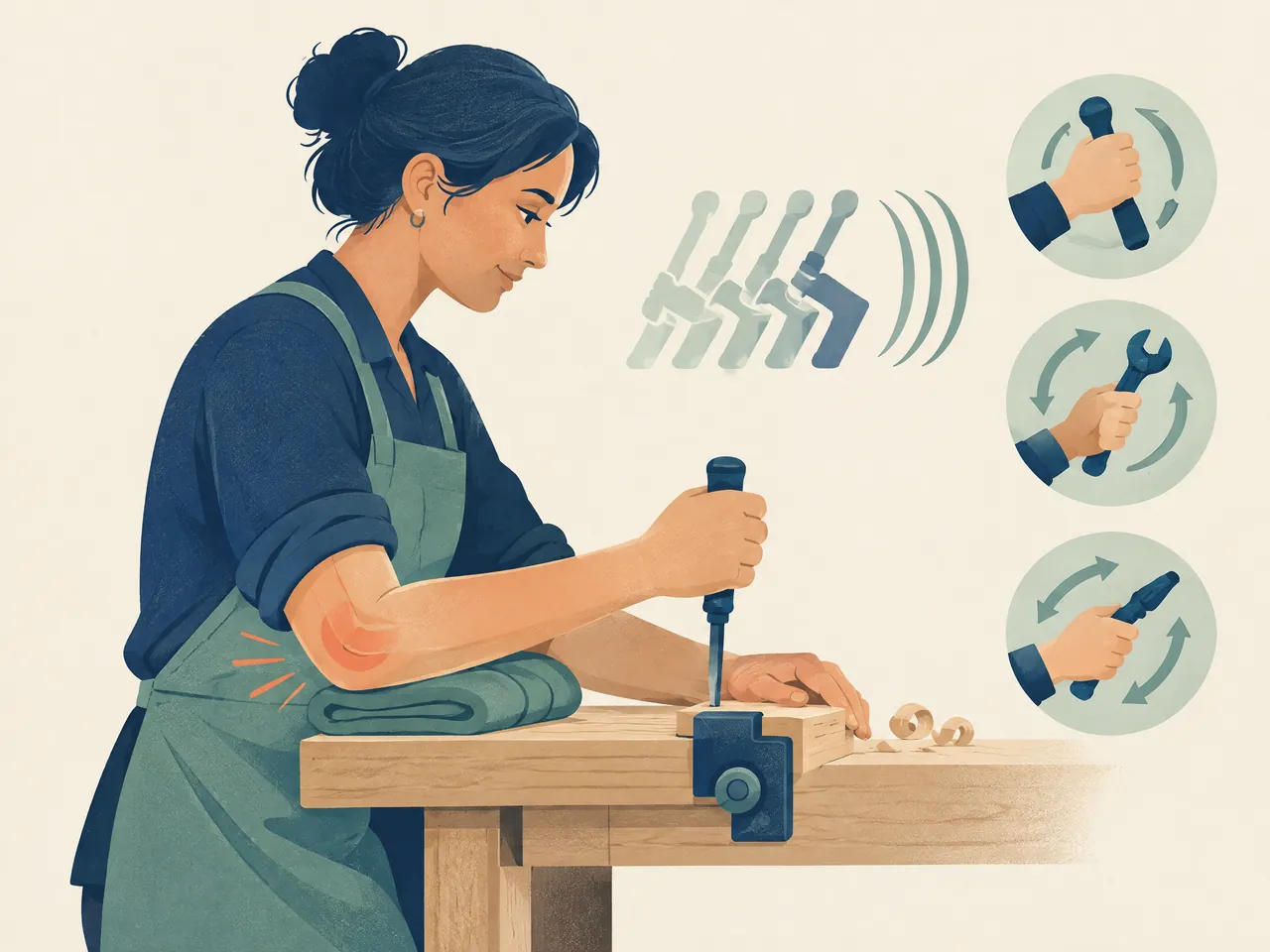
A person does not need to play tennis to develop this pattern. Repeated tensing of forearm muscles, particularly in work or leisure that uses the wrist and arm, is linked with tennis elbow. Mayo Clinic gives examples such as painting, driving screws, preparing food and frequent mouse use; it also notes that a clear cause is not always found. [3] In daily life, the important question is less “Which sport caused this?” and more “Which movements repeatedly reproduce the pain?” A suitcase lifted with the palm down, a towel being wrung out, a tool held tightly or a backhand stroke can each be useful clues. Identifying triggers does not require pushing through pain to prove a point. It means noticing the action, hand position, amount of force and what happens afterwards so that load can be adjusted sensibly.
Tennis Elbow Acupuncture, Hong Kong Tennis Elbow Acupuncture and Tennis Elbow Treatment: Recognising Outer-Elbow Pain
Location and behaviour of pain matter. Outer-elbow discomfort linked to gripping or wrist movement fits the common tennis-elbow description, but elbow and arm pain can also have other causes. [4] Pain that began immediately after a fall or forceful injury, pain associated with a changed arm shape, or symptoms such as tingling and numbness deserve a different level of attention. It is also worth noting whether the elbow is hot, visibly swollen, increasingly stiff, or difficult to move. Do not assume that every ache beside the elbow is tennis elbow just because a friend had it. A clear account of onset, aggravating movements, sleep disruption, weakness and any spreading symptoms helps distinguish a routine load-related discussion from a reason to seek medical evaluation first.
Compare your options
| What you notice | First consideration | Useful next discussion |
|---|---|---|
| Outer-elbow pain with gripping, lifting or wrist movement after repeated use | Identify the specific task, hand position and recent change in load | Activity adjustment, assessment and whether acupuncture may be appropriate |
| Pain after a fall, a snap, a changed arm shape or severe loss of movement | Possible injury needing prompt medical assessment | Urgent medical or emergency evaluation before acupuncture |
| Heat, marked swelling, feverish illness, tingling or numbness | Symptoms may not be a routine tennis-elbow pattern | Medical assessment first; describe all associated symptoms |
| Ongoing discomfort despite reduced load and careful self-care | Review the diagnosis, the trigger pattern and how function is changing | Medical review or appropriate rehabilitation guidance; reassess the overall plan |
On smaller screens, scroll the table sideways to compare all columns.
Tennis Elbow Acupuncture, Hong Kong Tennis Elbow Acupuncture and Tennis Elbow Treatment: Assessment Before Care
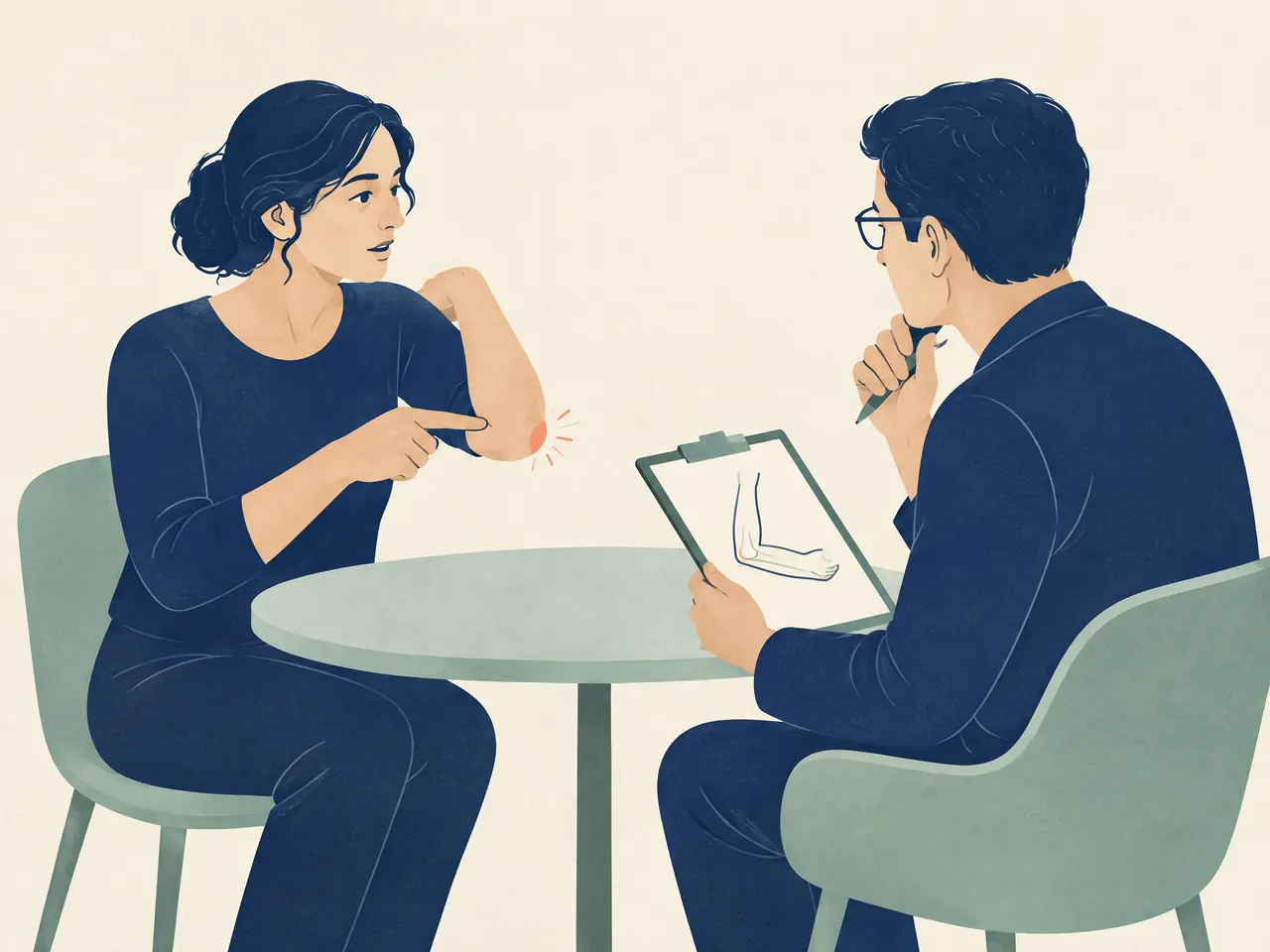
Assessment gives Hong Kong tennis elbow acupuncture a safer and more individual starting point. It should begin with your story: the exact site and quality of pain, when it started, whether it followed an injury, the demands of work and sport, and the activities you have already changed. An examination may consider tenderness, comfortable movement and which simple movements reproduce symptoms. The Hong Kong College of Orthopaedic Surgeons describes history-taking and physical examination as part of diagnosis and notes that imaging can be used to exclude other causes such as fractures or osteoarthritis when appropriate. [2] This is why a consultation should not treat the phrase “tennis elbow” as sufficient information on its own.
In traditional Chinese medicine, persistent elbow discomfort may be discussed in terms of local stagnation, tissues under strain and the person’s wider pattern of health. That language does not replace a medical diagnosis or imaging when those are needed. It can, however, help structure a practitioner conversation about where discomfort is felt, whether it is sharp, aching or heavy, what makes it better or worse, and how the rest of the arm and daily routine are affected. The goal is to agree on a proportionate plan: symptom management where suitable, plus reduction of aggravating load and review if the pattern changes. For an evidence-focused overview of the question, see Can acupuncture help tennis elbow?.
Tennis Elbow Acupuncture, Hong Kong Tennis Elbow Acupuncture and Tennis Elbow Treatment: What a TCM Assessment Considers
Before acupuncture is considered, a practitioner should ask about matters that affect suitability and safety. These can include pregnancy, medicines or conditions that affect bleeding, fainting history, allergies, and broken, infected or irritated skin near a proposed treatment area. Bring a concise list of medications and tell the practitioner about an injection, surgery, new diagnosis or imaging related to the arm. The assessment can also clarify what you want to be able to do: return to desk work with less provocation, hold kitchen items more comfortably, or resume a sport gradually. This is more useful than relying on a predetermined timetable. Research on acupuncture for lateral epicondylitis has used varied point selections, stimulation, session frequencies and outcome measures, so its findings cannot define one standard course for every person. [5]

Tennis Elbow Acupuncture, Hong Kong Tennis Elbow Acupuncture and Tennis Elbow Treatment: When Medical Assessment Comes First
Medical or urgent assessment should take priority after a significant injury, particularly if there was a snap, a change in arm shape, severe pain or inability to move the arm normally. Prompt assessment is also appropriate for tingling or numbness, or swelling with a high temperature or feeling unwell. [4] These signs can point beyond a straightforward tendon-load problem. Persistent pain that is not settling despite rest and appropriate self-care also deserves medical review; the NHS advises contacting a GP when elbow pain remains after at least two weeks of resting the elbow and self-care. [1] Acupuncture cannot set a fracture, relocate a joint, diagnose infection or repair a structural injury. If symptoms worsen, spread, or make everyday tasks increasingly difficult, reassessment is the sensible next step rather than simply adding more treatments.
Tennis Elbow Acupuncture, Hong Kong Tennis Elbow Acupuncture and Tennis Elbow Treatment: Practical Next Steps
Tennis elbow treatment is usually most practical when it connects what happens in a session with what happens during the rest of the week. Acupuncture may be one option discussed for symptom relief, alongside paced activity, appropriate exercise guidance and changes to the motions that keep provoking the elbow. The research picture should be interpreted cautiously: a systematic review found that trials varied considerably and that limitations in quality, blinding, follow-up and functional outcomes made firm long-term conclusions difficult. [5] That uncertainty is a reason to set clear goals and review progress, not a reason to promise that needles alone will solve an ongoing workload problem. People considering another perspective can also read Is acupuncture helpful for tennis elbow?.
A simple activity record can make this review more precise. For several days, write down the task, how long it lasted, the hand position, the level of discomfort during it and how the elbow felt later that day or the next morning. This is not a test to repeatedly provoke pain. It is a way to notice patterns that memory can miss, such as a combination of mouse work and evening cooking, or pain only when a load is carried with the elbow straight. Bring the record to an appointment and identify one or two changes that are realistic to try first. A plan that changes every activity at once is hard to follow and makes it difficult to tell what helped.

Tennis Elbow Acupuncture, Hong Kong Tennis Elbow Acupuncture and Tennis Elbow Treatment: What a Session May Involve
A session should start by revisiting symptoms and recent activity, especially if there has been a new injury or change since the first discussion. Where acupuncture is considered appropriate, practitioners commonly use single-use sterile needles and may choose points around the elbow as well as points elsewhere on the arm or body, depending on the assessment. Sensations can differ: some people notice a brief prick on insertion, then soreness, tingling, heaviness or a dull spreading feeling. Tell the practitioner if a sensation is sharp, distressing or unexpected. Ask in advance about the proposed approach, aftercare, possible short-term reactions and what would trigger a change of plan. A good discussion leaves room for questions and does not turn a research finding into a guarantee of relief, recovery speed or return to sport.

Tennis Elbow Acupuncture, Hong Kong Tennis Elbow Acupuncture and Tennis Elbow Treatment: Rest and Activity Adjustments
Rest does not have to mean complete stillness for weeks; it means reducing or adapting the actions that provoke symptoms while a suitable plan is agreed. The NHS suggests avoiding or reducing aggravating activities and notes that simple movement, a forearm strap or a wrist or elbow brace may be options for some people. [1] Choose changes that match the trigger: split heavy shopping into lighter loads, use two hands where practical, keep frequently used items closer, take brief pauses from intensive mouse work, or postpone repetitive DIY. Exercises and strengthening plans should be tailored by an appropriate professional, particularly when pain is easily triggered. Our page on tennis elbow self-care explains the questions to consider alongside professional advice. If an adjustment consistently increases pain during or afterwards, scale it back and seek guidance rather than forcing the movement.
Care and health guide
Health service information
This directory brings together services, reading, and visit information related to health services, to help you prepare questions for a consultation.
If you are organising health questions, acupuncture Hong Kong is a starting point for learning about related services and preparing for a consultation.
People have different needs; Chinese medicine pain management Hong Kong provides further reading to help you understand options in your own context.


Your questions, answered
Frequently asked questions
Does tennis elbow only affect people who play tennis?
Will acupuncture for tennis elbow hurt?
Needle sensations vary. A brief prick at insertion and feelings such as soreness, tingling, heaviness or distension can occur. Tell the practitioner about any sharp or distressing sensation and discuss pregnancy, bleeding concerns, medication and skin problems before treatment.
How many acupuncture sessions are needed for tennis elbow?
There is no reliable fixed number. It depends on the assessment, the cause of ongoing load, changes in symptoms and whether another assessment is needed. Research protocols have varied, and a practitioner should not promise a set result or timetable. [5]
Can I use my arm after a tennis elbow acupuncture session?
Gentle ordinary activity may be possible, but avoid immediately returning to the movement or heavy task that reliably provokes pain. Ask about an individual plan for work, sport, lifting and exercises, and seek medical assessment if pain becomes severe, the arm is difficult to move, or numbness develops. [4]
Sources and further information
- [1] NHS: Tennis elbow
Referenced for: Supports general symptom, trigger, self-care and non-urgent review information.
- [2] Hong Kong College of Orthopaedic Surgeons: Tennis Elbow
Referenced for: Supports Hong Kong professional information on examination, imaging context and overuse-related management.
- [3] Mayo Clinic: Tennis elbow symptoms and causes
Referenced for: Supports the description of repeated-use patterns and examples of daily and work-related triggers.
- [4] NHS: Elbow and arm pain
Referenced for: Supports urgent and non-urgent symptom triage context for elbow and arm pain.
- [5] Systematic review and meta-analysis of acupuncture for lateral epicondylitis
Referenced for: Supports the cautious discussion of heterogeneous acupuncture trials and limits in long-term and functional evidence.