
TCM Lab · Health reading
Cauda equina syndrome symptoms, what are the warning signs of cauda equina syndrome, and sciatica self-care and staying active
Published Updated
Sciatica can feel alarming when pain runs from the buttock into a leg, especially if tingling or weakness joins it. Most one-sided symptoms without red flags are not cauda equina syndrome, but a small group of warning signs changes the decision completely. New symptoms in both legs, worsening weakness, altered feeling around the genitals or anus, or a change in bladder or bowel control need emergency assessment rather than home care. For milder symptoms, the safer aim is to keep moving within tolerance while arranging help if pain is worsening, persistent, or stopping normal life.
Appointments are confirmed through WhatsApp. If you have language requirements, please mention them in your enquiry.
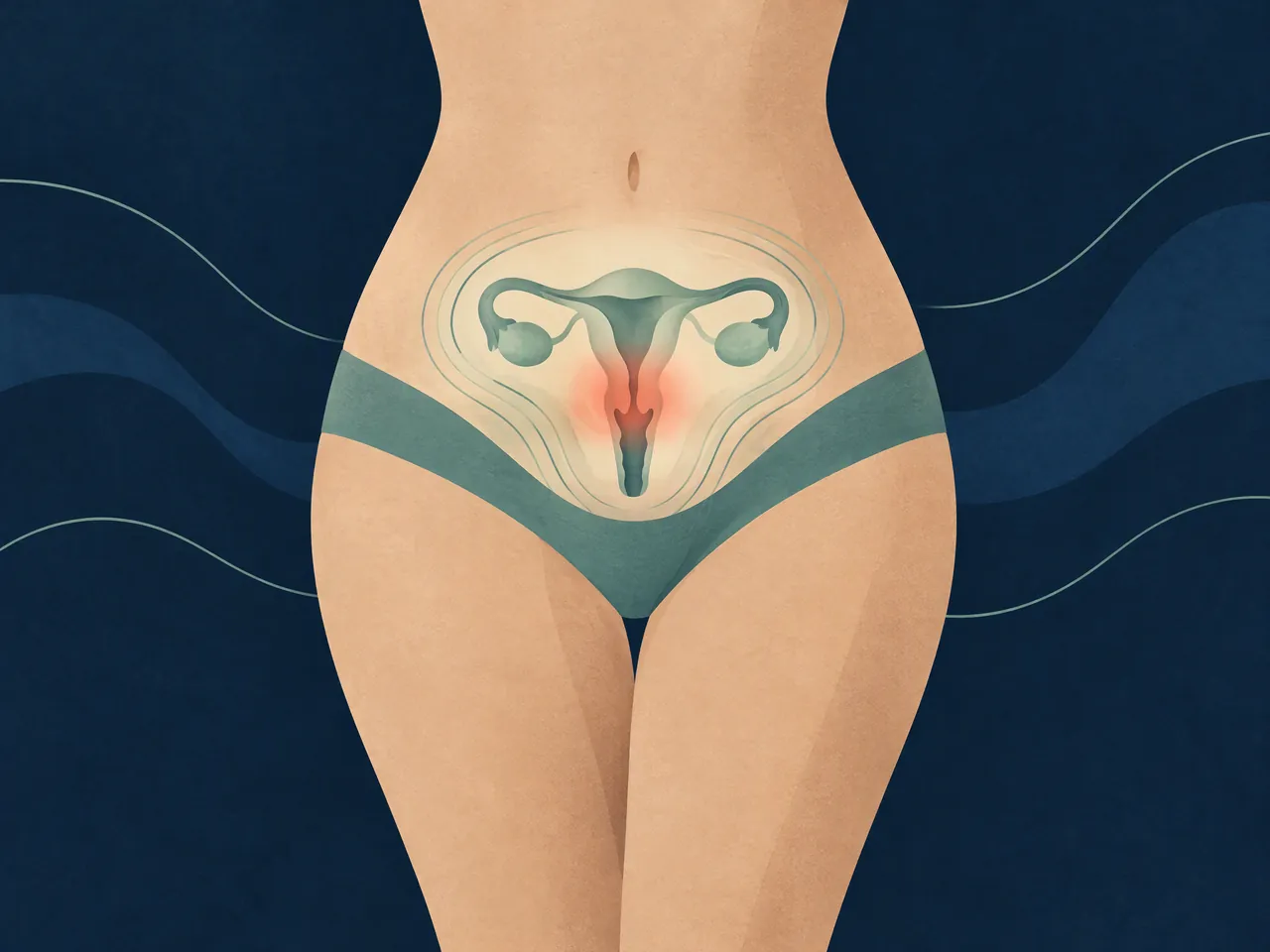
The short answer
Cauda equina syndrome symptoms require urgent attention because they can involve the nerve bundle that supplies the legs, bladder, bowel and saddle area. Seek emergency care now for sciatica on both sides, severe or worsening weakness or numbness in both legs, saddle numbness, difficulty starting or controlling urine, or loss of bowel control. Without these red flags, sciatica self-care and staying active may be reasonable for mild symptoms, while persistent, worsening, or function-limiting pain should be assessed.
Transparent pricing
See the fees.
Choose your care.
Explore our complete official price list, including first-trial prices, regular prices, packages and branch-specific options.
Opening WhatsApp prepares an enquiry; it does not send a message, take payment or confirm an appointment. Suitability and individual arrangements are confirmed during consultation.
Chinese medicine
All prices in HKDAcupuncture and Chinese herbal medicine package
Includes a Chinese medicine consultation with pulse assessment, body acupuncture and 3 days of Chinese herbal granules that do not require decoction.
HK$580 (single session)
Chinese medicine consultation with pulse assessment
Hair and scalp
All prices in HKDScalp health and hair-loss management
Includes AI scalp analysis, deep scalp and follicle cleansing, and scalp oil-control care.
HK$380 (first trial)
Regular price: HK$680
- 6 sessions: HK$3,480 (HK$580 per session)
- 12 sessions: HK$5,760 (HK$480 per session)
- 20 sessions: HK$8,600 (HK$430 per session)
- 30 sessions: HK$11,400 (HK$380 per session)
Hair acupuncture and Chinese herbal medicine package
Includes scalp acupuncture and 3 days of Chinese herbal medicine that does not require decoction.
HK$580 (single session)
Registered Chinese Medicine Practitioner consultation
- 6 sessions: HK$3,180 (HK$530 per session)
- 12 sessions: HK$5,760 (HK$480 per session)
- 20 sessions: HK$8,600 (HK$430 per session)
- 30 sessions: HK$11,400 (HK$380 per session)
Combined hair and scalp treatment
Combines acupuncture and Chinese herbal medicine with salon-level scalp and follicle care. Packages include complimentary hair-care shampoo and serum.
HK$1,260 (single session)
Combined treatment
- 8 sessions: HK$8,640 (HK$1,080 per session)
- 16 sessions: HK$15,680 (HK$980 per session)
- 20 sessions: HK$18,600 (HK$930 per session)
- 30 sessions: HK$26,400 (HK$880 per session)
Weight management
All prices in HKDFull-body acupoint embedding for weight management
Includes full-body acupoint embedding. Packages include complimentary Chinese herbal medicine for weight management, with the number of included days scaled to the package. Embedding material and the individual treatment arrangement are confirmed during consultation; this is not a cosmetic thread lift.
HK$980 (single session)
No trial session
- 10 sessions: HK$7,800 (HK$780 per session)
- 20 sessions: HK$14,600 (HK$730 per session)
- 30 sessions: HK$20,400 (HK$680 per session)
Facial acupuncture
All prices in HKDFacial acupuncture (basic)
Includes facial acupuncture and meridian-based facial care, including care for facial puffiness.
HK$480 (first trial)
Regular price: HK$680
- 10 sessions: HK$5,200 (HK$520 per session)
- 20 sessions: HK$9,600 (HK$480 per session)
- 30 sessions: HK$13,500 (HK$450 per session)
Facial acupuncture (advanced)
Includes enhanced facial acupuncture with a specially formulated moisturising mask and serum.
HK$780 (first trial)
Regular price: HK$1,180
- 10 sessions: HK$9,000 (HK$900 per session)
- 20 sessions: HK$16,600 (HK$830 per session)
- 30 sessions: HK$23,400 (HK$780 per session)
Pain care
All prices in HKDExtracorporeal shockwave treatment
Shockwave treatment for deep-tissue and fascial care. The Kwun Tong clinic offers the multi-area options shown below.
Priced by branch
Branch-specific pricing
Prince Edward: HK$250 per area
Kwun Tong: HK$250 for 1 area / HK$450 for 2 areas / HK$600 for 3 areas
Pain care (manual therapy)
Includes Chinese medicine musculoskeletal assessment, manual joint techniques and tui na.
HK$580 (single session)
Chinese medicine musculoskeletal assessment
Pain care (acupuncture and manual therapy)
Combines acupuncture and manual therapy.
HK$680 (single session)
Combined care
Understanding cauda equina syndrome symptoms, what are the warning signs of cauda equina syndrome, and sciatica self-care and staying active
Cauda equina syndrome is not another name for sciatica. The cauda equina is a bundle of nerves below the end of the spinal cord that serves the legs, bladder, bowel, sexual and saddle-area function. Serious compression is rare but requires immediate assessment. A large disc prolapse is one possible cause, but symptoms alone cannot identify the cause. Focus on any new neurological or toilet-related change alongside back or leg pain. [4]
Sciatica describes pain related to irritation or compression of nerve roots that contribute to the sciatic nerve. It often travels from the lower back or buttock down the back of one leg and can feel sharp, burning, electric, numb or tingly. A cough, sneeze, a long period sitting, or a particular movement may aggravate it. Lower-back pain on its own is not the usual pattern of sciatica. Even when symptoms sound familiar, the pattern does not establish a diagnosis; similar pain can have other sources. The local overview from Hong Kong Adventist Hospital also distinguishes true sciatica from sciatica-like pain, which is a helpful reason not to label every radiating ache yourself. [1] [3]

The words “warning signs” can make people focus only on the worst possible outcome. A calmer and more practical approach is to compare what is happening today with your normal function. Can you feel when you wipe after using the toilet? Has a leg become noticeably less reliable when climbing a step? Is it newly difficult to start passing urine, or have you lost the usual awareness or control? These are specific changes to report clearly. For a broader guide to the threshold for routine versus urgent care, read when to see a doctor for sciatica.
Early red flags within cauda equina syndrome symptoms, what are the warning signs of cauda equina syndrome, and sciatica self-care and staying active
The clearest red flags are not a single painful spot in the back. They are symptoms suggesting that more than one of the lower spinal nerves may be affected: pain, numbness or weakness on both sides; severe or increasing weakness or numbness in both legs; numbness around or under the genitals, anus, buttocks or inner thighs; and a new change in bladder or bowel function. Trouble beginning to urinate, being unable to urinate, leaking urine, not sensing bladder fullness, losing bowel control, or not noticing the need to pass stool all need urgent disclosure. NHS guidance lists these features as reasons to go to emergency care. [1]
“Saddle numbness” means altered sensation in the area that would contact a saddle: the genitals, anus, buttocks and inner thighs. It may be described as numbness, reduced sensation, pins and needles, or a strange difference when using toilet paper. It can be embarrassing to mention, but it is clinically important. A sudden symptom deserves action even if back pain is not the strongest feature. Likewise, a bladder or bowel symptom that is new for you during a back-and-leg-pain episode should not be explained away as stress, medication, constipation, or a pre-existing issue without emergency assessment. [4]

Typical sciatica versus cauda equina syndrome symptoms, what are the warning signs of cauda equina syndrome, and sciatica self-care and staying active
Typical sciatica is commonly one-sided. The pain may begin in the low back or buttock and travel down the back of the thigh, calf, foot or toes. Some people also notice tingling, numbness or weakness in part of that leg. Cauda equina syndrome is different because the concern is a broader or changing nerve pattern, especially bilateral leg involvement together with saddle, bladder or bowel symptoms. These patterns change how urgently a clinician needs to assess you.
Use the comparison as a decision aid, not a test to pass at home. If pain is only on one side and you have no saddle or bladder/bowel changes, you can monitor function and seek non-urgent assessment if it is getting worse, has not improved after a few weeks of home measures, or prevents normal activities. If you are unsure whether a new loss of strength counts as weakness, treat the uncertainty seriously and seek prompt clinical advice. The related explanation can sciatica cause numbness or weakness can help you describe the symptom, but it does not replace an examination.
Compare your options
| Pattern or change | What to do now | Why the distinction matters |
|---|---|---|
| New numbness around the genitals, anus, buttocks or inner thighs | Go to an emergency department or contact local emergency services now. | This saddle-area sensory change can be a cauda equina red flag. |
| New trouble passing urine, loss of urinary control, loss of bowel control or loss of normal awareness | Seek emergency assessment now; do not wait for a routine appointment. | Bladder or bowel changes with back or leg symptoms need urgent evaluation. |
| Sciatica on both sides, or severe or worsening weakness or numbness in both legs | Seek emergency assessment now. | A bilateral or progressive neurological pattern needs prompt assessment. |
| One-sided radiating leg pain without red flags, but it is worsening, persistent or limiting daily life | Arrange a non-emergency clinical assessment and modify activities that clearly aggravate symptoms. | Persistent or function-limiting sciatica deserves a diagnosis and tailored plan. |
| Mild, familiar one-sided symptoms that are tolerable and not worsening | Keep gently active, avoid long periods of bed rest, and monitor for change. | Conservative self-care may suit mild symptoms only when red flags are absent. |
On smaller screens, scroll the table sideways to compare all columns.
When to seek urgent help for cauda equina syndrome symptoms, what are the warning signs of cauda equina syndrome, and sciatica self-care and staying active
With any cauda equina red flag, go to an emergency department now or contact local emergency services. Do not drive yourself if pain, numbness or weakness makes that unsafe. Do not wait for acupuncture, physiotherapy, massage, a routine clinic or an imaging appointment. Clinicians must determine whether nerves are under pressure and whether urgent treatment is needed. This is the situation covered in more detail under sciatica emergency symptoms.
For symptoms that are not emergency red flags, arrange a clinical assessment when pain is severe, is worsening, lasts despite a period of sensible self-care, recurs often, or interferes with sleep, work, walking, dressing or other daily tasks. Mayo Clinic similarly advises medical review when self-care does not ease symptoms, pain persists beyond a week, or it is severe or worsening. [2] A planned assessment is also appropriate when a person keeps adapting their life around a limp, numb foot or fear of movement. These details help identify the impact even when the pain score varies from day to day.

Time-critical actions for cauda equina syndrome symptoms, what are the warning signs of cauda equina syndrome, and sciatica self-care and staying active
In an emergency, give a short, direct account: when the back or leg symptoms began; whether they are on one or both sides; when weakness, numbness, saddle sensation or toilet changes started; and whether the change is progressing. If you can, note the time you last passed urine normally and any new difficulty starting, sensing or controlling it. Bring a list of medicines and explain any recent injury. This record is not a substitute for care, but it can make a fast assessment clearer when you are distressed or in pain.
Emergency clinicians may ask about leg strength, sensation and reflexes, including sensitive questions about saddle sensation and bladder or bowel function. They may need to examine nerve function and decide whether urgent imaging is appropriate. A spinal MRI is used with the examination and symptom history to confirm or exclude cauda equina compression in the Buckinghamshire Healthcare NHS Trust patient guidance. [4] Do not delay because you assume a scan, a diagnosis or surgery is certain; the reason to attend is to have the serious causes checked promptly.

Arranging assessment for cauda equina syndrome symptoms, what are the warning signs of cauda equina syndrome, and sciatica self-care and staying active
A non-emergency appointment works best when you bring a useful symptom story rather than only the label “sciatica.” Describe where the pain starts and ends, whether it goes below the knee, what it feels like, what movements alter it, and whether there is tingling, numbness or loss of power. Mention recent falls, injury, fever, significant medical history and all medicines when relevant. Clinicians commonly start with a history and physical examination of strength, sensation and reflexes. Imaging is not automatically needed for every episode; it is considered in the context of the findings and the clinical question. [3]
Ask what level of activity is suitable for your current function and what change should trigger earlier review. If a scan has been requested, it can be useful to understand what question it is intended to answer rather than treating an image as a pain score. Our page on sciatica diagnosis and examination outlines the elements often discussed at assessment, and sciatica MRI scan explains why imaging is usually part of a wider clinical picture.
Practical sciatica self-care and staying active with cauda equina syndrome symptoms and what are the warning signs of cauda equina syndrome
Sciatica self-care and staying active applies only when you do not have the urgent features above. It does not mean pushing through a major flare or following a fixed exercise plan found online. It means keeping ordinary, tolerable movement in the day while avoiding prolonged bed rest and long, unbroken periods in a painful position. NHS guidance recommends carrying on with normal activities as much as possible, starting gentle exercise and avoiding sitting or lying down for long periods. [1] For many people, a short walk around the home, a change of position, or breaking a task into smaller parts is a more realistic starting point than a demanding workout.
Choose movement by its after-effect, not by whether it feels perfect in the moment. A brief increase in familiar discomfort that settles may be different from pain that spreads further down the leg, new numbness, loss of strength or a marked flare lasting into the next day. Slow down, shorten the activity or change position if a task clearly aggravates symptoms. Stop self-management and seek urgent help if a red flag develops at any point. Heat or cold may be tried for comfort if it helps, but neither treats nerve compression, and either should be stopped if it makes symptoms worse.

Day-to-day pacing for sciatica self-care and staying active with cauda equina syndrome symptoms and what are the warning signs of cauda equina syndrome
Pacing starts by dividing a necessary activity into manageable pieces. Instead of cleaning, shopping or standing at a kitchen counter until the pain forces you to stop, alternate brief activity with a position change or a short walk. If desk work is part of the day, stand and move at regular intervals rather than waiting for the leg to become very stiff. When lifting is unavoidable, keep the object close, avoid twisting while carrying it and ask for help with awkward loads. These are practical load-management habits, not a promise that a posture or exercise will cure sciatica.
Gentle stretching can help some people and aggravate others. Avoid forceful stretches, bouncing, or trying to “release” a nerve through sharp pain. Start with steady movements and stop if pain shoots further down the leg or neurological symptoms appear. A clinician or physiotherapist can tailor activity to your examination and goals. Chinese medicine may be discussed as an adjunct after non-emergency assessment, but it should never delay investigation of possible nerve compression or be presented as a guaranteed cure.

When to pause sciatica self-care and staying active due to cauda equina syndrome symptoms and what are the warning signs of cauda equina syndrome
Pause the idea of home care and move to emergency action when symptoms become bilateral, weakness or numbness becomes severe or worse, the saddle area feels different, or bladder and bowel control changes. These are not signals to add more stretches, lie down until morning or test your limits with another walk. Similarly, a sudden numb or weak leg after a significant injury needs immediate medical attention. [1] [2] Tell the emergency team exactly what changed and when, even if a symptom seems to lessen while you are waiting.
For less urgent but troublesome sciatica, pause activities that consistently provoke a major flare and arrange assessment rather than cycling between inactivity and overexertion. The aim is not to become still; it is to find a tolerable level of movement while the cause and management plan are clarified. If you would like to ask about an in-person, non-emergency Chinese medicine consultation after appropriate medical triage, TCM Lab can be contacted by WhatsApp at +852 6940 5663. You may also view the locations for a Kwun Tong Chinese medicine clinic or a Chinese medicine clinic Prince Edward; appointment arrangements and individual suitability should be confirmed directly.
Care and health guide
Sciatica: care information
This directory brings together services, reading, and visit information related to sciatica, to help you prepare questions for a consultation.
When sciatica affects your day, noting when it occurs, its relation to activity, and what you have already tried can help prepare a consultation; acupuncture for sciatica is a relevant service or reading entry point.
Individual circumstances differ, and acupuncture Hong Kong offers related information to help you understand options and prepare questions.


Your questions, answered
Frequently asked questions
What are the warning signs of cauda equina syndrome?
Warning signs include sciatica on both sides; severe or worsening weakness or numbness in both legs; altered sensation around the genitals, anus, buttocks or inner thighs; and new problems starting, sensing or controlling urine or stool. Seek emergency assessment immediately if any occurs.
Can I have cauda equina syndrome without severe back pain?
The urgency is based on the neurological pattern, not only on how severe the back pain feels. New saddle sensation changes or bladder or bowel changes alongside back or leg symptoms require emergency assessment, even if the pain itself seems manageable.
Is numbness in one foot an emergency?
One-sided foot numbness can occur with sciatica and should be assessed if it is new, worsening, persistent or affects walking. It becomes an emergency when it is severe or worsening in both legs, or occurs with saddle numbness or bladder or bowel changes.
Should I stay in bed during a sciatica flare?
When emergency warning signs are absent, prolonged bed rest is generally discouraged. Keep to gentle, tolerable movement and break up long sitting or lying periods. Stop self-care and seek urgent help if symptoms become bilateral, progressive, or affect saddle sensation, bladder or bowel control.
Sources and further information
- [1] NHS — Sciatica
Referenced for: Typical sciatica symptom pattern, self-care activity guidance, non-urgent review and emergency red flags.
- [2] Mayo Clinic — Sciatica: Symptoms and causes
Referenced for: Symptoms, when to seek clinical review, and immediate-care triggers including weakness and bowel or bladder control changes.
- [3] Hong Kong Adventist Hospital — Sciatica
Referenced for: Hong Kong clinical terminology, distinction between true sciatica and sciatica-like pain, and assessment context.
- [4] Buckinghamshire Healthcare NHS Trust — Cauda Equina Syndrome
Referenced for: Definition of cauda equina syndrome, saddle, bladder and bowel red flags, emergency assessment and MRI context.