
TCM Lab · Health reading
Piriformis Muscle Pain Acupuncture: Acupuncture for Buttock and Leg Pain
Published Updated
A deep ache in one buttock that becomes sharper after sitting, climbing stairs or walking can be worrying when it also seems to run down the leg. Piriformis muscle pain acupuncture may be worth discussing as one conservative way to manage symptoms, but the pattern needs assessment first. Pain from the lower back, hip, sacroiliac region, hamstring or a nerve can feel similar. This page explains what an acupuncture consultation can and cannot address, how to prepare for it, and the warning signs that should take priority over treatment.
Appointments are confirmed through WhatsApp. If you have language requirements, please mention them in your enquiry.
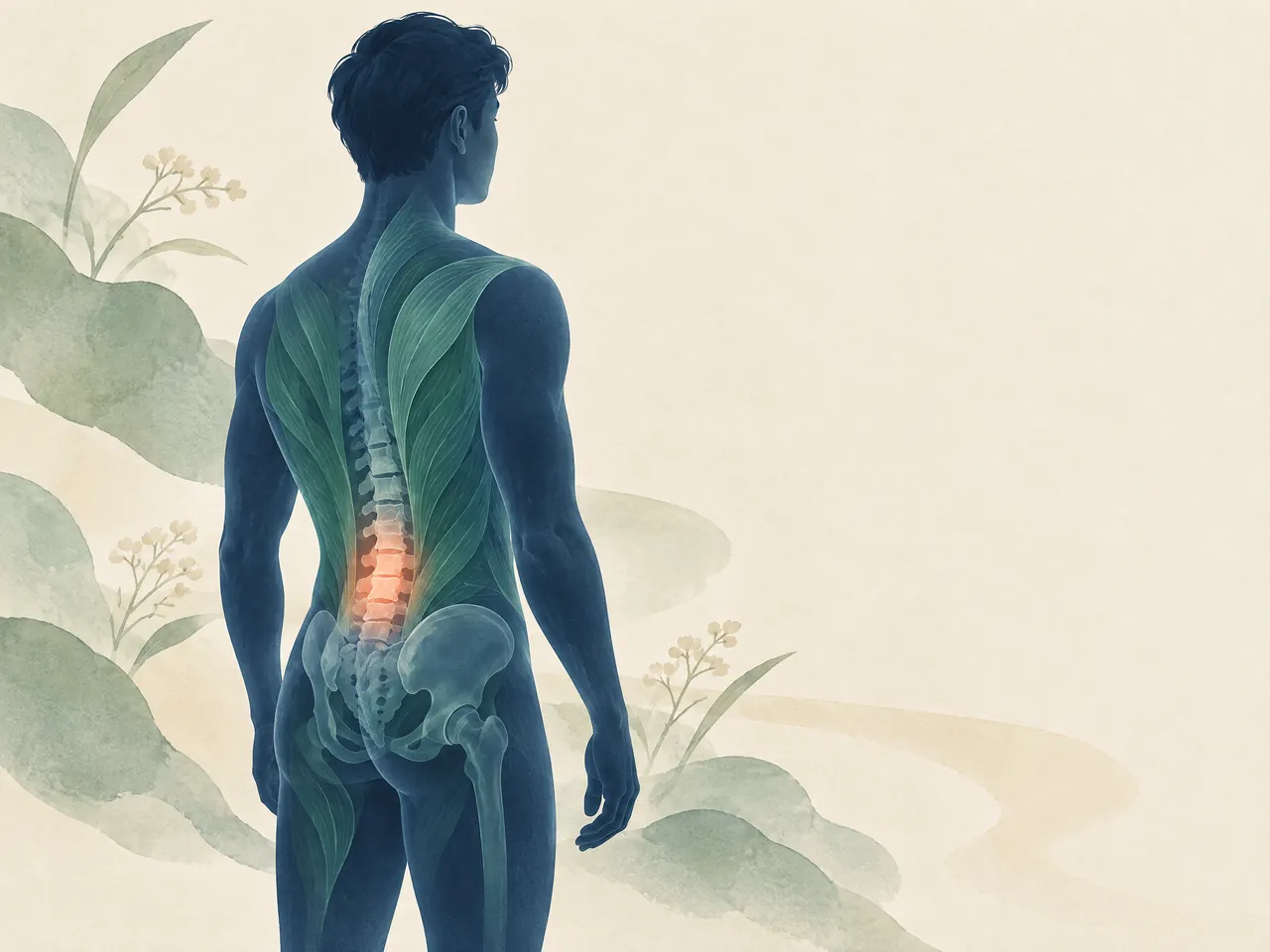
The short answer
Piriformis muscle pain acupuncture may be considered for deep buttock discomfort or sciatica-like symptoms after an individual assessment. Acupuncture for buttock and leg pain is not a way to prove the pain comes from the piriformis, repair a disc, or treat severe nerve compression. A careful history, movement assessment and, when indicated, medical or imaging review help decide whether conservative care is reasonable or medical care should come first.
Transparent pricing
See the fees.
Choose your care.
Explore our complete official price list, including first-trial prices, regular prices, packages and branch-specific options.
Opening WhatsApp prepares an enquiry; it does not send a message, take payment or confirm an appointment. Suitability and individual arrangements are confirmed during consultation.
Pain care
All prices in HKDExtracorporeal shockwave treatment
Shockwave treatment for deep-tissue and fascial care. The Kwun Tong clinic offers the multi-area options shown below.
Priced by branch
Branch-specific pricing
Prince Edward: HK$250 per area
Kwun Tong: HK$250 for 1 area / HK$450 for 2 areas / HK$600 for 3 areas
Pain care (manual therapy)
Includes Chinese medicine musculoskeletal assessment, manual joint techniques and tui na.
HK$580 (single session)
Chinese medicine musculoskeletal assessment
Pain care (acupuncture and manual therapy)
Combines acupuncture and manual therapy.
HK$680 (single session)
Combined care
Hair and scalp
All prices in HKDScalp health and hair-loss management
Includes AI scalp analysis, deep scalp and follicle cleansing, and scalp oil-control care.
HK$380 (first trial)
Regular price: HK$680
- 6 sessions: HK$3,480 (HK$580 per session)
- 12 sessions: HK$5,760 (HK$480 per session)
- 20 sessions: HK$8,600 (HK$430 per session)
- 30 sessions: HK$11,400 (HK$380 per session)
Hair acupuncture and Chinese herbal medicine package
Includes scalp acupuncture and 3 days of Chinese herbal medicine that does not require decoction.
HK$580 (single session)
Registered Chinese Medicine Practitioner consultation
- 6 sessions: HK$3,180 (HK$530 per session)
- 12 sessions: HK$5,760 (HK$480 per session)
- 20 sessions: HK$8,600 (HK$430 per session)
- 30 sessions: HK$11,400 (HK$380 per session)
Combined hair and scalp treatment
Combines acupuncture and Chinese herbal medicine with salon-level scalp and follicle care. Packages include complimentary hair-care shampoo and serum.
HK$1,260 (single session)
Combined treatment
- 8 sessions: HK$8,640 (HK$1,080 per session)
- 16 sessions: HK$15,680 (HK$980 per session)
- 20 sessions: HK$18,600 (HK$930 per session)
- 30 sessions: HK$26,400 (HK$880 per session)
Weight management
All prices in HKDFull-body acupoint embedding for weight management
Includes full-body acupoint embedding. Packages include complimentary Chinese herbal medicine for weight management, with the number of included days scaled to the package. Embedding material and the individual treatment arrangement are confirmed during consultation; this is not a cosmetic thread lift.
HK$980 (single session)
No trial session
- 10 sessions: HK$7,800 (HK$780 per session)
- 20 sessions: HK$14,600 (HK$730 per session)
- 30 sessions: HK$20,400 (HK$680 per session)
Facial acupuncture
All prices in HKDFacial acupuncture (basic)
Includes facial acupuncture and meridian-based facial care, including care for facial puffiness.
HK$480 (first trial)
Regular price: HK$680
- 10 sessions: HK$5,200 (HK$520 per session)
- 20 sessions: HK$9,600 (HK$480 per session)
- 30 sessions: HK$13,500 (HK$450 per session)
Facial acupuncture (advanced)
Includes enhanced facial acupuncture with a specially formulated moisturising mask and serum.
HK$780 (first trial)
Regular price: HK$1,180
- 10 sessions: HK$9,000 (HK$900 per session)
- 20 sessions: HK$16,600 (HK$830 per session)
- 30 sessions: HK$23,400 (HK$780 per session)
Chinese medicine
All prices in HKDAcupuncture and Chinese herbal medicine package
Includes a Chinese medicine consultation with pulse assessment, body acupuncture and 3 days of Chinese herbal granules that do not require decoction.
HK$580 (single session)
Chinese medicine consultation with pulse assessment
Piriformis Muscle Pain Acupuncture and Acupuncture for Buttock and Leg Pain: Understanding the Symptoms
The piriformis is a small muscle deep beneath the larger buttock muscles. It helps guide hip movement and works during ordinary tasks such as walking, turning, going uphill and climbing stairs. The sciatic nerve usually passes close to it. When pain is centred in the buttock and a person also notices burning, tingling, numbness or a shooting feeling down the back of a thigh, the phrase “piriformis syndrome” is often searched. That description can be useful, but it is not a diagnosis made from location alone. [1]
People may notice discomfort during a long MTR ride, desk day or repeated stair climbing. A certain seat may press on one buttock, crossing a leg may feel restricted, and rising after a meeting may aggravate the area. Such details identify triggers, but do not establish that the piriformis is the source. For a closer discussion of the symptom pattern, see piriformis syndrome leg pain.
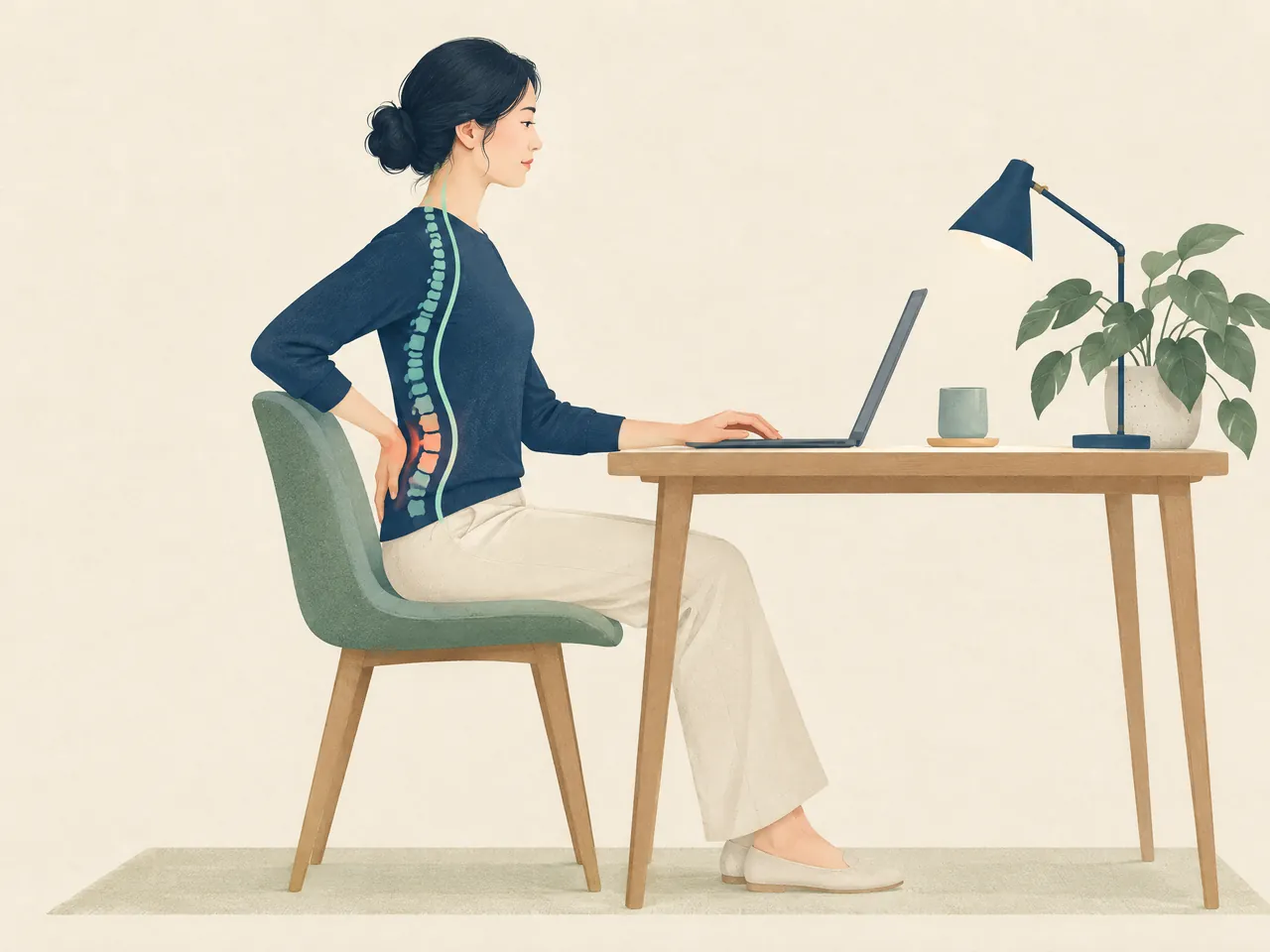
Leg symptoms deserve more care than a simple label suggests. Nerve irritation from a spinal disc, narrowing around spinal nerves, a hip problem, sacroiliac pain, hamstring tendon problems and other deep-gluteal conditions may overlap with piriformis-type symptoms. A local Hong Kong orthopaedic resource similarly describes piriformis syndrome as a diagnosis that is based on symptoms and examination while other causes are excluded. [2] The practical question is not merely “where does it hurt?” but “what must be checked before treating it as a muscle problem?”
Piriformis Muscle Pain Acupuncture and Acupuncture for Buttock and Leg Pain: How Deep Buttock Pain Can Travel
Pain that begins in the buttock can remain local, refer into the outer hip, or extend down the back of the thigh. Some people describe a dull pressure after sitting; others describe an electric, hot or prickling sensation. A distribution that reaches the calf, foot or toes can sound like sciatica, yet sciatica is a symptom pattern rather than a declaration of its cause. The NHS notes that sciatica commonly affects the bottom and the back of one leg and may include sharp or burning pain, tingling, numbness or weakness. [4]
The timeline helps make the story more specific. Note whether the symptoms started after a fall, a sudden lift, a new running route, a long period of inactivity, or gradually without a clear event. Also notice whether coughing, sneezing, bending, sitting, walking uphill, turning in bed or driving changes the pain. Recording these observations for several ordinary days is more useful than trying to self-test the piriformis forcefully. It gives a practitioner or medical clinician a clearer account without turning a painful area into an experiment.

Piriformis Muscle Pain Acupuncture and Acupuncture for Buttock and Leg Pain: Why Sciatica-Like Symptoms Need Careful Assessment
Sciatica-like pain and suspected piriformis pain are not interchangeable. A lumbar cause may include back symptoms and pain radiating through the buttock and leg, while a piriformis-related pattern is usually described as more specific to the buttock area. There is still overlap, and bodies do not always follow a textbook diagram. Cleveland Clinic explains that hip, buttock and leg movements, alongside the history, help clinicians work through possible causes; scans or other tests may be used to identify a different condition. [1]
This distinction changes the role of acupuncture for buttock and leg pain. It may be discussed as symptom management within a broader plan when examination supports conservative care. It cannot show whether the nerve is compressed at the spine, prove that a deep muscle is the only pain generator, or correct a structural abnormality. Read piriformis syndrome acupuncture as a related overview, but arrange medical assessment promptly if the pain is escalating, sleep is persistently disrupted, walking is becoming unsafe, or the leg feels materially weaker.
Compare your options
| What you notice | What it may help clarify | Practical next step |
|---|---|---|
| Deep buttock ache after a long sit, stair climbing or walking | A load or position may be contributing; the source still needs assessment. | Note triggers and easing positions, then discuss them during an assessment. |
| Pain with tingling or numbness down one leg | A sciatic-pattern symptom can have several possible sources. | Describe its route, timing and any back symptoms; do not assume it is only a tight muscle. |
| Known disc, hip or back condition, or a recent significant injury | A structural or injury-related explanation may need to be considered first. | Bring existing reports and ask whether medical or imaging review should precede conservative treatment. |
| New bladder or bowel changes, saddle numbness, severe bilateral weakness or numbness | These are emergency warning signs rather than routine piriformis symptoms. | Seek emergency medical care immediately rather than arranging acupuncture. [4] |
| Persistent pain that is worsening or stops normal daily activity | The initial explanation or plan may need to be reconsidered. | Arrange medical review and discuss coordinated options such as rehabilitation and symptom management. |
On smaller screens, scroll the table sideways to compare all columns.
Piriformis Muscle Pain Acupuncture and Acupuncture for Buttock and Leg Pain: Assessment Before Treatment
A useful first appointment starts with the complete story, not needles. Expect questions about the pain area, onset, injury, work position, exercise, previous back or hip episodes, medicine use and previous scan or diagnosis. Describe the route of numbness and what you can no longer do comfortably, such as sitting through a meeting, getting out of a car, putting on socks, running or carrying a child. These details help make the next step safer and more relevant.
The physical portion may include observing how you stand and walk, asking you to move the hip and lower back, and palpating areas that are safe and appropriate to examine. The purpose is to see which movement reproduces the familiar pain and whether the pattern suggests a referral onward. It is not a contest to find the most painful spot. A strong response to pressure in the buttock can be informative, but it is not proof on its own; the spine, hip and surrounding tissues remain part of the picture. [1]

Bring recent medical letters, imaging reports or a list of prescribed medicines if you have them. This is especially helpful after an accident, a hospital visit or a known back condition. It avoids assuming that all leg pain is new muscle tension. If you are comparing care pathways, the related page piriformis syndrome treatment sets out why treatment choices depend on the suspected source and the response to conservative measures rather than on a single popular diagnosis.
Piriformis Muscle Pain Acupuncture and Acupuncture for Buttock and Leg Pain: History, Palpation and Physical Checks
A focused history separates similar-sounding complaints. One person may have a buttock ache only after sitting on a hard chair. Another may have back pain that is provoked by bending and travels below the knee. Another may have had a sudden injury or notice weakness when lifting the front of a foot. These are not small details. They affect whether a conservative session is a sensible conversation, whether activity should be modified, and whether the first stop should instead be a medical clinician, physiotherapist or imaging service.
Palpation means feeling the tissues with informed attention, not pressing indiscriminately into a sensitive deep area. The practitioner may compare sides and ask whether a familiar pain is reproduced. Hip rotation, leg positioning and back movement can add context. The Hong Kong orthopaedic source notes that examinations of the spine, hips and legs, together with symptom history, are used because several conditions can create buttock and thigh pain. [2] If a physical check raises concern, continuing solely as a routine acupuncture visit would not be the appropriate aim.
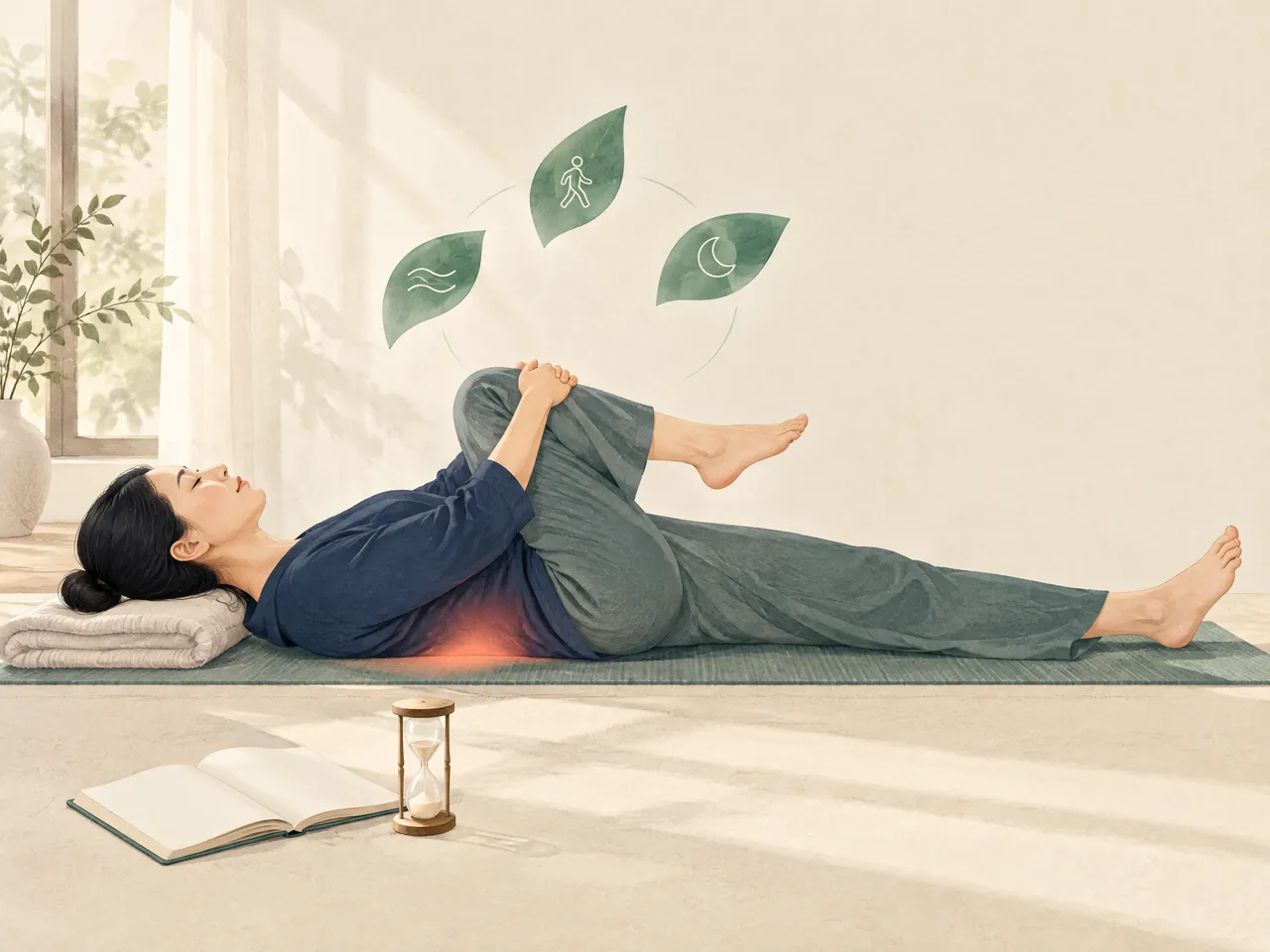
Piriformis Muscle Pain Acupuncture and Acupuncture for Buttock and Leg Pain: What a TCM Consultation May Consider
Within a TCM consultation, the practitioner may ask about the quality and timing of pain, cold or heat sensitivity, sleep, activity tolerance and the effects of rest or movement. In traditional terms, practitioners may discuss circulation and channel patterns in the hip and leg. These concepts guide the TCM treatment discussion; they do not replace a medical explanation for progressive neurological symptoms. The key is to keep the consultation anchored to what is happening in the leg: location, sensation, strength, function and change over time.
If acupuncture is considered appropriate, point selection is individual rather than a promise to needle one deep muscle directly. A practitioner may choose points around the hip, buttock, leg or other areas after examination, and may revise the plan as symptoms change. Ask why a proposed approach fits your presentation, what the intended comfort measures are, and what would prompt referral. The question can acupuncture treat piriformis syndrome is best answered in this conditional way: it may be one conservative option, not a substitute for identifying serious or structural causes.
Piriformis Muscle Pain Acupuncture and Acupuncture for Buttock and Leg Pain: Options, Limits and Safety
For a suitable presentation, acupuncture may be included alongside activity adjustments, pacing and professionally guided exercise or rehabilitation. It should not be presented as a repair for a disc problem, spinal degeneration, fracture, infection or severe nerve compression. Those conditions need the assessment and treatment that match the cause. Even when a piriformis-related pattern is plausible, improvement may depend on addressing the repeated load behind it, such as an abrupt training increase, an unbroken sitting routine, or a movement strategy that keeps provoking the same area.
Acupuncture research is broader for some pain conditions than for suspected piriformis syndrome specifically. The U.S. National Center for Complementary and Integrative Health describes evidence that acupuncture may help some back, neck and knee pain conditions, while also explaining that mechanisms are not fully understood and that outcomes can include nonspecific effects. [3] That is a reason to set modest, observable goals: for example, whether sitting tolerance, sleep, walking or a specific daily task changes, rather than assuming that a named syndrome has been cured.

A conservative plan often benefits from coordination. A medical clinician may assess a concerning neurological pattern; physiotherapy can address movement and graded strengthening; acupuncture can be considered for symptom management when appropriate. If symptoms persist despite sensible modifications, change character, or no longer fit the initial explanation, reassessment matters more than simply repeating the same treatment.
Piriformis Muscle Pain Acupuncture and Acupuncture for Buttock and Leg Pain: What a Session May Feel Like
Before needling, ask about the plan and tell the practitioner if you feel faint with needles, take medicines that affect bleeding, are pregnant, have an active skin infection near a proposed site, or have any medical condition that may affect suitability. During insertion, sensations vary. People may notice a brief prick, dull ache, heaviness, warmth, tingling or a local twitch; some notice very little. A sensation is not a scorecard for effectiveness, and sharp, burning or intolerable pain should be reported immediately rather than endured.
Needle safety is not a minor detail. NCCIH states that acupuncture involves fine needles and warns that nonsterile needles or improper delivery have caused complications; it notes that acupuncture needles are regulated as sterile, single-use medical devices in the United States. [3] Ask about single-use sterile needles and what to do after a session. A practitioner should also know if a symptom changes while you are lying down or when you stand. Treatment should be adapted to the person, not forced to fit a standard sequence.

Piriformis Muscle Pain Acupuncture and Acupuncture for Buttock and Leg Pain: When Medical Review Comes First
Seek urgent medical help rather than booking a routine pain session if there is new difficulty starting or controlling urination, loss of bowel control, numbness around the genitals or bottom, or severe or worsening numbness or weakness in both legs. These can be signs of a serious back problem. [4] Sudden marked leg weakness, repeated falls, inability to lift the foot, severe pain after trauma, fever with back or buttock pain, or unexplained weight loss also warrant prompt medical assessment. Do not wait to see whether massage, stretching or acupuncture will settle such changes.
For non-emergency but persistent symptoms, medical review is still sensible when pain is worsening, interrupts normal activity after a few weeks, follows significant injury, or comes with a notable change in strength or sensation. Bring the full story to that review. If later assessment supports acupuncture for buttock and leg pain, TCM Lab can discuss an appointment at a Kwun Tong Chinese medicine clinic or a Chinese medicine clinic Prince Edward. You can also review the Chinese medicine clinic price list Hong Kong before asking about a consultation.
Care and health guide
Pain-care information
This directory brings together services, reading, and visit information related to pain care, to help you prepare questions for a consultation.
When pain care affects your day, noting when it occurs, its relation to activity, and what you have already tried can help prepare a consultation; Chinese medicine pain management Hong Kong is a relevant service or reading entry point.
Individual circumstances differ, and acupuncture Hong Kong offers related information to help you understand options and prepare questions.


Your questions, answered
Frequently asked questions
How might acupuncture be positioned for suspected piriformis syndrome?
After history and appropriate physical assessment, acupuncture may be discussed as one conservative symptom-management option for some people with deep buttock and leg discomfort. The aim should be clear and modest, such as improving tolerance of a daily activity. It does not confirm the diagnosis or replace assessment for spinal, hip, neurological or structural causes.
What should I tell the practitioner before acupuncture for buttock and leg pain?
Describe where the pain begins and travels, numbness or weakness, what triggers it, any accident, your work and exercise pattern, relevant medicines, pregnancy, prior surgery, and known back or hip diagnoses. Bring imaging or referral information if available. Mention bladder or bowel symptoms, saddle numbness and rapid deterioration immediately; these need medical attention rather than routine treatment.
Can acupuncture reverse a disc problem or other structural condition?
No. Acupuncture cannot repair a disc, reverse spinal degeneration, fix a fracture or remove severe nerve compression. If a structural problem is suspected or already known, medical assessment and the appropriate treatment pathway remain important. Acupuncture may only be discussed as part of symptom management when it is considered suitable.
What feelings during an acupuncture session should I report?
Tell the practitioner about sharp, burning, intense, spreading or otherwise intolerable pain, dizziness, nausea, or a change in your usual symptoms. Mild local sensations such as heaviness, ache or tingling can occur, but they do not prove that the source of pain has been treated. You should be able to communicate throughout the session.
Sources and further information
- [1] [1] Cleveland Clinic — Piriformis Syndrome
Referenced for: Symptoms, differential assessment, examination and indicators for medical care.
- [2] [2] Asia Medical Specialists Hong Kong — Piriformis Syndrome Causes, Diagnosis, and Treatment
Referenced for: Hong Kong clinical terminology, diagnostic context and overlapping causes of buttock and leg pain.
- [3] [3] National Center for Complementary and Integrative Health — Acupuncture: Effectiveness and Safety
Referenced for: Acupuncture safety and balanced evidence context for pain conditions.
- [4] [4] NHS — Sciatica
Referenced for: Sciatica symptoms and emergency warning signs.