
Prince Edward & Kwun Tong clinics · Home-visit enquiries elsewhere

TCM Lab

TCM Lab · Outdoor learning & coastal life / Further training and pathways

Advanced diver training: choose goals before a course label

Content updated

A familiar course name can hide different curricula, eligibility checks and booking arrangements. Start with the kind of diving you want to enjoy, then compare the actual training offered.

Illustrative further-diving learning objects
AI-generated illustrative concept; not an actual DiveHarbour class, student or dive-site record.

The short answer

Choose an advanced course by its issuing agency, learning content and fit with your recent experience—not by the word advanced alone. Bring your certification record and a specific goal, ask whether broad training, a specialty or a refresher fits, and obtain a written quotation for that exact plan before paying.

DiveHarbour is a separate diving school under the same ownership as TCM Lab. Diving courses and activities are separate from Chinese medicine care; reading this collection or visiting TCM Lab does not replace medical fitness-to-dive assessment or clearance.

Name the experience you want, not just the next card

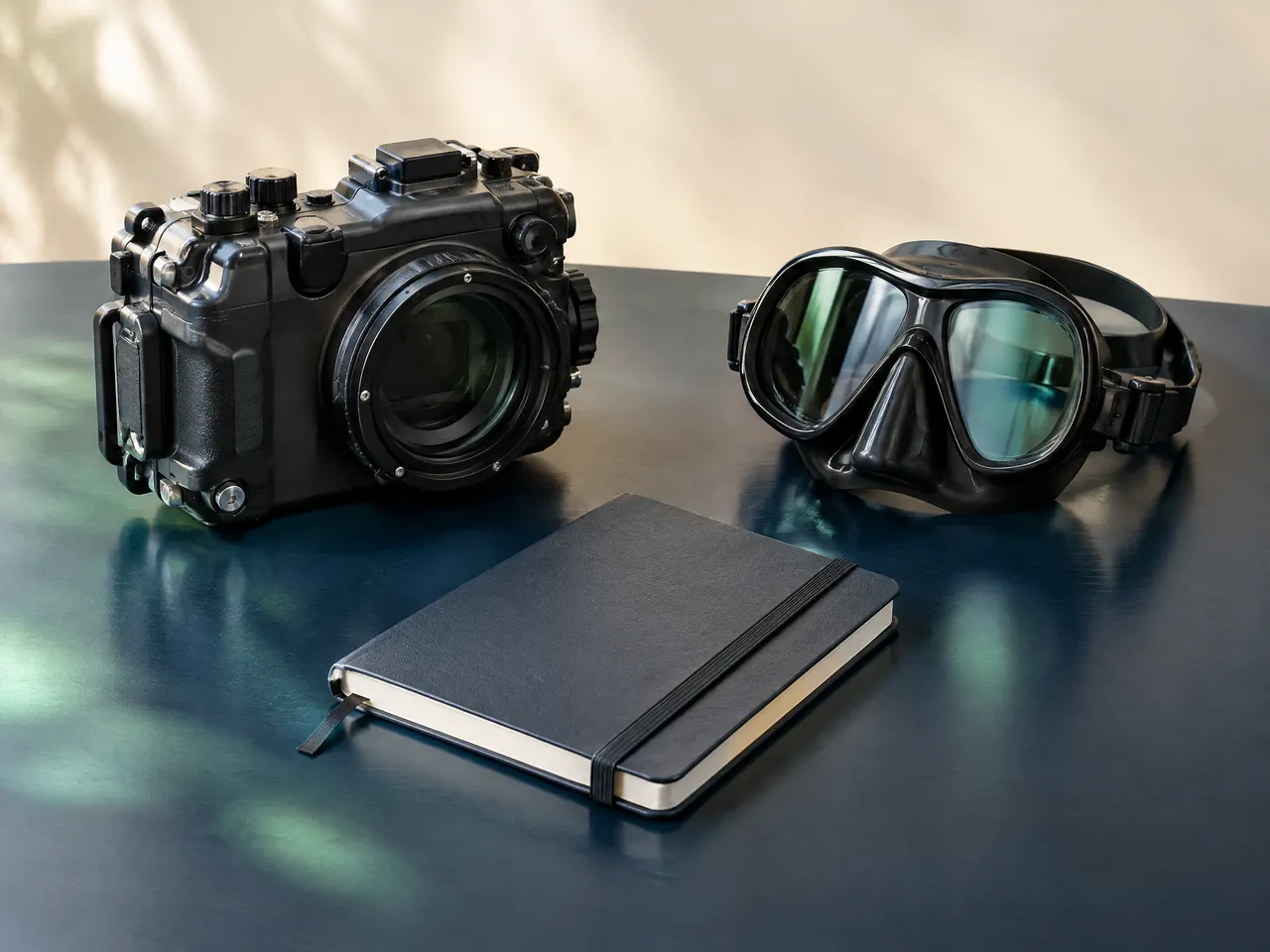
Before opening a course comparison, finish this sentence: ‘On my next few dives, I would like to feel more comfortable with…’ Your answer might concern understanding a site briefing, staying attentive while taking photographs, or exploring a different environment with instruction. These are more useful starting points than wanting an advanced card because a friend has one. They give an instructor something concrete to discuss and help you notice whether the proposed course actually addresses your interest.

If your search begins with an Advanced Open Water Diver course Hong Kong, use the course page to start that conversation, not to assume every programme behind the name is identical. DiveHarbour asks prospective advanced students to share their certification, recent diving and goals before confirming arrangements. Ask which agency would issue your certification and request its course outline. A title tells you where to investigate; the outline tells you what you would be learning. [1]

Separate your main goal from a secondary interest. For example, if photography appeals to you but managing extra equipment still feels distracting, tell the instructor both facts. You can ask whether a skills-focused preparation session would be more useful before a camera-related elective. This is not a promise that one route is suitable for you; it is a way to make your priorities visible instead of allowing an attractive course name to make the decision.

Read the agency-specific curriculum behind the label

PADI’s official Advanced Open Water Diver description sets out five dives: deep diving and underwater navigation are required, with three further specialty dives chosen according to interests and the local environment. NAUI’s Advanced Open Water Scuba Diver page describes six dives, with required activities in night or limited visibility, navigation and deep diving. These are descriptions of those agencies’ programmes, not interchangeable specifications for every advanced course sold in Hong Kong. [2] [3]

The practical question is therefore not simply ‘How many dives do I get?’ Ask which elements are compulsory, which choices are available in the proposed programme, and what preparation accompanies them. A broad introduction to several activities is also different from completing a dedicated specialty. PADI says specialty dives within its advanced course can earn credit toward its specialty certifications. That potential credit should prompt a question about the remaining requirements, not an assumption that an introductory dive awards the whole specialty. [2]

Put the exact agency and qualification title beside each option in your notes. If you are comparing an SSI route, request its current official description rather than borrowing either the PADI or NAUI structure above. Ask the provider to explain any change in terminology or recognition level that matters to your intended booking. Avoid treating similar titles as proof of universal equivalence; the training record and the applicable requirements are what you need to understand.

Check eligibility separately from readiness

Your existing certification answers one question: what training have you completed? Your recent log answers another: what have you actually been doing? Share both, including the date of your last dive, the environments you have experienced and any aspect that still feels unfamiliar. Do not round up a dive count or describe an old qualification as recent practice. An instructor can give a more relevant recommendation when your starting point is clear rather than impressive.

NAUI states that its advanced course requires NAUI Open Water Scuba Diver certification or equivalent. It also requires the instructor to establish adequate knowledge and capability before open-water training. Its page allows a screening and evaluation dive that does not count toward the course minimum when that assessment is needed. This illustrates why acceptance of an existing card and readiness for a particular programme are separate questions. Ask whether evaluation is proposed, what it is for, and whether it carries a separate charge. [3]

Ask the provider to confirm the current prerequisites and any age-related requirements for your chosen route rather than copying rules from another agency. Complete health questions yourself and raise relevant changes or concerns through the required process; obtain appropriate medical assessment where needed. Diving education and TCM Lab medical services are separate. Neither this article nor a TCM Lab appointment provides fitness-to-dive clearance. Keep this conversation early enough that it does not become a rushed decision on a training day.

Choose breadth, a focused specialty or preparation first

Broad training can make sense when you have several genuine interests and want supervised introductions before choosing a specialty. Focused training is worth discussing when one skill or environment is already your clear priority. Preparation first may deserve consideration when your main aim is to regain comfort after a gap. These are different learning questions, not a ranking of ambitious and unambitious divers. Ask what each option would address and which questions it would leave for later.

DiveHarbour’s advanced diver training Hong Kong guide discusses broad, specialty-focused and refresher-first choices. Use it to prepare a comparison based on your own goal: ‘Which of these would give me relevant feedback, and what would I still need afterwards?’ Confirm what is currently offered for your certification and circumstances. The existence of a pathway guide does not confirm a place, an elective, a particular site or a completion date. [4]

If friends are booking together, compare each person’s goal before asking for a shared arrangement. One diver may want to explore several interests while another wants to revisit foundational skills. Ask whether the provider can accommodate those needs and explain any separate sessions or costs. Shared travel plans should not require everyone to choose the same learning target or progress at the same pace. A useful group plan respects individual willingness rather than assuming one course fits the whole party.

Ask how the learning will work, not only what is listed

A list of activities does not tell you how questions and feedback will be handled. Ask how theory preparation connects with the practical sessions, when you can discuss difficulties, and how the instructor reviews what you have learned. Clarify the teaching language and whether materials are provided in a language you can use comfortably. If you need extra time to understand an explanation, say so during the enquiry rather than assuming that the pace will suit you.

Ask about the proposed group arrangement and how individual feedback is built into it. You do not need a promise of personal transformation; you need to understand how the course responds when someone needs more practice. Useful questions include whether an evaluation is separate from course training, what happens if a learning requirement is unfinished, and how additional instruction would be arranged and charged. Completion should depend on meeting the applicable requirements, not simply attending booked sessions.

For Hong Kong planning, obtain the proposed meeting arrangements and allow for the travel and preparation involved. Ask what remains conditional on suitable conditions or provider confirmation. If work or travel limits your availability, explain those limits before booking and ask whether the plan is realistic. Do not convert an online outline into a fixed timetable, or assume that a classroom session held in the evening includes a night dive. Confirm the actual activity and timing separately.

Attach the quotation to the exact training plan

When checking the Hong Kong AOW diving course price, ask for a current written quotation tied to the agency, course title and arrangement you have discussed. DiveHarbour’s price page calls for confirmation of the course scope and practical inclusions before booking. A headline figure is not enough to establish what your own training will cost, particularly if evaluation, equipment needs or a different learning format must be considered. [5]

Ask the quotation to identify learning materials, training sessions, certification processing, equipment and boat or site arrangements. Confirm what you supply yourself and which items are separate charges. If preparation or further instruction might be needed, ask how that would be quoted rather than inventing an allowance. Compare the total for the stated scope, not a single number detached from it. An online theory purchase and a local course package should not be assumed to cover the same services.

Read the booking terms while you still have a choice. DiveHarbour’s published fee block states that all fees are non-refundable and that make-up sessions are subject to written terms. Do not read this as an automatic right to move a session or a guarantee of a replacement date. Ask how the applicable terms handle attendance and changes to the proposed plan, and keep the written reply with your quotation. Separate training fees from your own transport or accommodation commitments. [5]

Define useful progress before committing to another course

Agree on a useful question to revisit after training. If your initial goal was to understand a new activity, ask what further supervised learning would help. If your aim was comfort, ask which situations still deserve practice. This gives the debrief a purpose beyond checking whether you received a card. Make space for an answer that recommends consolidation rather than another course immediately; the right next step may be using what you have learned in appropriate circumstances.

Keep brief notes on what was covered, the settings in which you trained and the feedback you received. These notes can help a future instructor or activity provider understand your experience alongside your certification. NAUI’s course description specifically relates graduate competence to environments, activities, areas and equipment resembling those of training. That qualification is a useful reminder not to treat an advanced title as proof of readiness for every unfamiliar trip or setting. [3]

Your final decision should connect three things: the goal you named, the agency-specific curriculum and the written booking arrangement. If one remains unclear, ask a focused follow-up before paying. You do not need to predict your entire diving future to choose well now. You need a course whose purpose you understand, a realistic account of your starting point, and a plan that lets learning—not the label or a holiday deadline—set the pace.

Take it into everyday life

A practical checklist

  • Write one main learning goal and one secondary interest in plain language.
  • Gather your certification record, relevant specialty records and recent logbook details.
  • Confirm the issuing agency, exact qualification title and current prerequisites.
  • Ask which activities are required, which electives are available and what specialty credit may apply.
  • Discuss whether an evaluation, refresher or focused preparation is recommended and separately charged.
  • Confirm teaching language, theory preparation, feedback arrangements and the process for unfinished requirements.
  • Obtain a current written total with inclusions, exclusions and any conditional arrangements identified.
  • Read the non-refundable fee and conditional make-up terms before paying.
  • Allow realistic travel and learning time without assuming a fixed site or completion date.
  • Keep the course outline, quotation and instructor feedback together for your next training conversation.

Questions & answers

Are all courses called Advanced Open Water the same?

No. PADI describes five dives with two required activities and three chosen specialty dives; NAUI describes six dives with its own required activities and prerequisites. Compare the current description of the agency issuing your qualification and the provider’s local arrangement. Similar wording is not proof that the curricula or resulting records are universally equivalent. [2] [3]

Can I take advanced training with a certification from another agency?

Ask the provider to check your actual certification. NAUI’s advanced course page allows NAUI Open Water Scuba Diver or equivalent certification, but that does not establish every agency’s acceptance rules or your readiness. Supply the record and recent diving details, then obtain confirmation for the particular course you intend to book. [3]

Should I choose a specialty rather than a broad advanced course?

A focused specialty is worth discussing when you already have one clear learning objective. A broad programme may be useful when you want introductions to several interests. Ask how much relevant instruction each option provides, what prerequisites apply and what remains afterwards. Do not assume that a specialty introduction within a broad course completes the full specialty qualification. [2]

What if my certification is valid but I have not dived recently?

Tell the instructor when you last dived and what currently feels unfamiliar. Ask whether evaluation or refresher training should come first and how it would be booked and charged. NAUI explicitly distinguishes a possible screening dive from the minimum dives in its advanced course. An old card alone does not answer the readiness question. [3]

What should an advanced-course quotation make clear?

It should connect the price to the chosen agency, course title and practical scope, then identify materials, training, certification processing, equipment and boat or site arrangements. Ask for the current total, exclusions and the treatment of any separately recommended evaluation or additional instruction. Keep the quotation and applicable written terms together rather than relying on a headline price. [5]

Can I assume a missed session will be refunded or moved?

No. DiveHarbour’s published fee block says all fees are non-refundable and make-up sessions are subject to written terms. Ask how those terms apply to your proposed booking before paying. A conditional make-up provision is not a promise of free rescheduling or a replacement date that fits every travel plan. [5]

Does advanced certification mean I am ready for any dive trip?

No course title should replace a discussion of the trip’s requirements and your relevant experience. Share your training record and recent logs with the activity provider. NAUI’s description qualifies graduate competence by similarity to the environments, activities, areas and equipment used in training; unfamiliar circumstances still require an appropriate fit assessment. [3]

Sources & further context

Numbered references follow the source order below. Course websites describe their own programmes; health and coastal sources have separate purposes and do not endorse commercial course quality.

  1. [1] DiveHarbour — Advanced Open Water Diver Course in Hong Kong
  2. [2] PADI — Advanced Open Water Diver eLearning Course
  3. [3] NAUI — Advanced Open Water Scuba Diver
  4. [4] DiveHarbour — Advanced Diver Training in Hong Kong
  5. [5] DiveHarbour — Advanced Open Water Course Price in Hong Kong

Make equipment responsibilities specific to the learning plan

Turn the equipment part of your enquiry into a short responsibility list. Against each proposed activity, note what you already use comfortably, what is unfamiliar and what the provider asks you to bring. Ask whether the arrangement differs between an evaluation and the course itself. A buoyancy compensator, regulator, mask and fins are useful prompts for that conversation, not proof of what a package supplies. Keep the instructor's reply beside the quotation so an unfamiliar item becomes a preparation question rather than a training-day surprise.
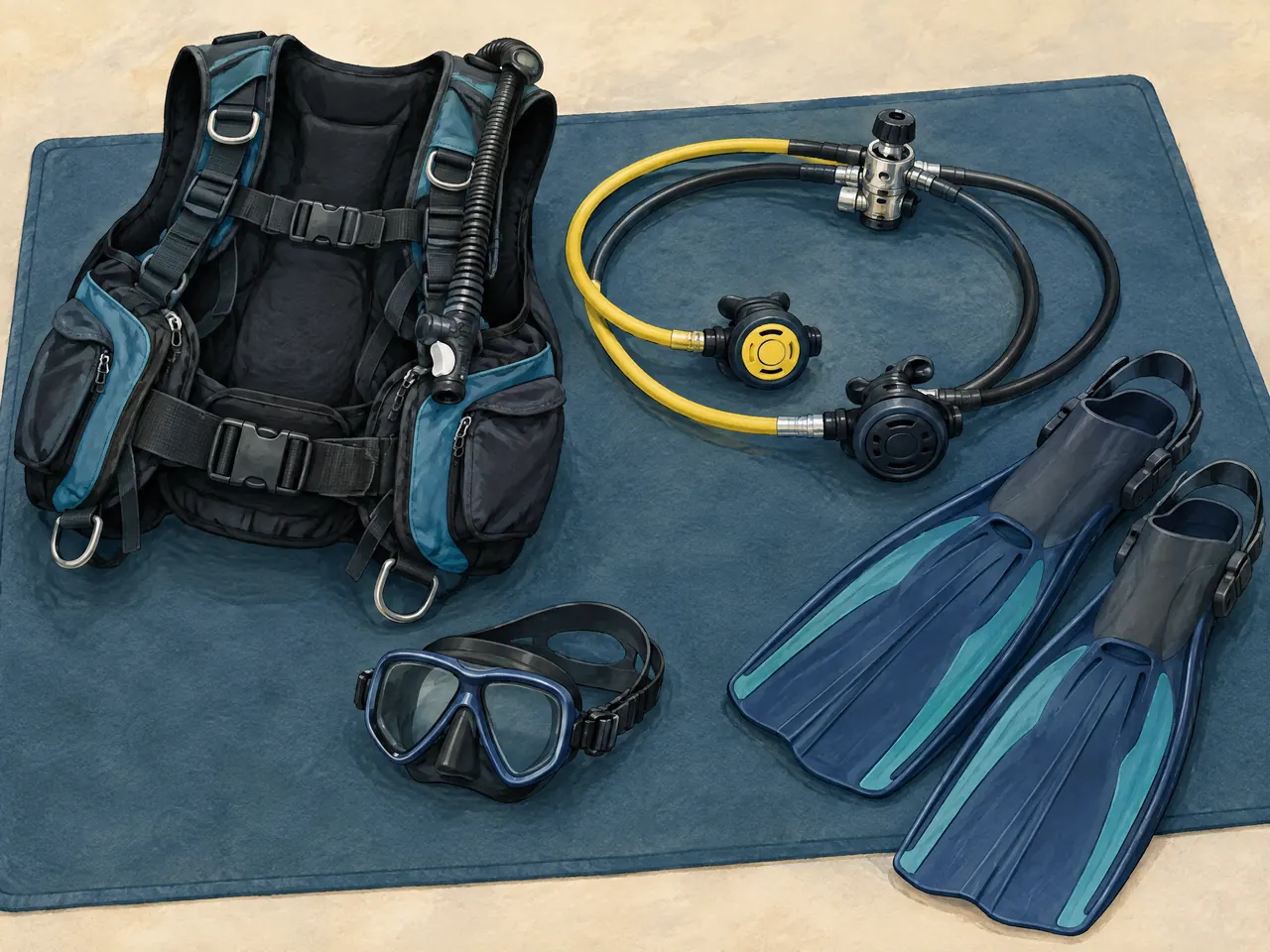
Unbranded buoyancy compensator, regulator assembly, mask and fins arranged separately on a dry preparation mat
Illustrative equipment layout for discussing supplied and personal kit; not a DiveHarbour equipment inventory or an equipment-check procedure.Generated illustrative image

Describe equipment comfort separately from your certification

A statement such as 'I have my own equipment' does not explain how familiar it feels. Tell the instructor if you have changed masks or fins since your last dives, or if you expect to use a different set for training. Describe the concern plainly: uncertainty about fit, discomfort with an adjustment or lack of recent use. Ask when those questions can be addressed and whether preparation is recommended before adding a new activity. The comparison is about your starting point, not which item looks more advanced.
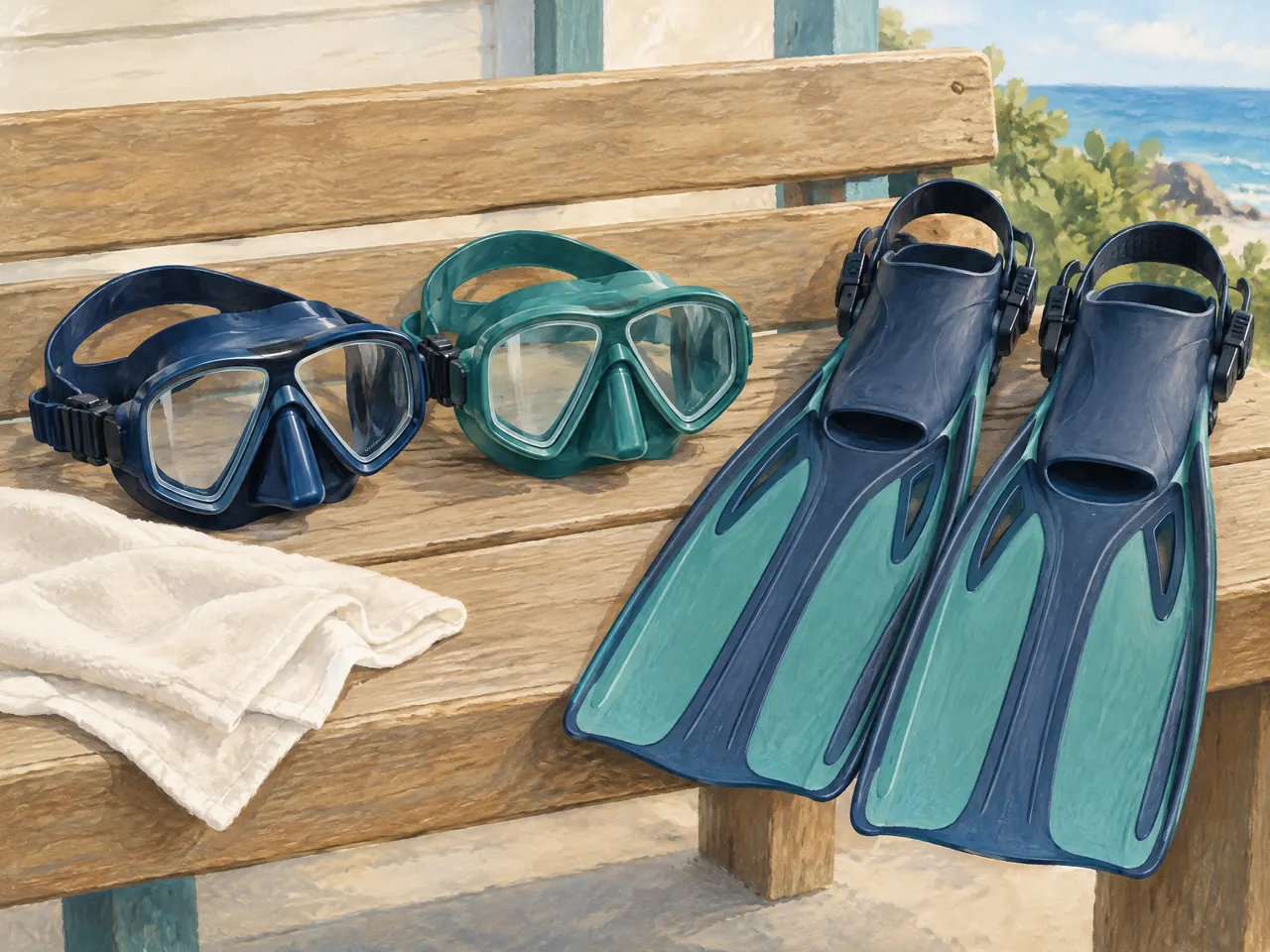
Two generic scuba masks and separate adjustable fins on a bench beside a clean cloth
Conceptual masks and fins for a fit-and-familiarity discussion; no model recommendation or individual fit assessment is shown.Generated illustrative image

Map preparation, practice and assessment without assuming a syllabus

Make three spaces in your notes: preparation to complete beforehand, opportunities to practise and requirements to demonstrate. Ask the instructor to place the actual elements of your proposed course into those spaces, including any separately recommended evaluation or refresher. This can reveal whether the plan answers your learning goal or merely lists activities. The book, pool and cove illustration represents different learning contexts; it does not mean every advanced programme includes pool training or follows that sequence. Keep the issuing agency's course outline as the reference.

Closed book, miniature empty pool and separate abstract open-water cove arranged as a conceptual desk model
Conceptual learning contexts, not a prescribed advanced-course syllabus, compulsory pool session or record of a real class.Generated illustrative image

Prepare a follow-up question for changes to the proposed plan

For each activity you particularly want to try, ask what happens if the proposed arrangement changes. Would the provider discuss another suitable activity, defer that element or issue a revised plan? Ask who communicates the decision and how you will receive the updated meeting details and any applicable written terms. Keep your learning priority visible in that discussion rather than accepting a substitution solely to finish by a holiday deadline. A weather illustration is a reminder to ask about contingencies, not a forecast or a guide to deciding whether diving conditions are suitable.
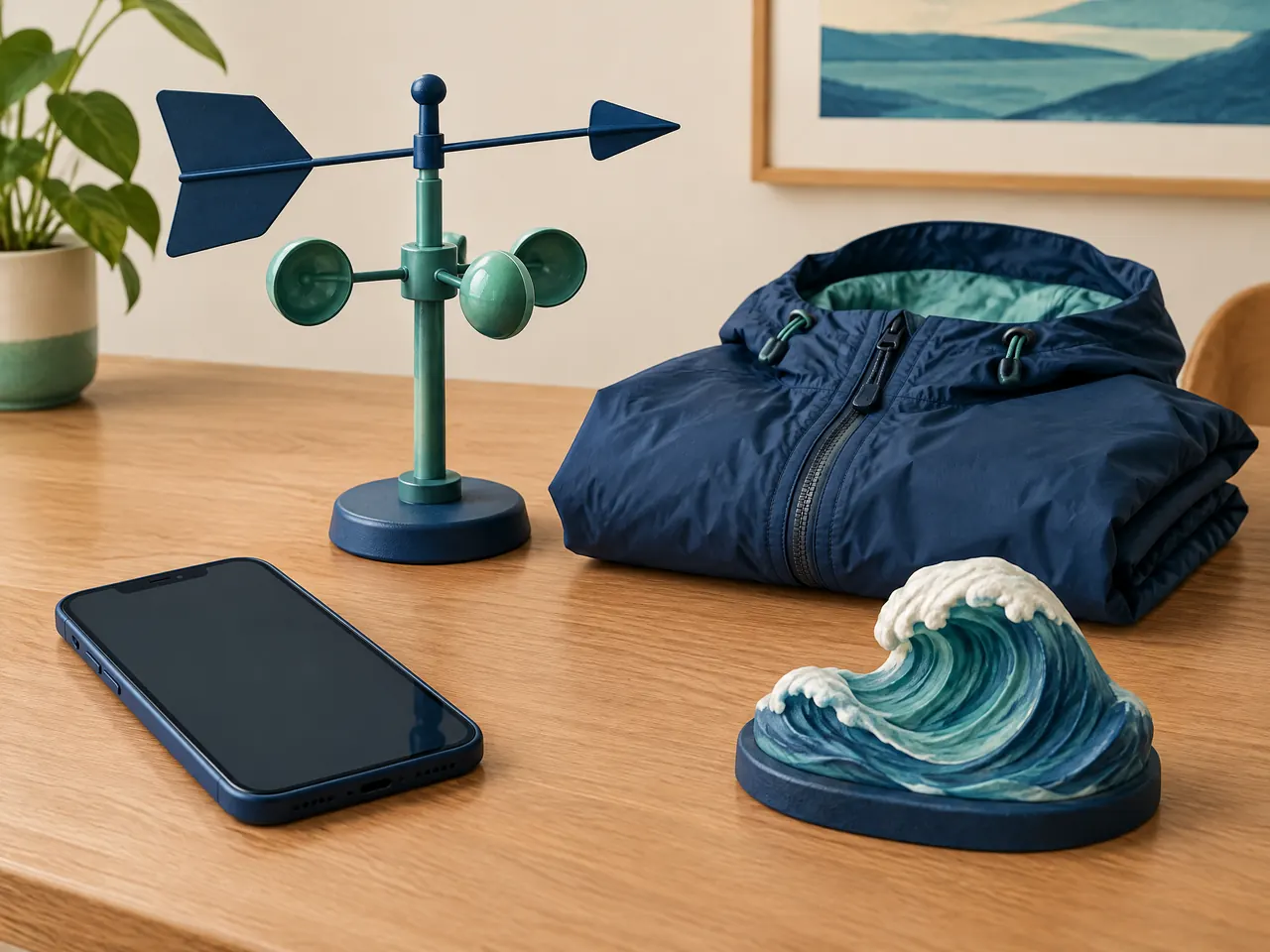
Phone with a blank screen beside a wind vane model, rain shell and miniature wave sculpture
Illustrative weather-and-logistics prompts; not a live forecast, safety threshold or promise of a replacement session.Generated illustrative image

Keep personal outing preparation separate from course equipment

Use two packing lists rather than one: specialist equipment confirmed with the instructor, and personal items for the journey and time out of the water. A towel, drinking water and sun hat can prompt questions about what you should bring, where belongings can be kept and what facilities are available under the proposed arrangement. Confirm any footwear or bag requirements rather than treating the illustration as a complete packing checklist. Sorting these ordinary details early lets your next enquiry focus on learning instead of avoidable uncertainty about the day.
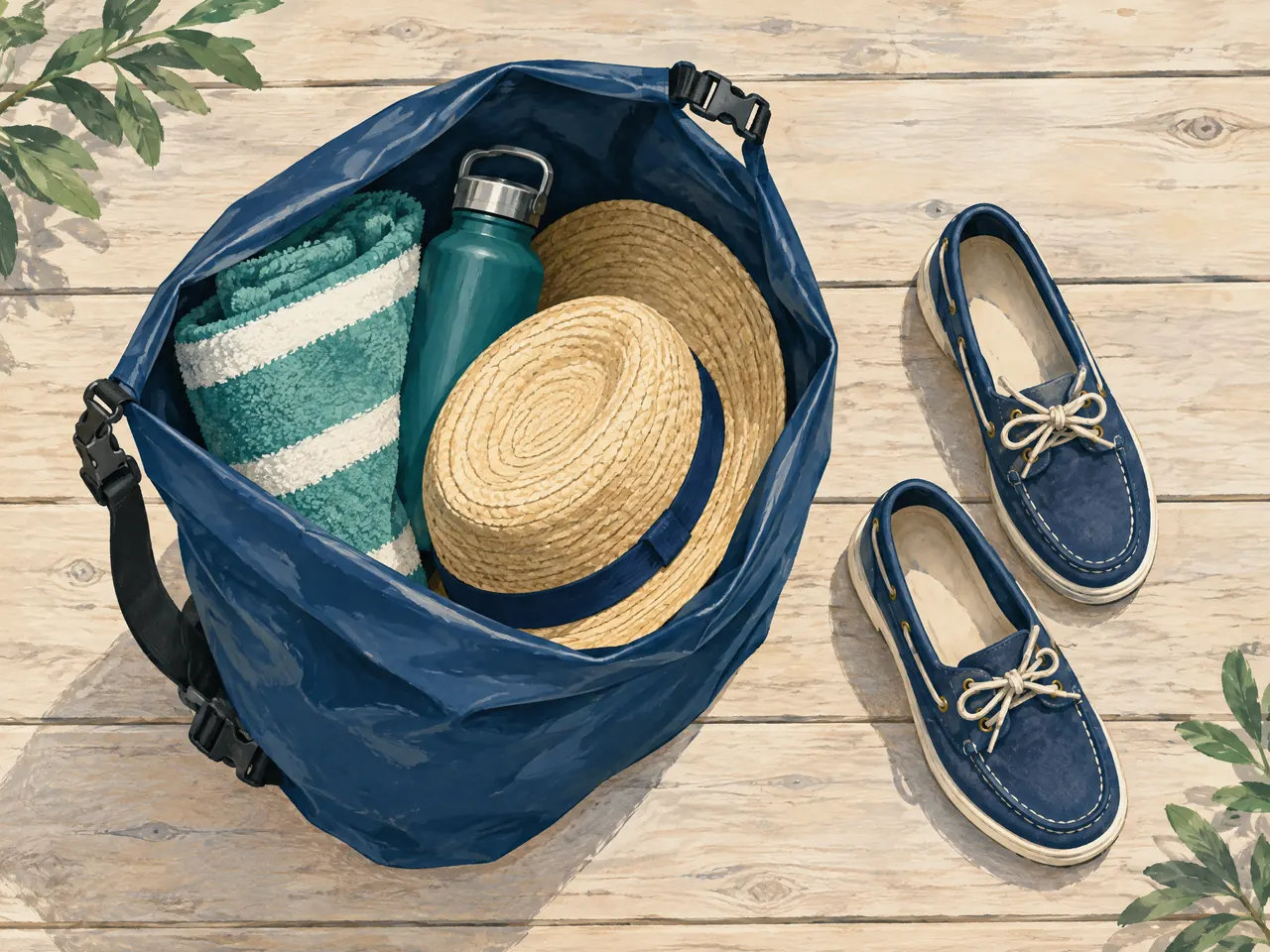
Open dry bag containing a towel, water bottle and sun hat beside deck-shoe silhouettes on an empty abstract timber surface
Conceptual personal outing items, separate from specialist diving equipment; not a complete packing list or a statement of boat facilities.Generated illustrative image

Include awareness of the surroundings in your learning goal

If photography or marine life is your main interest, add one question about attention to the surroundings: 'What should I work on before adding this activity near a reef?' Ask how the proposed instruction addresses awareness of the buddy, equipment and marine environment alongside the activity that attracts you. This makes the choice between broader preparation and a focused specialty more specific than 'I want better pictures'. The empty reef concept is a discussion prompt, not a suggested dive site, a claim about local conditions or an invitation to approach wildlife.

Empty conceptual underwater scene with separated coral shapes, a sea fan and a distant small fish school beneath clear open water
Imagined marine surroundings for discussing environmental learning goals; not an actual Hong Kong reef, DiveHarbour site or diving lesson.Generated illustrative image

Clinic enquiries

Contact and appointment arrangements

Clinics
Prince Edward and Kwun Tong
Opening hours
11:00–21:00
WhatsApp and telephone
+852 6940 5663

Appointments, practitioner availability and service arrangements are confirmed via WhatsApp.

Please mention any consultation language needs in your WhatsApp enquiry so that arrangements can be confirmed.

Enquire via WhatsApp
Food, gifts and floral lifeWhatsApp enquiry