
Prince Edward & Kwun Tong clinics · Home-visit enquiries elsewhere

TCM Lab

TCM Lab · Outdoor learning & coastal life / Courses and booking

PADI online learning: plan the handover from theory to water

Content updated

Finishing the online lessons is a useful milestone, not the end of your diving course. Plan the language, records and instructor conversation that will carry your learning into supervised water sessions.

Illustrative scuba learning preparation objects
AI-generated illustrative concept; not an actual DiveHarbour class, student or dive-site record.

The short answer

PADI eLearning completes the knowledge-development part of the pathway, not the required in-water skills training or the whole certification. Before studying, confirm your materials and teaching language. Before practical sessions, have your completion record ready, share unresolved questions and obtain a written plan for the remaining training and inclusions. [1] [2]

DiveHarbour is a separate diving school under the same ownership as TCM Lab. Diving courses and activities are separate from Chinese medicine care; reading this collection or visiting TCM Lab does not replace medical fitness-to-dive assessment or clearance.

Know what your online completion actually means

PADI describes the Open Water Diver course in three main phases: knowledge development, confined-water dives and open-water dives. Online learning belongs to the first phase. It introduces the principles, concepts and terminology that you will need during practical training. Completing it does not demonstrate how you respond to instruction in the water, and it is not the same as receiving the full diver certification. Keep that distinction clear when planning a weekend or a holiday around your course. [1] [2]

Treat the online result as a starting point for a conversation with your instructor. You may recognise a piece of equipment on screen yet still have questions when you see the actual kit. You may also understand an explanation while reading it but find it difficult to describe what confused you. These are useful things to bring to training, rather than reasons to pretend that the learning is finished.

In your calendar, separate completing the theory from completing the course. The first is a study milestone; the second depends on meeting the remaining training requirements. Ask which knowledge work must be finished before your first practical appointment and how it will be checked. This avoids arriving with an apparently completed dashboard while the instructor is expecting a different record or further review. [2] [3]

Choose a language you can learn and ask questions in

The language you use at work is not necessarily the easiest language for learning an unfamiliar physical activity. Before activating materials, ask which language versions are available for the exact product being supplied. Then ask separately about the language of the practical briefing and your instructor's explanations. A digital course in your preferred language does not establish that the local teaching arrangement will use it too.

Consider your ability to understand a question, not just read a familiar word. If you study in English but would explain uncertainty more clearly in Cantonese, say so in the first enquiry. Ask what support can actually be arranged, rather than assuming bilingual teaching. If you want to change the materials' language later, check the process and any effect on saved progress before making the change. Do not rely on the language selector alone to answer that question.

A small personal vocabulary note can help connect study with the briefing. Write the term exactly as it appears in your materials, followed by a plain-language explanation you understand. Mark anything whose meaning you are unsure of, and ask the instructor to clarify it. For example, you might write, 'I recognise this equipment name, but I cannot confidently identify it yet.' This is more useful than memorising translations without knowing what they refer to.

Arrange the whole pathway before buying one part

For a local starting point, use the PADI Open Water course Hong Kong page to frame an enquiry about the complete route, not just the online component. Ask who coordinates knowledge review, confined-water practice and open-water training, and what you need to arrange yourself. DiveHarbour's page says materials, equipment, venue and boat arrangements should be confirmed in writing before booking; that confirmation is more useful than assuming the full course follows automatically from buying digital access. [3]

Request a quote that distinguishes online materials from practical training and identifies what is included. Ask about equipment arrangements, access to training venues, transport where relevant and certification processing. If you already purchased eLearning elsewhere, say which product you bought and whether you have completed it. A price displayed for online learning is not evidence of the total cost of completing the course locally.

If your plan involves studying in Hong Kong and finishing training during travel, discuss that before committing to either booking. PADI says the eRecord from completed online study is accepted by its dive centres, resorts and instructors worldwide. That statement concerns the academic record, not a guaranteed appointment or approval of every travel arrangement. Ask the receiving instructor what remains, what documents are needed and how the proposed handover will work. [2]

Build a study routine that leaves room for understanding

Choose study periods when you can pay attention to explanations and review the material, rather than squeezing everything into the last evening before training. PADI presents eLearning as a way to complete knowledge development at your own pace. Use that flexibility to revisit a topic when it is unclear, not simply to postpone the whole course until a booking deadline creates pressure. Your personal routine need not resemble someone else's fast completion story. [1] [2]

At the end of a study session, close the lesson and explain its main idea in your own words. If you can remember an answer but not explain the reasoning, return to the official material and note your question. Keep the distinction between 'I understood this', 'I need to review this' and 'I need an instructor to explain this'. A high score does not remove the value of that last category.

Use your actual week to shape the plan. If you often finish work tired, reserve reading for a quieter part of the day rather than assuming a late-night session will suit you. Ask about the current access rules and any completion deadlines that apply to your purchased product and proposed training. Before the practical phase, leave room to revisit your question notes. The aim is to arrive able to take part in the briefing, not merely show that you clicked through every lesson.

Prepare a completion record and a short question note

When the required online work is finished, find the completion evidence rather than leaving it hidden in your account. PADI's help page explains that learners can access their eRecord through eLearning. Ask the practical provider what format they want and when they need it. Also check that your name and course details are correct. If there is an account error, seek help through the official support route rather than assuming it can be corrected at the meeting point. [2]

Keep your personal question note separate from the official record. The record shows academic progress; the note tells the instructor where a discussion would help. Include the lesson or topic, the point you did not understand and what you want clarified. 'I am unsure why this answer is correct' is a better starting point than 'Please explain everything'. Do not send passwords or expect another person to complete the knowledge checks for you.

For a long gap between study and training, tell the instructor when you completed the material and ask what review is appropriate. Do not assume either that everything must be purchased again or that no review could be needed. Bring the provider's reply together with your booking confirmation and completion record. Having those items organised lets the first conversation focus on your learning instead of reconstructing an email trail.

Agree the handover before the first water session

Use the PADI eLearning Open Water Hong Kong page when your main question is how digital study connects with local practical training. Its guidance separates online theory from supervised water skills and suggests confirming practical arrangements and inclusions. Send an enquiry that states whether you have started or completed the theory, your preferred learning language and the questions you still have. This gives the provider something concrete to respond to. [4]

Ask what happens at the first appointment before any water training begins. Will the instructor review your record and discuss knowledge questions? Which documents should be submitted beforehand? How will you find the confirmed meeting point, and what clothing or personal items are requested? Get those answers from your own booking instructions rather than copying another learner's packing list or assuming the course page names a fixed venue.

Describe relevant water experience accurately, even if it feels limited. Enjoying snorkelling is useful background information, but it does not replace scuba course requirements. Ask the instructor to explain the current prerequisites and how progression is assessed. Also ask what happens if you need more explanation or practice. You are planning a learning relationship, so it matters whether you know how to raise a concern and understand the next agreed step. [3] [4]

Leave space for the practical plan to change

Separate a requested date from a confirmed training arrangement. Ask when dates and meeting details will be confirmed, how updates are sent and what happens if the planned session cannot proceed. Keep room in your calendar for learning needs as well as changes to local conditions. Online completion should not become a reason to rush the remaining training or promise friends that everyone will finish together. DiveHarbour's eLearning guidance makes clear that practical timing depends on the actual arrangement and learning progress. [4]

Read the written payment and make-up terms before paying. The provider's published pages state that all fees are non-refundable and make-up sessions are subject to the written terms. Ask how those terms apply to the booking you are considering; do not assume a change of date will be free or that a replacement session is guaranteed. Save the reply with your course confirmation, especially if you have organised travel around the practical phase. [3] [4]

Complete any required health questionnaire yourself and raise unclear answers through the appropriate instructor or physician. Neither finishing an online lesson nor reading a TCM Lab article provides medical clearance to dive, and TCM Lab care does not replace an appropriate fitness-to-dive assessment. Keep the learning plan honest: unresolved paperwork, language questions or discomfort are reasons to seek clarification, not to force progress because the theory is already finished.

Take it into everyday life

A practical checklist

  • Confirm the exact eLearning product, available materials language and practical teaching language before activation.
  • Ask which online work must be completed before the first practical appointment and how completion will be checked.
  • Obtain written details of remaining training, course inclusions and any separately arranged items.
  • Set realistic study periods and record questions that remain after reviewing the official material.
  • Locate your eRecord, check your name and course details, and confirm the requested submission format.
  • Tell the instructor about your actual water experience and ask about current prerequisites and progression.
  • Keep the confirmed meeting instructions, requested documents and provider replies together.
  • Read the non-refundable payment and conditional make-up terms before paying, and leave flexibility in the practical plan.

Questions & answers

Does completing PADI eLearning make me a certified Open Water Diver?

No. eLearning covers knowledge development. The Open Water pathway also includes confined-water and open-water training, and you must meet the remaining course requirements. An online completion record is evidence of academic progress, not a substitute for the full diver certification. [1] [2]

Can I study in one language and take practical lessons in another?

Discuss that arrangement before activating materials or booking training. Ask separately about the available study language and the language used for briefings and explanations. Tell the provider which language helps you express uncertainty clearly. Do not assume translation support is included or that changing the materials' language will preserve your progress.

I bought eLearning elsewhere. What should I tell the local provider?

State the exact product, whether you have completed it and whether your eRecord is available. PADI says completed-study eRecords are accepted by its centres, resorts and instructors worldwide. You still need agreement on remaining training, paperwork, practical availability and fees; record acceptance is not a confirmed booking. [2]

What should I do if I passed a quiz but still do not understand the topic?

Return to the official explanation and write down the specific point that remains unclear. Bring that question to your instructor before relying on the concept during practical training. Passing an online check is not a reason to hide uncertainty, and another person's answer cannot replace your own understanding.

How much time should I leave between online study and water training?

Ask about the current product's access rules, the provider's preparation deadline and confirmed practical availability. Build your study plan around understanding and leave review time before training. If you have already had a long gap, disclose it and ask what review is appropriate rather than assuming a fixed interval applies to everyone.

What belongs in my handover documents?

Have the requested completion evidence, your booking confirmation and any forms the provider asks for. Add a short personal note of unresolved learning questions, kept separate from official records. Confirm how and when to submit documents, and use your own answers for required declarations rather than asking someone to fill them in for you.

Can I assume practical sessions are included in the online price?

No. Ask for written confirmation of the complete local training cost and inclusions. Distinguish digital materials from practical instruction, equipment, venue or transport arrangements and certification processing. DiveHarbour's course information specifically directs learners to confirm the actual arrangements before booking. [3] [4]

Sources & further context

Numbered references follow the source order below. Course websites describe their own programmes; health and coastal sources have separate purposes and do not endorse commercial course quality.

  1. [1] PADI: Open Water Diver Course — 3 Options for Knowledge Development
  2. [2] PADI: Frequently Asked Questions About PADI eLearning
  3. [3] DiveHarbour: PADI Open Water Course in Hong Kong
  4. [4] DiveHarbour: PADI eLearning Open Water in Hong Kong

Write a handover note that separates completed work from requests

Give your practical provider a short status note with three separate parts: the online work you have completed, the questions you still want discussed and the water-training arrangements you are requesting. For example, 'My online study is complete and my eRecord is available; I still have a question about one lesson; I would like to enquire about the remaining practical training.' That wording does not turn a study milestone into a claim of practical competence. [1] [2]

Keep requested dates separate from the provider's confirmed appointments. When a reply arrives, compare it with your note: does it identify the next learning stage, explain how your record should be submitted and answer the question you raised? If one part is missing, ask specifically about that part rather than treating a general acknowledgement as agreement to the whole plan.

Conceptual closed book, miniature empty pool and separate abstract open-water cove representing different learning settings
A conceptual distinction between knowledge study and water-training settings, not a syllabus diagram or record of an actual course.Generated illustrative image

Turn equipment recognition into a question for the instructor

Use an equipment illustration as a prompt for your question note, not as an instruction sheet. Choose an item whose name you encountered in the official materials and describe the uncertainty precisely: 'I recognise the name, but I would like you to identify it on the supplied equipment and explain its role.' This gives the instructor a clearer starting point than saying that all the equipment is unfamiliar.

Keep learning questions separate from supply questions. One asks what you need explained; the other asks which equipment the provider supplies for each appointment and whether anything is arranged separately. Record both in your enquiry without assuming that an illustration shows the actual rental kit or that recognising an item means you can use it without supervised instruction.
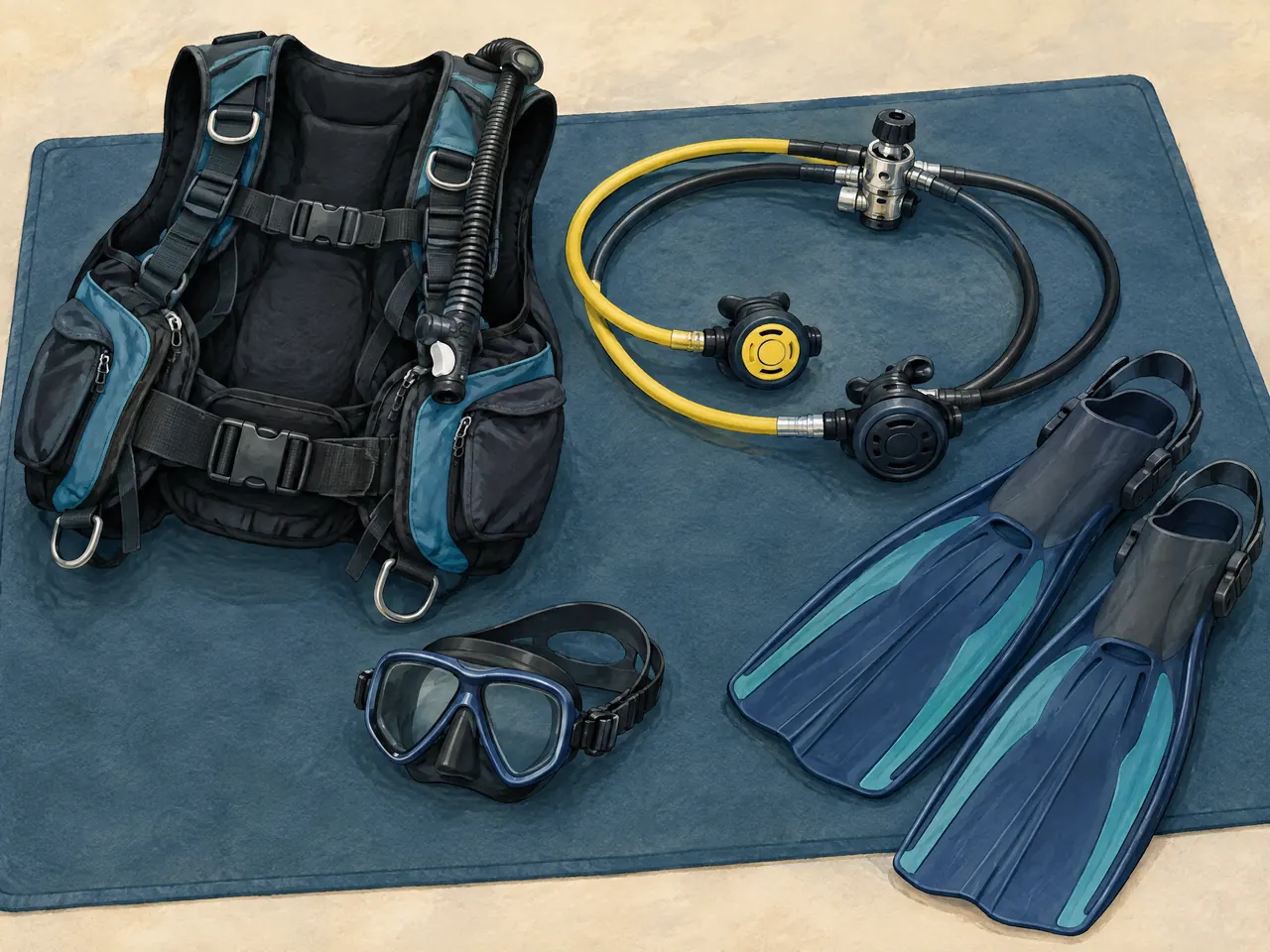
Unbranded buoyancy compensator, regulator assembly, mask and fins arranged separately on a dry preparation mat
Illustrative equipment objects for preparing identification and supply questions, not the provider's actual kit or a self-training procedure.Generated illustrative image

Prepare the words you will use to raise an equipment concern

Add a practical phrase to your language note as well as equipment names. You might want to say, 'I have not tried the supplied mask or fins yet,' or 'I would like that explanation again in the language we agreed.' Tell the provider beforehand if you would find these conversations easier in Cantonese than English, or vice versa. Ask what language support is actually available rather than assuming it will be provided.

Ask when equipment fitting and comfort questions can be discussed during the confirmed appointment. If something feels unfamiliar or uncomfortable when you arrive, describe the issue to the instructor instead of treating your completed online lessons as a reason to stay quiet. The illustration offers objects to discuss; it does not establish which equipment fits you or how to assess it independently.
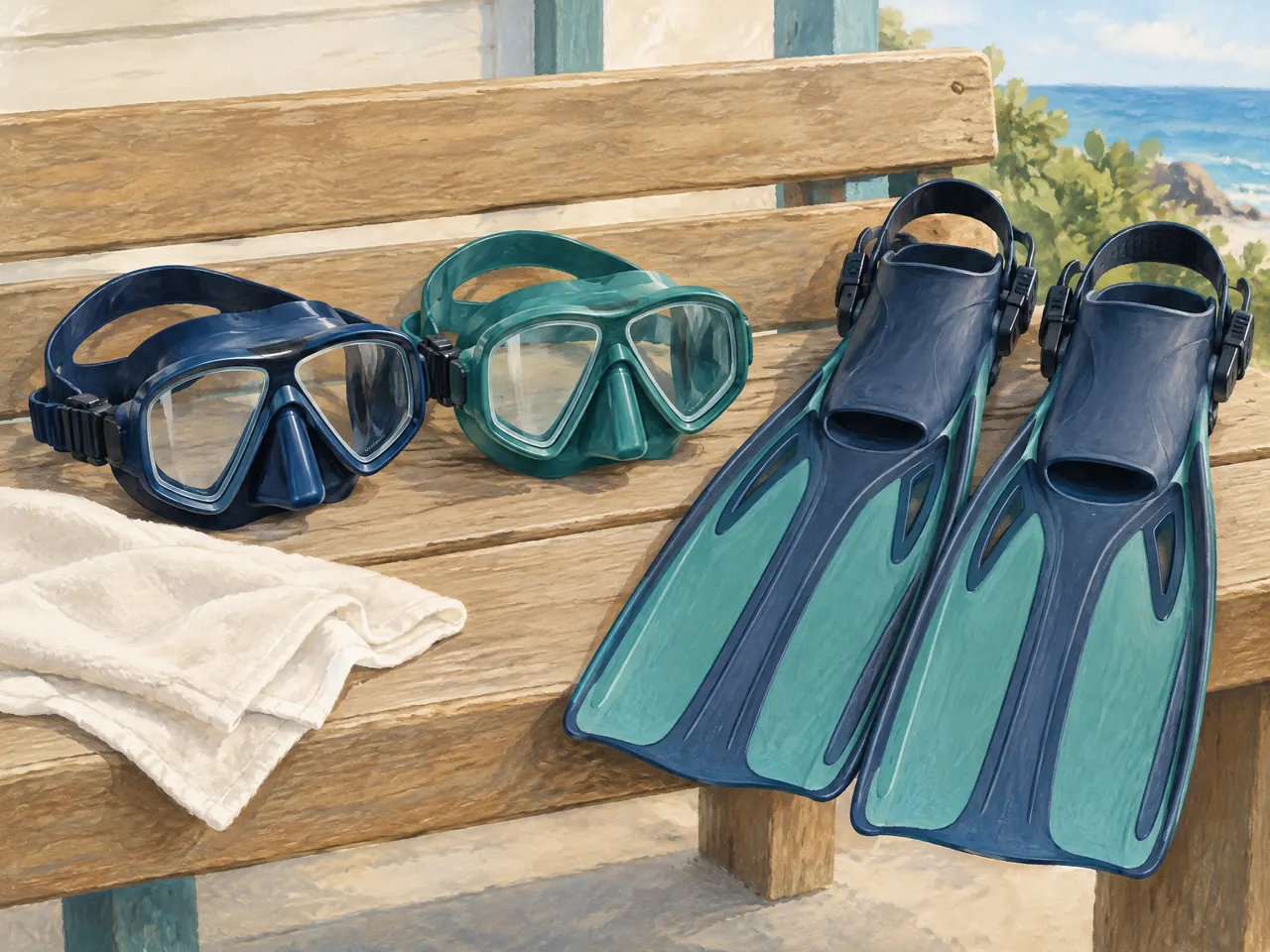
Two generic scuba masks and separate adjustable fins on a bench beside a clean cloth
Generic masks and fins as prompts for fitting and comfort questions, not a recommendation of a product or a demonstration of individual fit.Generated illustrative image

Build a packing note from your own appointment instructions

Make two separate notes for the first practical appointment: equipment the provider has confirmed it supplies, and personal items it asks you to bring. If a suggested list includes a towel, water bottle or sun hat, check which items apply to your actual session. A pool appointment, a briefing and a boat-based day should not be treated as the same outing simply because they belong to one course.

Ask about changing facilities and where personal belongings can be kept before choosing a bag or copying another learner's packing list. Keep the requested completion documents accessible according to the provider's submission instructions. The dry-bag illustration is a reminder to ask about personal-item arrangements, not evidence that a boat trip, storage facility or any particular item is included in your booking.

Open dry bag with a towel, water bottle and sun hat beside deck-shoe silhouettes on an abstract empty timber surface
Conceptual personal-item preparation for a confirmed session, not a mandatory packing list or evidence of boat arrangements.Generated illustrative image

Agree how you will receive a change to the practical appointment

Before the practical date, ask which message channel carries appointment updates and when you should check it before leaving. Keep the confirmed meeting instructions together with the latest provider reply. If a later message changes the venue, time or plan, ask about any unclear detail instead of relying on an older screenshot or another student's arrangement.

A weather-related question should lead to clarification of the provider's plan, not your own conclusion that training can proceed. Ask what happens to your appointment if it changes, including the applicable written payment and make-up terms. Having finished the theory does not settle practical availability or create an entitlement to a replacement date. [4]
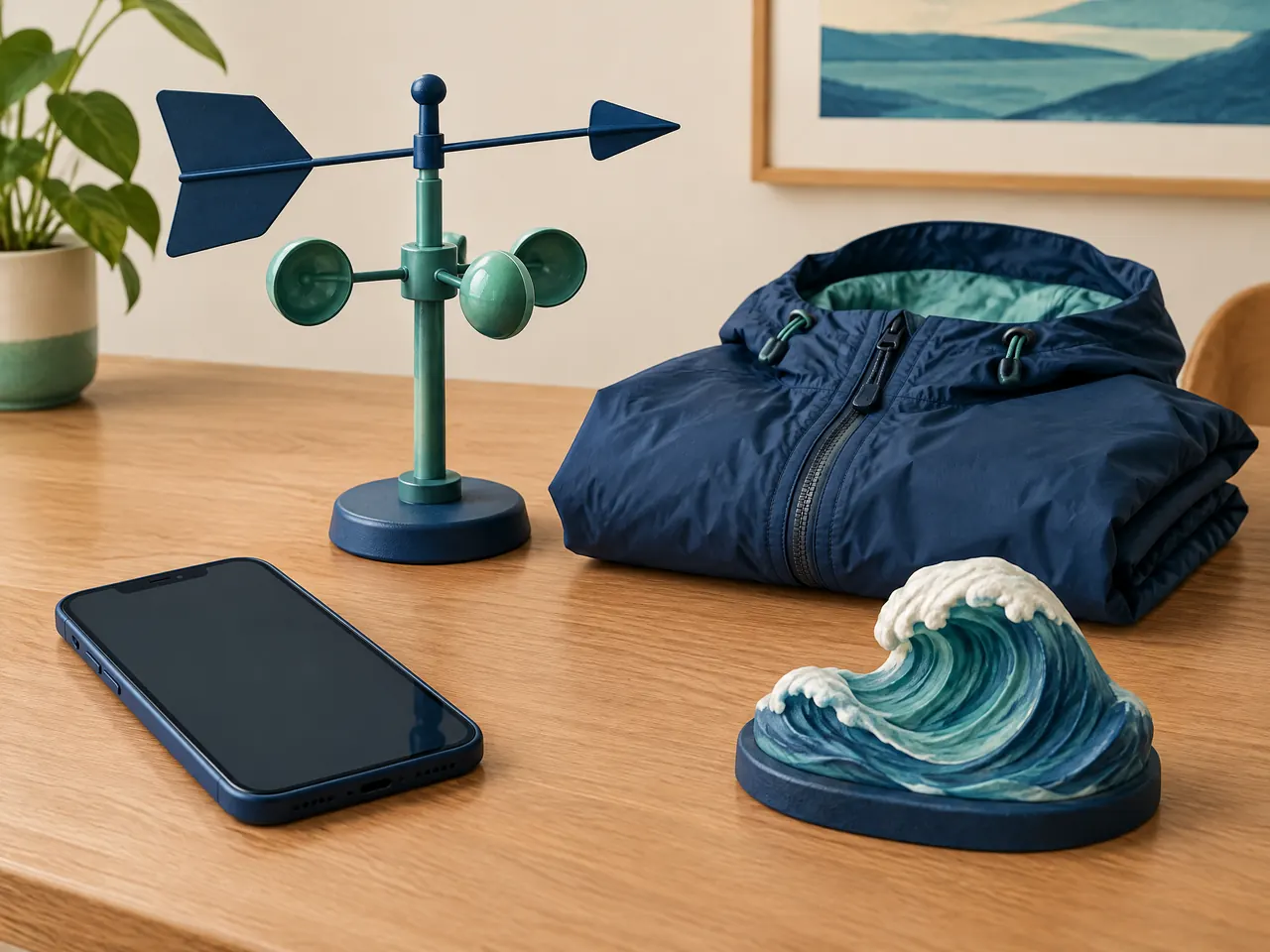
Unbranded phone with a blank screen beside a wind vane model, rain shell and miniature wave sculpture
A conceptual reminder to confirm appointment updates and contingency arrangements, not a live forecast or an assessment of safe diving conditions.Generated illustrative image

Clinic enquiries

Contact and appointment arrangements

Clinics
Prince Edward and Kwun Tong
Opening hours
11:00–21:00
WhatsApp and telephone
+852 6940 5663

Appointments, practitioner availability and service arrangements are confirmed via WhatsApp.

Please mention any consultation language needs in your WhatsApp enquiry so that arrangements can be confirmed.

Enquire via WhatsApp
Food, gifts and floral lifeWhatsApp enquiry