Turn equipment reassurance into a short enquiry note
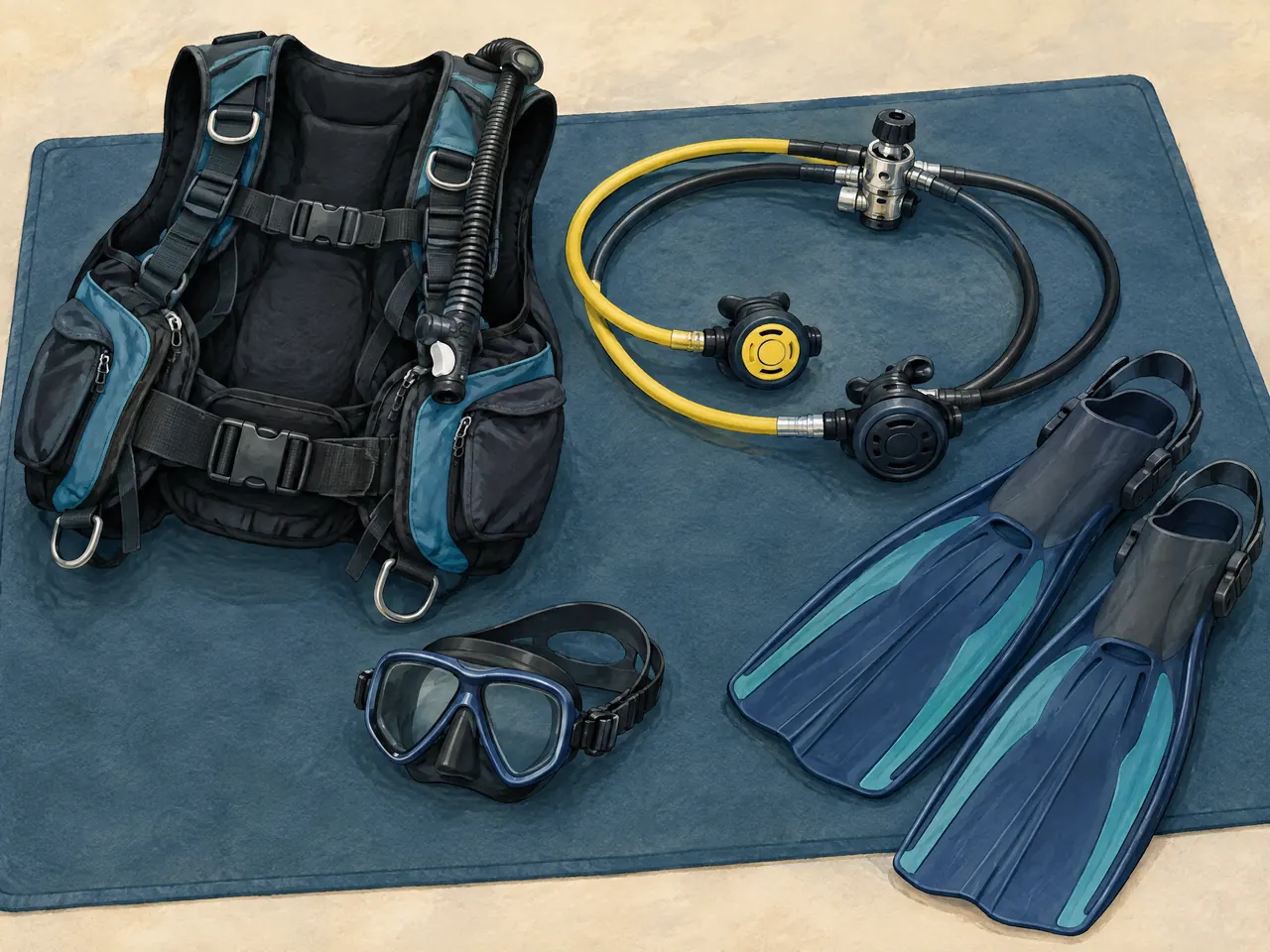
Keep two separate questions in your booking note: which equipment will be supplied, and how the team will check its fit for your child. An itemised reply is more useful than assuming that everything pictured on a course page is included. Ask what happens if a supplied item is uncomfortable or a suitable size is unavailable. The generic equipment illustration is a conversation aid, not a packing list or evidence of child-sized equipment in stock.
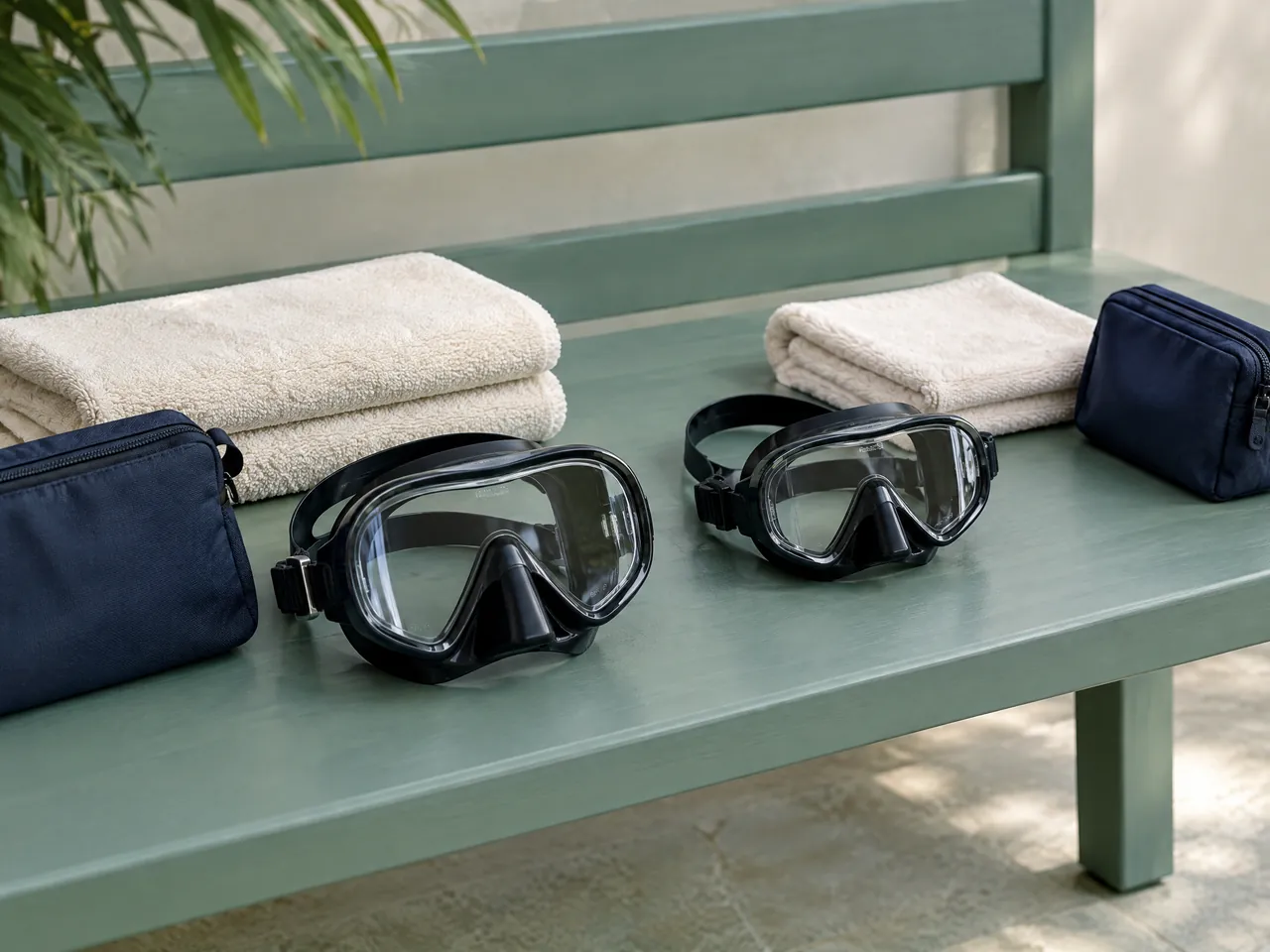
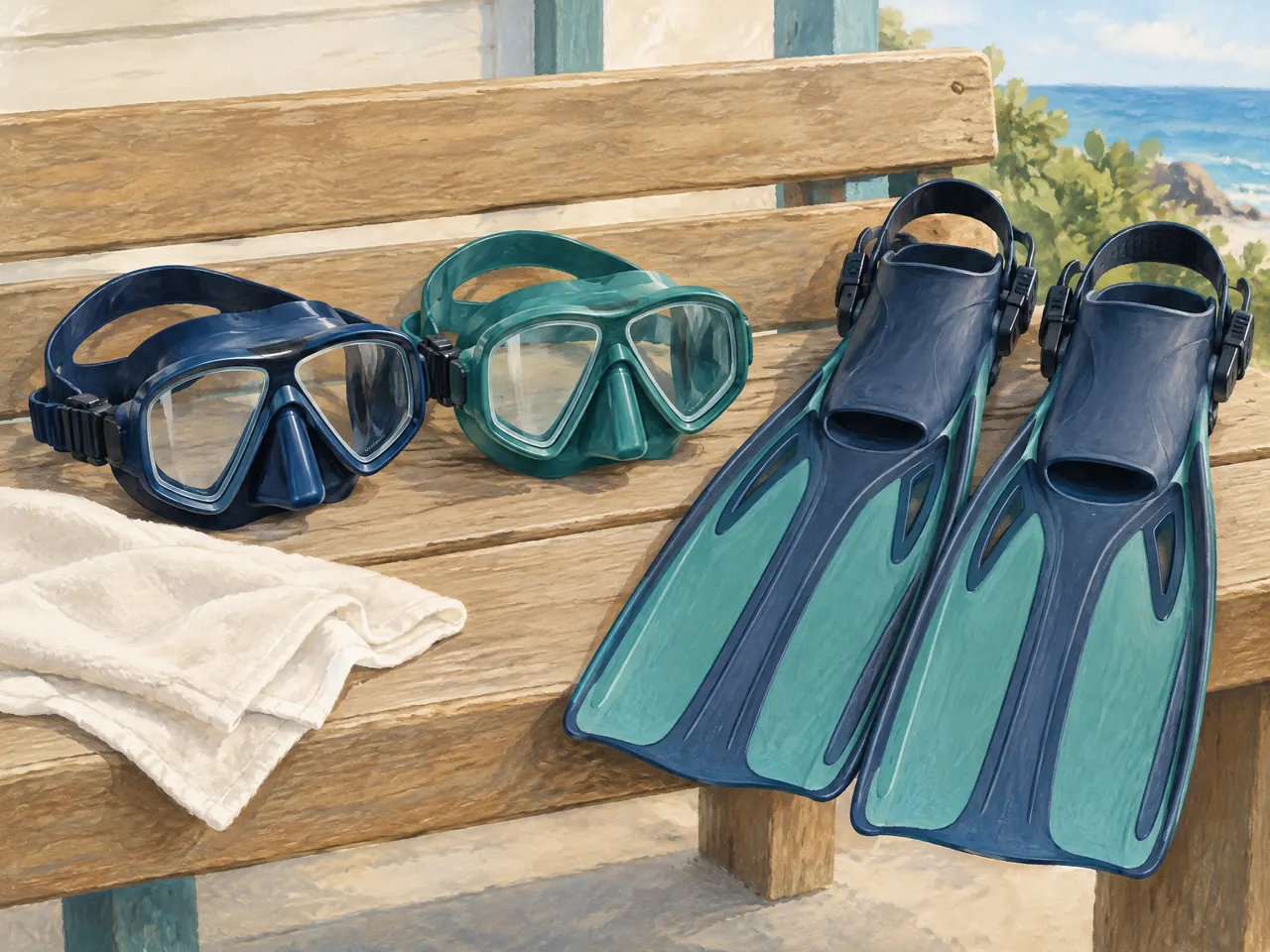
For the fit conversation, record your child's own words rather than choosing equipment from an illustration: for example, that they dislike pressure around their nose or are worried about something covering their face. Ask whether those concerns can be discussed before the water activity and how the child will be able to describe discomfort. The separate mask-and-fin illustration helps distinguish this comfort question from the broader question of what is supplied; it does not demonstrate a fitting technique.
Map the confirmed setting without inventing a course sequence
When the provider describes the proposed introduction, write down where the explanation, equipment fitting and water experience will take place. Ask whether they share a venue, whether the family moves between spaces and where an observing parent should wait. Leave anything unconfirmed marked as a question. The book, pool and cove in the conceptual illustration represent different learning contexts, not a promised Bubblemaker itinerary. Do not infer open-water participation, home study or progression towards certification from those objects.

Prepare health information separately from the family booking chat
Keep the general booking message separate from private health information. Ask which documents are required and how the appropriate recipient should receive them. If you need to describe medicines or supplements, use their actual labels or current prescription information rather than recalling names from memory; ask the recipient what details are needed. Keep questions requiring medical assessment for the appropriate physician. This note helps you organise an enquiry, not interpret a screening answer, alter medication or medically clear your child.

Agree how a changed plan reaches the whole family
Before setting out, ask who will confirm a change to the venue, timing or activity and which communication channel the booking adult should check. Share the confirmed update with accompanying relatives so that nobody follows an old meeting plan. If weather is part of the discussion, ask the operator how it affects this particular booking rather than using a forecast screenshot to decide whether participation is appropriate. Keep the practical update separate from the written financial terms, and ask about both if the session changes.
Separate the personal bag from the provider's scuba equipment
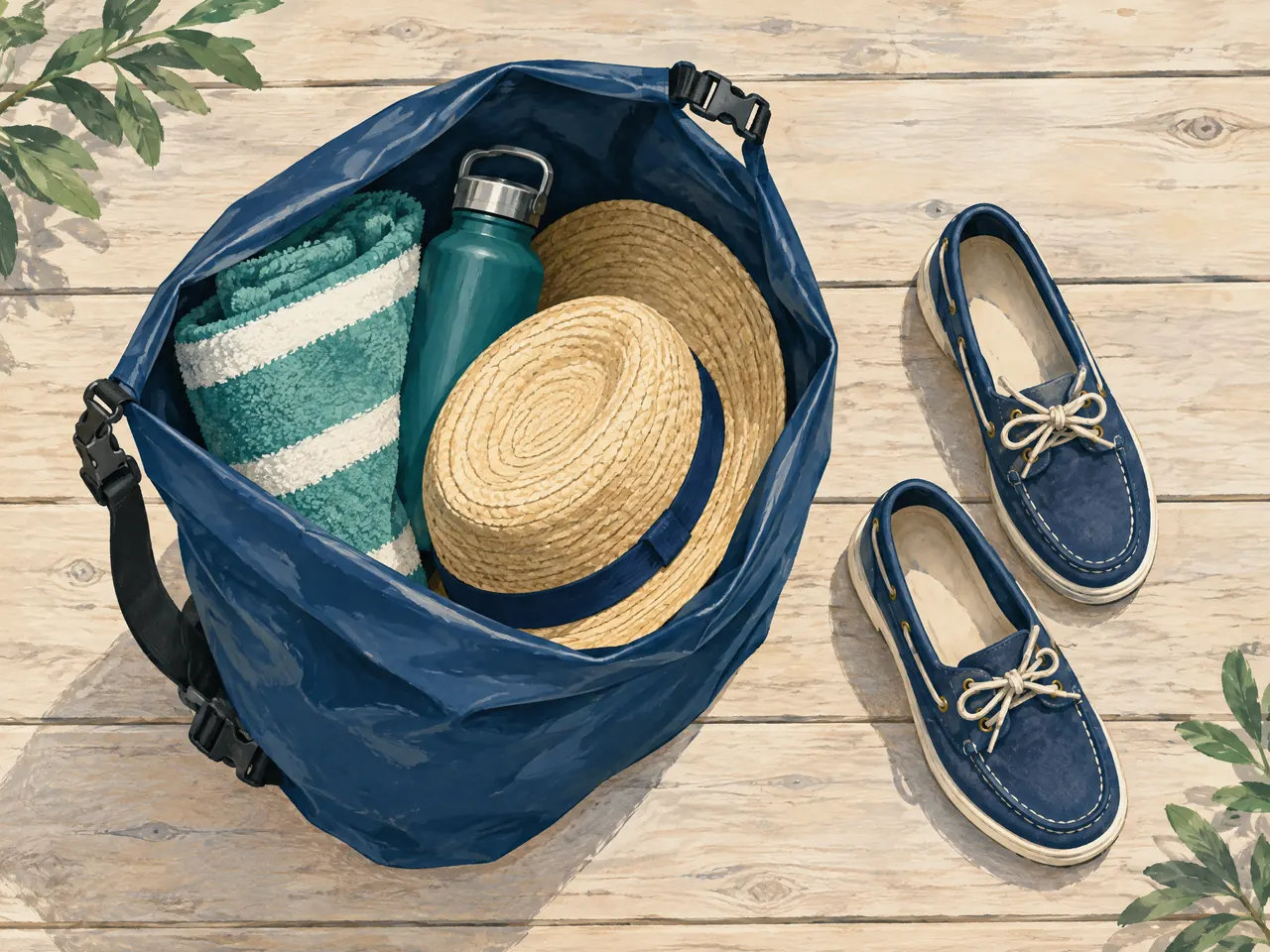
Lay out personal belongings separately from anything the provider says it supplies. Match the towel, dry clothes and other outing items to the confirmed packing instructions, then ask where the family can leave them during the activity. A bag illustration does not establish that storage, a boat deck or outdoor facilities are available. Give the accompanying adult a simple belongings plan without making your child responsible for checking specialist equipment or buying a substitute before the team has discussed it.