
Prince Edward & Kwun Tong clinics · Home-visit enquiries elsewhere

TCM Lab

TCM Lab · Outdoor learning & coastal life / Starting and returning

Your first scuba enquiry works better with a clear learning goal

Content updated

Before asking for a course date, explain what you want your first scuba experience to help you decide. A short, honest learning goal makes it easier to compare an introduction with certification and find a plan that fits your week.

Illustrative first-diving preparation objects
AI-generated illustrative concept; not an actual DiveHarbour class, student or dive-site record.

The short answer

Start your enquiry with your intended outcome: try scuba under supervision, work towards an entry-level certification, or discuss which route fits. Add your actual water experience, realistic availability and preferred teaching language. Ask the provider to explain the programme, prerequisites, learning stages and written inclusions before you commit.

DiveHarbour is a separate diving school under the same ownership as TCM Lab. Diving courses and activities are separate from Chinese medicine care; reading this collection or visiting TCM Lab does not replace medical fitness-to-dive assessment or clearance.

Name what you want to learn before asking for dates

A first enquiry often begins with ‘When is the next class?’ That question matters, but it does not tell the school what you need from the class. Start instead with the decision you want help making. Perhaps you are curious about scuba equipment but unsure about committing to a course. Perhaps you want an entry-level qualification for future diving. Those are different requests, even when both come from someone who has never tried scuba.

When looking at a scuba diving course Hong Kong option, write one sentence that connects your interest to a realistic next step. ‘I would like a supervised introduction before deciding about certification’ gives a clearer starting point than ‘Please send everything.’ DiveHarbour's homepage invites enquiries based on experience and goals, with dates and arrangements confirmed individually. Use the page to begin that conversation, rather than treating its range of options as a confirmed personal itinerary. [1]

Your goal need not be ambitious. Wanting to understand the learning commitment is enough. If your longer-term interest is joining friends on diving holidays, mention it as context, not as evidence that you are ready for their activities. The immediate question is which learning route could suit you now, and what you would need to complete before considering anything further.

Keep an introduction separate from certification

An introductory experience lets a beginner encounter scuba under supervision; it should not be mistaken for completing an entry-level qualification. Certification involves a defined training and assessment pathway. For example, PADI describes its Open Water Diver course as including knowledge development, confined-water dives and open-water dives. This is a PADI example, not a statement that every agency uses identical requirements or that every local booking follows the same schedule. [3]

If you want to learn to scuba dive in Hong Kong, ask whether the proposed option is an experience or a certification course. The beginner page discusses both aims, so the useful follow-up is specific: what is the exact programme name, which agency applies, and what learning outcome is included? Ask how study and practical sessions fit together, what assessment involves, and what happens if you need more practice. A label alone does not answer those questions. [2]

An introduction can be a deliberate first choice, not an inferior version of a course. Equally, someone who already wants structured training can ask about certification directly. If you hope introductory work might contribute towards later training, raise that before booking. PADI's progression guidance describes credit as dependent on how an experience was conducted and recorded; do not assume another programme, provider or agency will accept it automatically. [3]

Describe time you can actually protect for learning

‘I am free at weekends’ sounds straightforward until it includes a work shift, a family commitment and a long journey home. Give the provider your realistic availability rather than the most optimistic version. Identify which dates are possible, which are fixed commitments, and whether you have flexibility after the first session. If an upcoming trip motivates the enquiry, state the travel date without making a promised qualification deadline the condition of booking.

Ask for the whole learning commitment, not only time in the water. You need to know whether there is advance study, how practical sessions are arranged, and what attendance and assessment requirements apply. DiveHarbour's beginner information separates learning components and recommends checking scheduling and inclusions. It does not establish your personal timetable. Online study, where offered, should be discussed as one part of the selected pathway, not mistaken for the complete course. [2]

Keep travel and preparation in your calendar as well. Ask when meeting arrangements will be confirmed and what flexibility is needed if a session changes. If your available time is narrow, say so early and ask whether an introduction or a later training period makes more sense. A course that you cannot reliably attend is not a good fit simply because its first date is convenient.

Explain water confidence with ordinary examples

Calling yourself ‘confident’ or ‘not confident’ leaves a lot unexplained. Use examples instead: you swim regularly in a pool, you have only snorkelled on holiday, or you are comfortable near the surface but have never worn scuba equipment. If you have no recent water experience, that is useful information too. These descriptions help a provider discuss the starting point without you needing to claim a skill level you have not demonstrated.

Name the part that concerns you. You might be worried about unfamiliar equipment, keeping up with a group, or understanding a demonstration. Turn that concern into a question: how are first-time learners introduced to the session, how can someone ask for clarification, and what arrangements apply if more practice is needed? These are enquiries about teaching support, not requests for a promise that nervousness will disappear. DiveHarbour's beginner page encourages discussing water comfort and pace before choosing a route. [2]

If you are enquiring with a friend, write separate descriptions for each learner. One person's enthusiasm does not establish another person's readiness or consent. Explain whether learning together is a preference, then ask how different progress would be handled. Avoid agreeing to a shared completion date merely to keep the group together; the more useful goal is that each person understands the programme and chooses it willingly.

Ask about language for study, briefings and feedback

Preferred language is more specific than the language of a website. You may be comfortable reading English yet prefer Cantonese when discussing something unfamiliar, or prefer English for both materials and instruction. Tell the provider what helps you understand, and ask what is available for your proposed programme and dates. An English webpage does not confirm that every session, document or instructor allocation will match your preference.

When choosing a Hong Kong diving school, ask separately about learning materials, spoken briefings and feedback during practical training. DiveHarbour's homepage identifies preferred learning language as useful enquiry information; the actual arrangement still needs confirmation. A practical question is: ‘Can I ask questions and receive explanations in my preferred language throughout the course, and are the materials available in that language?’ This focuses on comprehension rather than assuming that a translated course title settles the matter. [1]

Also explain how you like to clarify instructions. You might want time to ask a question after a demonstration or to check that you understood a new term. Ask how this works in the proposed group format. Do not rely on a friend translating everything unless the provider has discussed the arrangement with you. Each learner needs a workable way to understand instruction and communicate directly.

Request the paperwork and written course outline early

Once a route looks relevant, request its written outline. It should let you identify the programme and agency, current prerequisites, learning stages, supervision arrangements and what the fee includes. Ask which equipment, materials, venue or boat arrangements and certification administration are included, where relevant. Treat unanswered points as questions to resolve, not gaps to fill with assumptions from another school's package. DiveHarbour's beginner page says prerequisites and arrangements are confirmed in writing before booking. [2]

Request the applicable medical questionnaire early enough to follow its instructions. DAN advises answering the participant questionnaire honestly and consulting a physician when indicated. Water confidence is not medical clearance, and neither this TCM Lab article nor a TCM Lab consultation replaces a fitness-to-dive assessment. If you are unsure about a health answer or medication, ask an appropriate physician rather than changing the answer or stopping medication yourself. [4]

Keep the outline and subsequent replies together. If the recommendation changes from an introduction to certification, ask for the revised requirements and inclusions rather than assuming the original confirmation still covers everything. A clear record helps you compare options and arrive knowing what you have actually booked.

Send a short message, then check whether the reply fits

Use this suggested wording as a starting point, replacing it with your own facts: ‘I am new to scuba and would like a supervised introduction before deciding about certification. My water experience is mainly pool swimming. I can attend on these dates and prefer explanations in English. Could you explain the suitable programme, its prerequisites and learning format, and what is included?’ If certification is already your goal, say that instead. There is no need to exaggerate experience to sound prepared.

Read the reply against your original goal. Does it clearly distinguish the learning outcome? Can you attend the proposed arrangements and understand the teaching format? Are your questions about confidence and language answered? If the message only supplies a date or headline fee, ask for the missing outline. A useful response gives you a basis for choosing; it does not need to promise that you will complete everything within your preferred period.

Before payment, read the applicable written booking terms. DiveHarbour's beginner page states that all fees are non-refundable and make-up sessions are subject to written terms; do not assume a refund or guaranteed free change of date. [2] You can keep researching, choose an introduction, pursue a confirmed certification route, or wait until you have more time. The point of a clear first enquiry is to make that choice informed, not to turn curiosity into an immediate commitment.

Take it into everyday life

A practical checklist

  • Write one immediate learning goal: a supervised introduction, entry-level certification, or help comparing the two.
  • Describe your actual water experience and any previous scuba experience without inflating your confidence.
  • List realistic available dates, fixed commitments and any travel deadline that affects your planning.
  • State your preferred language for materials, spoken briefings and questions, then request confirmation.
  • Ask for the exact programme, agency, current prerequisites and learning or assessment requirements.
  • Request the full written inclusions and ask how additional practice and schedule changes are handled.
  • Obtain the required forms early and follow any indicated medical-review instructions yourself.
  • Read the payment and make-up terms, and save the final written confirmation before committing.

Questions & answers

Do I need to choose a certification agency before making my first enquiry?

No. You can describe your intended learning outcome and ask which current routes might suit it. Request the exact agency and programme for each recommendation, then compare its requirements, teaching arrangement and inclusions. Do not assume similarly named programmes from different agencies are interchangeable. [1] [2]

Does an introductory scuba experience make me a certified diver?

Do not treat an introduction as an entry-level certification. Ask what outcome the specific programme provides. Certification requires completion of the applicable training and assessment requirements; PADI's Open Water Diver pathway, for example, includes theory, confined-water dives and open-water dives. Attendance at a first experience is not the same outcome. [3]

Can a first experience count towards a later course?

Possibly in particular programmes, but not automatically. PADI explains that progression credit depends on how its Discover Scuba Diving experience was conducted and documented. Ask the introductory provider and the later course provider what applies before booking, and retain any records they request. Do not assume credit across agencies. [3]

What should I say if I am nervous or have limited swimming experience?

Give a plain description of your experience and name what concerns you. Ask about the programme's current water requirements, introductory setting, supervision and support if you need more practice. An honest enquiry helps establish the starting point; reassurance alone cannot establish suitability or replace the selected programme's requirements. [2]

Does an English website guarantee English instruction?

No. Ask the provider to confirm the language of materials, spoken briefings and practical feedback for your intended booking. Explain whether you have different preferences for reading and conversation. The website's language is a useful access point, but it does not confirm every teaching arrangement.

Should I book now if I have only a short period before travelling?

Share your travel date and actual availability, then ask whether the proposed route can realistically fit without promising completion. Check study, attendance and assessment commitments as well as practical sessions. If the fit is uncertain, discuss an introduction or a later training period rather than relying on a guaranteed fast qualification.

Can I assume that I will receive a refund if my plans change?

No. DiveHarbour's beginner page states that all fees are non-refundable and make-up sessions are subject to written terms. Read the terms for your specific booking before payment and ask about unresolved changes. Neither a replacement date nor a free reschedule should be assumed. [2]

Sources & further context

Numbered references follow the source order below. Course websites describe their own programmes; health and coastal sources have separate purposes and do not endorse commercial course quality.

  1. [1] DiveHarbour — Scuba diving in Hong Kong with DiveHarbour
  2. [2] DiveHarbour — Learn to Scuba Dive in Hong Kong
  3. [3] PADI — How to Progress from Discover Scuba Diving to PADI Open Water Diver
  4. [4] Divers Alert Network — Health Status Overview

Turn equipment uncertainty into specific questions

If unfamiliar equipment is the part that worries you, separate that concern from your swimming experience in the enquiry. Ask which equipment the proposed programme supplies, what you would need to bring, and when you can discuss its fit with the instructor. Knowing the names of a mask, fins, regulator and buoyancy compensator is not the same as knowing how to use them; request supervised familiarisation rather than trying to learn procedures from a picture.

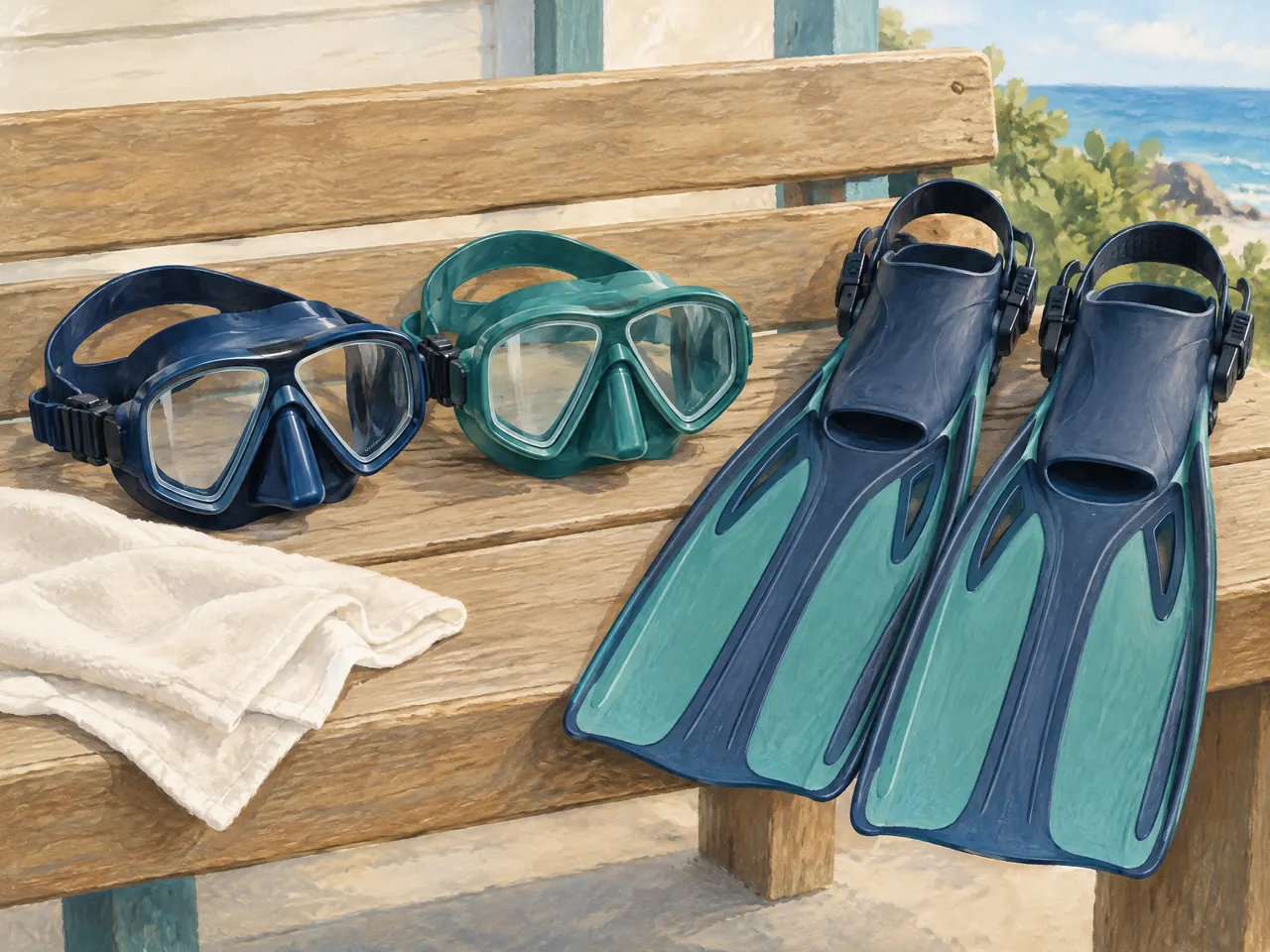
Make comfort questions concrete without choosing equipment before the programme is confirmed. For example, ask whether you can discuss mask or fin fit before the practical session and what to do if something feels uncomfortable. If you already own an item, ask whether to bring it instead of assuming it is suitable or required. Keep these answers with the written equipment inclusions.
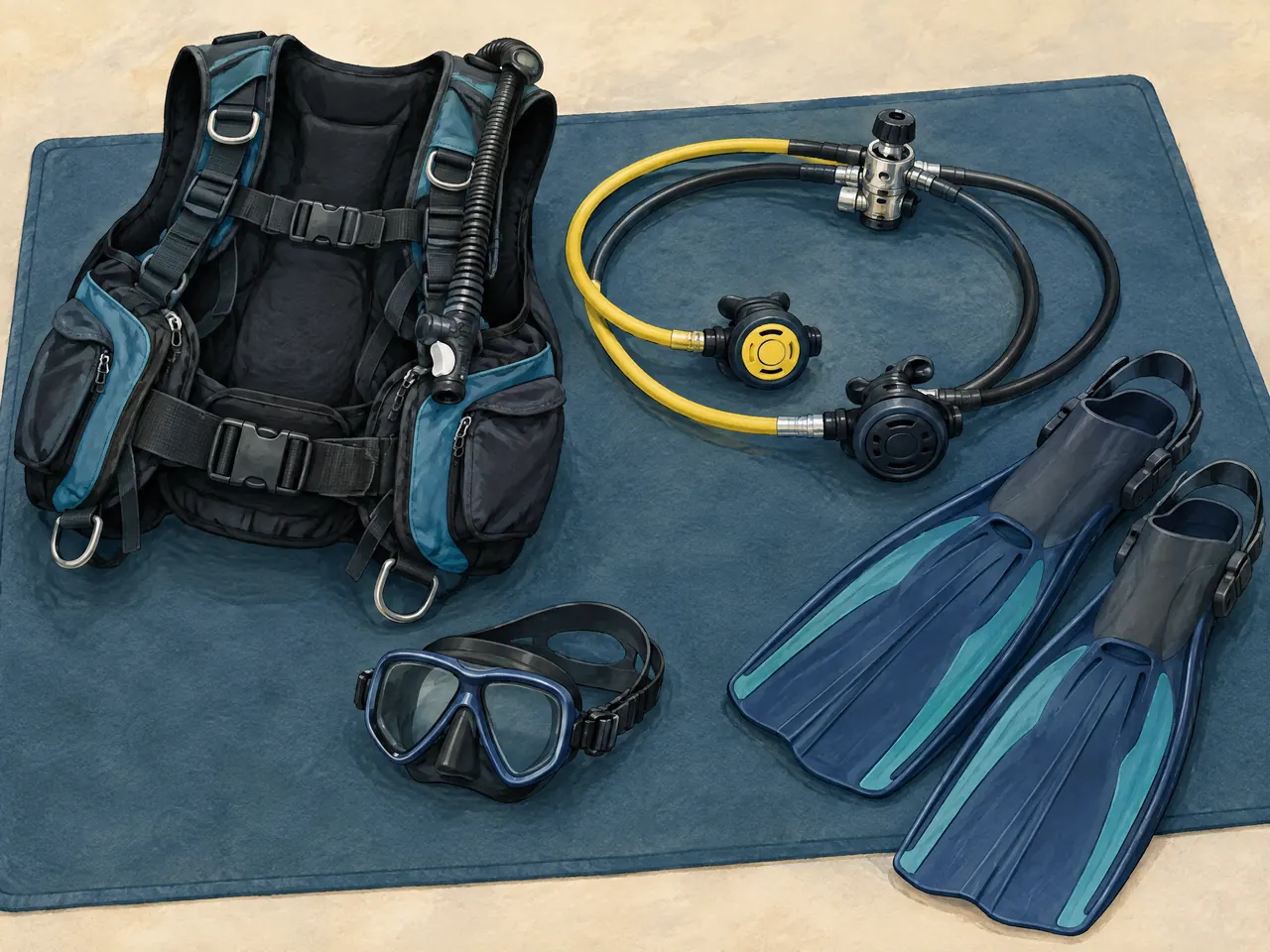
Unbranded buoyancy compensator, regulator assembly, mask and fins arranged separately on a dry preparation mat
Illustrative equipment for discussing supplied items and supervised familiarisation; not an actual course kit or equipment-check procedure.Generated illustrative image
Two generic scuba masks and separate adjustable fins on a bench beside a clean cloth
Illustrative masks and fins for fit and comfort questions; not a product recommendation or a record of a fitting session.Generated illustrative image

Connect the learning outline to your available dates

Ask the provider to connect the exact programme name to a written learning outline: what preparation is expected, where initial practical learning takes place, and whether open-water sessions form part of that route. Then match each confirmed component to your actual availability. This gives your question about dates a purpose beyond finding the next vacant session.

When comparing an introduction with certification, keep separate notes for their stated outcomes and commitments. Do not copy study or practical requirements from one option into the other. If the reply lists activities but does not explain what completion means, ask for clarification before deciding which route matches your goal.

Conceptual desk model with a closed book, a miniature empty pool and a separate abstract open-water cove
Conceptual learning contexts for questions about the selected programme; not a universal syllabus or a promise that an introduction includes every setting.Generated illustrative image

Ask what could change your attendance plan

Once a possible date has been discussed, ask when the meeting place and practical setting will be confirmed, how changes will be communicated, and which written terms apply if arrangements change. If weather or venue availability affects the proposed session, ask who will confirm the revised plan. Do not treat a forecast checked on your own as permission to proceed or a confirmed replacement date.

Keep personal preparation separate from specialist equipment inclusions. Ask what ordinary belongings to bring, whether there is somewhere to keep them, and what facilities are available in the proposed setting. A pool visit and a boat outing may call for different questions, so wait for the actual arrangement rather than packing for a boat day that has not been offered.
Unbranded phone with a blank screen beside a wind vane model, rain shell and miniature wave sculpture
Conceptual prompts for provider-confirmed logistics and change arrangements; not a live forecast or a safe-weather threshold.Generated illustrative image
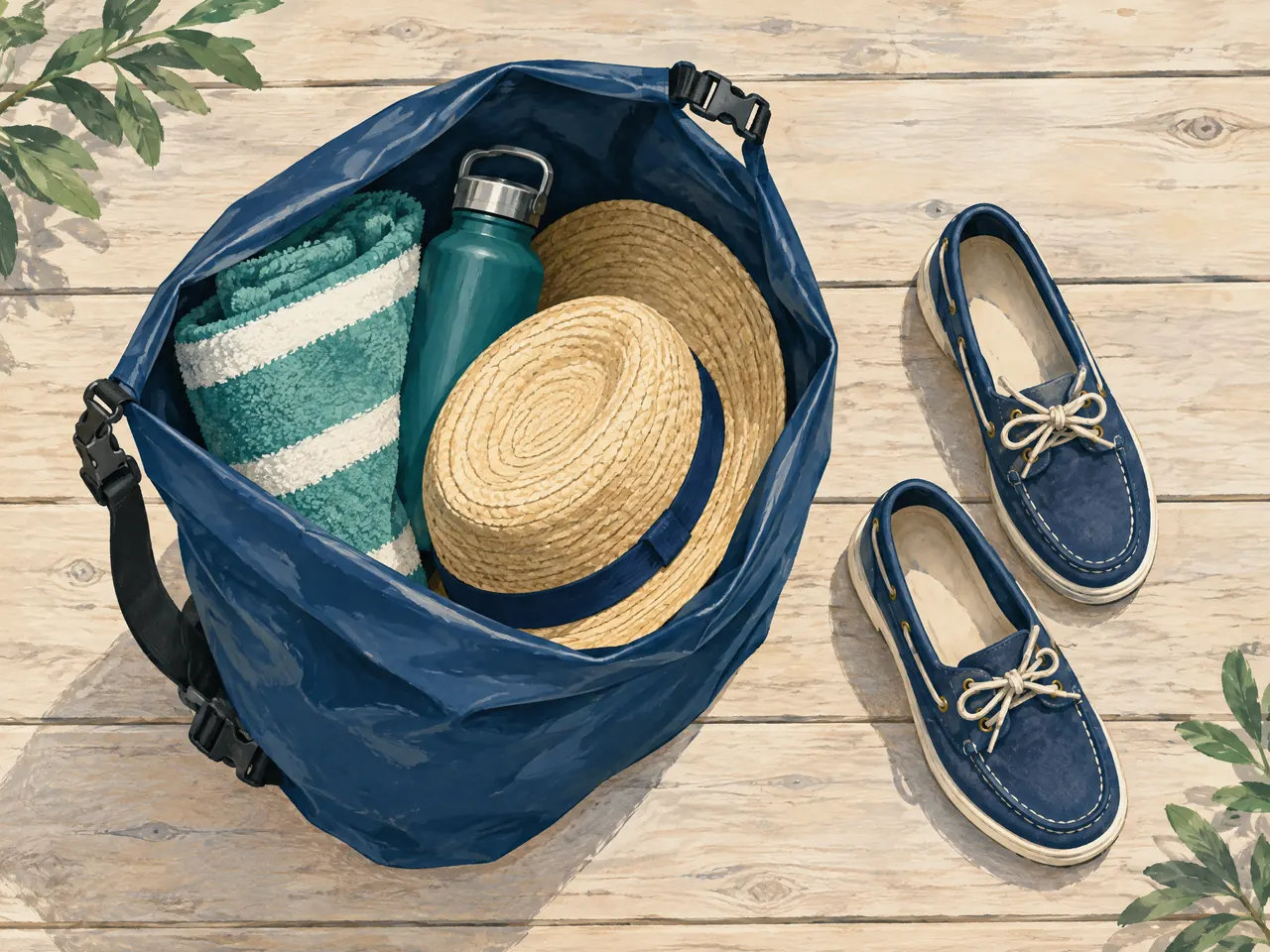
Open dry bag containing a towel, water bottle and sun hat beside deck-shoe silhouettes on an abstract timber surface
Illustrative personal outing belongings; confirm the actual setting and packing guidance rather than assuming a boat trip is included.Generated illustrative image

Keep medical-review preparation separate from the course enquiry

If the applicable questionnaire directs you to a physician, prepare your questions and a current medication list for that review rather than asking a course reply to settle medical suitability. Include any uncertainty you already identified about a health answer or medication. The purpose is to help you discuss your own circumstances, not to obtain clearance from an equipment illustration or a reassuring booking message.

Ask the provider which forms are required and how the completed documents should be submitted. Keep the physician's instructions and the course's enrolment requirements distinct: a discussion about dates, confidence or preferred teaching language does not replace the medical-review process. Do not change medication yourself to fit a hoped-for course date.

Closed unbranded medicine containers and a sealed plain pouch beside a blank note card and an empty consultation folder
Conceptual preparation for a medication discussion with an appropriate physician; not a prescription, a patient record or fitness-to-dive clearance.Generated illustrative image

Clinic enquiries

Contact and appointment arrangements

Clinics
Prince Edward and Kwun Tong
Opening hours
11:00–21:00
WhatsApp and telephone
+852 6940 5663

Appointments, practitioner availability and service arrangements are confirmed via WhatsApp.

Please mention any consultation language needs in your WhatsApp enquiry so that arrangements can be confirmed.

Enquire via WhatsApp
Food, gifts and floral lifeWhatsApp enquiry