
Prince Edward & Kwun Tong clinics · Home-visit enquiries elsewhere

TCM Lab

TCM Lab · Outdoor learning & coastal life / Starting and returning

Returning to boat diving: make your last dive a useful starting point

Content updated

Your last logbook entry can do more than tell you how long you have been away. Add the context you remember, the support you used and what has changed, then take that account into a practical conversation about returning to a dive boat.

Illustrative first-diving preparation objects
AI-generated illustrative concept; not an actual DiveHarbour class, student or dive-site record.

The short answer

Bring certification evidence and a short account of your last few dives, including the conditions, equipment, support and anything that felt difficult. Separate confirmed details from estimates. Ask a dive professional to discuss the appropriate review setting and boat plan; address health changes through the current medical questionnaire and an appropriate physician when indicated. A completed personal note is preparation, not permission to dive.

DiveHarbour is a separate diving school under the same ownership as TCM Lab. Diving courses and activities are separate from Chinese medicine care; reading this collection or visiting TCM Lab does not replace medical fitness-to-dive assessment or clearance.

Start with the last dive you can actually describe

Open your logbook before choosing a departure date. The newest entry is a starting point, but an entry containing only a date and site name may say little about your present needs. Look back through the last few dives for one you can describe clearly. Record whether it was part of a course, a supervised review or a recreational outing, and whether you had been diving regularly around that time. A single holiday dive and a sustained period of practice are different histories, even if their final dates match.

Keep the record honest rather than polished. If you remember the month but not the day, say so. If your digital log is on an old device, explain that it is unavailable instead of reconstructing precise figures from memory. Bring your certification card or digital evidence separately: it shows your training background, while your recent-dive account helps explain what has happened since. Neither should be used to disguise gaps in the other.

Write down what you want from the return as well. Perhaps you miss local boat outings but want a chance to ask questions without holding up a group. That is a useful goal to share. DAN's return-to-diving guidance considers health, fitness, equipment and skills together; the elapsed time in a logbook is only part of that wider conversation. [2]

Describe the experience, not just the destination

A familiar destination name does not explain how a dive felt. Add the circumstances you remember: boat or shore access, the equipment you wore, the amount of assistance you received and anything that took extra concentration. Describe surface comfort separately from underwater comfort. You may remember enjoying the dive while finding the boat ladder tiring, or managing well once an instructor had helped you become familiar with rental kit. Those details can inform a discussion about support without becoming a verdict on readiness.

Avoid treating help as an embarrassing omission. If someone usually arranged your kit, checked information with you or talked you through an unfamiliar briefing, include that context. It tells the professional which parts deserve attention before the next outing. Write an uncertainty as a question: 'I cannot remember how confident I felt using that equipment; can we allow time to review it?'

The comparison with your next trip matters more than a flattering description of the old one. A warm-water holiday using a different boat and rental set may not resemble your proposed Hong Kong day. Ask the operator to explain the planned access, expected conditions and support, then let the professional consider those differences alongside your account. DiveHarbour's activity page asks returning divers to discuss recent experience and equipment familiarity before settling on a suitable plan. [1]

Separate equipment condition from equipment familiarity

Make a short list of the kit you intend to bring and the items you need to hire. For your own equipment, find its maintenance records and manufacturer guidance rather than assuming that careful storage means it is ready for use. DAN recommends professional servicing according to manufacturers' specifications, inspecting for wear and becoming familiar with new equipment before use. This does not supply a universal service interval; ask the appropriate service professional what your particular equipment needs. [2]

Condition and familiarity are separate questions. An item may have been serviced but still be different from what you last used. Tell the dive professional if your computer, buoyancy compensator or other equipment has changed, or if you no longer remember it well. Bring the model details or manual where available. Ask how orientation will be arranged, rather than expecting a short explanation on a busy deck to cover every uncertainty.

For rental equipment, send sizing and availability questions early and ask when fitting can be checked. Mention a previously uncomfortable fit without assuming the same model will be available. If a camera or other optional item would add to your first day's workload, discuss leaving it out. The aim is not to buy a new set before returning; it is to make the equipment plan clear enough that your review can address real needs instead of last-minute surprises.

Keep health changes out of the memory test

Your last dive may have felt comfortable, but it cannot answer questions about an illness, injury, surgery or medication change since then. Prepare those details for the current medical questionnaire and, when indicated, an appropriate physician. DAN advises honest questionnaire answers and physician consultation when the form requires it. If the physician is uncertain about a condition's diving implications, specialist dive-medicine advice may be needed. [3]

Keep sensitive medical information in the appropriate private conversation. Tell the operator that you need to complete the medical review before confirming participation, and ask which documents are required. Do not replace the form's questions with your own summary that you feel fine. The dive professional can discuss training and activity arrangements, but does not provide medical clearance through a booking conversation.

TCM Lab's lifestyle guidance, or attending a TCM Lab consultation, does not replace a fitness-to-dive assessment. Do not stop or alter prescribed medication to fit a trip. If a health question remains unresolved, allow the booking plan to wait for the appropriate advice rather than treating a departure date as the deadline for becoming ready.

Ask what the refresher will review before choosing a boat

Once your notes are ready, use the Hong Kong scuba refresher boat dive information to start a specific enquiry. Explain which parts of your past experience are clear and which need professional review. Ask whether the proposed format includes a knowledge review, supervised in-water practice, or both, and where that practice would take place. The destination discusses possible review settings; it does not mean that every returning diver should begin directly from a boat. [1]

Programme names alone are not enough to compare services. For example, PADI describes ReActivate as refreshing knowledge and scuba skills, and says in-water practice with a dive professional is needed for a ReActivated card. That is a description of PADI's programme, not confirmation that your proposed DiveHarbour booking uses that programme or produces that card. Ask which agency framework, if any, applies and what the agreed review includes. [4]

Make space for a different recommendation. Your enquiry might lead to a review in a controlled setting before a later recreational outing, rather than the boat day you first imagined. Ask how the professional will discuss the next step with you and what happens if more practice is recommended. There is no need to set a personal pass mark based on remembered skills. The useful outcome is an appropriate learning plan, not a promise to fit everything into one trip.

Treat the recreational boat outing as a separate choice

A Hong Kong fun dive is described by DiveHarbour as a recreational option for appropriately certified divers, rather than an entry-level course. Do not assume that booking one automatically includes individual refresher instruction. Ask how guiding differs from the review you need, who would provide each service and what is included in the proposed arrangement. Resolve that distinction before paying, not after the group is aboard. [1]

Then discuss the boat day itself. Ask for current meeting information, the expected duration of the outing and how changes will be communicated. Explain if you are unfamiliar with boat access or concerned about carrying equipment on deck. Ask how the crew manages boarding and how entry and exit arrangements will be explained. These are planning questions for the operator, not a reason to practise boat manoeuvres from a written article.

Request written confirmation of rental needs, supervision and the weather decision process. A familiar place name does not promise familiar conditions, and a friend's enthusiasm does not establish that the same plan suits both of you. Share each person's experience separately. DiveHarbour's published booking statement says fees are non-refundable and make-up sessions depend on written terms; ask how those terms apply if the agreed activity cannot proceed. Do not rely on an assumed refund or guaranteed replacement date. [1]

Send a short briefing, then keep a better record

Turn your notes into an enquiry the team can answer without searching through a long travel story. Include certification evidence, the approximate last-dive date, the pattern of recent experience and whether that experience was boat-based. Add the equipment changes and the review questions that matter most. Medical details can be handled separately. Finish with your goal and preferred availability, while making clear that you are asking which format is appropriate rather than demanding a particular departure.

A suggested message could read: 'I am a certified diver returning after a break. My last logged outing was around [month and year], using rental equipment, and I have not recently dived from a boat. I would like to discuss a supervised review before choosing a recreational outing. Can you confirm the review setting, equipment arrangements and any documents I should prepare?' Replace every detail with your own account. If you do not know something, keep the uncertainty visible rather than adopting the example as your history.

After any review or eventual outing, add more than another date to your log. Record the actual format, equipment used, support received and the follow-up advice given. Note which questions were resolved and which remain open. This makes the next conversation more useful, especially if you later return to a different operator or equipment set. A logbook cannot certify future readiness, but a clear account can help a professional understand your starting point without asking you to rely on memory alone.

Take it into everyday life

A practical checklist

  • Find certification evidence and the last few logbook entries; mark uncertain dates as approximate.
  • Describe the last memorable dive's setting, equipment, assistance and any difficulties in plain language.
  • List the kit you will bring or hire, with maintenance records and model information where available.
  • Complete the current medical questionnaire honestly and arrange appropriate physician review when indicated.
  • Ask what knowledge review and supervised practice the proposed refresher includes, and where each happens.
  • Confirm whether guiding and refresher instruction are separate services in the boat arrangement.
  • Get current logistics, inclusions, weather decisions and non-refundable booking terms in writing.
  • Keep follow-up advice and unresolved questions in your next logbook entry.

Questions & answers

What if I cannot find my last dive log?

Provide certification evidence if available and an honest approximate account of your recent diving. State what you cannot verify, including dates or equipment details. Ask the operator what evidence it requires and how uncertainty affects the proposed review. Do not create a precise entry to make the enquiry look complete.

Does a recent last dive mean I can skip a refresher?

The date alone does not establish the appropriate next step. The activity, support you received, equipment familiarity, current health and proposed conditions also matter. Share those details with a dive professional and discuss the relevant agency requirements rather than using a universal time threshold. [1] [2]

Should I request a boat refresher or a review in a controlled setting?

Describe your concerns first and ask the professional to explain the suitable setting and sequence. A boat departure should not decide how much review you receive. Confirm what is included and whether a separate practice session should come before a recreational outing. [1]

Is online knowledge review the same as completing a refresher?

Ask about the actual programme rather than assuming equivalence. PADI's ReActivate page distinguishes its knowledge refresh from the in-water practice needed for a ReActivated card. Other arrangements must be confirmed with the provider and relevant agency; that PADI description does not identify or certify your proposed booking. [4]

My equipment has been serviced. Do I still need orientation?

Servicing addresses equipment condition, while orientation addresses your familiarity with it. Tell the professional about changed or unfamiliar equipment and ask when you can review it under suitable supervision. DAN recommends familiarising yourself with new equipment before using it. [2]

Can a comfortable past dive or a TCM Lab visit settle a medical question?

No. Neither substitutes for the current medical screening process or an appropriate fitness-to-dive assessment. Answer the questionnaire yourself and obtain physician review when indicated. Keep any medication decisions with your prescriber rather than changing treatment to accommodate a boat trip. [3]

Can my buddy and I book the same return plan?

You can enquire together, but provide separate experience and equipment accounts. One person's recent practice does not establish the other's needs. Ask whether the proposed support and activity suit each of you, and allow different review plans or dates if recommended.

Sources & further context

Numbered references follow the source order below. Course websites describe their own programmes; health and coastal sources have separate purposes and do not endorse commercial course quality.

  1. [1] DiveHarbour — Hong Kong Fun Dives and Refresher Dives
  2. [2] DAN — Return to Diving Safely
  3. [3] DAN — Health Status
  4. [4] PADI — ReActivate

Give each equipment item a question of its own

Make your equipment note easy to answer item by item. For each piece, write whether you will bring it or need to hire it, the model if known, and the question you want resolved. For example, 'I have the maintenance record, but this is a different buoyancy compensator from my last dive; when can we discuss orientation?' Keep servicing questions for the appropriate service professional and familiarity questions for the dive professional. An unknown model is worth stating rather than guessing.
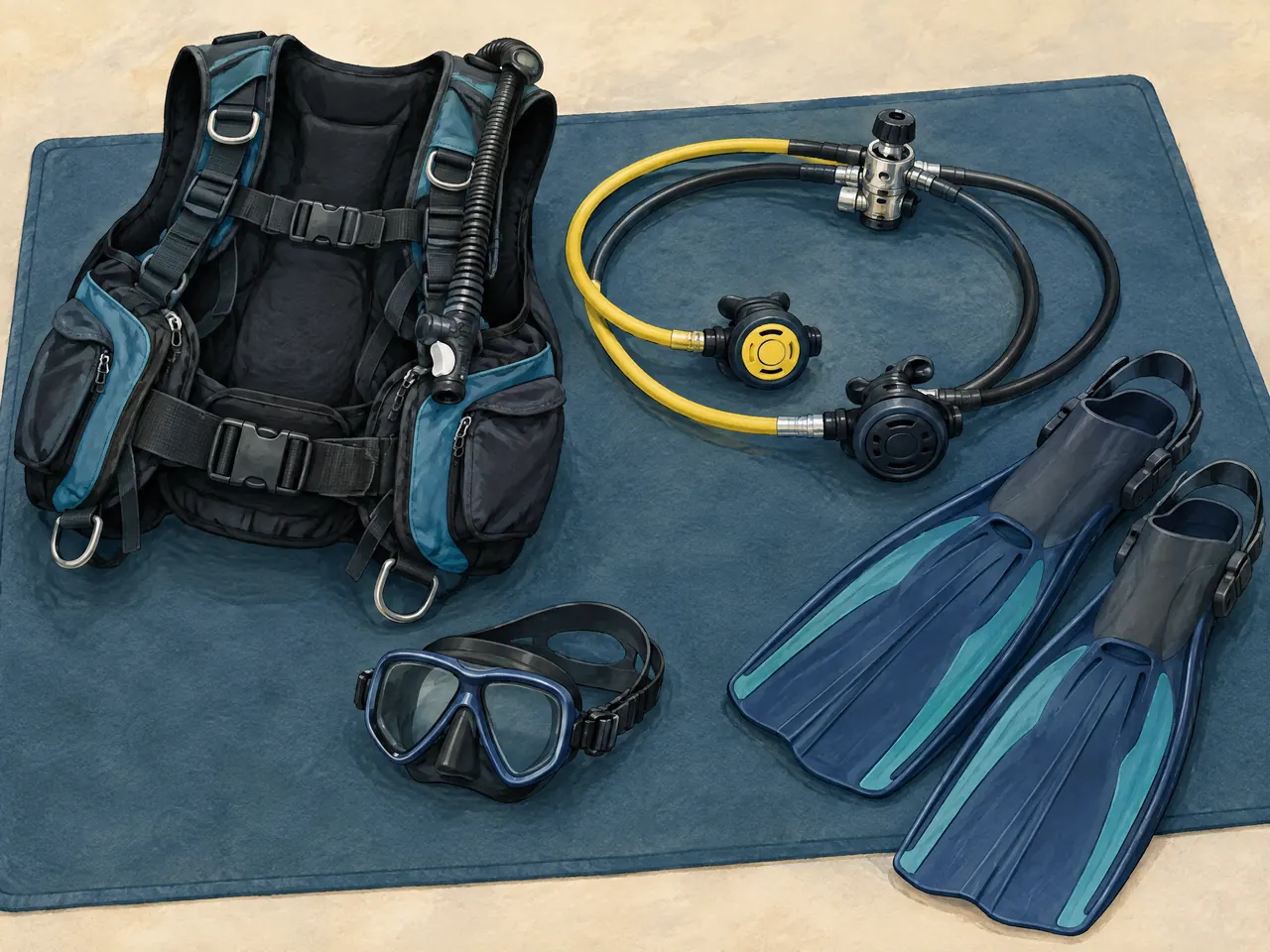
Illustration of an unbranded buoyancy compensator, regulator assembly, mask and fins arranged separately on a dry mat
Equipment objects for organising item-specific questions; an illustrative arrangement, not serviced equipment or an actual DiveHarbour equipment set.Generated illustrative image

Turn a remembered fit problem into a fitting request

A note saying 'rental kit required' can hide the concern that matters most. If you remember an uncomfortable mask or unfamiliar fins, describe the item and the problem separately from your size request. Ask which options are available, when fitting can be discussed and what happens if the proposed item is unsuitable. Keep the reply with your booking notes so an availability answer is not mistaken for confirmation that fitting has already been checked.
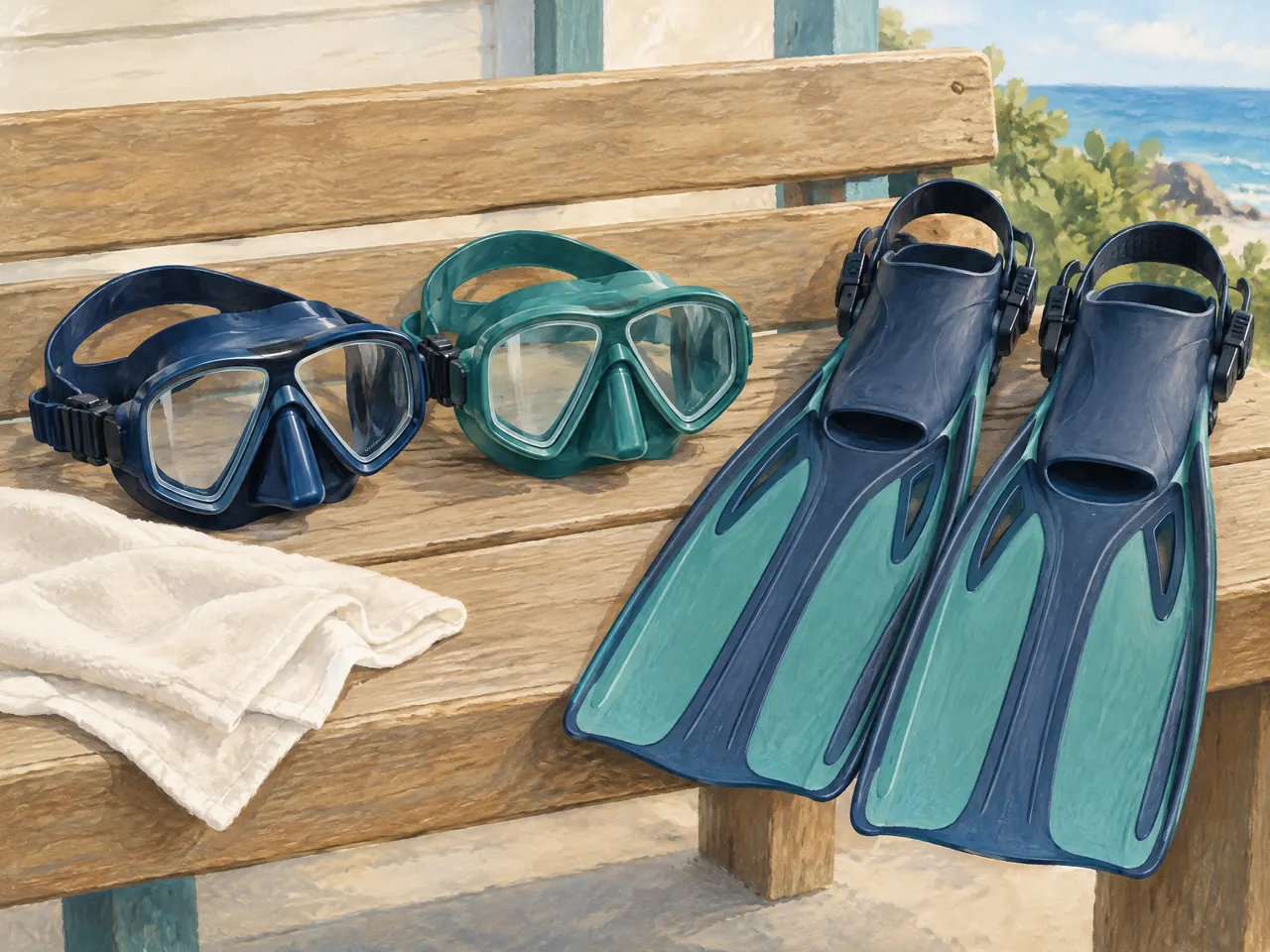
Illustration of two generic scuba masks and separate adjustable fins on a bench beside a cloth
Mask and fin options illustrate a fitting conversation, not a fit assessment, product recommendation or confirmed rental stock.Generated illustrative image

Keep the review agreement separate from the boat invitation

When the professional replies, separate the proposed knowledge review, supervised practice setting and recreational outing in your notes. Mark each as confirmed, still to discuss or dependent on the professional's recommendation. Ask what remains unresolved before accepting a boat date. The book, pool and open-water objects illustrate different contexts to ask about; they are not a promised sequence, an agency syllabus or a requirement that every returning diver completes the same programme.

Conceptual illustration of a closed book, an empty miniature pool and a separate abstract open-water cove
Separate learning and activity contexts for clarifying an enquiry; not an actual course setting, fixed syllabus or promised refresher outcome.Generated illustrative image

Make a changed boat plan easy to recognise

Keep the latest operator update beside the original confirmation, with its date and time visible. Ask which channel will carry changes and whom to contact if the message leaves the meeting arrangement unclear. If a new departure instruction replaces an older one, identify the current version before travelling. A blank phone and weather objects are reminders to obtain the operator's actual decision, not a forecast or a way to judge safe diving conditions yourself.
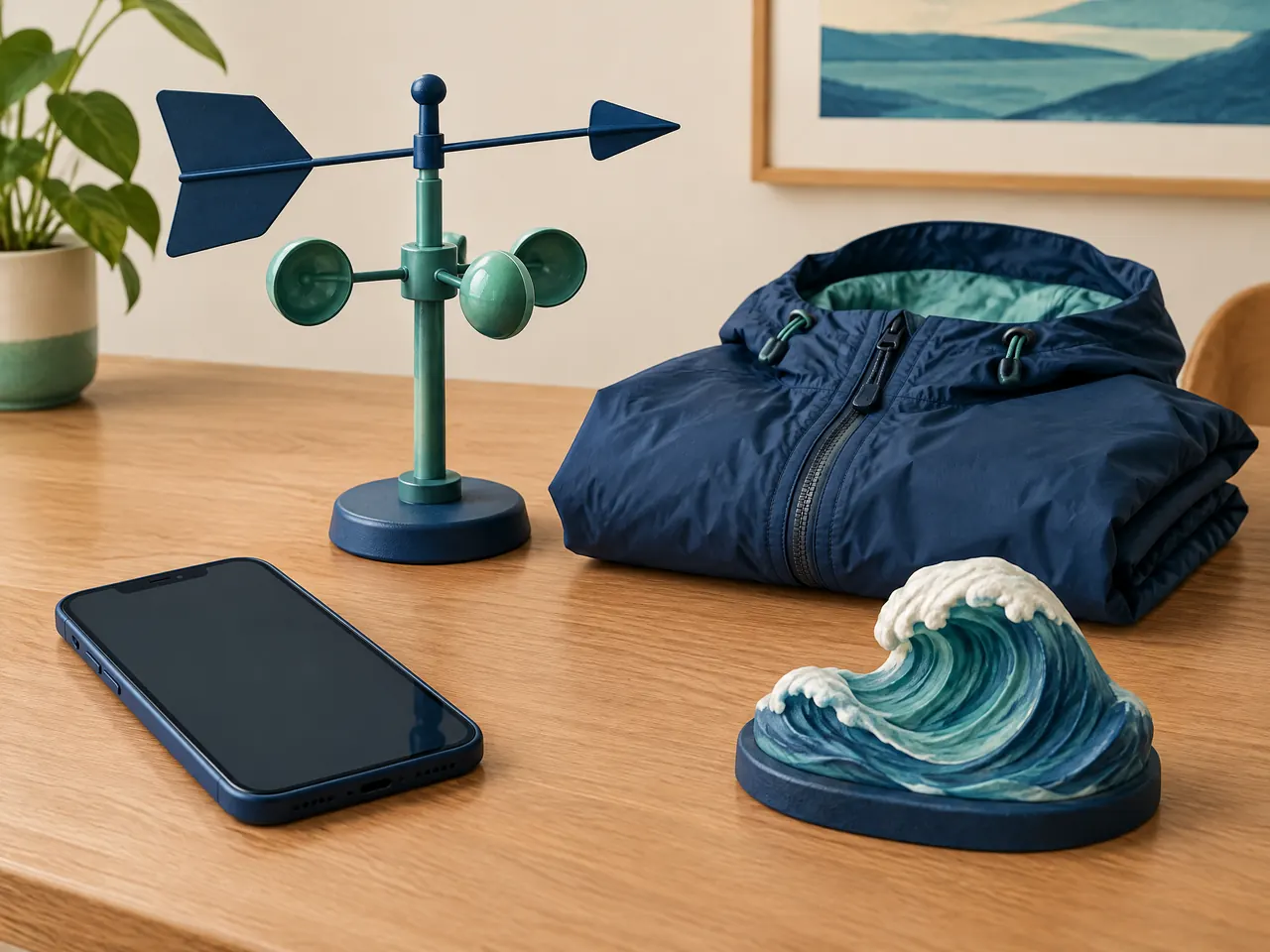
Illustration of a blank-screen phone beside a wind vane model, rain shell and miniature wave sculpture
Objects prompting weather-update and contact questions; no live forecast, safe-condition threshold or confirmed departure is depicted.Generated illustrative image

Ask where personal belongings will go

Keep your personal outing list separate from the specialist equipment list. A towel, water bottle and sun hat can prompt questions about what you intend to bring, but ask the operator about storage, facilities and footwear before treating any illustrated packing arrangement as suitable for its vessel. Mention any item you would need during the day and ask where it can be kept. This lets your enquiry address access to belongings as well as rental equipment.
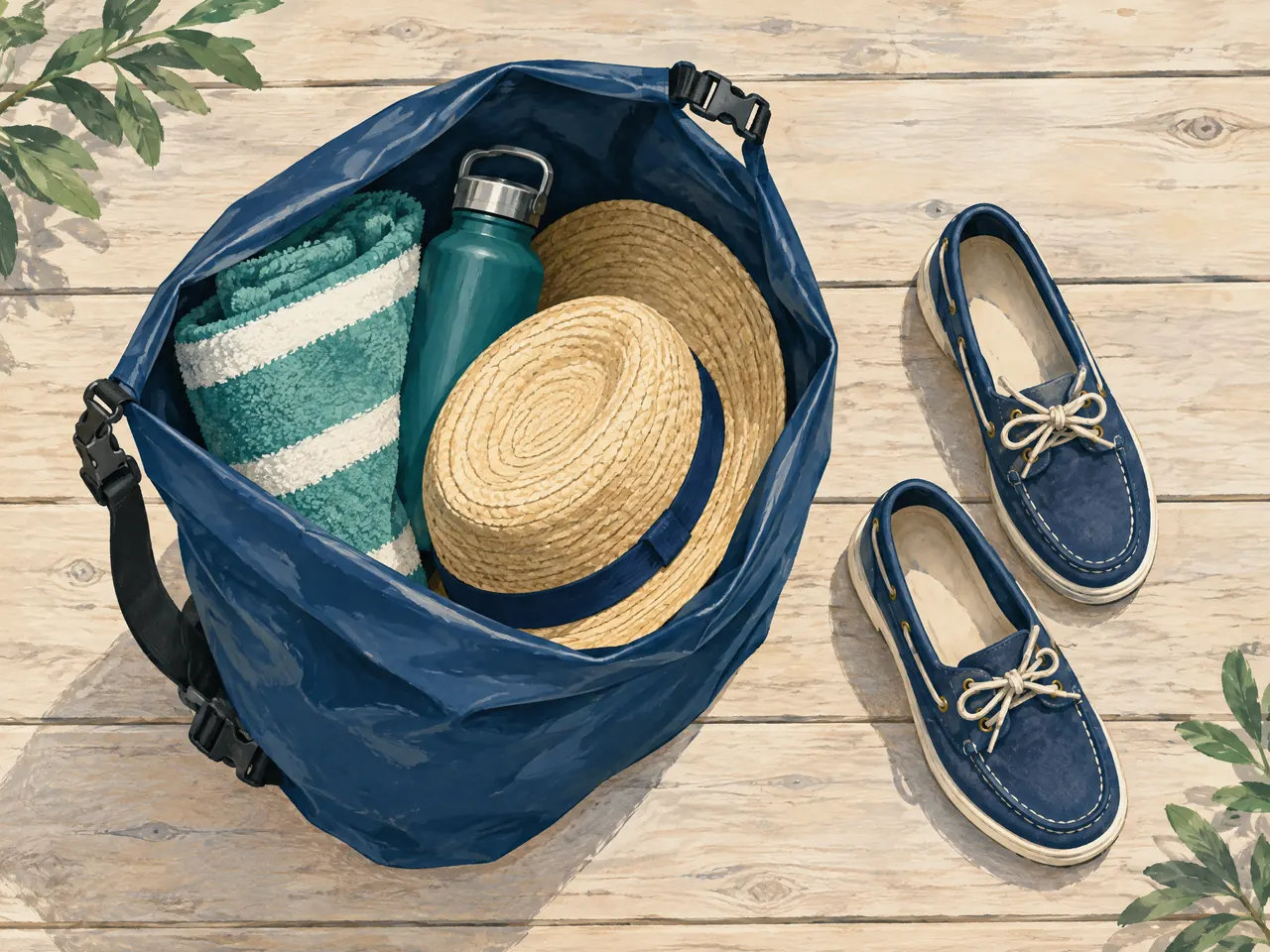
Illustration of an open dry bag with a towel, water bottle and sun hat beside deck-shoe silhouettes on an empty timber surface
Personal belongings for a boat-day planning conversation; not a compulsory packing list, vessel facility record or substitute for diving equipment.Generated illustrative image

Prepare a private health update rather than a group attachment

Prepare a separate note of medication changes and the questions you need to raise through the current medical questionnaire and, when indicated, an appropriate physician. Use the actual medicine names rather than copying details from an illustration. If you do not know how to submit sensitive documents, ask for the appropriate private channel instead of placing them in a group boat-booking message. Keep medication decisions with your prescriber; preparing a tidy note does not resolve fitness to dive.

Illustration of closed unbranded medicine containers and a sealed pouch beside a blank note card and empty folder
Objects for preparing a private medication history; not identified medicines, a prescription, a medical assessment or clearance to dive.Generated illustrative image

Clinic enquiries

Contact and appointment arrangements

Clinics
Prince Edward and Kwun Tong
Opening hours
11:00–21:00
WhatsApp and telephone
+852 6940 5663

Appointments, practitioner availability and service arrangements are confirmed via WhatsApp.

Please mention any consultation language needs in your WhatsApp enquiry so that arrangements can be confirmed.

Enquire via WhatsApp
Food, gifts and floral lifeWhatsApp enquiry