
Prince Edward & Kwun Tong clinics · Home-visit enquiries elsewhere

TCM Lab

TCM Lab · Outdoor learning & coastal life / Coasts and boat outings

A private speedboat charter needs more than a headcount

Content updated

A private boat day can bring friends together, but the useful booking details begin with who will dive, what support they need and who can change the plan. Prepare those answers before collecting everyone's commitment.

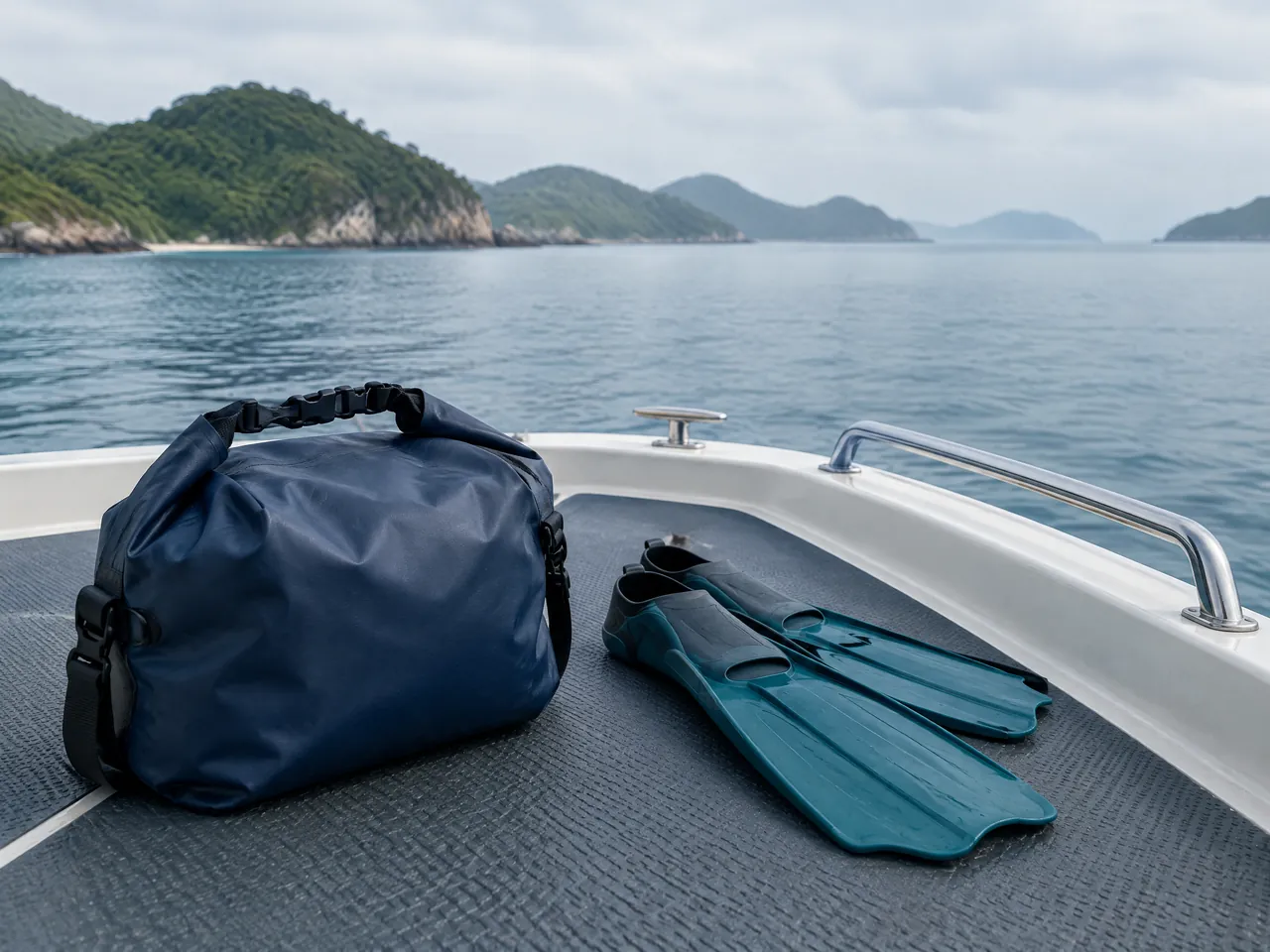
Illustrative coastal outing preparation objects
AI-generated illustrative concept; not an actual DiveHarbour class, student or dive-site record.

The short answer

Send an individual diver profile, a clear activity goal and the non-diver passenger count before requesting a charter. Ask what private use includes, which prerequisites apply, who makes weather and activity decisions, and how changes are communicated. A preferred date or site is a request, not a confirmed arrangement.

DiveHarbour is a separate diving school under the same ownership as TCM Lab. Diving courses and activities are separate from Chinese medicine care; reading this collection or visiting TCM Lab does not replace medical fitness-to-dive assessment or clearance.

Start by defining what the private booking includes

Before asking friends whether they are free, decide what you are trying to arrange. Exclusive use of a vessel, a dedicated guide and a private lesson are different requests. A group may want a quiet recreational outing for certified divers, while another wants time for photography or support for people returning after a break. Write one plain sentence describing the intended day. That sentence gives the operator something more useful than a passenger total and helps you notice when two people are expecting different activities.

The Hong Kong private speedboat dive charter information is a useful starting point for discussing the boat arrangement and group profile. DiveHarbour distinguishes different meanings of private and asks organisers to confirm the actual scope. Do not assume that an exclusive boat automatically includes tuition, a dedicated in-water guide or equipment for everyone. Ask for those items individually. The page does not publish a private-charter quotation, so a standard per-person outing price cannot establish what your requested charter will cost. [1]

Describe each diver rather than the group's average experience

A message saying that everyone is qualified leaves important questions unanswered. With each person's agreement, gather their certification agency and level, when they last dived, their recent boat-diving experience and whether they want a refresher discussion. Let participants describe their own comfort rather than relying on the most experienced friend to speak for them. DiveHarbour's charter guidance treats certification and recent experience as separate planning details. Ask which evidence the team wants to see and send it before the final passenger list is accepted. [1]

For example, a group could include a regular diver, a recently certified friend and someone whose last dive was years ago. Their cards do not turn them into one interchangeable group. Explain the differences and ask whether the proposed outing fits everyone or requires preparation first. Health answers also belong to each individual. DAN advises honest completion of the medical questionnaire and physician review when indicated. An organiser should not fill in another person's answers or circulate private medical details in a group chat. This TCM Lab lifestyle article does not provide fitness-to-dive clearance. [4]

Give first-time participants a learning plan of their own

If a friend has never learned scuba, do not add them to the diver count simply because the boat has room. A beginner's introduction, a certification course and an outing for certified divers serve different purposes. Being invited aboard does not establish eligibility to dive. Explain the mix before booking and ask whether separate arrangements are needed. DiveHarbour's group information allows discussion of different learning needs, but that is not a promise that beginners and certified divers can share every session or vessel arrangement. [2]

If learning together matters more than chartering a particular boat, explore private group scuba lessons Hong Kong as a separate option. Ask which course system applies, what prerequisites each person must meet and how the instructor handles different learning speeds. Private teaching does not guarantee that everyone completes together. A friend may prefer an introductory experience before deciding on certification; another may need preparation before a later boat outing. Agree on the learning goal first, then discuss the setting. Do not make the charter date a deadline for someone else's course completion. [2]

Check whether the boat arrangement fits people and equipment

Give the operator separate totals for divers and non-divers, then ask whether the proposed vessel can accommodate the whole party and its equipment. A seat count alone does not answer questions about kit storage, boarding access or room for cameras. Mention rental needs and any bulky personal equipment before the quotation is prepared. DiveHarbour's charter page specifically asks organisers to disclose non-diver passengers and equipment requirements. Treat its list as enquiry topics, not proof that every item is included in your arrangement. [1]

Think about the parts of the day that happen above water. Ask how much baggage is appropriate, where personal items can be kept and what boarding access involves. Someone worried about boat motion or needing help with access should have a private discussion early, rather than discovering a mismatch at the waterfront. Confirm the meeting point and return arrangements directly; do not build a transport plan around an assumed pier or duration. For companions who do not dive, ask what their participation involves and what happens while the divers are in the water. Do not promise sightseeing, swimming or shore access unless the operator confirms it.

Agree who can change the plan when weather changes

Ask the operator to name the person responsible for the vessel's departure decision and the person responsible for the diving activity. They may have different roles. Find out who will communicate a delay, a different destination or a decision not to proceed, and through which agreed channel. DiveHarbour's charter guidance asks readers to confirm coordination and weather decision-making in writing. Your role as organiser is to pass on an accurate decision, not to treat a paid booking or a group vote as permission to launch. [1]

The Hong Kong Observatory provides marine forecasts and tropical cyclone information through its marine-community weather page. Use marine-specific information rather than relying only on the city forecast or a sunny view from home. [3] Ask what information the operator monitors and when the group should expect an update. The forecast does not itself confirm that your chosen vessel, site and participant mix are suitable. Avoid inventing a universal warning threshold for all charters; the decision process for your outing needs direct confirmation.

Make the fallback concrete without assuming it will be available. Ask whether a changed area or a different activity is a possibility, who approves it and whether it alters the scope or payment terms. Confirm that participants can raise concerns privately and decline to dive. A change may disappoint someone who wanted a particular photograph, but it should not become pressure on the crew or a less comfortable friend. Leave optional plans after the outing flexible until the return arrangements are confirmed.

Read the written terms before collecting everyone's money

Once the group profile has been reviewed, request a quotation for the actual arrangement. Check whether it covers the vessel, crew, guidance, equipment and any other agreed services. Ask how the quote is affected if the participant list or requested activity changes. An organiser collecting payments needs to know which parts are confirmed and which remain provisional; otherwise friends may commit money to different understandings of the same day. Keep a dated copy of the agreed scope and the terms everyone receives.

DiveHarbour's published wording says all fees are non-refundable and make-up sessions are subject to the written terms. Do not describe that as flexible cancellation, an automatic refund or a guaranteed free change. [1] Ask how the written terms apply to your charter if weather prevents the activity, if a participant withdraws or if the team recommends a different plan. Establish what notice or documents are needed for any permitted make-up arrangement. A weather decision and its financial consequences are related questions, but one should not be guessed from the other.

Send one organiser's brief and one shared confirmation

A useful first message can say: we are a group planning a recreational boat outing; these participants are certified, these people need a preparation discussion, and these companions will not dive. Add a preferred date range, the group's main aim, equipment requests and any communication or access needs. Ask what remains to be assessed before the operator can confirm the boat and activity. Keep sensitive medical information out of this brief and request the appropriate private route for individual questions.

After receiving a reply, send everyone the same short confirmation covering the agreed activity, meeting instructions, equipment responsibilities, outstanding requirements and weather-update channel. Identify which preferences are not guaranteed. Ask each participant to acknowledge the parts that affect them rather than treating silence in the chat as agreement. If someone changes the group composition or brings extra kit, return that change to the operator before presenting it as settled. The best outcome of preparation is a booking the whole group understands, with enough room for an individual to ask a question or choose not to participate.

Take it into everyday life

A practical checklist

  • Agree one main activity goal before choosing the boat arrangement.
  • Record diver and non-diver totals separately, with each participant's consent.
  • Send certification details, recent diving history and preparation questions for individual review.
  • Ask about a separate learning route for first-timers rather than assuming charter access means diving eligibility.
  • Confirm vessel suitability, boarding access, equipment needs and storage before accepting the quote.
  • Name the vessel and activity decision-makers, and save the agreed weather-update channel.
  • Read the non-refundable fee wording and the conditions for any permitted make-up session before payment.
  • Share one written confirmation with everyone and return later changes to the operator.

Questions & answers

Does a private speedboat booking include a private instructor?

Do not assume it does. Exclusive vessel use, guiding and instruction are different services. Ask the operator to state who is supporting the group, what that support covers and which services are included in the quotation. If tuition is your main goal, discuss the learning route separately.

Can a newly certified diver join experienced friends?

Certification alone does not settle suitability for the proposed outing. Share the person's recent experience and comfort, then ask the team to review the activity against their training. Preparation or a different outing may be recommended; do not promise a place as a diver before that discussion.

Can non-diving partners come on the charter?

Ask before including them in the confirmed passenger list. The operator needs to consider the vessel, total passengers and the proposed day. Confirm what companions can do and what arrangements apply while others dive. Do not assume that swimming, landing ashore or a sightseeing itinerary is included.

Should the organiser submit everyone's medical answers?

No. Each participant should answer their own health questions honestly through the requested process and arrange appropriate physician review when indicated. The organiser can coordinate deadlines without collecting sensitive details. Neither a group booking nor this TCM Lab article provides medical clearance.

Who decides whether the charter proceeds in changing weather?

Confirm the operator's named decision-makers for the vessel and the diving activity, together with the update channel. Check official marine weather information, but do not substitute a group vote for the team's assessment. Ask what happens if conditions change after an earlier confirmation.

Will a weather change mean a refund or free rescheduling?

Do not assume either. DiveHarbour's published wording says all fees are non-refundable and make-up sessions are subject to written terms. Ask how those terms apply to the particular charter before paying, including any permitted alternatives and their conditions. A new date is not guaranteed.

Sources & further context

Numbered references follow the source order below. Course websites describe their own programmes; health and coastal sources have separate purposes and do not endorse commercial course quality.

  1. [1] DiveHarbour: Private charter and speedboat diving in Hong Kong
  2. [2] DiveHarbour: Group Scuba Diving Lessons in Hong Kong
  3. [3] Hong Kong Observatory: Weather Information for the Marine Community
  4. [4] Divers Alert Network: Health Status

Give equipment requests an owner

Prepare a separate equipment note for each diver rather than writing that the group needs a few sets. Identify what that person will bring and what they want to hire, then ask the operator to confirm the supplied items. Keep cameras and bulky accessories visible in the request even when they belong to just one participant. If a friend later changes their kit, update the note before the boarding arrangements are settled; an earlier answer about storage may no longer describe the load. [1]
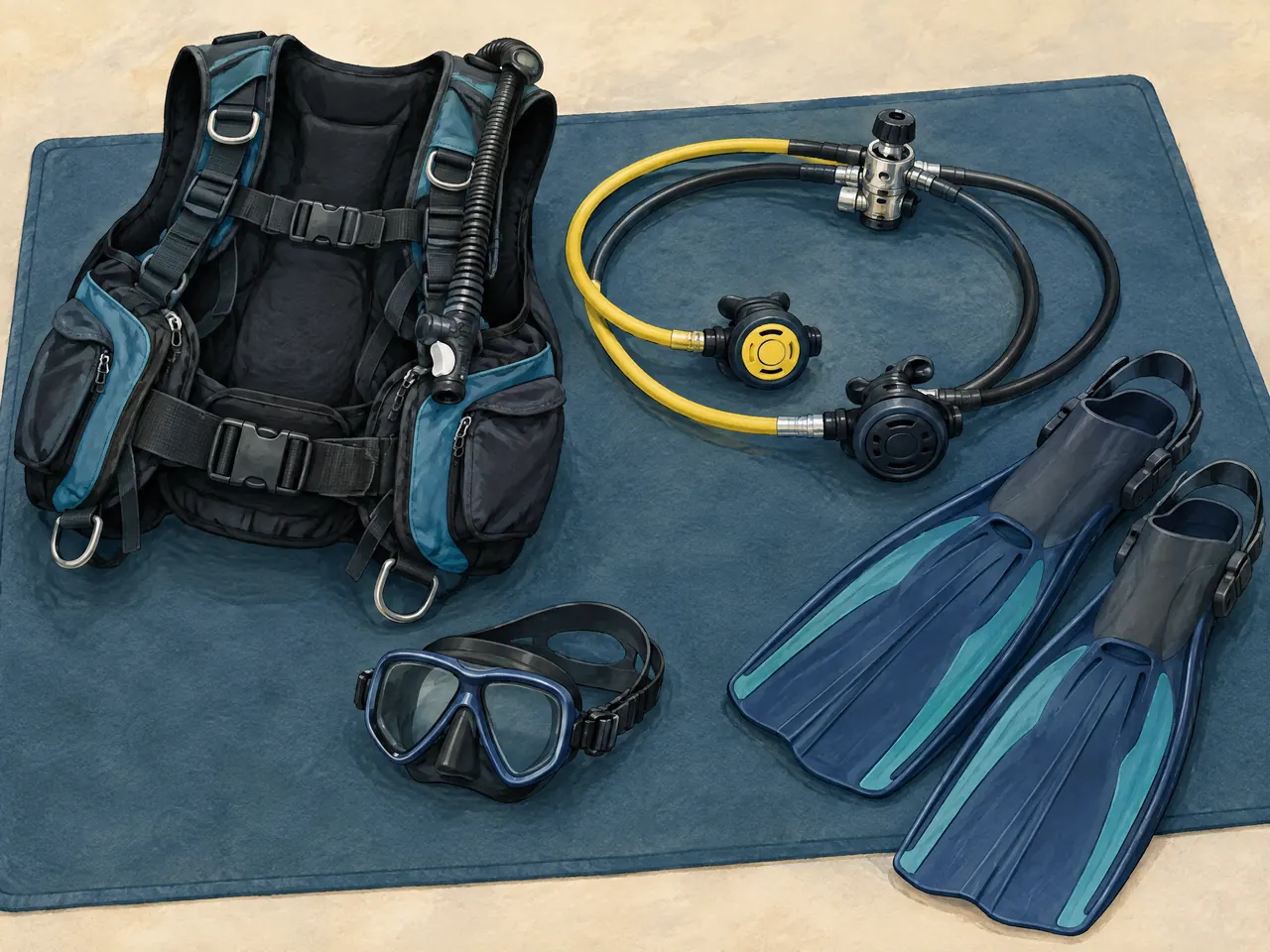
Unbranded buoyancy compensator, regulator assembly, mask and fins laid separately on a dry preparation mat
Concept illustration of equipment to list in a charter enquiry; not an actual DiveHarbour kit set or proof of what a booking includes.Generated illustrative image

Resolve rental-fit questions before the waterfront

When a participant needs a rental mask or fins, ask how sizing and any fitting discussion will be handled. Tell the team about previous discomfort instead of assuming that one shared size estimate will work for the group. Ask when the individual should raise a fit concern and what happens if the proposed item is unsuitable. A photograph of generic equipment cannot confirm fit, stock or a replacement arrangement, and the organiser should not promise those answers on the operator's behalf. [1]
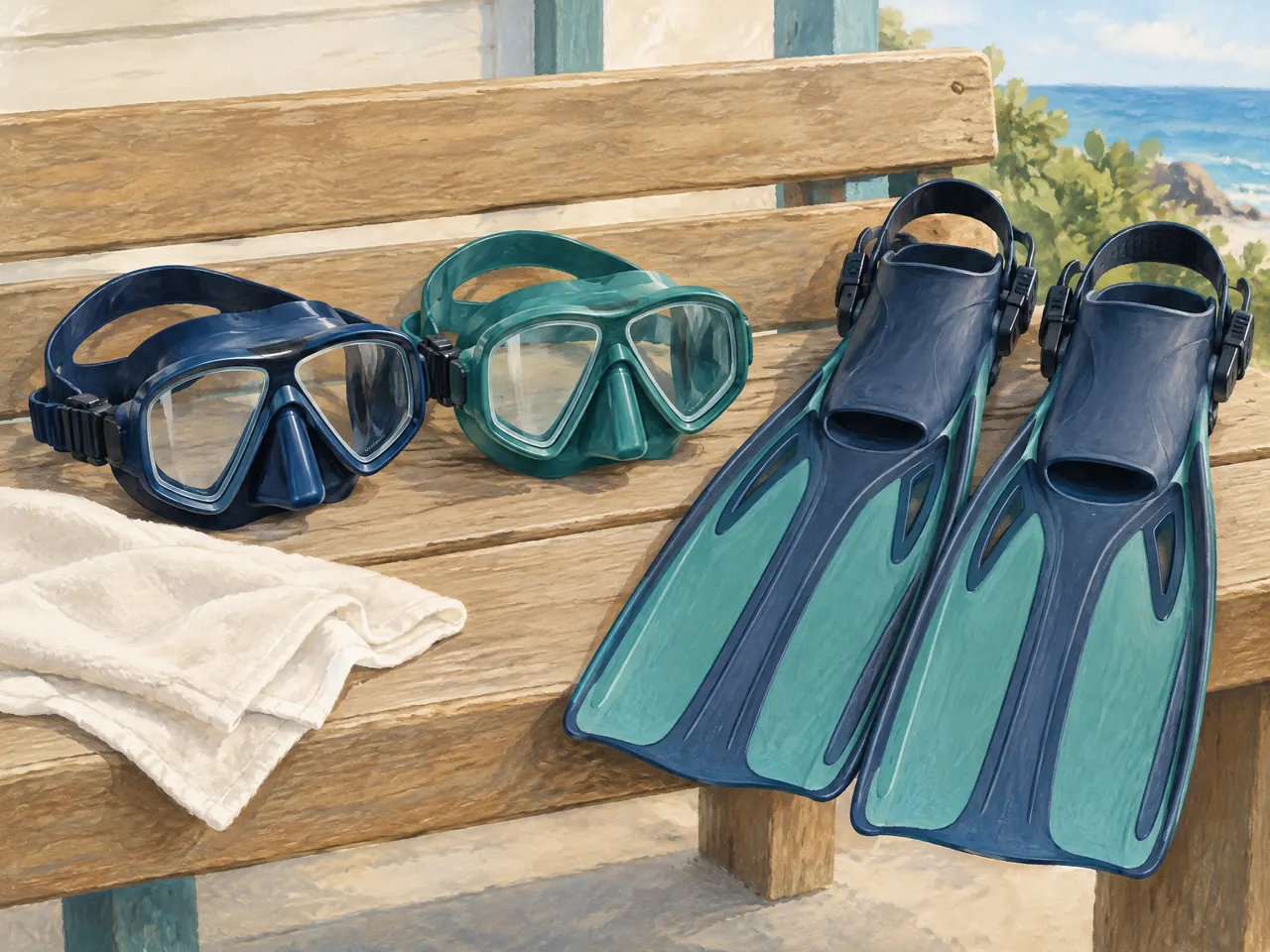
Two generic scuba masks and separate adjustable fins on a bench beside a clean cloth
Concept illustration for discussing individual fit; not a fitting demonstration, rental inventory or confirmation that equipment is available.Generated illustrative image

Keep the learning calendar separate from the boat request

For a mixed group, keep two distinct notes: the learning or preparation still needed by each person, and the outing you hope to arrange afterwards. Ask the instructor which learning components apply to the chosen route and when readiness will be reviewed. Do not move an unfinished requirement into the charter booking as though the boat day will automatically complete it. Separate dates also let a friend choose a first experience or further preparation without being responsible for delaying everyone else's recreational plan. [2]

Closed book, miniature empty pool and abstract open-water cove arranged as three separate conceptual models
Concept illustration separating study, controlled practice and open-water context; not a course syllabus or a promise of completion before a charter.Generated illustrative image

Make a changed-plan message easy to recognise

Before the outing, agree what the organiser's next update should tell people: which arrangement has changed, whether they should travel, and what question still needs an answer. Keep an earlier confirmation distinct from a later decision so nobody relies on an old screenshot. If the operator is still assessing conditions, pass on that uncertainty rather than inventing a departure time. The weather illustration is a reminder to check the agreed channel, not a forecast or a rule for deciding whether the vessel should leave. [1] [3]
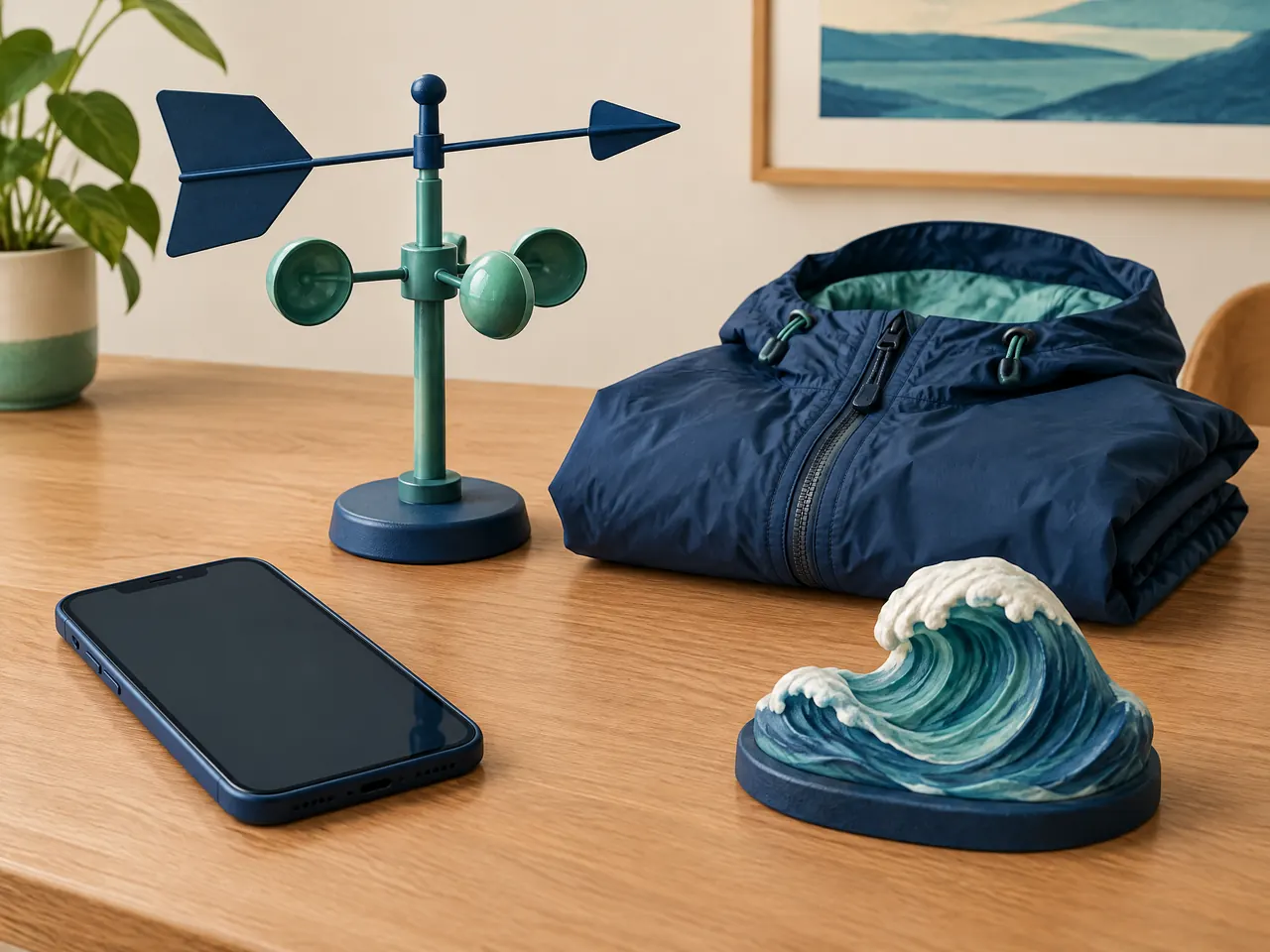
Phone with a blank screen beside a wind-vane model, rain shell and miniature wave sculpture
Concept illustration of weather-update preparation; no live forecast, warning threshold or departure approval is shown.Generated illustrative image

Check the personal bag against the agreed boat arrangement

Treat a towel, water bottle and sun hat as personal packing questions rather than items automatically supplied by the charter. Ask what facilities and storage are available, and whether the suggested bag size fits the boarding arrangement. Keep specialist diving equipment on the separate kit record so a non-diving companion can understand their own packing responsibilities. The illustration shows examples to discuss, not a complete packing list or a guarantee that a bag and its contents will remain dry throughout the day. [1]
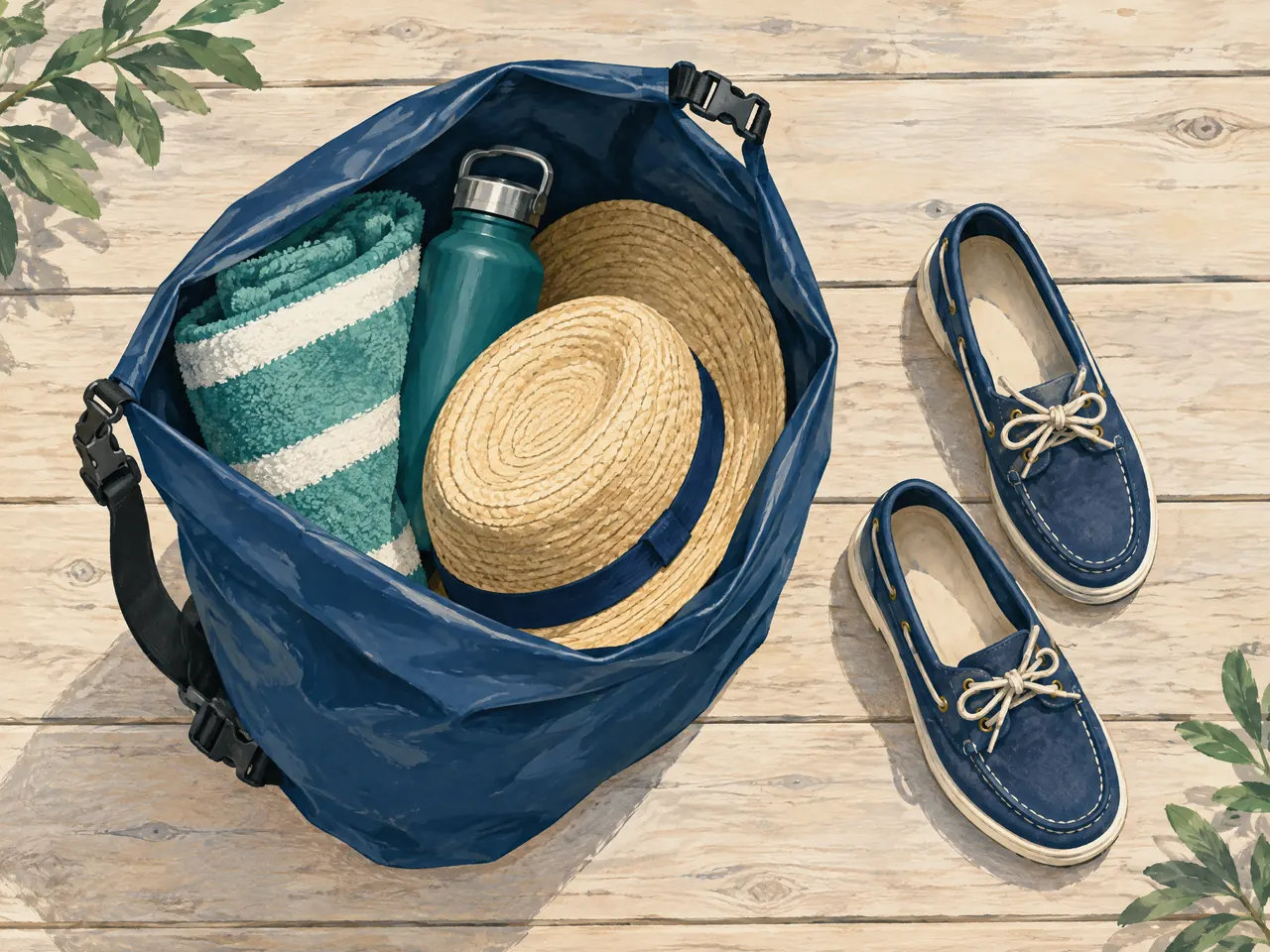
Open dry bag containing a towel, water bottle and sun hat beside deck-shoe silhouettes on an abstract timber surface
Concept illustration of personal outing items; not the actual vessel, its storage facilities or a list of included supplies.Generated illustrative image

Include coral care in the group's activity goal

If coral observation or photography is part of the request, include respect for marine life in the group brief. AFCD's visiting-coral-area code says not to touch, collect, disturb or hurt marine organisms, and not to rest or stand on corals. It also advises against leaning on corals for photographs. Ask the team how the proposed activity fits those expectations and each diver's experience. Choosing private transport does not make a particular wildlife encounter guaranteed or give the group permission to handle the subject of a photograph.

Conceptual underwater scene with separate coral forms, a sea fan, distant fish and open water above
Concept illustration for marine-life observation and care; not a Hong Kong site record, species-identification guide or promised charter sighting.Generated illustrative image

Supplemental references

Clinic enquiries

Contact and appointment arrangements

Clinics
Prince Edward and Kwun Tong
Opening hours
11:00–21:00
WhatsApp and telephone
+852 6940 5663

Appointments, practitioner availability and service arrangements are confirmed via WhatsApp.

Please mention any consultation language needs in your WhatsApp enquiry so that arrangements can be confirmed.

Enquire via WhatsApp
Food, gifts and floral lifeWhatsApp enquiry