
Prince Edward & Kwun Tong clinics · Home-visit enquiries elsewhere

TCM Lab

TCM Lab · Outdoor learning & coastal life / Starting and returning

Discover-scuba budgets: compare setting and support, not one figure

Content updated

A first scuba booking buys a particular supervised experience, not simply time underwater. Put the setting, equipment, learning support and booking terms beside the fee before deciding what fits your budget.

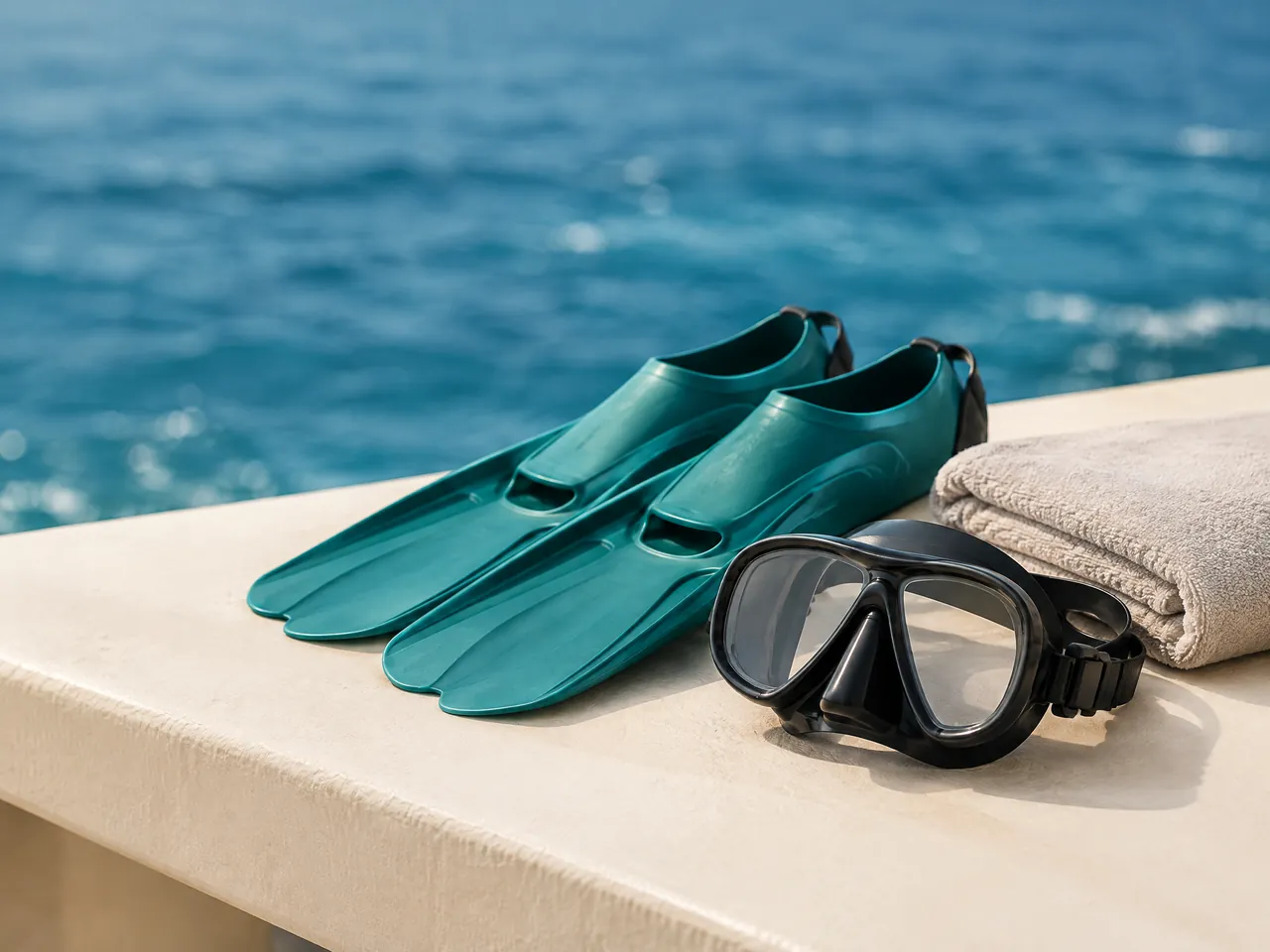
Illustrative first-diving preparation objects
AI-generated illustrative concept; not an actual DiveHarbour class, student or dive-site record.

The short answer

Ask for a current written quote that names the introductory programme, water setting, equipment, supervision, full outing arrangements and any separate costs. Compare equivalent formats, then choose the support you need. A try-scuba experience is not an Open Water qualification, and paying more does not guarantee completion or particular sea conditions.

DiveHarbour is a separate diving school under the same ownership as TCM Lab. Diving courses and activities are separate from Chinese medicine care; reading this collection or visiting TCM Lab does not replace medical fitness-to-dive assessment or clearance.

Make the quote describe what you are buying

Two first-scuba offers can look comparable while describing different appointments. One might cover an introduction in a pool; another might include a boat outing. Before judging either fee, write a plain sentence describing your goal: trying the equipment in a predictable setting, experiencing a sea-based day, or deciding whether to pursue certification. That sentence gives the price a useful context.

When reviewing discover scuba diving price Hong Kong, look for the format behind the figure. DiveHarbour's page distinguishes pool or confined-water introductions from boat-based arrangements and asks readers to confirm current inclusions. Request a written description for your proposed booking rather than treating a published reference as an all-inclusive offer for any date. The relevant comparison is between confirmed arrangements, not two isolated numbers. [1]

Keep each reply with its date and participant details. Check whether the fee is per person, which currency applies and whether anything remains provisional. If one answer names equipment and venue arrangements while another only gives a total, the second is not yet ready for comparison. Ask it to be completed; missing information is not proof of either better value or worse service.

Choose the setting before comparing the totals

A pool-based introduction and a boat-based introduction answer different wishes. If unfamiliar equipment is your main concern, ask about a setting where learning can take priority over travel and sightseeing. If a marine outing is the attraction, ask what the boat arrangement adds to the day. Neither preference makes you more adventurous or more capable; it simply changes what you are buying.

The try scuba diving Hong Kong information is a starting point for discussing an instructor-led introduction and your water comfort. Tell the organiser whether you are comfortable in a pool but uncertain about waves, or whether boat travel itself worries you. Then ask which setting is proposed for you. Do not assume that a general description confirms a particular venue or that every beginner follows the same plan. [2]

Ask what 'confined water' means in the specific offer rather than picturing a swimming pool automatically. For a boat option, clarify the meeting arrangements, total outing time and facilities before adding transport to your budget. A larger outing may be enjoyable, but it is not automatically better teaching value. Decide whether its extra logistics support your goal or distract from the first experience you actually want.

Find out what learning support looks like

Support is difficult to compare when a quote uses only words such as 'friendly' or 'premium'. Ask how participants are grouped, who supervises the selected programme and how the briefing is delivered in a language you understand. You can also ask how questions and equipment adjustments are handled before water activity. These answers reveal the proposed teaching arrangement without relying on a promotional label.

PADI's official Discover Scuba Diving description says a PADI Professional provides scuba gear, explains basic skills and answers questions in a first experience before a decision about certification. That is a description of PADI's programme, not proof of the staffing or agency for your own booking. Ask the provider to name the programme and confirm the supervising professional's role for the session you are considering. [3]

If you know you need more explanation, say so before payment. Ask what happens if you want to pause or finish early, and whether additional individual attention changes the quote. Do not assume private instruction is included, or that a smaller group guarantees an outcome. Useful support means understanding the plan and being able to communicate honestly, not being promised that unfamiliar water sensations will disappear.

Separate necessary inclusions from optional purchases

Divide your notes into three short lists: confirmed inclusions, items you must arrange yourself and unresolved questions. Ask for the equipment list and whether fitting is part of preparation. If you use prescription eyewear or have a sizing concern, raise it before buying anything. A rental arrangement is only useful to your budget once you understand what can be provided and what still needs confirmation.

Check venue access and any boat place alongside the teaching fee. Then ask whether transport, meals, photographs or other extras are included, optional or unavailable. These are questions, not assumed charges. If a friend plans to watch, ask separately whether an accompanying place can be arranged and what it would involve; an observer should not be counted as part of a participant's package without confirmation.

You need not purchase every offered extra to have a worthwhile introduction. Set your spending limit around the confirmed experience first, then decide whether optional items matter to you. For photographs, ask about availability and delivery rather than assuming images are guaranteed. If a quote leaves an essential item unclear, settle that before comparing optional upgrades. A tidy list prevents a modest headline fee from becoming a misunderstood total.

Keep a try-scuba budget separate from a qualification budget

An introduction can help you decide whether scuba interests you, but it is not the purchase of an Open Water qualification. DiveHarbour describes its try-scuba experience as separate from certification, and PADI presents Discover Scuba Diving as a way to try before deciding on its Open Water course. Comparing their fees as if they deliver the same result misses the different purpose of each booking. [2] [3]

If you already want formal training, request a separate outline naming the agency, prerequisites, learning components, completion requirements and full inclusions. Do not infer these from an introductory offer or another agency's course page. A larger training fee needs its own explanation. The useful question is whether you are ready for that learning commitment, not whether the first-session fee appears small beside it.

If possible progression matters, ask whether the particular introduction can be recognised in a later course and under what written conditions. Assume neither automatic credit nor a discount. Equally, there is no need to treat the try session as wasted money if you decide not to continue. Discovering your preferences can be its whole purpose; you are not obliged to buy further training to justify the initial expense.

Budget for the whole day and read the change terms

The appointment may occupy more of your day than the water activity alone. Ask for the expected arrival and finish arrangements, allowing for registration, fitting, briefing and changing. Compare this with your journey and other commitments before choosing a date. A cheaper-looking option can be a poor personal fit if getting there requires rushed connections or leaves no room for the organiser's confirmed schedule.

For a sea-based plan, ask how the organiser communicates unsuitable conditions and what happens to the booking. Do not build your budget around guaranteed visibility, wildlife or a fixed departure merely because a location sounds appealing. If you are visiting briefly, explain that you may not be able to return for another session. That constraint matters before payment, not just when an outing changes.

DiveHarbour's published fee section states that all fees are non-refundable and make-up sessions are subject to written terms. Treat a make-up arrangement as conditional, not an automatic refund or a guaranteed free replacement date. Ask for the terms relevant to your selected activity, including the process for participant absence and operational changes. Keep them with your quote and receipt so your spending decision reflects the actual commitment. [4]

Send an enquiry that allows an individual recommendation

Give the organiser your preferred date range, participant count, ages, water comfort, preferred language and main goal. Say whether you want only an introduction or are considering certification later. For friends or relatives, describe each person's needs instead of assuming a shared budget means a shared learning pace. Ask for the proposed programme's current participation requirements rather than copying an age or prerequisite from another offer.

Request the medical questionnaire early enough to address questions before spending money. DAN explains that advance preparation helps avoid pressure to omit information after a trip has been paid for, and that medical clearance comes from medical professionals rather than dive-shop staff. Complete your own answers honestly and seek an appropriate clinician's assessment when required. This TCM Lab lifestyle article and a TCM Lab consultation do not replace an appropriate fitness-to-dive assessment. [5]

A useful final message is: 'Please confirm the setting, included equipment, supervision arrangement, total fee, separate costs and written change terms for these participants.' Once the reply is complete, compare what matters most to you and leave unresolved options unbooked. Choose an experience whose purpose and support you understand, without assuming payment guarantees participation or completion. A clear decision can also be to wait until the timing or format suits you better.

Take it into everyday life

A practical checklist

  • Write your main goal: a first equipment experience, a sea-based outing or a decision about future training.
  • Obtain a dated written quote naming the programme, water setting, per-person fee and currency.
  • Confirm equipment, venue access, supervision and any boat arrangements; mark unanswered items clearly.
  • Ask about group arrangements, briefing language, individual comfort needs and the option to pause or finish early.
  • Separate necessary personal arrangements from optional transport, meals, photos or accompanying-person costs.
  • Check the full outing arrangements against your travel plans and explain any limited ability to return.
  • Read the non-refundable-fee and conditional make-up terms before payment; retain the quote, terms and receipt.
  • Request participation forms early, answer individually and resolve any required clinical assessment before the activity.

Questions & answers

Why does a first-scuba quote need more than a price?

The total only makes sense alongside its format and inclusions. A pool introduction and a boat outing may involve different venue, travel and equipment arrangements. Ask for those details in writing before deciding which offer suits your goal and budget. A lower headline figure alone does not establish better value. [1]

Is boat-based try scuba always a better experience than a pool session?

No single setting is best for every beginner. A pool-style introduction may better match someone who wants to focus on unfamiliar equipment; a boat outing may match someone seeking a marine day. Discuss your comfort and the actual proposed arrangements. Neither format guarantees confidence, visibility or particular wildlife.

Does paying for Discover Scuba Diving give me an Open Water qualification?

No. An introductory experience is separate from completing certification training. Ask for a distinct course outline if a qualification is your goal. Any recognition of the introduction toward future training must be confirmed for the selected programme; do not assume automatic credit or a fee reduction. [2] [3]

Should I buy my own scuba equipment before asking for a quote?

First ask what equipment is provided, how fitting is arranged and whether your personal needs require anything different. Explain prescription-eyewear or sizing concerns early. Avoid buying specialist items simply to complete an assumed kit list; your selected provider should clarify the actual arrangements before you spend.

Can I assume I will receive a refund or a free new date if plans change?

No. DiveHarbour's published fee section states that all fees are non-refundable and make-up sessions are subject to written terms. Ask how those terms apply to your selected activity and circumstances before payment. A permitted make-up process is not a promise of a free replacement date or an automatic refund. [4]

What if a health question appears after I have planned my budget?

Do not let money already committed influence your questionnaire answers or pressure you to participate. Ask for the required form early and seek an appropriate medical professional's assessment when needed. Dive staff and this TCM Lab lifestyle article cannot provide personal medical clearance; the booking's financial terms remain a separate matter. [5]

Sources & further context

Numbered references follow the source order below. Course websites describe their own programmes; health and coastal sources have separate purposes and do not endorse commercial course quality.

  1. [1] DiveHarbour: Discover Scuba Diving Price in Hong Kong
  2. [2] DiveHarbour: Try Scuba Diving in Hong Kong
  3. [3] PADI: Discover Scuba Diving official course page
  4. [4] DiveHarbour: Book a scuba diving course in Hong Kong
  5. [5] Divers Alert Network: Honesty and the Dive Medical Form

Make an equipment reply easy to compare

If two replies both say 'equipment included', send each organiser the same follow-up: 'Please identify the items supplied for my selected introduction and any equipment I must arrange separately.' Record the answers beside the programme name rather than merging them into a general kit list. The equipment illustration is a conversation aid, not a packing instruction or evidence of either offer's inclusions. Leave an unanswered item marked 'not confirmed' instead of assigning it an estimated cost.
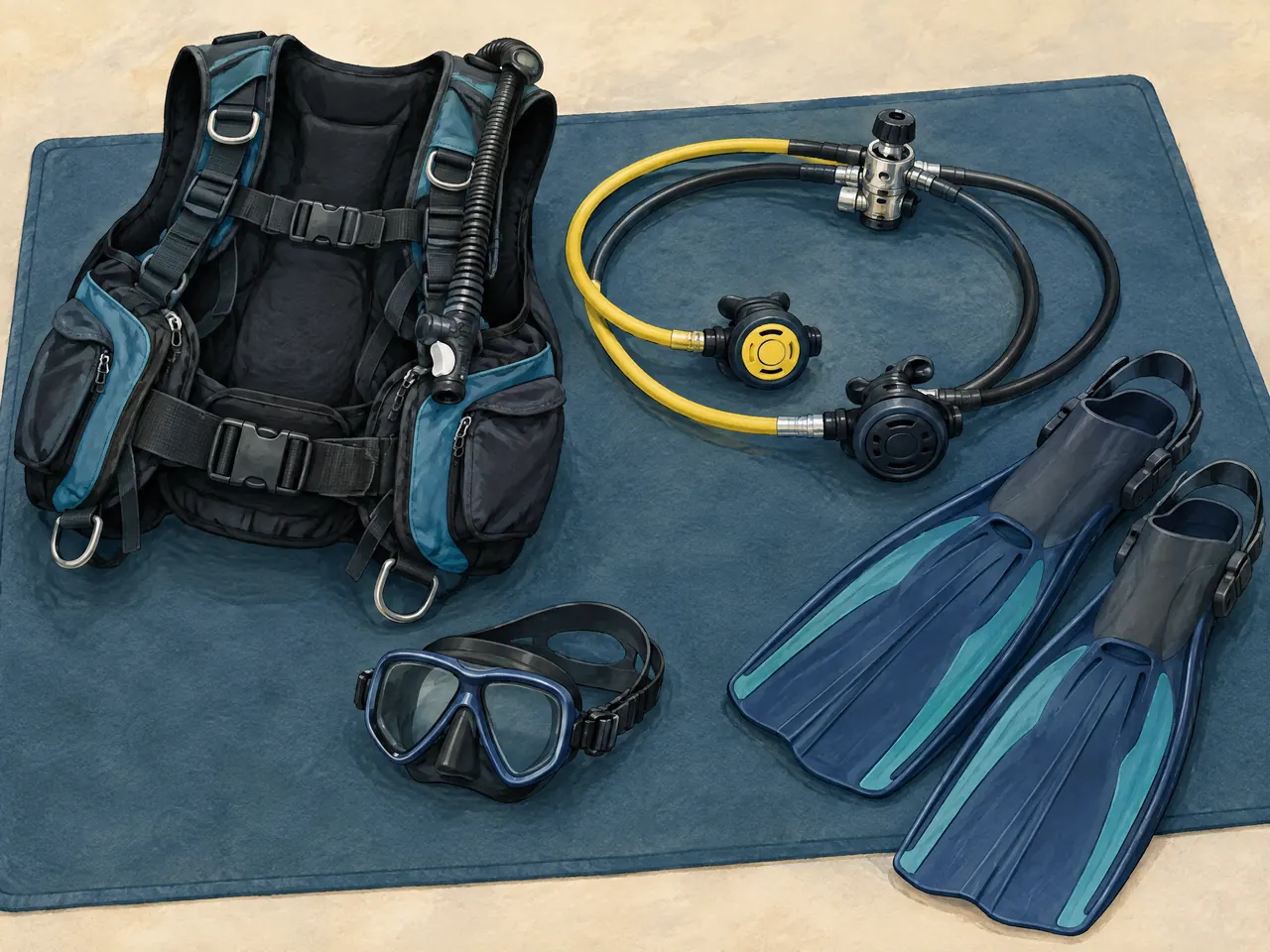
Illustration of an unbranded buoyancy compensator, regulator assembly, mask and fins arranged separately on a dry mat
Illustrative equipment objects for an inclusion enquiry; not an actual course kit or confirmation of what a booking supplies.Generated illustrative image

Turn a fit concern into a question, not an immediate purchase

For a mask or fin concern, distinguish availability from preparation. 'Do you have an option for my needs?' and 'When will we check the fit?' ask different things. Keep the reply with your quote so an unresolved fitting question does not become an assumed shopping requirement. If you are comparing a standard arrangement with extra individual attention, ask what the additional support actually involves before deciding whether it belongs in your budget. Neither an equipment illustration nor a higher fee establishes personal suitability.
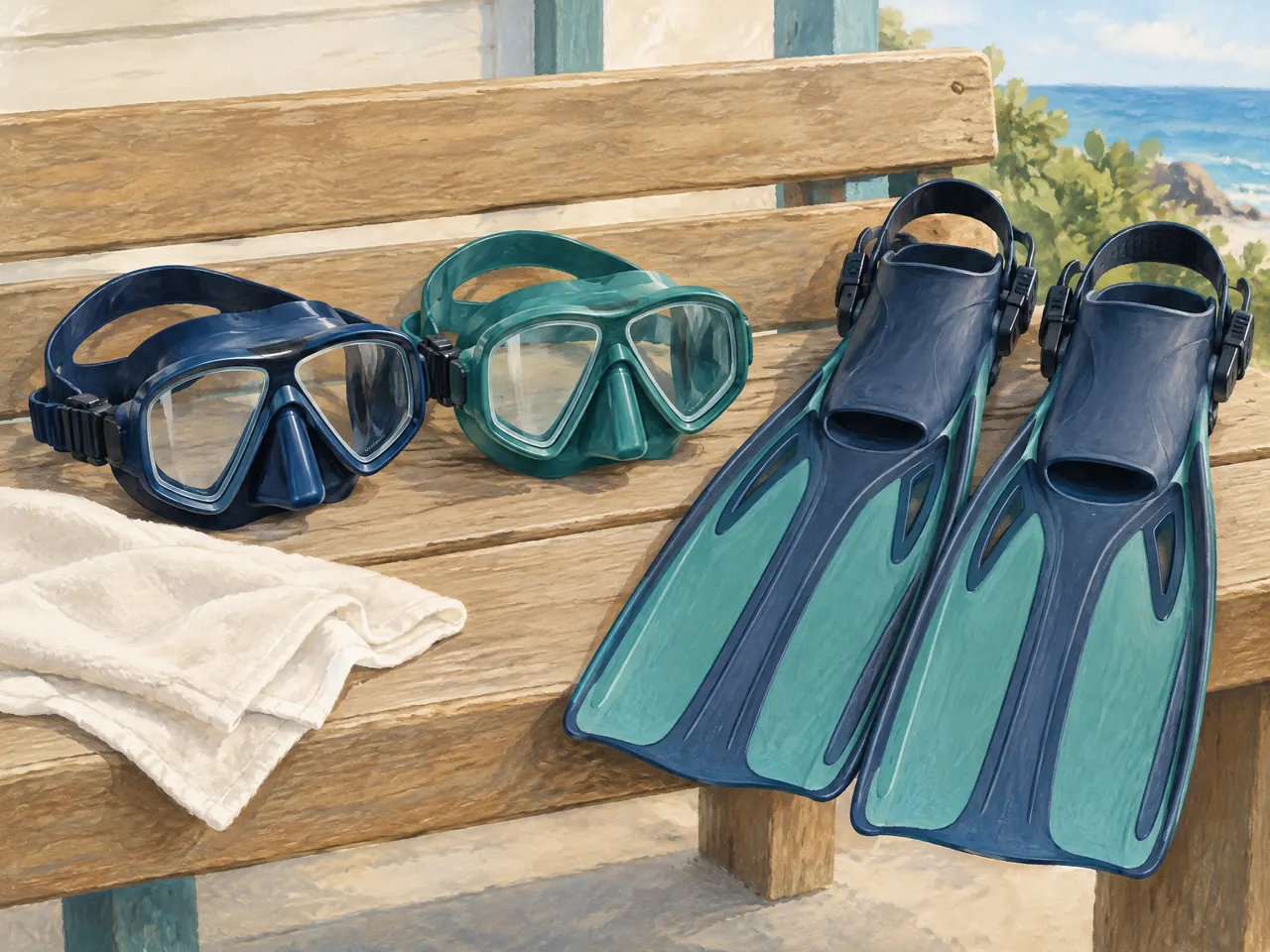
Illustration of two generic scuba masks and separate adjustable fins on a bench beside a clean cloth
Conceptual mask and fin options to support fitting questions; not a product recommendation or an assessment of a participant.Generated illustrative image

Keep separate records when your goal is still undecided

If you are considering both a first experience and certification, keep two quotation records rather than one list ranked by total price. Label one with the introductory programme and confirmed setting; label the other with the proposed qualification and its learning requirements. The book, pool and open-water model represents contexts to ask about, not a sequence included in every try-scuba booking. Ask the organiser to fill in each record separately so a modest introductory fee is not mistaken for the first instalment of an unconfirmed course.

Conceptual desk illustration with a closed book, an empty miniature pool and a separate abstract open-water cove
Separate learning and water-setting concepts; not a syllabus, qualification pathway or list of included introductory activities.Generated illustrative image

Check when a change message would reach you

For a boat-based quote, ask which communication channel to monitor and when the organiser expects to update participants if arrangements change. Put that answer beside your own transport plans. If you would already have started travelling, explain this before payment and ask what the written terms cover; do not assume your journey costs form part of a make-up arrangement. The weather objects are prompts for this conversation, not a forecast or a method for deciding whether the activity is suitable.
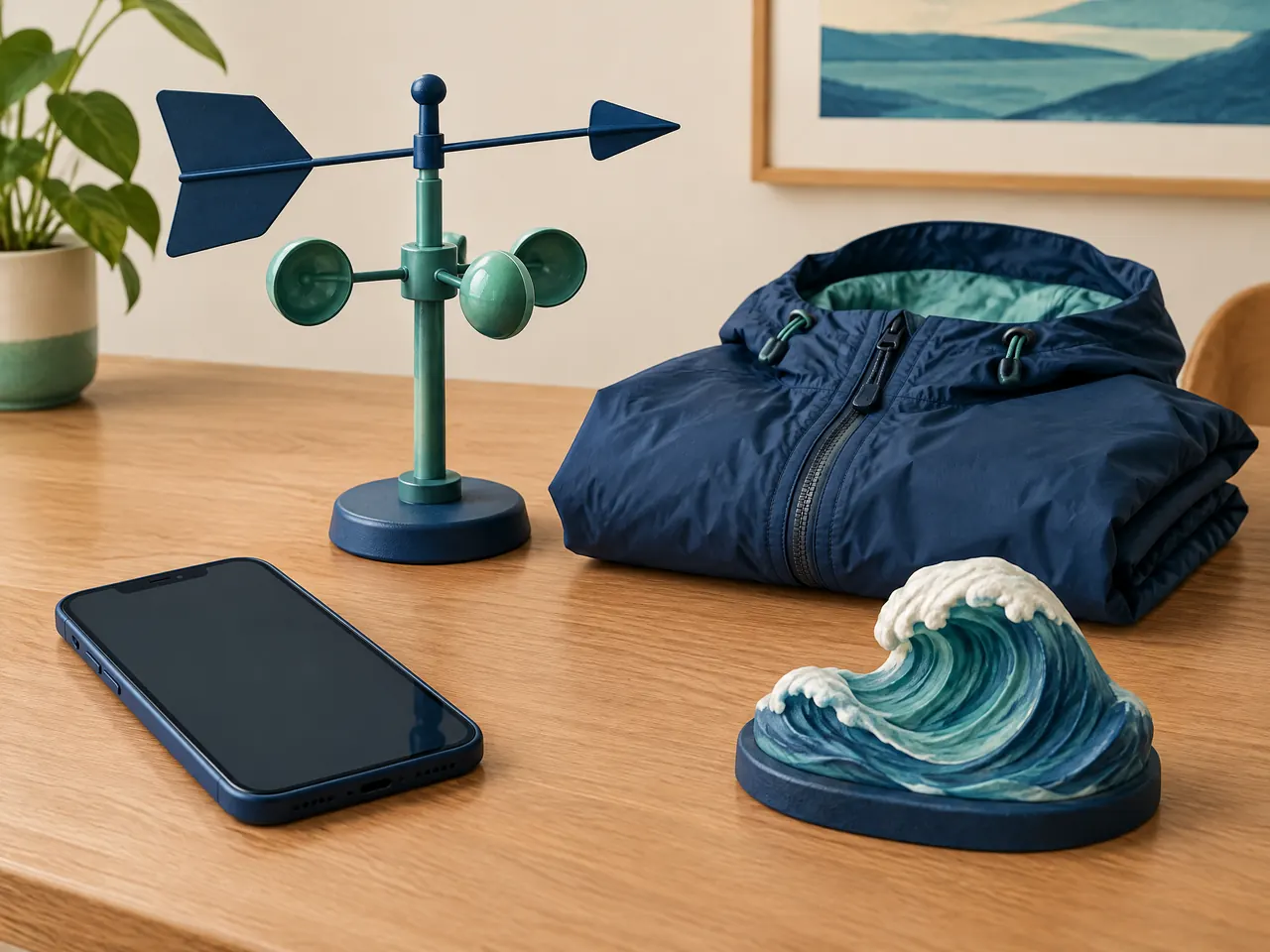
Illustration of a blank-screen phone beside a wind vane model, rain shell and miniature wave sculpture
Weather and communication concepts for discussing changes; not a live forecast, safe-weather threshold or rescheduling promise.Generated illustrative image

Keep your personal bag outside the assumed package

After the specialist-equipment reply is complete, ask for the organiser's personal packing guidance and available facilities. Compare it with what you already own before setting aside money for new outing items. A towel, water bottle, hat and dry bag in an illustration do not establish what you must bring or what the provider supplies. If storage, changing arrangements or carrying belongings affects your choice of a pool or boat format, clarify that practical issue before buying accessories for an outing you have not yet selected.
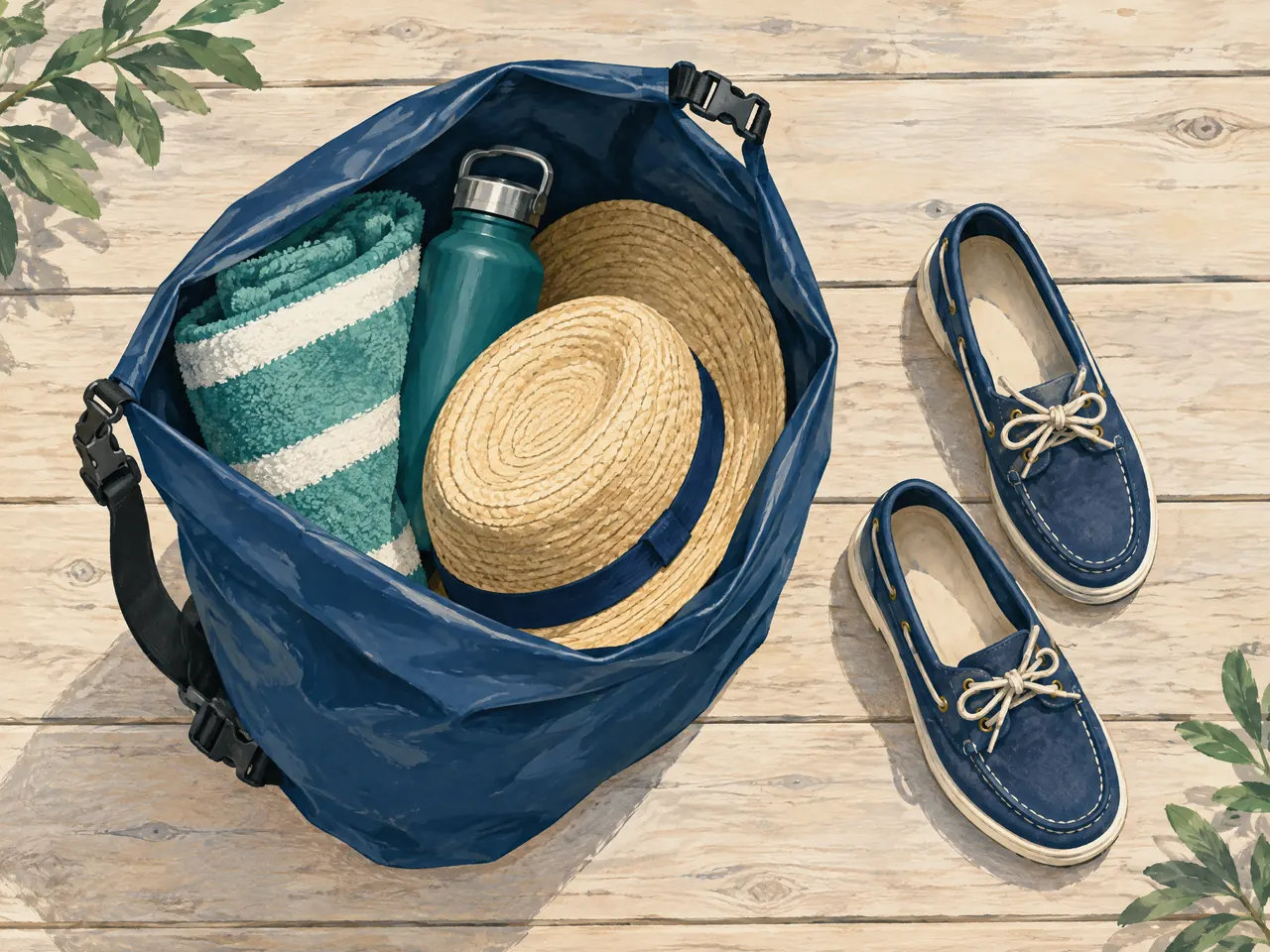
Illustration of an open dry bag with a towel, water bottle and sun hat beside deck-shoe silhouettes on an empty timber surface
Personal outing items shown conceptually; not a mandatory packing list, boat-facility record or package inclusion.Generated illustrative image

Separate a hoped-for marine view from what the fee buys

A marine setting may be your reason for considering a boat option, while another beginner mainly wants to try unfamiliar equipment. Write that preference beside the confirmed scope rather than treating an appealing underwater image as a paid inclusion. Ask yourself whether you would still choose the outing without a particular view or animal encounter. If that expectation drives the budget decision, discuss it before booking. This empty reef concept is not a Hong Kong site record and should not be used to infer a location, visibility or wildlife.

Conceptual empty underwater scene with separated coral shapes, a sea fan and a distant small fish school
Imagined marine surroundings to distinguish expectations from booking scope; not a Hong Kong dive-site record or a promised encounter.Generated illustrative image

Clinic enquiries

Contact and appointment arrangements

Clinics
Prince Edward and Kwun Tong
Opening hours
11:00–21:00
WhatsApp and telephone
+852 6940 5663

Appointments, practitioner availability and service arrangements are confirmed via WhatsApp.

Please mention any consultation language needs in your WhatsApp enquiry so that arrangements can be confirmed.

Enquire via WhatsApp
Food, gifts and floral lifeWhatsApp enquiry