
Prince Edward & Kwun Tong clinics · Home-visit enquiries elsewhere

TCM Lab

TCM Lab · Outdoor learning & coastal life / Starting and returning

A beginners course enquiry: share the details that help an instructor

Content updated

A useful first message describes the learner, not their entire personal history. Share enough to discuss the right course, keep private documents for the agreed enrolment process, and let every participant answer their own medical questions.

Illustrative first-diving preparation objects
AI-generated illustrative concept; not an actual DiveHarbour class, student or dive-site record.

The short answer

Start with your learning goal, actual water experience, preferred language, date windows and group size. Mention a junior participant’s age when asking about eligibility. Ask which course and prerequisites apply, how personal forms should be submitted, and what needs written confirmation before payment. Do not attach another person’s health records or answer their questionnaire for them.

DiveHarbour is a separate diving school under the same ownership as TCM Lab. Diving courses and activities are separate from Chinese medicine care; reading this collection or visiting TCM Lab does not replace medical fitness-to-dive assessment or clearance.

Describe your water experience in ordinary language

An instructor can use a concrete description more readily than a label such as sporty or nervous. Say whether you swim regularly, mostly stay where you can stand, have only snorkelled, or have tried scuba before. If there was a previous lesson, explain what kind of session it was and roughly when it happened. A try-dive should not be presented as an existing certification. You do not need to rate yourself against friends or claim that you will learn quickly.

The guide to Hong Kong scuba lessons for beginners invites questions about water confidence, experience and learning pace. Use that conversation to explain something an instructor can respond to: perhaps you would like unfamiliar equipment explained slowly, or you find spoken instructions easier to follow in a particular language. Ask how the selected programme checks water skills instead of assuming that confidence alone meets its prerequisites. [1]

Separate observation from interpretation. Saying that you have not swum recently is useful; saying that you are definitely ready for any course is not an assessment. Equally, needing a clearer explanation does not tell the instructor everything about your ability. Give an honest starting point and let the discussion identify the next question. There is no need to make the first message sound like an application for the most confident learner.

Name the outcome you want and the time you can offer

Decide what you are asking about before discussing a particular date. You may want a supervised first experience, an entry-level certification course, or advice because you are not yet sure. Those are different enquiries. If you hope to learn to scuba dive in Hong Kong, explain whether your aim is to explore a new weekend interest or prepare for future recreational diving. The beginner overview distinguishes an introduction from a certification pathway; neither should be assumed from the word lesson alone. [2]

Offer realistic availability rather than a single demand. Identify date windows, whether weekdays are possible, and any travel deadline affecting your choice. Mention constraints on independent study or attendance if they could affect the learning plan. You do not need to send a full work calendar, employer details or travel booking. A sentence explaining when you are available gives the instructor a practical starting point without exposing unrelated information.

Ask how preparation and water sessions fit together for the proposed route. An advertised overview is not confirmation that a particular class runs on your dates. If a holiday creates pressure, say so before paying, but leave room for a different plan. Course completion depends on the selected requirements and your learning progress, not simply on having an imminent flight or a friend who finished within a short period.

Keep the first enquiry small, then supply required details

For an initial discussion, your goal, water background, date windows, language and number of interested learners usually form a useful outline. A name and a way to reply help the conversation continue. If a child is involved, provide their age when asking about programme eligibility. Save identity-document scans, full birth dates and detailed records for a specific request with an explained purpose. This is a way to stage the enquiry, not a suggestion to withhold information required for actual enrolment.

Hong Kong’s privacy regulator says personal-data collection should be necessary and adequate but not excessive for its purpose. It also explains that people supplying data directly should be informed about the purpose, whether supply is obligatory or voluntary, relevant transfers, and access or correction arrangements. These principles make it reasonable to ask why a document is needed and where it should go. They do not establish how any particular school stores its records. [3]

Before sending a sensitive attachment, ask who receives it and which submission method the provider wants you to use. Do not assume a shared group chat is suitable just because it is convenient for dates. If a requested field seems unrelated, ask for clarification rather than inserting false information. Registration may legitimately require more than the first enquiry; the useful distinction is between information needed now and information requested for a defined later step.

Keep medical answers with the participant

Ask for the medical questionnaire required for the actual programme and its submission deadline. Do not substitute a form found in an old message or a general declaration that everyone is healthy. The recreational diving screening system described by the Undersea & Hyperbaric Medical Society separates the participant questionnaire from a physician’s evaluation: the diving candidate completes the questionnaire, while the physician completes the evaluation when medical approval is necessary. Ask the provider which form applies to your course. [4]

Complete your own answers accurately, following the form’s wording and instructions. If a question is unclear, seek clarification; if medical interpretation is needed, speak with an appropriate physician. A friend can help you read a sentence or arrange an appointment, but should not decide an answer, sign for you or fill every box with no to keep the booking moving. Request an appropriate language version where available. Any assistance should preserve your own account rather than replace it. [4]

You can initially say that you need to discuss a medical-form question privately without putting your history into the general enquiry. That is not a reason to conceal information from the required assessment. Allow time for any indicated review before committing to a tight plan. TCM Lab’s lifestyle article and a TCM consultation do not replace an assessment of medical suitability for diving. Keep course administration with the provider and medical decisions with the appropriate clinician.

Coordinate a group without speaking for everyone

One person can collect date preferences and ask whether a shared enquiry is practical. That does not make them the author of everyone’s personal forms. Begin with group size and the broad mix of experience, with each person’s permission to share it. Do not describe an entire group as beginners if someone is certified, or say everyone is comfortable swimming because nobody objected in the chat. Confirm what each person wants from the activity rather than assuming the organiser’s goal is universal.

Keep shared logistics and individual questions separate. A group message can cover availability and transport; each learner can communicate privately about health paperwork, access needs or concerns they do not want circulated. For a child, ask the provider to explain the relevant parent or guardian consent and form process. Do not assume an adult participant’s declaration can cover a junior learner, or invent answers on the child’s behalf.

Give people a genuine opportunity to choose a different route or not participate. Friends can enjoy planning together without taking identical lessons or finishing together. If one person wants only an introduction and another wants certification, ask for separate recommendations. The useful result of coordination is an accurate picture of the group, not a promise that everyone will follow the same timetable or reach the same outcome.

Ask for the details that turn an enquiry into a booking

Once the instructor has enough context to discuss course fit, ask for a written proposal. Before you book a scuba diving course in Hong Kong, confirm the actual course name and agency, applicable prerequisites, learning arrangements, current inclusions, required documents and payment terms. DiveHarbour’s booking page treats an enquiry as a discussion before arrangements are confirmed. A friendly reply or suggested date should not be mistaken for a guaranteed place. [5]

Read the proposal against your original constraints. Check the meeting location, reporting arrangements and preparation deadlines when they are provided. Ask who will communicate changes and what happens if you need more practice or cannot attend a session. This is also the time to clarify equipment needs and any items you must bring. There is no advantage in buying specialist equipment or rearranging an entire trip before you know the agreed course arrangements.

Consider the payment commitment carefully. DiveHarbour’s published notice states that all fees are non-refundable and make-up sessions are subject to written terms. Ask how those terms apply to illness, missed learning or operational changes before paying; do not assume a refund, free transfer or guaranteed replacement date. Keep the final confirmation, terms and receipt together so that later questions refer to the same agreed arrangement rather than an earlier provisional conversation. [5]

Send a short message that leaves room for follow-up

A first message can be complete without becoming a personal dossier. Use the following wording as a starting point and replace every detail with your own situation. It is an example of an enquiry, not a claim about an available class: “Hello, I’m interested in a beginner course and would like to discuss an introduction versus certification. My water experience is [brief description]. I prefer learning in [language], and my possible dates are [date windows]. There are [number] interested learners. Please explain the suitable route, its prerequisites and the next steps.”

Add one or two questions that matter to your decision: “How is preparation scheduled, and how should each participant submit personal forms? Please send the current inclusions and written booking terms before I decide.” If a junior learner is involved, include their age for the eligibility discussion. If you need a private conversation, request it without adding medical records to the shared message. Clear questions give the reply somewhere useful to begin.

When the response arrives, separate answered points from unresolved ones. Correct any mistaken assumption about your experience, dates or intended outcome promptly. Ask a consolidated follow-up rather than copying unrelated records into the conversation. Only agree to proceed once the route and your responsibilities are clear. You are aiming for a workable learning plan with accurate personal information, not the longest enquiry or the fastest possible payment.

Take it into everyday life

A practical checklist

  • State whether you want an introduction, certification or help deciding between them.
  • Describe your own water experience plainly and distinguish a previous try-dive from certification.
  • Give practical date windows, preferred learning language and group size; include a junior learner’s age for eligibility questions.
  • Ask for the actual course name, agency, prerequisites and preparation requirements.
  • Supply additional personal documents only through the agreed process after their purpose is explained.
  • Complete your own medical answers; arrange any indicated medical review without asking someone else to answer for you.
  • Keep shared group logistics separate from each learner’s private forms and individual decisions.
  • Read the current inclusions, confirmation process and non-refundable-fee and conditional make-up terms before paying.

Questions & answers

Do I need to send an identity-document copy in my first enquiry?

Do not attach one just to ask about course options. Start with learning context and availability, then ask which documents are required for enrolment, why they are needed and how to submit them. This does not mean identity details can never be necessary; it means an initial enquiry and a formal registration serve different purposes. [3]

Can I book for a partner and complete their medical questionnaire?

You can help coordinate dates with their permission, but they should provide their own medical answers and signature. The UHMS screening system assigns the participant questionnaire to the diving candidate. Helping someone read a question is different from deciding their answer. Ask the provider about the applicable form process rather than submitting a guessed declaration. [4]

What if I do not know which certification agency to choose?

Say that you are undecided and describe your goal, availability and experience. Ask for the course and agency currently proposed, the learning requirements and what certification, if any, the route leads to. An introductory activity is not automatically an entry-level certification, and one agency’s requirements should not be assumed to apply to another. [2]

How can I raise a health question without sharing it with the whole group?

Ask the provider how to submit the required personal questionnaire privately and request clarification about any medical review indicated by it. You can mention that you have a form question without posting your records to a group chat. Accurate disclosure through the required process still matters; privacy is not a substitute for medical assessment. [4]

What should a parent include when enquiring for a child?

Provide the child’s age, their own interest and a truthful account of water experience, together with practical availability. Ask which junior programme, prerequisites and parent or guardian consent process apply. Do not assume the adult itinerary or another family member’s medical declaration covers the child. Leave room for an individual recommendation and the child’s own willingness to participate.

Does receiving a reply mean my course place is confirmed?

No. Use the reply to establish the proposed route and resolve documents, dates, inclusions, payment and written conditions. DiveHarbour’s booking guide distinguishes an enquiry from confirmed arrangements. Wait for the actual written confirmation rather than treating a suggested date as a reserved place. [5]

Can I assume I will get a refund or another date if plans change?

No. DiveHarbour’s published notice states that all fees are non-refundable; make-up sessions depend on written terms. Ask how the applicable conditions handle illness, missed sessions and operational changes before paying. Neither a free change nor a replacement date should be assumed. [5]

Sources & further context

Numbered references follow the source order below. Course websites describe their own programmes; health and coastal sources have separate purposes and do not endorse commercial course quality.

  1. [1] DiveHarbour: Beginner lesson guide
  2. [2] DiveHarbour: Beginner learning overview
  3. [3] PCPD Hong Kong: The Ordinance at a Glance
  4. [4] UHMS: Recreational Diving Medical Screening System
  5. [5] DiveHarbour: Course booking guidance and terms

Separate equipment questions from fit questions

If unfamiliar equipment is part of your concern, make the question specific: which items will the provider supply, when will they be explained, and is anything expected before the first appointment? The illustrated buoyancy compensator, regulator, mask and fins are discussion prompts, not a confirmed equipment list for your course. Ask for the actual list before buying or borrowing specialist kit.

Then distinguish supply from individual fit. For example, you can ask when masks and fins are tried and who to tell if an item feels uncomfortable. If you use prescription eyewear, ask how to discuss the available options rather than assuming a particular mask will be supplied. Keep the first message focused on the question; send additional measurements or personal details only if requested for an explained purpose.
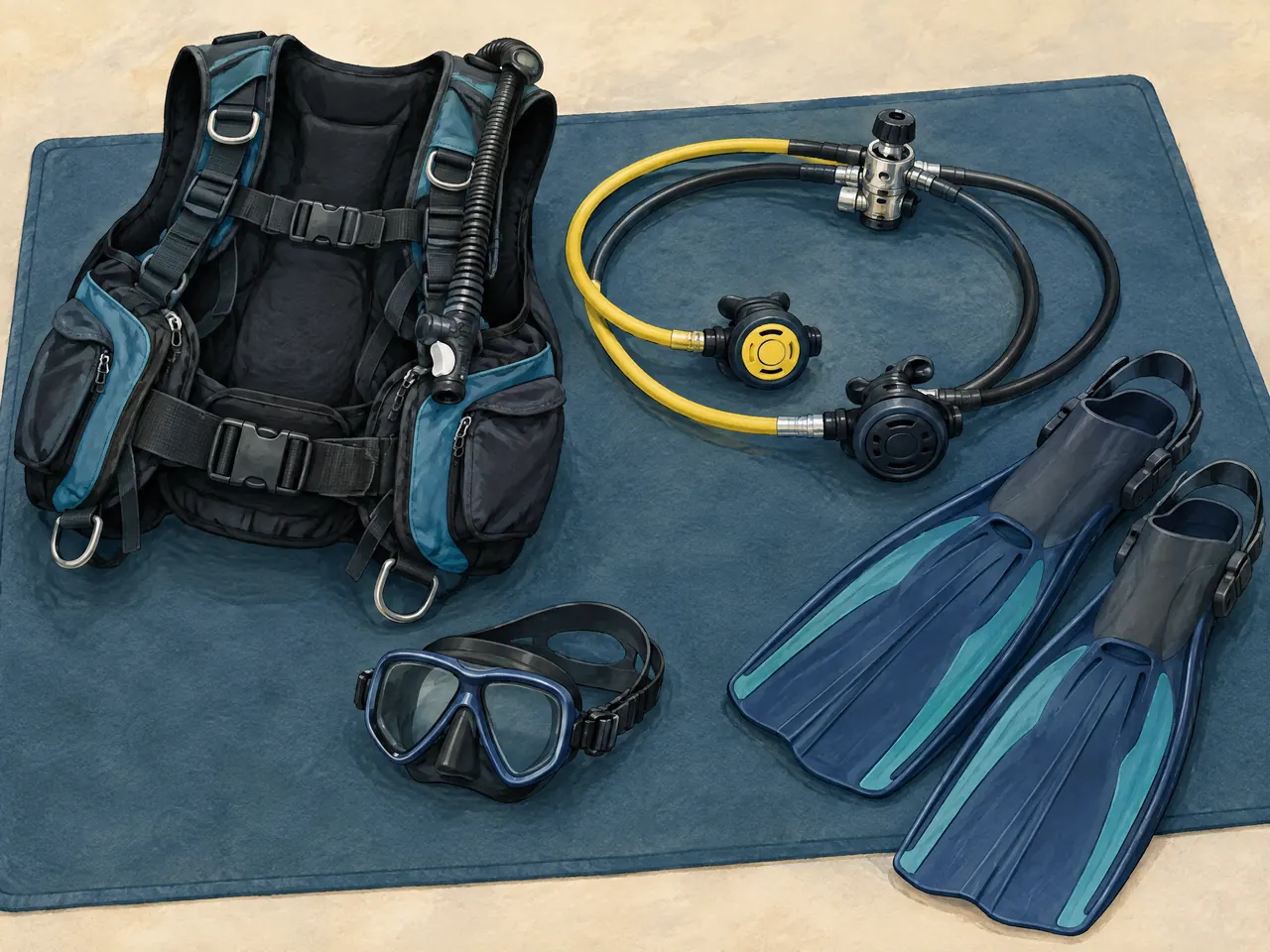
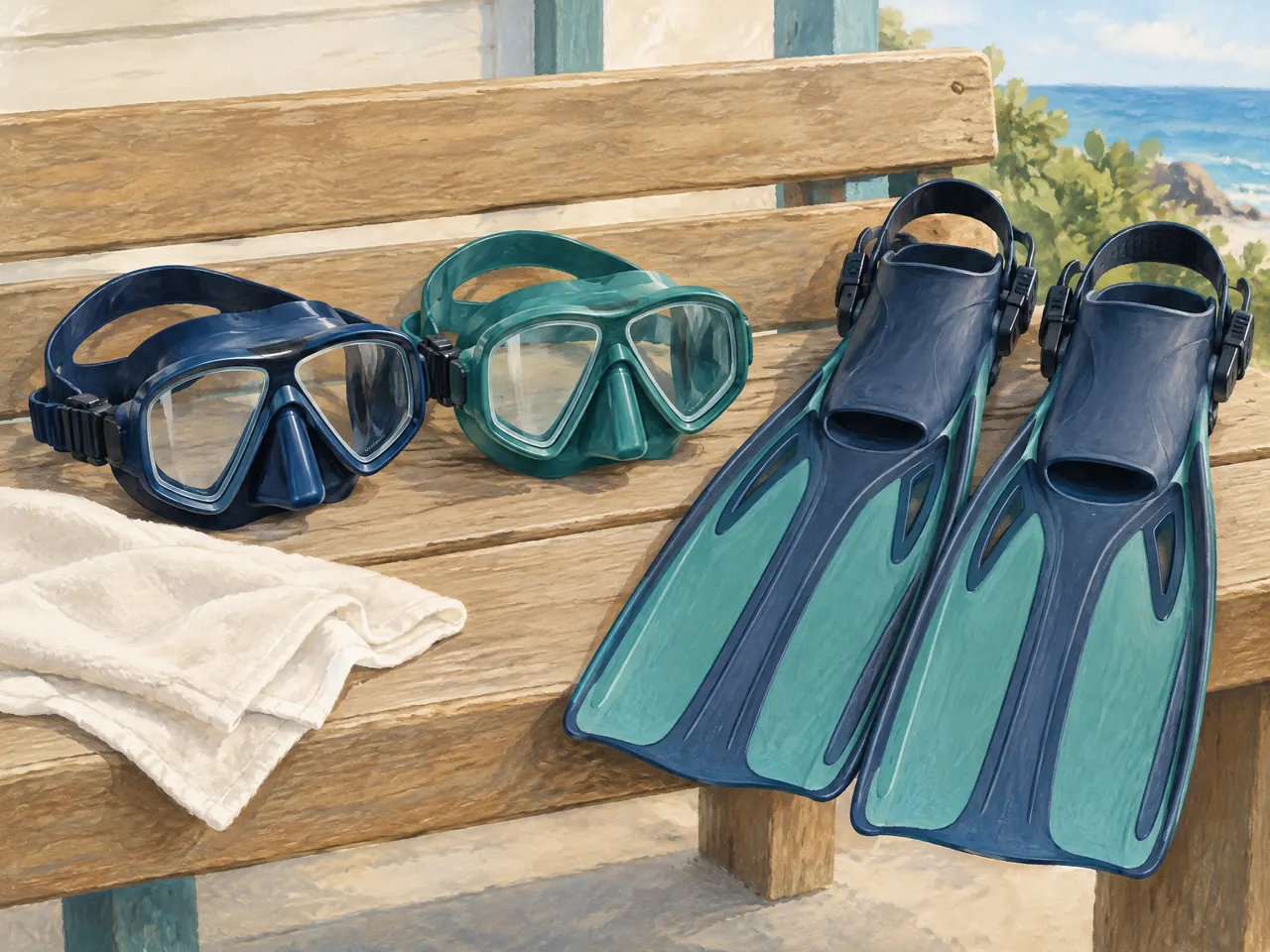
Illustration of an unbranded buoyancy compensator, regulator assembly, mask and fins arranged separately on a dry mat
Conceptual equipment illustration for questions about supply and familiarisation; not a confirmed course kit list or an actual class record.Generated illustrative image
Illustration of two generic scuba masks and separate adjustable fins on a bench beside a clean cloth
Conceptual masks and fins for discussing individual fit; not a product recommendation or a record of equipment supplied by DiveHarbour.Generated illustrative image

Turn your availability into questions about each appointment

Use the book, pool and open-water illustration to organise questions, not to infer a syllabus. Ask which preparation and water appointments belong to the proposed programme, where each takes place, and what must be completed beforehand. If you have offered several date windows, ask which parts could fit them and which remain unresolved. An introduction and a certification course need their own confirmed outlines; the same illustration does not mean they have identical requirements. [2]

Keep a simple note separating your preferred dates from the provider's confirmed arrangements. Include preparation deadlines and any appointment still awaiting a location or time. This lets you spot a practical mismatch without forwarding your entire calendar. If one part cannot fit your availability, ask about a different plan before treating the remaining dates as a booking.

Conceptual desk model showing a closed book, a miniature empty pool and a separate abstract open-water cove
Conceptual learning settings to organise questions about the proposed programme; not a syllabus, timetable or actual training venue.Generated illustrative image

Ask how a changed water appointment will be communicated

If the proposed programme includes an outdoor water appointment, ask who will communicate a change, which reply channel you should monitor and whether any arrangements remain provisional. You can raise weather-related changes as a booking question without trying to decide suitable diving conditions yourself. Ask the provider to explain the applicable written terms before committing to travel or payment; do not infer a refund, free transfer or replacement date from a general reassurance. [5]
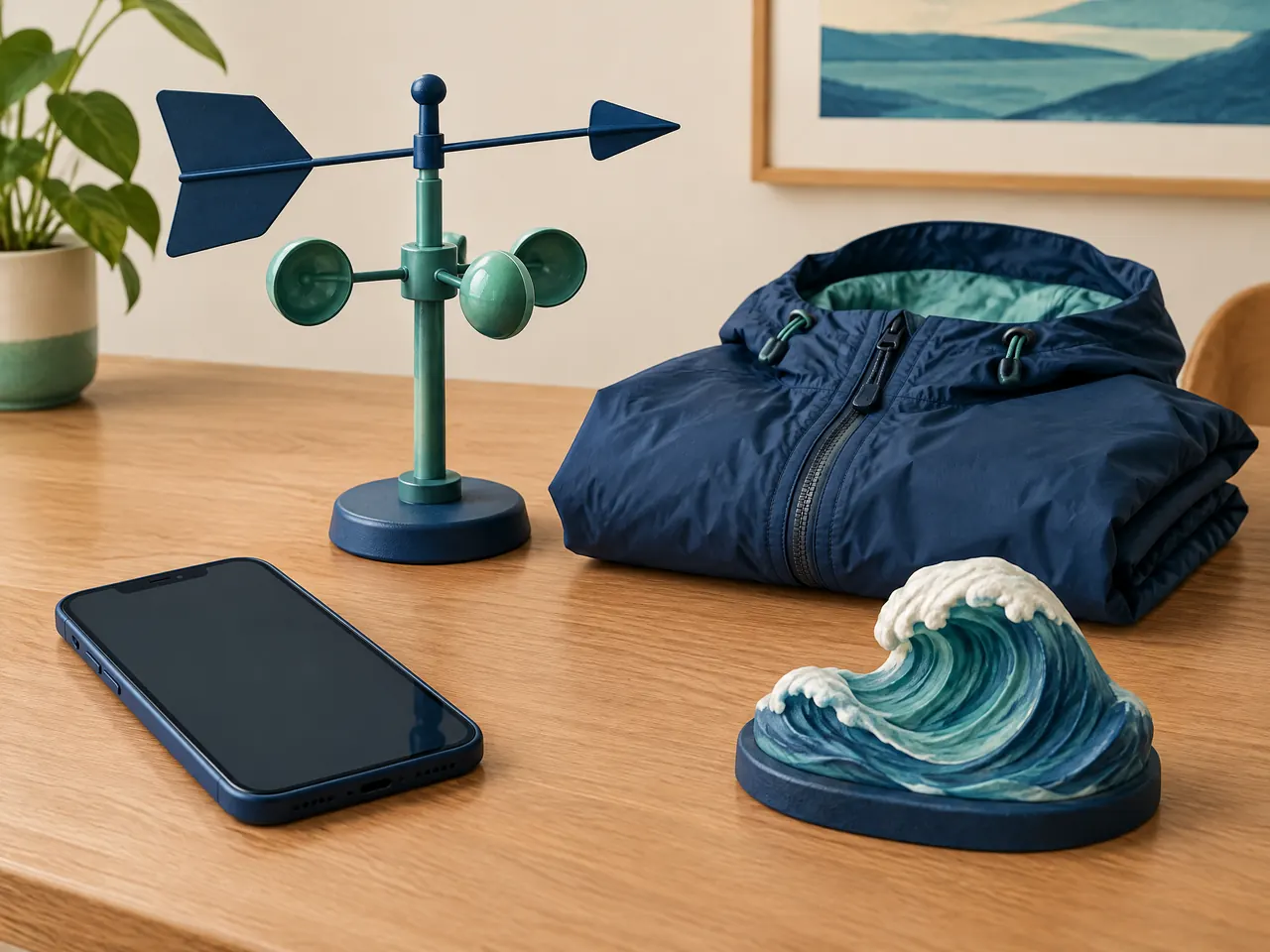
Illustration of a phone with a blank screen beside a wind vane model, rain shell and miniature wave sculpture
Conceptual weather and communication objects for contingency questions; not a forecast, safety threshold or promise of a rescheduled session.Generated illustrative image

Request a personal-items list for the confirmed setting

Once the provider has identified the meeting arrangements, ask what you should bring personally and what is already included. If a boat or coastal outing is proposed, ask about storage, changing arrangements and any restrictions on bags or footwear. The pictured dry bag, towel, water bottle and hat are examples to help frame that conversation, not mandatory purchases or evidence of facilities. Keep personal outing items separate from the specialist equipment questions, and wait for the actual instructions rather than packing for an assumed venue.
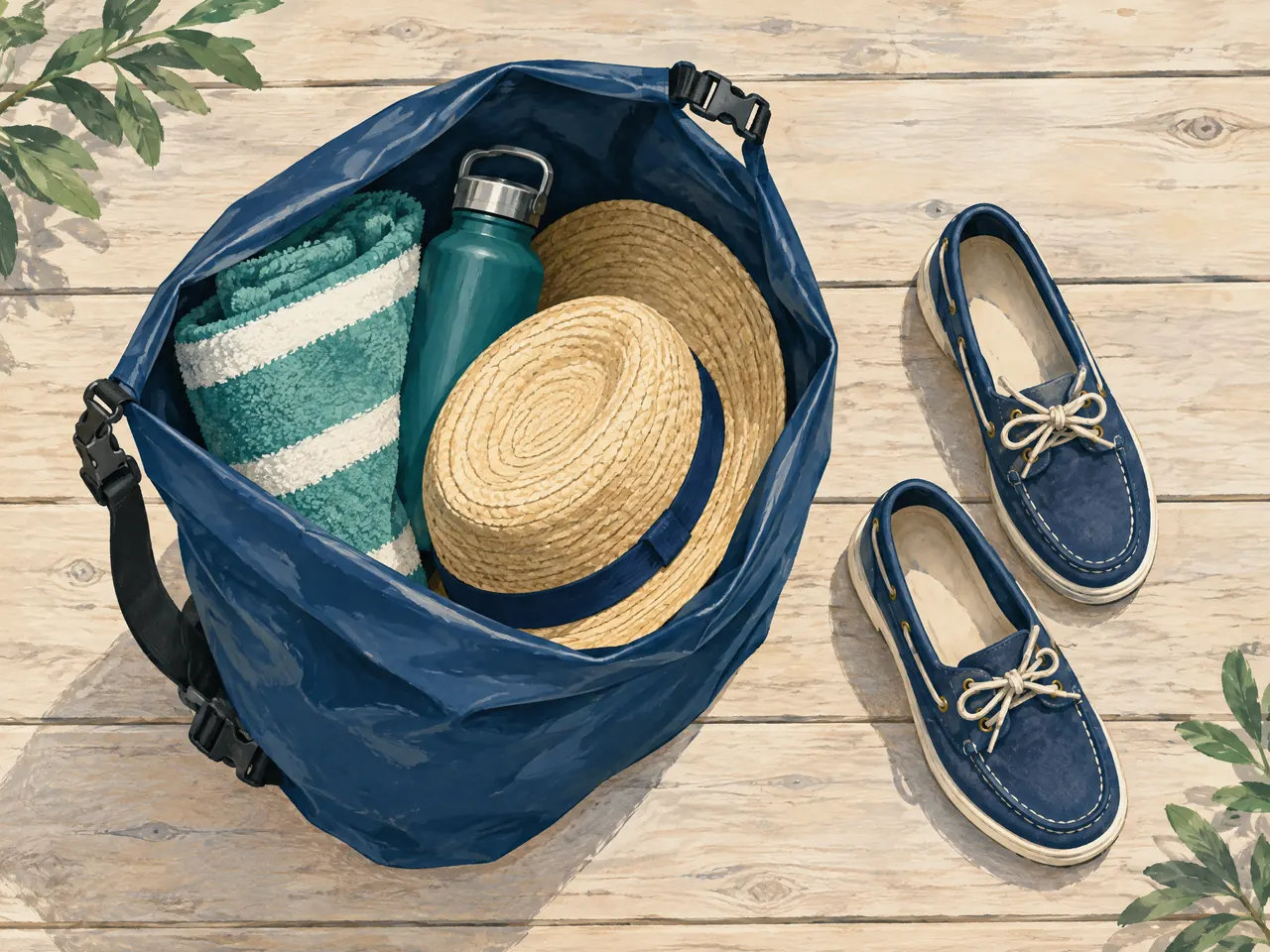
Illustration of an open dry bag holding a towel, water bottle and sun hat beside deck-shoe silhouettes on an abstract timber surface
Conceptual personal outing items for questions about packing and facilities; not a required shopping list or an actual boat-day record.Generated illustrative image

Clinic enquiries

Contact and appointment arrangements

Clinics
Prince Edward and Kwun Tong
Opening hours
11:00–21:00
WhatsApp and telephone
+852 6940 5663

Appointments, practitioner availability and service arrangements are confirmed via WhatsApp.

Please mention any consultation language needs in your WhatsApp enquiry so that arrangements can be confirmed.

Enquire via WhatsApp
Food, gifts and floral lifeWhatsApp enquiry