Put equipment arrangements in two separate columns
Turn the equipment part of your quote into a short record for each partner. Beside every item the provider identifies, note whether it is supplied, rented separately or something that learner is expected to bring. If one partner owns equipment, identify it in that person's column and ask whether it is suitable for the proposed programme. Do not let a single line saying equipment included stand in for two clear arrangements.
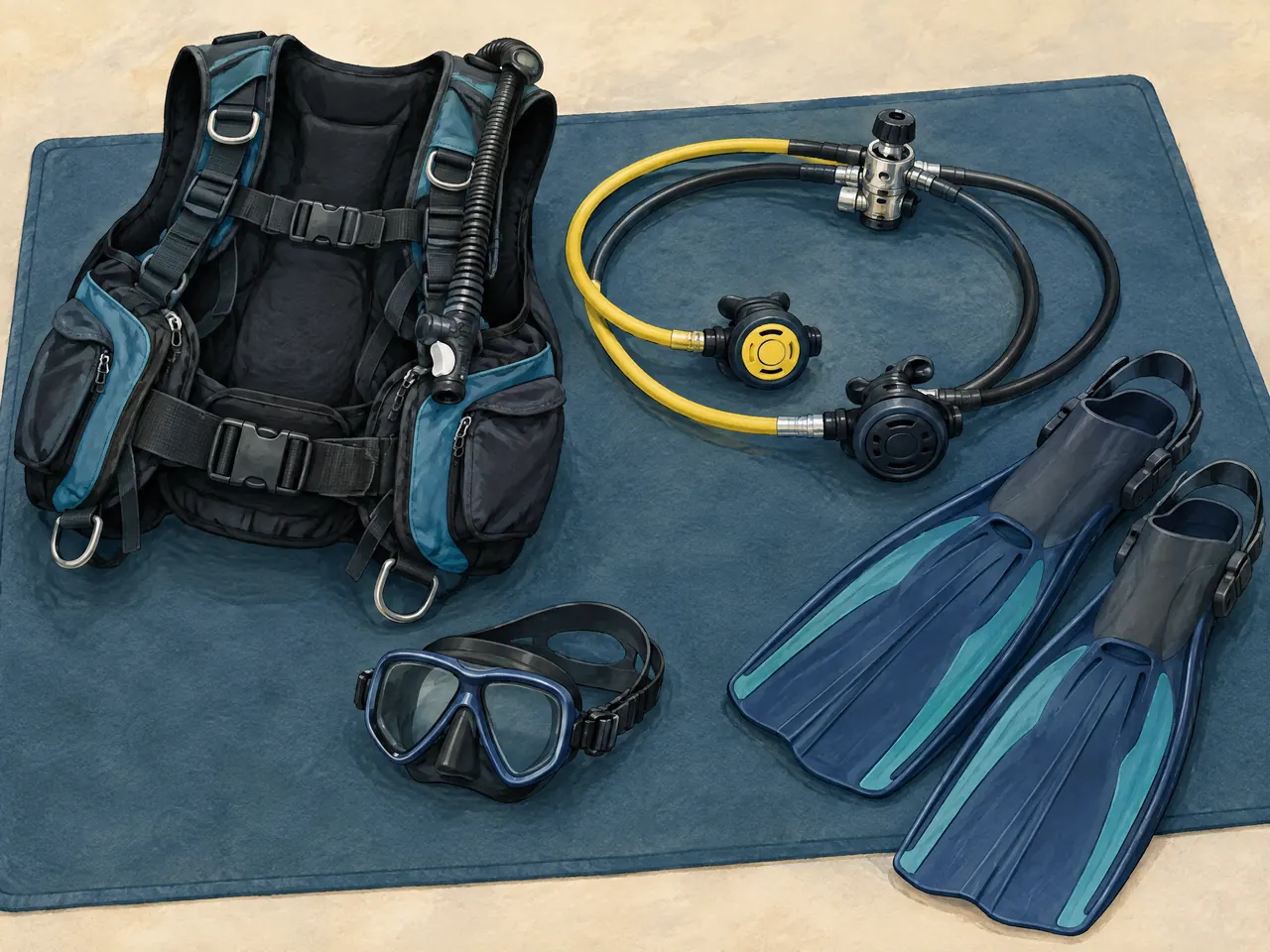
Use the illustrated buoyancy compensator, regulator assembly, mask and fins as prompts for that conversation, not as a complete packing list. Ask where each person's equipment will be issued, whether either learner needs to collect anything beforehand, and who will handle it between sessions. Save the answer with your quote so a shared journey does not conceal a separate collection appointment.
Give each partner their own equipment-fit conversation
Include a separate equipment question from each learner in your enquiry. One person may have used a mask before, while the other has never tried scuba equipment. Describe any remembered difficulty in ordinary language, then ask how the instructor will address fit and familiarisation for the actual programme. An experienced partner can help remember the question, but should not decide what feels comfortable for the other person.
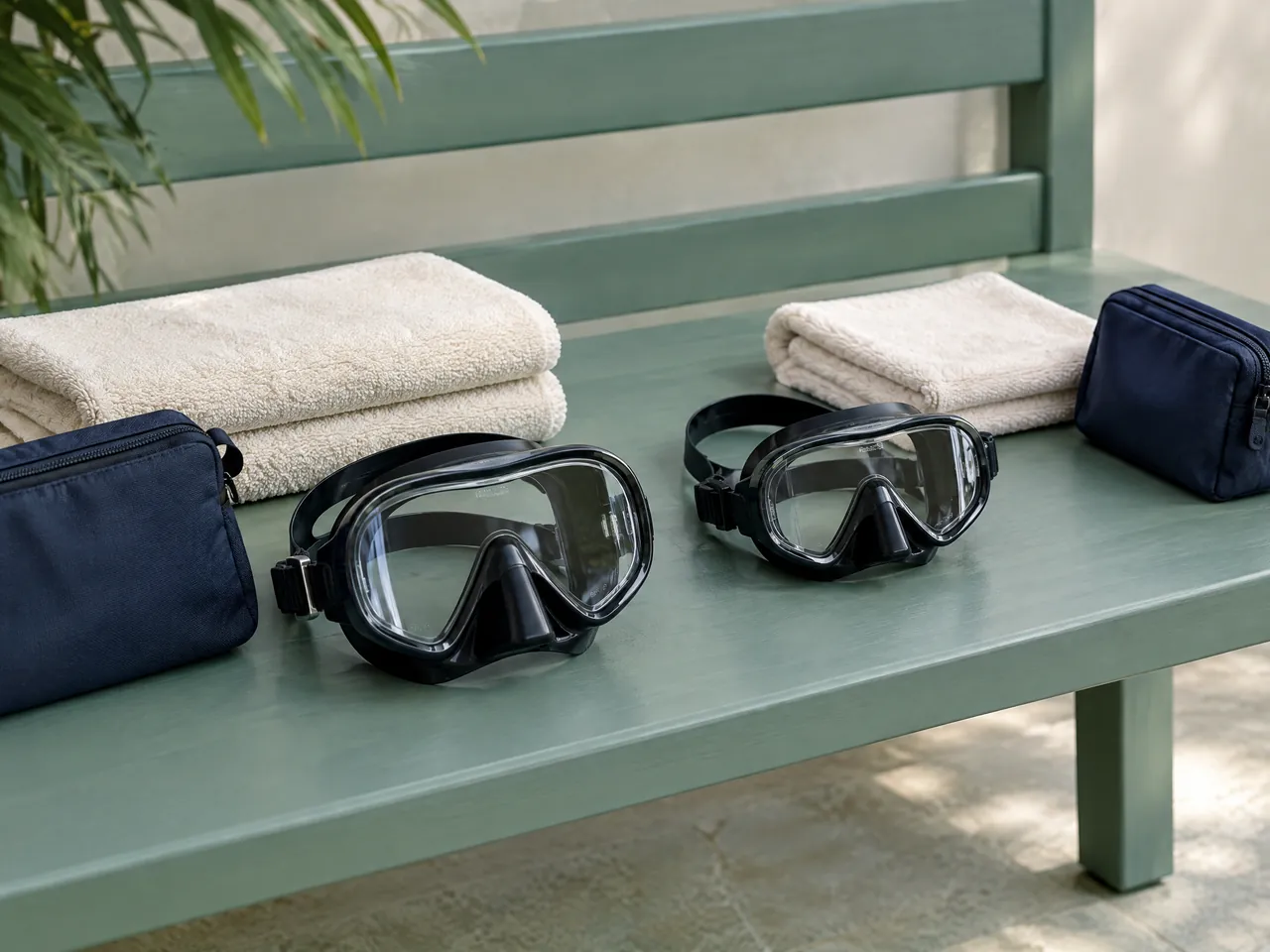
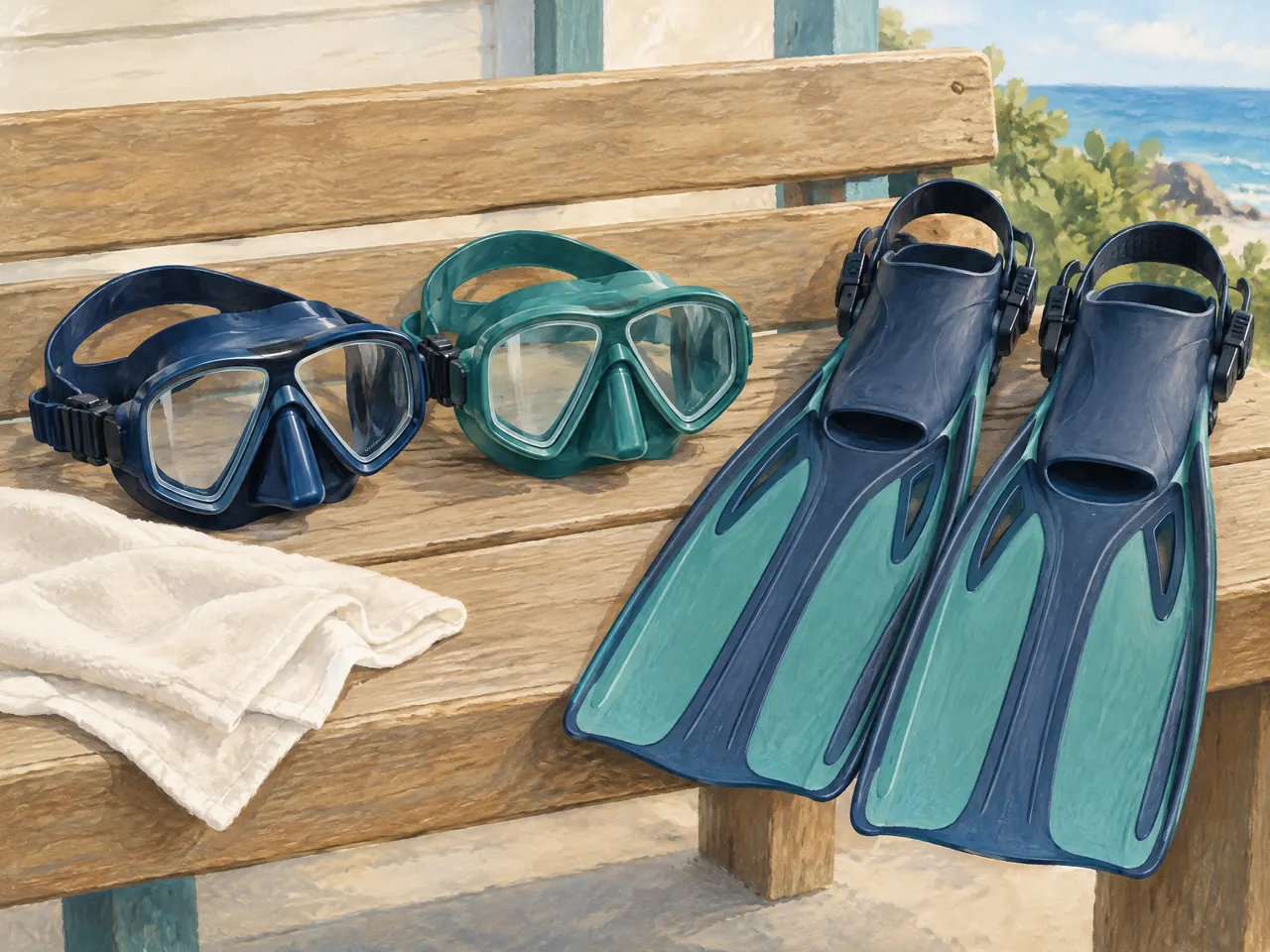
The two masks and separate fins in the illustration represent two individual discussions, not a matching set you must buy. Before purchasing equipment for both, ask whether an opportunity to discuss options is part of the proposed arrangement and what, if anything, you need beforehand. Keep purchase decisions separate from accepting the course quote; a couples booking is not a reason to assume the same equipment choice will suit both learners.
Track appointments together and preparation individually
Make a shared appointment record alongside two personal preparation records. Use only the stages named in your provider's course outline. For each learner, leave space to record the preparation requested, the question they want to ask and the next step confirmed by the instructor. Put transport and meeting details in the shared record, rather than treating a common appointment as evidence that both people have completed the same preparation.
The separated book, pool model and open-water model illustrate why different parts of a learning plan need their own questions; they do not establish a syllabus for your booking. When either person's next step changes, ask which appointment details need updating and whether the other learner's plan changes too. This gives both partners a way to organise the course without judging each other's progress.

Plan how a changed-session message reaches both people
Before coordinating leave or travel, ask how the provider communicates a session change and whether both participants can receive the update. Agree between yourselves who checks the reply, how you will share it and which personal commitments each partner must reconsider. Record a proposed replacement separately from a confirmed appointment so one person's quick reply does not become an assumed agreement for both.
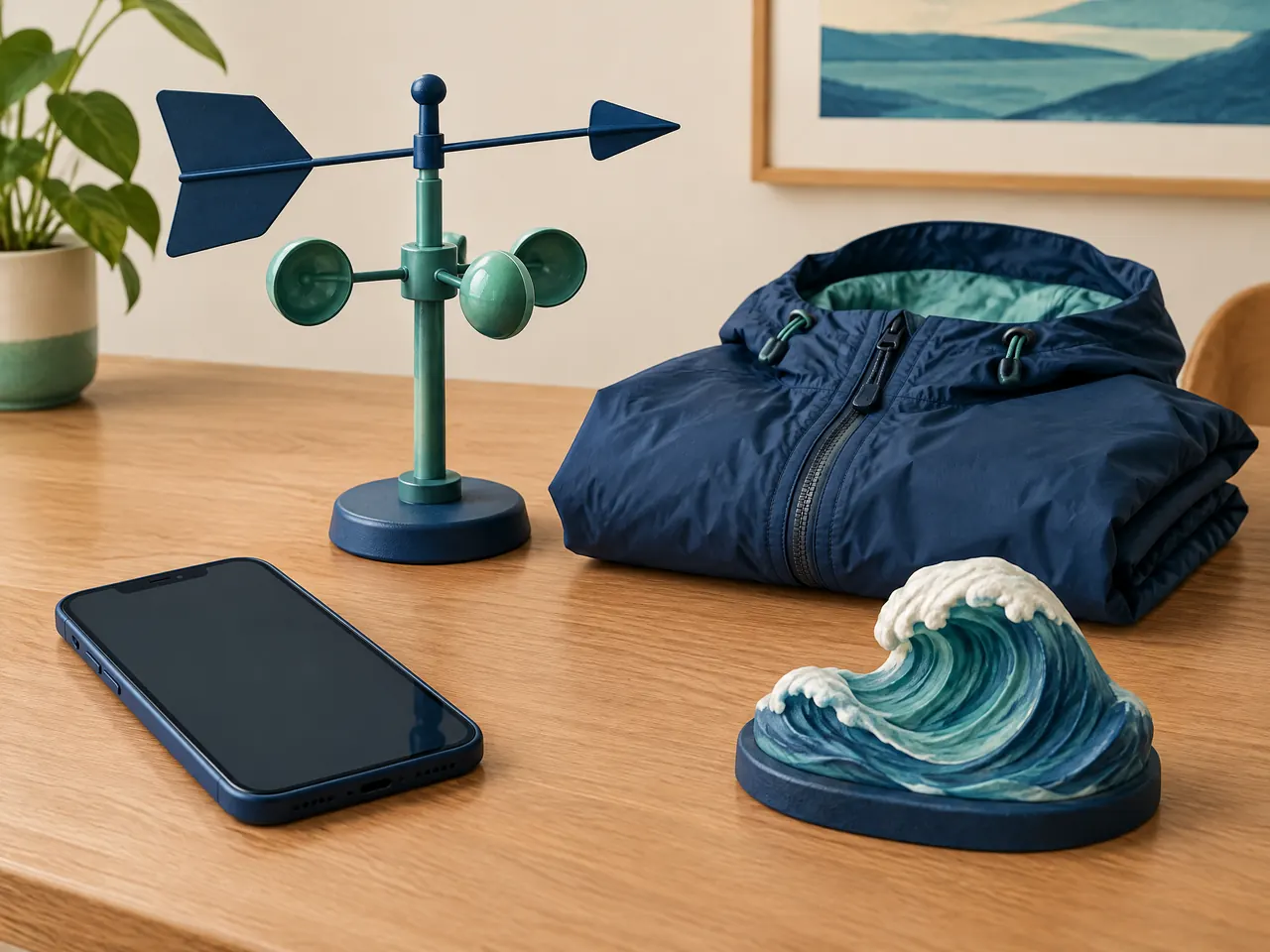
Keep the course arrangements and your own travel arrangements in separate notes. If weather or operating conditions affect a session, ask what the provider has confirmed about the meeting point, attendance and next available discussion. Do not interpret a phone forecast or the abstract weather objects shown here as permission to proceed. The illustration is a reminder to clarify communication and logistics, not guidance on safe diving conditions or entitlement to a replacement session.
Separate a shared outing bag from the training equipment
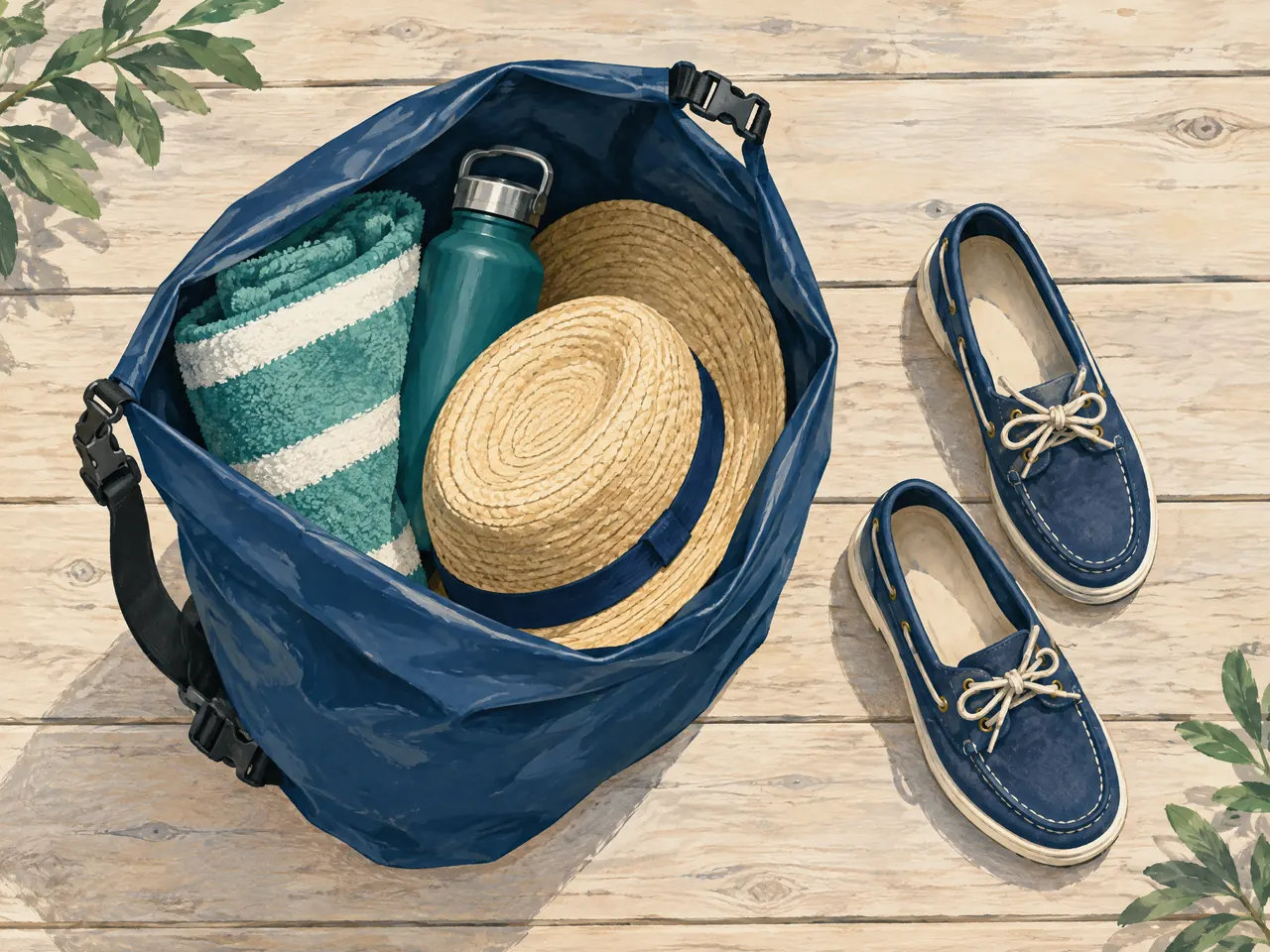
If your confirmed plan includes travel or a boat outing, ask for the provider's personal-items guidance as well as its equipment arrangements. The dry bag, towel, bottle and hat shown here are conversation prompts, not a statement of what your booking includes. Ask about storage, changing arrangements and the return journey before deciding what to pack or leave behind. Check the arrangements for the specific session rather than carrying assumptions from a different outing.
For a shared bag, agree who brings each item and whether either person needs access to it separately. If your learning sessions may split, ask about the practical meeting and departure arrangements rather than relying on one bag or one ride to keep you together. Where a partner is not participating, enquire about access separately; do not assume that packing for a day together creates an observer place or permission to use the same facilities.