Label appointments by purpose, not just by day
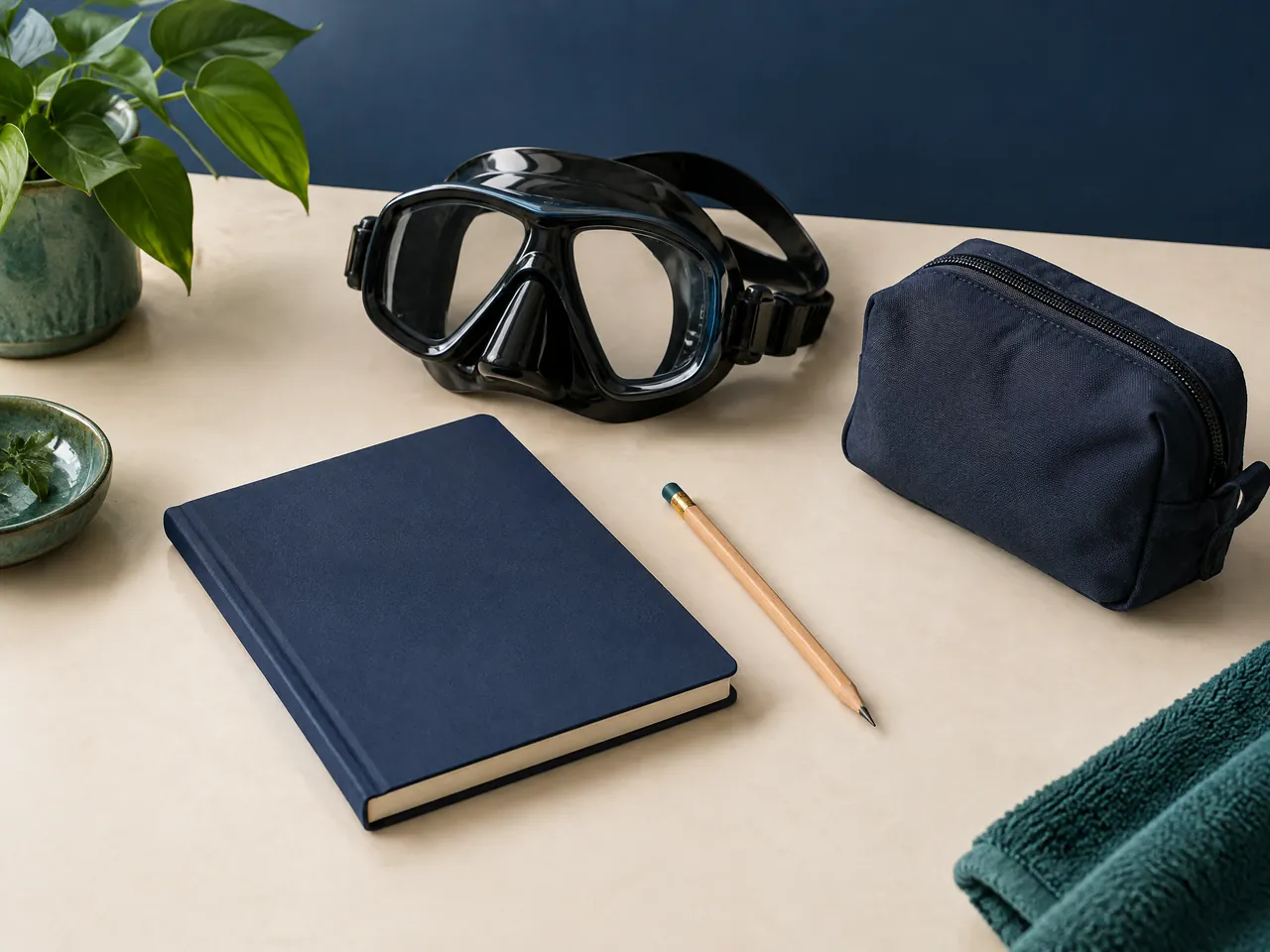
When a proposed schedule arrives, add a purpose note beside each appointment: study discussion, supervised pool practice or separate open-water attendance, as applicable to the programme the provider confirms. Then add the preparation needed before that appointment and the journey from your actual starting point. If an evening slot is still described simply as a lesson, ask what it contains before blocking your diary. The separated book, pool and water models illustrate those planning distinctions; they are not a syllabus or a promise that training will follow a particular timetable.

Allow time for equipment questions before training
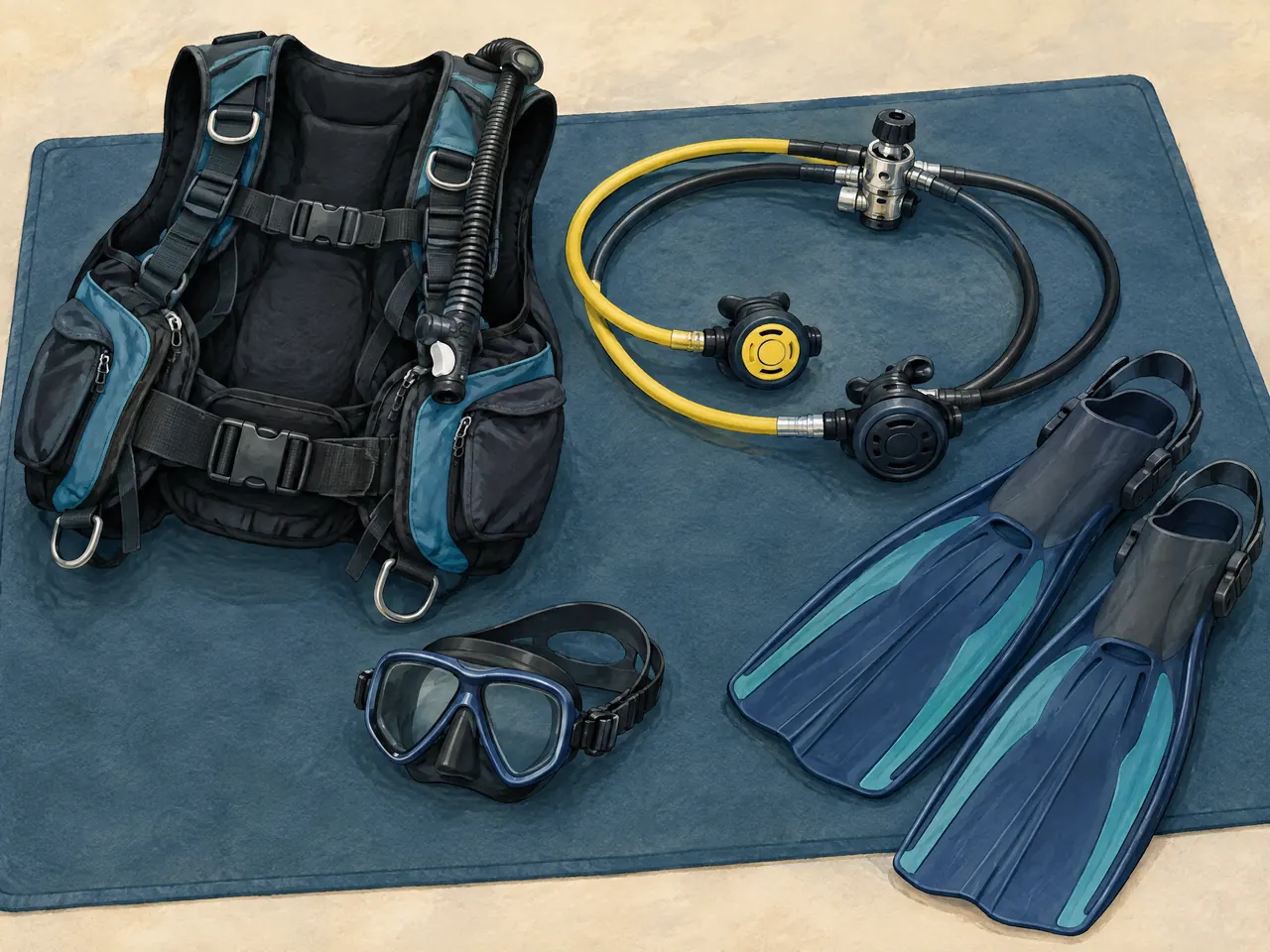
Ask whether the practical appointment includes time to receive supplied equipment and discuss anything unfamiliar, or whether the provider needs you ready earlier. Clarify what you bring yourself, what is supplied and where your belongings can go during the session. This makes equipment responsibilities part of your arrival plan rather than a surprise after leaving work. The separately arranged scuba items are prompts for that conversation, not a rental inventory. Do not buy items simply because they appear in the illustration; first confirm the requirements for your own booking.
Raise fit concerns before an after-work rush
If you already have a question about mask or fin comfort, include it in your preparation message instead of waiting until the lesson is about to start. Ask when equipment fit can be discussed with the instructor and whether any related arrangements affect the arrival time. Keep that conversation separate from choosing the shortest journey or latest possible departure from work. The two masks and adjustable fins illustrate the kinds of items you may need to ask about; they do not show a fitting technique, recommend a model or demonstrate suitability for you.
Pack for the confirmed setting, not the course label
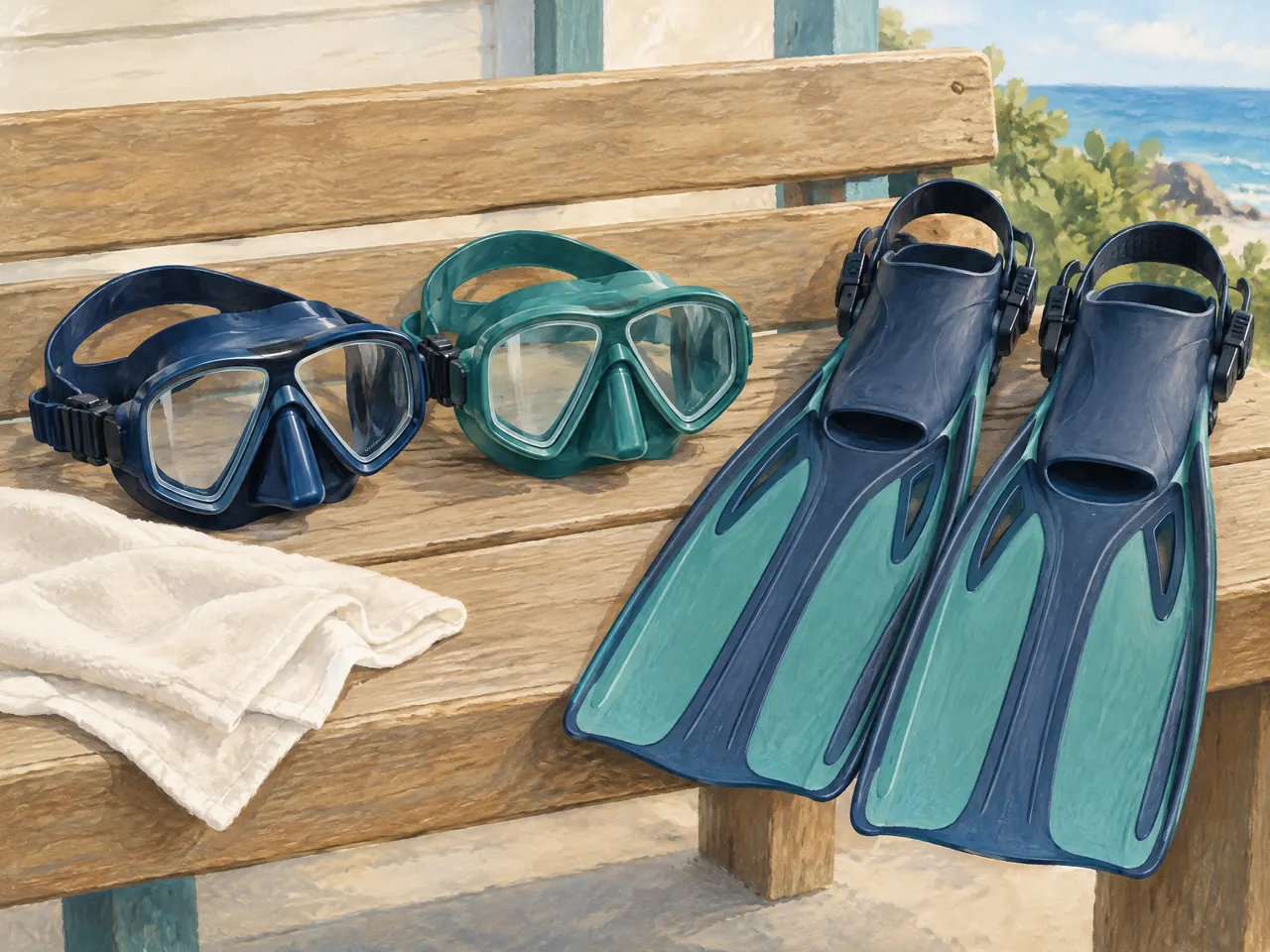
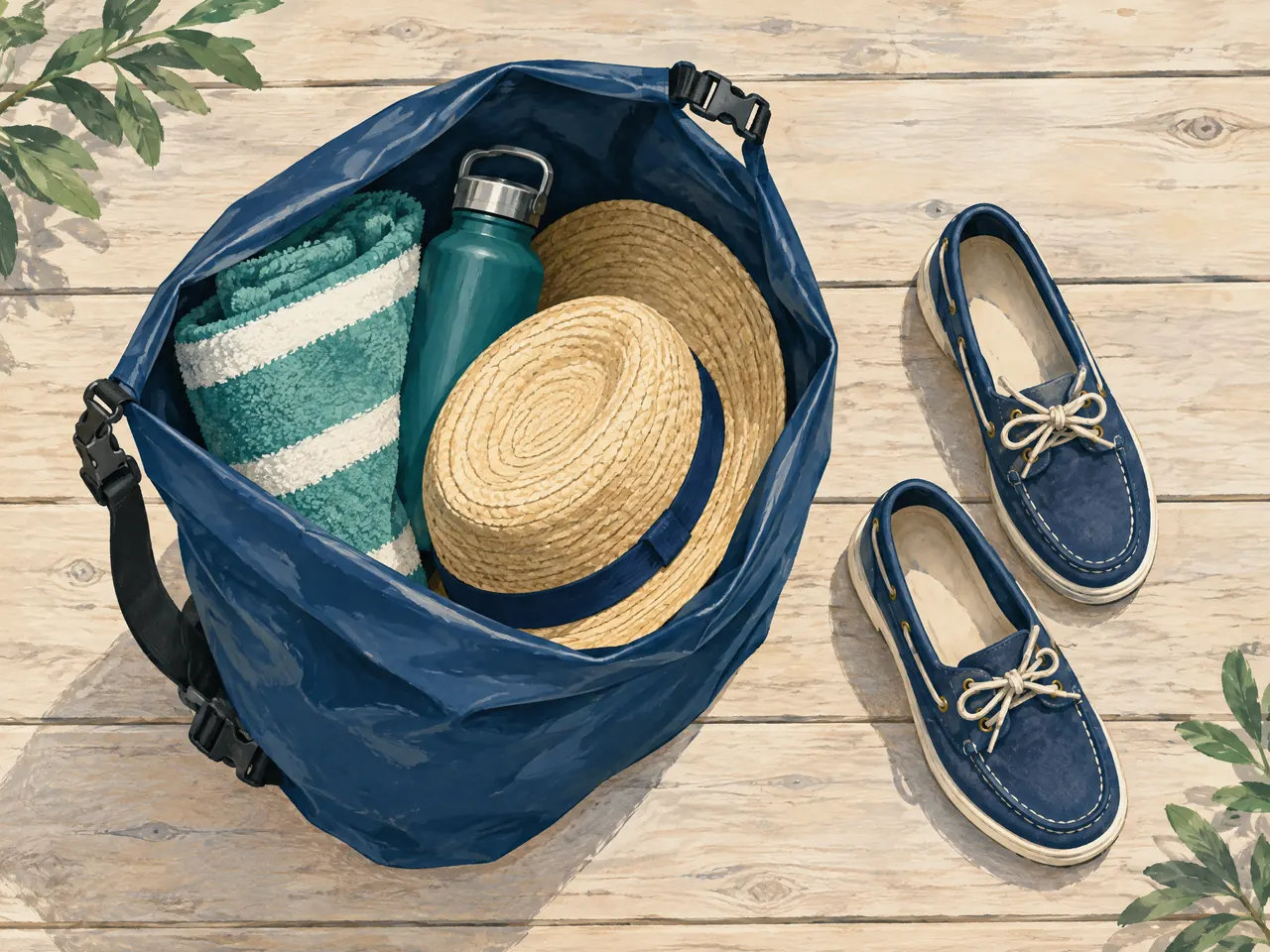
Make separate packing notes for the appointments actually confirmed. An evening discussion and a separate outdoor practical day may call for different personal belongings; ask the provider rather than carrying everything to every session. Keep work documents apart from towels or items that may return wet, and ask about changing and storage arrangements before deciding how to travel. The dry bag, towel, bottle and hat illustrate personal packing questions for a possible outing. They are not a complete kit list, specialist scuba equipment or evidence that your booking includes a boat trip.
Agree how to check for changes before leaving work
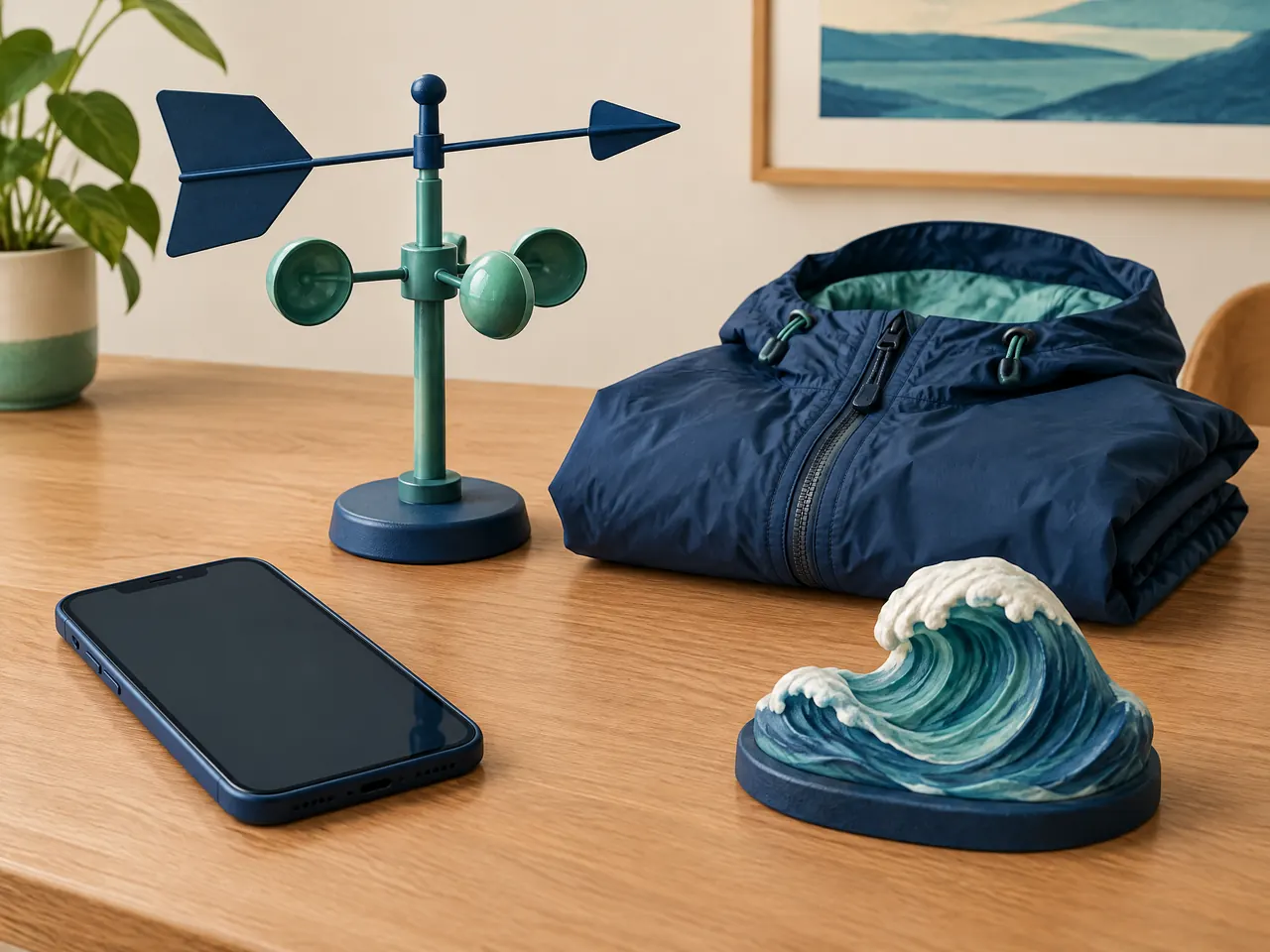
For a practical date, ask which agreed channel carries weather or operational updates and who will confirm a revised meeting arrangement. Keep that contact method with your booking summary so you can check it before leaving work, rather than relying on an earlier diary entry. If a change is announced, confirm which appointment it affects and what remains undecided before rearranging leave or transport. The blank phone and weather models are reminders to ask about communication, not a forecast, a live notification or guidance on conditions suitable for diving.
Prepare the return home as well as the lesson bag
Before selecting an evening appointment, look at what will still need doing when you get home. Prepare the next working day's essentials in advance where practical, and decide whether the expected return leaves a realistic opportunity to wind down and sleep. If the lesson and commute would leave you rushing straight into another demanding day, discuss a different arrangement before committing. The quiet room illustration makes that planning question visible; it does not treat sleep problems or establish readiness to dive. An organised evening cannot substitute for appropriate advice when you are unwell.