
Prince Edward & Kwun Tong clinics · Home-visit enquiries elsewhere

TCM Lab

TCM Lab · Outdoor learning & coastal life / Coasts and boat outings

Boat-dive prices: ask about qualifications, equipment and meeting details

Content updated

A useful boat-dive quote describes the day you can actually join: the appropriate activity, the support you need, the equipment you will use and a meeting plan you can follow. Start with those details before comparing the total.

Illustrative coastal outing preparation objects
AI-generated illustrative concept; not an actual DiveHarbour class, student or dive-site record.

The short answer

Send your certification agency and level, recent diving history, preferred dates and rental needs. Ask whether the proposed booking is a certified recreational outing, guided diving or refresher teaching, then request an itemised total and written meeting, weather and payment terms. A seat on a boat does not by itself include instruction or establish readiness for the planned outing.

DiveHarbour is a separate diving school under the same ownership as TCM Lab. Diving courses and activities are separate from Chinese medicine care; reading this collection or visiting TCM Lab does not replace medical fitness-to-dive assessment or clearance.

Book the service, not just a place on the boat

Before comparing prices, write down what you want from the day. An active certified diver might want a recreational outing with a familiar buddy. A diver returning after inactivity might need supervised practice first. A friend without certification needs a separate discussion about an introductory experience or training. Those requests are not interchangeable, even if everyone hopes to travel together. DiveHarbour’s Hong Kong fun dive page describes recreational participation for certified divers and discusses refresher support as a different need. [2]

Keep transport and teaching separate in your enquiry. Ask, ‘Is this quotation for recreational participation only, or does it include an agreed teaching session?’ If you want to revisit knowledge and skills, say that before requesting a date. Otherwise, an operator could answer your request for boat access without knowing that you expect individual instruction. Clarifying the service first also makes the eventual equipment list and total more meaningful.

A refresher is not automatically a new qualification. NAUI describes its own Refresher Scuba course as supervised, non-certification continuing education for re-establishing proficiency after inactivity. That description concerns the NAUI course, not every review offered by every operator. Ask what the proposed programme is called, which agency applies if relevant, and whether any completion record is provided. Do not treat a recreational booking or refresher record as certification for a different activity. [3]

Explain what your qualification reflects today

Your certification card is a starting point, not a full description of your recent diving. Give the agency, exact qualification title and approximate date of your last dive. Add a brief description of those recent outings: whether they were from shore or a boat, whether you used your own equipment, and how comfortable you felt. DiveHarbour asks about certification and recent experience when discussing boat arrangements. There is no need to inflate a logbook total to make the enquiry sound stronger. [1]

If booking with friends, provide a short profile for each participant rather than saying the whole group is experienced. One person may have been diving regularly while another has not used scuba equipment since their course. Ask whether everyone can join the proposed format and whether anyone needs a separate review beforehand. A shared leisure plan can still leave room for different preparation; it should not require the least-practised person to pretend they are ready.

Health changes deserve a separate, private conversation. DAN advises honest completion of the diving medical questionnaire and consulting a physician when indicated. Ask which current form the operator requires, complete your own answers and seek appropriate medical advice if necessary. Do not change medication to fit a boat booking. Reading this TCM Lab lifestyle article or attending a TCM consultation does not replace a fitness-to-dive assessment. [5]

Compare complete quotes rather than headline figures

A useful comparison starts with the same request sent to each operator. Specify the activity, group size, preferred date and personal equipment needs, then ask for the total for that arrangement. DiveHarbour’s Hong Kong boat dive price information explains that pricing depends on the trip format, inclusions and confirmed logistics. Use it to frame an enquiry, rather than assuming a general listing covers your chosen departure or a teaching request. [1]

Request separate confirmation of boat transport, the planned number of dives, cylinders and weights, equipment rental, and professional support. Also ask whether any transfer or other charge is excluded. These are questions to settle, not a claim that every booking includes those items. If an answer says ‘equipment included’, ask for the actual list. A package that omits something you must hire may cost more for you than a higher headline figure covering your needs.

Check whether the quoted total is per person or for the group, and whether it changes if fewer people attend. For a group, your own notes can show each person’s total with their particular rental or review requirements. Do not divide a single estimate equally if the services differ. Keep the dated written quote and the final agreed inclusions together, so later arrangements are not based on an old screenshot or a remembered conversation.

Ask who is guiding and who is teaching

‘Support included’ is too broad to tell you what has been booked. Ask whether a professional will accompany the recreational group, whether instruction is included, and which role that person will perform. DiveHarbour’s fun-dive information distinguishes guiding from a refresher aimed at personal proficiency. A guided outing should not be assumed to provide the time, setting or teaching scope of a refresher simply because a professional is present. [2]

Where teaching is proposed, ask the operator to confirm the assigned instructor’s name, relevant agency qualification and current authorisation for the programme. Ask how you can verify those details and whether the teaching has appropriate insurance coverage. GovHK advises learning with an instructor recognised and certified by an international diving organisation and checking instructor insurance. This is a reason to ask specific questions, not evidence that an unnamed future instructor holds any particular credential. [4]

Find out how the proposed support fits your group: who is being taught, how much time is reserved for that purpose, and whether the activity is shared with divers pursuing a different goal. You do not need a promise of constant personal attention. You need a clear description of what the professional has agreed to do. If your main concern is rusty practice, explain that directly instead of hoping it will be addressed informally during someone else’s recreational day.

Settle equipment needs before the departure

Make two short lists: equipment you will bring and equipment you need to hire. Include sizing information requested by the operator, and flag anything unfamiliar rather than assuming you can sort it out on the moving boat. GovHK recommends suitable, familiar, well-maintained equipment that fits the diver. Rental availability alone does not establish a suitable fit. Ask when there will be an opportunity to check it and obtain professional guidance before the outing. [4]

Confirm which items are included, which must be reserved separately, and where collection and return happen. If you have only some personal equipment, request the remaining items individually instead of accepting an undefined ‘full set’. Ask about suitable exposure protection for the proposed day and whether there is storage for bags after changing. For your own equipment, raise any outstanding servicing concern with a qualified service provider rather than making the boat date a reason to defer it.

Keep the comfort bag distinct from the dive equipment reservation. Drinking water, sun protection, a dry layer and protected storage for essential documents can make the travel day easier without adding an excessive load. Ask what refreshments or facilities are actually provided. If boarding access, seasickness or carrying equipment concerns you, describe the issue beforehand. An answer may affect whether you join this particular boat arrangement, not merely which accessories you pack.

Make the meeting arrangements usable

A location name is not a complete meeting instruction. Ask for the precise meeting point, preferably with a written description or map pin, and establish whether you are meeting at the boat, an equipment collection point or somewhere else. Confirm the required arrival time separately from departure. DiveHarbour’s boat page asks customers to confirm meeting, departure and estimated return details; it does not establish a fixed timetable for every booking. [1]

Work backwards from the confirmed arrival requirement using your actual transport options. Leave room for finding the meeting point, handling bags and any agreed equipment collection. If travelling with friends, make sure each person has the same latest instruction rather than forwarding fragments from different messages. Ask how a last-minute update will reach you and whom to contact through the operator’s booking channel if you cannot locate the group.

Treat the return as an estimate when arranging your evening. Avoid a tight onward commitment that would create pressure if the day takes longer than expected. Confirm any practical constraints you have before paying, including access needs or a time by which you must leave. Do not assume those constraints can be accommodated. Clear logistics are part of choosing an outing that suits you, rather than an administrative detail to resolve after the price has been accepted.

Agree weather and payment terms before committing

Ask when departure status is confirmed, how changes are communicated and what happens if the proposed site or activity cannot proceed. GovHK notes that visibility can deteriorate quickly with tide and wind and advises checking weather before departure. A paid booking is not a promise of a particular site, calm sea or completed itinerary. Ask how an alternative plan would be checked against your group’s experience and agreed support. [4]

Read the financial terms alongside that operational explanation. DiveHarbour’s published fee block states that all fees are non-refundable and make-up sessions are subject to written terms. Do not interpret a weather-related change as a guaranteed refund or free replacement date. Request the terms applicable to your booking before payment, including how they address non-attendance, changes and any permitted make-up arrangement. If a spoken assurance seems different, ask for written clarification before committing. [1]

A concise final enquiry could read: ‘We are certified divers with these qualifications and recent dive dates. One participant wants refresher support, and these are our rental needs. Please confirm the suitable activity, professional roles, itemised total, meeting and estimated return details, and the applicable weather and payment terms.’ Replace each description with your group’s real information. The resulting answer should tell you what you are buying and what still needs confirmation, not merely whether a seat appears available.

Take it into everyday life

A practical checklist

  • Record each diver’s certification agency and qualification, recent dive date and relevant experience separately.
  • State whether you want recreational participation, guiding, refresher teaching or advice on a different learning route.
  • Request confirmation of professional roles and, when teaching is proposed, the relevant instructor credentials and insurance.
  • Obtain a dated itemised quote with the price basis, inclusions, rental requirements and any excluded charges.
  • Reserve the required equipment and confirm fit-check, collection, return and storage arrangements.
  • Save the exact meeting point, required arrival time, departure information, estimated return and update channel.
  • Read non-refundable fee terms and the conditions for any make-up arrangement before payment.
  • Complete your own required medical questionnaire honestly and seek appropriate medical advice when indicated.

Questions & answers

Does a recreational boat-dive price include a new qualification?

Not by itself. Boat access and recreational participation are different from a certification course. Ask what activity is being sold and whether teaching is included. If your goal is a qualification, request the relevant programme, prerequisites and completion requirements rather than assuming a boat outing supplies them. [1] [2]

Is a guided dive the same as a refresher?

Do not assume so. A guide’s agreed role on a recreational outing differs from teaching designed to revisit your proficiency. Tell the operator what you want help with and ask for the proposed format, setting, professional role and any separate cost. The label ‘guided’ alone does not describe a refresher programme. [2]

Can I choose the cheapest advertised price and add equipment later?

You can ask about extras, but compare the total after your rental and support needs are known. A low headline figure may exclude items you require. Request the equipment list, availability, any separate professional support and the full amount for your booking before deciding. [1]

What if I hold a certification but have not dived recently?

Give the actual qualification and last dive date, and describe your present confidence and equipment familiarity. Ask whether review or further preparation is needed for the intended outing. Requirements depend on the applicable programme and operator assessment; do not apply one agency’s refresher provisions universally. [2] [3]

Can a friend without certification join our recreational booking?

Do not book that person as a certified recreational diver. Ask separately about an appropriate introductory or training activity and whether travelling with your group is possible. A common boat ride, if available, would not make the participation requirements or teaching needs identical. [1] [2]

What meeting information should I have in writing?

Keep the exact location, required arrival time, departure information, equipment collection instructions if applicable, estimated return and the channel for updates. Check which version is current. A destination name or old departure screenshot is not enough to organise a reliable journey to the meeting point. [1]

Will I automatically get a refund if the weather changes?

No automatic refund should be assumed. DiveHarbour’s published fee block says all fees are non-refundable, with make-up sessions subject to written terms. Ask how the terms apply to a weather-related change before paying; neither a free replacement date nor a refund is guaranteed by this article. [1]

Sources & further context

Numbered references follow the source order below. Course websites describe their own programmes; health and coastal sources have separate purposes and do not endorse commercial course quality.

  1. [1] DiveHarbour — Hong Kong boat diving
  2. [2] DiveHarbour — Hong Kong Fun Dives and Refresher Dives
  3. [3] NAUI — Refresher Scuba
  4. [4] GovHK — Useful Tips on Diving
  5. [5] Divers Alert Network — Health Status

Turn a rental reply into a handover plan

For each hired item, note whether it has been requested, confirmed and checked for fit or familiarity. These are different stages: naming an item in your first enquiry does not reserve it, and a reservation does not explain when you will check it. Ask where you can review the actual equipment with the operator and how a concern would be handled before boarding. Use the equipment illustration to organise those questions, not as a complete packing list or instructions for setting up scuba equipment.
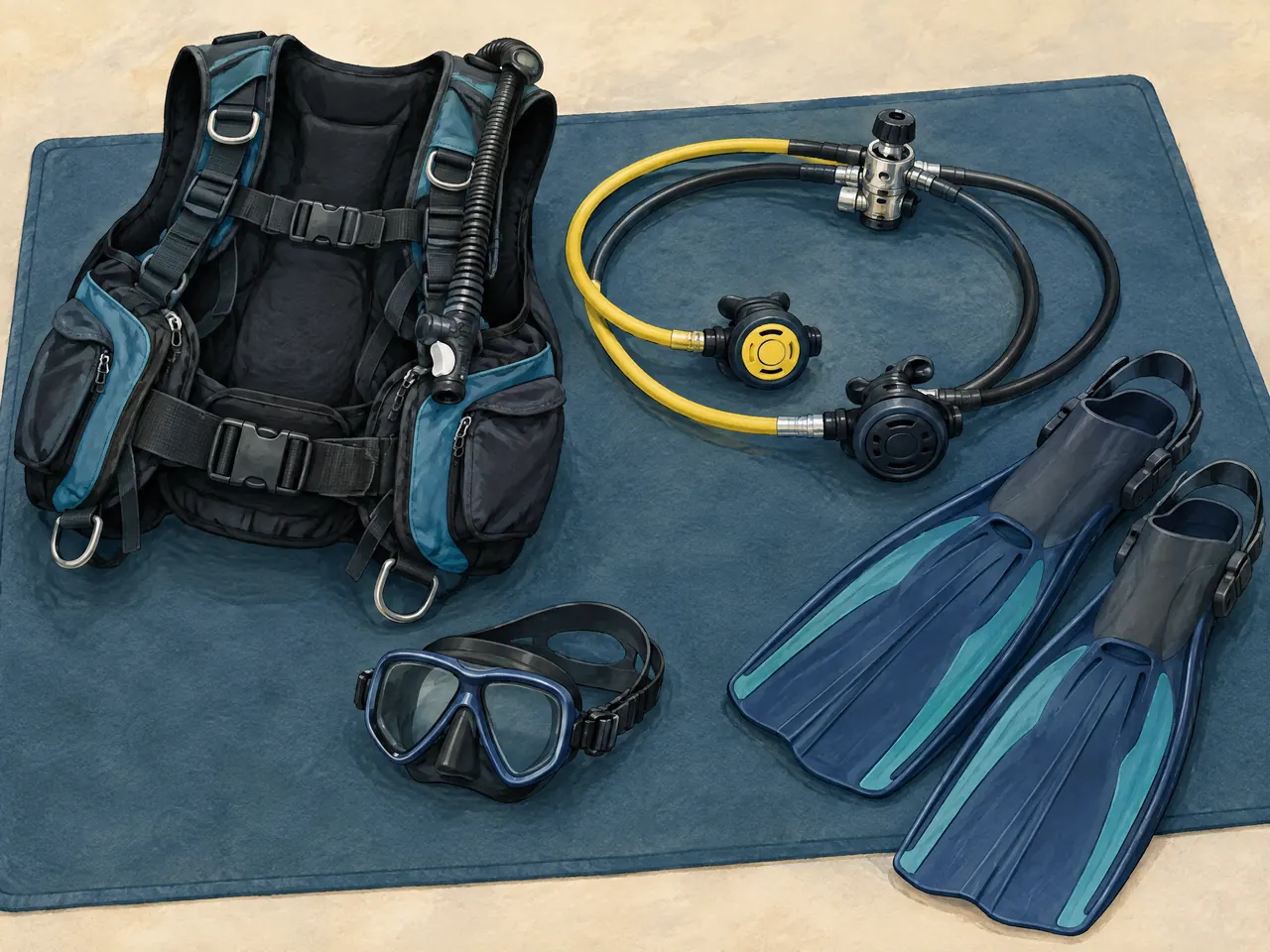
An unbranded buoyancy compensator, regulator assembly, mask and fins arranged separately on a dry preparation mat
Illustrative equipment objects for organising rental and handover questions; not an actual provider's equipment inventory or a setup guide.Generated illustrative image

Keep fit questions beside the rental confirmation

If the reply refers to a standard rental set, ask whether the mask and fins can be considered separately when discussing comfort. Give the sizing information requested and mention any fit issue you remember from previous dives. Agree when an unsuitable item can be raised with staff rather than treating a confirmed rental charge as proof of a suitable fit. The pictured alternatives do not identify available stock or a model suitable for you.
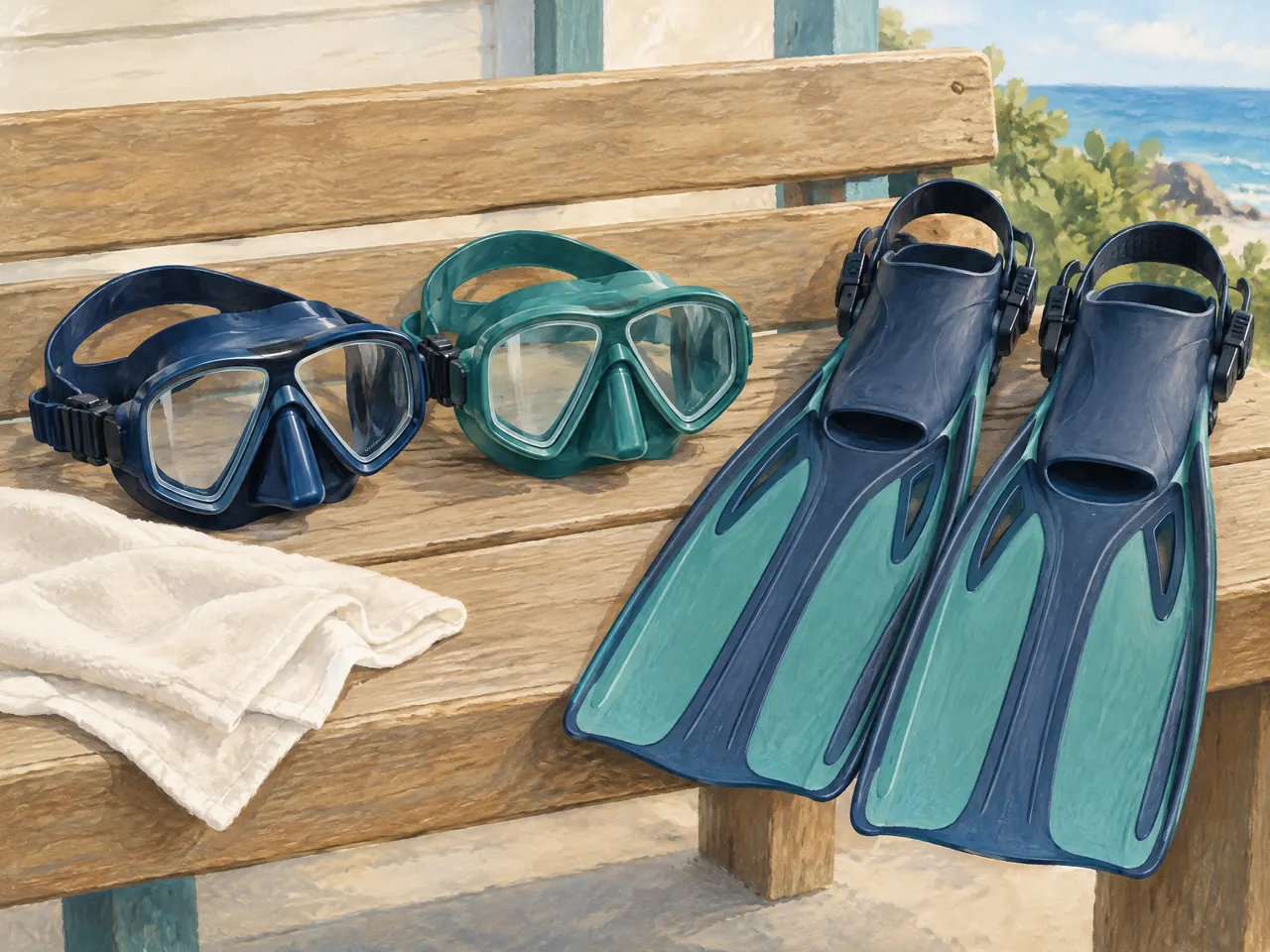
Two generic scuba masks and separate adjustable fins on a bench beside a clean cloth
Conceptual mask and fin alternatives for discussing fit with the operator; no particular model, availability or personal suitability is implied.Generated illustrative image

Give refresher teaching its own appointment details

When a quote combines refresher support with a boat outing, ask for two descriptions: the learning session and the recreational day. Put the purpose, setting and professional role beside each one, and confirm whether they happen together or on separate occasions. The book, pool and cove illustrate different contexts to discuss, not required stages of every refresher. If the reply names only the boat departure, the teaching arrangement still needs an answer before you compare that quote with a recreational-only offer.

A closed book, miniature empty pool and separate abstract open-water cove arranged as a conceptual desk model
Separate learning and water-setting concepts for clarifying a proposed refresher; not a syllabus, mandatory sequence or actual course venue.Generated illustrative image

Ask what a change message will tell you

Before payment, ask what a change notice will tell you: whether to travel to the original meeting point, whether a different location or activity is proposed, and how to reply if your group's needs no longer match it. Keep that operational answer with the applicable written payment terms. A new meeting instruction is not itself an agreement about a refund or make-up session. The weather illustration does not indicate a forecast or a safe operating threshold.
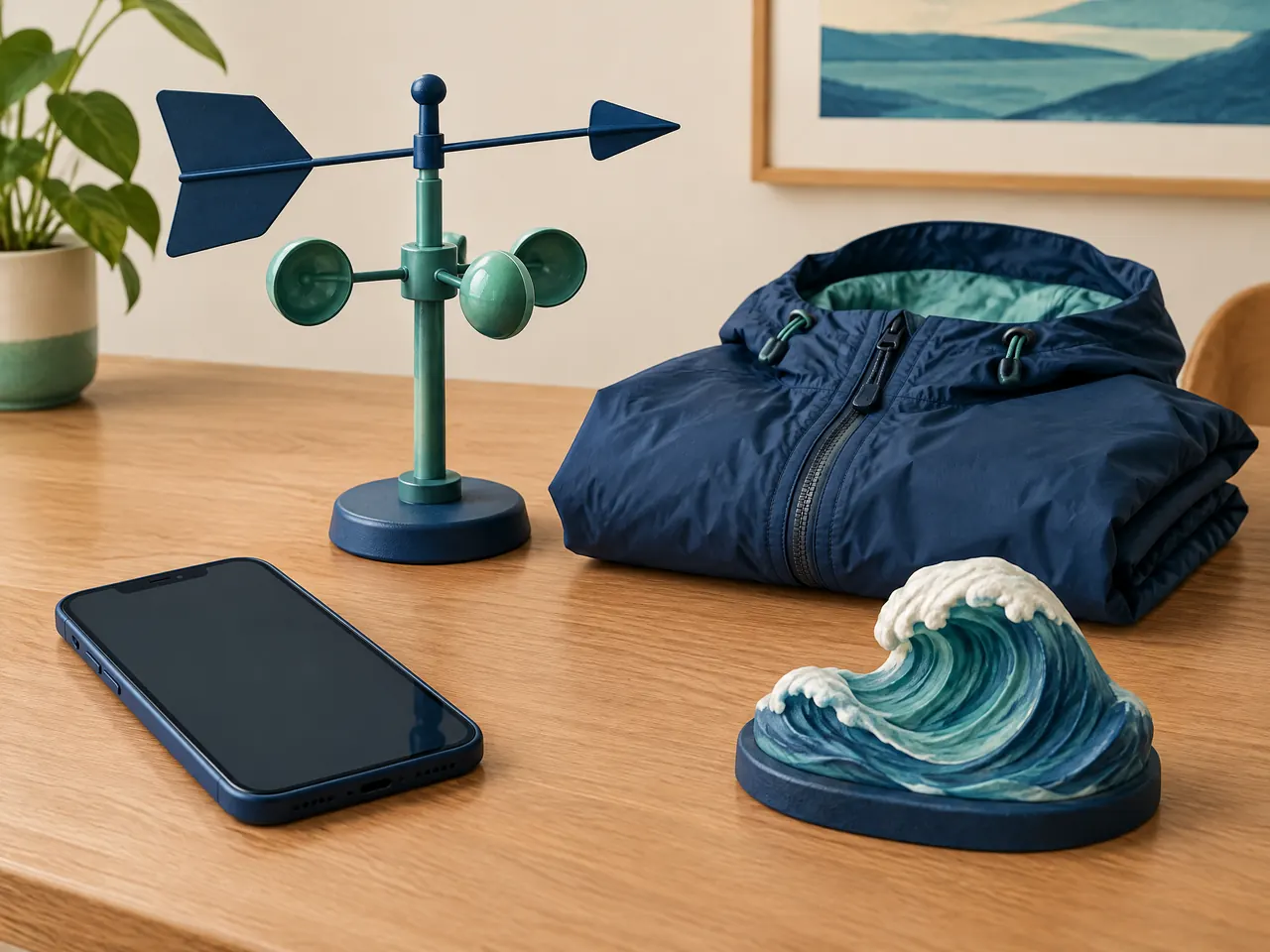
An unbranded phone with a blank screen beside a wind-vane model, rain shell and miniature wave sculpture
Illustrative objects for planning weather-update questions; not a live forecast, departure confirmation or assessment of diving conditions.Generated illustrative image

Assign a place to personal belongings before boarding

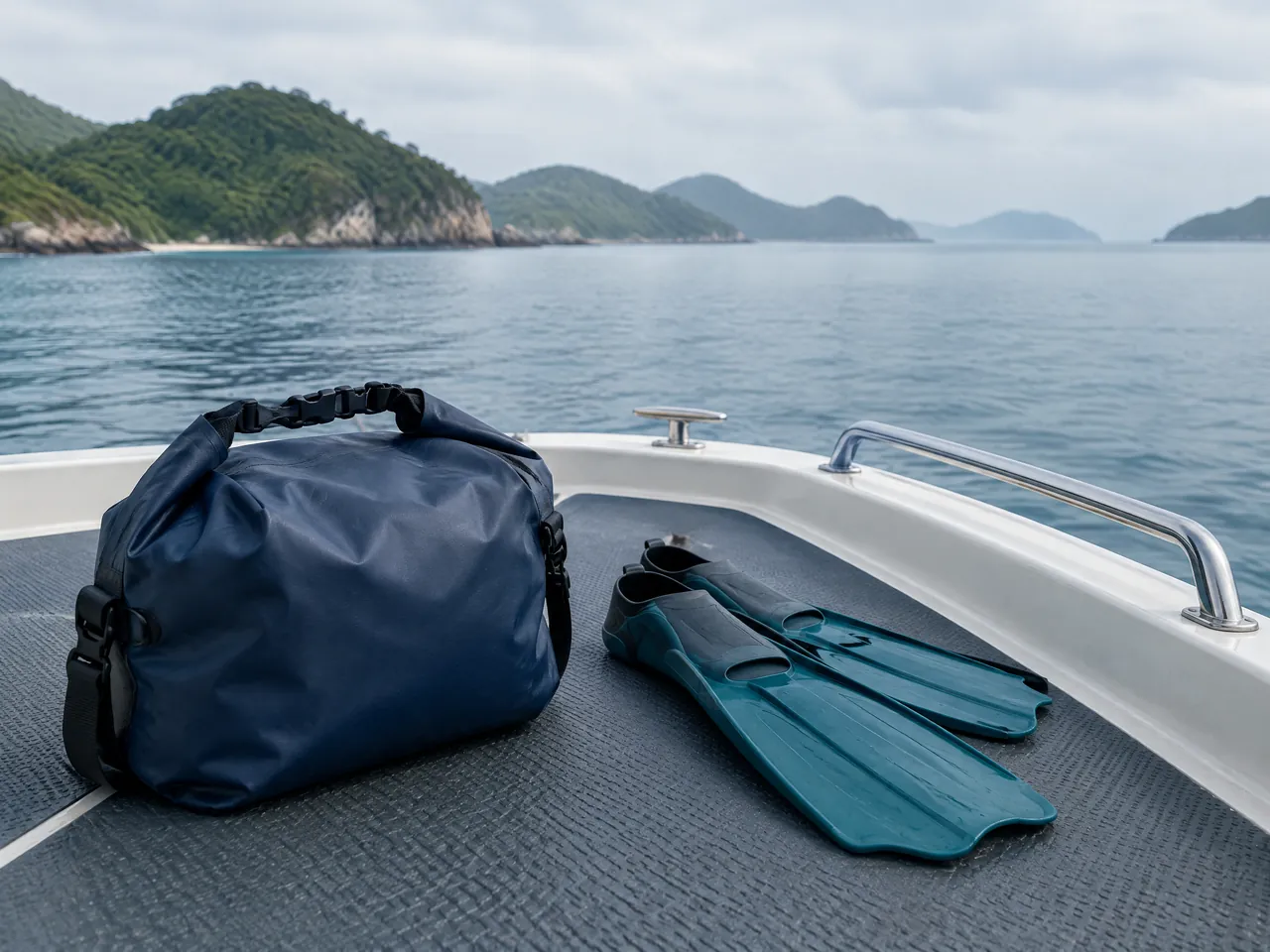
After the equipment reservation is settled, make a separate note of what you will carry during the journey and what you need access to at the meeting point. Ask where a towel, dry clothing, drinking water and essential documents can be kept, and whether belongings stay aboard throughout the outing. Pack against the confirmed storage and facilities rather than assuming the boat supplies them. The dry-bag scene illustrates personal belongings only; it is not the operator's equipment list.
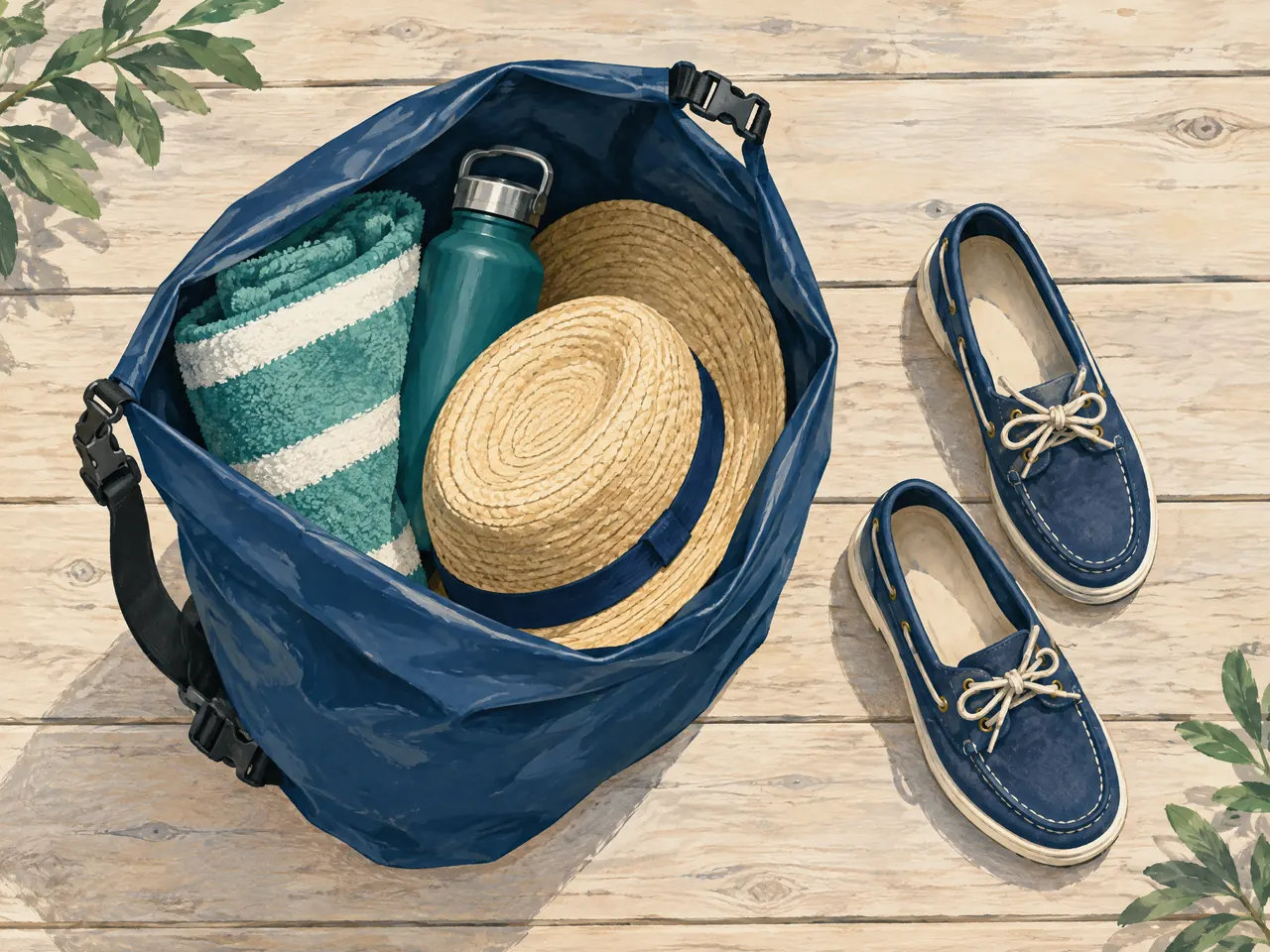
An open dry bag containing a towel, water bottle and sun hat beside deck-shoe silhouettes on an abstract empty timber surface
Conceptual personal belongings for discussing storage and boat-day facilities; not specialist dive equipment or confirmed onboard provisions.Generated illustrative image

Clinic enquiries

Contact and appointment arrangements

Clinics
Prince Edward and Kwun Tong
Opening hours
11:00–21:00
WhatsApp and telephone
+852 6940 5663

Appointments, practitioner availability and service arrangements are confirmed via WhatsApp.

Please mention any consultation language needs in your WhatsApp enquiry so that arrangements can be confirmed.

Enquire via WhatsApp
Food, gifts and floral lifeWhatsApp enquiry