Make a separate learning map for each participant
When the provider proposes a family route, ask for a separate outline for each learner with three spaces: preparation to discuss, instructor-led water sessions to arrange, and requirements still awaiting confirmation. Put the learner's own questions beside the relevant space. If a parent and child share a proposed appointment, mark it as shared only after the provider confirms the arrangement; do not copy one person's whole outline into the other's. This gives the family organiser something concrete to coordinate without turning the calendar into a prediction of who will qualify first. [1] [4]

Separate equipment questions from the family packing list
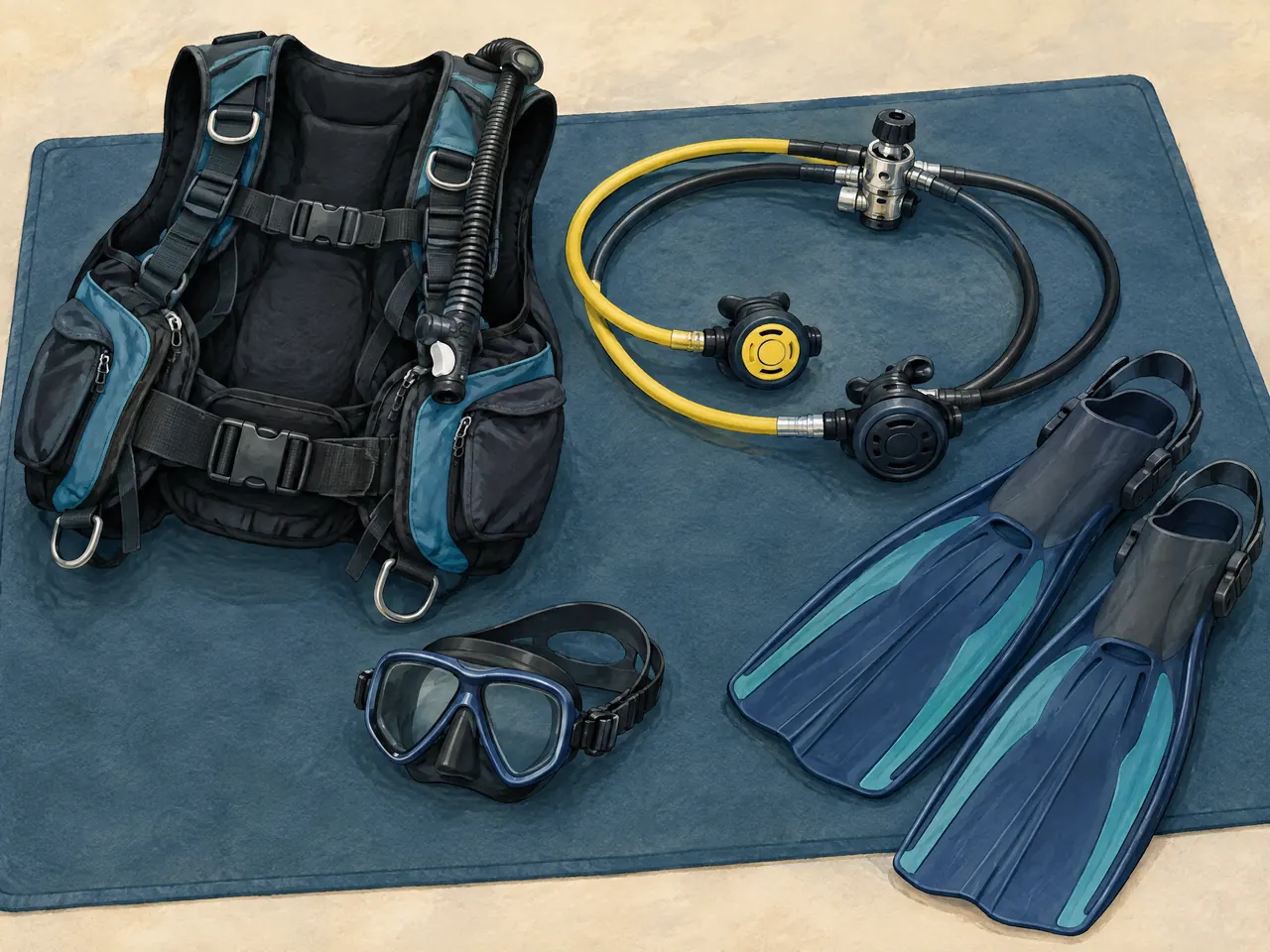
Use the equipment illustration as a prompt for an enquiry, not as a shopping instruction. Ask which equipment the proposed route supplies for each participant, what fitting appointment is needed and whether anything must be brought personally. Keep the provider's answers beside each learner's name rather than writing 'equipment included' once for the whole family. Where a parent already owns equipment, ask whether it is appropriate for their own proposed training; do not assume it can be passed to a child or that sharing it will fit the session arrangements. Leave assembly and practical use to instructor-led training. [2] [4]
Help the child describe equipment comfort in their own words
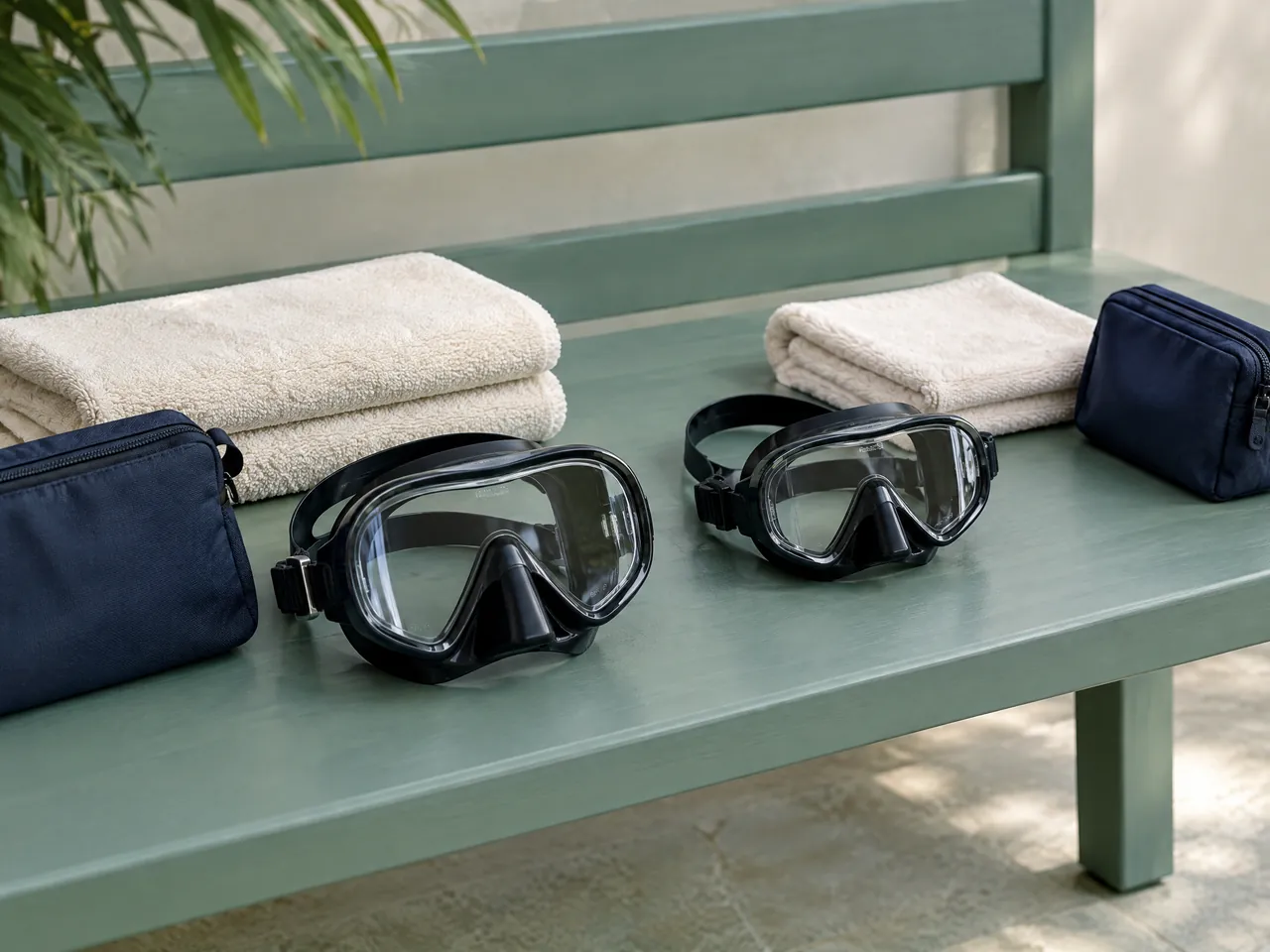
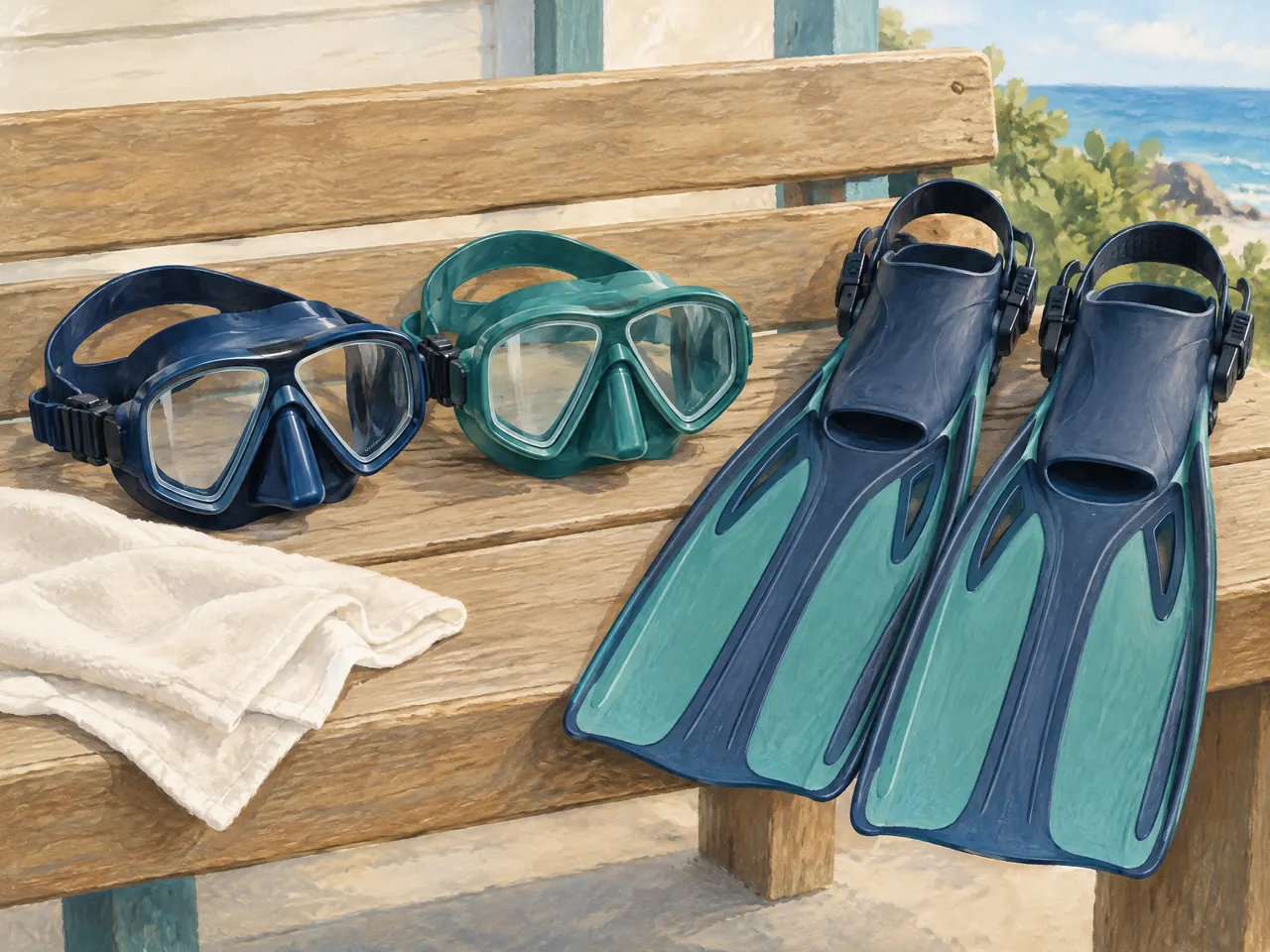
Before a fitting discussion, ask the child what they would like to understand about wearing a mask or fins. Write down their wording, such as 'I want to know how it should feel', instead of reassuring the instructor that everything will be fine. At the provider-led fitting, leave time for the child to answer questions directly and tell the instructor about discomfort. A parent can help communicate without deciding the fit on the child's behalf. Ask how concerns will be handled before a session starts; the illustration cannot establish a suitable size, readiness or an equipment choice. [2]
Write down who does what when a session changes
Give the family organiser and attending guardian the same short contact note: who receives the provider's update, who tells the other relatives, and who accompanies the child if their session ends while a parent continues. Ask whether changed conditions would alter the meeting point, waiting arrangement or collection plan, and leave unresolved items visibly unanswered until the provider replies. Keep this practical handover note separate from any promise about replacement training. A weather update is a reason to confirm the provider's arrangements, not for the family to decide diving conditions from a phone screen. [1] [4]
Pack for the learner and the waiting guardian separately
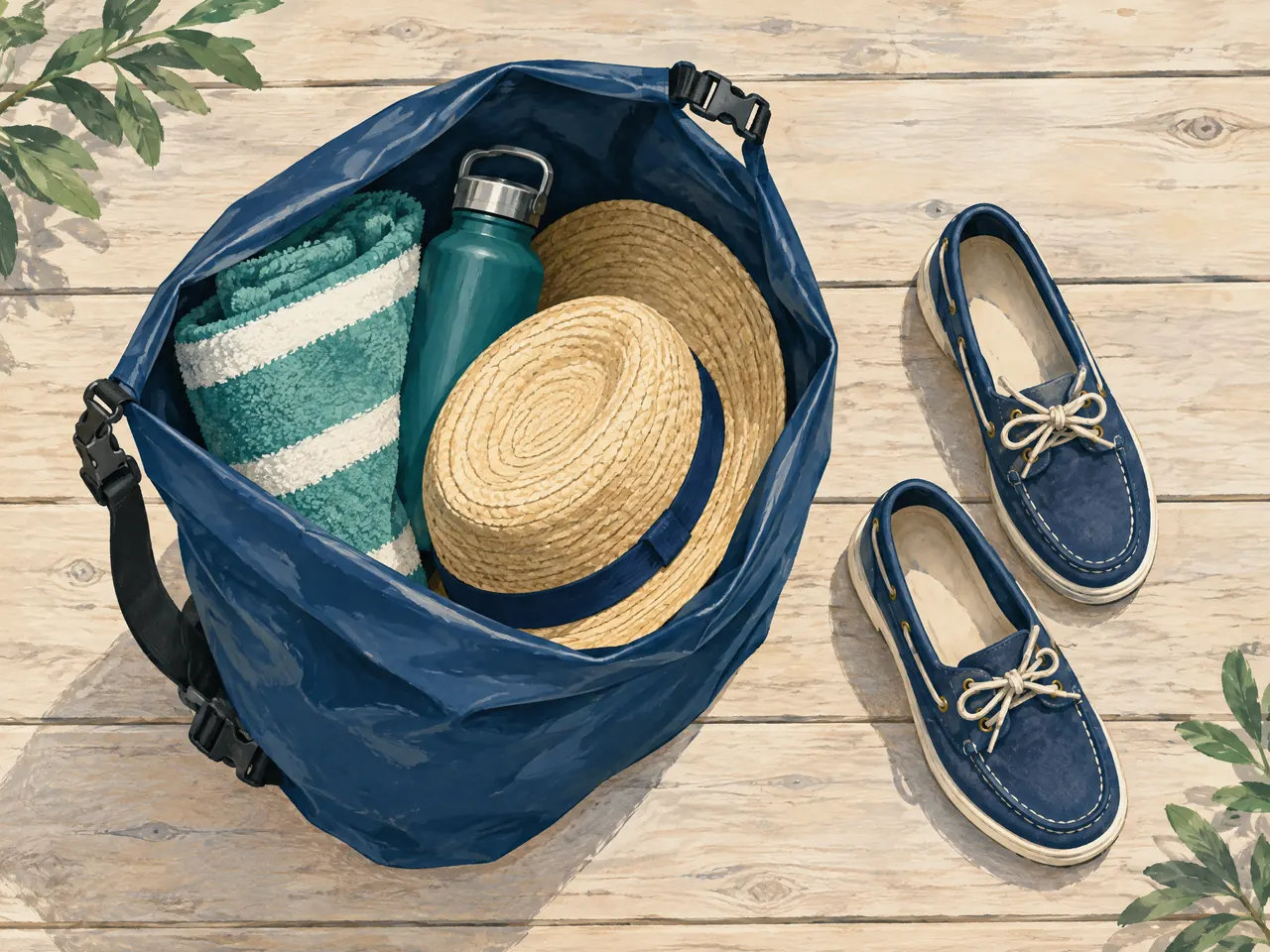
Once the venue arrangements are confirmed, make two small lists: personal items requested for the learner and items the accompanying adult needs for their own waiting or onward plans. Ask about changing facilities, where belongings can stay and what happens to the child's bag if the family splits between sessions. A towel, water bottle or hat in an illustration is only a reminder to discuss personal preparation, not a statement that these items are supplied or sufficient. Let the child help identify their own belongings while the guardian keeps the agreed contact and collection details accessible. [1]