
Prince Edward & Kwun Tong clinics · Home-visit enquiries elsewhere

TCM Lab

TCM Lab · Outdoor learning & coastal life / Starting and returning

Trying scuba without a certificate: ask what the session includes

Content updated

A first scuba session can help you decide whether you want to learn more. Before booking, separate the experience you hope for from the programme, setting and inclusions the provider can actually confirm.

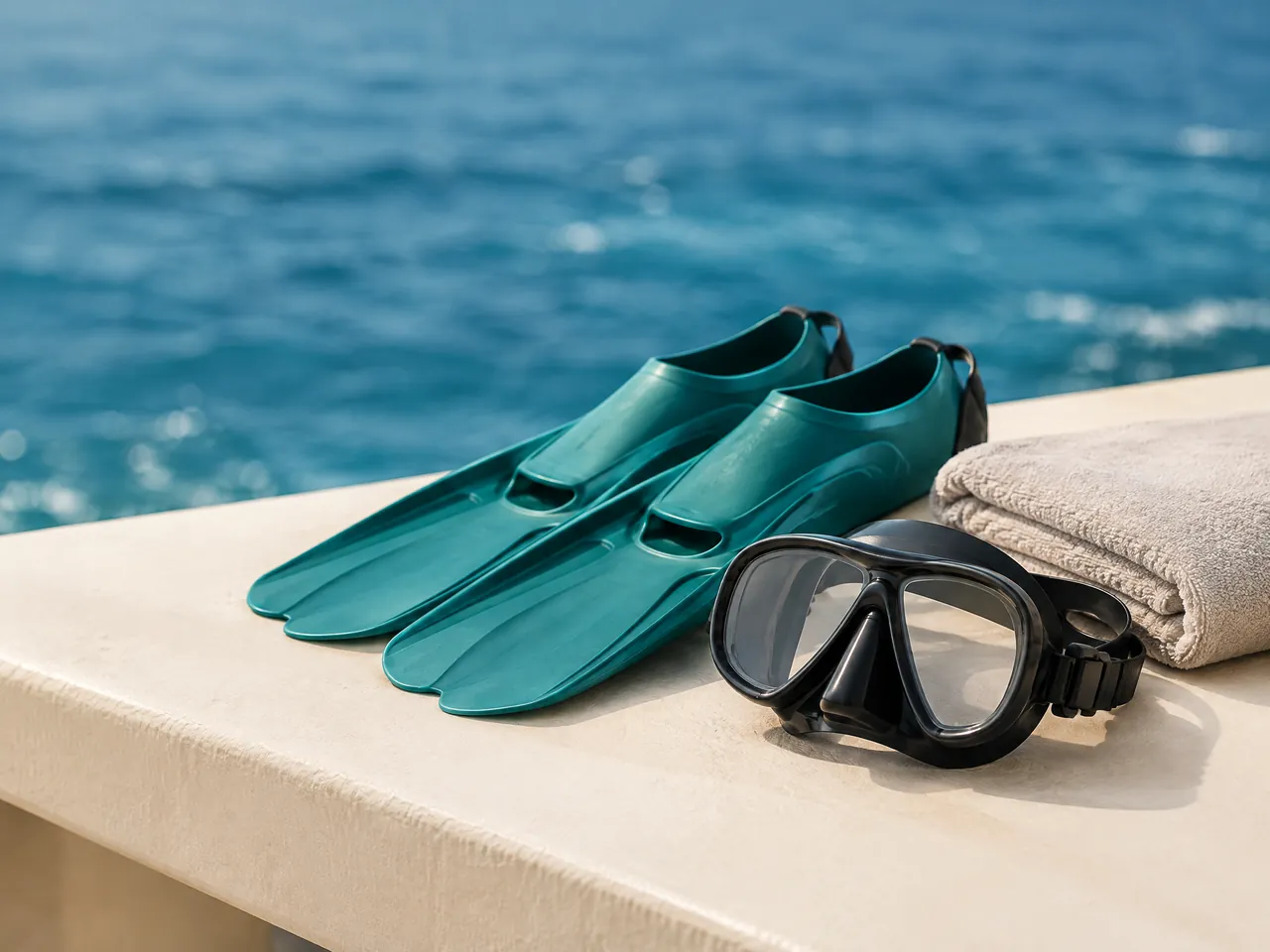
Illustrative first-diving preparation objects
AI-generated illustrative concept; not an actual DiveHarbour class, student or dive-site record.

The short answer

You can enquire about an instructor-led introductory scuba experience without already holding a diving certificate, but participation requirements still apply. Ask for the exact programme, water setting, supervision, paperwork, equipment and written booking terms. A try-dive is not Open Water certification, and an open-water outing or later course credit is not automatically included.

DiveHarbour is a separate diving school under the same ownership as TCM Lab. Diving courses and activities are separate from Chinese medicine care; reading this collection or visiting TCM Lab does not replace medical fitness-to-dive assessment or clearance.

Start with what you want the session to answer

Before comparing offers, decide what you want to find out. Perhaps you are curious about wearing scuba equipment, unsure how comfortable you will feel in water, or considering a longer course before a future holiday. These are different reasons to book. A session that helps you assess your comfort may be useful even without a scenic marine outing. Tell the provider your priority rather than asking only for a first dive.

The DiveHarbour try scuba diving Hong Kong overview describes an instructor-led introduction for people exploring scuba before certification. Use it to start a specific conversation: what format is currently available, and how does it fit your goal? Its description allows for a pool or other calm, confined-water setting; it is not confirmation that your booking includes a boat trip, a particular site or an Open Water qualification. [1]

Keep the outcome modest and useful. You are booking an opportunity to experience introductory learning under supervision, not buying permission to dive independently afterward. PADI describes Discover Scuba Diving as a way to try the activity without committing to the full certification course. Enjoying the session can inform your next choice, but it does not replace that course. Deciding that scuba is not for you at present is also a legitimate outcome. [3]

Confirm the programme name, not just the advertising label

The words try-dive describe an idea, while an agency programme name identifies a particular learning framework. When a listing uses a familiar brand, ask whether that is the exact programme being offered on your preferred date. Then ask what record, if any, you receive afterward. An acknowledgement of participation should not be described to you as the qualification gained by completing a separate certification course. [2] [3]

If you are researching PADI Discover Scuba Diving Hong Kong, the linked DiveHarbour page is a useful place to clarify the distinction. It mentions PADI Discover Scuba Diving and SSI Try Scuba as their organisations' programme names, while explicitly saying availability through DiveHarbour must be confirmed. Ask which programme can actually be booked, in which language and setting; do not infer a confirmed PADI session from the name appearing online. [2]

Avoid assembling your own package from different agencies' descriptions. A participation requirement or recognition arrangement published for one programme does not establish the terms of another. Your confirmation should use one clear programme name and explain what it covers. If an answer shifts between a general introduction and a named agency experience, request clarification before payment. This is especially helpful when friends have found different listings and think they are all booking the same thing.

No certificate does not mean no participation requirements

Describe your real water experience rather than giving yourself a simple swimmer or non-swimmer label. Tell the provider whether you are comfortable with your face in water and able to maintain yourself at the surface. PADI's Discover Scuba Diving FAQ says water comfort and the ability to maintain yourself at the surface matter. Ask how the confirmed session assesses readiness; do not assume that strong swimming alone settles every participation question. [3]

Request the current health paperwork early enough to read it privately and arrange any required review. PADI's forms page explains that its questionnaire identifies possible conditions requiring further examination by a doctor. DAN also stresses honest answers and consulting a physician when indicated. Report relevant health changes and put medication questions to your clinician rather than changing treatment yourself. TCM Lab's lifestyle article or a clinic visit does not provide diving medical clearance. [4] [5]

For a child or a group booking, ask about the applicable age requirements, consent documents and individual assessment. Supply each participant's information separately, even when everyone shares the same date. One adult's experience does not establish a child's eligibility, and one confident friend should not speak for a nervous companion. Make space for each person to ask questions or opt out before paying for a shared activity. The current requirements belong in the provider's written confirmation. [2]

Ask where it happens and what the session time covers

A pool session and a marine outing are not interchangeable experiences. PADI describes Discover Scuba Diving as taking place initially in a pool or water with pool-like conditions, with an optional open-water dive. Optional is the important word: do not assume ocean time comes with every booking. Ask which setting your quote covers and whether any additional outing is a separate decision, subject to readiness and the confirmed arrangement. [3]

Request a plain-language outline of the day, without asking for online instructions for underwater skills. It should distinguish paperwork and the briefing from equipment preparation, supervised water activity and time for questions afterward. Clarify whether preparation materials must be completed beforehand and whether the stated duration means the whole appointment or only one part. This prevents a brief advertised experience from being squeezed into a gap between other commitments. [1] [3]

Practical details deserve the same attention as the water setting. Confirm the meeting point, changing facilities and anything you must bring. If the proposal involves boat travel, ask about boarding arrangements and the overall outing rather than treating it like a pool appointment. Ask how you will be notified if the venue or conditions change. A setting described on a website is useful background, not assurance that it will be used on your date. [1]

Understand the supervision and your options to pause

Ask who will conduct the session and how their role relates to the confirmed programme and setting. You can request the professional's name and relevant qualification without assuming either from promotional wording. Also ask how many participants are expected, whether you will learn together and how attention is managed when people need different amounts of time. The answer should describe the proposed arrangement, not simply call the session beginner-friendly.

Language support matters when you need to understand a briefing or ask an unexpected question. Confirm the teaching language, and explain any concern about hearing or following instructions in a group. Do not rely on a friend to translate everything unless the provider has agreed that the arrangement works. Before water activity begins, the instructor should make the communication plan clear; the article cannot teach or substitute for that practical briefing. [1]

It is reasonable to ask, before booking, what happens if you choose not to enter the water or need to end the activity. Distinguish the instructor's participation decision from the financial terms of the booking. A chance to pause is not a promise of another session at no charge. Discuss concerns without embarrassment, and do not let a companion's enthusiasm become a deadline for your own progress. Knowing your options makes the first session easier to approach honestly.

Compare written inclusions before the headline fee

An equipment-inclusive description still needs detail. Ask which items are supplied, whether suitable sizes are available and whether you need to bring anything yourself. If you use vision correction, raise that as a fitting question beforehand rather than assuming your usual arrangement works with the supplied equipment. Do not buy personal scuba gear just to satisfy an assumption; first obtain the provider's list and discuss fit with the person responsible for the session. [1]

Check whether the quote includes the venue, boat arrangements or transport, where applicable. Ask separately about any learning materials, participant record, photographs and insurance arrangements instead of treating them as automatic extras. A camera opportunity should not displace the learning purpose, and supplied equipment does not by itself explain insurance coverage. Keep the written quote so you can distinguish essential inclusions from optional purchases and avoid comparing two prices for different activities. [1] [2]

Read the change and payment terms while you still have a choice. DiveHarbour's published pages state that all fees are non-refundable and make-up sessions are subject to written terms. Do not plan around a freely refundable booking or a guaranteed free change of date. Ask how the terms apply to weather, venue changes, illness or a participant who cannot continue, and what conditions govern any make-up arrangement. An answer to those questions belongs alongside the quote. [1] [2]

Leave with a clearer next decision, not an assumed qualification

Afterward, note what the session actually helped you understand. Were the explanations clear? Did you have room to ask questions? Was the setting appropriate for your first experience? Record any equipment-fitting issue or aspect you would like more help with. These observations are more useful for choosing further learning than measuring the day against someone else's photos. They also let you explain why you might prefer another introduction, a different format or a break.

If certification interests you, request a separate outline of the proposed course and its requirements. PADI says a Discover Scuba Diving experience can count toward later Open Water training when the relevant arrangements and requirements are met. That does not make credit automatic for every introduction. Ask whether your specific session qualifies, what documentation is needed and what remains to complete. Do not use a participation record to book an outing intended for certified divers. [2] [3]

A useful initial enquiry can be simple: I have no diving certificate, my water experience is this, and I want to find out whether scuba learning suits me. Please confirm the programme, setting, teaching language, participation requirements, total appointment time, equipment and other inclusions, together with the written payment and change terms. Keep health details for the appropriate form or private discussion. That message gives the provider something concrete to answer without committing you to a qualification before you have tried the activity.

Take it into everyday life

A practical checklist

  • State whether your priority is water comfort, an introductory experience or deciding about certification.
  • Obtain the exact programme name and confirm whether it is available for the proposed booking.
  • Confirm the water setting and whether any open-water or boat component is included or optional.
  • Describe each participant's water experience and check the applicable age and consent requirements.
  • Request the current health forms early and arrange physician review when required.
  • Confirm the teaching language, supervision arrangement and how to discuss a pause or early finish.
  • Get the meeting details, total appointment time, equipment list and other inclusions in writing.
  • Read the non-refundable payment terms and conditions governing any make-up session before paying.
  • Ask what participation record is issued and whether any later course credit can be confirmed for this session.

Questions & answers

Can I try scuba when I do not have a diving certificate?

An instructor-led introductory experience is designed for people exploring scuba before certification. You still need to meet the confirmed programme's participation requirements and complete its paperwork. Ask the provider to assess the proposed format with you; having no certificate is not the same as having permission to join any dive outing. [1] [2]

Does a Discover Scuba Diving session give me an Open Water certificate?

No. PADI describes Discover Scuba Diving as an introduction without commitment to the full certification course. Ask what participation record the session provides, but do not confuse that with Open Water certification. A later course has its own learning and completion requirements. [2] [3]

Does a try-dive booking always include diving in the sea?

No. PADI describes an initial pool or pool-like water experience and an optional open-water dive. DiveHarbour also asks readers to confirm the current setting and arrangements. Check what your specific quote includes rather than inferring a boat trip or marine visit from photographs or the word diving. [1] [3]

Do I need to be a strong swimmer?

Give the provider an honest description of your water comfort and experience. PADI's FAQ says participants should feel comfortable in water and be able to maintain themselves at the surface. Confirm the requirements for the programme you are booking; do not borrow an answer from a different agency or assume a friend can make up for your readiness. [3]

Should I wait until the day to mention a health concern?

Raise it early and request the current required questionnaire. Some answers may require medical review before participation, and that needs time. Complete your own answers honestly and consult an appropriate physician when indicated. Neither this article nor a TCM Lab visit substitutes for diving medical clearance. [4] [5]

Can I assume a refund or free rescheduling if I cannot participate?

No. DiveHarbour's published pages state that all fees are non-refundable, with make-up sessions subject to written terms. Ask how those terms apply to your proposed booking, including illness or weather changes, before payment. Do not assume that a make-up session, a free change or a preferred new date is guaranteed. [1] [2]

Can my first experience count toward certification later?

Possibly for an appropriately arranged PADI Discover Scuba Diving experience, but not automatically. PADI describes credit subject to relevant requirements. Tell the provider about your interest before the session, then ask what your actual experience and records can count toward and what additional training remains. Do not assume the same credit applies across agencies. [2] [3]

Sources & further context

Numbered references follow the source order below. Course websites describe their own programmes; health and coastal sources have separate purposes and do not endorse commercial course quality.

  1. [1] DiveHarbour: Try Scuba Diving in Hong Kong
  2. [2] DiveHarbour: No-certification Scuba Experience in Hong Kong
  3. [3] PADI: Discover Scuba Diving FAQs
  4. [4] PADI: Forms and Medical Paperwork
  5. [5] Divers Alert Network: Health Status

Make separate lists for supplied equipment and fitting questions

Turn an equipment-inclusive reply into two short lists. In the first, record only the items the provider confirms will be supplied. In the second, keep unresolved fitting questions, such as mask comfort, fin sizing or vision correction. The separate equipment objects in the illustration are prompts for that conversation, not proof that every item is included. Ask who will help with fitting and when you can raise a concern; do not use an illustration as an equipment assembly or safety-check guide.

The masks and fins illustration highlights a different question from what is supplied: whether the available equipment suits you. Describe any previous fitting difficulty in ordinary language rather than selecting a size from an image. Keep that question open until the person responsible for the session has discussed it with you. A confirmed equipment list and an unresolved fit question can coexist; one should not silently be treated as an answer to the other.
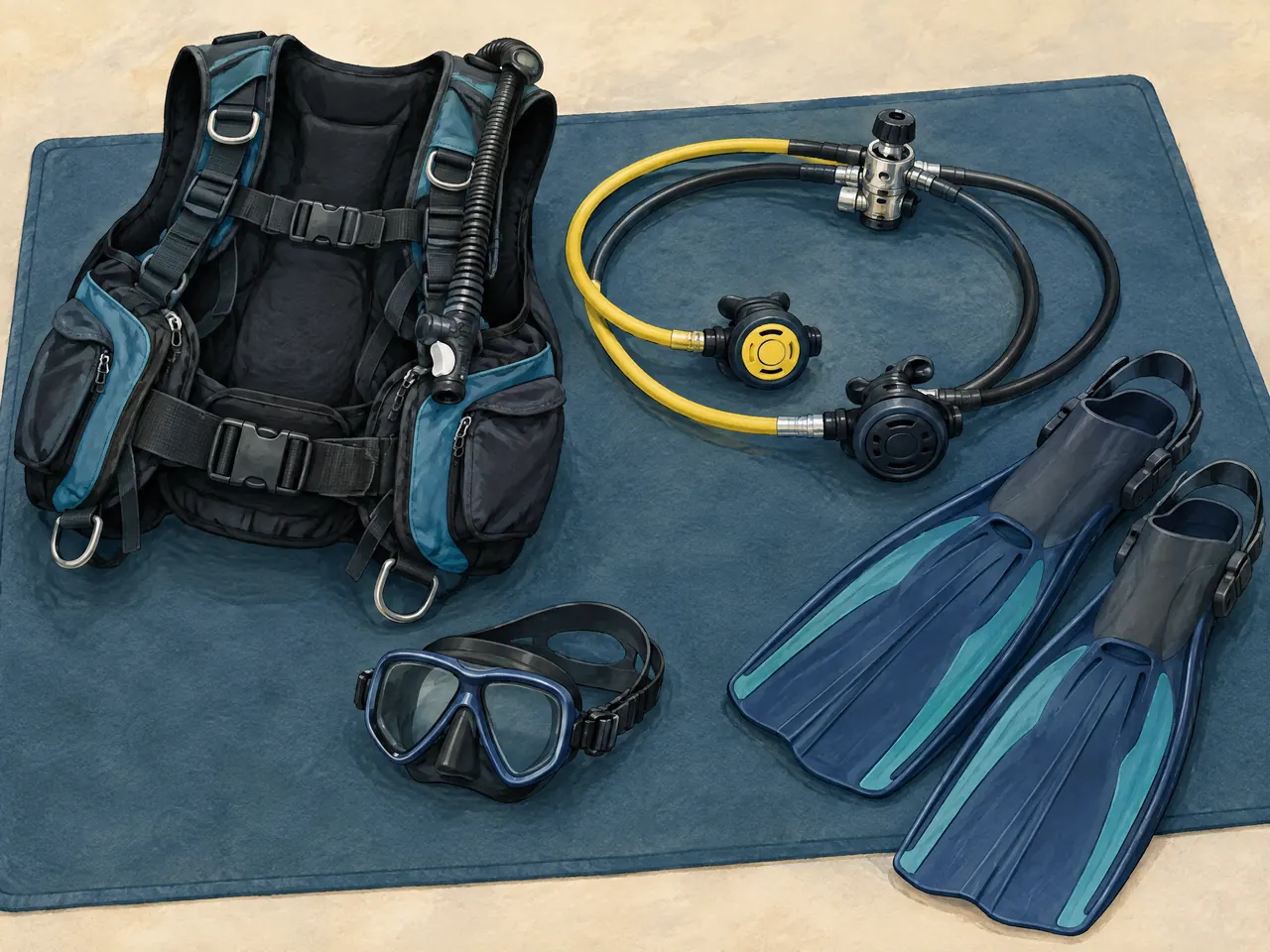
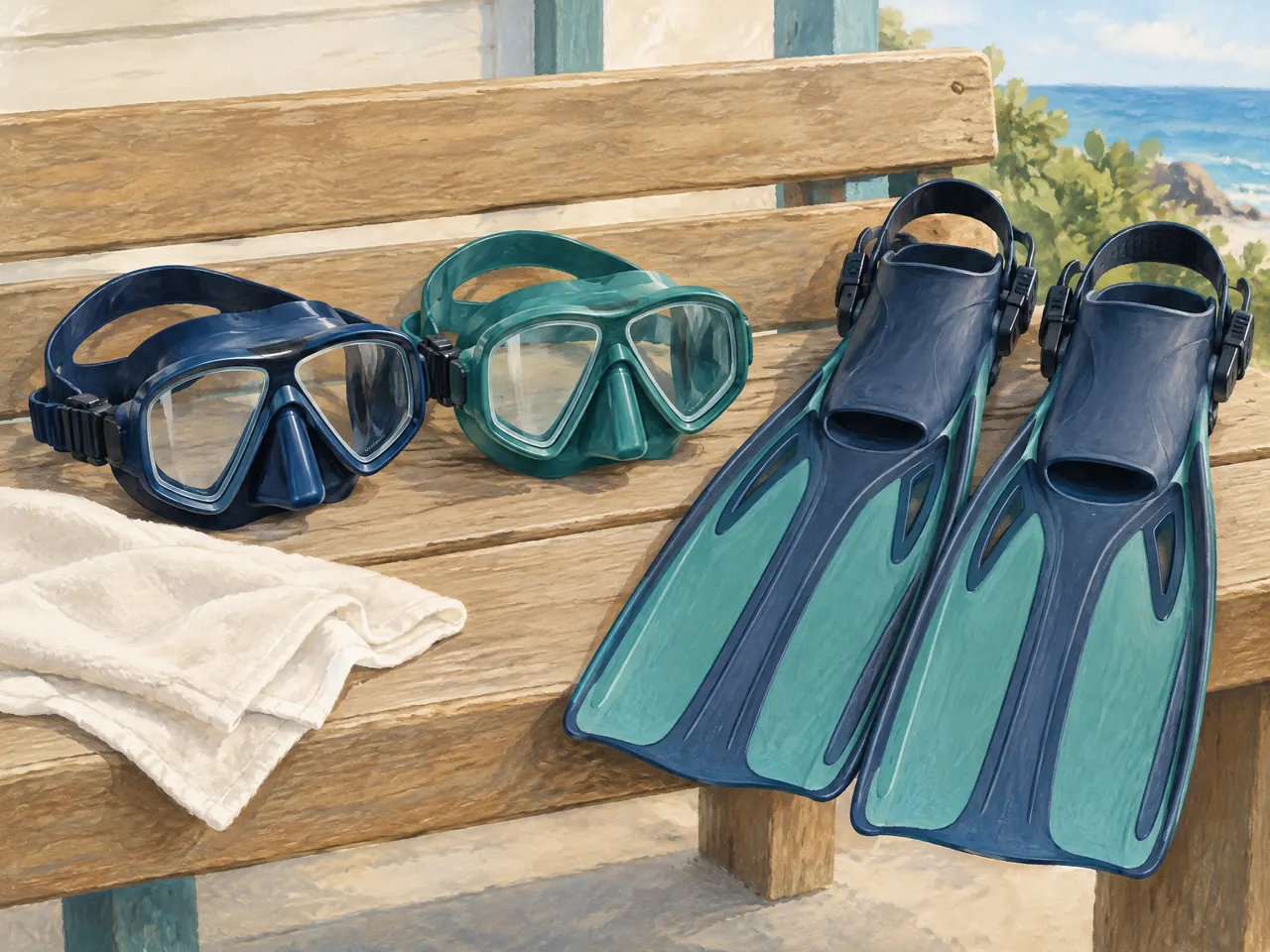
Illustration of a buoyancy compensator, regulator assembly, mask and fins laid separately on a dry preparation mat
Concept illustration of equipment questions, not a confirmed rental package, equipment-check procedure or actual class record.Generated illustrative image
Illustration of two scuba masks and adjustable fins on a bench beside a clean cloth
Concept illustration for discussing mask and fin fit with the provider, not a sizing recommendation or an actual fitting session.Generated illustrative image

Label each component as booked, optional or unresolved

When reviewing the reply, mark each proposed component as confirmed in your booking, optional, or still unresolved. Put any preparation materials, initial water setting and additional outing under the appropriate label rather than treating them as one continuous package. The book, pool and cove illustration separates possible learning contexts; it is not a syllabus or a promise that your introduction includes all three. If a component is unresolved, ask for clarification before arranging travel or assuming later course credit. Keep a copy of the final description so a general website outline does not replace your actual booking confirmation.

Concept illustration of a closed book, miniature empty pool and separate abstract open-water cove
Separate possible learning contexts in your questions; the illustration does not establish a programme sequence, included sea dive or qualification.Generated illustrative image

Keep an arrival note separate from a change-of-plan note

Keep one note for the confirmed meeting point, arrival instructions and facilities, and another for how venue or weather changes will be communicated. Ask which contact channel to check and what to do if an expected update has not arrived. A forecast on your own phone is not the provider's participation decision. The weather objects illustrate the need for a clear update process, not conditions that are safe for diving.

Prepare your personal packing list only after the setting is confirmed. Ask whether a towel, water bottle, sun protection or a way to keep belongings dry would be useful for that appointment, and check any storage restrictions. The illustrated dry bag contains surface-day belongings, not a scuba equipment package; it does not mean a boat trip is included. Separating personal belongings from supplied specialist equipment makes it easier to see which questions still need an answer.
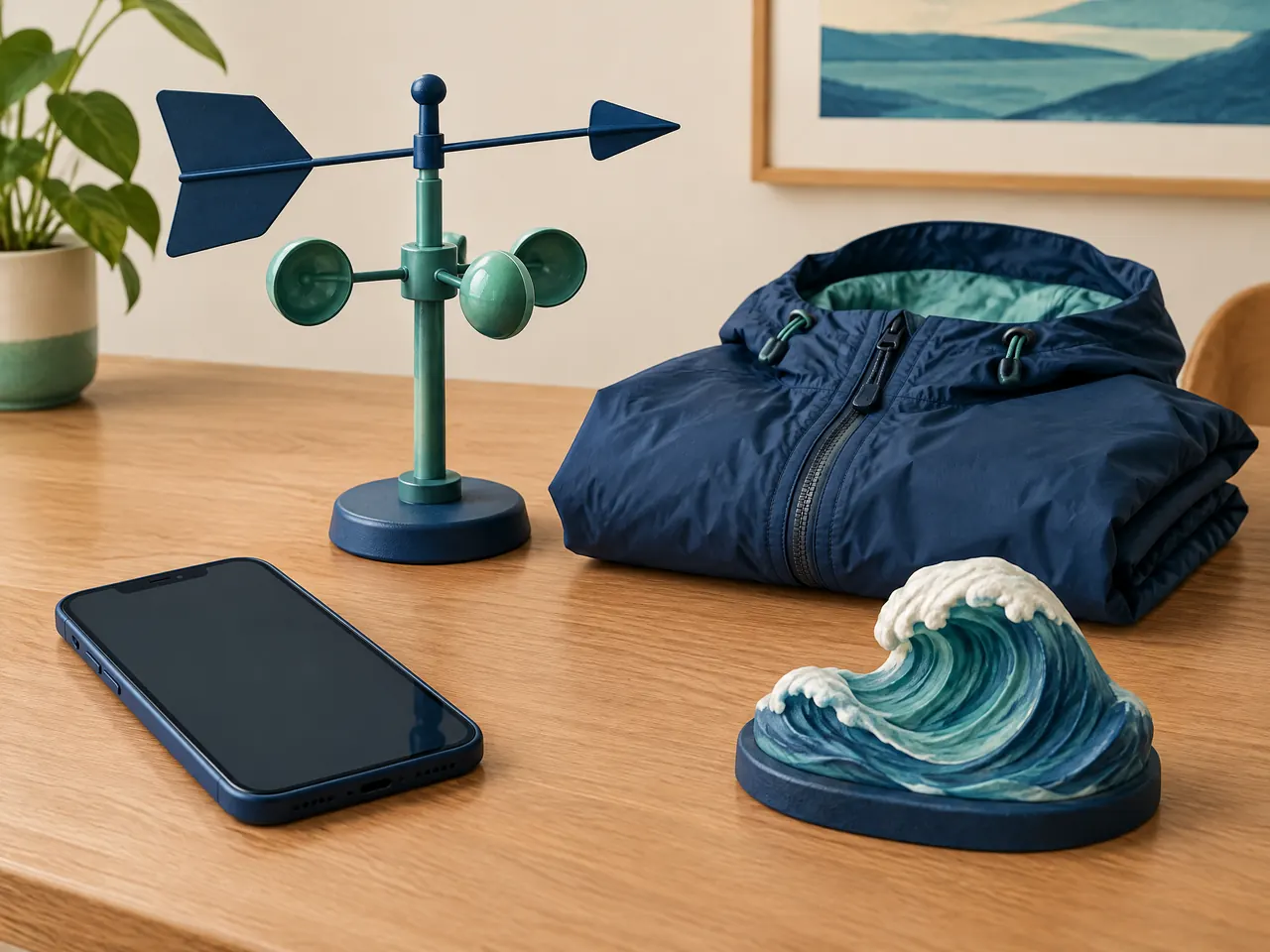
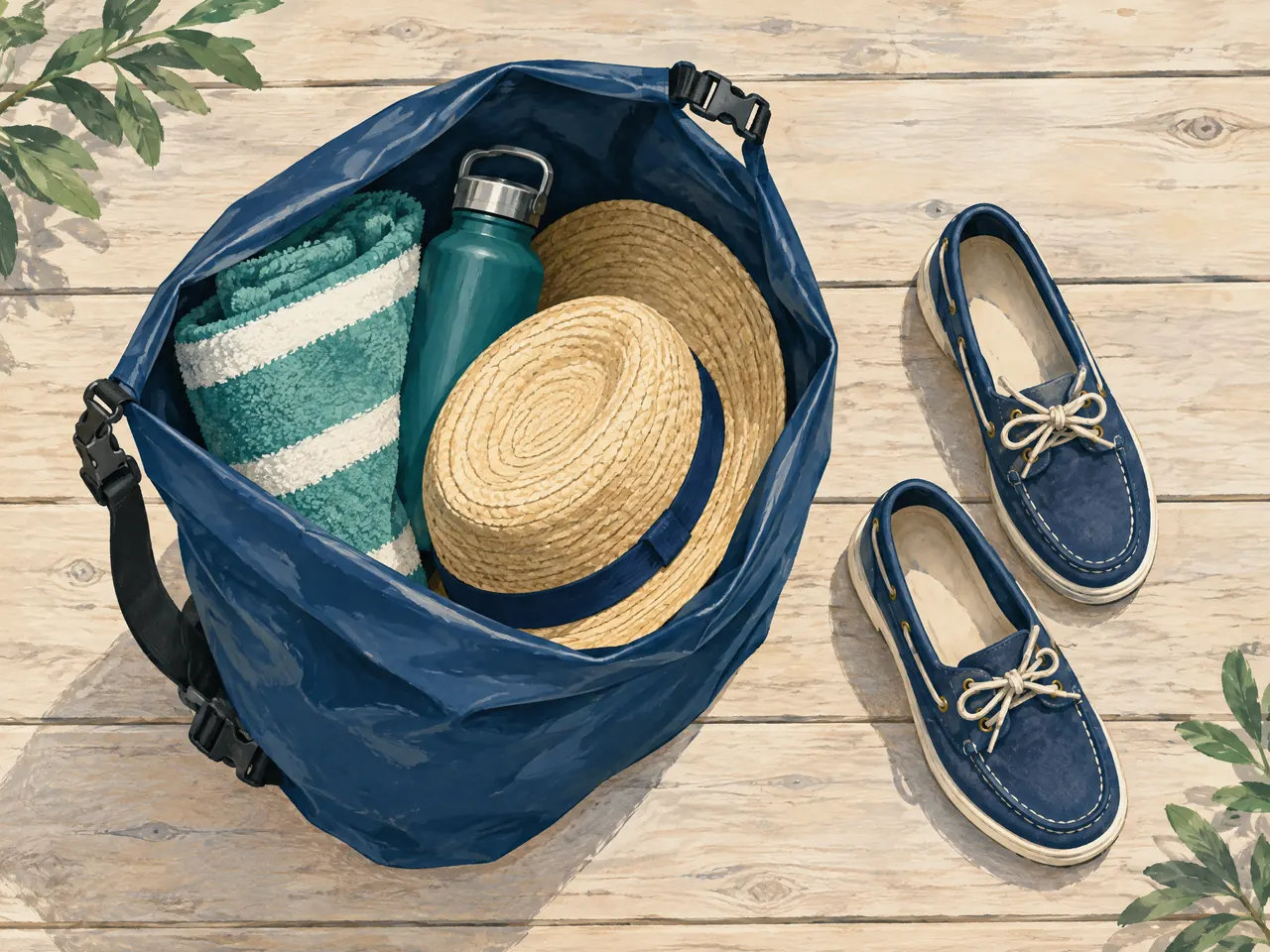
Illustration of a blank-screen phone beside a wind vane model, rain shell and miniature wave sculpture
Concept illustration for clarifying weather updates and changed meeting arrangements, not a live forecast or diving-safety threshold.Generated illustrative image
Illustration of an open dry bag with a towel, water bottle and sun hat beside deck-shoe silhouettes
Concept illustration of personal outing belongings to discuss after confirming the setting, not an included boat trip or prescribed packing list.Generated illustrative image

Prepare health details for the appropriate private discussion

Keep a general booking message focused on your goal, water experience and practical arrangements. If you take medicines or supplements, prepare an accurate list for the appropriate private form or professional discussion rather than circulating it in a group booking chat. Note names and recent changes without deciding for yourself whether they permit participation or altering treatment. Ask the provider how to submit the required paperwork, and take clinical questions to your clinician. The plain containers and folder illustrate information preparation, not medical clearance or any relationship between TCM Lab and the diving provider.

Illustration of closed unbranded medicine containers and a sealed plain pouch beside a blank note card and empty folder
Concept illustration for preparing a private medication-history discussion, not a prescription, treatment recommendation or diving medical clearance.Generated illustrative image

Clinic enquiries

Contact and appointment arrangements

Clinics
Prince Edward and Kwun Tong
Opening hours
11:00–21:00
WhatsApp and telephone
+852 6940 5663

Appointments, practitioner availability and service arrangements are confirmed via WhatsApp.

Please mention any consultation language needs in your WhatsApp enquiry so that arrangements can be confirmed.

Enquire via WhatsApp
Food, gifts and floral lifeWhatsApp enquiry