
Prince Edward & Kwun Tong clinics · Home-visit enquiries elsewhere

TCM Lab

TCM Lab · Outdoor learning & coastal life / Courses and booking

A one-day tourist dive enquiry: align your visit with written confirmation

Content updated

A free day in Hong Kong is a starting point for a dive enquiry, not proof that an activity will fit. Describe your travel limits, choose the right introduction and read the confirmed arrangements before committing your holiday time or money.

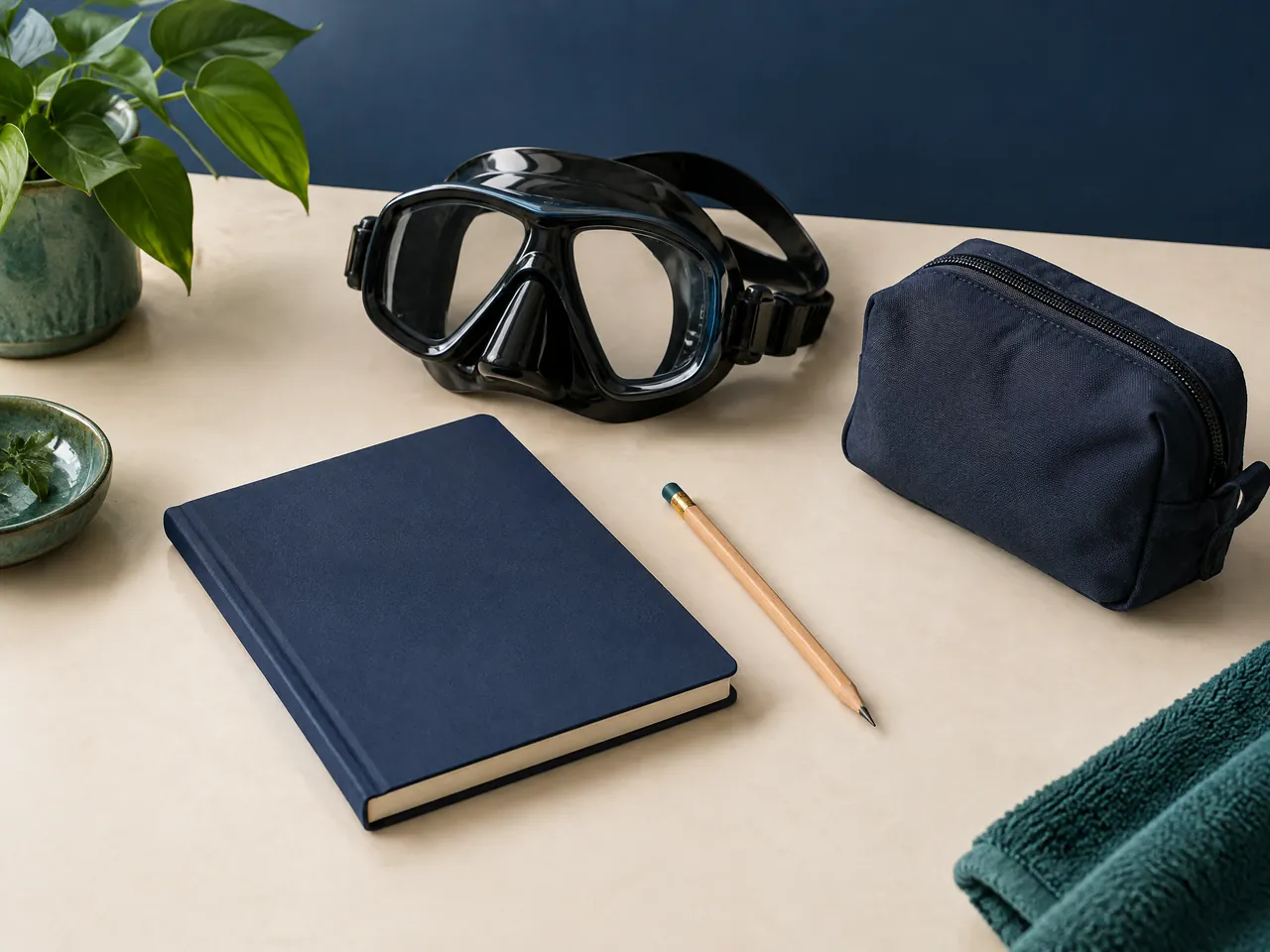
Illustrative scuba learning preparation objects
AI-generated illustrative concept; not an actual DiveHarbour class, student or dive-site record.

The short answer

Send your available dates, flight departure, group details, water experience and preferred teaching language. Ask DiveHarbour to confirm the proposed format, availability, meeting and finish arrangements, total cost and written terms. A one-day introduction is not certification. Paid fees are non-refundable, and make-up sessions depend on the written terms; a short stay may leave no usable replacement date.

DiveHarbour is a separate diving school under the same ownership as TCM Lab. Diving courses and activities are separate from Chinese medicine care; reading this collection or visiting TCM Lab does not replace medical fitness-to-dive assessment or clearance.

Decide what you want from your one available day

Start with the experience you want, rather than an empty square in your holiday calendar. If you are curious about scuba but do not want to undertake a qualification during this visit, an introductory enquiry makes sense. DiveHarbour's guide to one-day scuba diving for tourists in Hong Kong describes a visitor introduction, with suitability and arrangements discussed before confirmation. The title does not mean that every date is available or that the whole activity occupies a fixed number of hours. [1]

Describe your aim in plain language: perhaps you want to find out whether scuba feels enjoyable, or you would prefer an introduction without adding a boat journey. Ask whether the proposed experience is confined-water only or includes a sea component, and what that means for the complete day. Avoid building your expectations around a photograph, a particular animal or a named location. Those are not confirmed features of your booking.

If your real aim is certification for future trips, say that instead. An introduction and a certification course serve different purposes; enjoying the former does not automatically complete the latter. Ask about the selected agency, preparation and required training before deciding whether your stay is long enough. It is better to choose a worthwhile introduction now and consider structured learning later than to expect a qualification from a sightseeing-sized window. [1]

Give the team your travel limits, not just a preferred date

Your first enquiry should explain when you arrive, which dates are genuinely free and when your flight departs. Distinguish a hard commitment, such as a booked flight, from something you could move, such as a museum visit. Include any fixed hotel check-out or onward transfer that affects attendance. This helps the team assess the available window rather than assume that an apparently free day has no other constraints.

Flying after diving requires separate planning. DAN's guidance discusses preflight intervals and the limitations of its evidence; the appropriate advice depends on the diving involved. Do not decide that a short introductory session makes a same-day flight acceptable, or calculate a personal interval from a search snippet. Give the team your actual departure time before accepting a proposal and confirm the applicable guidance for the planned activity. General guidance is not an individual guarantee. [2]

Ask for the reporting time, proposed meeting location and expected finish, including any boat or venue arrangements. Then consider your journey from the hotel and back, changing clothes and collecting stored luggage. A promised dinner reservation should not become a reason to hurry the learning. If the provider cannot yet confirm the full timing, keep dependent travel plans open rather than treating a rough estimate as a commitment.

Describe the people travelling together individually

A shared holiday does not mean everyone needs the same diving arrangement. One traveller may be completely new, another may have tried scuba before, and a third may hold a certification but have little recent experience. The scuba diving course Hong Kong overview can help you identify the general route you want to discuss. In your enquiry, make clear who is seeking an introduction and who is asking about a different activity; do not assume a certified companion can simply join the beginner plan. [1]

Include the number of participants, relevant ages, water confidence and the language each person can comfortably learn in. Mention prescription-eyewear or equipment-sizing questions early. If someone is nervous, let them describe their own concern rather than letting the most confident friend answer for them. Ask whether the proposed supervision and format suit the group, and whether separate arrangements would be more appropriate. No one needs to promise that they will progress at another person's pace.

Ask how the required health questionnaire is supplied and return your own answers honestly. If a medical question needs review, allow time for an appropriate doctor rather than relying on the booking conversation. TCM Lab's lifestyle article and medical consultations do not provide clearance to dive. Keep sensitive details within the provider's requested process, and tell the team if your health changes before attendance. [1]

Get a quotation for the actual visitor experience

Price is useful only after the activity is identified. The scuba diving course price Hong Kong information explains why the route and inclusions matter. Request a current written quotation for your proposed visitor experience, not a general certification-course total or an unrelated group offer. Ask it to identify the format and number of participants so that you can connect the quoted amount to the day you have discussed. [3]

Check what the total covers: instruction, equipment, any venue or boat arrangements and the personal items you must bring. Ask whether transport to the meeting point, meals or optional extras are included or need your own arrangements. These are questions to settle, not assumptions that DiveHarbour charges separately for each item. If you are considering a private format, obtain its own quotation rather than applying a public group price to it.

For a short-stay visitor, the practical comparison is between complete plans you can actually attend. A lower headline figure is not useful if you have misunderstood the format or cannot reach the meeting point. Read the scope alongside the proposed timing and decide whether it meets your original aim. Where a reply is unclear, request a corrected written description before paying instead of mentally filling in the missing details. [3]

Read the payment and change terms before committing

When you use the information to book a scuba diving course in Hong Kong, specify whether you are requesting a visitor introduction or a certification course. An enquiry is not a reservation. Ask what action makes your particular arrangement confirmed and which written terms apply. Keep the proposed activity, accepted details and payment instructions together so you can resolve any discrepancy before sending money. [4]

DiveHarbour's published payment information states that all fees are non-refundable and that make-up sessions are subject to the written terms. Do not interpret a weather interruption, missed transfer or change of mind as an automatic refund. Nor should you assume that a replacement session will be free or available during your remaining stay. Ask how the actual terms address these situations, and make your decision with that answer in view. [4]

The distinction matters especially when you leave Hong Kong soon afterwards. A permitted make-up opportunity may still be unusable if you have already departed. Ask what happens if the original session cannot proceed and no alternative fits your trip. If a reply appears inconsistent with the published rule, request a clear written explanation rather than accepting the interpretation you would prefer. Retain the final confirmation and payment receipt in a form you can access while travelling.

Ask whether flexibility solves the right problem

If your main difficulty is a narrow diary, the guide to a private scuba course with flexible schedule Hong Kong offers a useful starting point for questions. Explain which parts of your trip cannot move and ask whether any suitable private introductory arrangement is actually available. The page concerns flexible course planning; it is not a promise of a private visitor session on your chosen day. Instructor, venue or boat arrangements and conditions still need checking. [5]

Be clear about the problem you hope private planning will solve. It might be teaching language, individual attention or avoiding a date clash, rather than getting through more training faster. Ask how the proposed format supports your needs and what remains dependent on other arrangements. For a certification enquiry, flexibility does not remove the selected agency's learning and assessment requirements or guarantee completion before departure. [5]

Have a personal alternative that does not depend on a provider date change: you can leave that day for ordinary sightseeing if diving cannot be confirmed. You may also enquire about a different introductory format, but do not assume it is interchangeable with the original booking. A clear decision not to book is more useful than committing to an uncertain plan because it is the only unused day in the itinerary.

Arrive prepared, with room to ask questions

Before travelling to the meeting point, check the latest provider message against your saved confirmation. Follow the confirmed personal-item list and ask where luggage or valuables can be kept rather than assuming storage exists. Bring the requested documents and allow time for registration and equipment fitting. For a boat option, confirm how operational updates will reach you; a city forecast or an earlier promotional image is not confirmation of the day's arrangements. [1]

Protect the experience from holiday pressure. Rest before attendance, tell the instructor what is unfamiliar and ask questions during the briefing. If you feel unwell or uncomfortable, say so rather than continuing to justify the payment or keep pace with friends. The purpose of an introductory day is to make an informed first encounter with scuba, not to deliver a promised photograph, location or result.

Afterwards, record the activity you actually completed and any next-step recommendation the instructor gives you. Keep an introduction separate from certification when describing your experience to a future provider. You can decide later whether to pursue a course; curiosity is enough for this visit. A well-planned one-day enquiry succeeds when the confirmed arrangements fit the traveller, rather than when training is squeezed to fit a departure.

Take it into everyday life

A practical checklist

  • Write down your arrival date, available activity windows, flight departure and other non-movable travel commitments.
  • Describe each participant's experience, water confidence, relevant age and preferred teaching language.
  • Confirm whether the proposed activity is an introduction or a certification course, and whether it is confined-water or includes a sea component.
  • Check the actual meeting location, reporting time, expected finish, transport responsibilities and update arrangements.
  • Request a current quotation with the format, participant count, inclusions and any exclusions clearly stated.
  • Complete your own requested paperwork and resolve any need for medical review before participation.
  • Confirm appropriate post-dive travel planning before accepting an activity that precedes a flight.
  • Read the non-refundable payment terms and conditional make-up provisions, considering whether any alternative date could fit your stay.
  • Save the final written confirmation and receipt; follow the confirmed packing list and ask about luggage storage.

Questions & answers

Can I get a diving certification during a one-day tourist experience?

A visitor introduction is not a certification course. If certification is your aim, ask about the actual agency, preparation, training and assessment requirements. The provider needs to assess whether your available time and starting point suit that course; a free day does not establish that you can complete it. [1]

Does an enquiry reply mean my preferred date is booked?

No. A reply may describe a possible arrangement without confirming a place. Ask what remains outstanding and what action makes the booking confirmed. Read the final activity details, availability, payment instructions and written terms together rather than relying on an encouraging early message. [4]

What if my only available day is just before my flight?

Provide the actual flight departure before accepting a dive plan. Flying after diving requires an appropriate interval and the applicable guidance depends on the activity. Do not assume an introductory session is exempt. If the plan cannot leave suitable time, choose another holiday activity instead of trying to shorten the advice. [2]

Will poor weather mean a refund or a guaranteed replacement date?

DiveHarbour publishes that all fees are non-refundable and make-up sessions are subject to the written terms. Ask how the terms apply to an operational change before payment. Neither a refund nor a replacement date during your stay should be assumed, and a permitted make-up may not fit a short visit. [4]

Can my certified friend join my beginner introduction?

Explain both people's experience in the same enquiry and ask what arrangements are appropriate. A certified diver's activity and a beginner introduction are different requests; the provider may recommend different formats. Travelling together does not guarantee the same session or remove the need to consider each participant individually. [1]

Does private scheduling guarantee a session on my chosen day?

No. Private planning remains dependent on the instructor, course requirements, venue or boat and operating conditions. Ask whether a suitable introductory arrangement is available and obtain its own quotation. Flexibility is coordination around your constraints, not guaranteed availability or permission to rush learning. [5]

Can TCM Lab confirm that I am medically suitable to dive?

This article and TCM Lab consultations are not diving medical clearance. Complete the provider's requested health paperwork honestly. Where medical review is needed, consult an appropriate doctor and confirm the required documentation before participation; neither reading the article nor receiving a booking reply settles that question. [1]

Sources & further context

Numbered references follow the source order below. Course websites describe their own programmes; health and coastal sources have separate purposes and do not endorse commercial course quality.

  1. [1] DiveHarbour: One-day try scuba in Hong Kong for visitors
  2. [2] DAN: Guidelines for Flying After Diving
  3. [3] DiveHarbour: Scuba diving course prices in Hong Kong
  4. [4] DiveHarbour: Book a scuba diving course in Hong Kong
  5. [5] DiveHarbour: Private scuba course with a flexible schedule in Hong Kong

Separate supplied equipment from personal fit questions

Make an equipment note with two parts. In the first, ask which specialist items the proposed experience supplies and whether anything must be brought personally. The separately arranged buoyancy compensator, regulator, mask and fins illustrate the vocabulary you may encounter; they are not an inventory of your booking. Match the provider's answer to your written activity description rather than treating an illustration as an inclusion list.

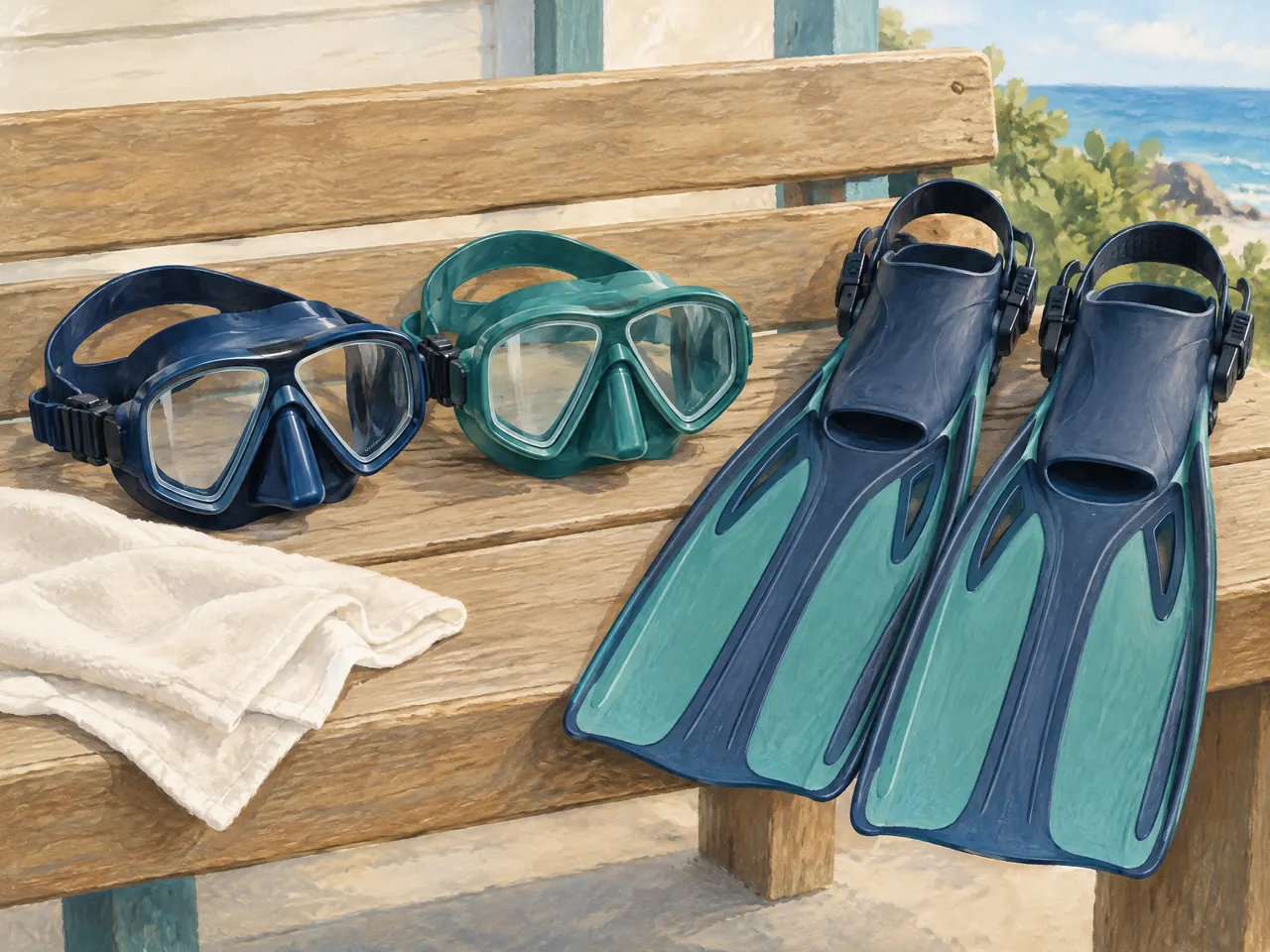
In the second part, record personal fit questions: mask comfort, prescription-eyewear needs and fin sizing. The mask-and-fin illustration focuses on those individual questions, not a recommended model. Send unresolved needs before attendance and keep time for the agreed equipment fitting; travelling with someone whose equipment fits does not settle your own requirements.
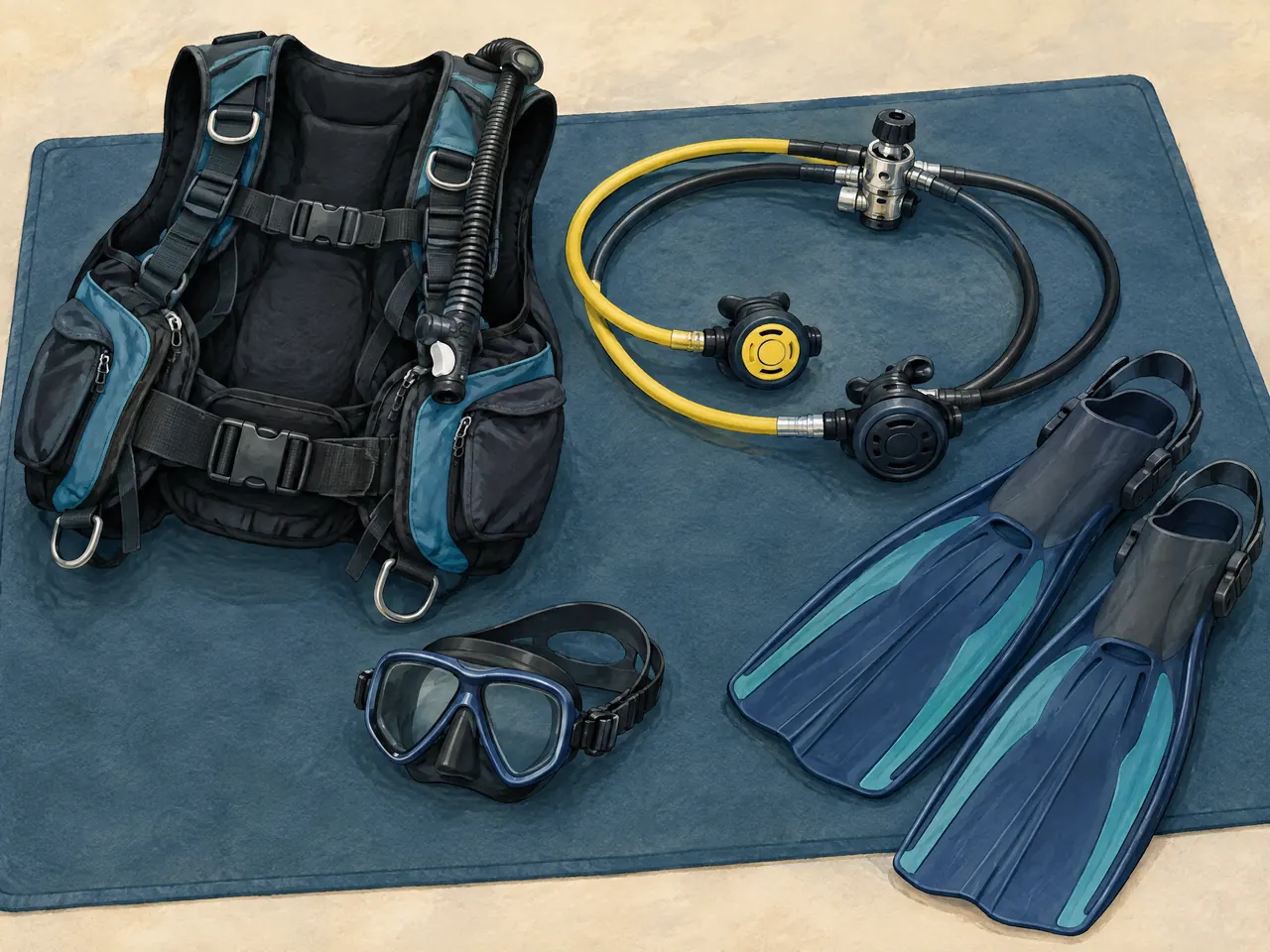
An unbranded buoyancy compensator, regulator assembly, mask and fins arranged separately on a dry preparation mat
Illustrative specialist equipment for an inclusion enquiry; not a record of the items supplied for a DiveHarbour booking.Generated illustrative image
Two generic scuba masks and separate adjustable fins on a bench beside a clean cloth
Illustrative masks and fins for individual fit questions; not a product recommendation or an actual participant fitting.Generated illustrative image

Give each part of the proposed experience a clear label

When a proposal mentions preparation, confined water or the sea, make a short note of what each label means for your particular enquiry. Mark anything not yet confirmed as an open question. The book, miniature pool and separate cove illustrate different learning contexts, not a required three-stage visitor itinerary. Ask which contexts your introduction actually includes and keep that description separate from any later certification plan.

A conceptual desk model with a closed book, a miniature empty pool and a separate abstract open-water cove
Illustrative learning contexts, not a visitor syllabus, confirmed venue or promise of certification in one day.Generated illustrative image

Keep an update note beside your saved confirmation

Add a small update note to the arrangements you save: how the team will contact you, which meeting details still await confirmation and what you should check before leaving the hotel. If a later message changes the plan, ask which instructions now apply rather than combining parts of two replies. The blank phone and weather objects are reminders to check provider updates; they contain no forecast or threshold for deciding whether an activity can proceed.
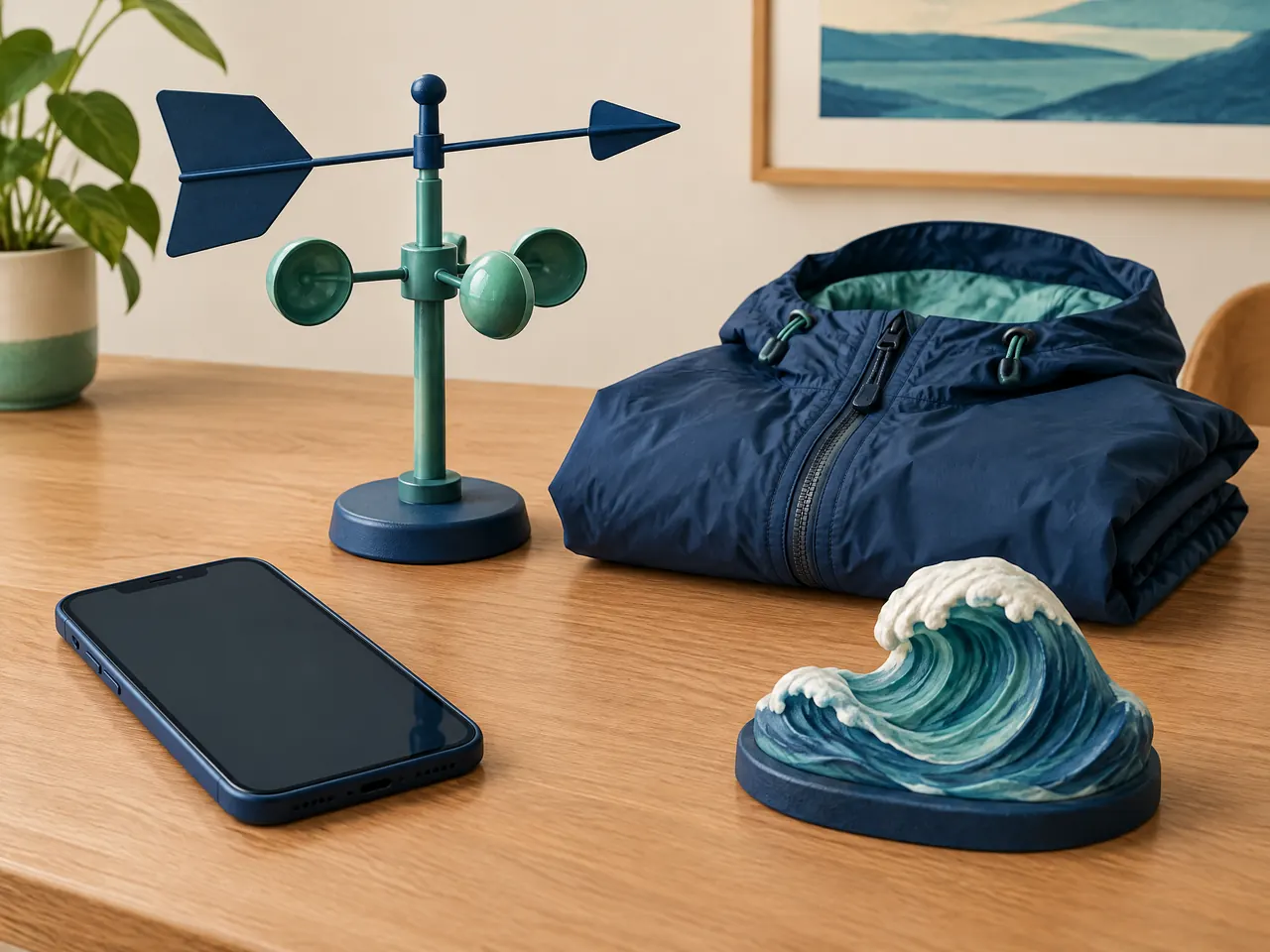
An unbranded phone with a blank screen beside a wind vane model, rain shell and miniature wave sculpture
Illustrative prompts for operational-update questions; not live weather information or confirmation that a session will proceed.Generated illustrative image

Turn the confirmed packing list into a travel note

Keep personal belongings separate from the specialist equipment enquiry. Copy the provider's confirmed personal-item list into your travel note, then add unresolved questions about changing facilities, stored luggage and keeping valuables with you. The bag, towel, bottle, hat and shoe shapes illustrate packing categories, not a compulsory kit or proof that storage is available. Resolve those questions before deciding whether to travel directly from hotel check-out to the meeting point.
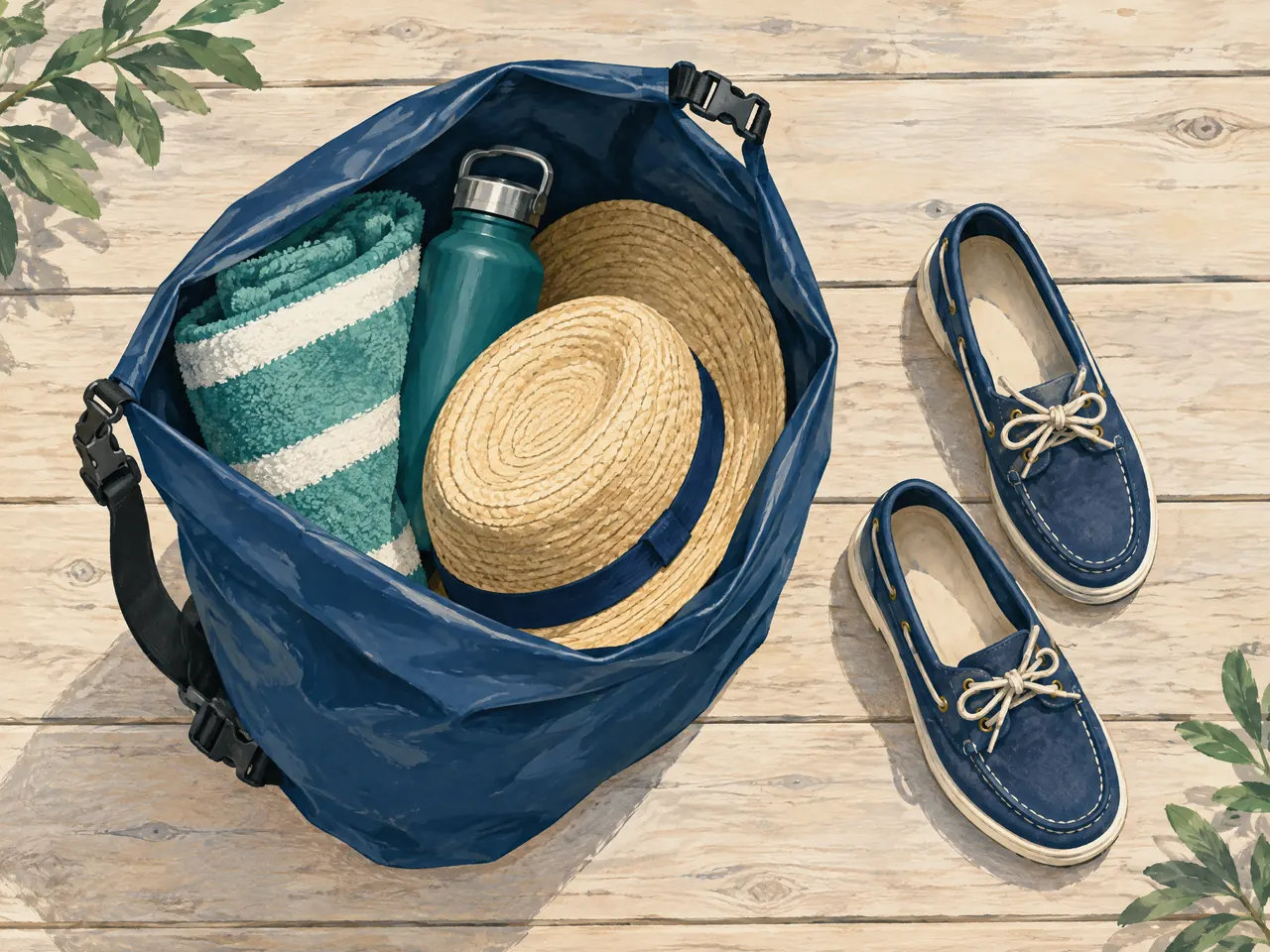
An open dry bag with a towel, water bottle and sun hat beside deck-shoe silhouettes on an abstract empty timber surface
Illustrative personal packing categories; follow the confirmed list and ask about facilities rather than assuming these items are required.Generated illustrative image

Clinic enquiries

Contact and appointment arrangements

Clinics
Prince Edward and Kwun Tong
Opening hours
11:00–21:00
WhatsApp and telephone
+852 6940 5663

Appointments, practitioner availability and service arrangements are confirmed via WhatsApp.

Please mention any consultation language needs in your WhatsApp enquiry so that arrangements can be confirmed.

Enquire via WhatsApp
Food, gifts and floral lifeWhatsApp enquiry