Separate diving equipment from camera support in your enquiry
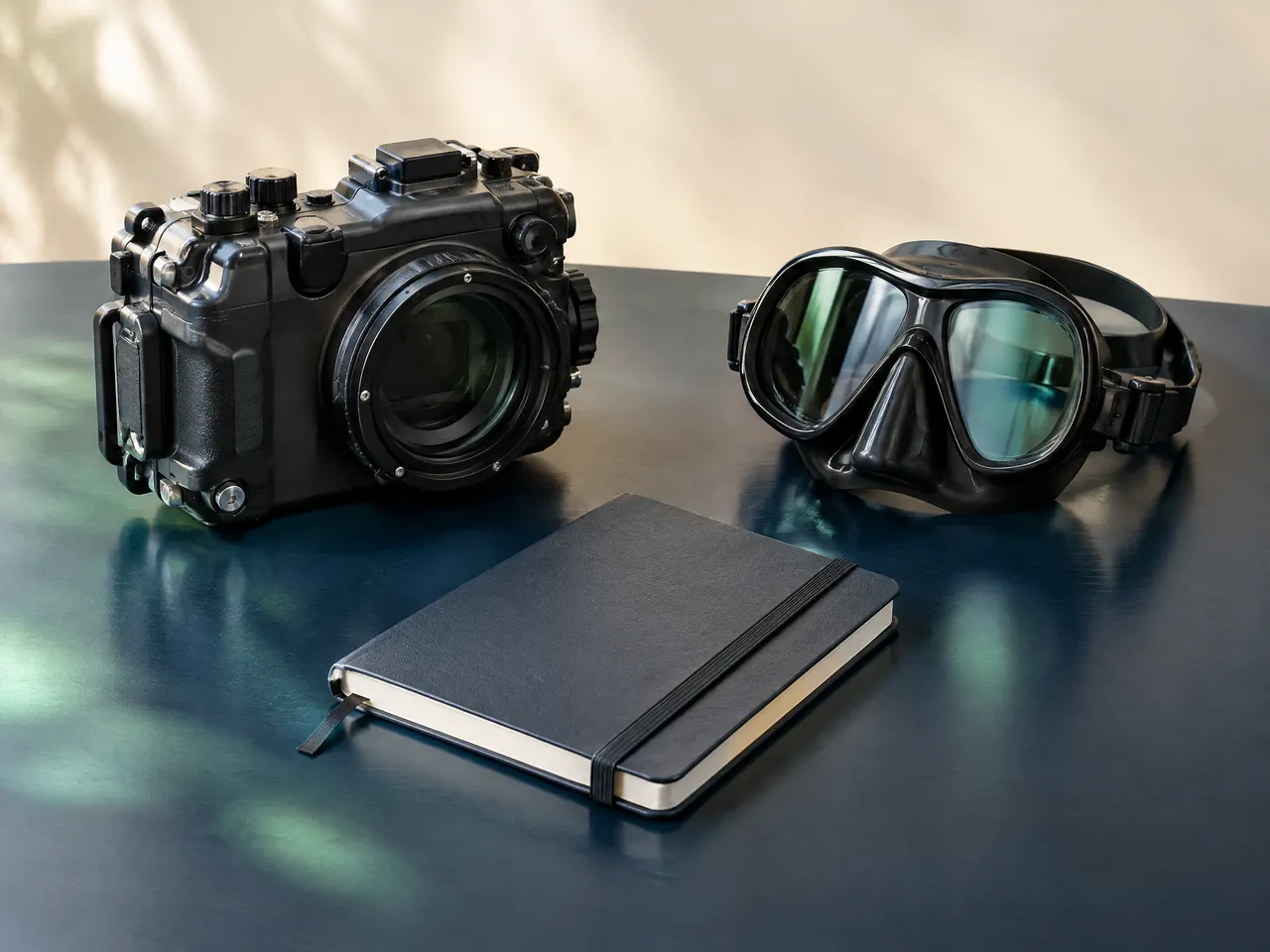
Make two equipment lists for the proposed photography session. On one, record the diving equipment you expect to use and anything unfamiliar that you want to discuss with the instructor. On the other, record the exact camera, housing and accessories you hope to bring. Ask the provider to mark each item as supplied, your responsibility or still to be confirmed. This makes a reply about dive-equipment provision distinguishable from an answer about camera compatibility; neither should be treated as confirmation of the other. [2]
Keep equipment-comfort questions separate from camera questions
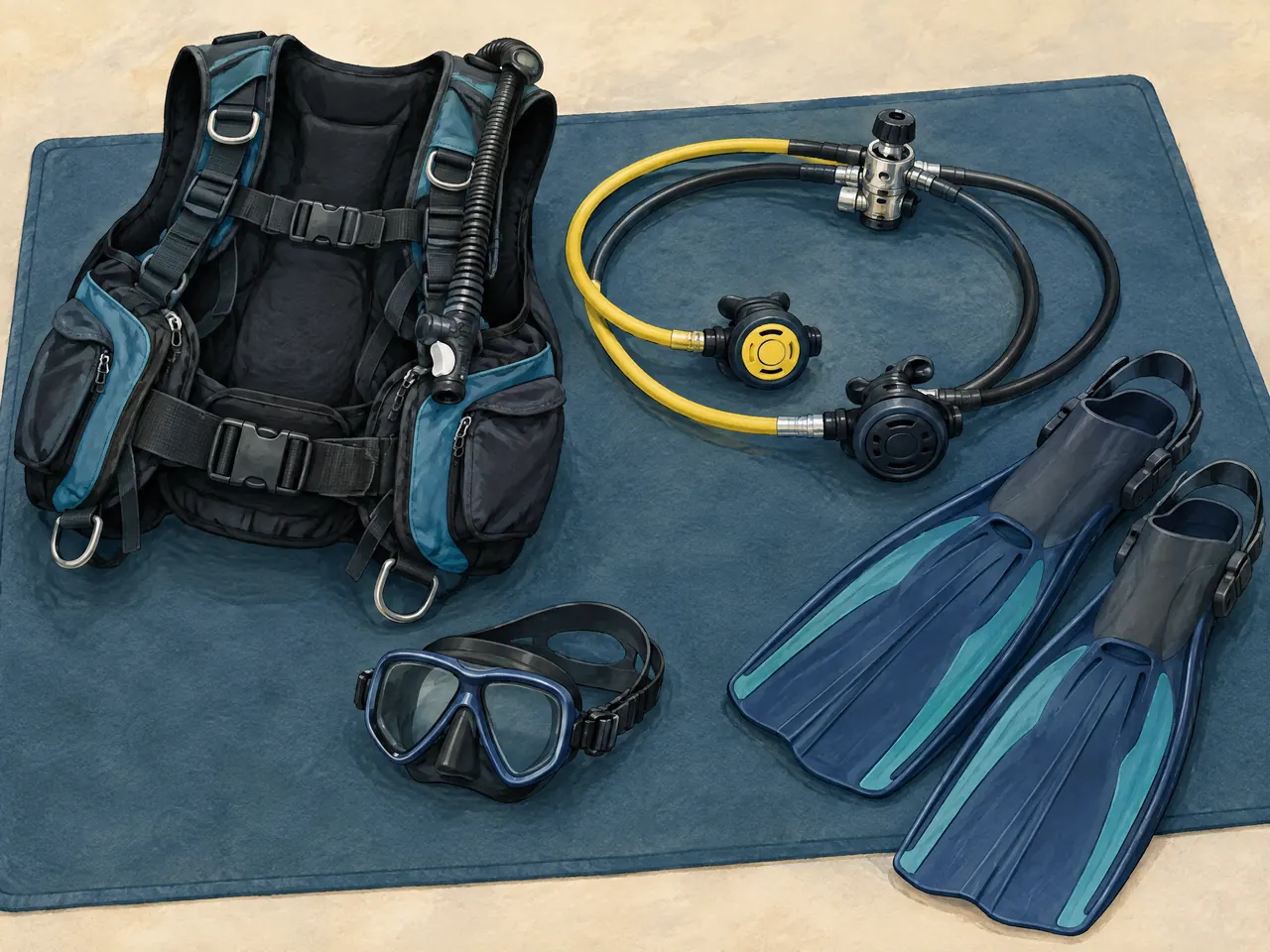
When describing a recent dive, name any equipment-comfort question rather than writing only that the dive felt difficult. If a mask or fins occupied your attention, mention that separately from a camera menu you could not understand. Ask the instructor which preparation should come first and whether equipment familiarisation belongs in the proposed plan. The objects in the illustration are conversation prompts, not a fitting guide: their appearance does not tell you what fits, and this enquiry is not an instruction to test unfamiliar equipment underwater.
Map each learning question to the proposed setting
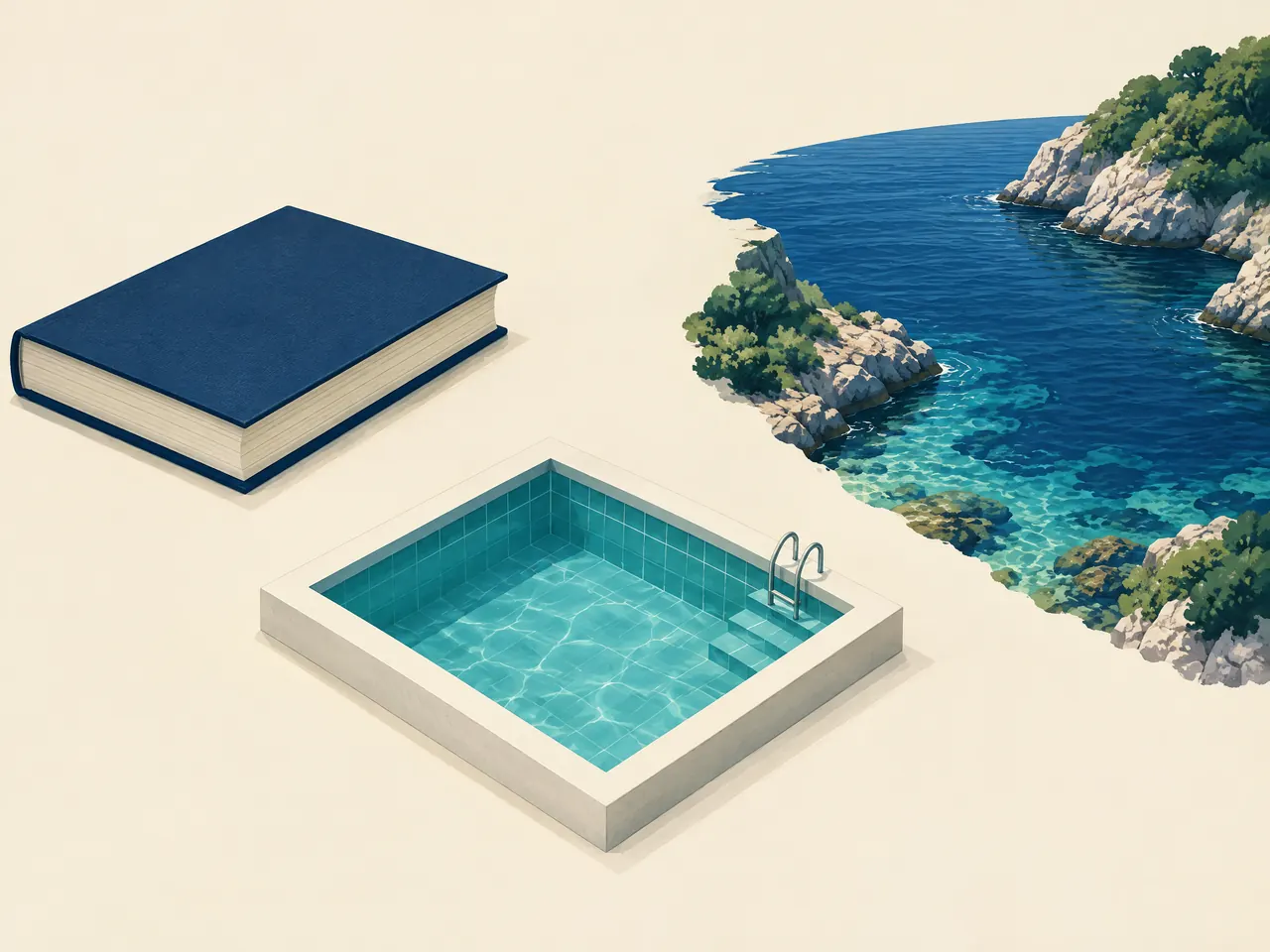
Turn the written session outline into a simple learning map. Beside each question—housed-camera controls, a photographic topic or image feedback—ask where it will be addressed and whether it belongs to the same booking. Keep land preparation, any controlled-water practice and any open-water activity visibly separate in your notes. The book, pool and cove illustration represents possible settings, not three compulsory stages. Leave a setting unconfirmed until the provider explains the actual programme, and do not infer a certification outcome from the presence of a practical activity. [2] [3]
Ask what a changed photography day would mean
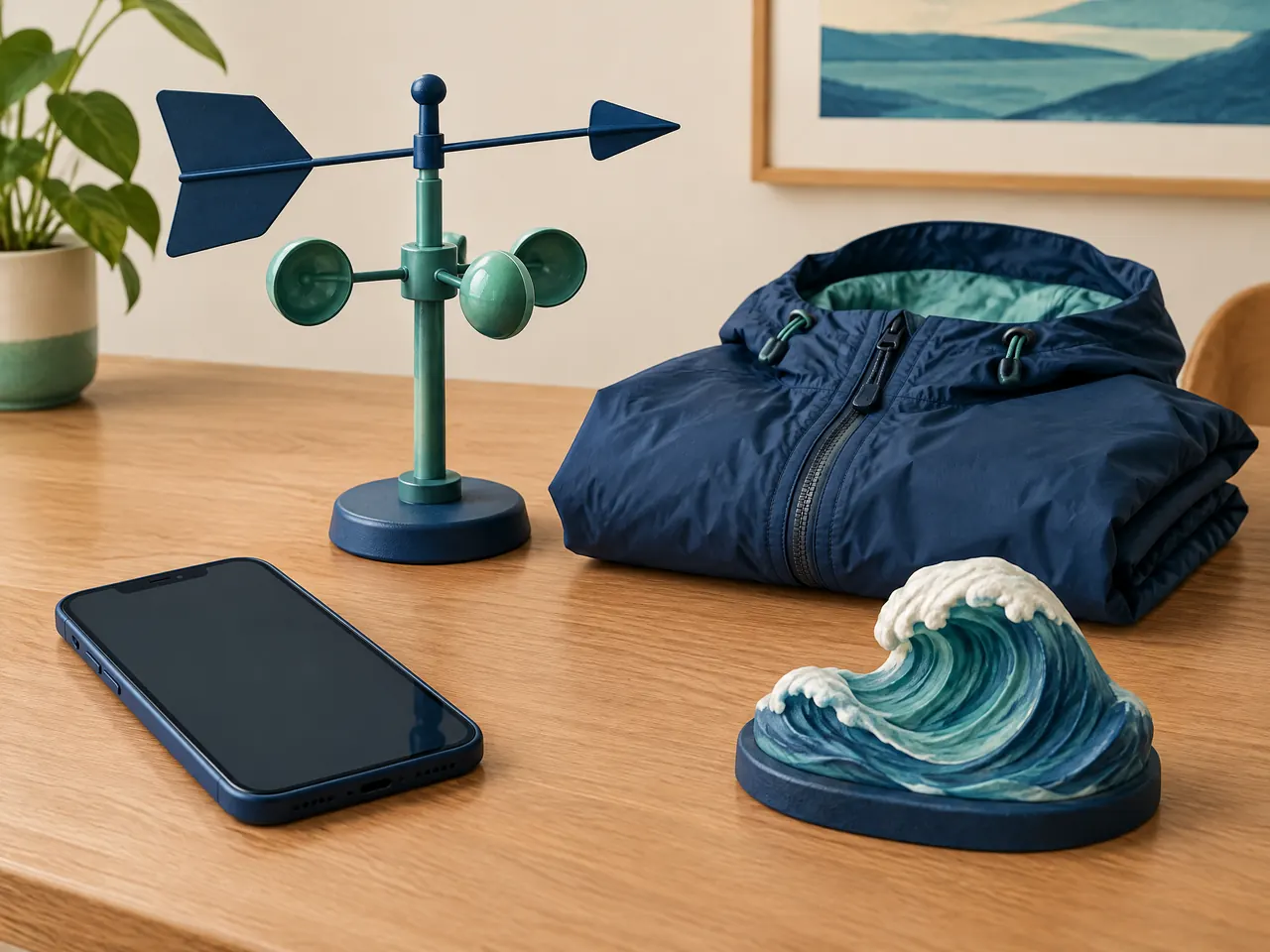
Before building a photography outing into your calendar, prepare a question about a changed plan: if conditions or equipment prevent the proposed water activity, what happens to the booking and the learning objective? You could ask whether a camera discussion or image review is possible, without assuming either is included or an acceptable substitute. Record the answer alongside the written terms, including anything still conditional. A blank phone and weather objects cue this conversation; they are not a forecast, a safe-weather threshold or a promise that the outing will proceed. [2]
Make a personal packing list only after the setting is confirmed
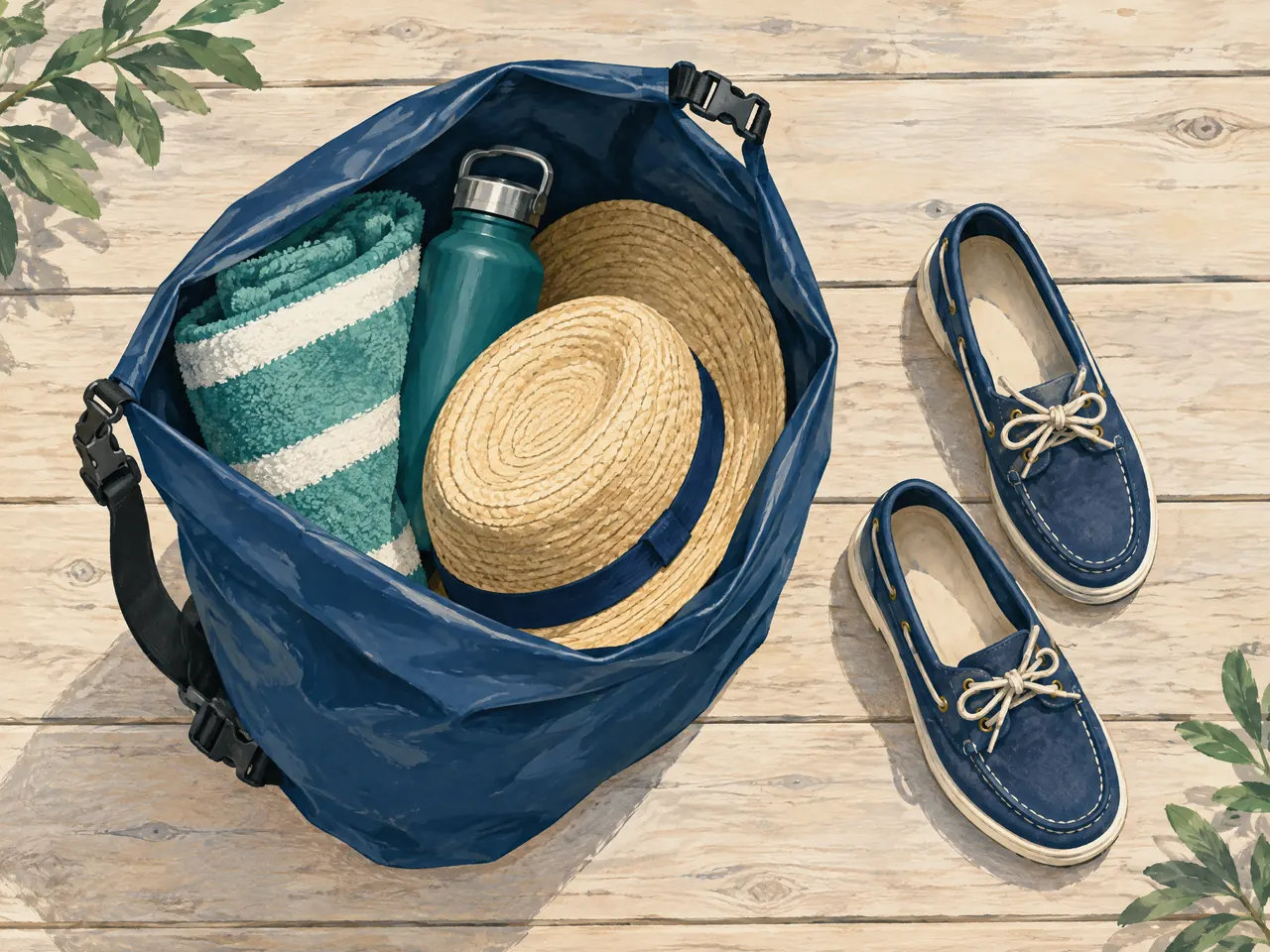
Keep your personal day bag separate from the camera and dive-equipment lists. Once the venue and transport arrangements are confirmed, ask which ordinary items to bring, whether there is somewhere to leave belongings and what facilities are available. A towel, water bottle or hat in an illustration is not evidence that the provider supplies one. If the proposal includes a boat outing, ask about space for your camera bag rather than assuming it can stay beside you throughout. For a land-based session, do not import a boat-day packing list into the plan. [2]
Write a subject brief with a fallback and a stopping point
Give your image goal three parts: the question you want to explore, a fallback if the hoped-for subject is absent, and a reason to leave the photograph unmade. For example, you might discuss making a simple scene readable, accept a different subject, and stop pursuing a composition that would disturb wildlife or distract from the dive. Ask the instructor to review that brief rather than treating it as a self-assessment of readiness. The conceptual reef is a reminder of habitat care, not a preview of a site or a promised animal encounter. [1] [2]