
Prince Edward & Kwun Tong clinics · Home-visit enquiries elsewhere

TCM Lab

TCM Lab · Outdoor learning & coastal life / Coasts and boat outings

Hoi Ha Wan diving: plan an outing around marine-park care

Content updated

A worthwhile Hoi Ha Wan outing starts with room for the marine park: leave coral untouched, check the actual access arrangements, and choose a learning or diving format that fits the people going.

Illustrative coastal outing preparation objects
AI-generated illustrative concept; not an actual DiveHarbour class, student or dive-site record.

The short answer

Plan Hoi Ha Wan as a protected coastal visit rather than a guaranteed underwater sightseeing itinerary. Read AFCD visitor guidance, confirm your activity and transport in writing, and accept that conditions may change the site or whether diving proceeds. Never stand on coral or collect marine life; beginners should ask about appropriate instruction rather than join a certified-diver outing by default.

DiveHarbour is a separate diving school under the same ownership as TCM Lab. Diving courses and activities are separate from Chinese medicine care; reading this collection or visiting TCM Lab does not replace medical fitness-to-dive assessment or clearance.

Start with the marine park, not a sightings list

Hoi Ha Wan is a sheltered bay north of Sai Kung West Country Park, designated as a marine park in July 1996. The Agriculture, Fisheries and Conservation Department, or AFCD, describes coral communities, mangroves and varied marine life within the park. Those habitats are the reason to visit carefully, not a promise that every outing will provide clear water or a particular encounter. A protected designation describes how the place is managed; it does not reserve wildlife for your group. [1]

Before choosing a date, decide what would make the visit worthwhile without a perfect photograph. You might want to learn about a local coastal habitat, enjoy time outdoors with a diving buddy, or observe marine life without disturbing it. This gives you a useful basis for discussing the plan with an organiser. A request built around respectful observation is easier to adapt than one built around a compulsory coral stop or a must-see animal.

AFCD specifically asks visitors to avoid damaging natural habitats and tells divers and swimmers not to stand on fragile corals. Read that guidance before you pack, so everyone understands why the outing may involve limits on where they go and what they touch. Agree with companions that a shorter, changed or non-diving visit can still be worthwhile when the original plan is unsuitable. [1]

Make coral care part of the group’s expectations

Marine-park care is more than remembering not to pick up a souvenir. AFCD’s visitor code lists prohibitions on unauthorised collection or injury of wild animals and plants, damage to shoreline or seabed features, pollution and littering. Leave shells, living organisms and natural features where they are. A small object is still part of the place you came to appreciate, and taking nothing is a simple expectation to explain to children or first-time visitors. [2]

For divers, ask how the briefing will address avoiding contact with coral and keeping equipment clear of sensitive habitat. If you doubt your current ability to avoid contact, explain that before booking rather than making the reef your practice area. The organiser can discuss a different site, refresher or learning arrangement. This article is about making that choice early; the actual skills belong in supervised training, not an improvised lesson beside coral.

Photography should fit those expectations too. Do not ask a buddy to handle an animal, move something from the bottom or crowd a living surface for a better frame. Decide beforehand that an unobstructed view is not something you are entitled to create. On shore and aboard the vessel, keep packaging contained and take your rubbish away. Loose items deserve attention before they become litter in the water, where recovery may create further disturbance. [2]

Confirm boat and shore access as separate arrangements

If you are considering a Hoi Ha Wan boat dive, use the destination page to prepare an enquiry rather than assume a departure is already scheduled. Share your certification, recent diving experience, equipment needs and comfort with boat travel. Ask for the actual meeting point, boarding instructions, proposed activity and expected return arrangement. The page presents the outing as dependent on suitable participants and conditions, not as a fixed vessel or guaranteed underwater route. [3]

A marine-park destination and a boat departure point are not interchangeable. Do not send friends to Hoi Ha village merely because it appears in the outing’s name. Find out whether transport is included, whether everyone meets at the same place, and what happens to dry belongings during the activity. If some companions will not dive, ask whether their participation is possible and what their day would involve; a seat or alternative activity should not be assumed.

AFCD also identifies unauthorised mooring and anchoring among prohibited activities. Ask how the organiser’s proposed vessel arrangements respect the park’s requirements, rather than suggesting that the boat stop anywhere convenient for photographs. For a shore-based alternative, remember that beaches inside marine parks are not gazetted swimming beaches with lifeguards on duty. Switching from boat to shore does not automatically make an unsupervised swim an appropriate replacement. Confirm the revised activity separately. [2]

Leave space for weather and a different site decision

Hoi Ha Wan’s sheltered setting is useful geographic context, but it is not a daily forecast. Wind, sea conditions and visibility still need to be considered for the actual outing. Ask when the organiser expects to update participants and which parts of the plan remain provisional. A saved confirmation from weeks earlier should not be your only information on the morning you travel. The boat page makes clear that conditions and participant suitability affect the plan. [1] [3]

The wider Sai Kung diving Hong Kong guide is helpful when discussing alternatives because it treats site choice as a match between diver background, access and current conditions, rather than a universal ranking. Tell the organiser whether the marine-park setting is your main interest or whether another suitable coastal outing would meet your goal. An alternative is a separate proposal to understand, not something to accept solely because it keeps the day busy. [4]

Keep practical commitments flexible where you can. Avoid a tight onward appointment that relies on an exact return time, and ask how changes will be communicated to the whole group. Before payment, read the written booking terms: DiveHarbour’s published notice says fees are non-refundable and make-up sessions are subject to those terms. Do not treat weather uncertainty as an automatic refund or a guaranteed replacement date. Knowing this beforehand helps you choose a booking you can realistically accommodate. [3]

Choose instruction or a certified outing before choosing scenery

A group may share an interest in Hoi Ha Wan without sharing the same diving readiness. One person may be certified and active, another may be returning after a long break, and another may never have tried scuba. Tell the organiser about each participant separately. The location should not decide the learning format, and the most experienced friend should not speak for everyone’s comfort or willingness to enter the water.

For a new learner, the Sai Kung scuba diving course page offers questions about the proposed pathway, water venues and travel arrangements. Ask whether you are discussing an introduction or a certification course, which agency applies, and how theory, controlled-water practice and open-water learning are organised. Confirm current prerequisites, equipment, supervision and inclusions. A regional course name does not confirm a particular training venue or mean that Hoi Ha Wan will be the sea-day location. [5]

Explain a conservation-minded learning goal: you want to build the ability and confidence to observe habitats without contact. That is more useful than asking to complete training at a specific reef regardless of progress. An introductory experience is not certification, and a certified diver who needs refreshed practice may require a different arrangement from a beginner. Friends can plan together without having to learn or finish at the same pace. [4] [5]

Complete your own required health questionnaire honestly and seek an appropriately qualified doctor’s advice if evaluation is indicated or a personal concern needs resolving. Neither reading this TCM Lab lifestyle article nor receiving TCM treatment provides clearance to dive. Diving is a separate outdoor activity, not a medical treatment or a reason to change prescribed medication. [5]

Pack for a coastal day and keep the agreement readable

Pack according to the organiser’s confirmed list, not a picture of someone else’s boat. Ask what diving equipment is included and what you must bring, including any records needed to establish your training background. For the wider day, consider drinking water, sun protection, a towel and dry clothing. Mention mobility needs, equipment fit questions or boat-travel discomfort early enough for a useful discussion. Do not rely on unconfirmed storage space, refreshments or transport. [3]

A low-litter bag can be simple: a refillable drink container, food packed to minimise loose wrapping, and a small bag for your own rubbish. Keep small items together so they do not scatter while you change or move between transport and the vessel. Ask where personal belongings can be secured. Reducing what you carry loose is practical for your day and supports AFCD’s prohibition on littering and polluting park waters. [2]

Save one readable written summary covering the activity, participant requirements, meeting instructions, equipment, charges and applicable terms. Make sure everyone has the same current version; group chats often mix provisional suggestions with final details. If a question remains unanswered, resolve it before payment or travel rather than filling the gap with an assumption. For learners, include the actual course agency and components, not merely the destination name. [3] [5]

Give the outing an observation goal, not a collection goal

A modest observation goal can make the visit satisfying without encouraging pressure on wildlife. You might hope to notice differences between coastal habitats or learn why a particular area is sensitive. Ask the organiser what can reasonably be discussed during the briefing. AFCD describes more than coral at Hoi Ha Wan, including mangroves and other marine organisms, so there is no need to make one underwater image the entire measure of the outing. [1]

If conditions or comfort lead to a changed plan, keep the same care expectations. A different site does not justify taking shells, and a shore visit does not justify entering a habitat because you missed a dive. Ask what the revised plan allows and respect current signs and instructions. If you notice damage or concerning behaviour, tell the organiser rather than approaching wildlife or entering a restricted area to investigate. [2]

After the outing, record what helped the day work: clear access instructions, realistic equipment preparation, a useful briefing or an honest conversation about readiness. Those notes are more valuable for your next enquiry than a claim that the bay is always calm or clear. A good Hoi Ha Wan visit leaves you better informed while leaving the natural setting alone. That is an achievable aim even when the sea does not match the photograph you had in mind.

Take it into everyday life

A practical checklist

  • Read AFCD’s Hoi Ha Wan description and marine-park visitor guidance before discussing the outing.
  • Tell the organiser each person’s experience, recent diving, learning goal and willingness to participate.
  • Confirm whether the booking is instruction, a certified-diver outing or a separate non-diving arrangement.
  • Save the actual meeting point, boarding instructions, transport details and expected return arrangement.
  • Ask which site and access decisions remain conditional and how updates will reach your group.
  • Confirm equipment, records, inclusions, charges and written booking terms before payment.
  • Bring the confirmed kit and keep drinking water, sun protection, dry belongings and rubbish contained.
  • Agree that coral contact, collecting natural objects and pressuring wildlife are not part of the day.
  • Leave room for a changed plan without assuming a refund, make-up session or particular replacement date.

Questions & answers

Is scuba diving banned throughout Hoi Ha Wan Marine Park?

No. AFCD’s Hoi Ha Wan page discusses scuba and snorkelling visitors and the conduct expected of them. Its general code distinguishes marine parks from the marine reserve, where swimming, diving and boating are prohibited. This does not establish that every proposed activity or access arrangement is permitted; confirm the current plan and local requirements with the organiser. [1] [2]

Does a sheltered bay mean visibility and sea conditions will be good?

No. Sheltered describes the setting, not a promise about your date. Ask the organiser for current conditions and the point at which the activity or site will be reassessed. Do not make a particular coral view or wildlife encounter a condition that pressures the group to continue with an unsuitable plan. [1] [3]

Can a first-time diver join friends on a certified boat outing?

Do not assume so. Explain the first-time participant’s status and ask about an appropriate introductory or learning format, its prerequisites and supervision. A certification course and a sightseeing-oriented outing are different bookings, and friends may need separate arrangements. An introduction does not make someone a certified diver. [4] [5]

Where should we meet, and is there a regular boat timetable?

Use the organiser’s current written instructions, not the destination name or an old group message. The assigned boat page does not establish a fixed departure timetable for your booking. Confirm the meeting and boarding points, transport, expected return arrangement and update process before travelling. [3]

What should I ask if I am worried about avoiding coral contact?

Say so before booking. Ask whether a refresher, different site or supervised learning session better fits your current ability, and how habitat protection is covered in the briefing. AFCD explicitly says divers and swimmers must not stand on fragile corals. Do not use a coral area as a place to improvise skills practice. [1] [5]

Can non-diving companions simply swim while the divers are away?

A non-diving companion needs their own agreed plan. AFCD says beaches in marine parks are not gazetted swimming beaches with lifeguards on duty. Ask what participation, supervision and access are actually arranged rather than assuming an independent swim is included or suitable. [2] [3]

If conditions change, can I automatically obtain a refund or another date?

No. DiveHarbour’s published notice states that fees are non-refundable and make-up sessions are subject to written terms. Read the applicable terms before paying and ask how a weather or operational change is handled. Neither a refund nor your preferred replacement date should be assumed. [3]

Sources & further context

Numbered references follow the source order below. Course websites describe their own programmes; health and coastal sources have separate purposes and do not endorse commercial course quality.

  1. [1] AFCD: Hoi Ha Wan Marine Park
  2. [2] AFCD: Code for Visiting Marine Parks
  3. [3] DiveHarbour: Hoi Ha Wan Boat Diving
  4. [4] DiveHarbour: Sai Kung Dive Sites for Different Diving Goals
  5. [5] DiveHarbour: Sai Kung Scuba Diving Course

Turn a photography wish into a habitat-care question

If photography is part of your interest in Hoi Ha Wan, make it a briefing question rather than a request for a particular coral stop. You could ask, ‘How will our group avoid contact while observing or taking photographs?’ Explain any concern about keeping clear before the organiser proposes the activity. A useful photograph must not depend on handling an animal or moving something from the seabed. AFCD's coral-care guidance remains relevant even when a hoped-for view is unavailable. [1] [2]

The reef illustration is a conceptual scene, not a record of Hoi Ha Wan's coral distribution, water clarity or wildlife on your date. Use it to discuss respectful observation, not to choose an entry point or predict what the outing will show.

Conceptual underwater illustration with separated coral shapes, a sea fan, a distant small fish school and open water above the reef
Coral and fish shapes support a habitat-care discussion; this is not a Hoi Ha Wan site record or a visibility forecast.Generated illustrative image

Separate the equipment list from the supply agreement

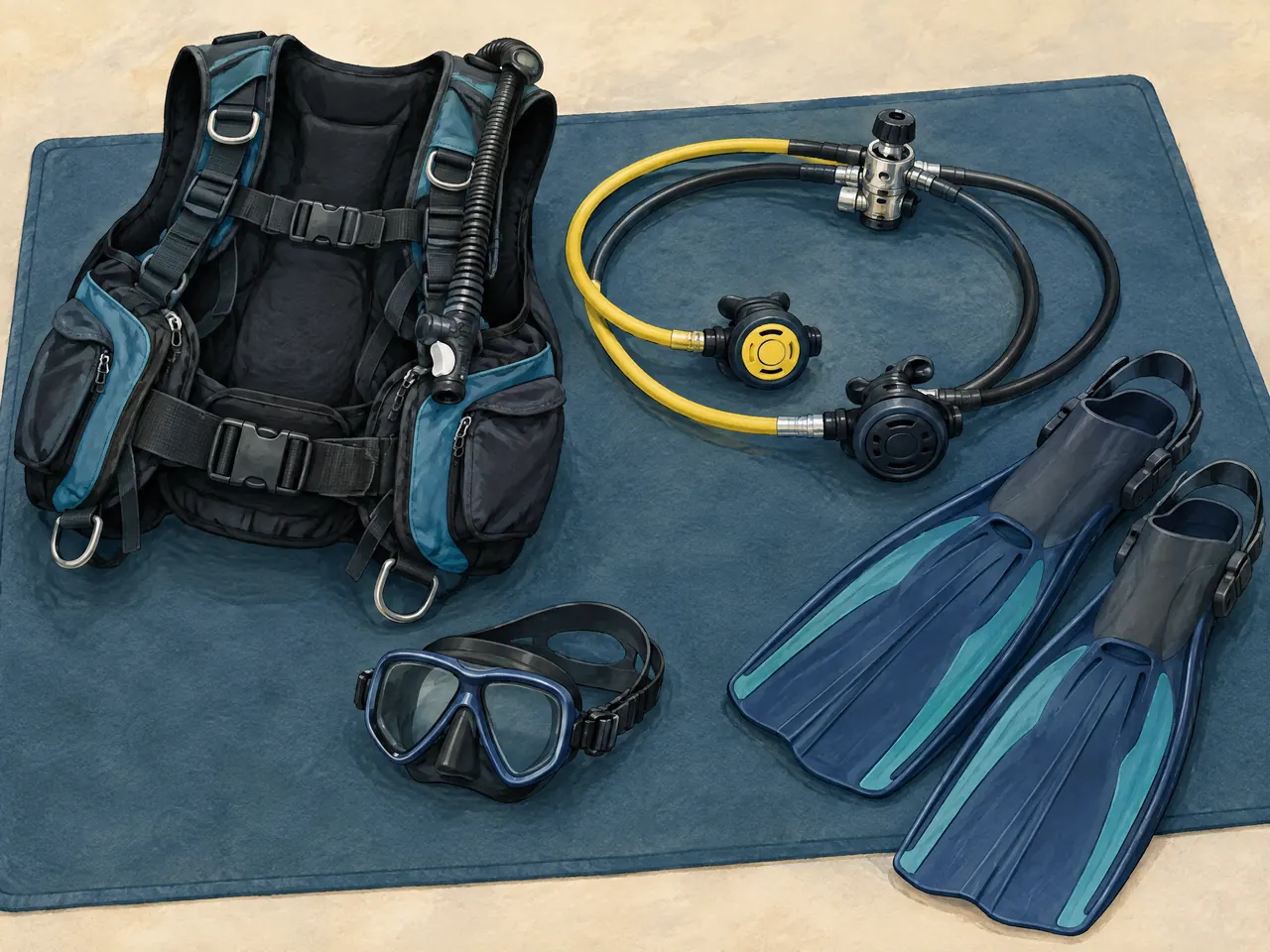
Make three short lists for the proposed outing: equipment you intend to bring, equipment you need to hire, and items whose supply is still unanswered. Use the illustrated buoyancy compensator, regulator assembly, mask and fins as prompts for that conversation, not as a complete packing list. Ask the organiser to confirm what the actual booking supplies and what information they need about your own kit. A familiar equipment name does not confirm an item's condition, suitability or inclusion. [3]

Keep this list beside the participant record rather than sharing a single group's assumed kit allocation. One person's rental needs or unfamiliar equipment may require a separate discussion; resolve that before the boat arrangement is treated as final.
Unbranded buoyancy compensator, regulator assembly, mask and fins laid out separately on a dry preparation mat
Separate equipment objects prompt bring-or-hire questions; they do not show the actual equipment supplied for a booking.Generated illustrative image

Give equipment-fit questions their own space

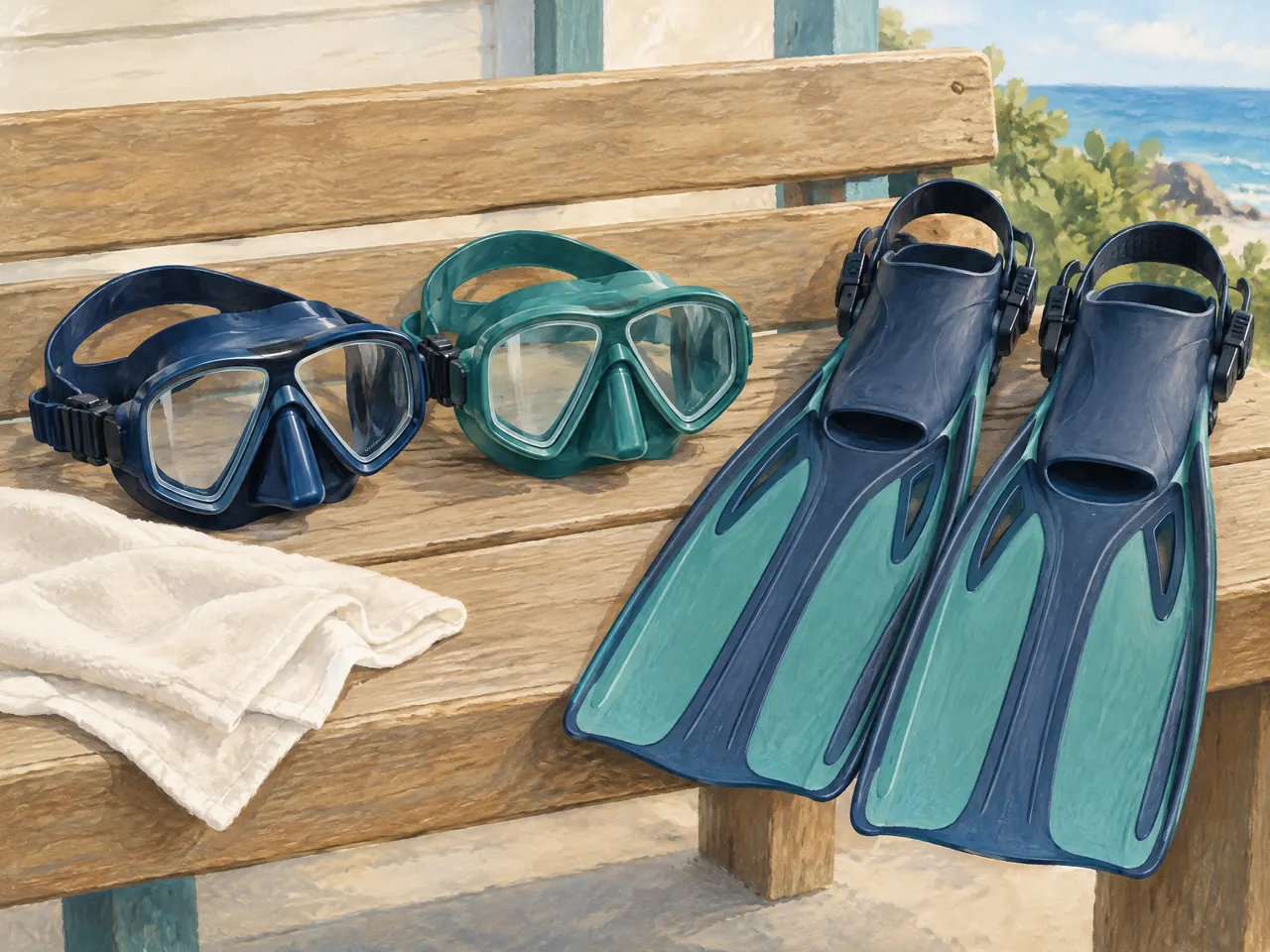
An equipment request is more useful when it includes what you want to discuss about comfort. If you remember mask discomfort or uncertainty about the fins you previously used, describe that separately from the rental list. Ask whether and when fit can be discussed with an instructor or organiser before the activity, rather than assuming every issue will be resolved during boarding. For a learner, include those questions in the proposed instruction arrangements. [3] [5]

The two masks and separate fins illustrate a fit conversation, not recommended models or interchangeable choices. Do not use their appearance to select a size, judge a seal or conclude that your equipment is ready for use.
Two generic scuba masks and separate adjustable fins arranged on a bench beside a clean cloth
Masks and fins illustrate personal fit questions, not a product recommendation or an equipment assessment.Generated illustrative image

Record the learning format without assigning it to the bay

For each person seeking instruction, write down the proposed format and then the questions still awaiting confirmation: knowledge preparation, supervised controlled-water practice and any open-water learning that applies. The book, miniature pool and abstract cove help keep these contexts separate; they do not establish the sequence, number of sessions or requirements of your booking. Ask for the named programme and its actual components before placing them in the calendar. [5]

Keep ‘Hoi Ha Wan interest’ as a preference, not as the venue beside every learning component. Someone joining an introductory experience, someone pursuing certification and a certified friend considering an outing may need different plans, even when they began with the same destination photograph. [4] [5]

Conceptual desk model with a closed book, a miniature empty pool and a separate abstract open-water cove
Separate learning contexts prompt programme questions; the model is not a syllabus or a promise of training at Hoi Ha Wan.Generated illustrative image

Agree what the group will do with an outing update

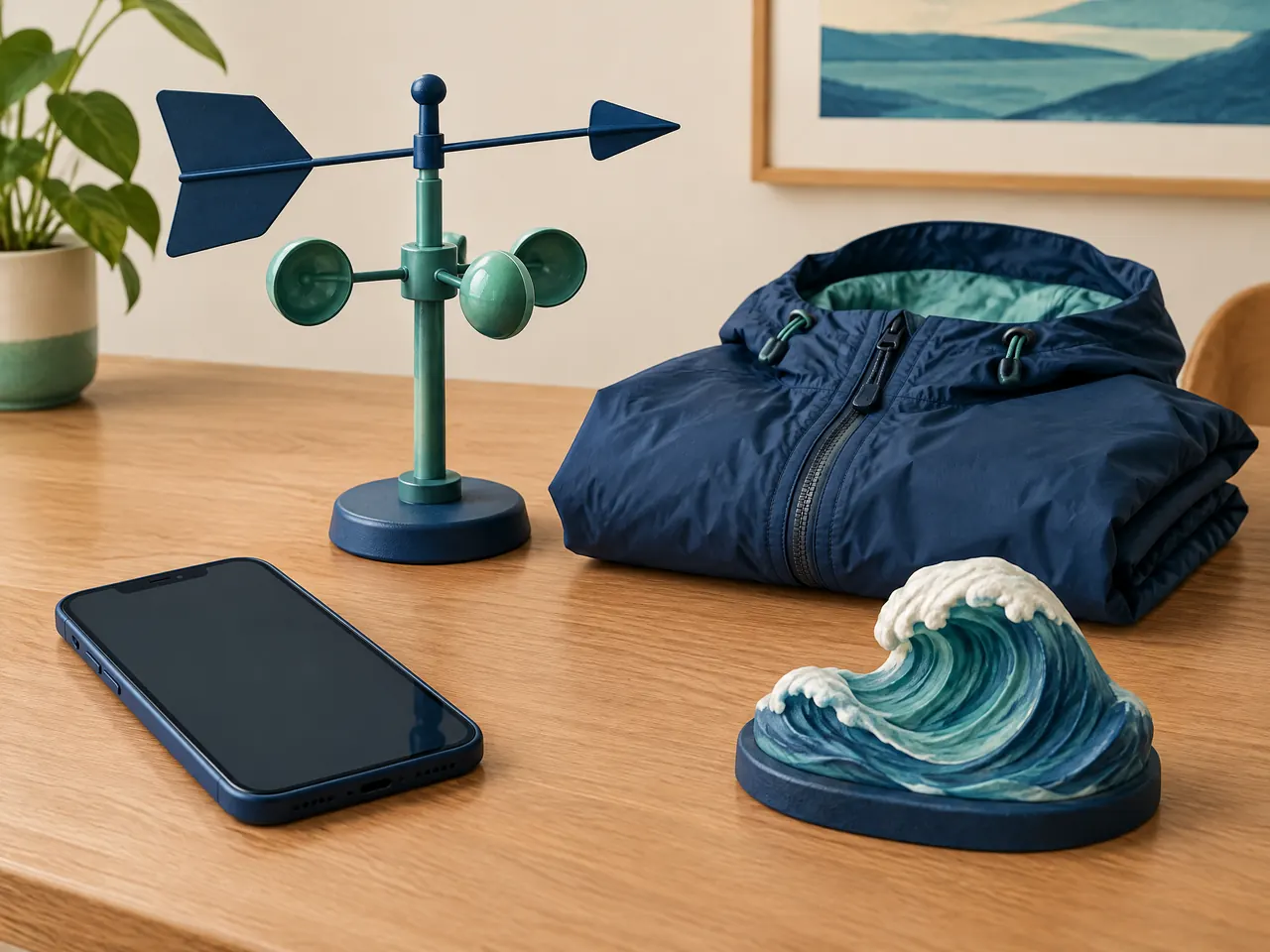
A weather-update arrangement needs more than the name of a group chat. Ask when to look for the organiser's message, who will confirm that everyone has received it, and which details must be checked again if the proposal changes. A new activity or meeting arrangement should be understood before companions begin travelling. Keep the last confirmed plan separate from an earlier suggestion, and ask about an unanswered change instead of assuming that the original transport or return arrangement still applies. [3]

The blank phone, wind-vane model and wave sculpture are reminders to seek current information. They do not display a forecast or a safe-to-dive threshold, and Hoi Ha Wan's sheltered description is not a substitute for the organiser's assessment of the actual outing. [1] [3]
Unbranded phone with a blank screen beside a wind-vane model, rain shell and miniature wave sculpture
Weather and communication objects prompt an update plan; no forecast, operating decision or safe threshold is shown.Generated illustrative image

Plan where the personal bag goes during the activity

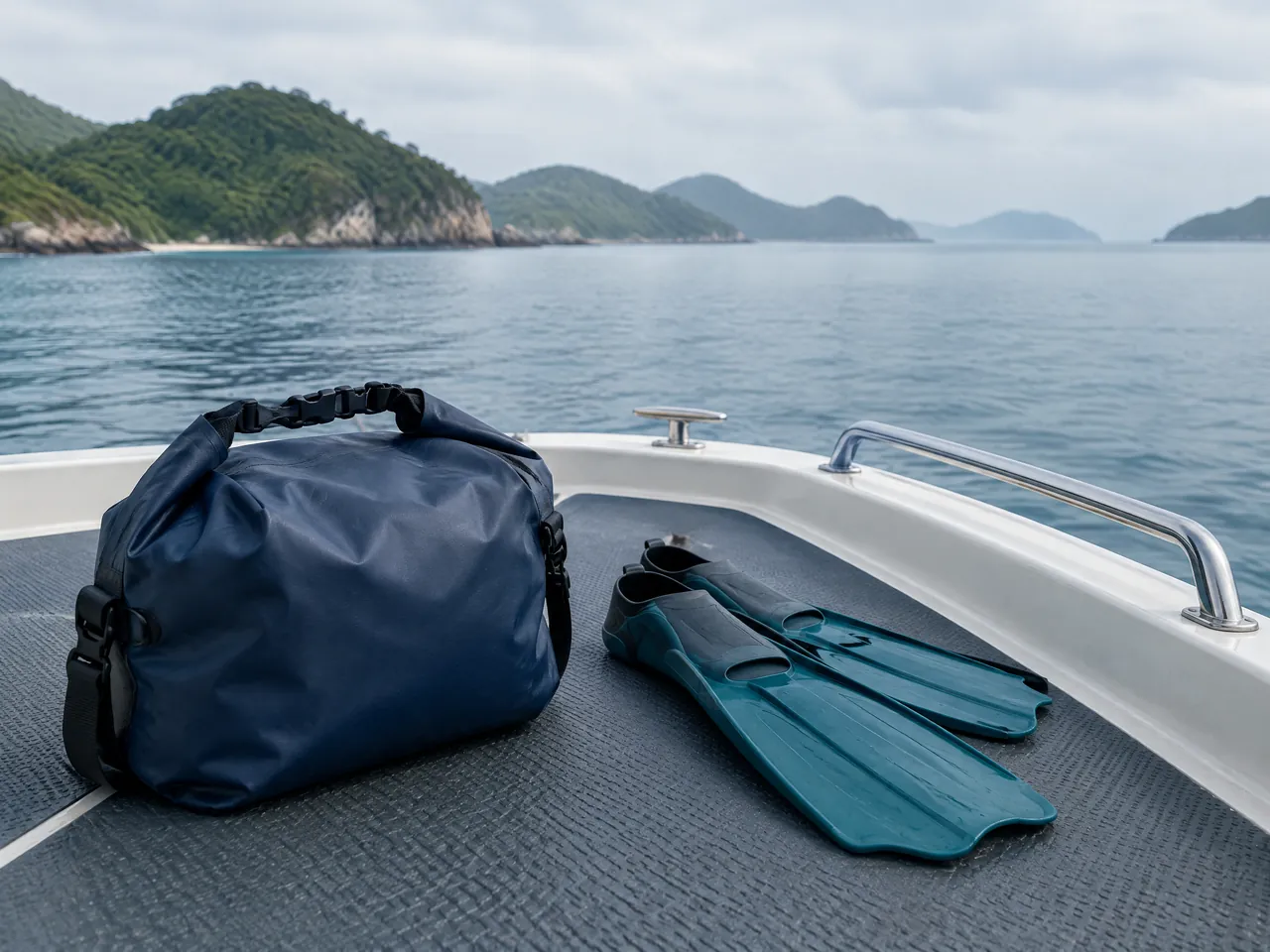
Once the organiser confirms the kit list, distinguish specialist equipment from the bag for your wider coastal day. Group drinking water, sun protection, a towel and dry clothing together, then ask where that bag can be kept while you participate. Keep an arrangement for your own rubbish too. The dry-bag illustration is a packing prompt, not evidence that a vessel provides secure storage or that any particular bag will keep belongings dry. [2] [3]

If a companion is not diving, confirm their access and belongings arrangements separately. Do not turn an unallocated seat, an assumed storage space or a nearby beach into their day plan. A changed shore activity still needs its own agreement. [2] [3]

Open dry bag containing a towel, water bottle and sun hat beside deck-shoe silhouettes on an abstract empty timber surface
Personal coastal-day items are distinct from diving kit; the scene does not show a booked vessel or guaranteed storage facilities.Generated illustrative image

Clinic enquiries

Contact and appointment arrangements

Clinics
Prince Edward and Kwun Tong
Opening hours
11:00–21:00
WhatsApp and telephone
+852 6940 5663

Appointments, practitioner availability and service arrangements are confirmed via WhatsApp.

Please mention any consultation language needs in your WhatsApp enquiry so that arrangements can be confirmed.

Enquire via WhatsApp
Food, gifts and floral lifeWhatsApp enquiry