Keep equipment supply and fitting in separate notes
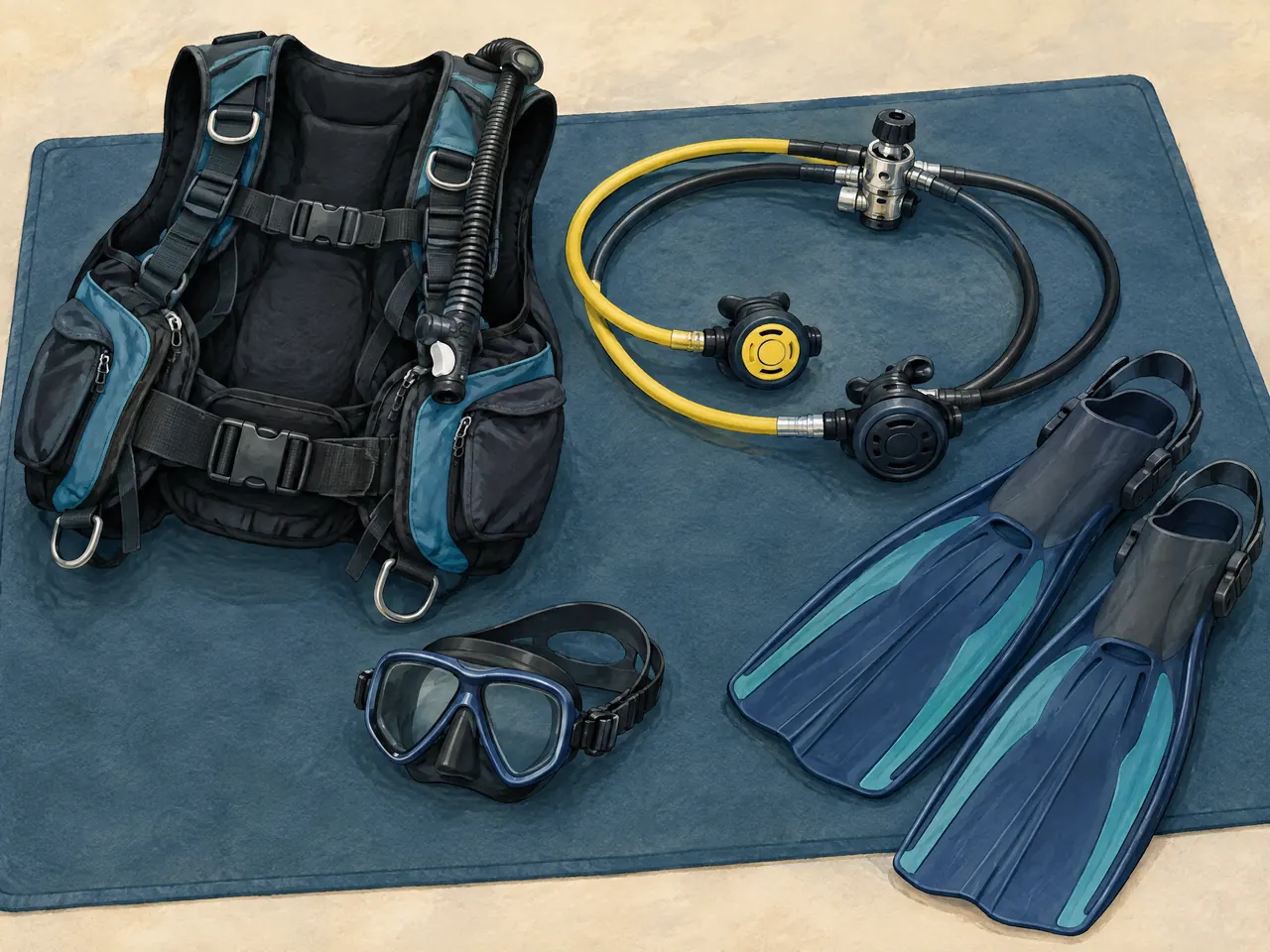
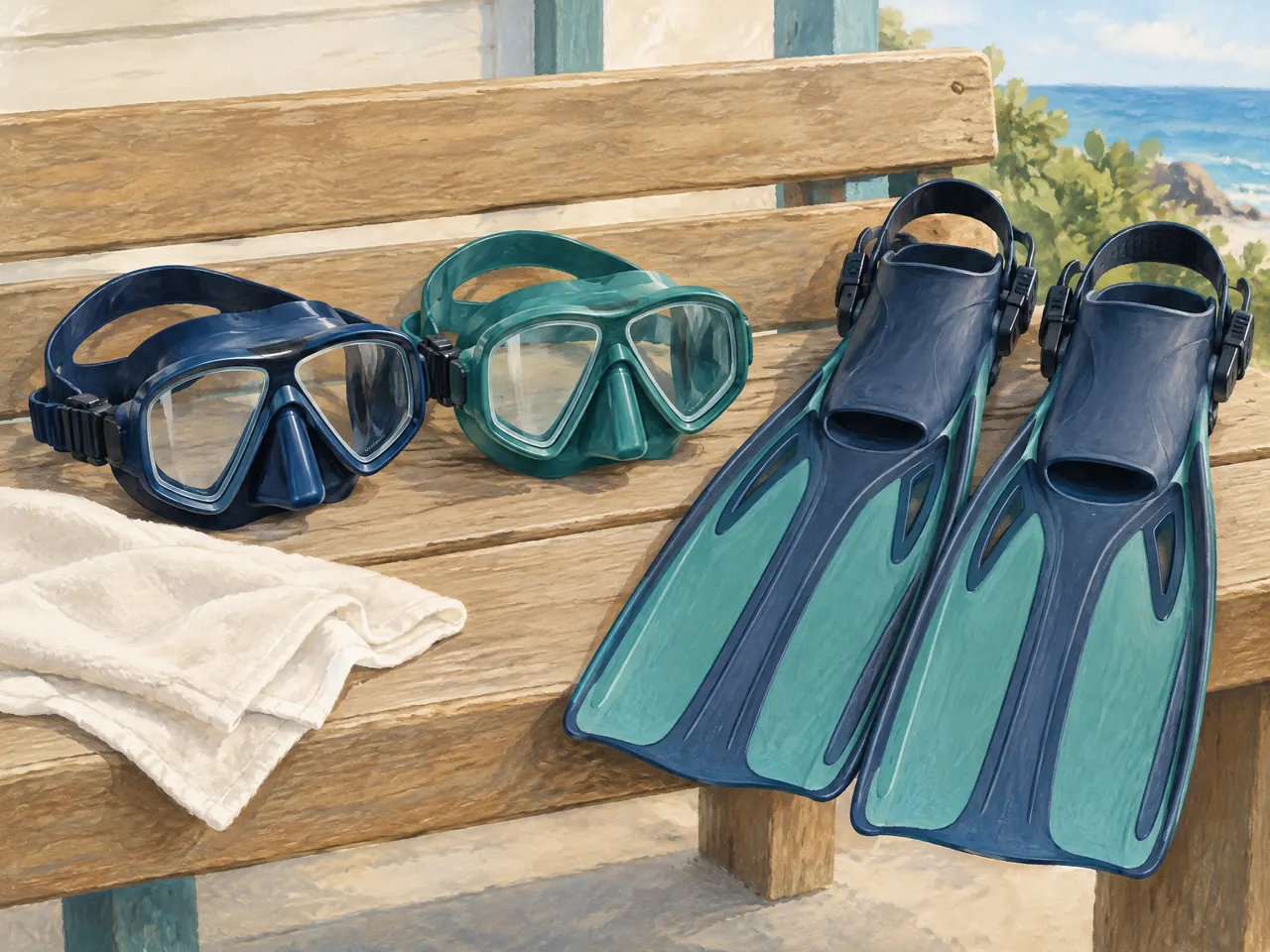
For each proposed water session, make one equipment note listing what the provider says is supplied, what you are asked to bring and anything still awaiting confirmation. A mask, fins, buoyancy compensator and regulator assembly in an illustration identify subjects to ask about; they are not a packing requirement or a record of the provider's stock. If the proposed venue or session format changes, ask whether that equipment note also needs updating.
Keep fitting questions beside that list rather than treating supplied equipment as a settled fit arrangement. Ask when you can discuss mask and fin comfort with the instructor, whether any sizing information is needed beforehand and whether fitting changes the requested arrival time. This separates an equipment enquiry from a purchase decision and connects it to the journey you actually need to plan.
Give each learning component a working record
Once the provider identifies the actual programme, create a separate note for each learning component. Record its purpose, preparation still to complete, proposed date, confirmed meeting instructions and any unanswered question. Mark proposed details clearly so a suggested water venue does not quietly become a confirmed address. The book, pool and cove in the illustration separate learning contexts conceptually; use the provider's outline, not those objects, to establish your course sequence and requirements.

Keep the latest change message with your journey plan
When a session update arrives, record when it was sent and which arrangement it replaces. Check whether it changes the date, meeting point, arrival instructions or learning component, rather than saving only a new map pin. If you are already travelling, explain your position and ask for current instructions instead of continuing towards the old venue by assumption. Recheck the return arrangement and tell any companion who is relying on the earlier plan. A weather-related update is a planning instruction to clarify, not permission to assess diving conditions yourself.
Plan where personal belongings go between sessions
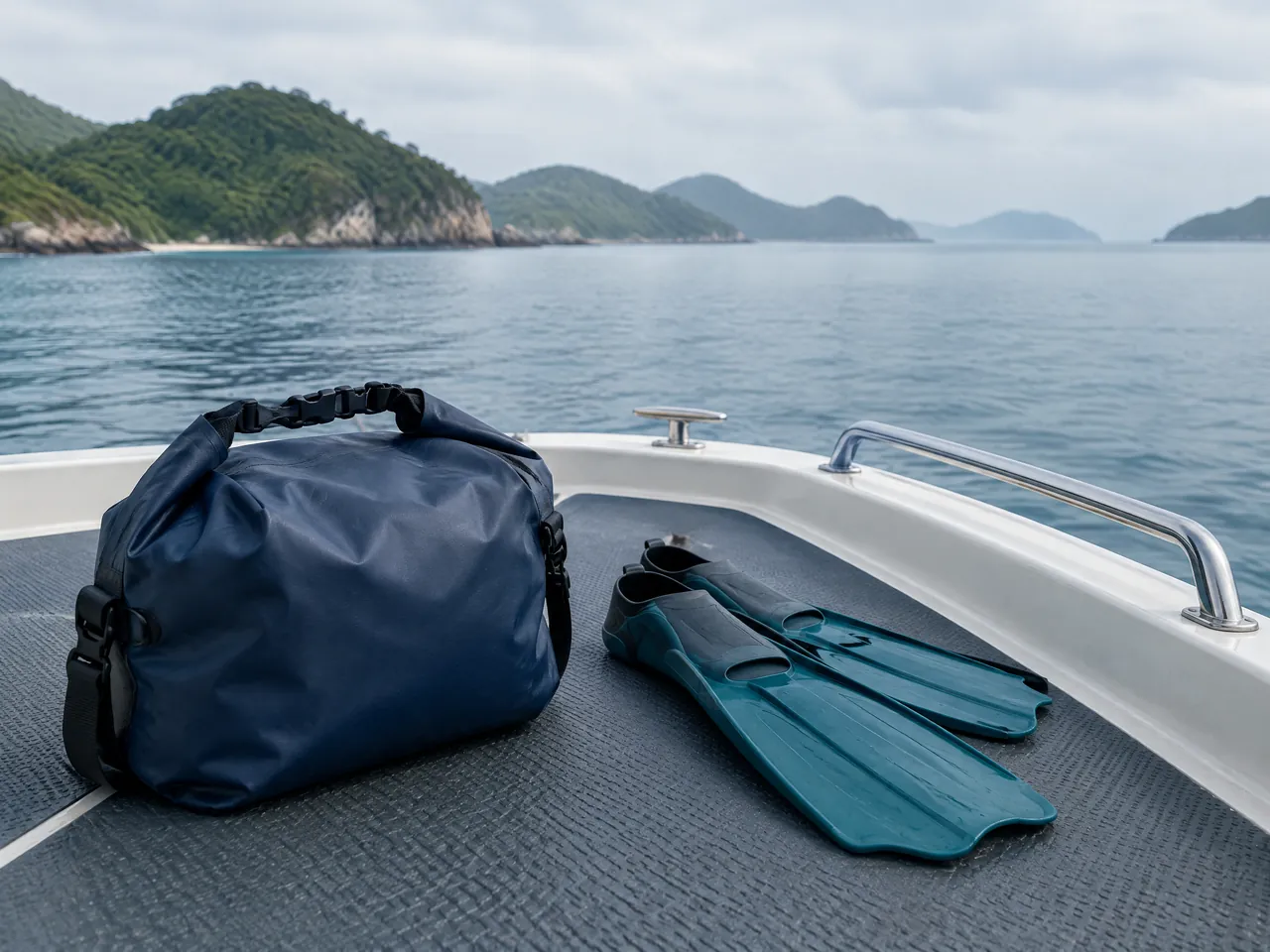
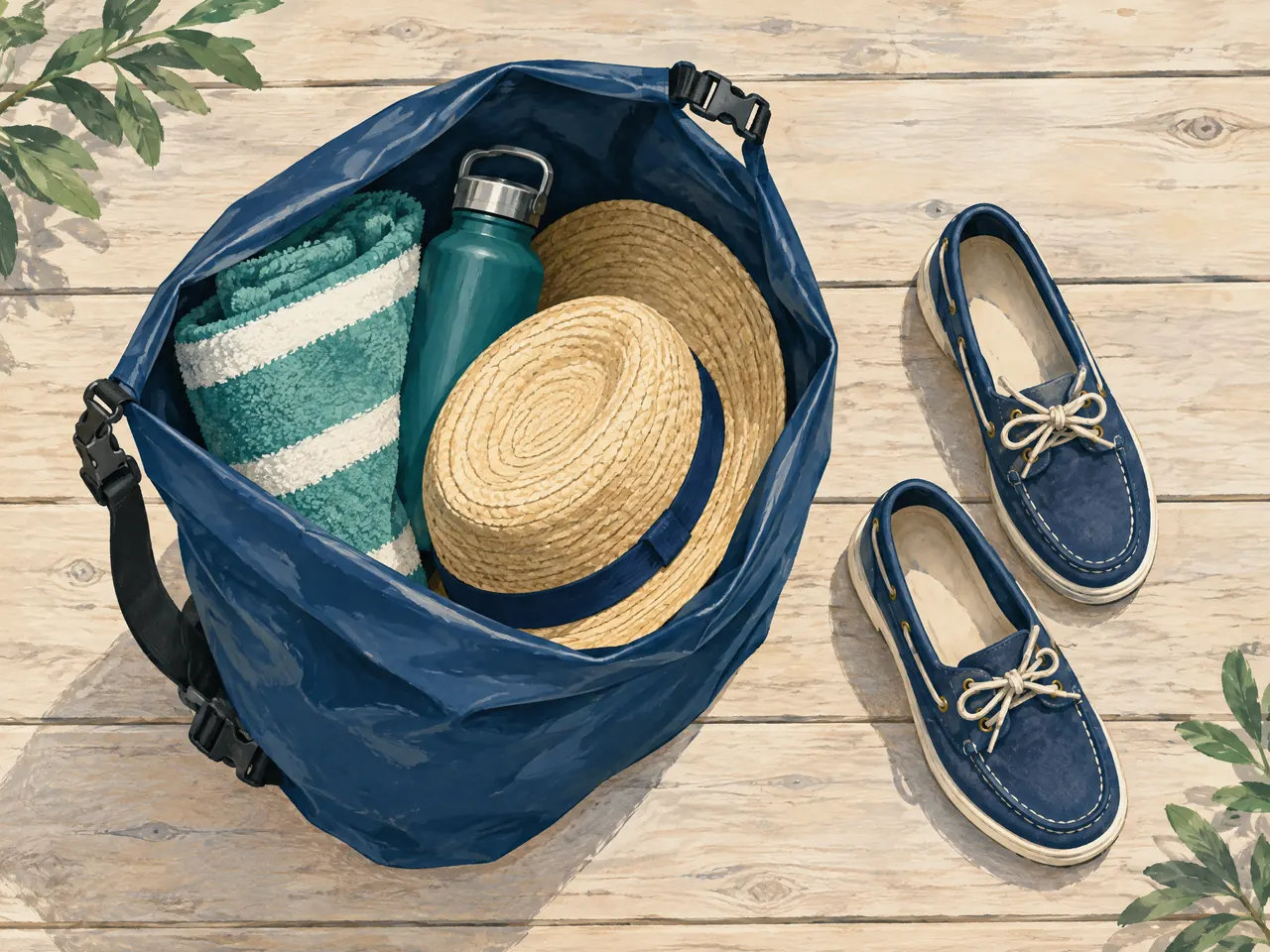
For a day that may include changing venues, divide your personal packing note into what you need to keep accessible and what you need to store. Ask where dry clothes and other belongings can remain while you take part, whether you must carry everything on an onward journey and whether that arrangement changes for a boat-based session. Keep the latest meeting instructions available rather than buried with items you will not need until the return journey. A dry bag in a concept illustration is a prompt for storage questions, not confirmation that storage or protection is supplied.
Turn interest in marine life into a question, not an itinerary
If Hoi Ha Wan's marine habitats are what attracted you to Sai Kung, note that interest separately from your course requirements. Ask whether any proposed visit includes an opportunity to learn about the surroundings and how visitor guidance will be explained. Before adding an independent coastal visit, check that it fits around confirmed training obligations and share the original reminder never to stand on fragile corals with anyone joining you. The conceptual reef below is not Hoi Ha Wan and does not predict the habitats, wildlife or visibility you will encounter.