
Prince Edward & Kwun Tong clinics · Home-visit enquiries elsewhere

TCM Lab

TCM Lab · Hair choices & preparation / Skills and learning

Starting a hairdressing course: compare practice time and feedback

Content updated

A long syllabus is not the same as time spent cutting. Compare what you will practise yourself, when an instructor can intervene, and how you will recognise progress before choosing beginner haircut or barber training.

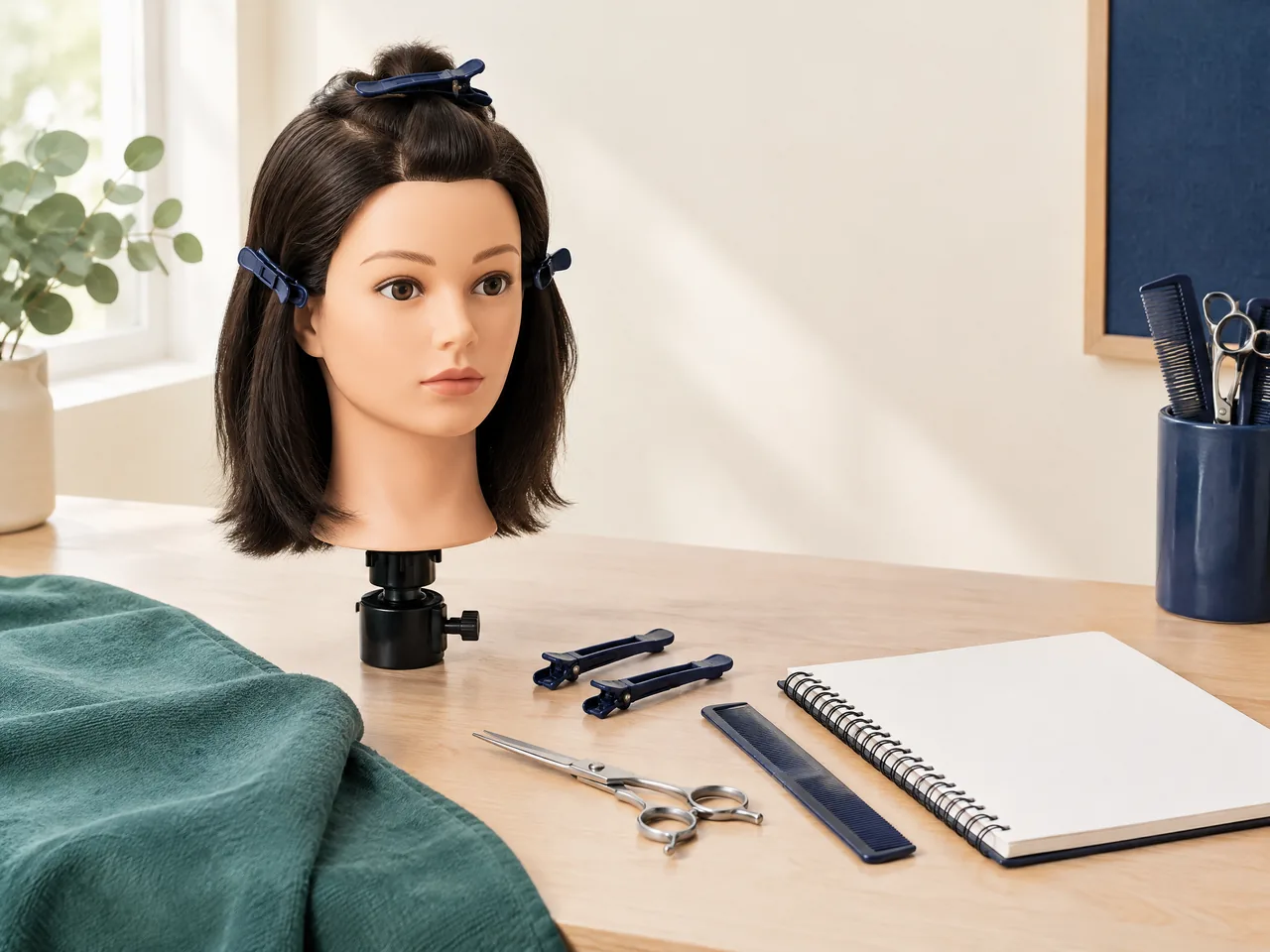
Illustrative hair skills practice workstation
AI-generated illustrative concept; not a DT Hub location, product photograph or case record.

The short answer

Ask for the split between demonstrations and your own supervised practice, how models and tools are arranged, and whether feedback includes a chance to repeat the corrected task. Choose foundational haircutting or barber specialisation around your present skills, then confirm the current timetable, full costs and teaching language in writing. Course completion alone does not establish readiness for unsupervised client work.

DT Hub is an external website under the same ownership as TCM Lab, with salon and Academy, hair assessment and Chinese medicine hair-growth information, and wig sections. Salon services and scalp spas concern styling and beauty care; Academy concerns skills learning. Chinese medicine and medical options require individual assessment and do not guarantee hair growth; wigs are appearance products, not treatment. Business sources support service information, not evidence of medical effectiveness.

Choose the skill you need next, not the longest syllabus

Begin with a task you cannot yet perform reliably: holding scissors comfortably, keeping sections consistent, or controlling a clipper around a short outline. That makes the course choice more concrete than simply wanting to become good at hair. Start your hairdressing course hong kong enquiries by checking the course categories against that task. DT Hub's Academy catalogue separates basic haircutting, barbering, colour and perm work, and styling, among other subjects. The names help narrow your enquiry; they do not reveal how much individual practice a particular intake provides. [1]

Write down your starting experience honestly, including whether you have only watched videos or have practised under supervision. Ask what the instructor expects you to do at the first lesson and how they check that starting point. WorldSkills' hairdressing standard includes communication and safe work organisation alongside cutting, so a finished style is not the whole skill picture. Use that as broader context, not a beginner examination checklist or a claim that any local course meets the standard. A useful first goal is explaining a simple cutting plan and carrying it out safely. [5]

Make basic haircut progress visible before adding complexity

When reviewing a basic haircut course hong kong, ask how the foundations are practised rather than just whether they appear on the syllabus. DT Hub's basic course page describes scissor grip, sectioning, basic layering and guided real-model work. These are advertised topics, not proof of what you personally will master. Ask for an example lesson: will you watch the grip demonstration, repeat it on a mannequin, receive a correction and try again? Confirm the current sequence and practice arrangements instead of treating an online module table as your booked timetable. [2]

A practical learning log can make progress easier to discuss. After each exercise, record the intended shape, the section you worked on and the correction you need next time. For example, if an outline is uneven, ask the instructor to help identify whether the issue came from sectioning, how you held the hair, or the cutting line. Do not keep removing length to chase symmetry without guidance. Before progressing, ask to repeat the same simple task and explain your decisions. The point is to see whether you can use the correction, not collect photographs of increasingly complicated styles.

Check what the barber route adds to your foundations

When considering a barber course hong kong, check whether its entry point suits your tool control. DT Hub's barber page lists clipper fundamentals, fades, scissor-over-comb, texturising and beard grooming. Ask which tasks a beginner practises first and which require a readiness check before working on a model. Someone who already cuts longer hair may need focused clipper work; a complete newcomer may need more time on holding tools and planning an outline. Neither a specialist title nor a list of fade styles establishes how much support you will receive. [3]

Ask how lessons connect tool movement to the whole haircut. Can the tutor explain where a short area should join the longer top, rather than only demonstrate a sequence of guard changes? Will you practise on different growth patterns when ready, or repeat one example throughout? WorldSkills includes hair characteristics and selecting a suitable cutting method within its cutting standards. That supports looking beyond a memorised routine. It does not mean a beginner should attempt every technique in that document. Also ask whether beard work is observation, mannequin practice or supervised model work; these are different learning experiences. [5]

Compare time at your own station, not advertised hours alone

Ask each provider to describe a typical session from arrival to clean-up. Separate time spent watching, preparing equipment, waiting for a model, cutting yourself and reviewing the result. A session described as practical may include all of these. Shared demonstrations can be useful, but they are not individual repetitions. Ask whether learners work simultaneously, share stations or rotate around one model, and how instructors divide their attention. A small class description is not enough on its own: the important question is whether help is available at the moment you need to stop and check a decision.

Compare opportunities as well as minutes. How many complete cuts might each learner attempt, and how many shorter exercises can be repeated? What happens if a model cancels or your turn runs out before finishing? Confirm whether replacement practice or additional sessions are available and whether they cost extra. Keep a mannequin exercise distinct from a live-model haircut when recording your experience. Both may have a place in training, but they do not involve identical communication or safety demands. Request the current arrangements before paying; do not assume a general promise of hands-on learning guarantees a specific allocation.

Look for feedback you can apply before the next cut

Useful correction tells you what happened, why it matters and what to change. Ask how the tutor handles an error noticed halfway through a cut. Will they pause you before more length is removed, explain the next step and watch you attempt it? A tutor finishing the difficult area may show you a solution, but ask whether you also get a chance to practise that movement yourself. End-of-lesson praise or a final photograph cannot answer this. Request an explanation of the feedback method, rather than assuming every supervised session includes individual correction and a repeat attempt.

Agree on a few observable review points: whether you followed the agreed outline, kept your sections organised and checked the result with the tutor. Include consultation practice, such as confirming how much length a model wants retained. A suitable course should be able to explain what happens when you are not ready for the next exercise. Ask whether extra practice is possible, what it covers and how readiness is reassessed. Keep your own notes specific: one correction you understood and one question still unresolved. This gives the next lesson a useful starting point without pretending a personal log is a qualification.

Treat safe model practice as part of the lesson

Before any live-model session, ask who checks tools, explains consent and decides which tasks you may attempt. The Canadian Centre for Occupational Health and Safety identifies cuts from sharp tools, awkward postures and slips among hairdressing hazards. Its guidance includes hand hygiene, cleaning and disinfecting equipment, inspecting tools and adjusting the workstation. These are useful topics to ask about, not a substitute for Hong Kong requirements or the course's safety procedures. Ask how the instructor responds to a nick, discomfort or damaged equipment, and who remains available while a learner uses scissors, clippers or a razor. [4]

Do not recruit a friend until the provider has explained model eligibility, the planned haircut and supervision arrangements. Your model should understand that this is a learning session, what change is proposed and how to raise a concern. Ask whether demonstrations include chair-height adjustment and breaks rather than treating discomfort as something to endure. Cutting and barbering lessons are not interchangeable with chemical colour or perm training. Cosmetic scalp spa services, medical hair-loss assessment and wigs also serve different purposes; learning to cut hair does not qualify you to diagnose scalp problems, and wigs change appearance rather than grow hair. [4]

Confirm the diary, costs and next step before enrolling

Put the practical details in one written enquiry: current lesson dates, attendance expectations, teaching language, tools required, model arrangements and the full amount payable. Ask specifically what English support means during safety instructions and detailed correction, rather than assuming an English webpage promises English-medium tuition. DT Hub's Academy page lists its address as Room 03, 21/F, Lee Bo Times Centre, 50 Hoi Yuen Road, Kwun Tong, Kowloon. Plan an actual Kwun Tong visit and allow for travel around your commitments; do not infer another branch from a district-based search. Confirm the lesson venue and arrival arrangements for your intake. [1]

Finally, ask what evidence of progress you will receive and what the next learning step could be. Keep a provider's course-completion document separate from external recognition, permission to practise or an employment offer; request exact details if any of those matter to you. A hobby learner may prioritise safe foundations, while someone considering salon work should ask what further supervised experience is needed. Choose the course that can explain your practice opportunities and correction process clearly. No syllabus length or attractive gallery removes the need to check those details, and enrolment should not be treated as a guaranteed job outcome.

Take it into everyday life

A practical checklist

  • Describe your current experience and name one cutting task you want to improve.
  • Request the current lesson sequence and the split between demonstration and individual supervised practice.
  • Confirm station sharing, instructor availability, model allocation and cancellation arrangements.
  • Ask how feedback leads to a repeat attempt and how readiness for the next task is checked.
  • Confirm the language used for safety instructions, questions and detailed correction.
  • Get written details of fees, tools, consumables and any additional practice costs.
  • Check model consent, tool hygiene, sharp-tool supervision and incident procedures.
  • Confirm the intake venue, travel plan, attendance rules and any completion-document details before paying.

Questions & answers

Should a complete beginner choose basic haircutting or barbering first?

Start with your intended task and ask how the course accommodates zero experience. Basic haircutting can introduce sectioning and shape planning, while a barber route may begin with clipper control. The label alone does not decide which is suitable. Ask what you must demonstrate before working on a model and how much foundation practice is available.

How many practical hours should I look for?

There is no single number that establishes competence for every beginner. Ask what the hours actually contain, how much time you spend cutting yourself and whether you can repeat corrected tasks. Also check access to an instructor and the number of complete cuts versus isolated exercises. More scheduled hours do not automatically mean more individual practice.

Does mannequin practice count, or should I only choose live-model training?

Ask what each type of practice is intended to teach. A mannequin can provide an exercise without involving a person's requested haircut; a live model also requires consultation, consent and supervised working around a person. Keep the two types separate when comparing course allocations. Live-model access is not a reason to skip foundational exercises or readiness checks.

What if I cannot understand the tutor's correction in Cantonese?

Clarify language support before enrolling. Ask whether safety instructions, individual feedback and written materials can be explained in a language you understand, and who provides that support. Visual demonstrations do not settle every question. You need to be able to ask the tutor to stop, clarify a correction and explain what you intend to do next.

Should I buy professional scissors and clippers before the first lesson?

Wait for the current equipment list and ask which tools are provided, shared or required for home practice. Confirm suitable specifications and any ongoing consumable costs with the tutor before buying. An expensive kit does not tell you whether it fits the exercises. Use tools only after receiving the appropriate operating, maintenance and safety guidance.

Can a course certificate or a few successful cuts guarantee a salon job?

No. Ask exactly what any completion document records, how assessment works and whether any external recognition is claimed. Employment depends on the role and an employer's requirements, while a few finished cuts do not show consistent performance across clients. Discuss the further supervised practice you need; do not treat course marketing as a job offer or a guarantee of readiness.

Sources & further context

Numbered references follow the source order below. Business websites provide relevant service or product information, not evidence of medical effectiveness.

  1. [1] DT Hub Academy — course catalogue and Kwun Tong address
  2. [2] DT Hub Academy — Basic Haircut Course
  3. [3] DT Hub Academy — Men's Barber Course
  4. [4] Canadian Centre for Occupational Health and Safety — Hairdresser
  5. [5] WorldSkills International — Hairdressing Occupational Standards, WSC2022

Turn sectioning into a repeatable exercise

Use a practice mannequin to ask for an exercise brief before a full haircut: which area will you section, what should the completed preparation look like, and when should the tutor check it? Ask whether you can undo the arrangement and repeat it after a correction. The illustrated clips and comb make those questions concrete, but do not prescribe a particular sectioning pattern. Ask the tutor to explain the pattern used in your lesson and how it relates to the intended shape, rather than copying a diagram without understanding its purpose.
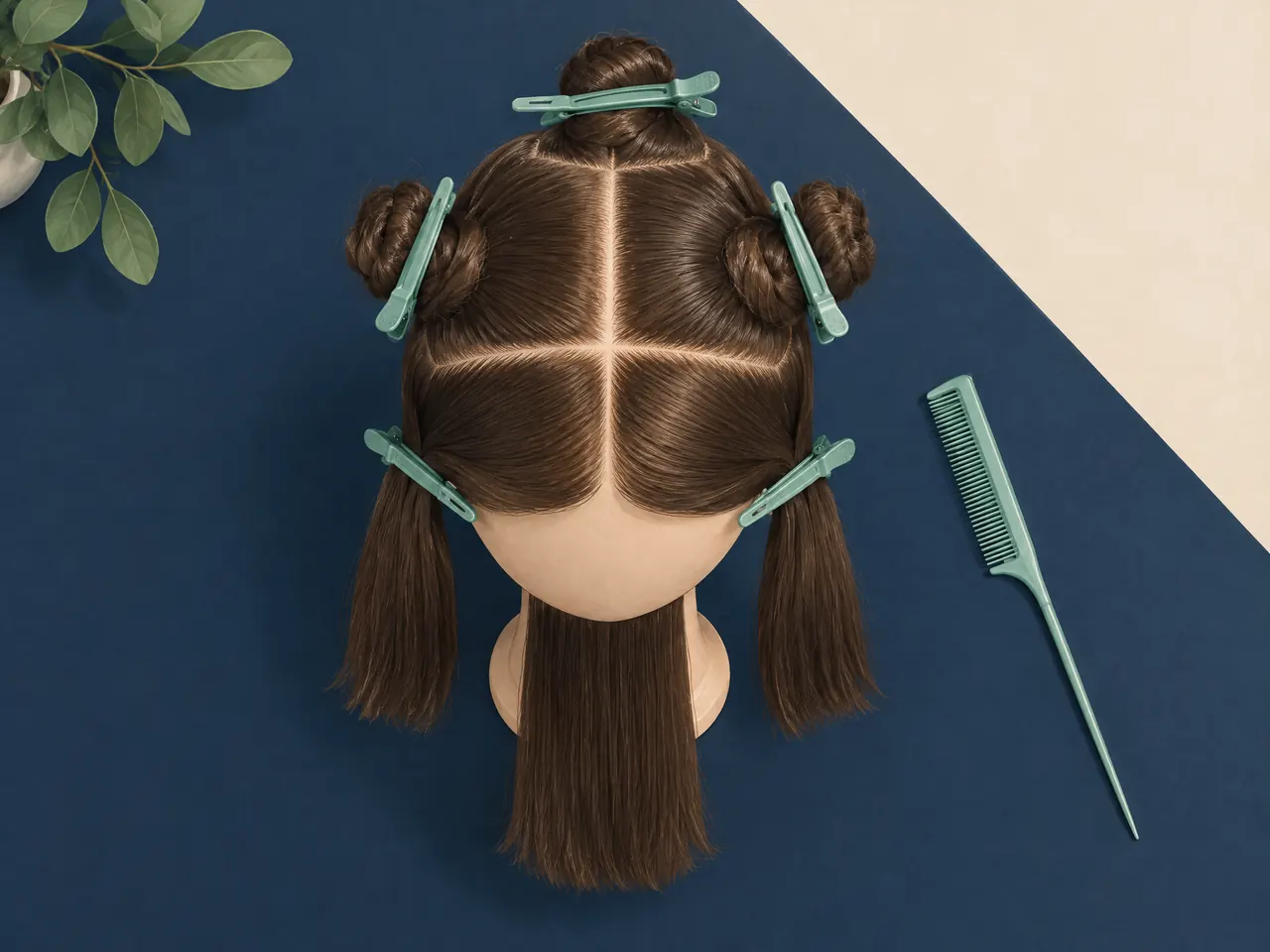
Illustration of a faceless practice mannequin viewed from above, with hair divided into clipped sections and a tail comb beside it.
A practice-mannequin illustration for discussing sectioning exercises; not a DT Hub lesson photograph or a prescribed cutting pattern.Generated illustrative image

Rehearse a clear length-limit conversation

Before a supervised model haircut, practise separating the length someone wants to retain from the finished appearance they like. Use separate sample tresses to rehearse pointing to a reference length, then explain what still needs confirmation on the model's own hair. Ask the tutor to listen to your read-back of the agreed change before cutting begins. If a reference photograph has a styled fringe or curled ends, ask how to discuss the underlying length without promising the same appearance. Sample lengths are conversation aids, not a cutting instruction or evidence that a learner is ready to work alone.
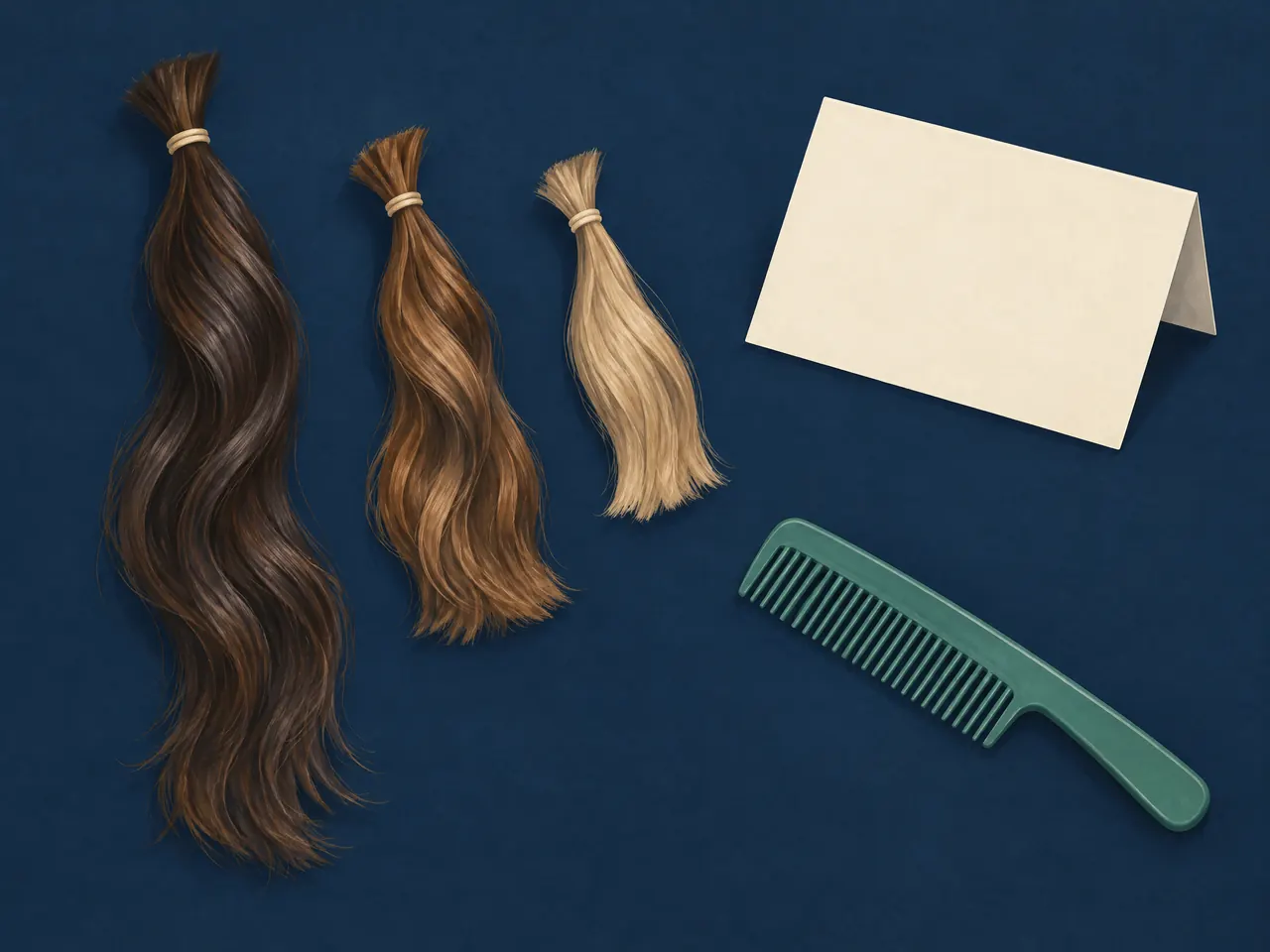
Illustration of three separate practice hair tresses of different lengths beside a blank consultation card and a comb.
Separate practice tresses help frame a length discussion; they do not represent customer results or agreed lengths for a particular haircut.Generated illustrative image

Ask who supplies each part of the practice kit

Turn the equipment list into a short responsibility check: supplied by the course, brought by you, or shared during class. Include scissors, combs, clips and practice hair rather than asking only whether a kit is included. For shared items, ask how access is arranged when several learners need the same tool. For personal purchases, request the tutor's specifications and ask whether your existing equipment can be checked before you replace it. The illustrated tray is a prompt for that enquiry, not a list of items included in an intake or permission to practise with sharp tools without guidance.
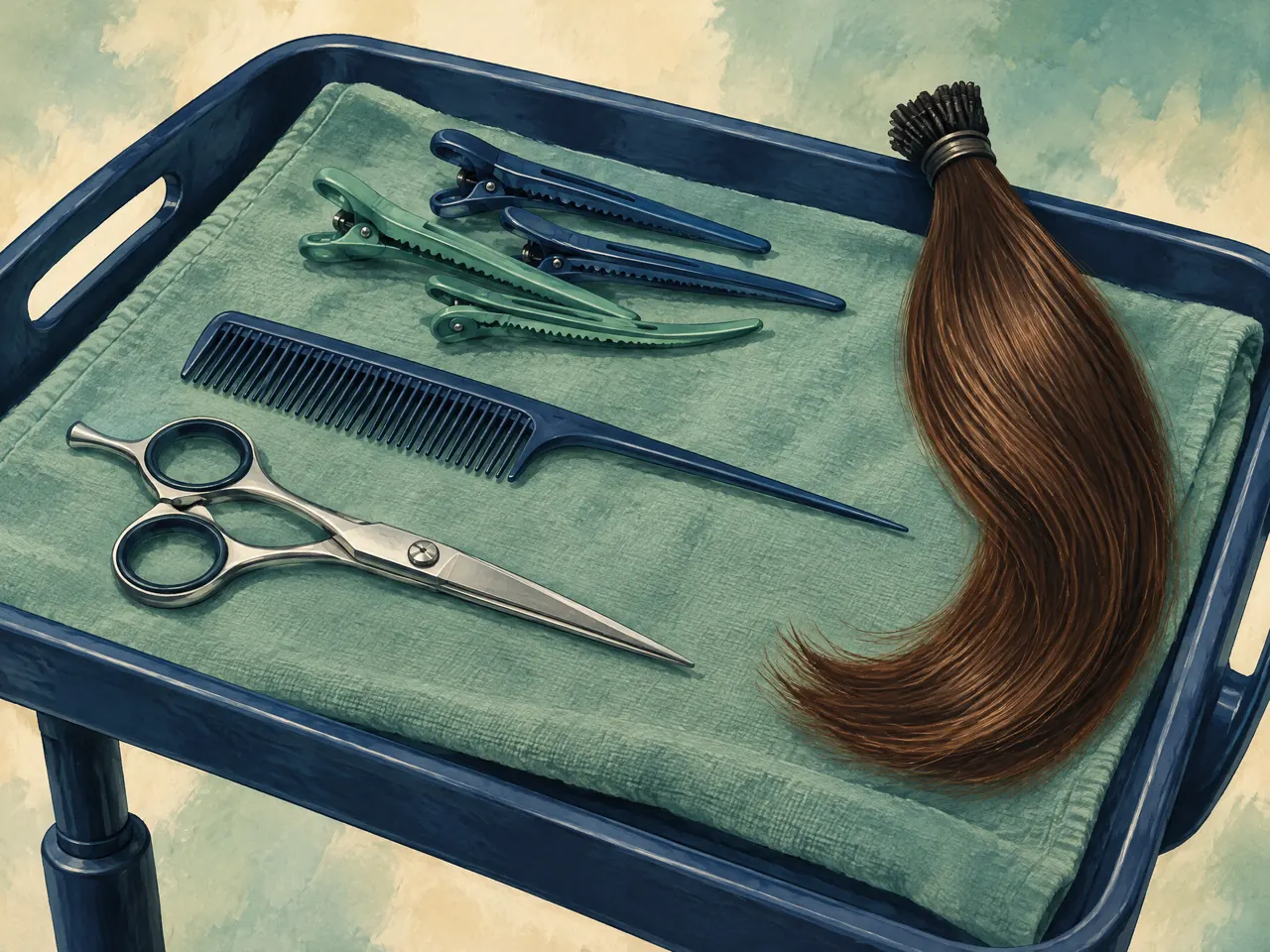
Illustration of closed hair-training scissors on a cloth, a tail comb, sectioning clips and a detachable practice tress on a tray.
Illustrative practice materials for checking supply and sharing arrangements; not a course kit photograph or an offer of included equipment.Generated illustrative image

Agree what to prepare between supervised lessons

Ask the tutor to separate preparation you can do independently from exercises that need supervision. Your between-lesson plan might include reviewing your notes, writing down the cutting plan you did not understand, or preparing questions for the next demonstration. Ask explicitly before adding any tool-based home exercise. When comparing workloads, record preparation time separately from supervised practice and from waiting for assistance; a timer cannot tell you whether an exercise was understood. Bring back one unresolved step so the next lesson can address it, rather than trying to compensate for uncertainty by repeating a movement without feedback.

Illustration of an open blank book, separate practice hair tresses and an unmarked sand timer.
Study and practice are shown separately to prompt workload questions; no minimum hours, syllabus or readiness outcome is implied.Generated illustrative image

Bring a correction note the tutor can review

Give your learning log four short fields: the task attempted, the point where you became uncertain, the tutor's correction in your own words, and what you want checked on the next attempt. For example, replace a vague note such as 'the outline went wrong' with the specific moment when you lost track of the agreed line. Ask the tutor to confirm that you understood the correction before treating the note as a practice instruction. Leave space for a follow-up question if you cannot explain the change. This is a working conversation record, not an assessment result or proof of competence.

Illustration of a blank notebook, pencil, magnifying lens and detachable practice hair sample arranged in separate areas.
A blank feedback-note illustration for discussing corrections and repeat attempts; not a learner assessment or qualification record.Generated illustrative image

Clarify the handover of shared tools

A shared station needs an explanation of what happens between learners, not just a photograph of tidy equipment. Ask who checks a returned tool, where used items are placed and how a learner knows an item is ready for the next exercise. Request the course's cleaning and disinfection procedure, including who demonstrates it and who checks your understanding. If you are unsure about a tool's condition or preparation, ask the instructor before using it. The separate tray and holder in the illustration only frame these questions; their appearance does not establish cleanliness or specify an approved cleaning method.
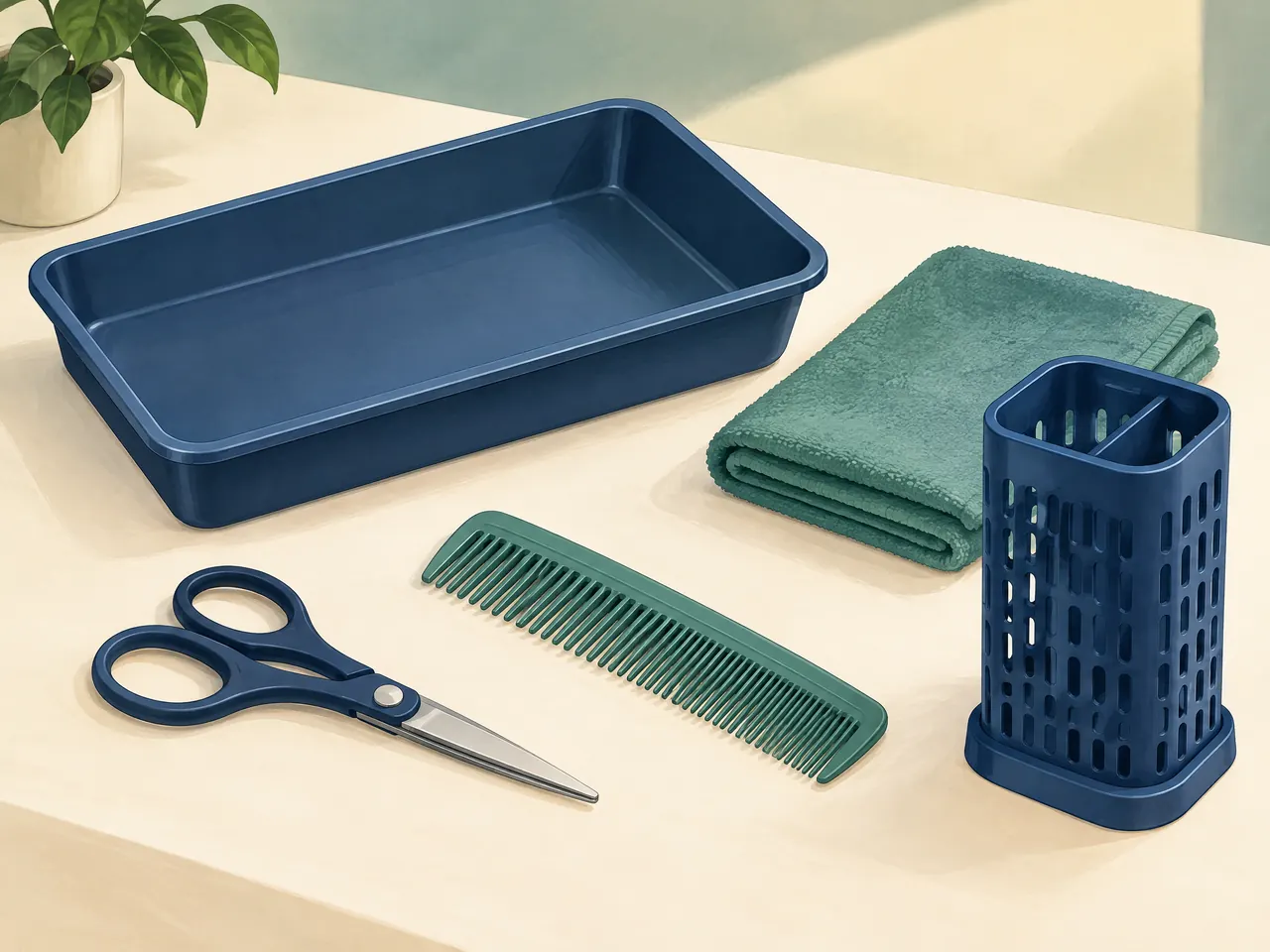
Illustration of an empty cleaning tray, folded cloth, closed scissors, comb and ventilated tool holder arranged separately.
Separate tool-care objects prompt questions about classroom procedures; this is not a disinfection demonstration or evidence of actual course hygiene.Generated illustrative image

Clinic enquiries

Contact and appointment arrangements

Clinics
Prince Edward and Kwun Tong
Opening hours
11:00–21:00
WhatsApp and telephone
+852 6940 5663

Appointments, practitioner availability and service arrangements are confirmed via WhatsApp.

Please mention any consultation language needs in your WhatsApp enquiry so that arrangements can be confirmed.

Enquire via WhatsApp
Food, gifts and floral lifeWhatsApp enquiry