
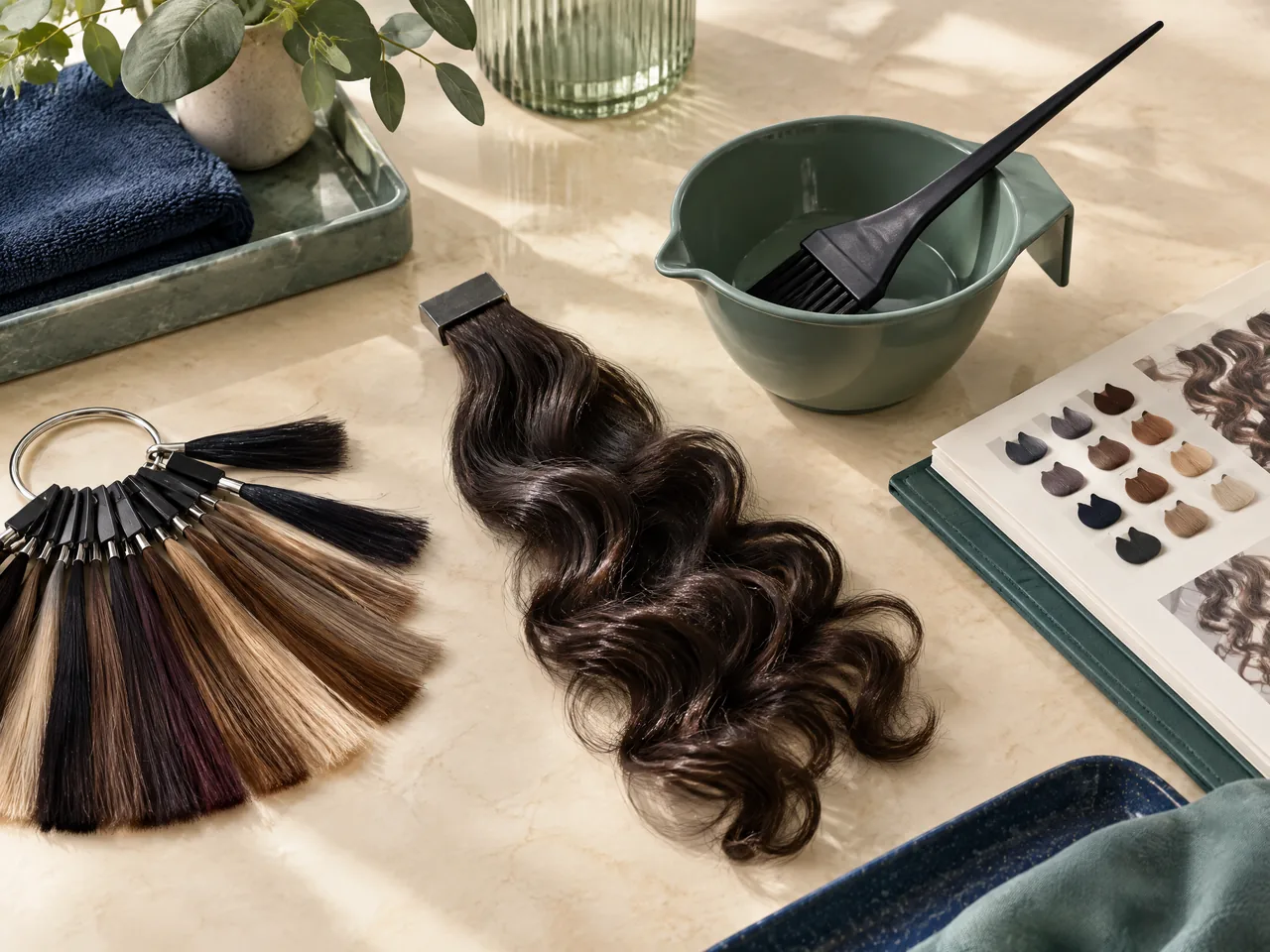
Choose which reference features matter most
If your reference combines a long sweeping fringe with closely cropped sides, decide which feature you would keep if both cannot be achieved now. For example, keeping enough fringe to push back may matter more than matching the photograph's side contrast. Mark the preferred fringe position while wearing your usual glasses and show where you normally part it. Ask what would need to change in the reference rather than treating a similar outline as an all-or-nothing choice.
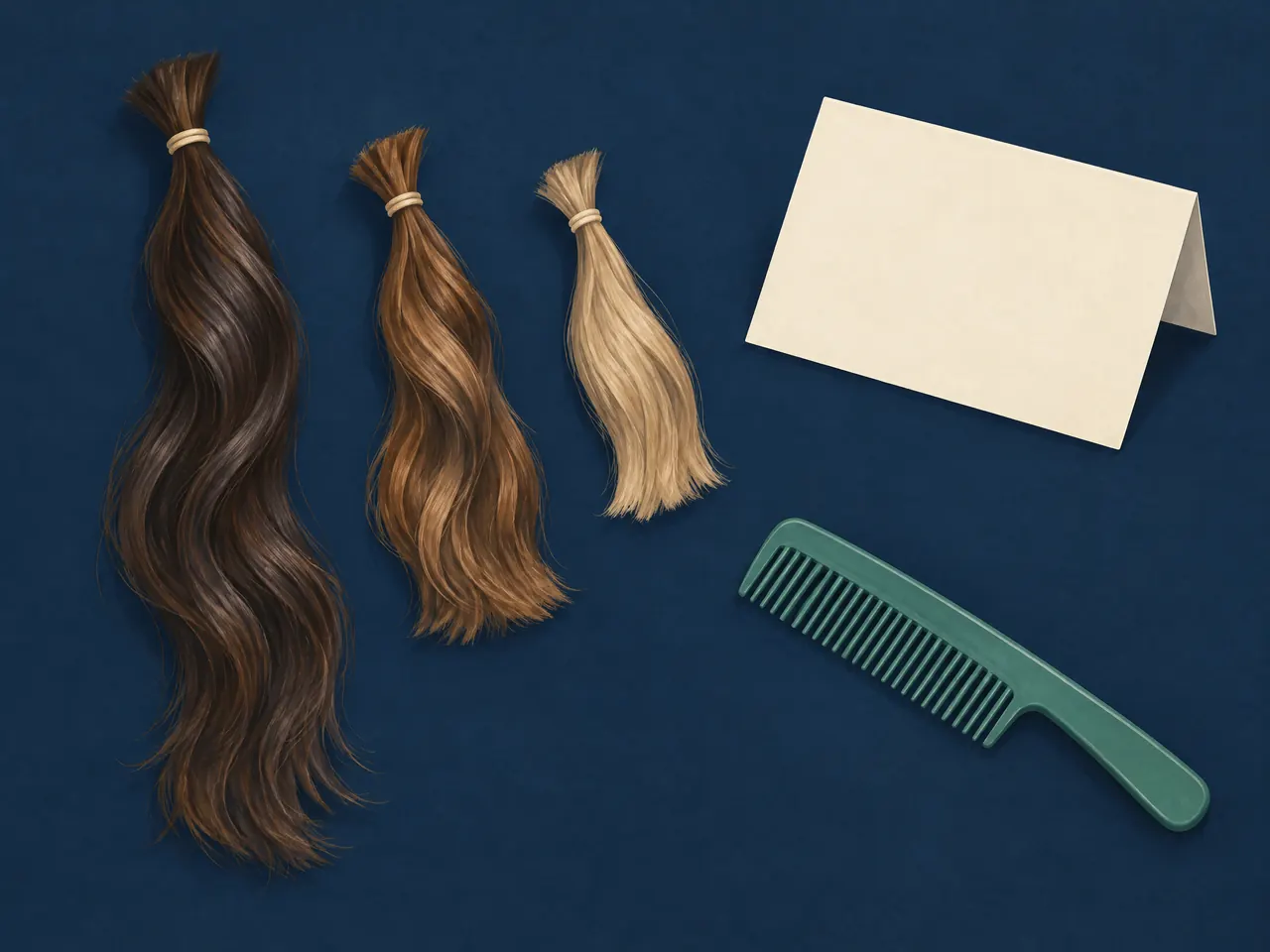
Use separate length and fringe examples to explain that priority. A practice tress can illustrate length, but it cannot establish how your own hair will sit or whether it can be processed. The decision still needs an assessment of your actual hair.
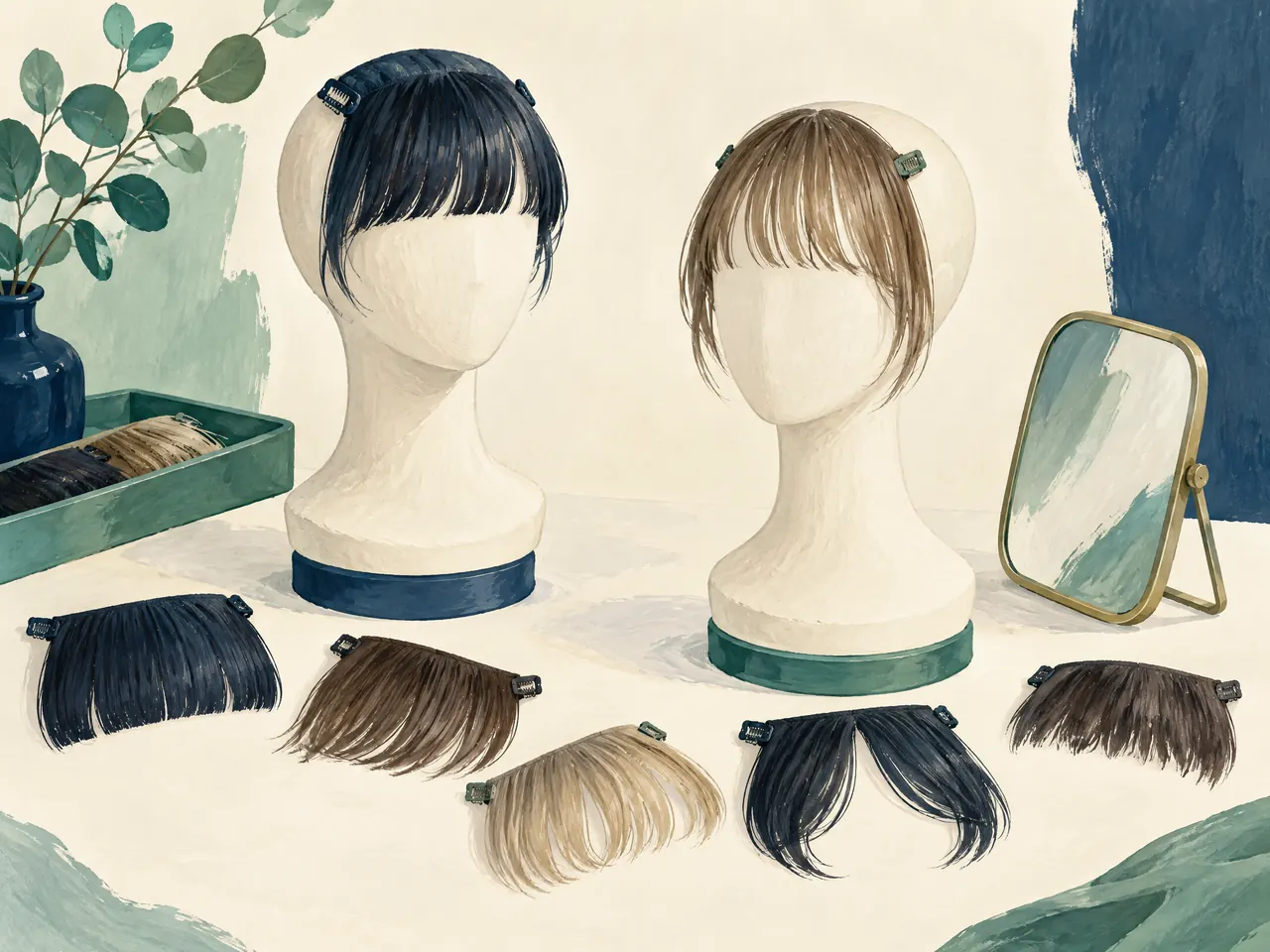
Ask for a clear map of the proposed work
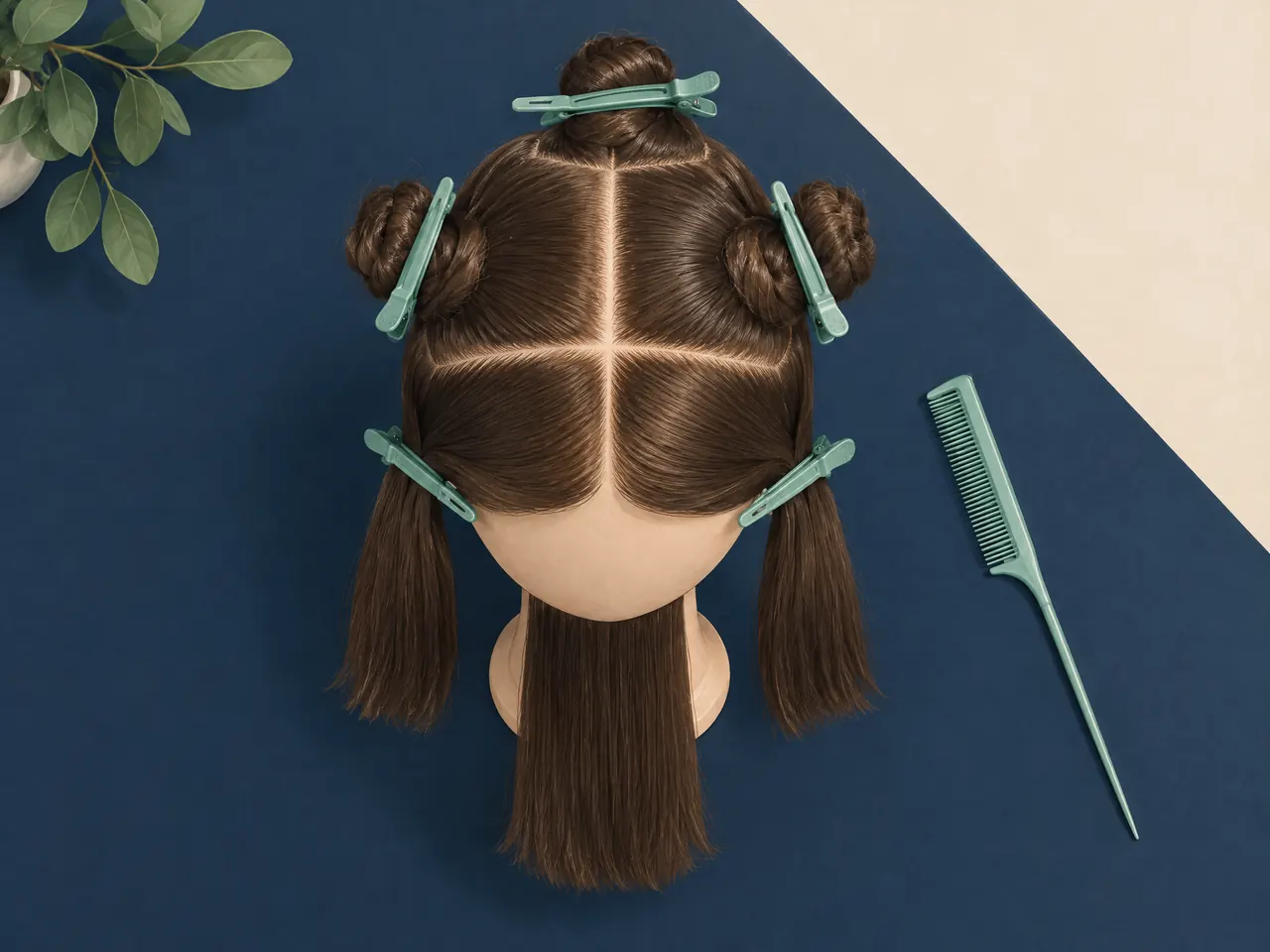
Before agreeing to processing, ask the stylist to point out the proposed fringe, crown and side sections on your own head. Confirm where textured hair would meet an unprocessed area and where the haircut would create the contrast. Then ask which boundary a future side trim should preserve. This turns a general request for curls on top into a plan you can discuss at the next haircut. A sectioned practice mannequin illustrates the vocabulary; it is not a wrapping pattern to copy at home.
Rehearse the drying steps with the tools you own
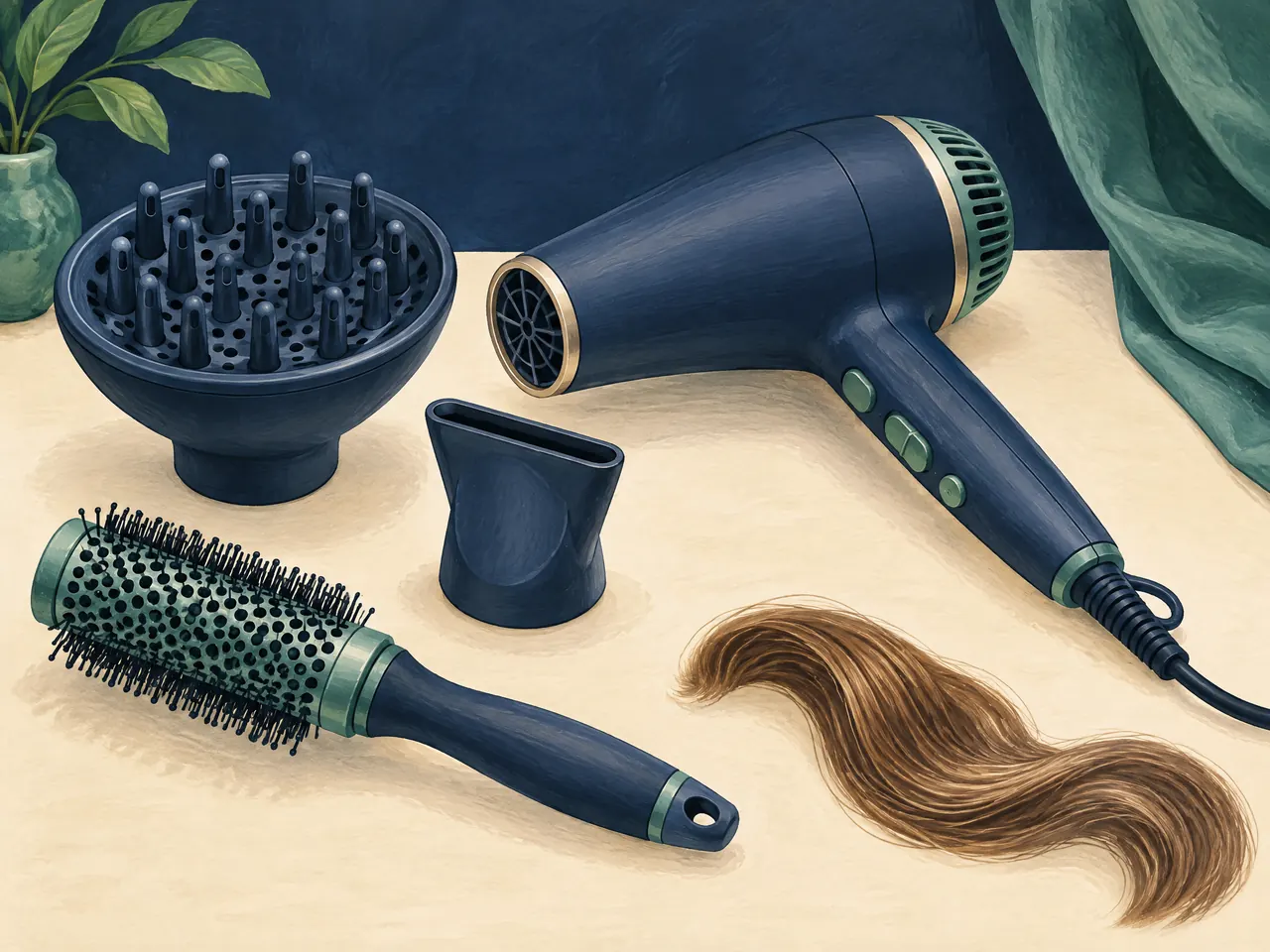
If the demonstration uses a diffuser, nozzle or brush you do not own, say so before accepting that finish as your everyday routine. Ask which steps are essential and whether the stylist can demonstrate an alternative with your available tools. Try directing the fringe yourself while the stylist watches, rather than only watching a polished finish. Note the attachment and sequence alongside the dry photograph. Use AAD's lower-heat guidance for routine care, but obtain instructions specific to your hair and the service products.[5]
Clarify what to rinse out and how to handle the top
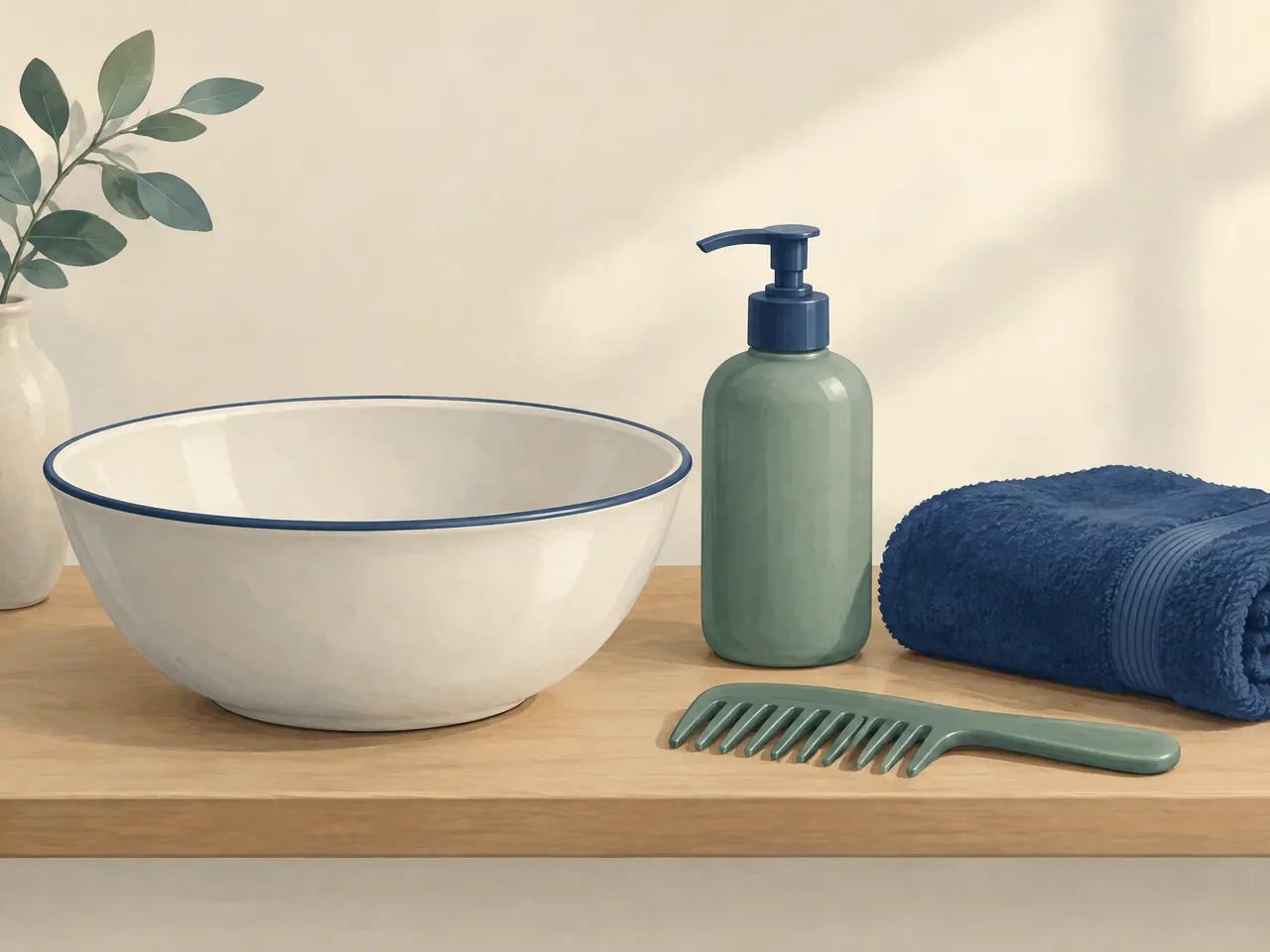
For a close-sided cut with a longer textured top, ask the stylist to show where conditioner belongs and how to reach those strands without simply spreading it over the scalp. Keep the product instructions: AAD advises against treating rinse-off conditioner as a leave-in product because the formulations serve different purposes. If a leave-in is suggested, ask which product is intended and where to apply it; an extra bottle is not automatically necessary.
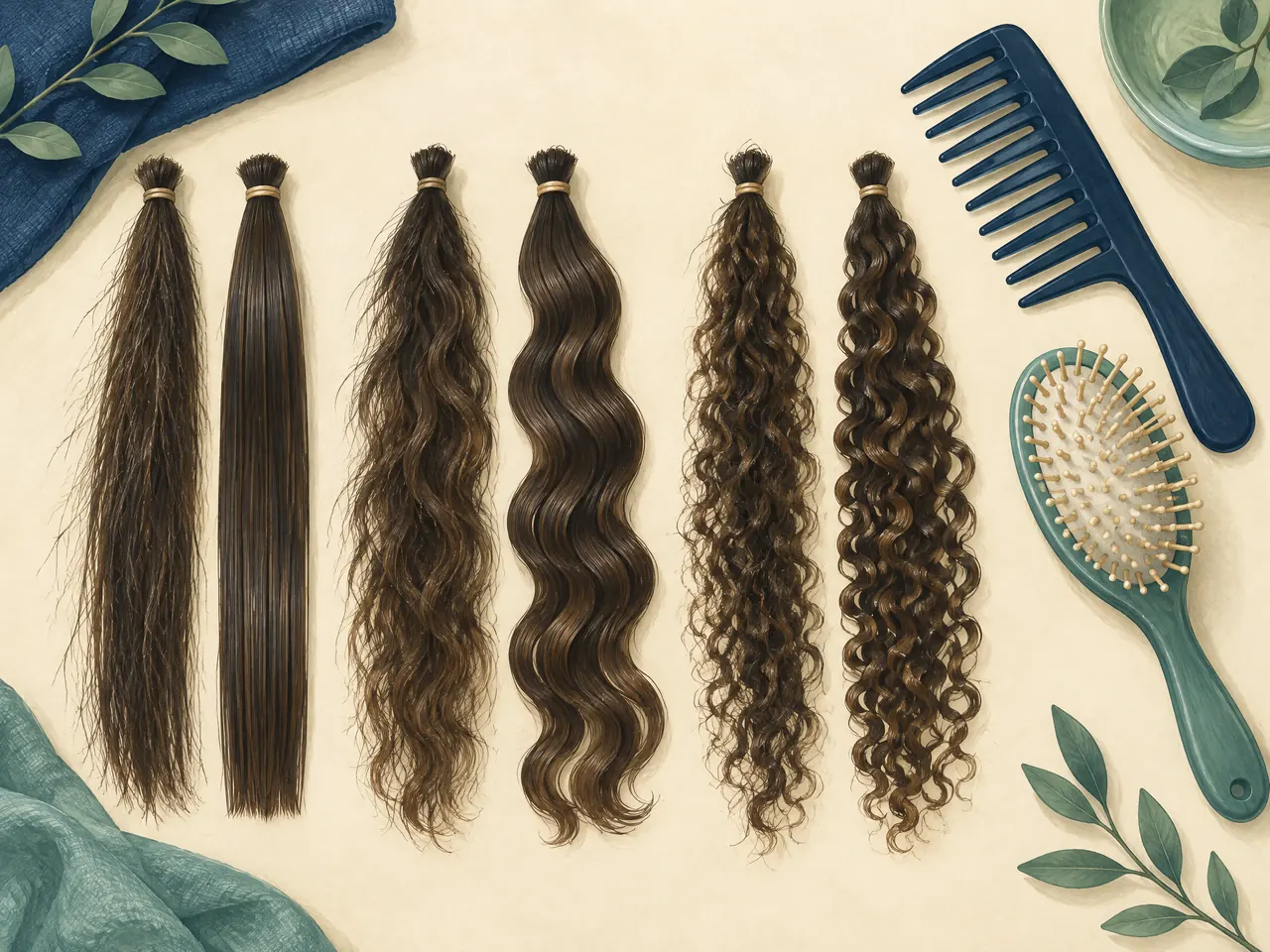
Ask about combing the longer top separately from tidying the short sides. AAD recommends gentle handling, a wide-tooth comb for wet hair and absorbing moisture rather than roughly rubbing with a towel.[5] If the top tangles, have the stylist demonstrate how to work through the ends without pulling. Practice tresses show different textures, not the result your perm will produce.
Supplemental references
- American Academy of Dermatology: Dermatologists' top tips for using leave-in conditioner
Verified advice that rinse-off and leave-in conditioners have different formulations and that rinse-off conditioner should not be repurposed as leave-in conditioner. Also supports applying leave-in to hair rather than scalp. Does not establish a mandatory product purchase, service suitability, product endorsement or guaranteed outcome.