
Prince Edward & Kwun Tong clinics · Home-visit enquiries elsewhere

TCM Lab

TCM Lab · Hair choices & preparation / Cuts and communication

A haircut brief for adults and children should not be the same

Content updated

One family visit can contain very different haircut decisions. Give each person a separate brief: what length to keep, how the hair should behave tomorrow, and what will make the appointment comfortable.

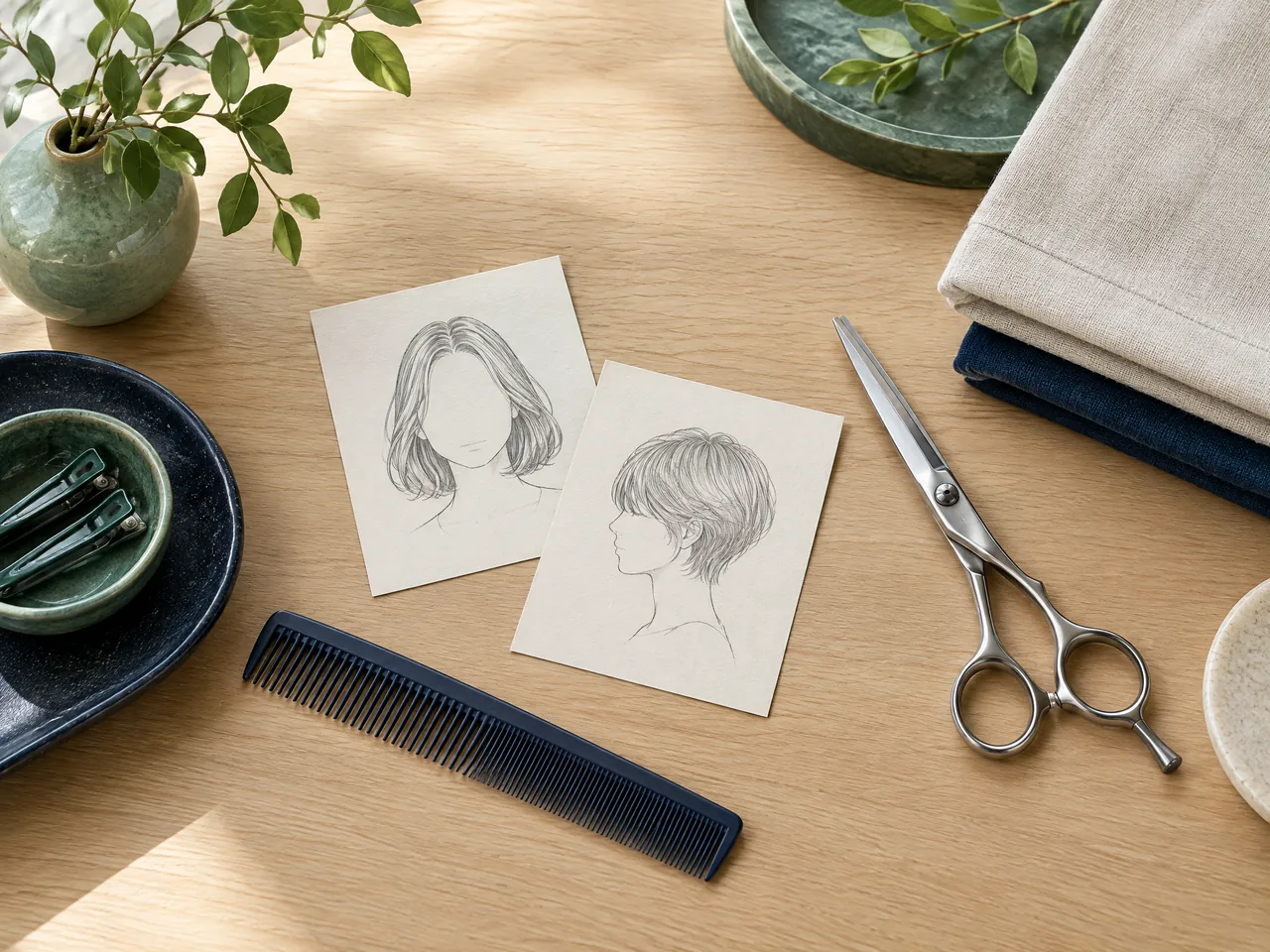
Illustrative haircut consultation tools
AI-generated illustrative concept; not a DT Hub location, product photograph or case record.

The short answer

For an adult, describe the finished dry length, shape and realistic styling routine. For a child, add their own preference, school requirements, tolerance of washing or clipper noise, and a plan for breaks. Confirm separate appointments and supervision rather than assuming a family booking will work automatically.

DT Hub is an external website under the same ownership as TCM Lab, with salon and Academy, hair assessment and Chinese medicine hair-growth information, and wig sections. Salon services and scalp spas concern styling and beauty care; Academy concerns skills learning. Chinese medicine and medical options require individual assessment and do not guarantee hair growth; wigs are appearance products, not treatment. Business sources support service information, not evidence of medical effectiveness.

Write two briefs, even when you travel together

Before comparing a haircut kwun tong appointment for yourself and your child, write one short note for each person. The adult's note might prioritise a work-ready shape without daily blow-drying. The child's might prioritise keeping a familiar fringe and avoiding a wash at the basin. A shared journey does not make those requests interchangeable. DT Hub's actual salon is in Kwun Tong, at Room 03, 21/F, Lee Bo Times Centre, 50 Hoi Yuen Road, Kowloon; use that location when planning the visit. [1]

Build each note around three answers: what must stay, what should change, and what happens at home. For example, an adult may want less weight around the sides but enough top length to part the hair. A child may want hair away from the eyes while keeping it long enough to tuck behind the ears. Ask the stylist to repeat the agreed priorities before cutting. This gives everyone a chance to correct an assumption while it is still easy to change the plan.

For a short adult cut, define more than the style name

A reference photograph is a starting point, not a complete instruction. When considering mens haircut hong kong services, point out whether you like the top's movement, the exposed ears or the soft neckline. DT Hub's men's page lists both scissor and clipper-based styles. [2] Explain your normal parting and whether you use styling product. Someone who wants to comb damp hair and leave home has a different brief from someone happy to spend time creating height each morning.

If the reference is a fade haircut hong kong style, agree where the transition starts and how short the shortest area should be. Ask the stylist to show that height on your head rather than relying on 'low' or 'high' alone. Also discuss the contrast between the sides and the top, including how visible you want the scalp to be. If you cannot return frequently, ask what a softer transition would look like as it grows out; do not choose solely from the freshly finished photograph.

For longer hair, protect the length that serves a purpose

When preparing for a women's haircut kwun tong consultation, separate the overall length from the shortest layer. 'Keep it long' does not tell the stylist whether a jaw-length face-framing piece is acceptable. Name the dry finishing point using a clear landmark, then explain whether every front section must reach a ponytail. Someone who ties their hair back for work may value that function more than extra movement around the face. Bring a photograph of your own hair tied up if it helps explain the constraint.

Describe movement in everyday terms: 'I want the ends to bend, but I do not want pieces falling into my face.' Tell the stylist whether you usually air-dry, brush-dry or use a heat tool. If your hair is wavy or curly, ask to agree the intended dry length before a wet cut and review the shape when it is dry. Show the feature you like in a reference without expecting its exact texture, colour or finish to come from cutting alone. Colour and perming are separate services, not automatic parts of a trim.

Give the child a say and the parent a clear boundary

A kids haircut kwun tong enquiry should include the child's age, previous haircut experience and the practical aim of this visit. DT Hub lists children's and student services, but confirm age acceptance and arrangements directly before booking. [3] Explain any actual school rule rather than assuming all schools want the same cut. Let a child who can express a preference say what they want to keep. A parent can then clarify the boundary, such as keeping hair clear of the eyes without removing the fringe completely.

When comparing kids haircut hong kong options, consider the process as well as the picture of the finished cut. Ask whether the stylist can explain each step, show tools first and pause when needed. Those questions matter more than a vague promise that a child will enjoy the visit. For an older child, agree choices together before arriving instead of debating the style over their head in the chair. For a younger child, set one achievable goal, such as a tidy perimeter, rather than insisting on a complicated restyle in one session.

Prepare for the parts of a haircut that a photo cannot show

Ask your child what felt uncomfortable last time. The answer may be water at the basin, the cape touching the neck, buzzing near an ear or loose hairs against the skin. NHS children's occupational therapy guidance identifies sounds, smells, scalp touch and not seeing what happens behind the head as possible sensory challenges. It suggests explaining the visit beforehand, showing tools and bringing a familiar handheld toy. [4] Choose preparation around your child's response; nervousness or fidgeting alone does not establish a sensory diagnosis.

At home, talk through a simple sequence: arrive, meet the stylist, sit down, agree the cut, then finish and change if needed. Pack a clean top if loose hairs are bothersome; the NHS handout also recommends easily removable clothing. [4] Ask the salon about a quieter slot or an introductory visit, without assuming either is available. Agree how your child can request a pause. They should signal rather than turn suddenly while tools are close, and the stylist should stop before anyone changes position. If continuing is unsafe or distressing, leave the detailed finish for another visit.

Book around supervision, not just consecutive time slots

Before choosing a kwun tong hair salon for a family visit, ask whether the appointments will be consecutive or overlap, and what waiting arrangements are possible. A parent having their hair washed cannot necessarily supervise a young child at the same time. If another responsible adult cannot attend, separate visits may be more practical. Confirm the current start time, service scope and quote for each person directly; do not build the outing around an assumed walk-in wait or a fixed opening time.

Choose the order deliberately. A child who likes watching a familiar adult may benefit from seeing a simple cut first, if supervision is covered. A child who finds waiting difficult may need to go first and leave with another adult. Ask about each appointment's expected length, including consultation and washing, and allow time for travel and the lift to the salon. For a student appointment, confirm what identification is required. Send both briefs in advance, but keep them clearly labelled so one person's instructions are not applied to the other.

Check the result against the next morning's routine

Before leaving, review each person's original priorities. Can the adult part the hair as intended? Do the shorter front pieces stay in the required ponytail? Can the child see comfortably without immediately clipping the fringe away? Ask for a simple demonstration using the tools you actually own, and clarify which parts of the salon finish depend on styling. A cut changes length and shape; a scalp spa is cosmetic care, not hair-loss diagnosis or treatment. Do not treat a suggestion to add scalp care as an explanation of a medical problem.

Keep the child's upkeep gentle and achievable. The American Academy of Dermatology advises gentle scalp shampooing, absorbing water with a towel rather than rubbing, and careful wide-tooth combing without pulling. It also recommends loose braids or ponytails and considering styles that do not require heat or chemical treatments. [5] If the proposed cut needs a daily routine your child cannot tolerate or your household cannot maintain, discuss a simpler version before cutting. After the first normal wash at home, note one thing that worked and one that needs adjustment for the next brief.

Take it into everyday life

A practical checklist

  • Write a separate brief for each person, naming one feature to keep and one change to make.
  • Bring a useful reference photograph and explain exactly which feature you like.
  • Agree the finished dry length, shortest layer or fade height before cutting starts.
  • Tell the stylist about ponytail needs, school rules and the real home styling routine.
  • Confirm the child's age acceptance, washing preferences and any requested adjustments in advance.
  • Pack a familiar handheld item and a clean top if loose hair is uncomfortable.
  • Agree a safe pause signal and make a clear plan for adult supervision throughout the visit.
  • Confirm appointment order, current timings, separate quotes and any student identification required.

Questions & answers

Can my child have a smaller version of my haircut?

Possibly, but do not make that the whole brief. Discuss the child's own preference, school requirements and tolerance of the tools involved. A similar outline may be possible with a simpler finish, while an intricate fade or product-dependent shape may not suit the child's routine.

How can I explain 'just a trim' more clearly?

Show the desired finished length on dry hair and identify anything that must stay, such as fringe length or the ability to tie the front pieces back. Ask the stylist to confirm both the overall length and any shorter layers. A small amount removed from the ends is not the same request as adding layers.

What if my child dislikes clippers or washing at the basin?

Explain the specific difficulty before booking and ask which alternatives the stylist can safely offer. Tool demonstrations, a different washing arrangement or a cut without a wash may be worth discussing, but they should not be assumed. NHS sensory guidance supports advance preparation around individual needs. [4]

Should an adult or child go first during a family booking?

Choose according to waiting tolerance and supervision. Watching a familiar adult might help one child, while another needs an earlier slot and a prompt departure. Confirm whether the salon can accommodate the order. If the only supervising adult will be occupied during their own service, consider another responsible adult or separate visits.

Does a layered cut mean I will need less styling?

Not necessarily. Ask which sections need drying or product to achieve the reference look, and explain how you normally manage your hair. Protect functional length, such as pieces that must stay in a ponytail. Judge the proposed cut against your ordinary morning, not only the salon's finished photograph.

What should I do if my child cannot comfortably finish the haircut?

Ask the stylist to stop safely and assess whether a break is enough. Do not insist on completing a detailed style while the child is distressed or moving unpredictably. Discuss the simplest safe stopping point and a future visit if needed. Confirm the salon's payment and rescheduling terms directly rather than assuming an unfinished appointment is free.

Sources & further context

Numbered references follow the source order below. Business websites provide relevant service or product information, not evidence of medical effectiveness.

  1. [1] DT Hub: Kwun Tong Hair Salon Guide
  2. [2] DT Hub: Men's Haircut & Barber in Kwun Tong
  3. [3] DT Hub: Kids & Student Haircut in Kwun Tong
  4. [4] Aneurin Bevan University Health Board: Sensory Strategies for Hair Cuts
  5. [5] American Academy of Dermatology: Teaching your child healthy hair care habits

Resolve conflicting length instructions before cutting

Two reasonable requests can conflict: an adult may want shorter pieces around the face but also need every front piece to reach a hair tie. A child may want a fringe that looks like a reference while a parent wants it clear of the eyes. Decide which requirement takes priority. Give the stylist an acceptable fallback, such as keeping the front longer and changing only the outline, rather than leaving them to guess which request matters most.

Use the length and fringe illustrations to separate two decisions: where the hair should finish and how the front should sit. On your own dry hair, show the boundary you do not want crossed. If parent and child disagree, settle a limited change they can both accept before tools are used. Record the agreed fallback in that person's brief so the final consultation does not reopen the whole style discussion.
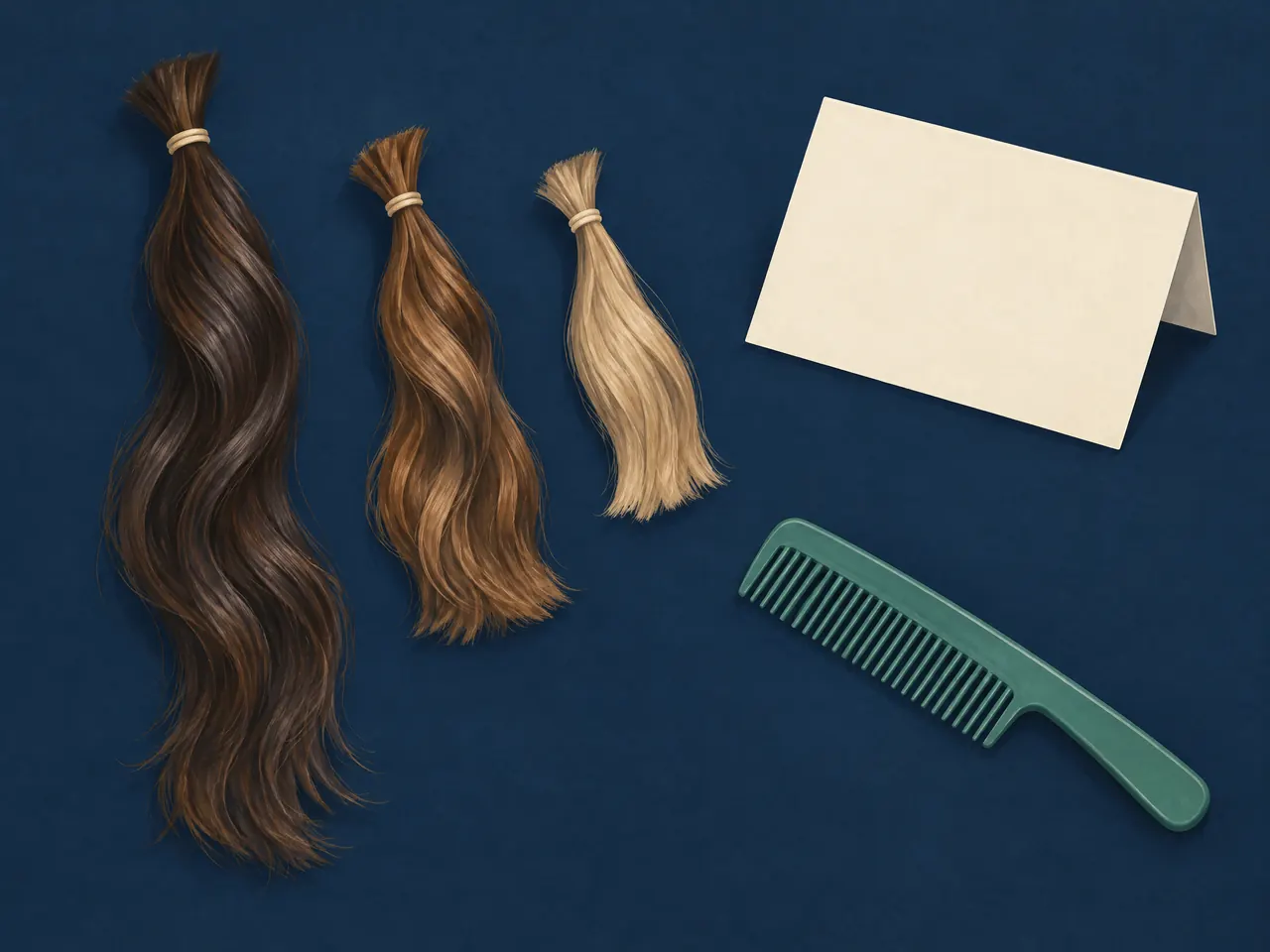
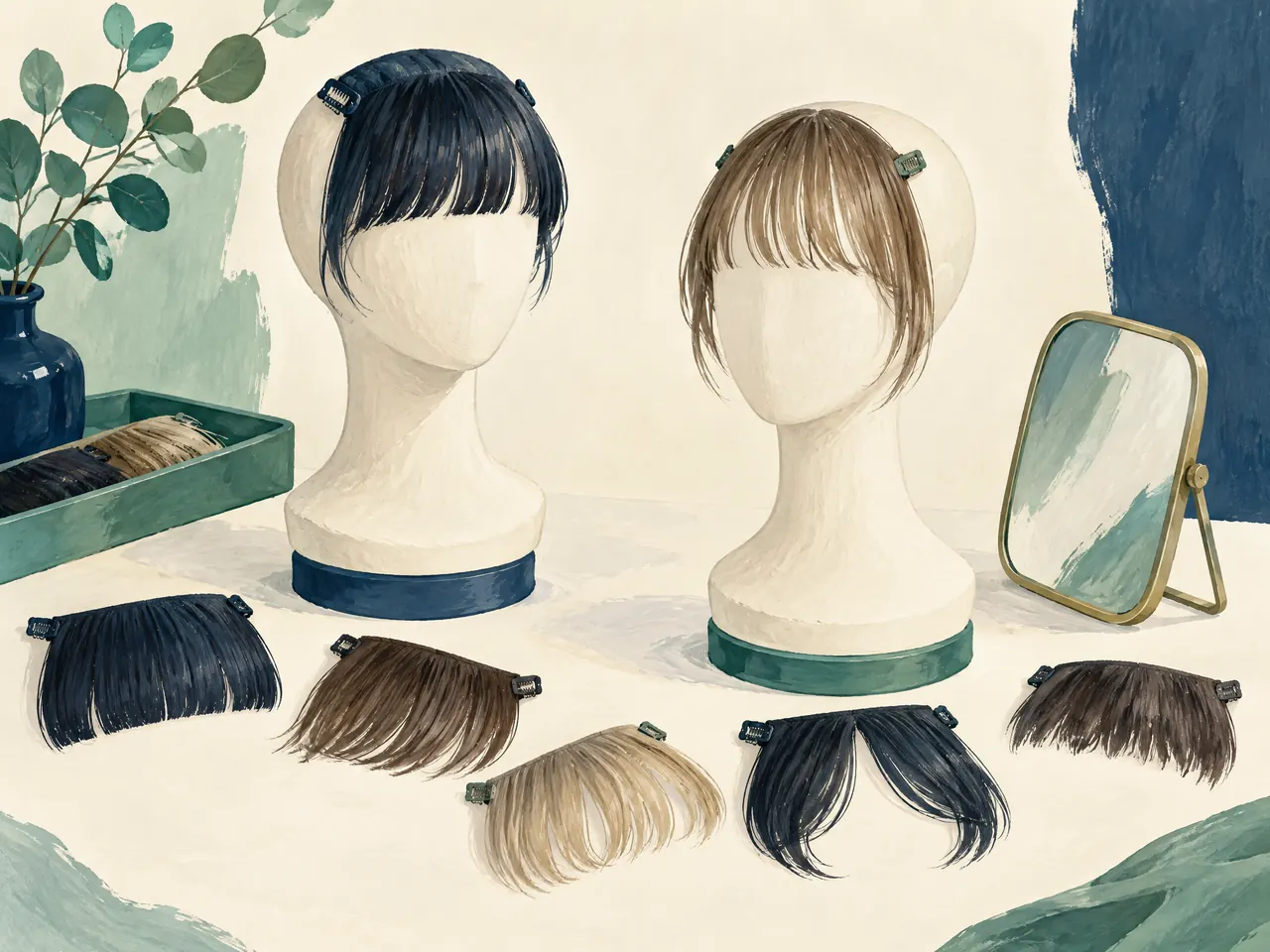
Illustration of three separate practice hair tresses at different lengths beside a blank consultation card and comb
Compare length limits separately from the shape you want; these practice tresses are not haircut results.Generated illustrative image
Illustration of two featureless mannequin forms with detachable practice fringe pieces and a small mirror
Use the fringe study to discuss what must stay and which change is optional; it does not depict a customer.Generated illustrative image

Separate the cutting plan from the styling lesson

A section-by-section brief can be clearer than a single style label. Use the mannequin illustration as a prompt to discuss the top, sides, fringe and back separately. For the adult, note where less weight is wanted and where length must stay. For the child, identify the smallest change that meets this visit's aim. You do not need to prescribe a cutting technique; ask the stylist to explain how their proposed plan respects those boundaries.

Then make a separate note of the finish you can reproduce. List the dryer attachments, brush or comb you actually use, and who will do the styling. If a reference relies on tools your household does not own or use, ask for a simpler finish before agreeing the cut. For an adult and child sharing equipment, request separate instructions rather than assuming the same brush, drying method or styling product will suit both routines.
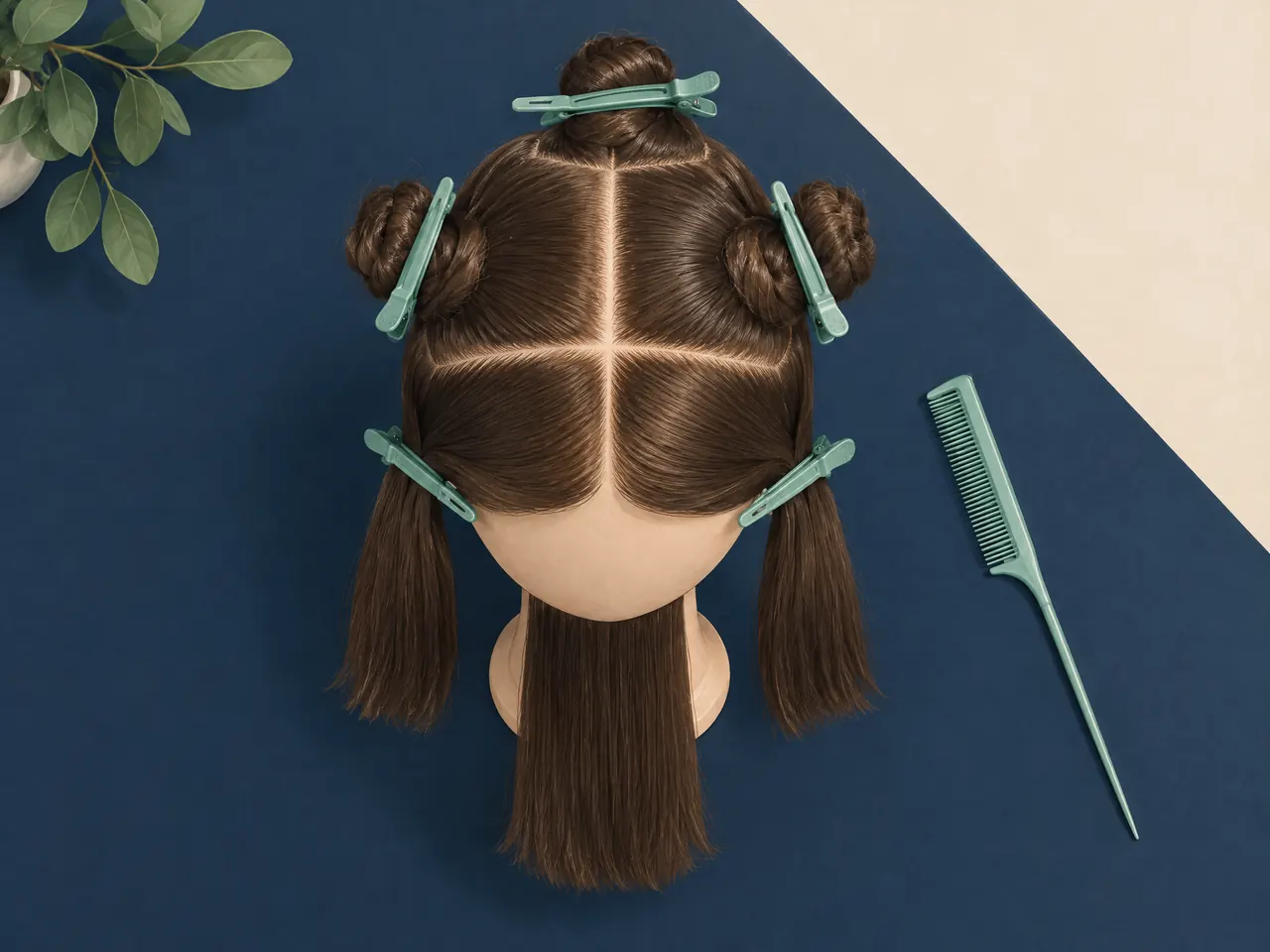
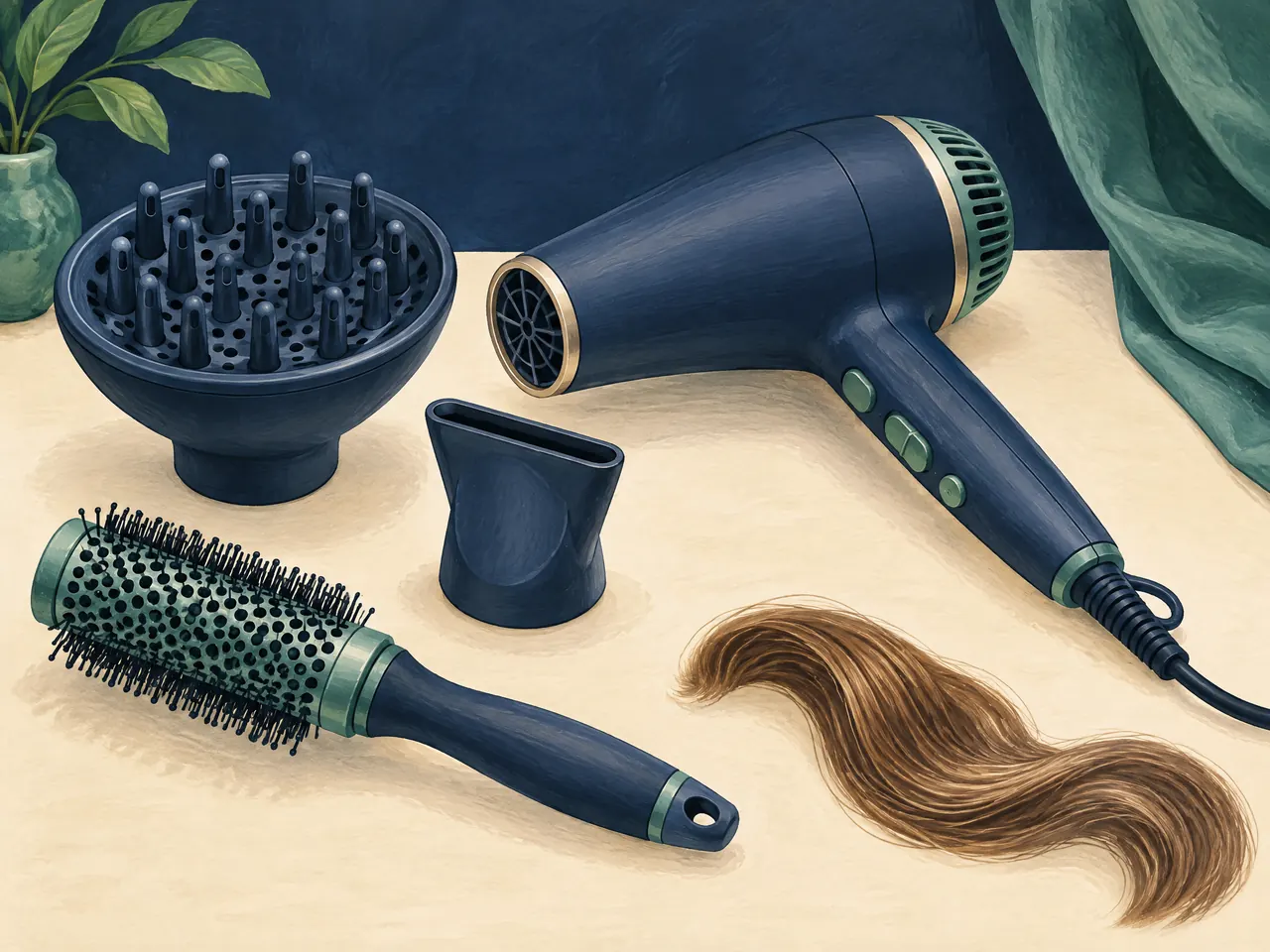
Illustration of a faceless practice mannequin viewed from above with clipped hair sections and a tail comb
Discuss different areas of the haircut without prescribing a technique; this is a practice mannequin, not a salon appointment.Generated illustrative image
Illustration of an unplugged unbranded hair dryer with a diffuser, nozzle, round brush and practice hair tress
Name the tools you already use when asking for a repeatable home finish; no styling result is promised.Generated illustrative image

Explain who will manage the hair at home

A child's haircut brief should say whether they wash and comb independently or need an adult's help. Describe one ordinary wash day, including the part that takes longest or causes resistance. For example, tell the stylist if the back is difficult to reach or knots usually collect near the neckline. These observations make a question such as 'Will this shape be easier for us to manage?' more useful than simply asking for low-maintenance hair.

Keep the care discussion specific to the person's hair rather than choosing tools by age alone. The American Academy of Dermatology recommends conditioner for children with dry or curly hair, alongside gentle wide-tooth combing without pulling. [5] Ask how that guidance fits the proposed cut and the routine your child can manage. Leave with a clear division of tasks: what the child can try, what an adult will help with, and which styling steps are optional.
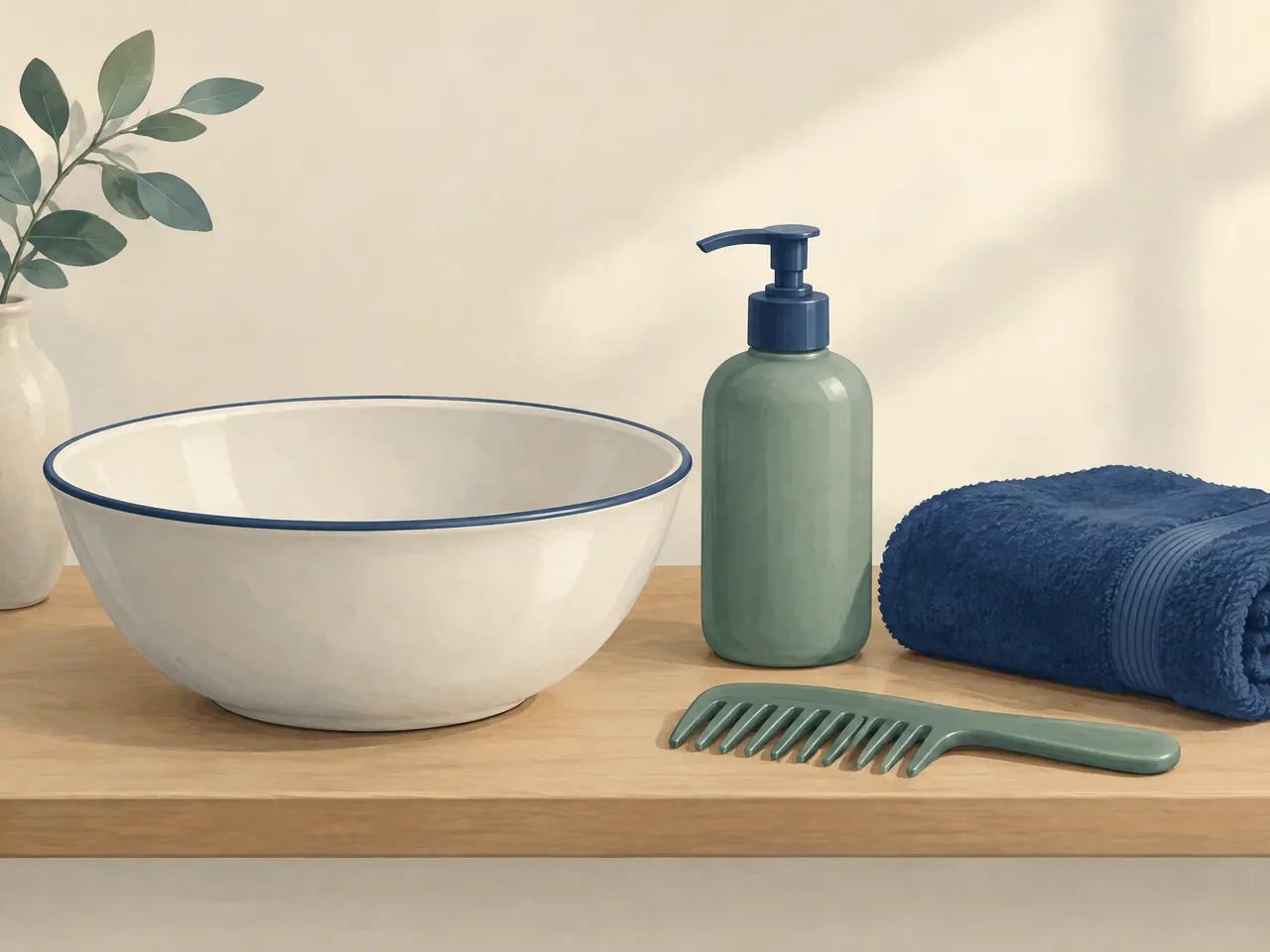
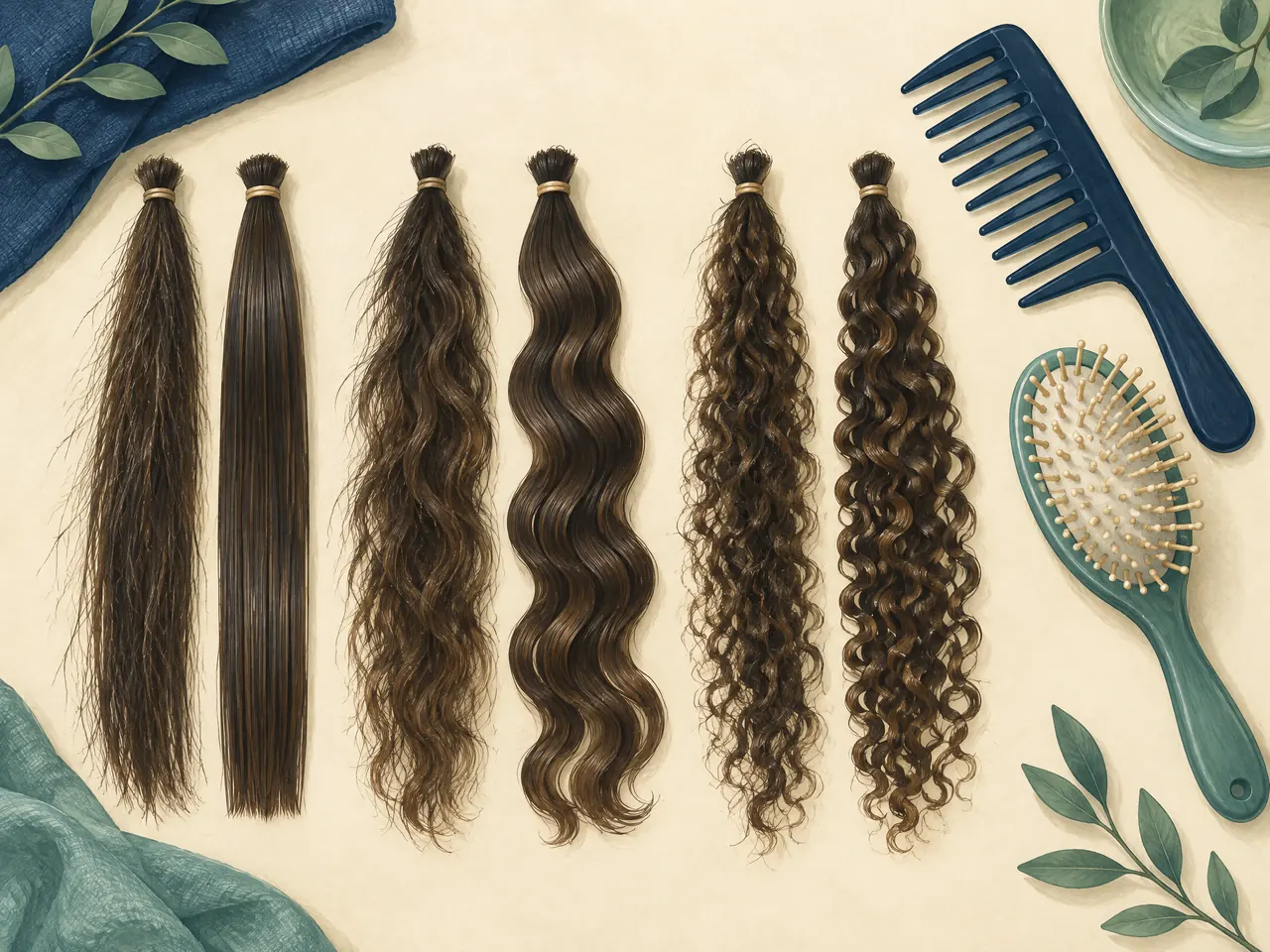
Illustration of a plain basin, unbranded pump bottle, folded soft towel and wide-tooth comb on a cream shelf
Explain the wash-day steps your household can manage; the unbranded objects do not imply product efficacy.Generated illustrative image
Illustration of separate straight, wavy and curly practice hair tresses beside a wide-tooth comb and soft brush
Use the separate practice textures to describe handling needs, not to predict a haircut or treatment outcome.Generated illustrative image

Clinic enquiries

Contact and appointment arrangements

Clinics
Prince Edward and Kwun Tong
Opening hours
11:00–21:00
WhatsApp and telephone
+852 6940 5663

Appointments, practitioner availability and service arrangements are confirmed via WhatsApp.

Please mention any consultation language needs in your WhatsApp enquiry so that arrangements can be confirmed.

Enquire via WhatsApp
Food, gifts and floral lifeWhatsApp enquiry