Use separate entries for colour, shedding and discomfort
Give each concern its own entry in your appointment note. For colour, record when you first noticed white strands, where they appeared and whether the hair was dyed at the time. For shedding, describe the change you actually noticed rather than assigning it a cause. For discomfort, note the affected area and when it occurs. Write ‘not sure’ when the timing is unclear. This keeps an uncertain recollection separate from an observation you can confidently discuss. [2] [3]
Add one question beside each entry: ‘What can this appointment tell me about this concern?’ Leave space for the answer and any suggested next step. A notebook is a way to organise the conversation, not a test for pigment loss or a diagnosis of the cause of shedding. You can take the same note to a medical consultation if further assessment is recommended. [2] [3]
Make the medicine list useful before discussing herbs
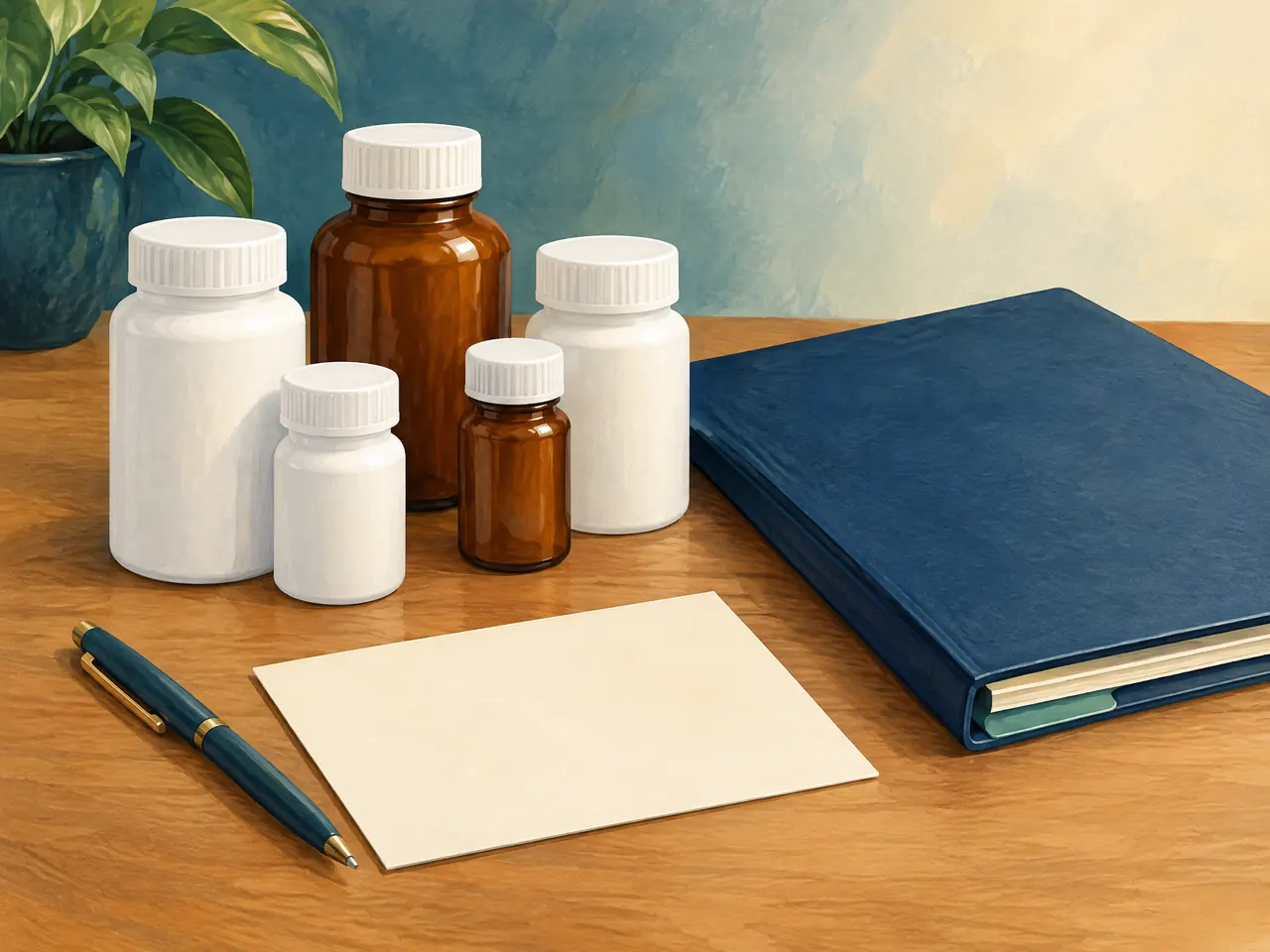
For each medicine or supplement you currently use, record its name, the strength shown on the packaging and how often you take it. Include scalp treatments and any herbal products, not just tablets. If you cannot identify an item, bring its label or a clear photograph rather than guessing. Put allergies and any previous reactions in a separate line so they are easy to find when a proposed product or herbal formula is discussed. [5]
Keep your current list separate from any new recommendation made during the appointment. Ask who will review the proposed ingredients alongside what you already use, and request instructions you can keep. Preparing this list is not a reason to stop prescribed treatment. Discuss complementary approaches with your healthcare providers rather than treating the absence of a warning during a scalp scan as a safety clearance. [5]
Record what was on your hair when it was photographed
Alongside the date of a scalp image, note when you last washed your hair and which styling products, scalp lotions, dry shampoo or root-covering products you used. Record dye use separately. This gives the person explaining the view a clear account of the routine surrounding that particular image, rather than an assumption that every photograph shows untreated hair.
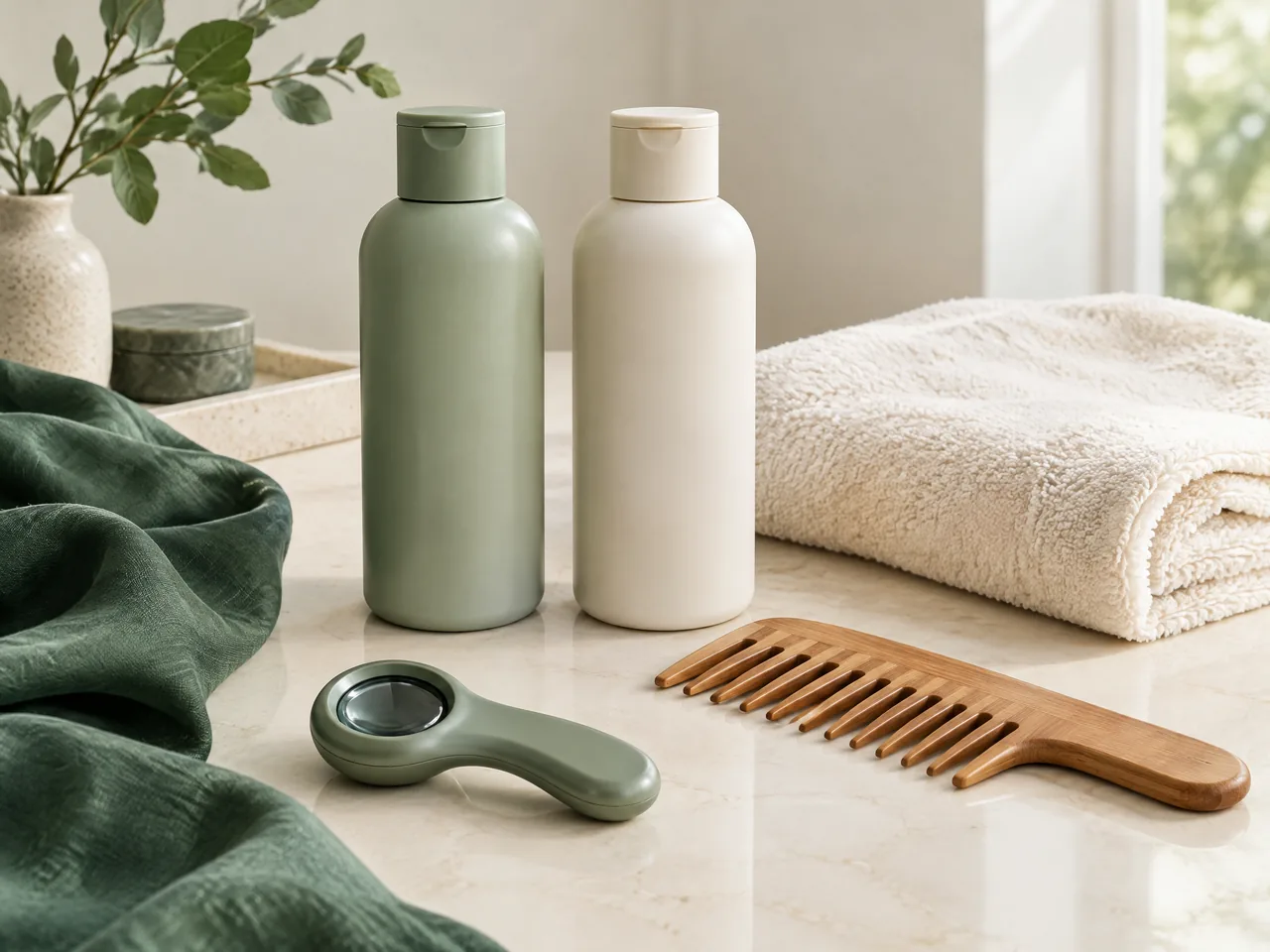
Before a repeat visit, ask whether the same preparation instructions will apply and keep the reply with the earlier record. If the instructions differ, make that difference explicit when comparing the images. The wash basin and bottle in the illustration are reminders to discuss routine and preparation; they are not evidence that a cleanser treats greying or that a particular product is suitable for your scalp.
Keep colour comparisons separate from treatment evidence
If you bring colour photographs, label each with its date and whether dye, root coverage or a different parting was used. Ask which area is being compared and whether lighting and camera settings are comparable. Do not use an apparently darker photograph as the whole explanation of what changed. Ask the assessor to identify what was observed and what cannot be determined from the pictures. [2] [3]
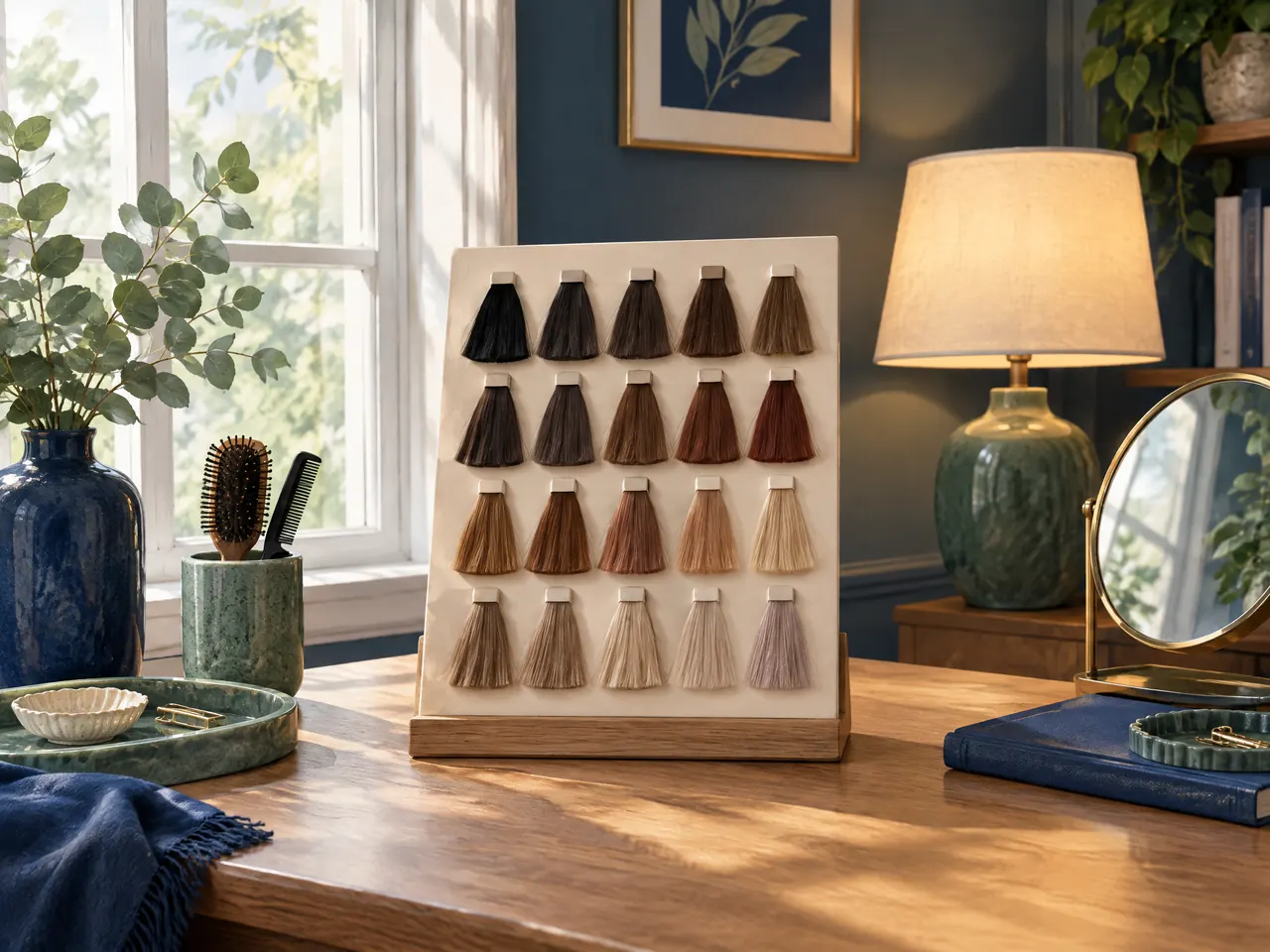
For a cosmetic colour discussion, use the sample-board illustration to prompt a different question: ‘How would this shade or grey blend look in the settings where I normally see my hair?’ Keep that appearance preference separate from a request for evidence of natural pigment recovery. A sample viewed under different lighting is not a before-and-after treatment result, and cosmetic coverage does not establish reversal of greying. [2]