Keep a fit record that can be revisited
If you try a wig while you still have hair, ask the fitter to record that context alongside the sample's model and size. Cancer Research UK explains that the fit may need to change after hair loss and suggests discussing an adjustable piece. Ask which part adjusts and how you would recognise that a further fitting is needed; a size label alone is not the whole assessment. [3]
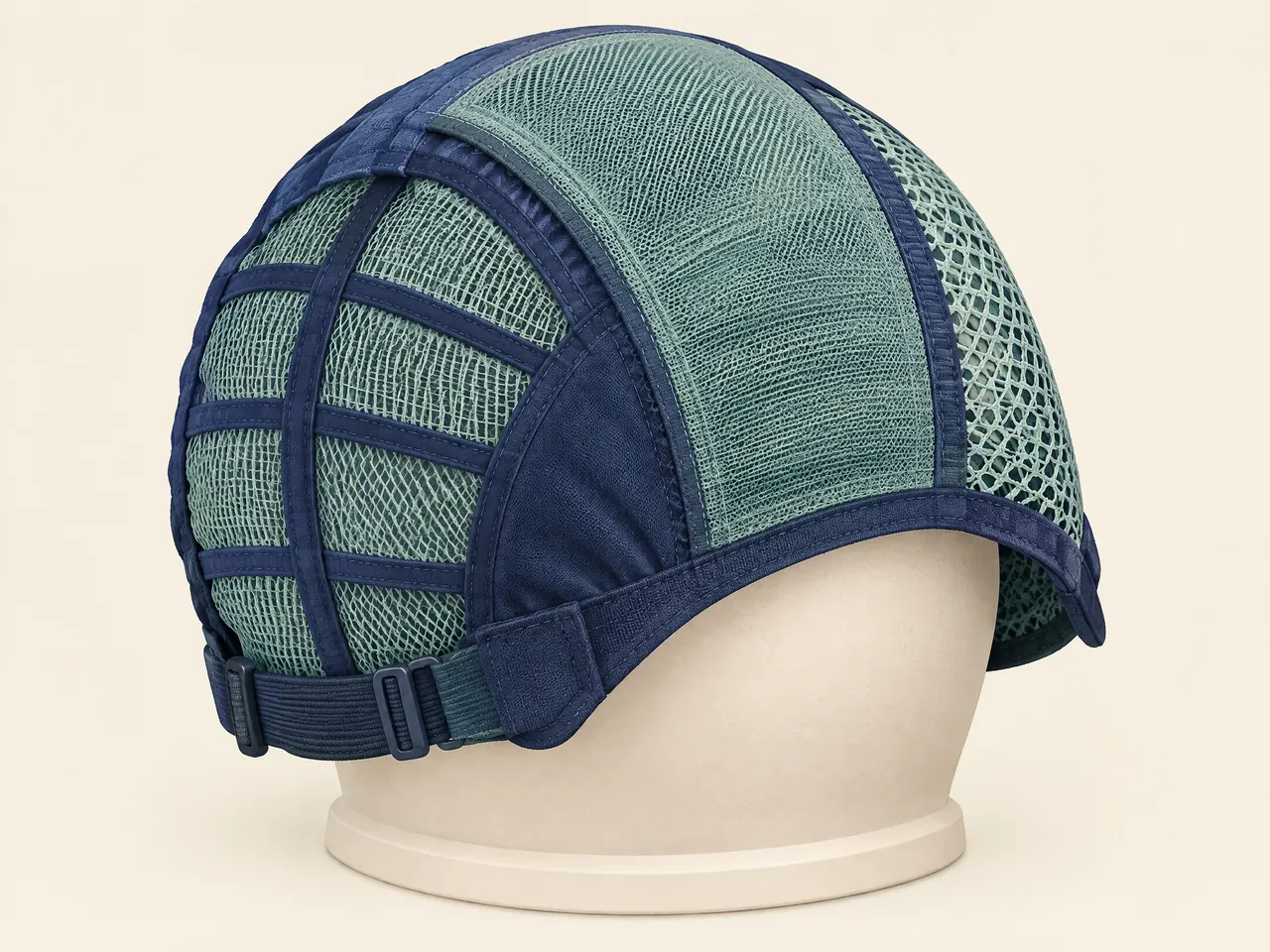
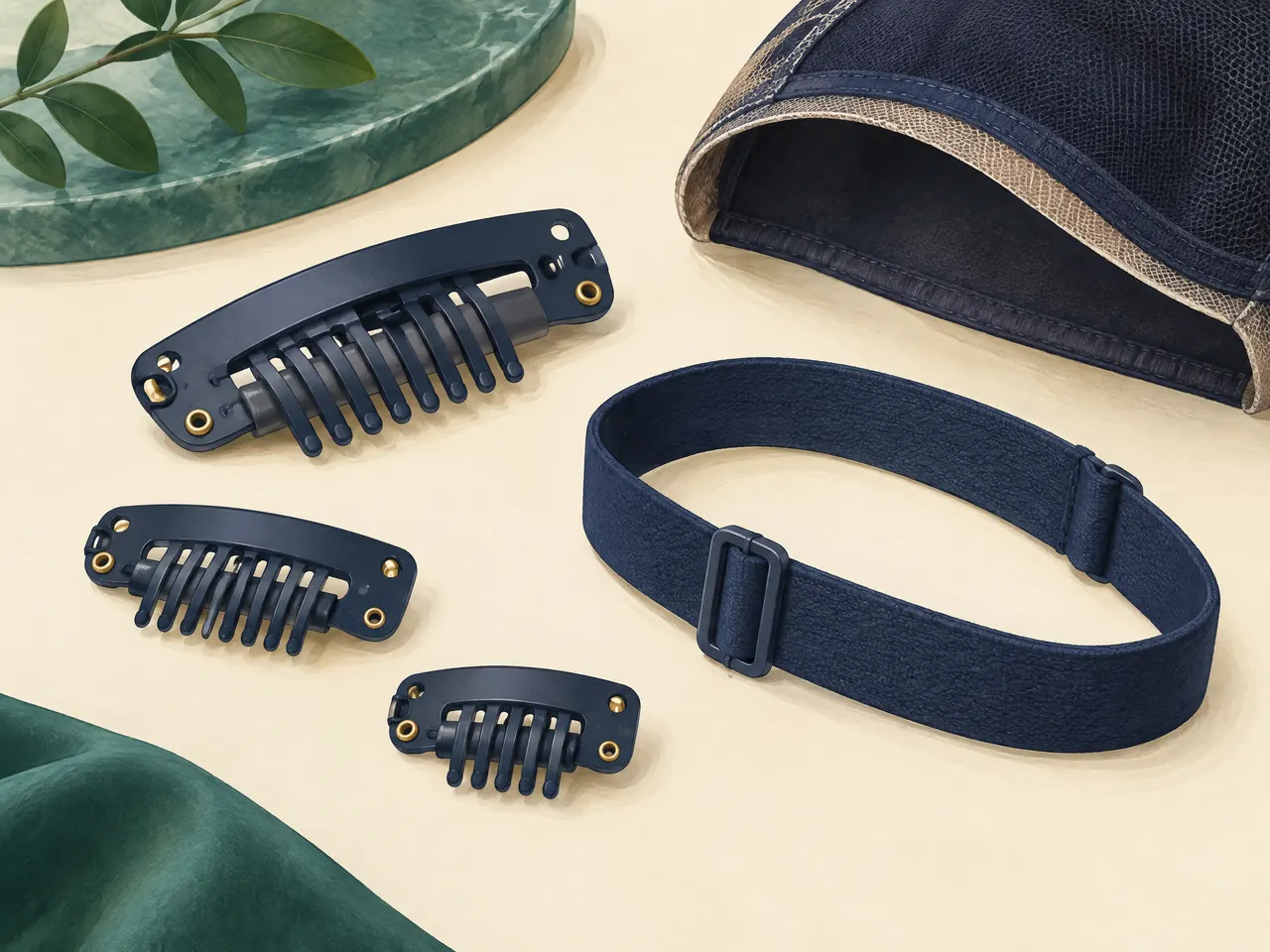
Ask to see the inside of the sample as well as the hairstyle. Have the fitter point out the adjustment band and the edges that you noticed during the trial. Keep a brief note such as 'pressure behind left ear' rather than only 'too tight'. That makes a return conversation more specific without asking you to diagnose a scalp problem or perform an adjustment you have not been shown.

Ask how coverage and removal would work together
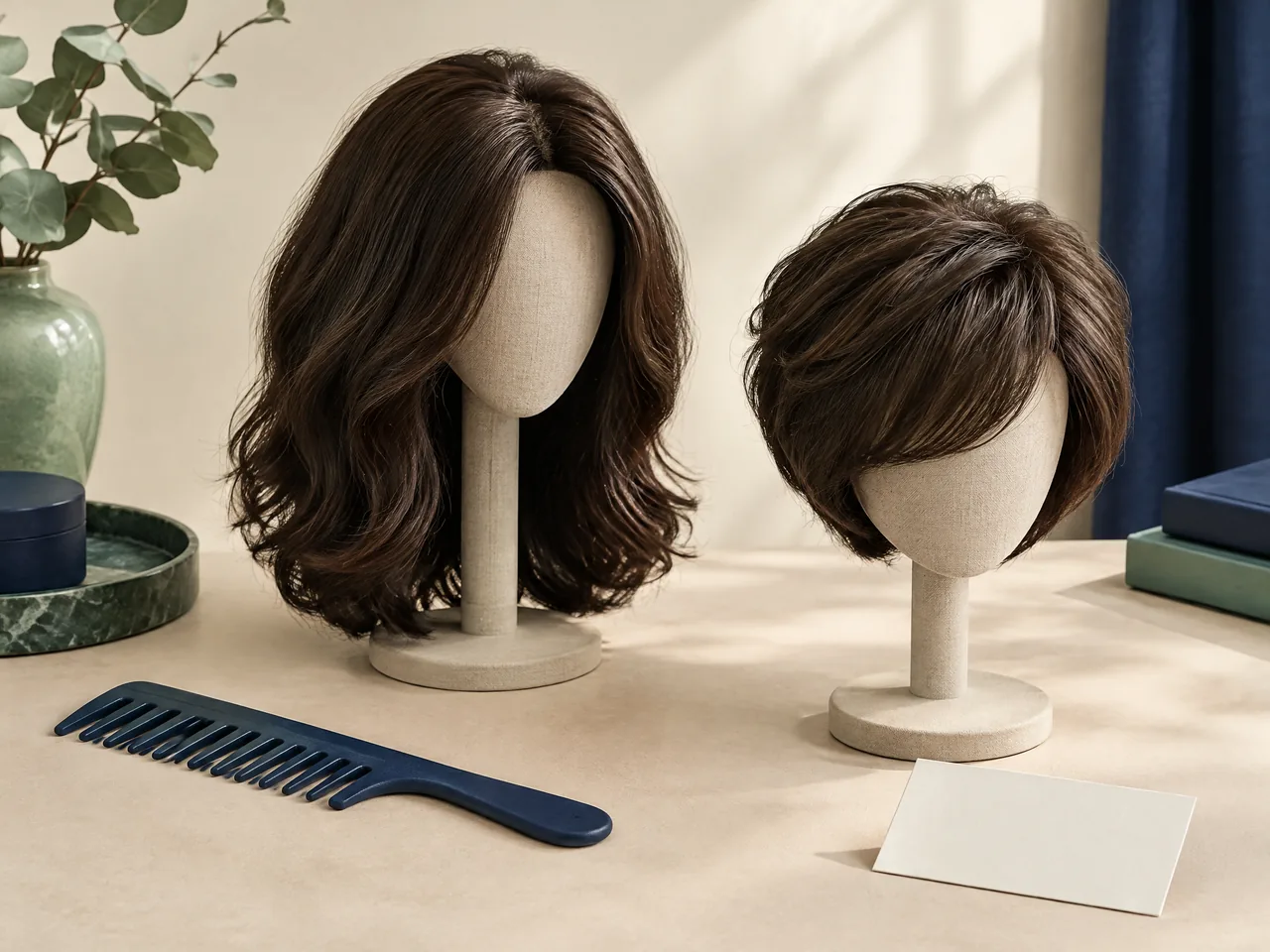
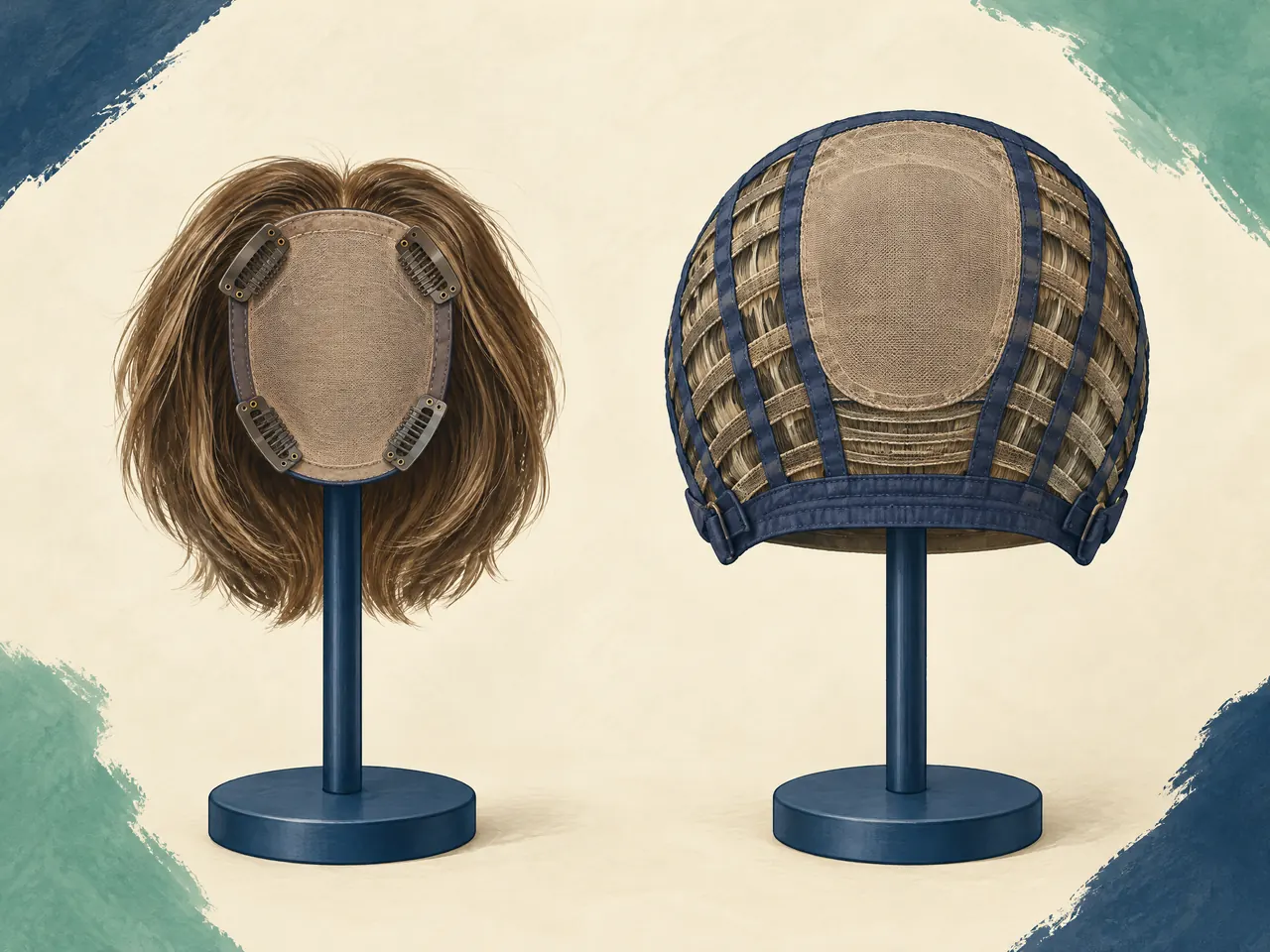
If you are unsure whether you want a full wig or a smaller piece, describe the area you would like covered before comparing styles. The American Cancer Society distinguishes a full wig, which covers the head, from a topper, which adds coverage at the top. A partial piece is not simply a smaller version of every full wig: ask the fitter how the proposed piece would be held in place with your present hair and how that plan would change if your hair changes. [1]
Ask for a removal demonstration for that exact piece, not just an explanation of how it is attached. Discuss what you could manage yourself and what would require another appointment. The clips and bands shown here are prompts for questions, not recommendations for your scalp. If your care team has given scalp precautions, bring them into this discussion before agreeing to an attachment method.
Check colour without committing to a fixed look
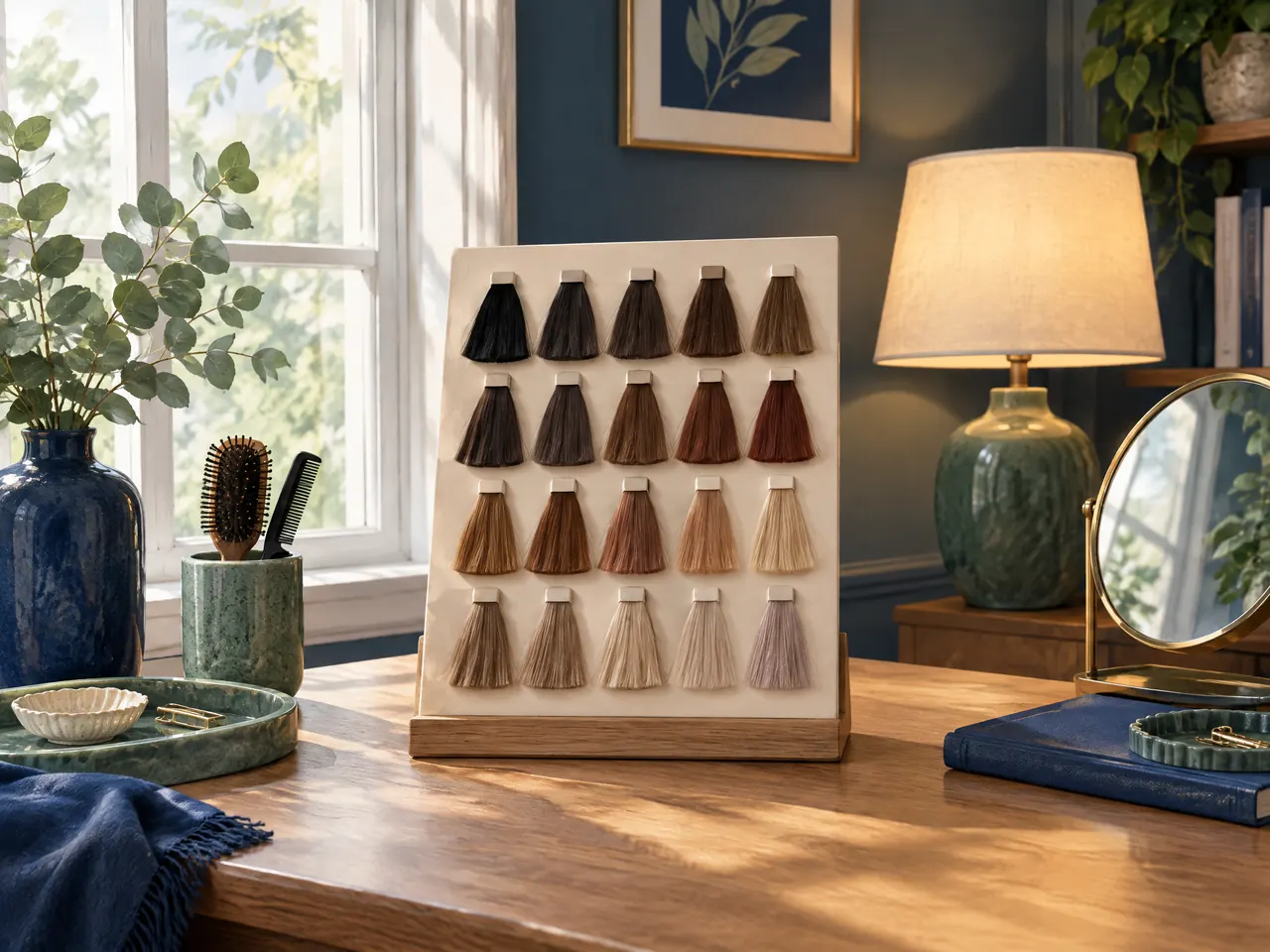
If matching your usual colour matters, the American Cancer Society recommends comparing a hair reference with wig swatches in natural light. Ask whether you can view the shortlisted sample near a window rather than relying only on a phone photograph or the fitting-room mirror. Record the sample's colour code so a later visit refers to the same option. This is a way to make the comparison clearer, not a requirement to recreate your previous appearance; you can still choose a different colour or postpone the decision. [1]
Plan a drying day as well as a wearing day
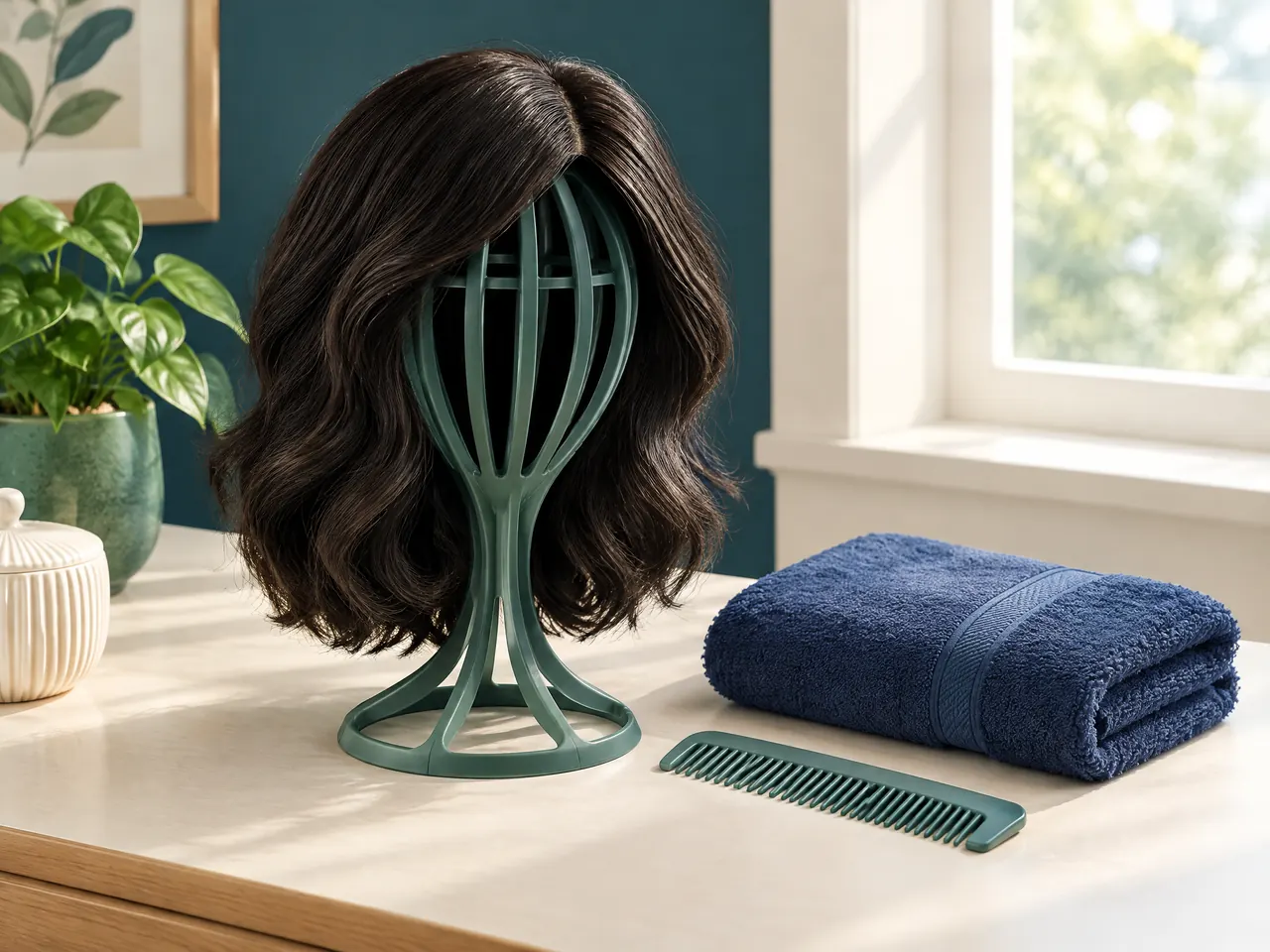
Before buying, ask the fitter to walk through a wash day using the exact model's instructions. Where would you support it while it dries, and what would you wear if it was not ready when you wanted to leave? The American Cancer Society describes room-temperature drying for its synthetic-wig washing example and storing a wig on a stand for short periods between wears. Do not turn that example into a universal routine: confirm the support, handling and any heat restrictions for your own piece. A workable drying arrangement matters as much as a style you like in the mirror. [1]