Check the sample label against the inside cap
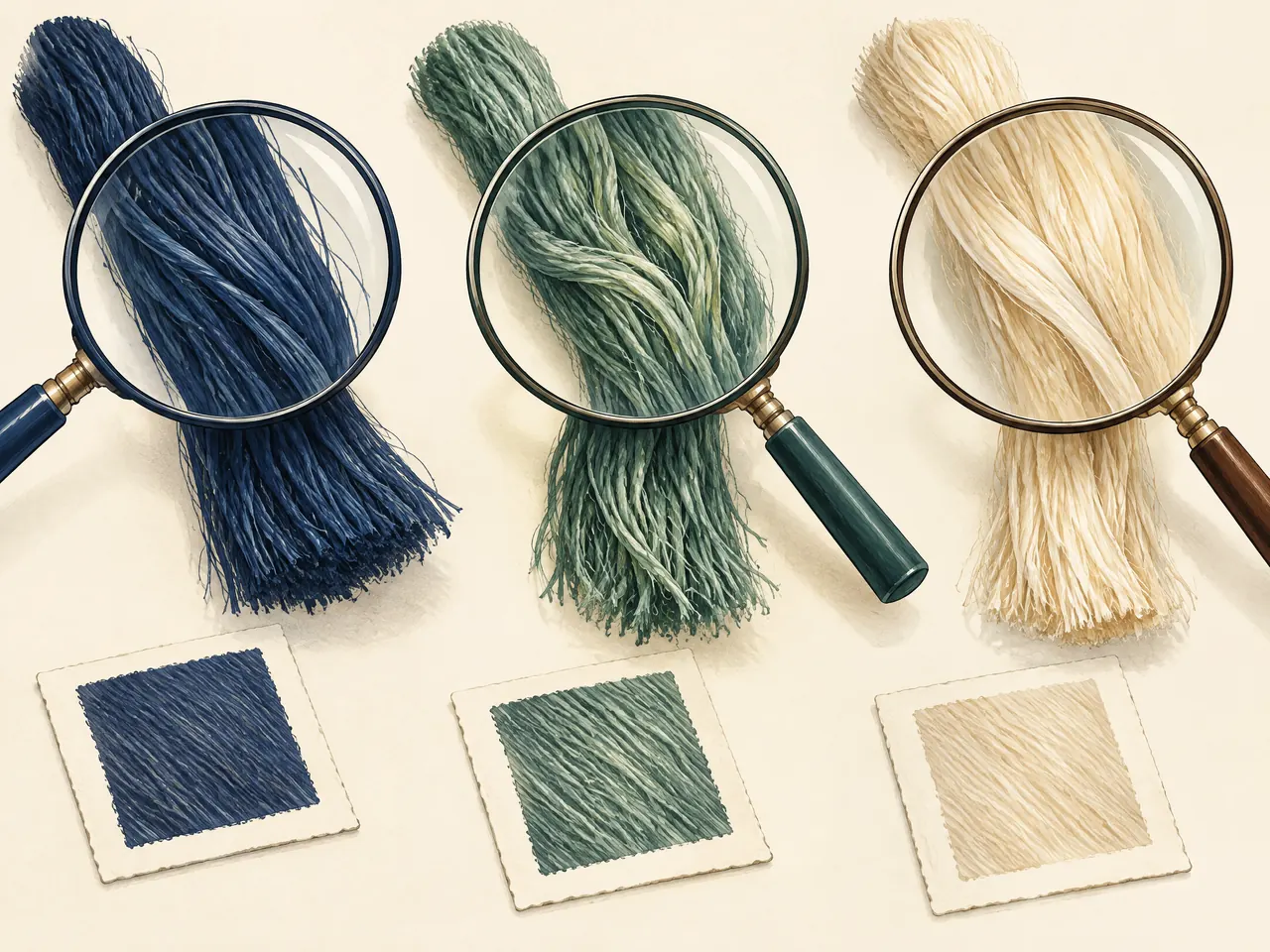
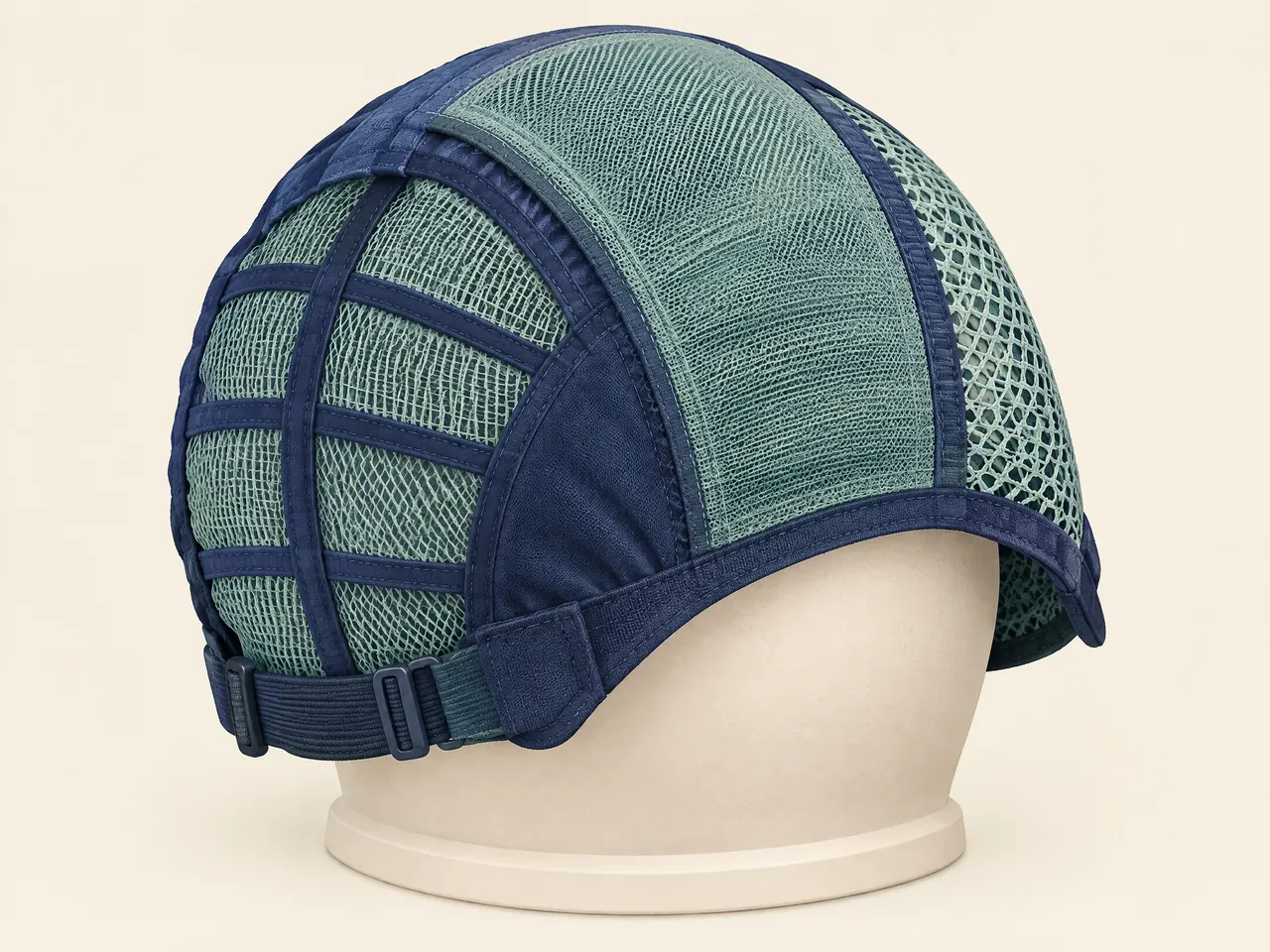
Use one sample to practise reading the complete specification. Ask the fitter to point from the material description to the strands, then from the construction description to the inside cap. Record the model name beside those answers so that a later quotation refers to the same piece. The fibre and cap are separate features in the American Cancer Society's guide. [1] A material sample can help frame questions, but its appearance alone cannot verify the composition of the wig you will receive.
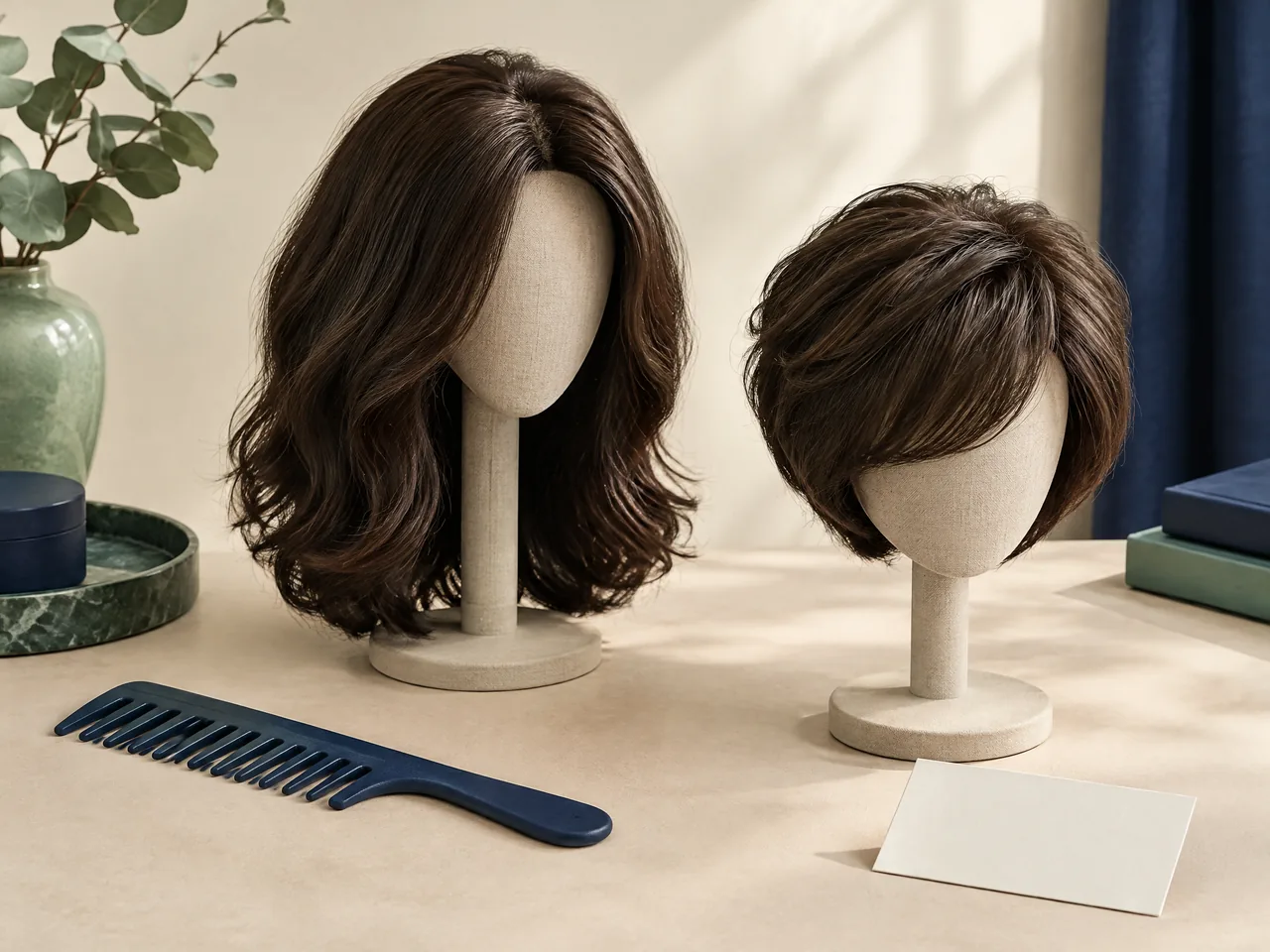
If you compare a second sample, identify which specification changed before deciding which you prefer. For example, ask whether two pieces with similar front edges contain different fibres, or whether two human-hair pieces have different lace coverage. Treat these as questions about the available samples, not assumptions about stock. Where an answer is missing, request confirmation for that model rather than transferring a feature from the display sample or another product page.
Keep the size record with the fastening arrangement
A size label is more useful when you know how it was checked. The American Cancer Society describes circumference, front-to-back and side-to-side measurements and advises checking the chosen brand's size chart. [1] Ask the fitter which measurements inform this cap choice and whether you are trying it with your remaining hair, a liner or a grip underneath. Keep those details with the model reference. Do not substitute a generic size chart for the actual unit's fitting instructions.
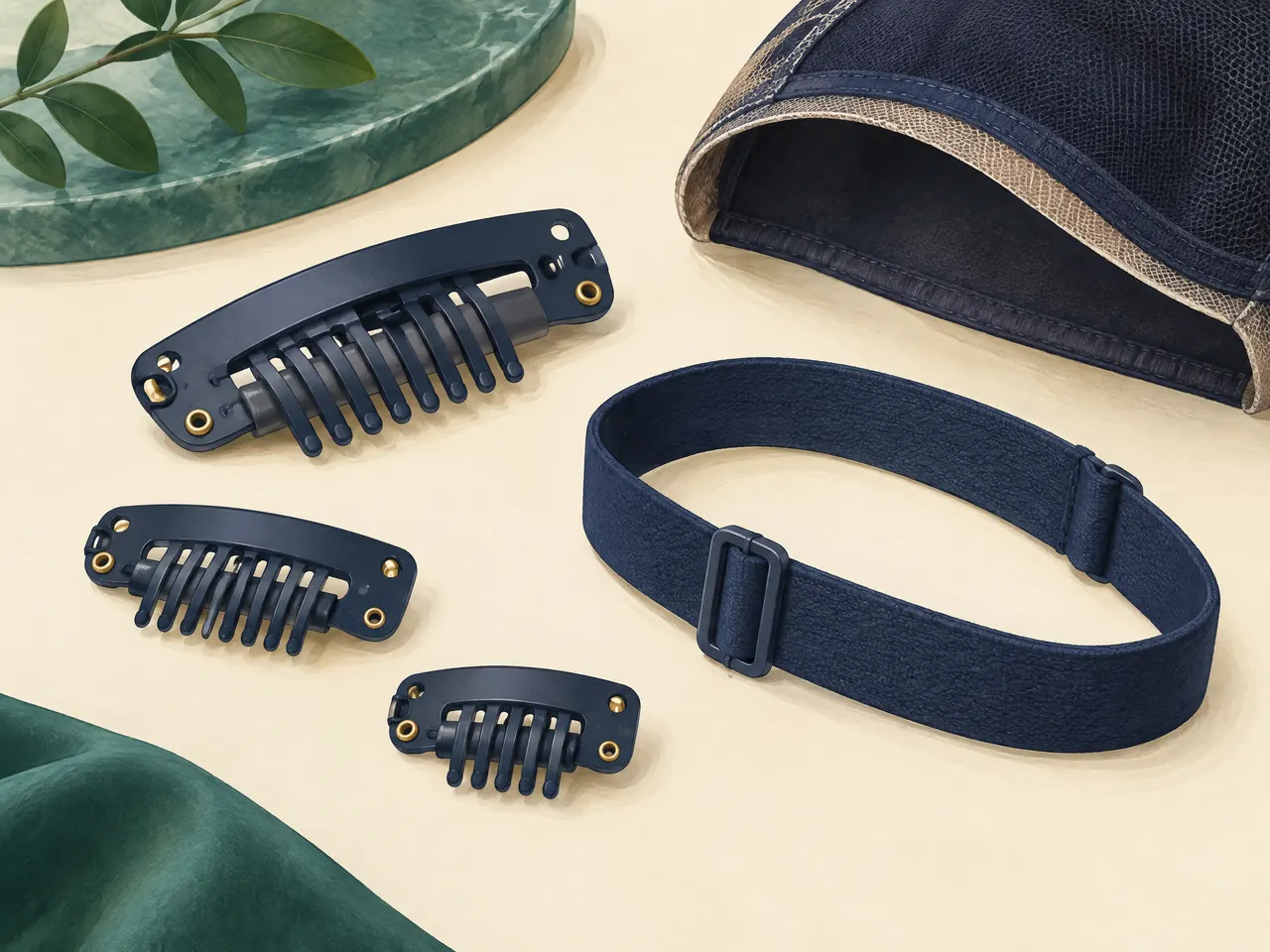
Next, record what holds the trial piece in place and ask the fitter to demonstrate removal and refitting with that arrangement. DT Hub advertises attachment demonstrations during consultation; confirm what your appointment can include. [5] If the cap is changed or an accessory is added, note the new arrangement rather than treating the earlier trial as equivalent. This gives you a clearer starting point when asking about a later adjustment, without turning a measurement or fastening label into a comfort guarantee.

Compare colour references in natural light
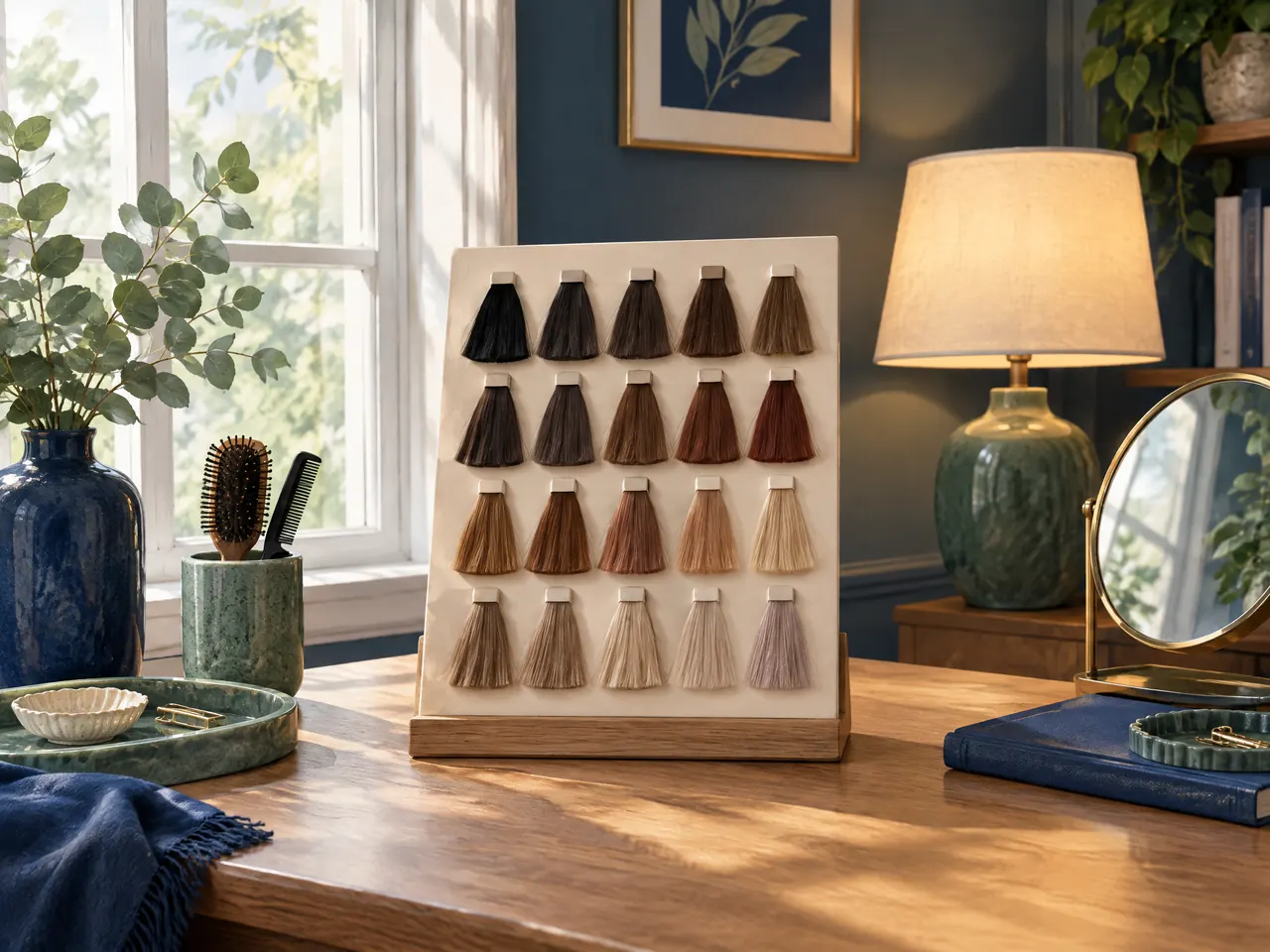
Keep colour matching separate from your judgement of the hairline. If you want to match your existing hair, the American Cancer Society recommends comparing a hair reference with wig swatches in natural light. [1] Ask whether you can view the chosen sample near a window, then note its colour code and the lighting used. A phone photograph is a reminder of the comparison, not confirmation that another unit has the same colour. Before approving a custom colour, ask how the reference and final piece will be compared.
Ask what happens between washing and the next wear
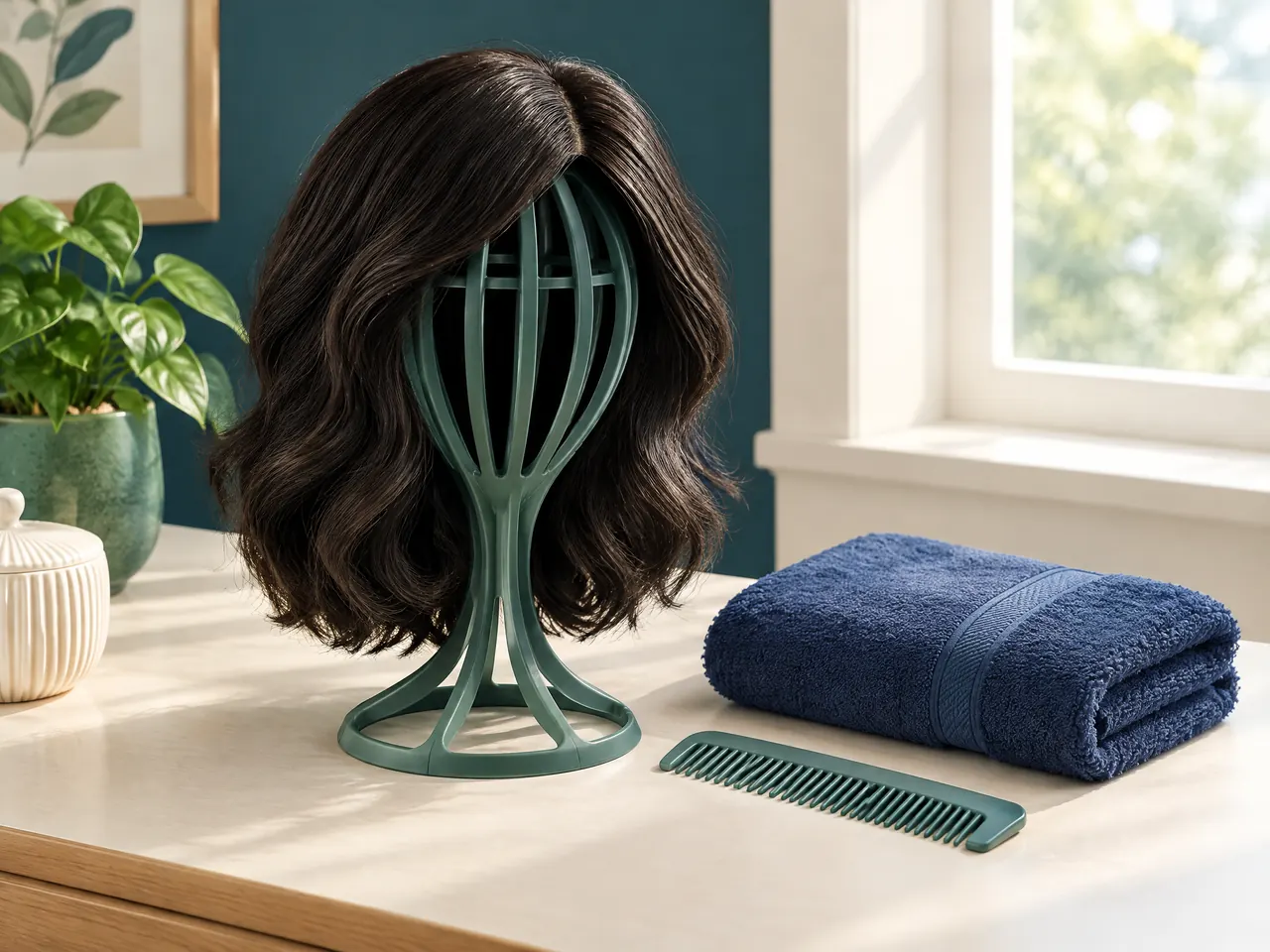
Before choosing material for its styling flexibility, walk through the whole wash-to-wear routine. Ask where the piece should dry, what support it needs and which styling steps remain afterwards. Cancer Research UK notes that some real-hair wigs need professional styling or cleaning and advises following the supplier's instructions. [2] The American Cancer Society's synthetic-wig washing example describes room-temperature drying, but that example is not a universal instruction for every fibre or base. [1] Request a demonstration for the chosen unit and plan whether you can manage its drying and resetting before your next outing.