
Prince Edward & Kwun Tong clinics · Home-visit enquiries elsewhere

TCM Lab

TCM Lab · Hair choices & preparation / Care and scalp

Conditioning services: compare how hair feels and how you maintain it

Content updated

Choose conditioning around the problem you notice on an ordinary wash day, not just the gloss of a salon finish. Clarify the formula, whether it changes your texture, and what keeping the result will involve.

Illustrative hair care and observation objects
AI-generated illustrative concept; not a DT Hub location, product photograph or case record.

The short answer

For conditioning, compare easier detangling, comfortable softness and manageable styling after your usual washes. A keratin label alone does not tell you whether the service is conditioning or heated smoothing. Ask about the exact product, processing, colour or perm compatibility and aftercare before booking; keep scalp symptoms and hair loss separate from cosmetic hair-length care.

DT Hub is an external website under the same ownership as TCM Lab, with salon and Academy, hair assessment and Chinese medicine hair-growth information, and wig sections. Salon services and scalp spas concern styling and beauty care; Academy concerns skills learning. Chinese medicine and medical options require individual assessment and do not guarantee hair growth; wigs are appearance products, not treatment. Business sources support service information, not evidence of medical effectiveness.

Name the wash-day problem before choosing a treatment

If your ends catch on the comb but your roots become oily quickly, asking for ‘healthier hair’ leaves too much unexplained. Describe where the difficulty occurs, whether it happens wet or dry, and what you do to get past it. You might want fewer knots after washing, softer ends without a flat crown, or less time spent blow-drying. Choose one priority and one feature you want to keep, such as your wave pattern or root volume.

Conditioner can moisturise and detangle hair and make it easier to manage, according to the American Academy of Dermatology. That makes manageability a reasonable goal, rather than assuming that every rough strand needs an intensive salon programme. [1] Before your appointment, note how you wash, where you apply conditioner and which heat tools you use. A useful consultation connects those habits with a specific service instead of assigning a treatment solely from a label such as ‘dry’ or ‘damaged’.

Ask what ‘keratin’ means in the proposed service

Readers comparing keratin treatment hong kong should first clarify what will actually happen to their hair. DT Hub lists keratin and oil conditioning separately from straightening in its service directory. [2] Ask whether the proposed appointment mainly aims to improve feel and combing, or includes a smoothing process intended to change how the hair sits. Request the product name, application steps and expected effect on your existing waves. These details are more useful than choosing the most impressive-sounding treatment name.

Heated smoothing also needs its own safety conversation. The US Food and Drug Administration warns that some smoothing products contain ingredients that release formaldehyde when heated; it also notes that not all smoothing products contain formaldehyde. Ask to read the ingredient list and Safety Data Sheet, and ask about ventilation and application safeguards. [3] This is general product guidance, not evidence about the formula or facilities at any particular salon.

Ask what ‘repair’ means in observable terms: easier combing, a softer finish, or a change in appearance after washing? None of those observations alone proves that hair has returned to its original condition. If you want to preserve curl or volume, say so before accepting the service. Do not assume that a conditioning appointment promises straight hair, or that every product bearing a keratin label follows the same process or lasts the same number of weeks.

Compare softness and tangles, not how intensive it sounds

When considering deep hair treatment kwun tong, explain the trade-off you will accept. For example, ‘I want the ends to detangle more easily, but I do not want the roots to feel coated.’ DT Hub lists several conditioning categories, so confirm the selected product and its purpose rather than treating ‘deep’ as a standard formula. [2] Ask whether a simpler conditioning option could meet your goal and what would justify adding more processing steps.

Judge the result after normal washing as well as on the salon day. A finish created with different drying and styling techniques is not a fair comparison with your usual air-dried hair. Keep brief notes on combing effort, softness and whether you still need the same styling time. This is a personal comparison, not a diagnostic test. Avoid pulling or stretching strands to decide for yourself that you lack protein or moisture; bring persistent breakage to the consultation instead.

Plan conditioning alongside colour, not as permission to bleach

If a colour change is also on your list, discuss hair colour kwun tong as a separate decision from conditioning. DT Hub lists colour services alongside its treatment menu. [2] Tell the stylist about previous bleach, home dyes and smoothing services, including approximate dates and which lengths were processed. Ask which areas would be treated again, whether your shade goal can be adjusted to reduce processing, and how the proposed conditioner fits into the exact colour plan.

The American Academy of Dermatology notes that substantial lightening can cause more damage and that appearance-changing treatments can leave hair dry and brittle. [4] A softer finish afterwards does not establish that the colouring process was damage-free. Do not assume that buying a conditioning add-on makes further lightening suitable. Ask for product-specific sequencing and testing instructions; there is no reason to borrow a waiting period from an unrelated treatment. Disclose any previous dye reaction before booking rather than trying to conceal sensitivity with scalp products.

Keep a perm's shape goal separate from conditioning

A perm is chosen to change shape; conditioning is chosen for how the hair feels and handles. If you are exploring hair perm kwun tong, explain both goals separately. DT Hub lists several perm options, but a service name cannot settle whether your previously processed lengths are suitable. [2] Bring a curl reference and describe how you actually dry your hair at home. Ask how the proposed conditioning or smoothing formula would affect the texture you want to retain.

Do not bundle a perm, colour change and smoothing service simply to save a journey. Ask the stylist to explain any recommended spacing and when postponement would be wiser. The American Academy of Dermatology advises caution with perms, following product instructions, and promptly rinsing off the solution and consulting a dermatologist if excessive stinging or burning occurs. [4] During a salon appointment, report discomfort immediately. An intensive aftercare package is not a reason to tolerate a painful process.

Separate scalp comfort from hair-length conditioning

An oily scalp and tangled ends can occur together, but they are different concerns to discuss. When comparing head spa hong kong, ask which steps involve scalp cleansing or massage and which involve conditioning the lengths. DT Hub lists head spa as a separate salon service. [2] Tell the team about sensitivity and any scalp products you already use; ask whether pressure or exfoliation can be omitted. Choose it for the cosmetic experience you want, not as proof that a hair-loss cause has been identified.

New thinning, patches of loss or unusual ongoing shedding deserve medical assessment rather than a stronger conditioning label. The American Academy of Dermatology explains that hair-loss treatment starts with finding the cause and that no single treatment works for everyone. It also distinguishes wigs and concealers, which change appearance, from options intended to address hair loss. [5] A scalp spa, haircut or conditioning finish cannot substitute for that assessment. Likewise, learning hairdressing skills in a course is a different purpose from receiving clinical care.

Choose an aftercare routine you can actually maintain

Before paying, ask for the total appointment time, including consultation and finishing, and a current quote for the specific service. Ask what home products are essential, what is optional and whether your existing products are compatible. If frequent return visits or a lengthy wash-day routine would be impractical, say so. A worthwhile outcome must fit your available time and budget, not only look good in the chair. Ask how you should decide whether another appointment is needed rather than committing automatically to a course.

Keep the everyday routine gentle. The American Academy of Dermatology recommends focusing shampoo on the scalp, tailoring conditioner placement to hair type, and detangling carefully from the ends with a wide-tooth comb. Curly hair and straight hair can need different combing timing. Limit heat tools and use low or medium settings with heat protection. [1] If you receive specific processing aftercare, obtain it in writing and ask how to reconcile it with your normal routine; do not improvise from another person's treatment.

Plan the actual DT Hub visit in Kwun Tong: Room 03, 21/F, Lee Bo Times Centre, 50 Hoi Yuen Road, Kowloon. [2] Confirm availability and opening time directly before travelling. Bring your service history and a short description of the outcome you want after washing. For the follow-up, report what changed and what did not. ‘The ends comb more easily, but drying still takes the same time’ gives the stylist a clearer basis for adjustment than ‘it worked’ or ‘it failed’.

Take it into everyday life

A practical checklist

  • Choose one priority, such as easier detangling, and one feature to preserve, such as curl or volume.
  • Record recent colour, bleach, perm and smoothing services, including which lengths were processed.
  • Ask for the exact product and clarify whether the service is conditioning or shape-changing smoothing.
  • For heated smoothing, request ingredient information, the Safety Data Sheet and an explanation of ventilation safeguards.
  • Disclose previous reactions and current scalp discomfort; report stinging or burning during processing immediately.
  • Confirm the complete appointment time, current quote, optional extras and realistic home-care requirements.
  • Get product-specific aftercare and service-sequencing instructions in writing.
  • Confirm the Kwun Tong appointment details and compare manageability after your usual washes.

Questions & answers

Will every keratin service straighten my hair?

No: the label alone does not specify the process. Ask whether the proposed service is conditioning or smoothing, which formula is used and whether it is intended to alter how your curls or waves sit. DT Hub's directory lists keratin/oil treatment and straightening as separate service destinations. [2]

How can I tell whether conditioning was worthwhile?

Compare your priority after your usual washes: combing effort, softness or styling time. Use a similar drying routine so that the salon blow-dry is not doing all the work in the comparison. Easier handling is a useful outcome, but it is not proof of permanent restoration or hair growth.

Can I have conditioning on the same day as colour or a perm?

Ask about the exact products and the condition of previously processed lengths before combining appointments. Do not treat a general conditioning label as approval for more chemical processing. Get the proposed sequence and any required interval in writing; colouring and perming carry damage risks even when aftercare is planned. [4]

Do I need to buy every aftercare product suggested?

Ask which products are required by the chosen formula, which are optional and whether your existing products can be used. General care should still match your hair type. Dermatology guidance recommends conditioner, gentle detangling and limiting excessive heat; it does not prescribe one salon's complete product range for everyone. [1]

What should I ask about heated smoothing safety?

Request the product name, ingredient list and Safety Data Sheet, and ask about ventilation and application safeguards. FDA guidance identifies formaldehyde, formalin and methylene glycol as relevant ingredient names while noting that not all smoothing products contain formaldehyde. If you experience a bad reaction, stop the process and seek healthcare advice. [3]

Is head spa a treatment for thinning hair?

Do not equate a cosmetic scalp-care session with diagnosis or treatment of a hair-loss cause. A dermatologist can assess your history and scalp and advise whether treatment is appropriate. Wigs and concealers are appearance options, not regrowth treatments; a smoother conditioning finish is also not evidence of regrowth. [5]

Sources & further context

Numbered references follow the source order below. Business websites provide relevant service or product information, not evidence of medical effectiveness.

  1. [1] American Academy of Dermatology — Tips for healthy hair
  2. [2] DT Hub — Service directory and Kwun Tong location
  3. [3] US Food and Drug Administration — Formaldehyde in Hair Smoothing Products: What You Should Know
  4. [4] American Academy of Dermatology — Coloring and perming tips for healthier-looking hair
  5. [5] American Academy of Dermatology — Hair loss: Diagnosis and treatment

Show where each product fits into your wash day

Turn your routine into a short sequence for the consultation: washing, conditioning, detangling and finishing. Beside each step, note the product name, where you apply it and when the difficulty appears. For example, ends that knot during rinsing give the stylist a different question from roots that feel heavy after leave-in care. Bring the packaging or a photograph of its instructions if you cannot explain the product. This helps you ask whether the proposed salon service adds something your current routine is missing, or whether changing an existing step should be discussed first.
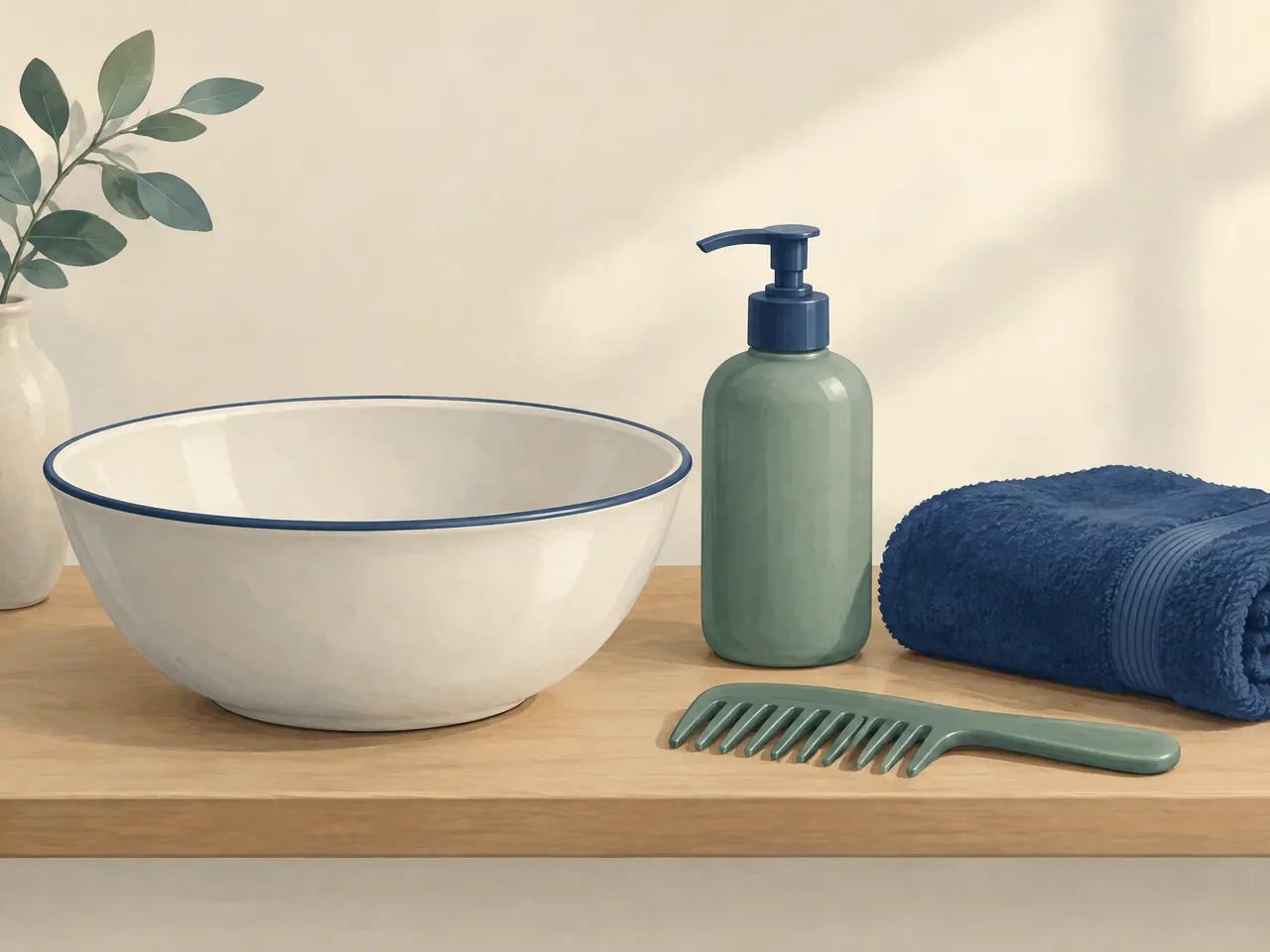
Illustration of a wash basin, unbranded pump bottle, folded towel and wide-tooth comb on a shelf
Use a wash-day sequence to explain where products are applied and when tangles or heaviness appear. These are illustrative objects, not DT Hub products or facilities.Generated illustrative image

Match the combing demonstration to your texture

Ask the stylist to demonstrate the handling step that causes you trouble, rather than only showing a polished finish. The American Academy of Dermatology advises combing thick, curly hair in the shower before rinsing out conditioner; for straight hair, it advises letting the hair dry a little before combing. Use a wide-tooth comb and work gently from the ends upwards. [1] Explain which approach you currently use and ask how any product-specific aftercare fits it. A demonstration should clarify timing and handling, not become a test of how far a strand can stretch.
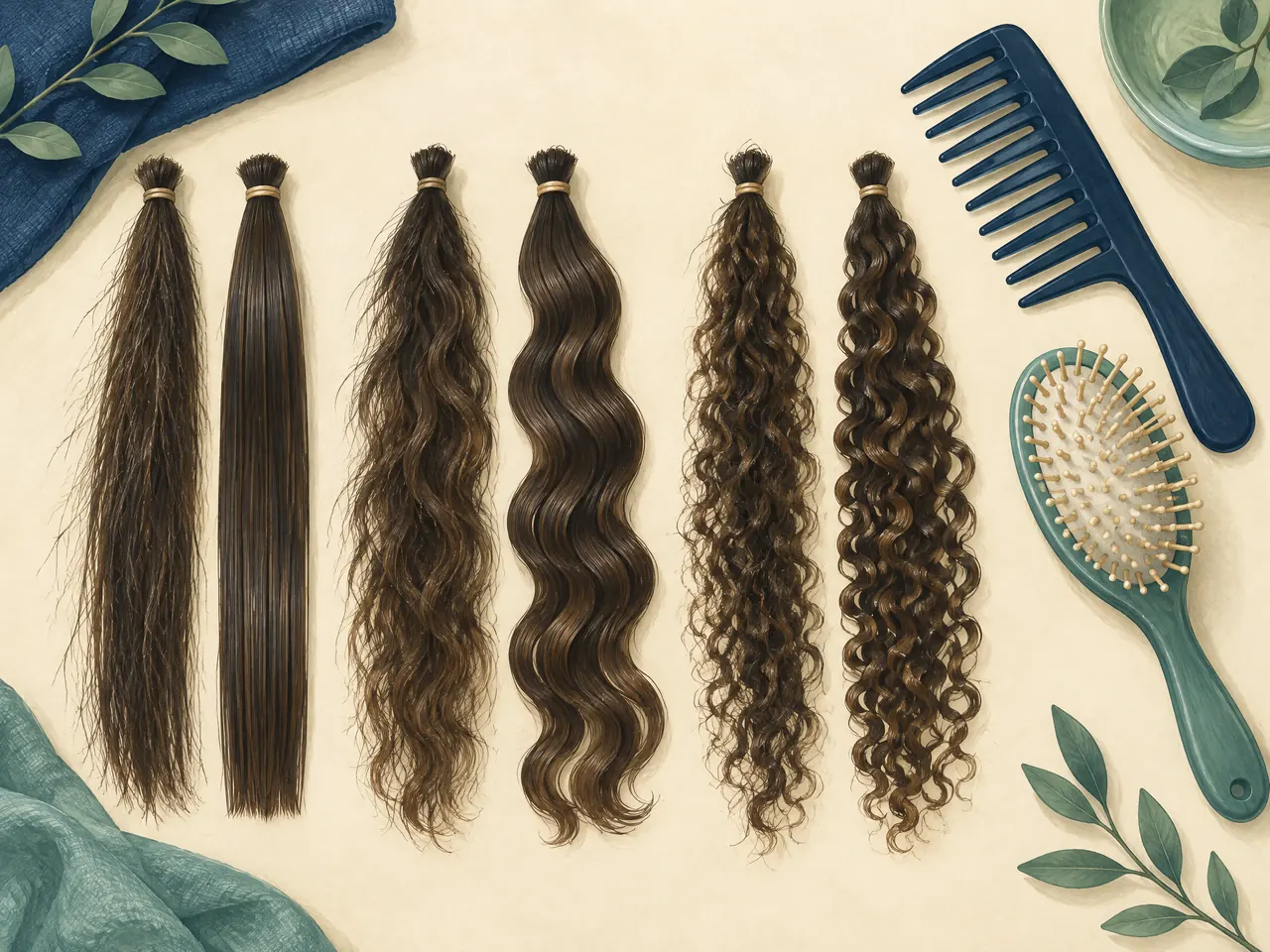
Illustration of separate straight, wavy and curly practice hair tresses beside a wide-tooth comb and soft brush
Different textures make combing timing worth discussing. Practice tresses illustrate handling questions, not a customer's hair or a treatment result.Generated illustrative image

Separate the conditioning result from the drying technique

If saving styling time is your priority, ask which part of the salon finish you could reproduce with the dryer, nozzle or diffuser you already own. Note whether the demonstration involves sectioning, brushing or extra finishing products. For your comparison at home, record hands-on drying time separately from time spent waiting for hair to dry. Keep the method similar when judging the next wash, and note any change of tool or product. That makes a useful follow-up possible: easier combing may be worthwhile even if the same brushing and drying steps are still needed.
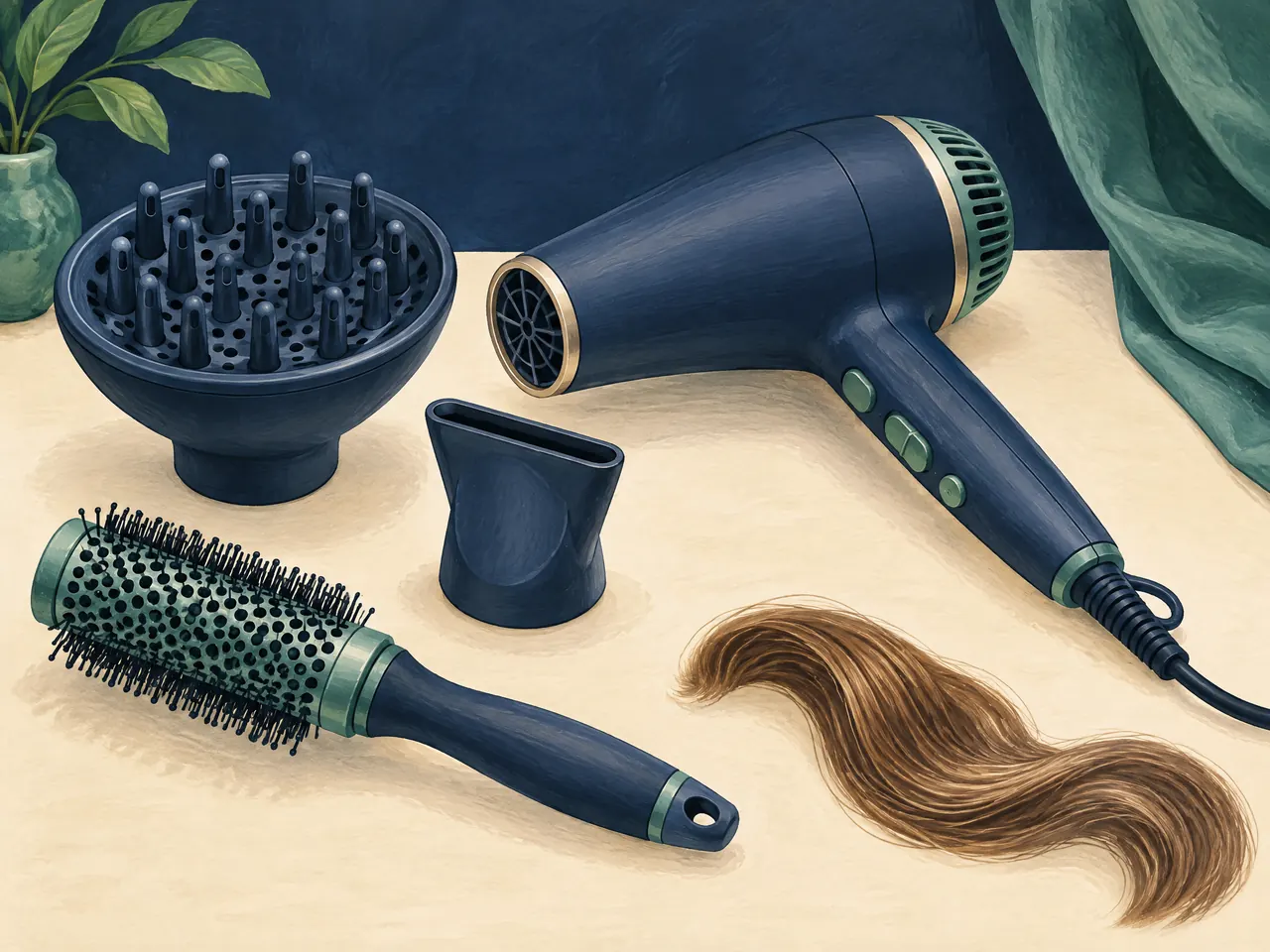
Illustration of an unplugged hair dryer, diffuser, nozzle and round brush beside a loose practice hair tress
Discuss the tools and hands-on steps needed to recreate a finish at home. The unbranded tools and practice tress do not show a salon service or promised outcome.Generated illustrative image

Clinic enquiries

Contact and appointment arrangements

Clinics
Prince Edward and Kwun Tong
Opening hours
11:00–21:00
WhatsApp and telephone
+852 6940 5663

Appointments, practitioner availability and service arrangements are confirmed via WhatsApp.

Please mention any consultation language needs in your WhatsApp enquiry so that arrangements can be confirmed.

Enquire via WhatsApp
Food, gifts and floral lifeWhatsApp enquiry