Make a small zone map for the consultation
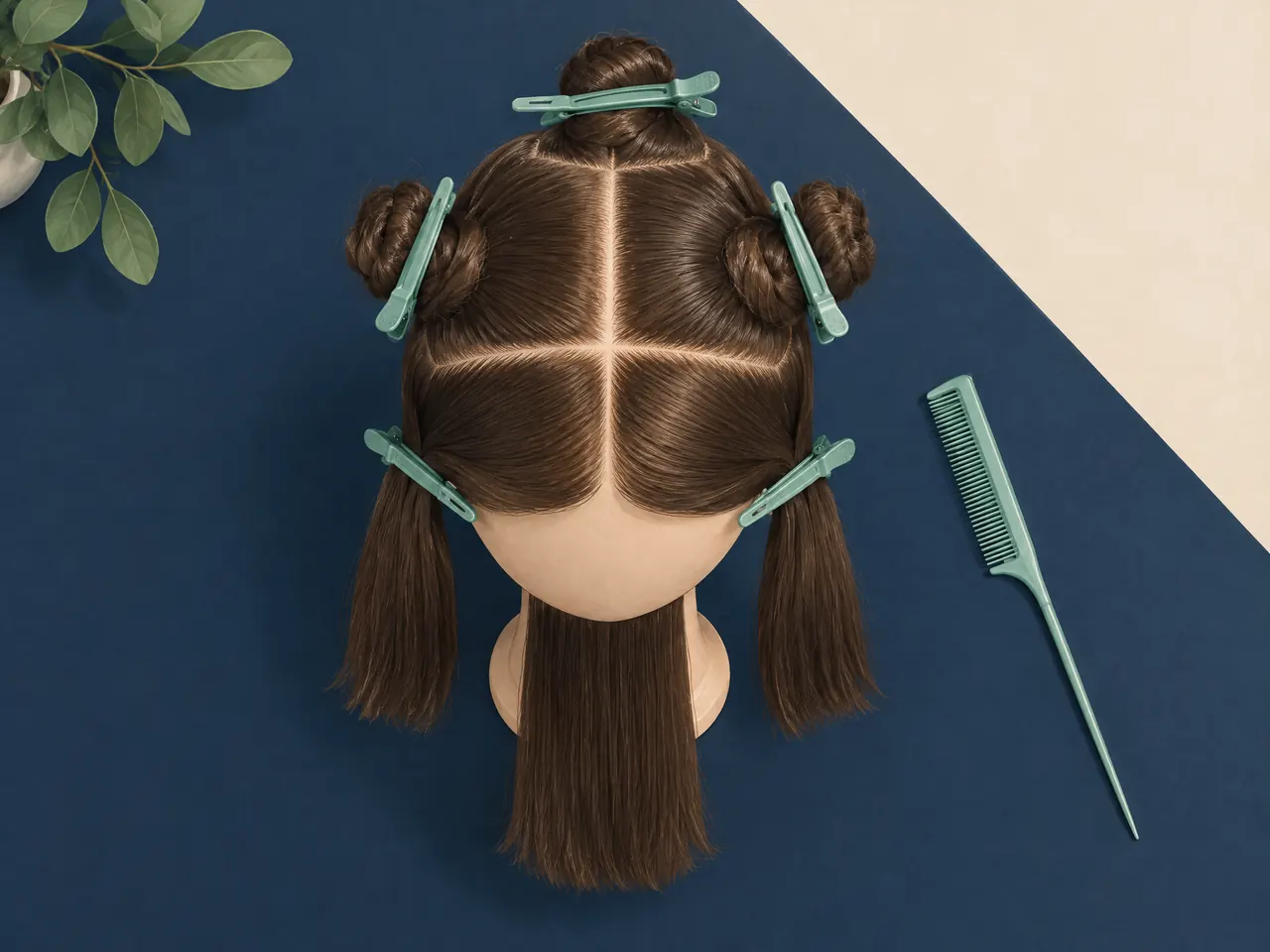
Sketch the outline of your head on paper and mark the fringe, crown, sides and ends separately. Beside each area, write a change you want or a detail you want to keep. For example: ‘Reduce the wave at the sides; keep the fringe away from my glasses without flattening the crown.’ Use the map to ask which areas the proposed service would include. It is a communication aid, not instructions for sectioning or chemical application.
Check the fringe in the parting you actually wear and with your usual glasses, if relevant. Ask what it would need when dried at home and whether its plan differs from the rest of the hair. Agree on those details before treating ‘straight all over’ as the complete brief. A separate fringe request should be discussed alongside the same product history and assessment as the other lengths.
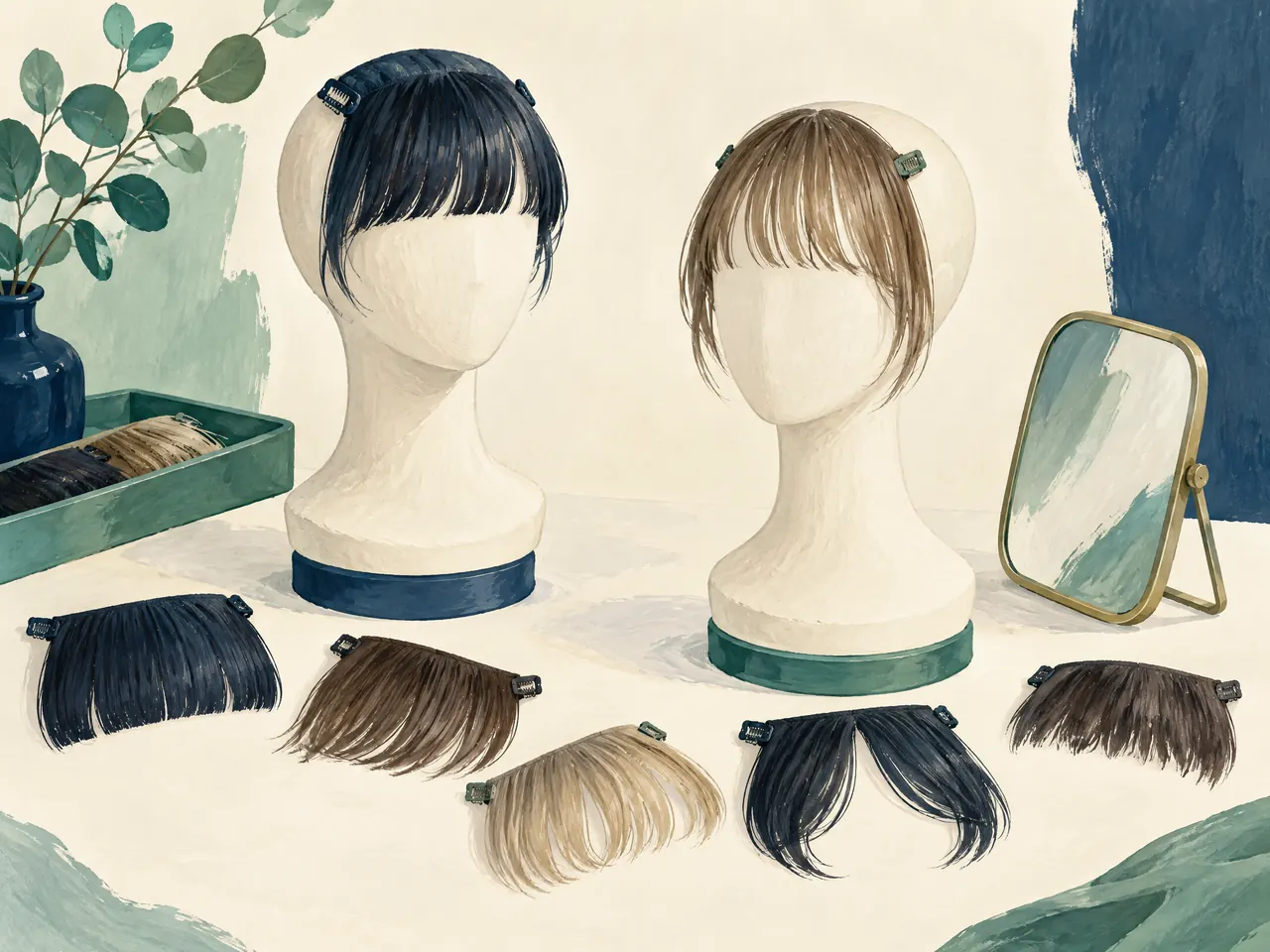
Show the endpoint you want as well as the texture
Alongside a photograph, point to where you want the dry ends to sit: above the shoulder, at the collar or below it. Distinguish that endpoint from how straight you want the middle to look. If trimming older ends instead of processing them is an option you want to discuss, state how much length you are willing to lose. Do not leave a length decision hidden inside a request for a smoother finish.
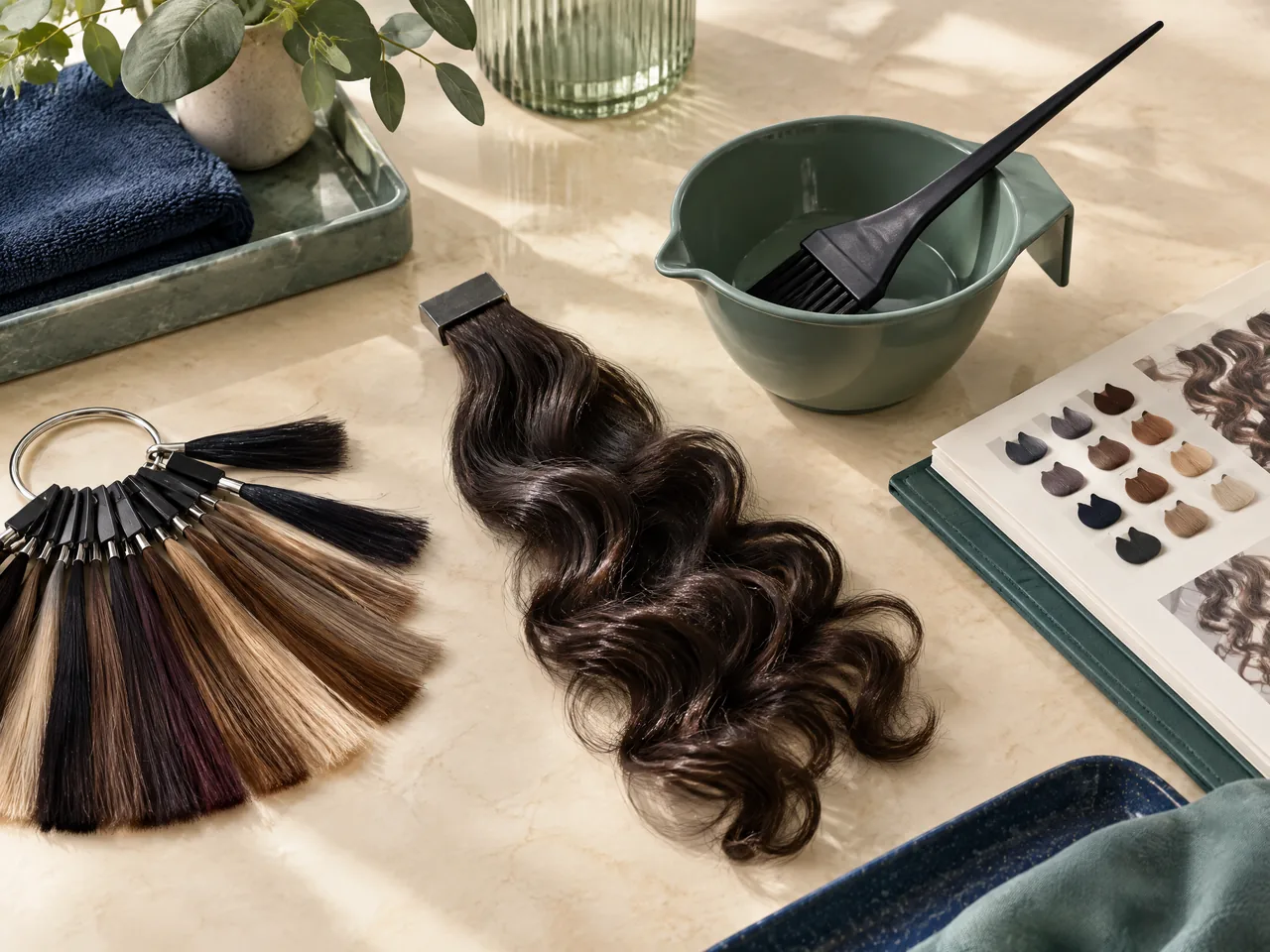
Separate practice tresses help explain the texture you mean, but do not demonstrate what a chemical service will do to your own hair. If combing is the main difficulty, describe when and where it catches rather than requesting straightness by default. The AAD advises gentle use of a wide-tooth comb: let straight hair dry a little first, while textured hair or tight curls are combed damp. This is everyday handling guidance, not clearance for straightening. [4]
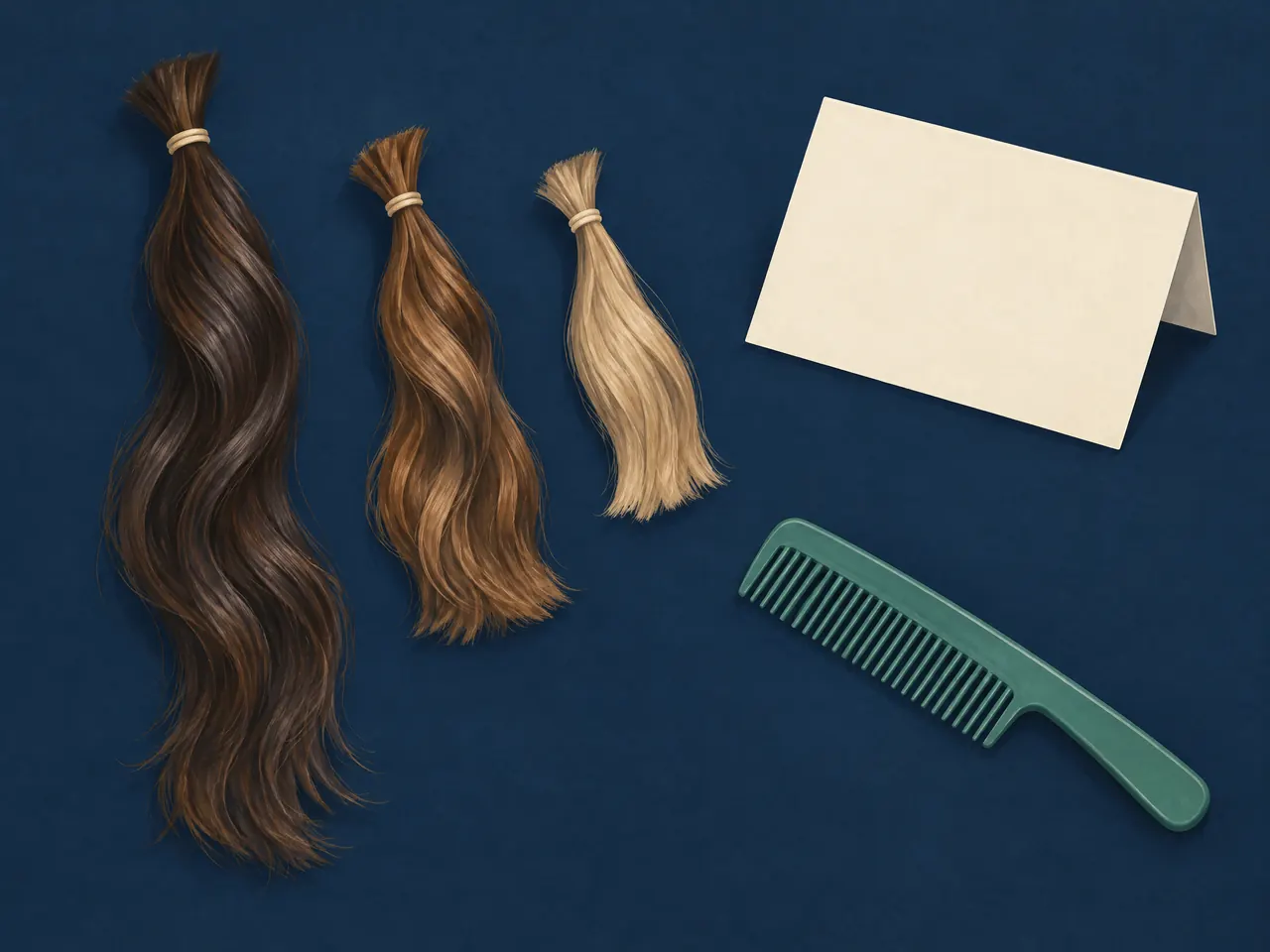
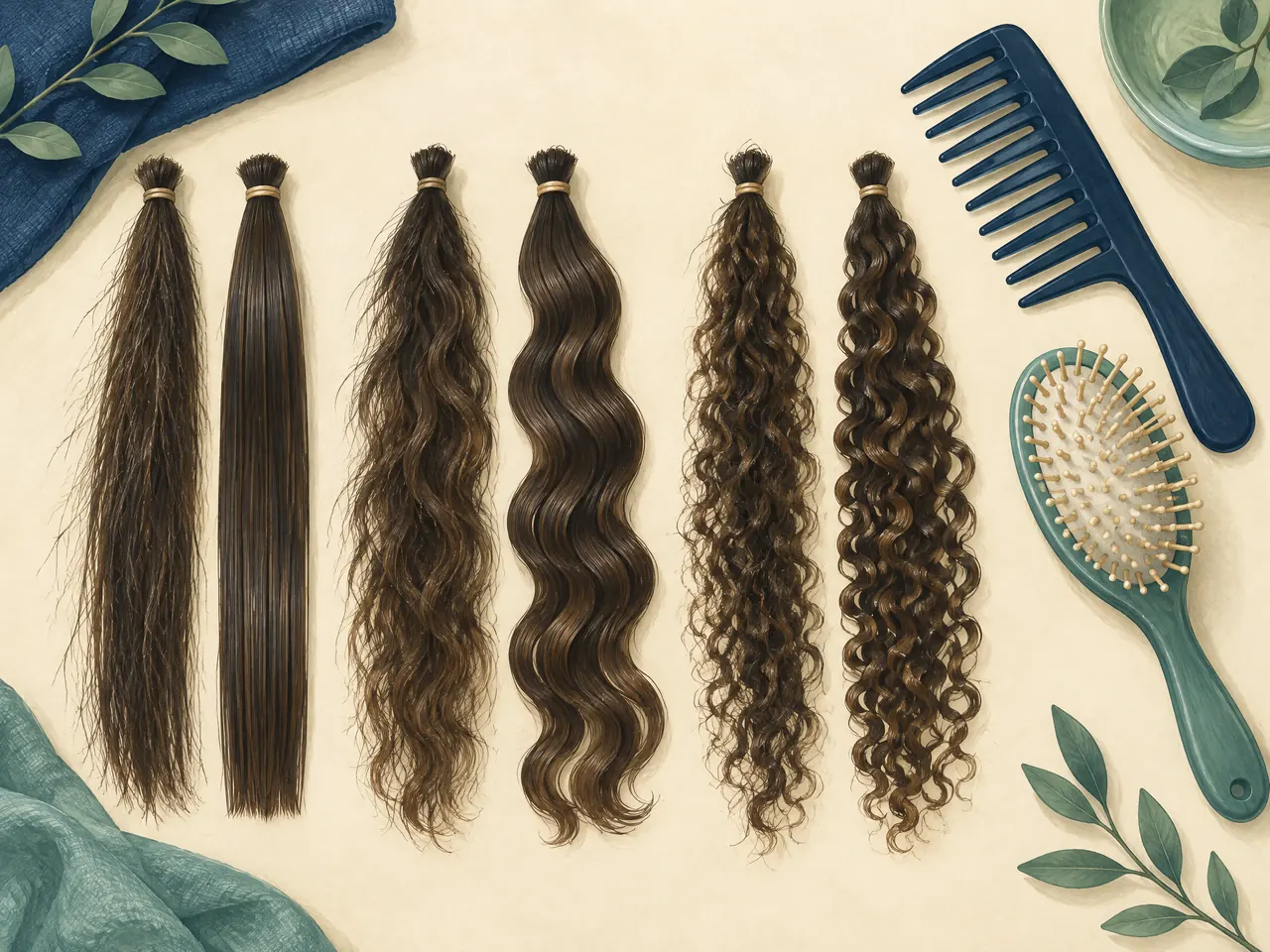
Ask for a routine demonstration using familiar tools
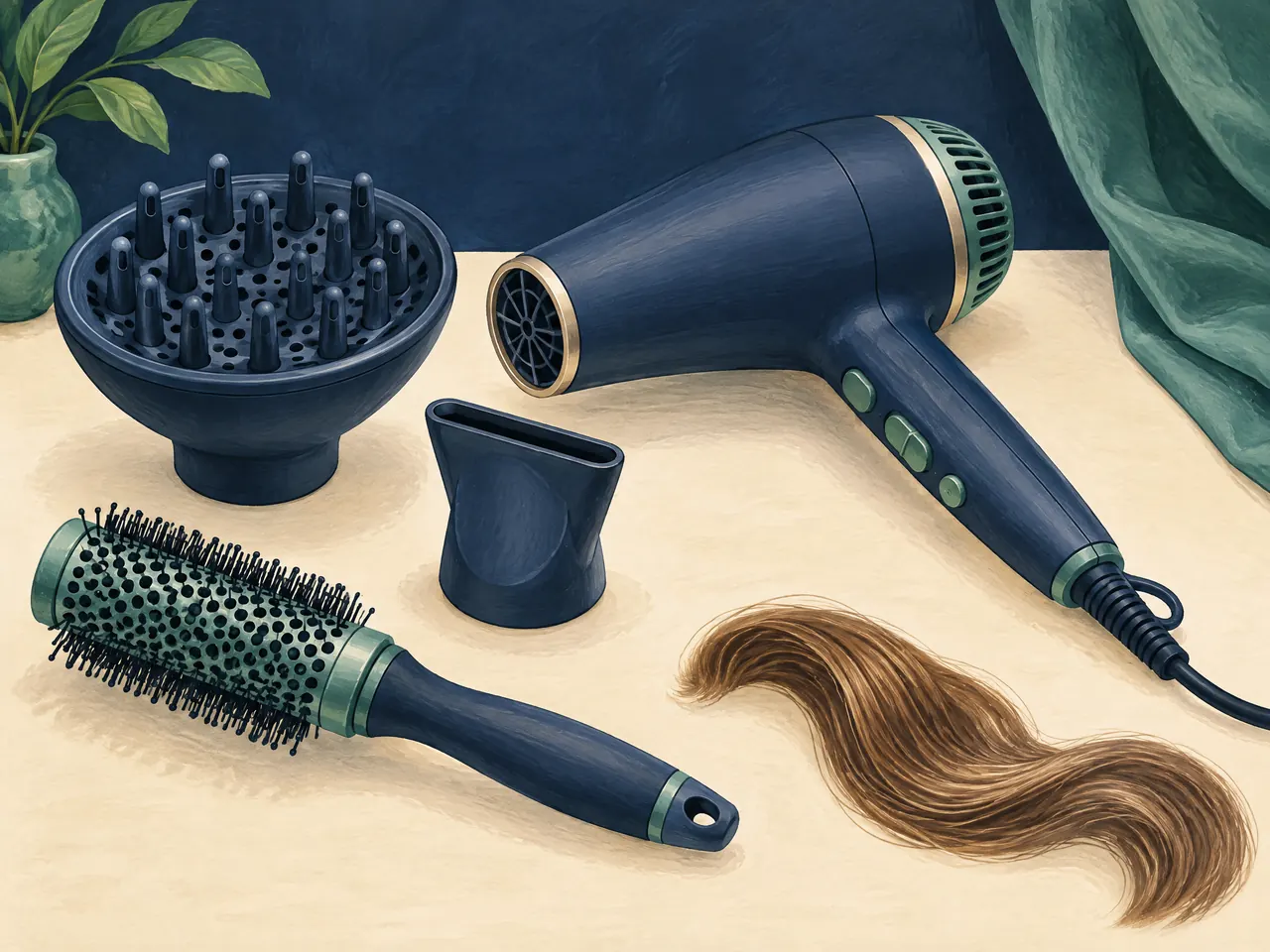
Tell the stylist which dryer attachment, brush and comb you own, and ask to see a routine using them rather than equipment you would have to buy. Separate drying the hair from reshaping it with heat: ask whether the finish you are choosing still needs a brush-and-dryer step or regular flat-ironing. This makes ‘easier to manage’ a practical question about tasks, not a promise of no maintenance.
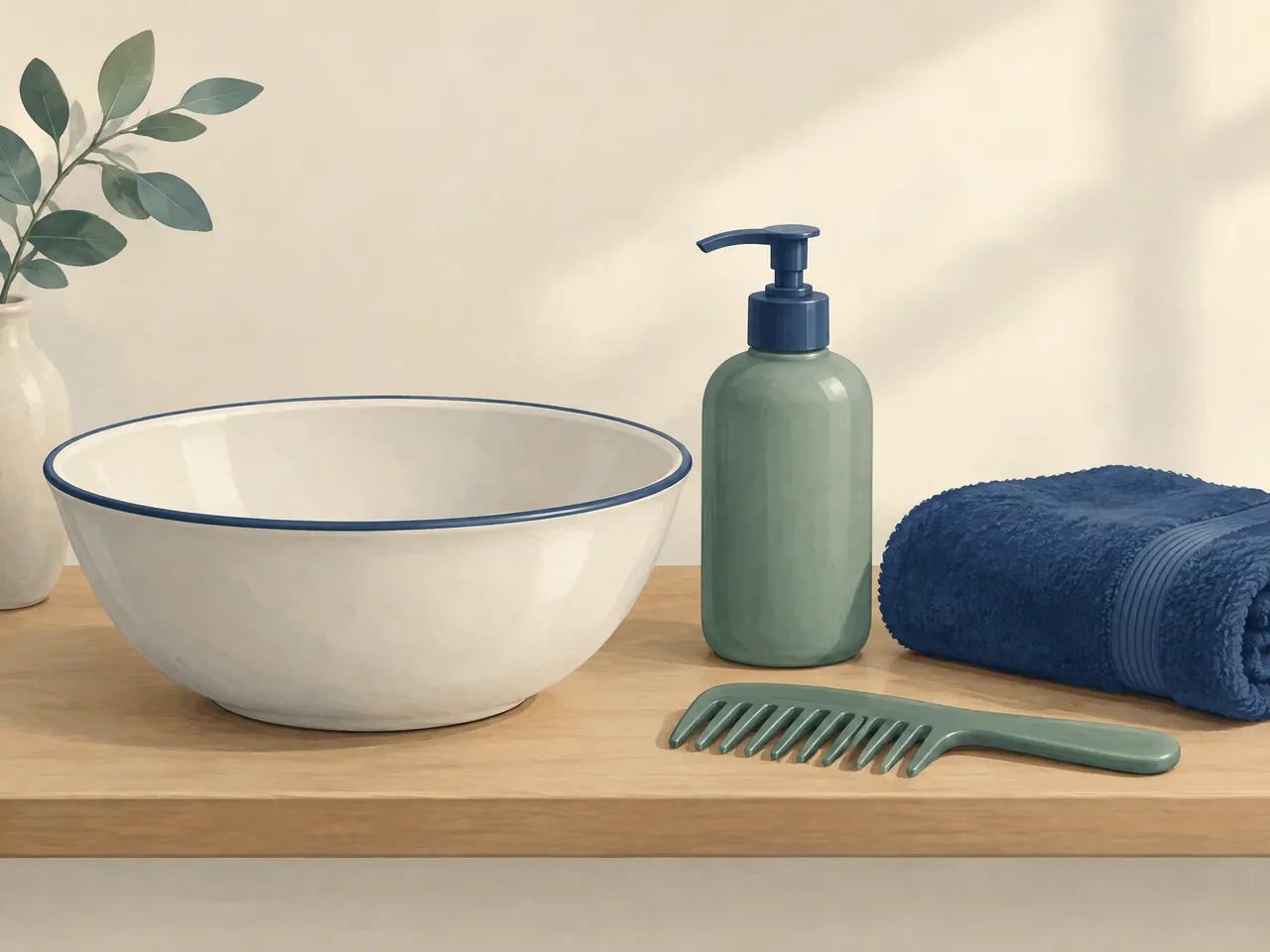
Walk through the order of care once washing is permitted for the actual product: shampoo, conditioner, gentle water removal and detangling. Ask which instructions differ if some sections stay untreated. The AAD recommends conditioner after every shampoo and wrapping hair in a towel to absorb water rather than rubbing. Keep those general habits separate from the service's product-specific timing, and ask the stylist to explain anything you cannot reproduce at home. [4]