Choose trial samples that answer a specific question
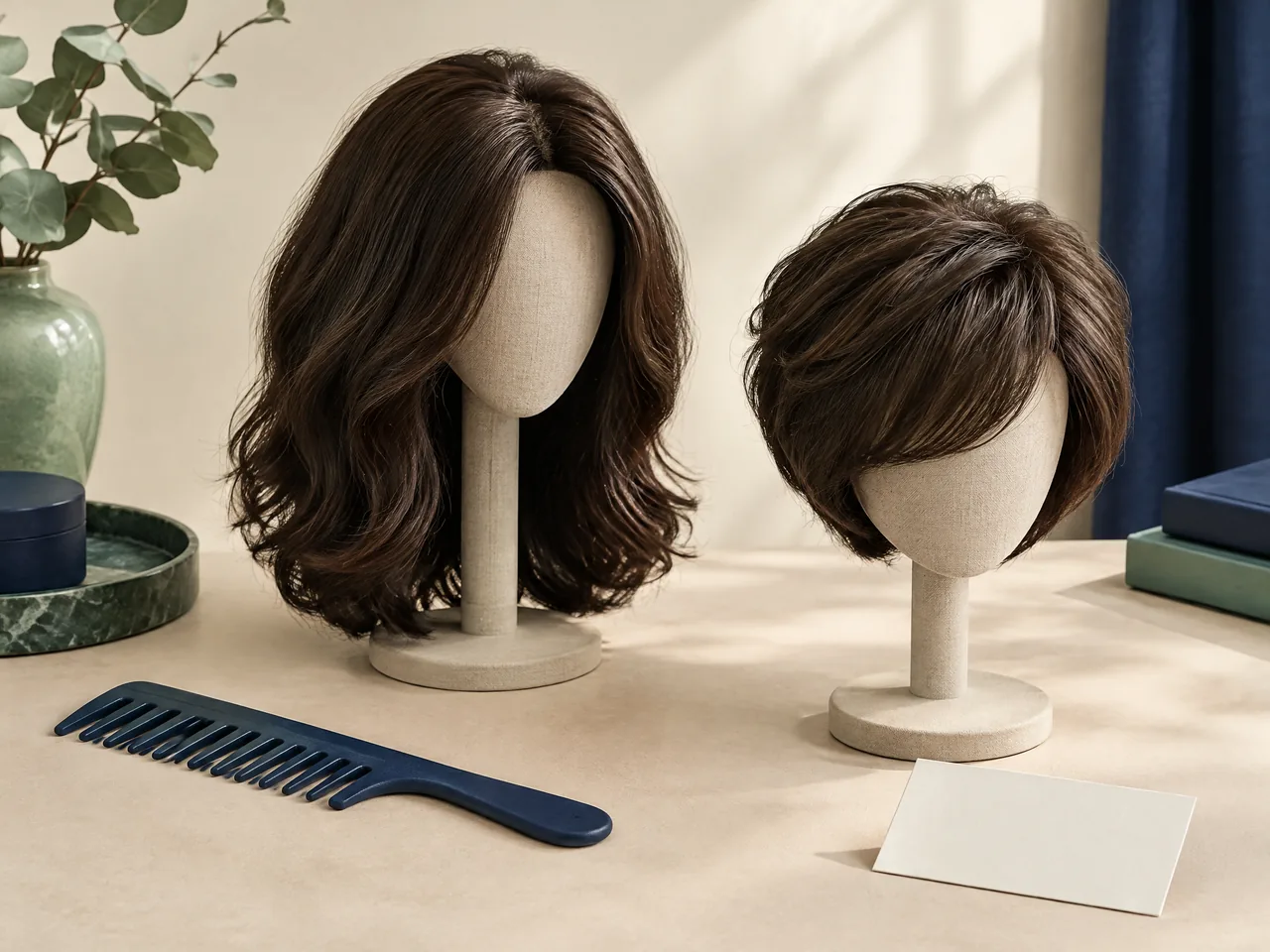
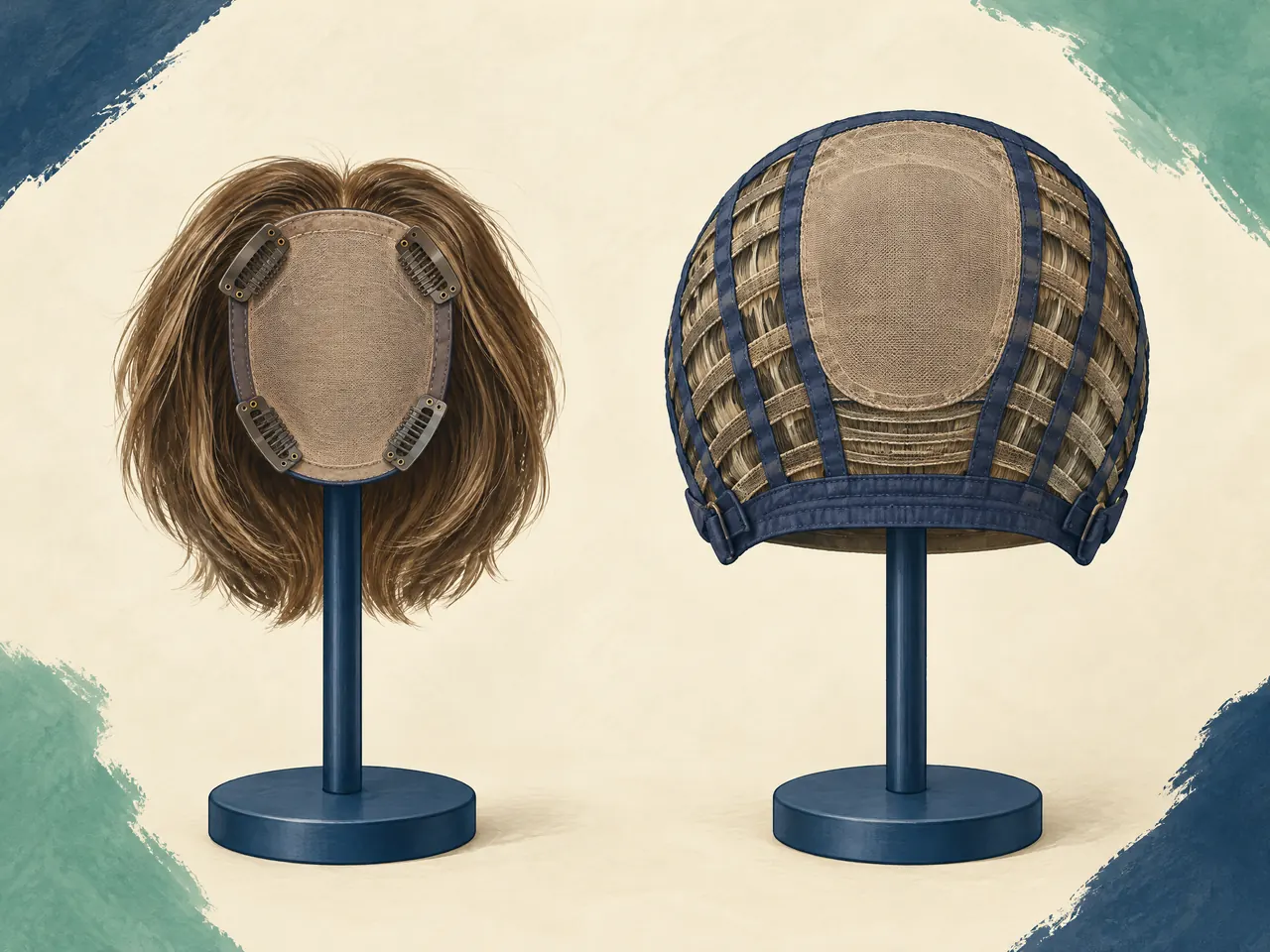
If you are unsure about coverage, ask whether a topper and a full wig can be compared at the appointment. A topper adds coverage at the top, while a full wig covers the whole head. [3] Identify the area you want covered before comparing their finished styles. Ask which sample actually represents the proposed option and whether its coverage or attachment would differ from the piece you order. Write down those differences so a successful sample trial does not become an assumption about another product.
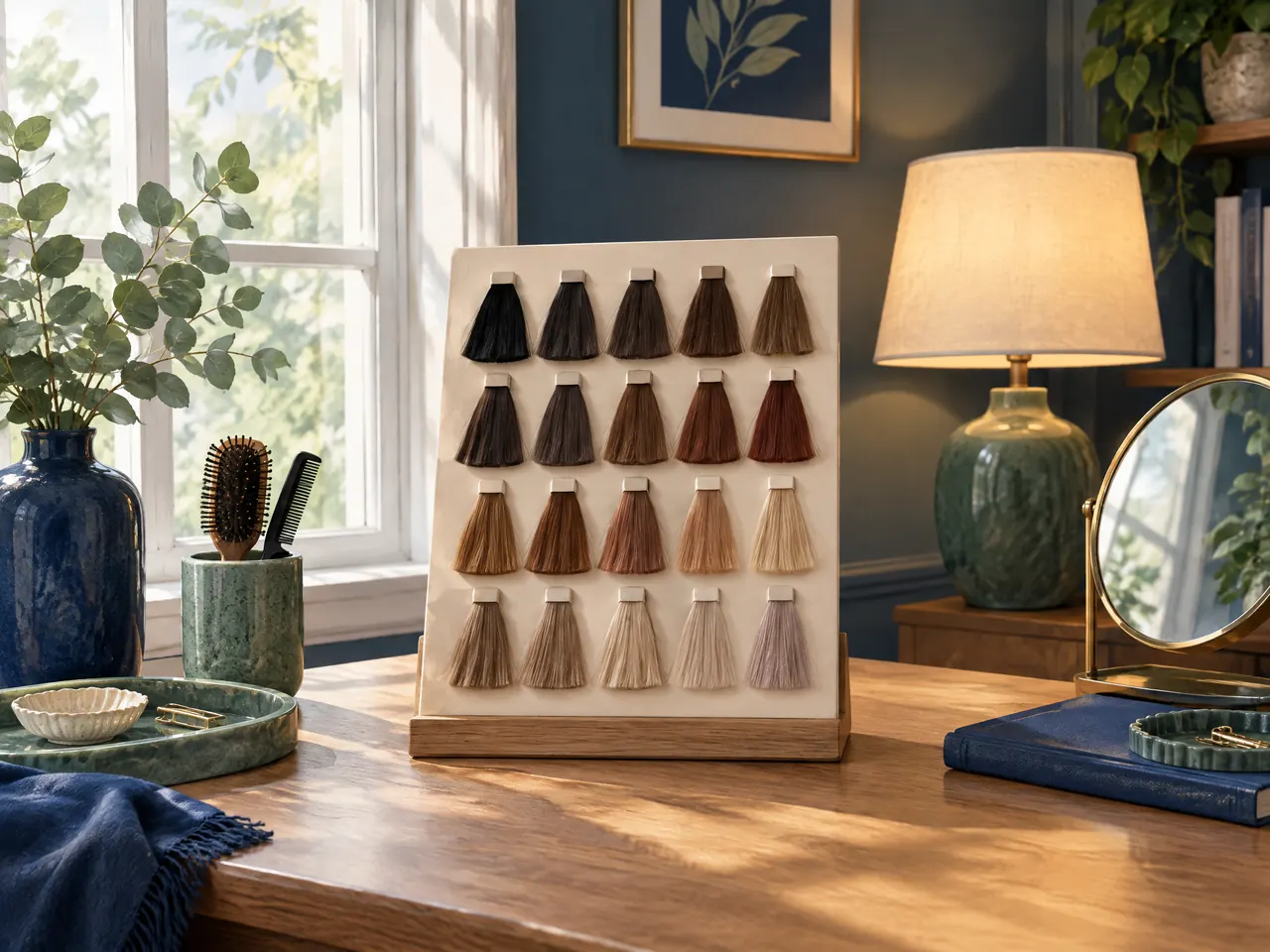
For colour, keep the same swatch or trial piece in view when comparing it near a window and under indoor lighting. The American Cancer Society recommends natural light when matching hair to wig swatches. [3] Record the colour code and the details that matter to you, such as the placement of grey or the depth at the parting. If the available sample is not the proposed colour, leave the match unconfirmed and ask how it can be checked before committing to the order.
Keep fit notes that distinguish the cap from the attachment
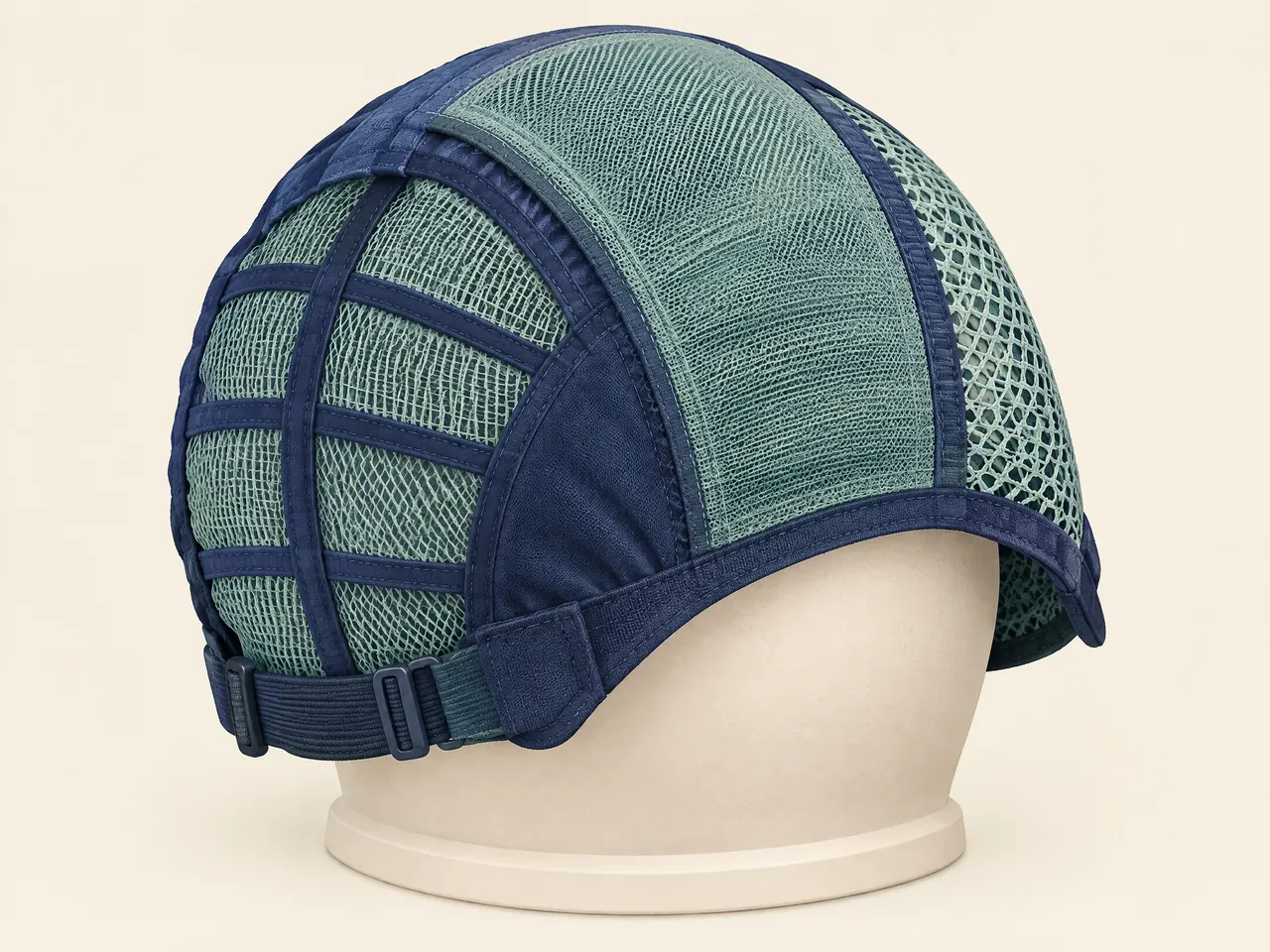
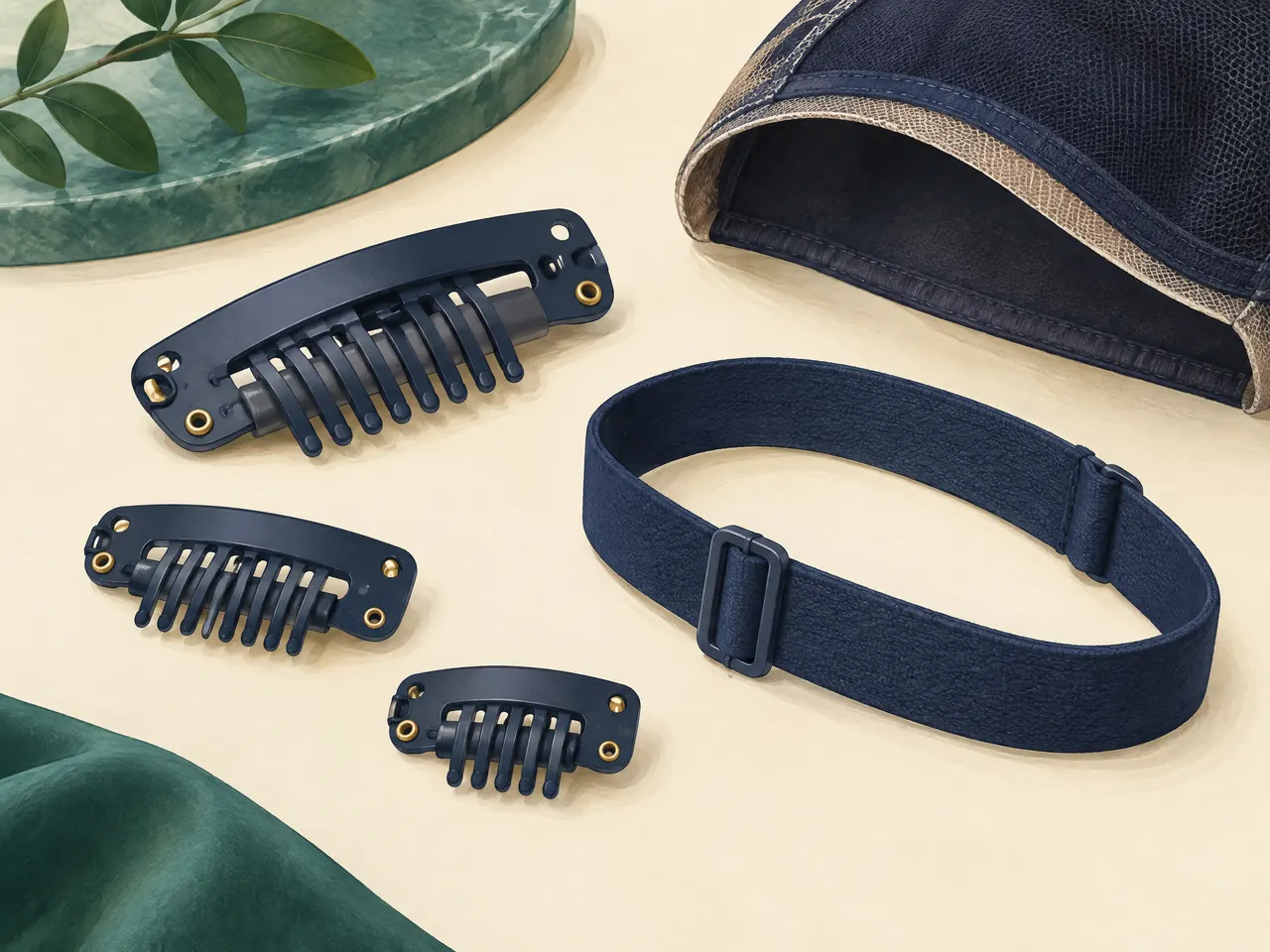
Ask the fitter to show the inside of the trial cap and identify the parts that can be adjusted. Record the sample's model, size and adjustment setting alongside your comfort notes. If you try another piece, note whether a liner or band has also changed; otherwise, you may be comparing two different wearing arrangements as well as two caps. A measuring tape is a prompt for individual fitting, not proof that a single circumference or a generic size label establishes a suitable fit. The American Cancer Society advises checking the particular brand's size guide. [3]
Have the removal and refitting demonstration include the proposed attachment, not just the hair. Ask what you can adjust yourself, which steps need help and whether removal needs a separate product or appointment. Do not infer an adhesive routine from a sample fitted with clips or a band. Keep the demonstrated steps with the model record, and ask how to obtain a fit review if wearing later feels different. Cancer Research UK advises following the supplier's instructions and discussing adjustability when hair volume changes. [2]

Plan care after the journey home, not just the fitting day
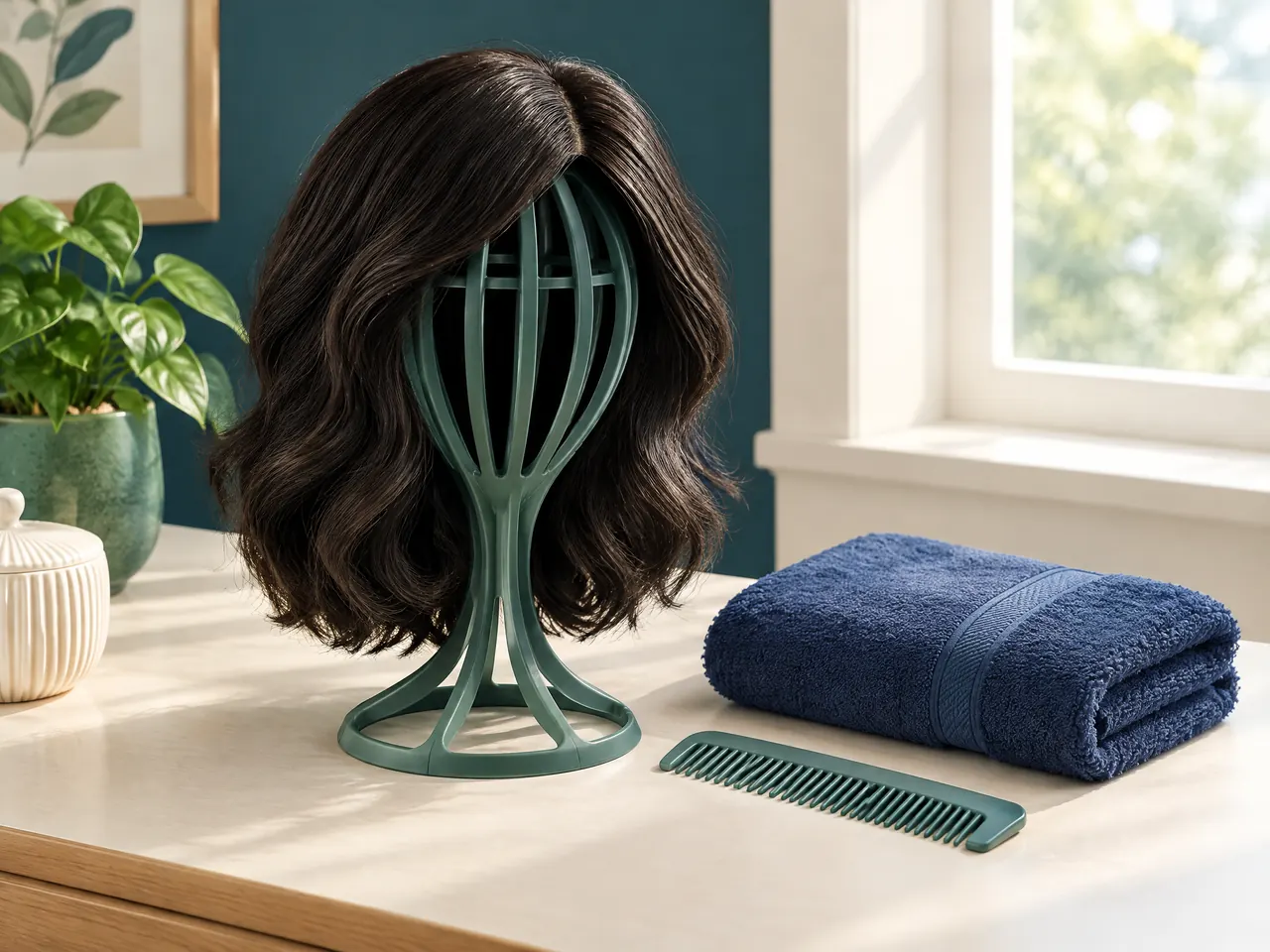
Before ordering, picture where the wig will go when you take it off at home and where it can dry before the next wearing day. Ask which stand or support is suitable for the actual cap, whether detangling must wait until it is dry and whether home washing is appropriate. The American Cancer Society recommends a wig stand for short-term storage and describes room-temperature drying in its synthetic-wig washing example. [3] That example is not a universal routine for every fibre, base or attachment.
If care or fitting will involve returning to Kwun Tong, ask how to arrange that visit and what to bring. Keep the model record and the original care instructions together so you can describe the piece and the problem without relying on a photograph alone. If the approved drying or servicing process leaves you without the piece when you need it, consider a temporary head-covering option before buying another wig. This makes the return journey and time without the piece part of the practical comparison, without assuming a fixed service schedule.