Mark which parts of the demonstration sample match your shortlist
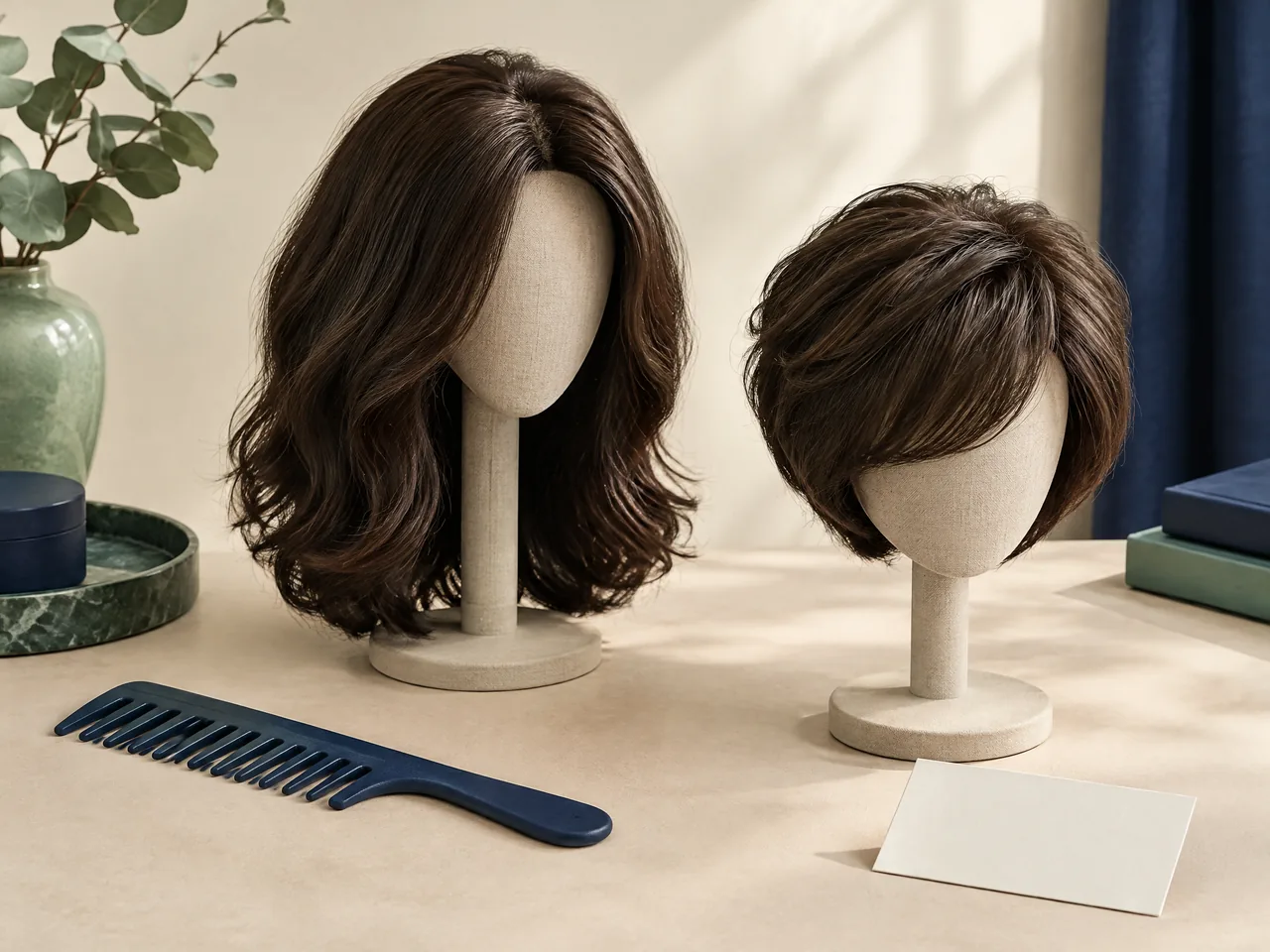
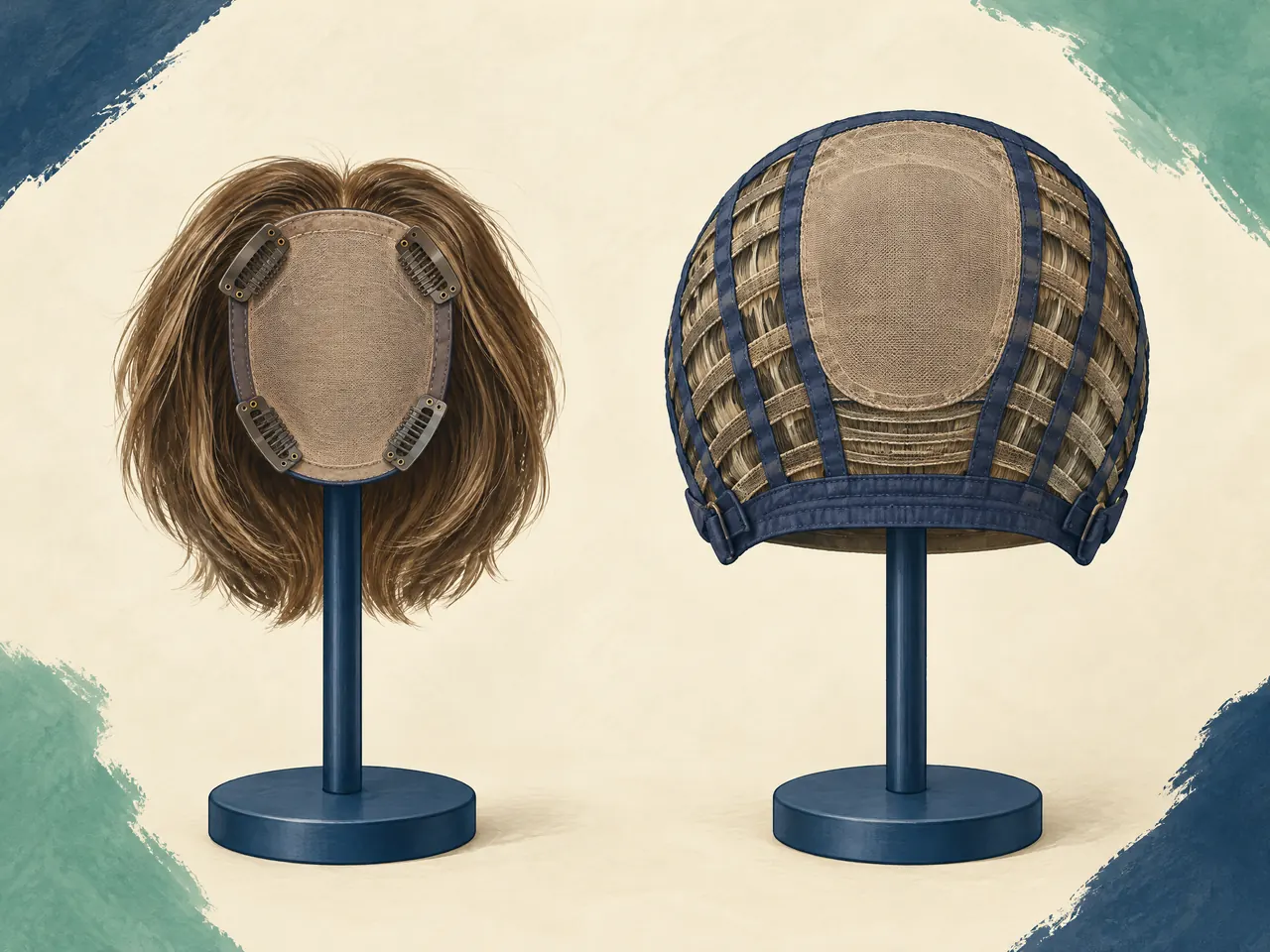
Give each shortlisted model a separate space for sample findings. If you try a piece with the right fibre but a different cap, record those differences before writing that the model felt comfortable. Ask to see the underside as well as the finished hairstyle. A topper's base and a full wig's cap answer different coverage questions; the American Cancer Society distinguishes these product categories. Findings about one should not stand in for a trial of the other. [1]
For example, write 'cap construction demonstrated; requested size not tried' rather than 'fit confirmed'. This makes an incomplete sample comparison useful without overstating it. Before travelling to Kwun Tong, ask which missing features can be assessed at the appointment and which will remain an order decision.
Separate the size record from the fitted attachment settings
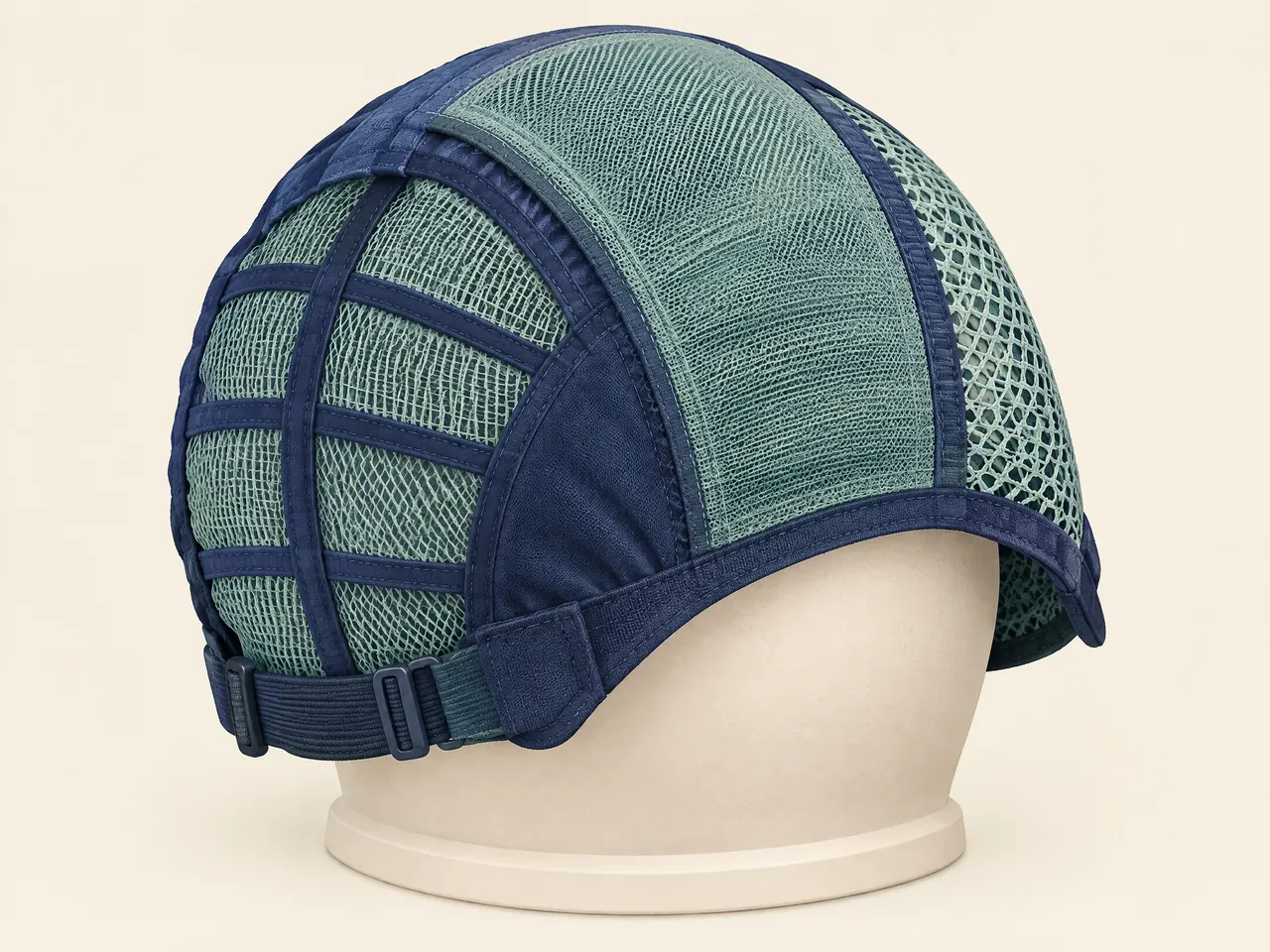
If you send home measurements, include the units and identify the model's measuring instructions. Keep the supplier's size label separate from any setting adjusted during the trial. The American Cancer Society advises checking the particular brand's size chart; a familiar size name is not enough to establish that two models fit alike. [1]
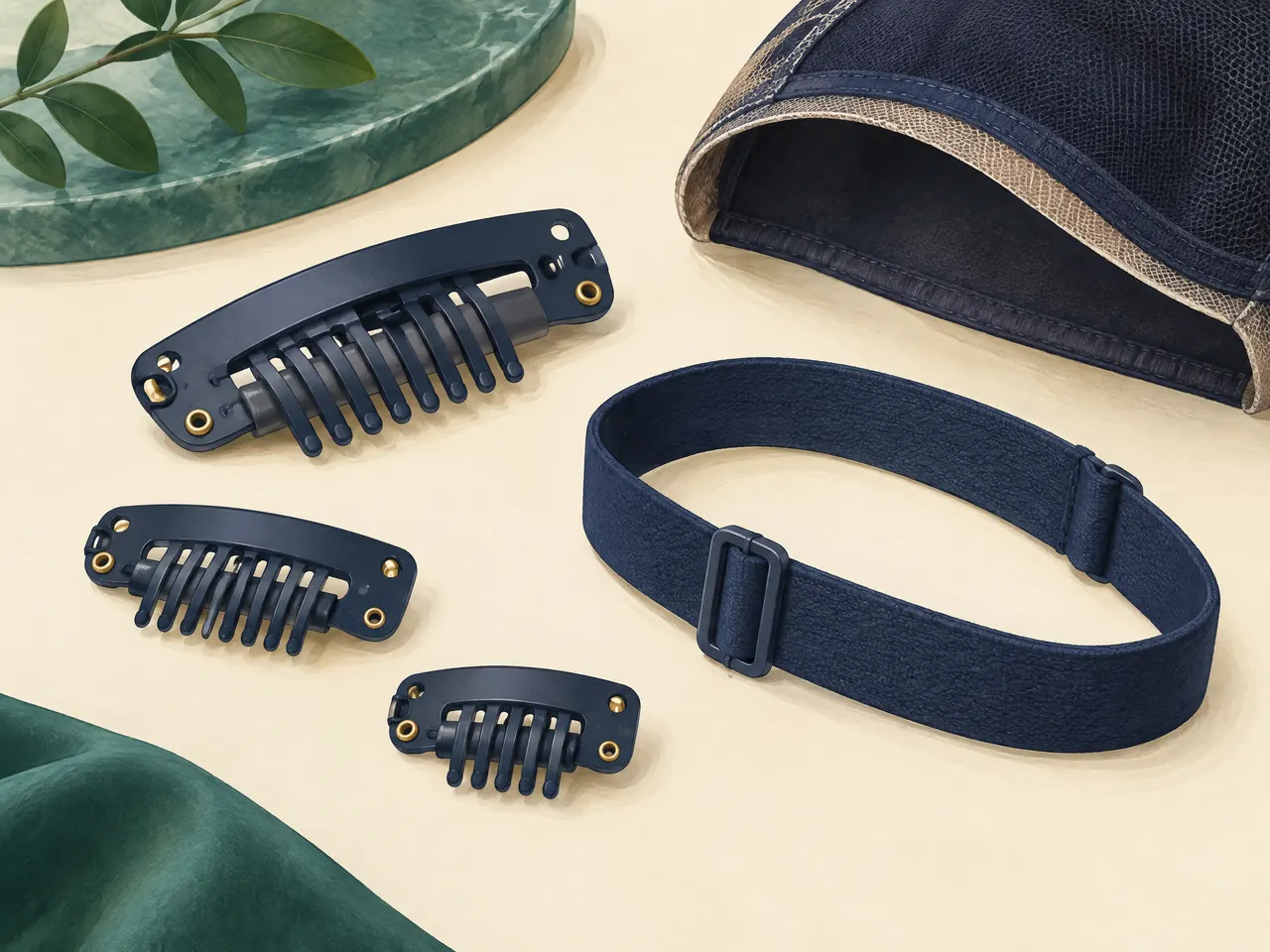
Use the attachment demonstration to record what you would need to repeat at home. Ask the fitter to identify the components on the actual sample and explain how they are released, rather than copying a generic illustration. Note anything you could not manage independently. That unresolved task belongs in your follow-up enquiry before you commit to another journey or purchase. [5]

Keep a colour reference you can identify after the visit
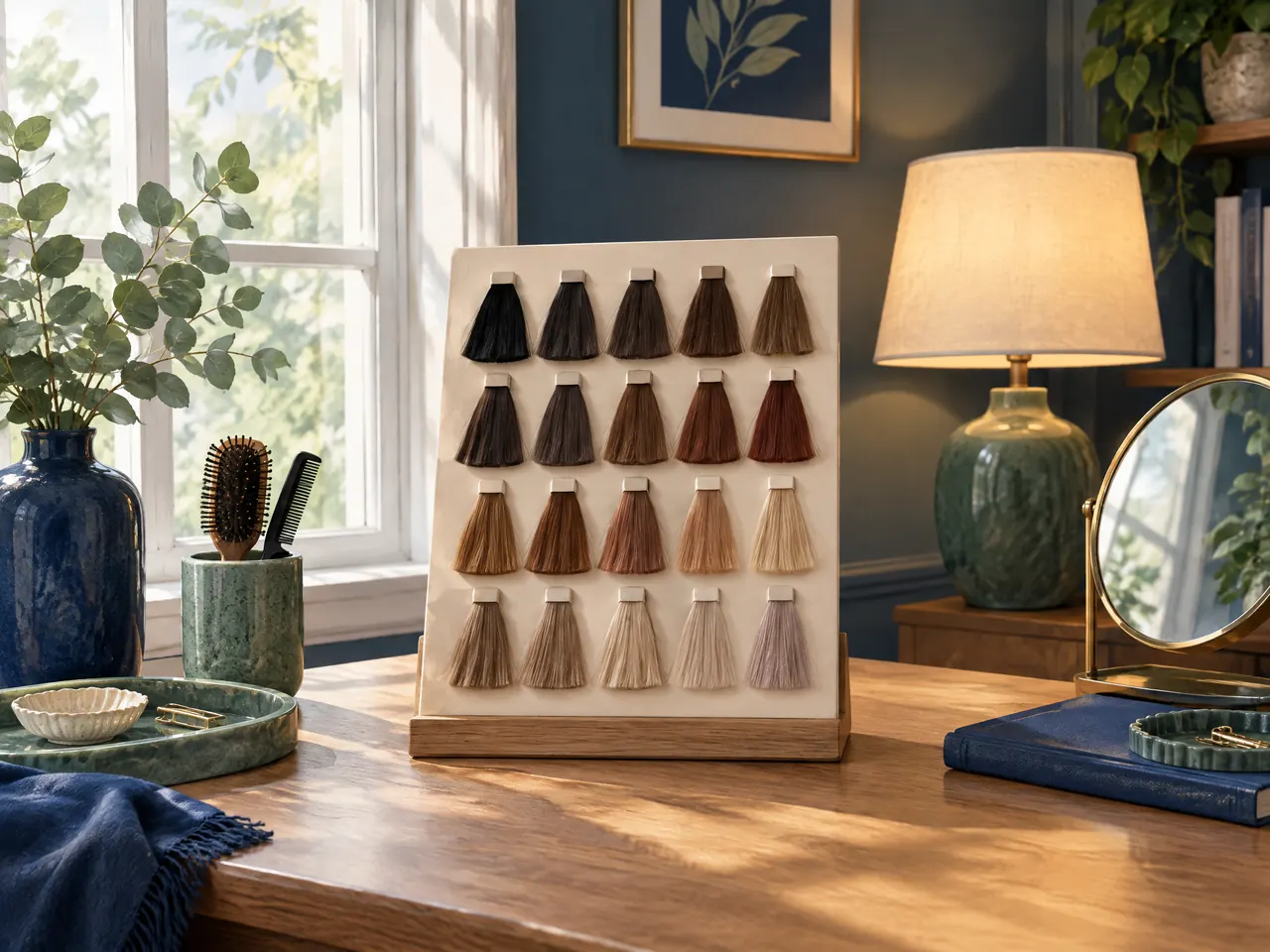
Record the colour code of the sample actually compared, not just the shade selected online. If matching existing hair matters, compare it with the sample near natural light where practical, as the American Cancer Society recommends. Ask permission before taking a reference photograph and keep it with the model details. Treat it as a reminder, not a replacement for identifying the agreed colour, especially if the final order differs from the trial piece. [1]
Check whether the care routine fits the days you need to wear it
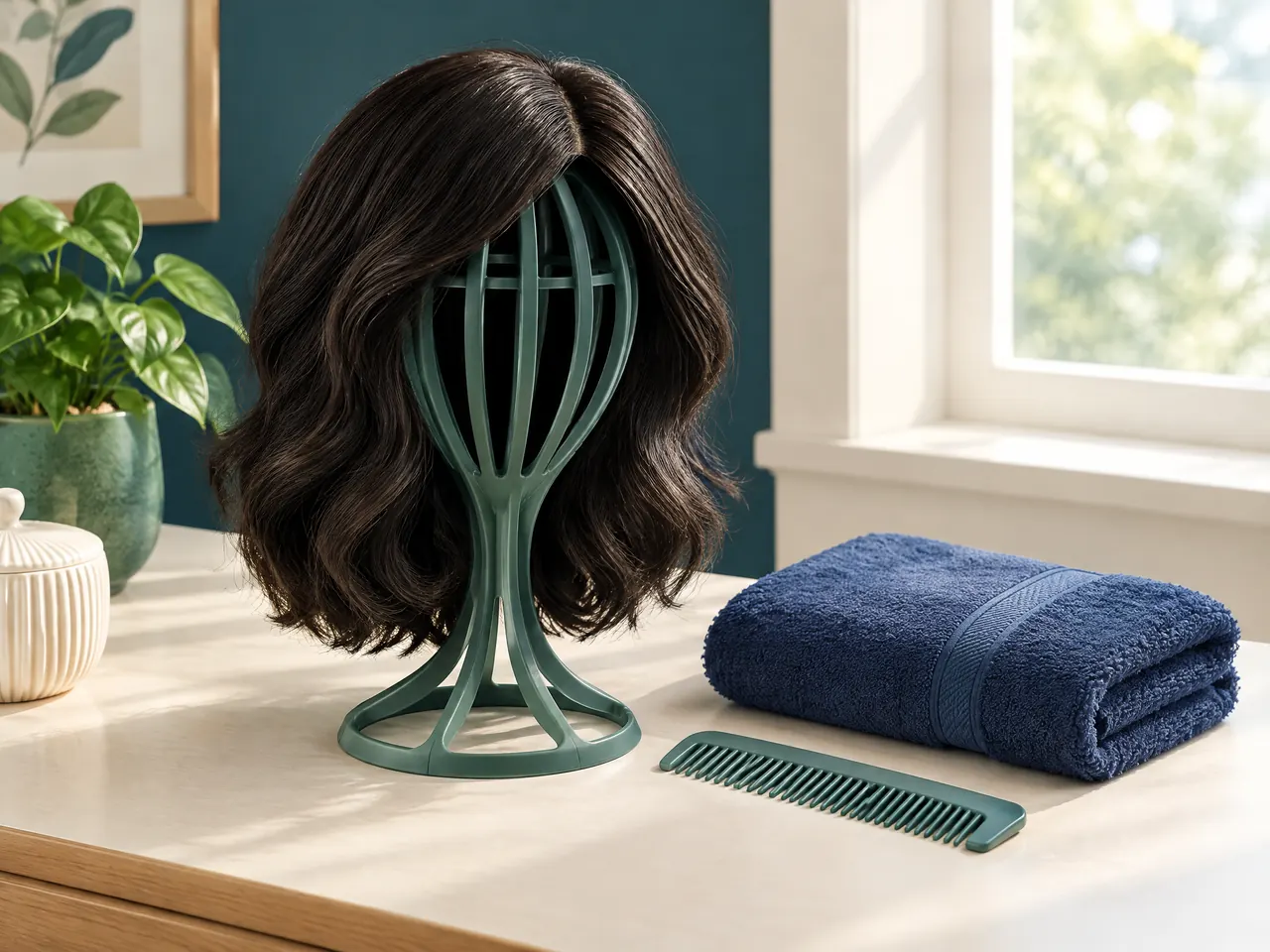
Put a likely cleaning day beside the next occasion when you need the piece ready. Ask which drying method and support are approved for that model, and allow for the time involved rather than assuming it can be washed just before leaving home. The American Cancer Society gives stand-storage guidance, while Cancer Research UK notes that some real-hair wigs need professional cleaning or styling. These are reasons to confirm your own piece's routine, not universal instructions. [1] [2]
If the proposed routine includes a service visit, add collection and return arrangements to your travel record. Ask what you can safely do at home and what requires the supplier's help before deciding whether the upkeep is practical.