
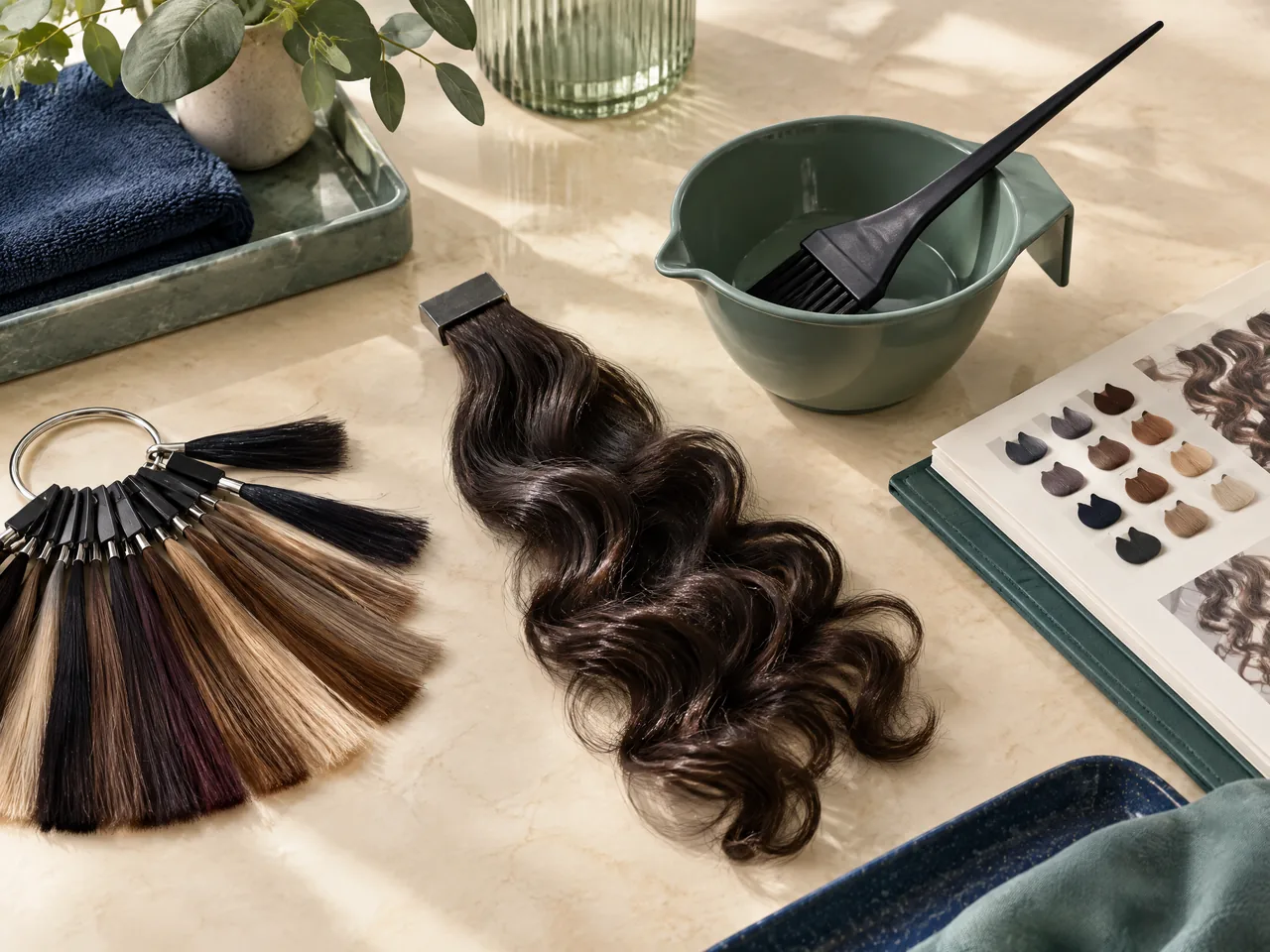
Check the placement against the length you intend to keep
Before marking lighter ends, ask whether you are also planning a trim or a change of shape. Show the length you want to retain when your hair is dry, then mark the proposed brightness boundary on a photograph of that intended outline. If keeping length matters more than keeping a pale section, record that priority. A plan based on ends you intend to remove may not describe the hairstyle you actually want.
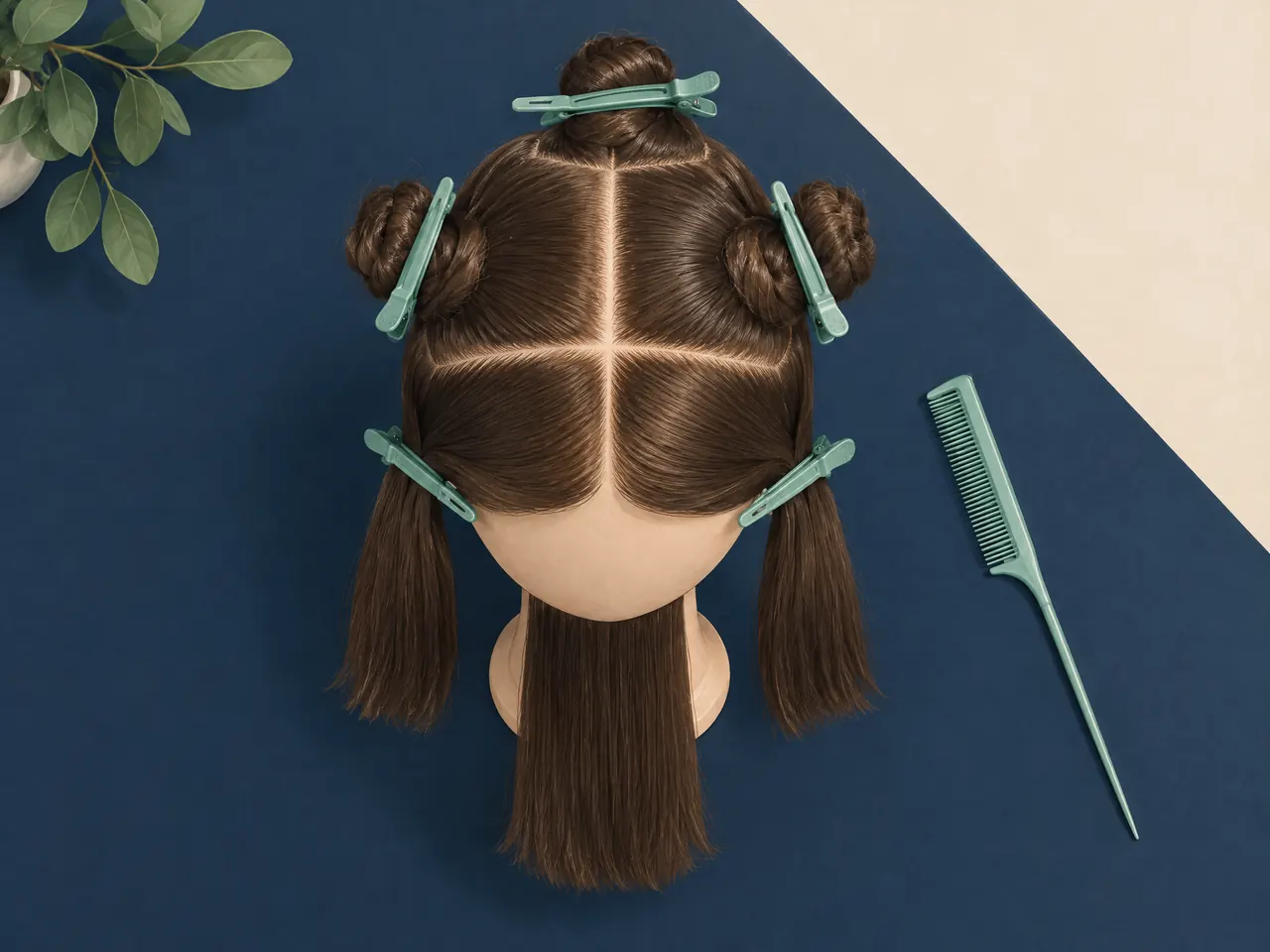
Use separate marks for the hair to remain dark and the areas where you want contrast. A sectioned practice mannequin can help you describe those zones, but the clips are not a promise about the technique or amount of lightening required. Ask the colourist to explain how your marked areas relate to the proposed placement. Keep the assessment of brightness and condition separate from this visual preference record. [1]
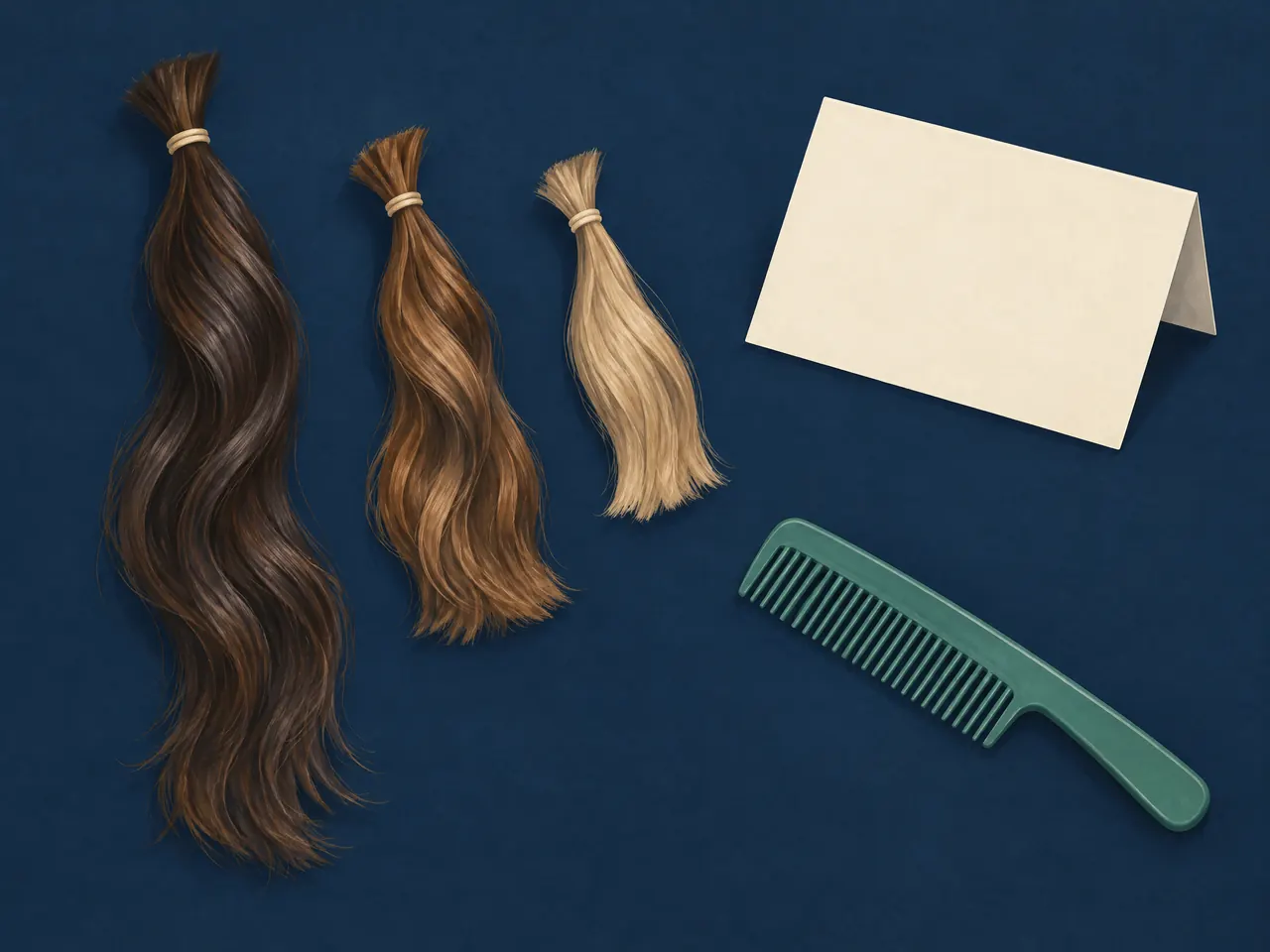
Compare the colour without changing the lighting or finish
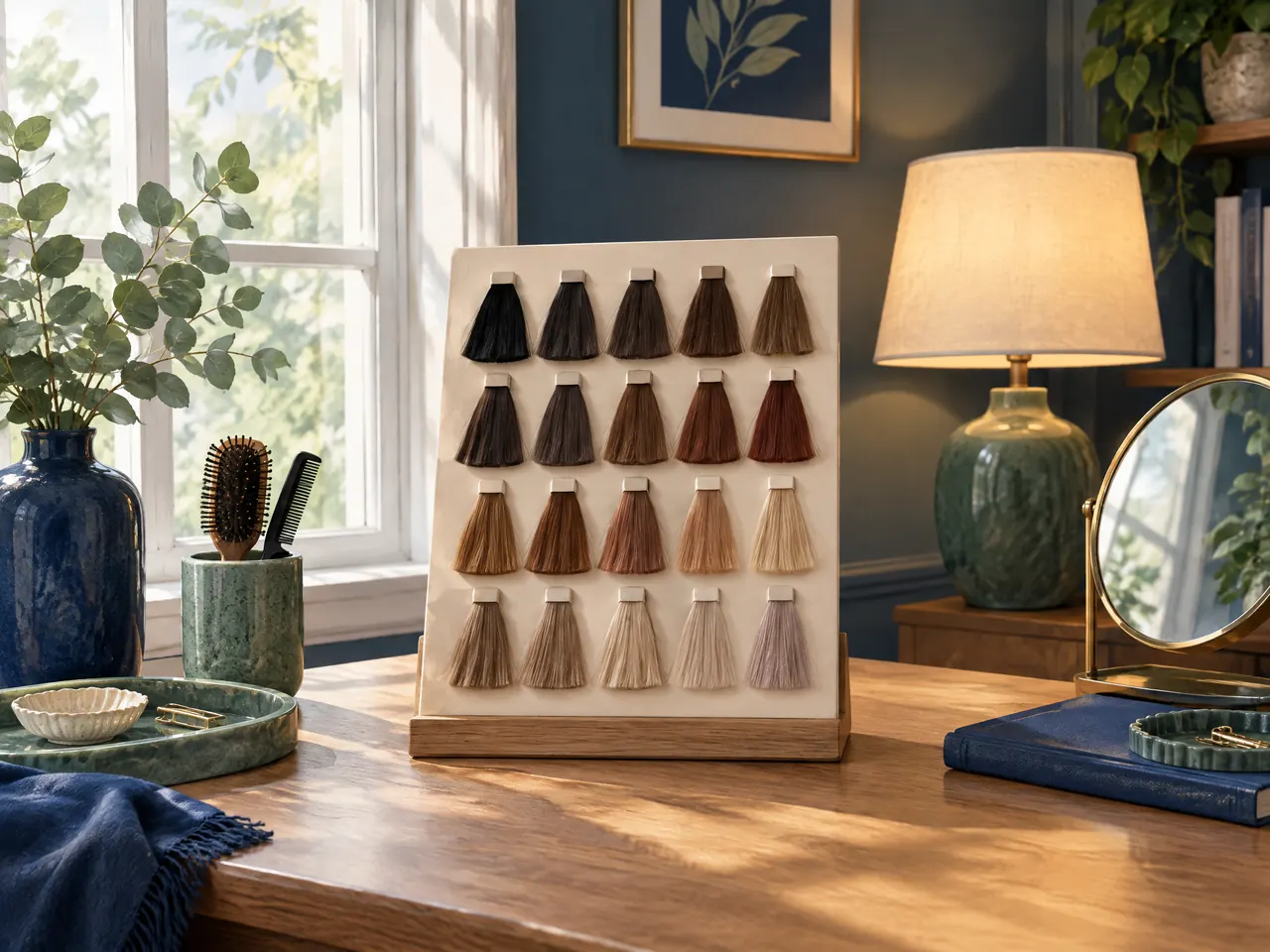
When saving a reference or reviewing your first result, keep an ordinary daylight view alongside any styled photograph. Use the same parting and a similar camera position for later comparisons, and keep the original image without a colour filter. If hair looks warmer indoors, note the lighting before describing it as a colour change. A sample board viewed in two settings is a useful reminder to compare like with like, not evidence that a particular shade will suit your hair.
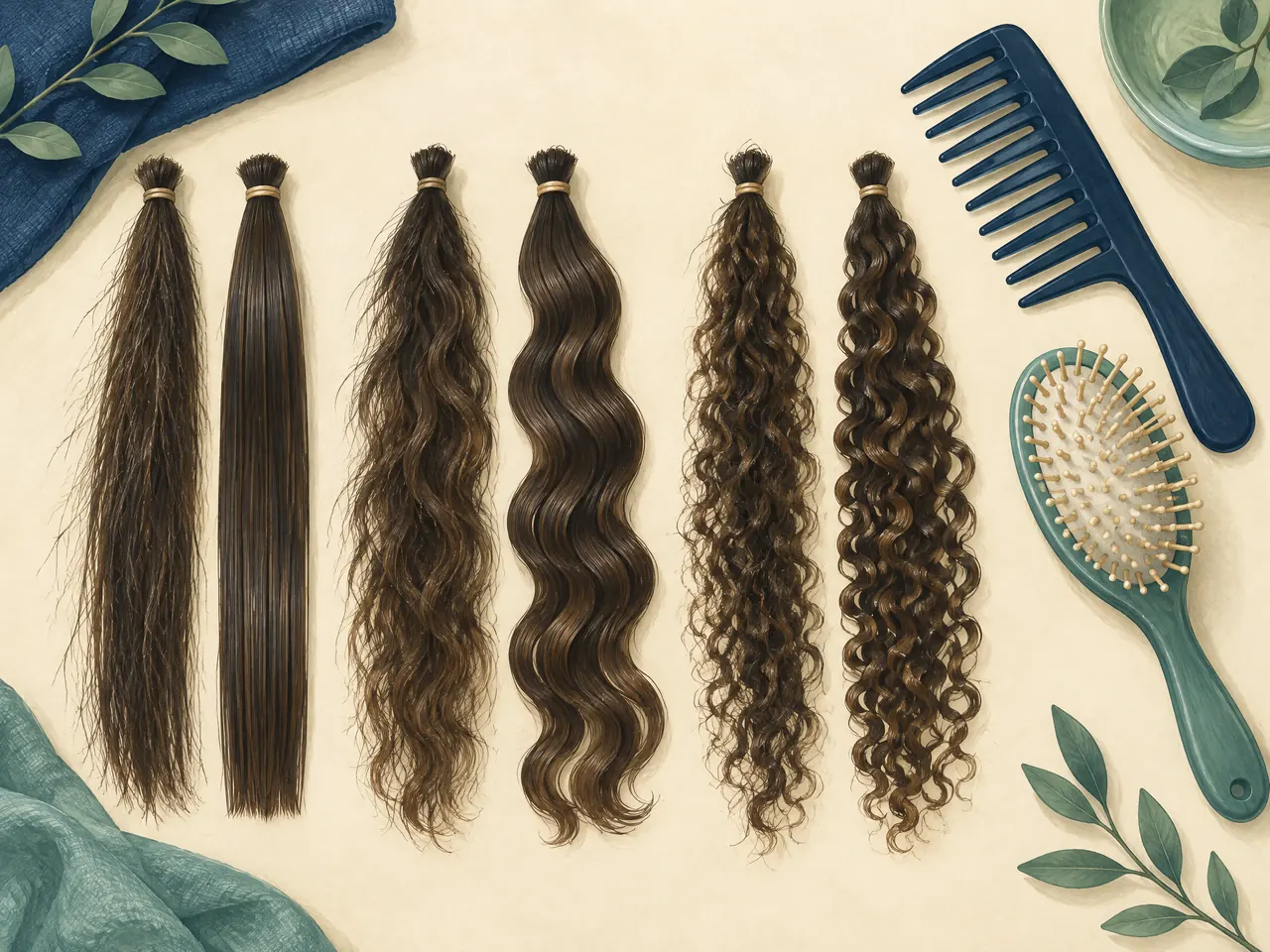
Also record whether the reference is straight, loosely waved or tightly curled, and which tools you normally use. Ask to see how the placement reads in a finish you can reproduce rather than judging it only after salon styling. For home handling, the AAD advises limiting blow-drying and heated styling, using low or medium heat settings and a heat-protection product. Confirm appropriate product instructions with your colourist; a dryer attachment does not make repeated heat harmless. [6]
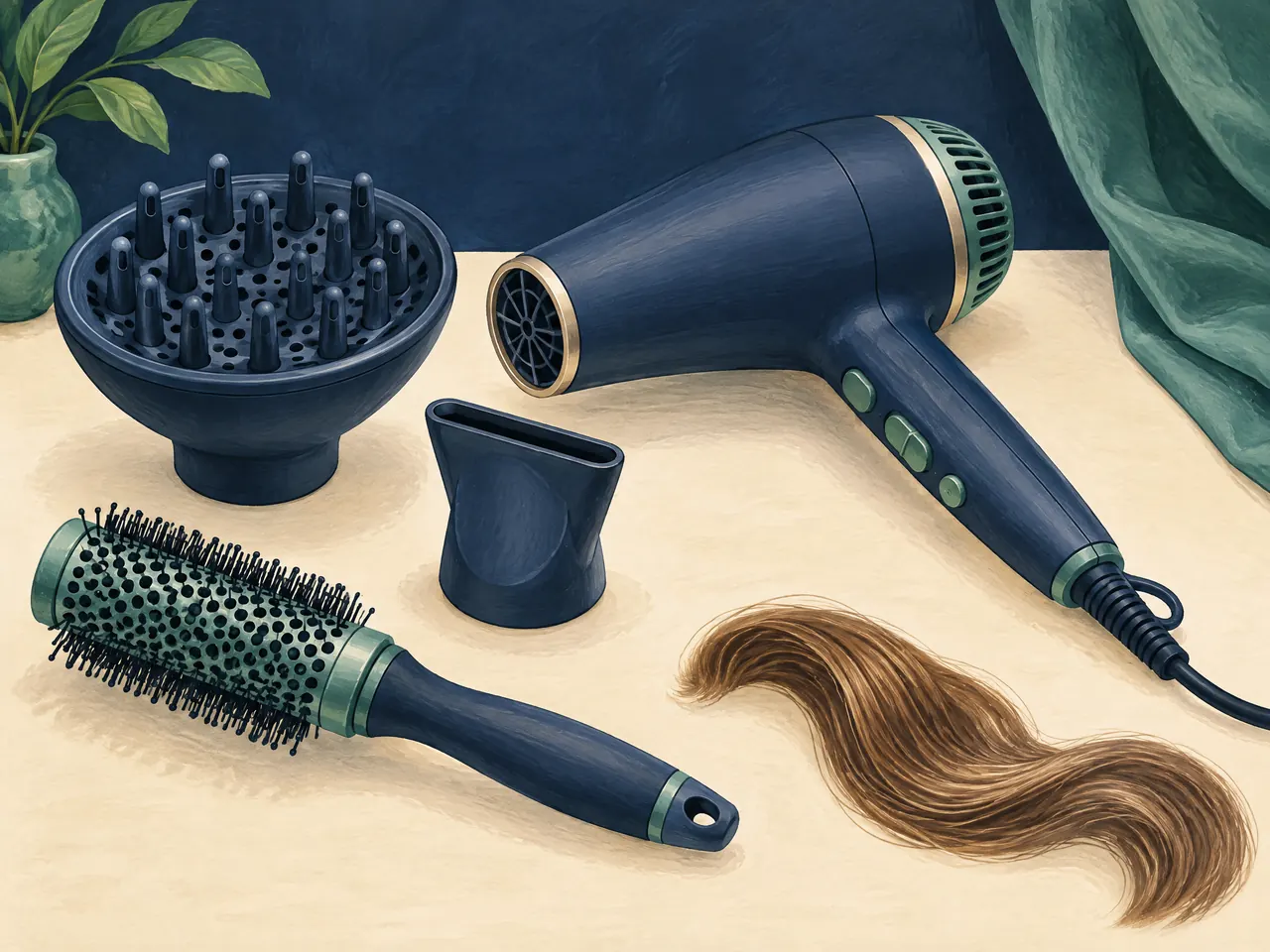
Turn aftercare into a wash-and-handling routine
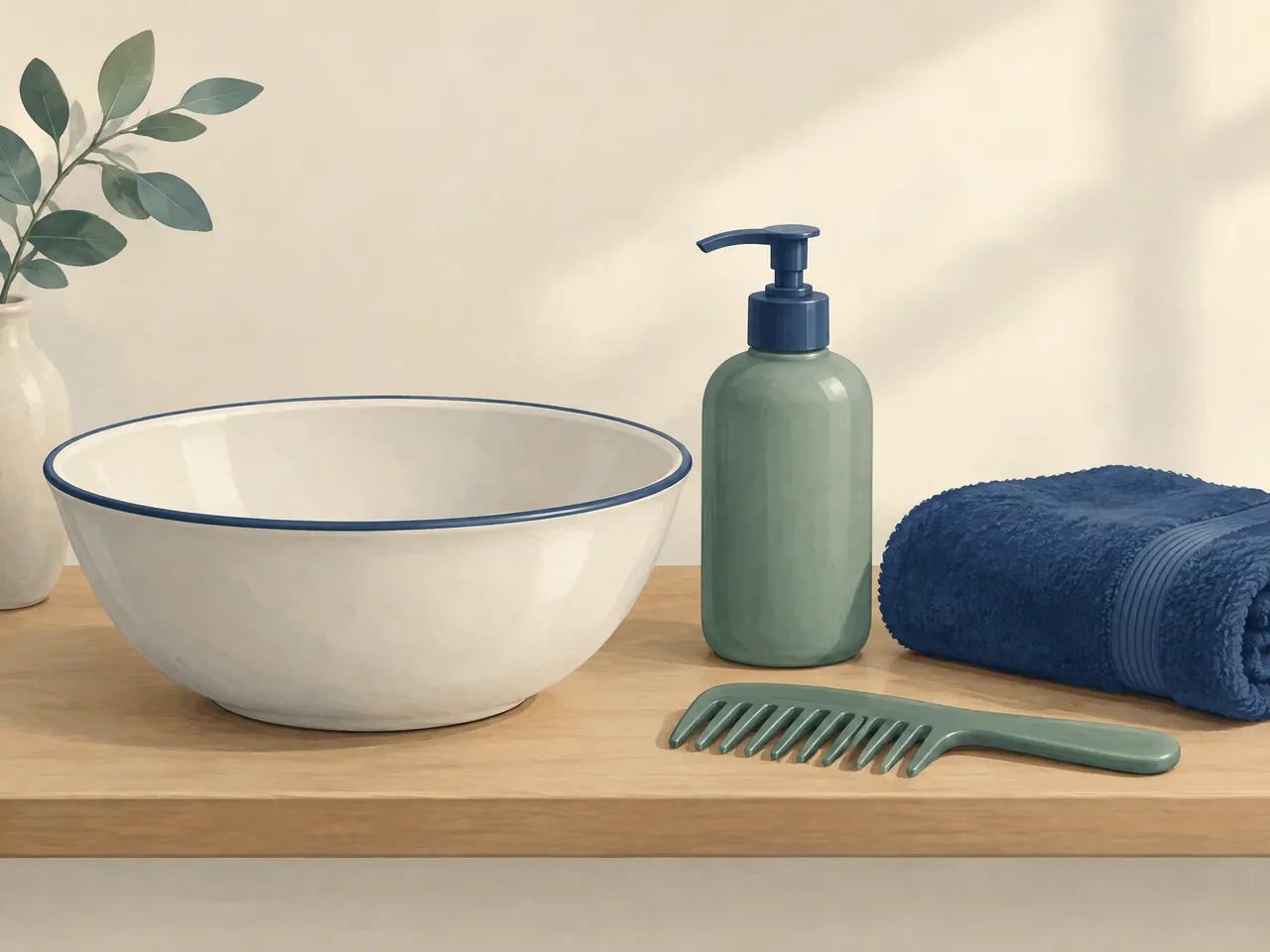
Write down what you actually do between washes, rather than asking only for a list of products. Tell the colourist how often your scalp becomes oily or dirty and which conditioners you already use. The AAD advises washing according to dirt and oil, applying shampoo to the scalp and using conditioner after washing. Ask how those general principles fit your hair texture and the proposed products instead of treating bleached lengths as a reason for one fixed washing schedule. [6]
Make the handling advice equally specific. The AAD recommends a wide-tooth comb for wet-hair detangling, working from the ends upwards, and gently absorbing moisture rather than roughly rubbing with a towel. It distinguishes thick, curly hair, which can be combed before rinsing out conditioner, from straight hair, which should dry a little before combing. Ask which approach fits your hair and record it beside your colour plan. These are routine-care measures, not proof that further lightening is suitable. [6]
Supplemental references
- American Academy of Dermatology — Tips for healthy hair
Append as source [6] after the five unchanged original sources. Independent general guidance on washing according to dirt and oil, scalp-focused shampooing, conditioning, gentle towel handling, wide-tooth combing with texture-specific timing, limiting heated styling and low or medium heat settings with heat protection. Does not establish an individual bleaching threshold, guarantee damage prevention, endorse a product or confirm DT Hub's service practices.