
Prince Edward & Kwun Tong clinics · Home-visit enquiries elsewhere

TCM Lab

TCM Lab · Hair choices & preparation / Wigs and appearance

Wig care, repair and styling: ask for model-specific instructions

Content updated

A care routine should identify the hair fibre, protect the base and explain what to do when something changes. Ask for a demonstration you can repeat at home, not a blanket promise about heat or durability.

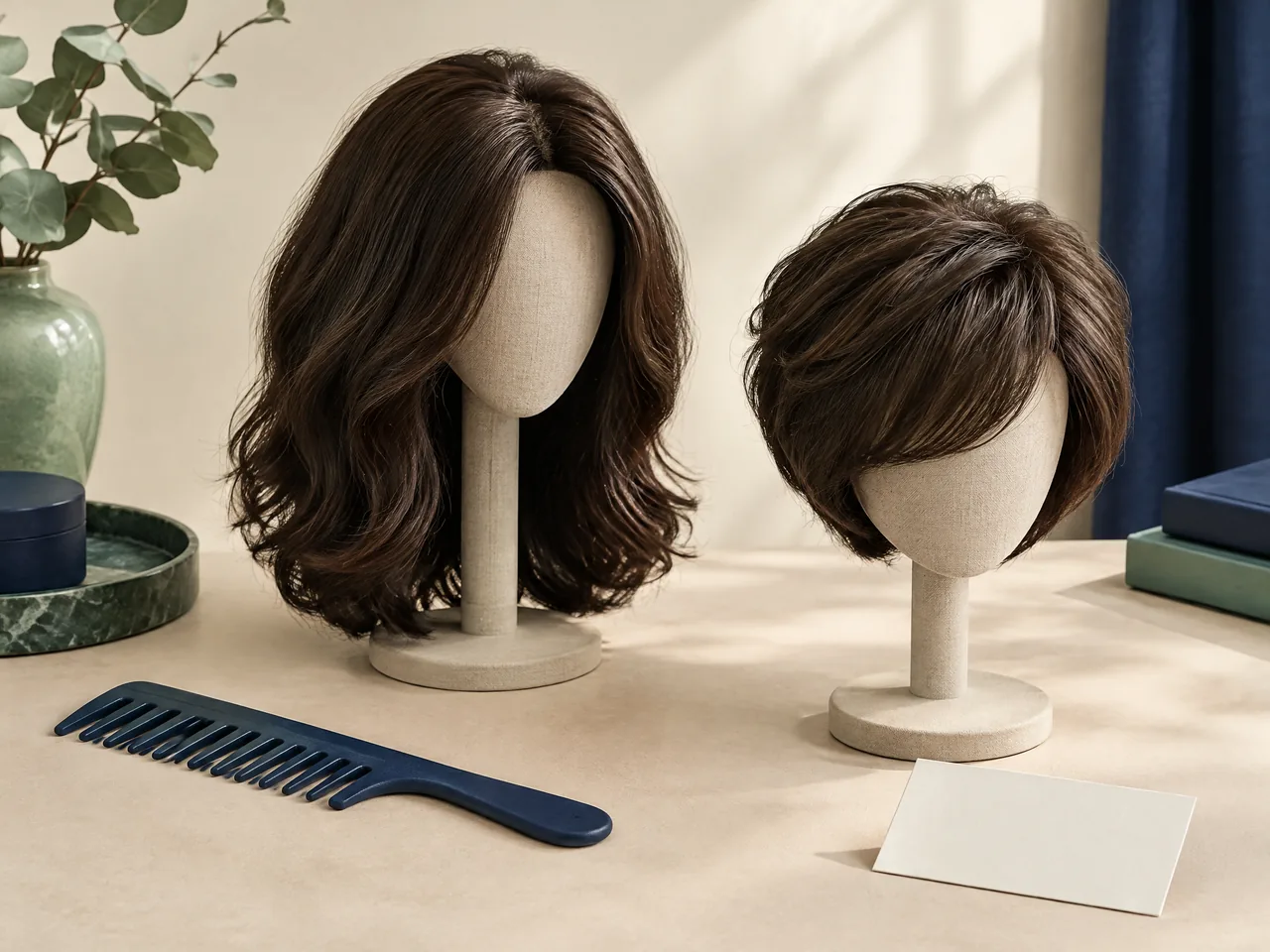
Illustrative wig and hairpiece selection objects
AI-generated illustrative concept; not a DT Hub location, product photograph or case record.

The short answer

Find the model name, fibre type, cap construction and colour history before washing or styling. Obtain written instructions for compatible products, detangling, washing, drying and any permitted heat. Treat adhesive removal and structural repair as separate tasks; pause if the base is damaged or your skin reacts.

DT Hub is an external website under the same ownership as TCM Lab, with salon and Academy, hair assessment and Chinese medicine hair-growth information, and wig sections. Salon services and scalp spas concern styling and beauty care; Academy concerns skills learning. Chinese medicine and medical options require individual assessment and do not guarantee hair growth; wigs are appearance products, not treatment. Business sources support service information, not evidence of medical effectiveness.

Identify the hair and base before choosing a routine

Start with the label or order record, not how shiny the wig looks. Ask whether the fibre is human hair, regular synthetic, heat-resistant synthetic or a blend. Then identify the cap: lace, a mesh parting area, stitched hair rows or a polyurethane edge may need different handling. When comparing a human hair wig hong kong, use the product information to prepare questions about the exact unit. Human hair generally allows more styling flexibility, but that does not mean every colour treatment or tool is suitable for its base and processing history. [1] [2]

Make the care record part of a bespoke order, rather than an extra to request after a problem. For a custom wig hong kong enquiry, ask for the selected fibre, base materials, attachment method and any previous colouring to be documented. DT Hub describes measurement, fitting and aftercare within its custom service; confirm what written guidance comes with your order. Ask which areas you may handle yourself and which changes require inspection. Photograph the label and finished shape so you have a clear reference later. [5]

Match each product to a material and a task

A bottle marked gentle or sulfate-free is not a complete compatibility check. Ask which cleanser is approved for the fibre and which conditioner, if any, belongs on the lengths rather than near the knots or base. Use a wig care products enquiry to compare actual labels and request a demonstration with your model. A rinse-out conditioner, detangling spray and adhesive remover do different jobs. Neither a higher price nor a larger kit tells you that every item is needed. Wig-specific products should still match the particular hair type. [1] [2]

Bring photographs of products you already own, including the ingredient lists and directions. This lets the adviser explain what can be retained and what should not be mixed into the routine. Do not substitute laundry softener, household bleach or a general cleaning solvent because an online video shows a temporary improvement. Jon Renau advises against household softeners and bleach washes for its alternative-hair products. That supports choosing a documented care method, not assuming all specialist bottles are interchangeable. [2]

Get the washing sequence demonstrated, including the exceptions

For a removable wig, ask the fitter to demonstrate safe removal and how to support the cap. Before washing, inspect the base and gently address tangles with the approved tool, working from the ends where appropriate. Do not pull through a dense knot or brush a torn lace edge. Follow the model's directions for water, cleanser quantity and movement, then rinse as instructed. Have the adviser show exactly where conditioner goes and whether it must be rinsed out. A bonded system needs its own removal and cleaning plan, not an improvised version of this sequence. [1] [2]

Even reputable guides do not give one identical washing method. The American Cancer Society describes a brief soak using synthetic-wig shampoo; Jon Renau advises running-water cleansing rather than soaking its wigs. Those instructions should not be blended into a new universal recipe. Ask the maker which applies to your fibre and construction, particularly for hand-tied sections. Likewise, request a starting wash schedule that accounts for wear, sweat and product use. Record when buildup appears and adjust with advice, instead of treating another wearer's calendar as a rule. [1] [2]

Plan drying and storage before wash day

Allow enough time for the approved drying method before you need to leave home. Ask how to blot the piece, what support to use and whether brushing must wait until it is dry. The American Cancer Society's synthetic-wig example uses gentle towel patting, room-temperature drying and no brushing until thoroughly dry. Do not transfer that last instruction automatically to every human-hair or blended model; have its maker explain the correct stage for detangling. A late wash before work is not a reason to introduce an unapproved dryer. [1]

For short-term storage, a wig stand can help keep the piece organised; the American Cancer Society recommends one when the wig is not being worn. Ask which stand suits your cap and how to arrange the lengths without tugging the hairline. Confirm the method for longer storage and whether the piece must be completely dry before packing. Keep it away from direct sunlight and heat sources, and check that a travel bag will not crush the style. Photograph its usual parting so daily adjustments do not become repeated major restyling. [1] [2]

Ask for tool-specific limits, not a generic temperature

Heat-resistant is a material description, not permission to use any hot tool. Regular synthetic fibre should not be heat-styled; if the material is unknown, leave the tool off until it is identified. For a model that permits heat, ask for the approved tool, setting, wet-or-dry condition and handling method in writing. A protectant does not establish compatibility on its own. Also watch accidental heat: the American Cancer Society warns about stove burners and opening oven doors. A number copied from another wig's instructions is not a safe limit for yours. [1] [2]

Before booking wig styling hong kong, separate the request into a cut, heat reshaping or a colour change. Each needs a different assessment. Bring reference photographs and ask whether the desired shape works with the existing density and parting. A wig cut does not grow out, so agree on the amount to remove before cutting starts. For colouring, disclose previous work and ask whether the maker permits alteration and whether a strand test is appropriate. Jon Renau highlights that some human-hair colour treatments involve textile dyes, limiting predictable lightening. [2]

Include removal when discussing attachment

If the design uses wig glue, ask about its matching remover before agreeing to an attachment routine. Have the adviser identify the bonding surface and explain application, release and residue cleaning for that base. Request the product instructions, including any screening procedure and waiting periods, rather than copying a short test from another brand. Ask what to do if the edge will not release; pulling harder should not be the fallback. Confirm whether a non-adhesive fitting option is compatible with the design and your needs.

Do not cover an itchy or blistered contact area with another application. Skin reactions can come from irritants or allergens, and the NHS notes that symptoms may appear within hours or days. Arrange safe removal advice, stop exposure to the suspected product and seek medical assessment for persistent, recurrent or severe symptoms. A label such as hypoallergenic is not an individual guarantee. If cancer treatment has made your scalp sensitive, discuss contact products and fitting needs with your care team. A shop's application demonstration is not a medical assessment. [1] [3]

Separate a care problem from a repair problem

Cleaning cannot be assumed to fix a split seam, torn lace, loose fastener or thinning attachment area. Stop forceful brushing and photograph the change before attempting anything further. For wig repair hong kong, describe what happened and ask whether the fibre, base and affected area can be repaired. DT Hub lists washing and conditioning alongside lace, base and weft work, but the actual piece needs assessment. Request separate options for cleaning, structural work and replacement, with costs and timing confirmed before authorising the work. Complex repairs may require specialist or manufacturer attention. [2] [4]

At handover, repeat the care steps yourself and ask the adviser to correct your technique. Leave with a contact route for questions and clear reasons to pause home care. If visiting DT Hub, confirm the appointment at Room 03, 21/F, Lee Bo Times Centre, 50 Hoi Yuen Road, Kwun Tong, Kowloon. Its wig services maintain an appearance product; they are separate from a salon haircut or colour on your own hair, academy teaching, scalp spa and clinical hair-loss assessment. Wig care does not make hair grow. New scalp symptoms belong with a clinician, not a stronger maintenance product. [3] [4]

Take it into everyday life

A practical checklist

  • Save the model name, fibre type, base construction, colour history and attachment details in one care record.
  • Bring the wig label, current product labels and photographs of its usual shape or any new damage.
  • Request a demonstration of removal, detangling, washing, conditioning, drying and storage for this exact piece.
  • Confirm compatible products, quantities and areas to avoid; obtain tool-specific instructions before using heat.
  • For adhesive fitting, obtain the matching removal plan and ask what to do if release or skin comfort becomes a problem.
  • Ask for separate repair and replacement options, current fees and a realistic completion date after inspection.
  • Repeat the technique at handover and record when to stop home care and contact the adviser or a clinician.

Questions & answers

I cannot find the wig label. Can I test the fibre with a hot tool?

No. A heat test can damage regular synthetic fibre. Look for an order confirmation, colour code or manufacturer record, and ask the original supplier or a wig specialist to identify it. Until then, do not heat-style, colour or use an unfamiliar remover. Appearance and softness alone are not a reliable care specification. [2]

Should I soak my wig or wash it under running water?

Use the method approved for the exact model. The American Cancer Society gives a brief-soak example with synthetic-wig shampoo, while Jon Renau advises running-water cleansing for its products. The difference is a reason to ask about fibre, knots and base construction, not to choose whichever method seems more convenient. [1] [2]

Can a heat-protectant spray make an ordinary synthetic wig heat-safe?

Do not treat a spray as permission to change the fibre's care limits. Regular synthetic hair is not designed for hot styling tools. For a heat-resistant model, obtain its own tool and handling instructions; do not reuse a temperature from a human-hair wig or a different synthetic model. [1] [2]

Do I need to wash after every wear in Hong Kong?

Not automatically. Ask for a model-specific starting schedule and explain how often you wear it, whether you sweat heavily and which styling or attachment products you use. Jon Renau says washing after every wear is generally unnecessary unless the piece is soiled or has absorbed odours. Persistent buildup or discomfort should prompt advice rather than repeated aggressive washing. [2]

Can every human-hair wig be lightened or permed?

Human hair does not remove the limits imposed by earlier processing, colourants or cap construction. Ask whether the manufacturer allows the proposed alteration and what test or assessment is needed. Jon Renau describes limits when trying to lighten textile-dyed alternative hair. Do not assume a general claim about human hair authorises chemical work on your piece. [2]

What should I do if the adhesive area becomes itchy?

Seek safe removal advice and avoid reapplying the suspected product onto the affected skin. Keep its packaging and note when symptoms began. Itching can have different causes; persistent, recurrent or severe symptoms need medical assessment. A home screening test or a hypoallergenic label does not establish the cause or rule out a later reaction. [3]

Is repair always better value than replacing the wig?

No universal rule applies. Ask what can be repaired, whether the rest of the base and fibre are still serviceable, and how the work might affect fit or appearance. Compare the confirmed scope, cost and time without the wig against replacement. Structural damage may need specialist attention; do not assume cleaning will restore it to new condition. [2] [4]

Sources & further context

Numbered references follow the source order below. Business websites provide relevant service or product information, not evidence of medical effectiveness.

  1. [1] American Cancer Society — Wigs for Hair Loss
  2. [2] Jon Renau — Debunking 13 Wig Care Myths
  3. [3] NHS — Contact dermatitis overview
  4. [4] DT Hub — Wig Care & Repair
  5. [5] DT Hub — Custom Wig Service

Turn the model details into a usable care record

Give the care record separate spaces for the hair fibre and the cap. Alongside each, record where the information came from: a label, order confirmation or the supplier's written reply. If the blend or earlier colour treatment is unknown, mark it as unknown rather than copying the specification of a similar-looking wig. Ask the adviser which care decisions must wait for that information. A photograph of anonymous hair samples cannot establish their material or heat tolerance; its useful role is to prompt the questions. [2]

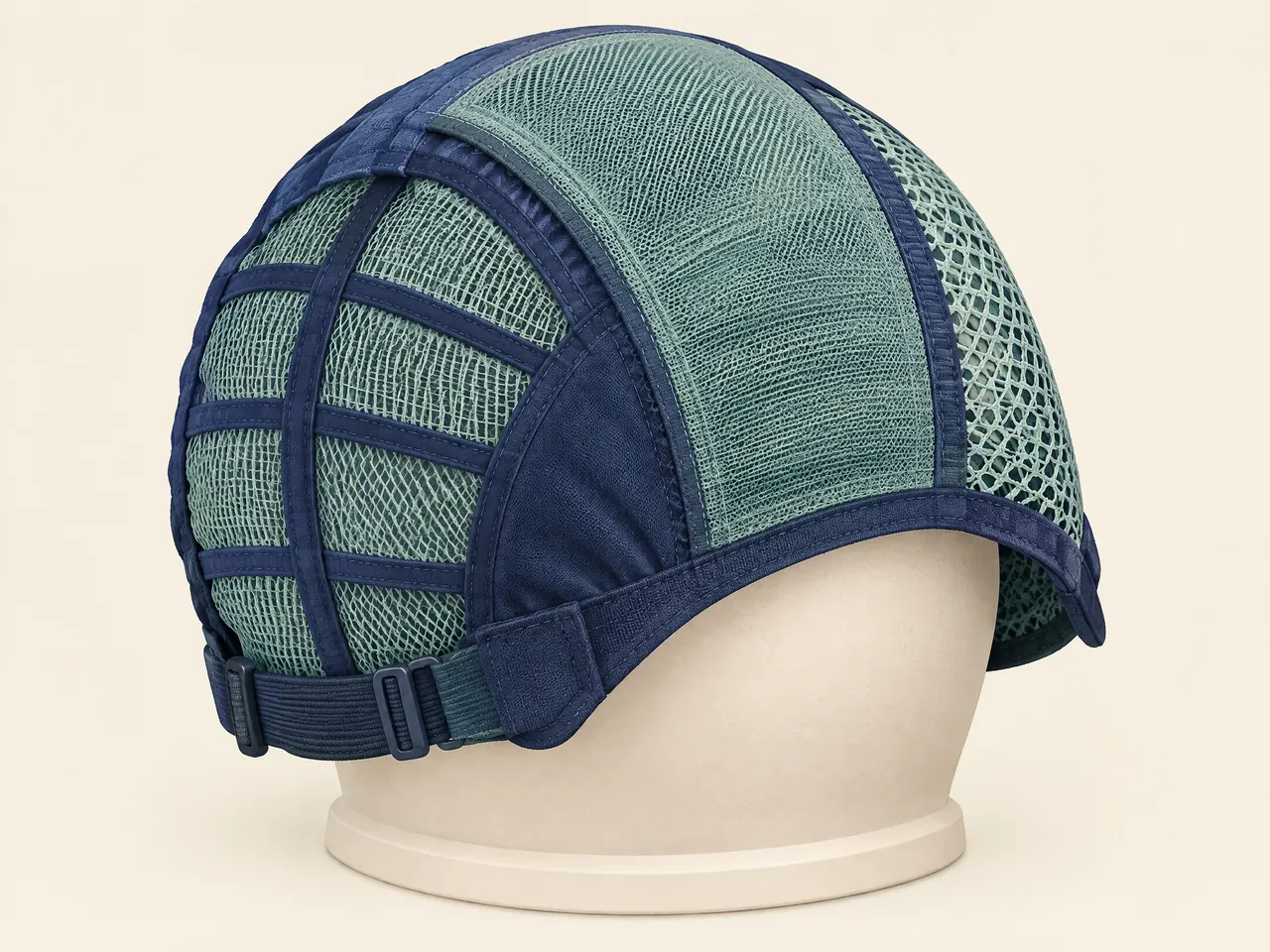
Add a simple sketch of the inside of your own cap and ask the fitter to mark any areas that need different handling. Link each permitted product to its task and application area, rather than keeping an unexplained shopping list. Leave space for changes made during later repairs or styling, including the date and revised instructions. Keep superseded instructions clearly separate so a new colour treatment or base repair does not leave you following an older routine. [2] [4]
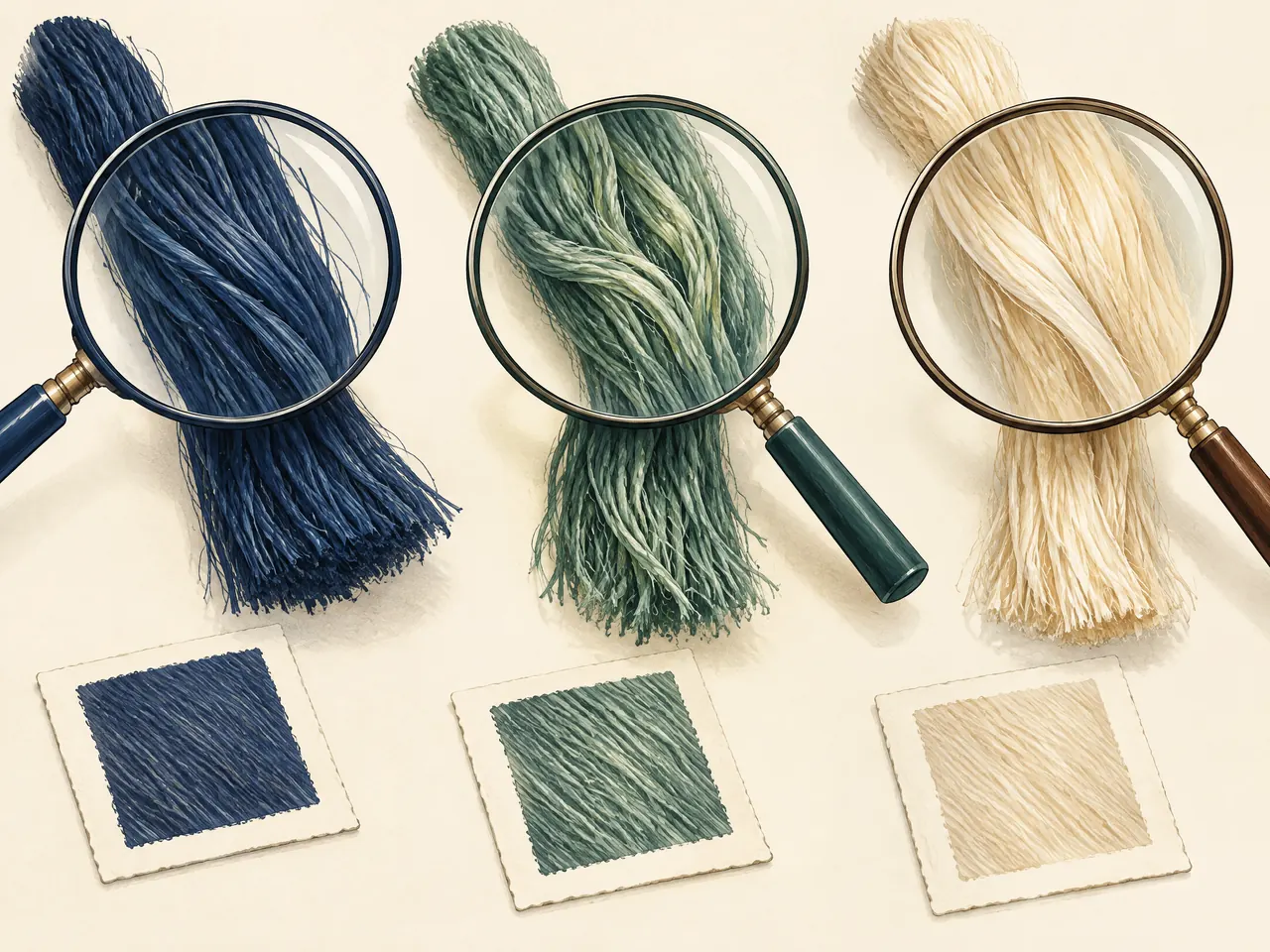
Three separate anonymous fibre bundles beneath a magnifying lens beside blank material sample cards
Illustrative fibre samples prompt specification questions; appearance alone does not identify a wig's material.Generated illustrative image
An inside-out generic wig cap on a plain dome stand with illustrative mesh panels and an adjustable band
Illustrative cap construction for discussing areas that need different handling; not the specification of a DT Hub product.Generated illustrative image

Use the demonstration to resolve texture and wash-day choices

During the demonstration, ask the adviser to work with the texture and length you will maintain, not only a straight practice sample. Record the selected tool, how to support the piece and the point at which detangling is permitted. The American Cancer Society's ends-first brushing advice specifically discusses long straight styles; it should not become an instruction to brush every curl in the same way. Ask what to do when a snag remains after gentle handling, so the next step is agreed before you meet one at home. [1] [2]

For washing, write down the approved method as one complete sequence. If your existing notes include both soaking and running-water cleansing, ask the maker to identify which instruction belongs to this model and why. Keep the chosen method with the exact product directions; do not combine the two guides into a compromise. Before leaving, explain the sequence back without prompting and identify any step you still cannot repeat confidently. Ask whether another demonstration or professional cleaning is appropriate rather than improvising that step. [1] [2]
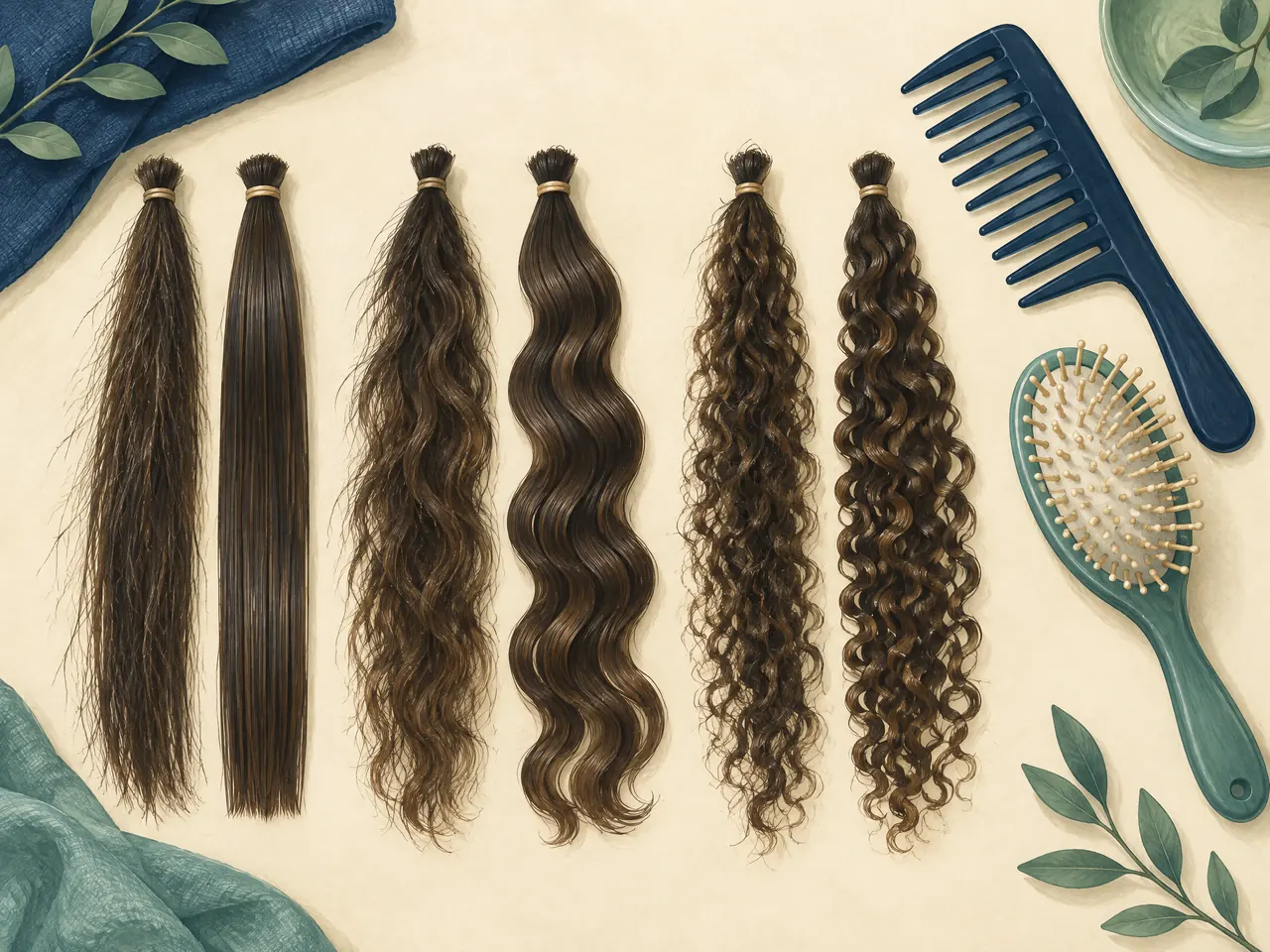
Separate straight, wavy and curly practice hair tresses beside a wide-tooth comb and soft brush
Illustrative practice textures support questions about handling; the tools shown are not approved for every wig.Generated illustrative image
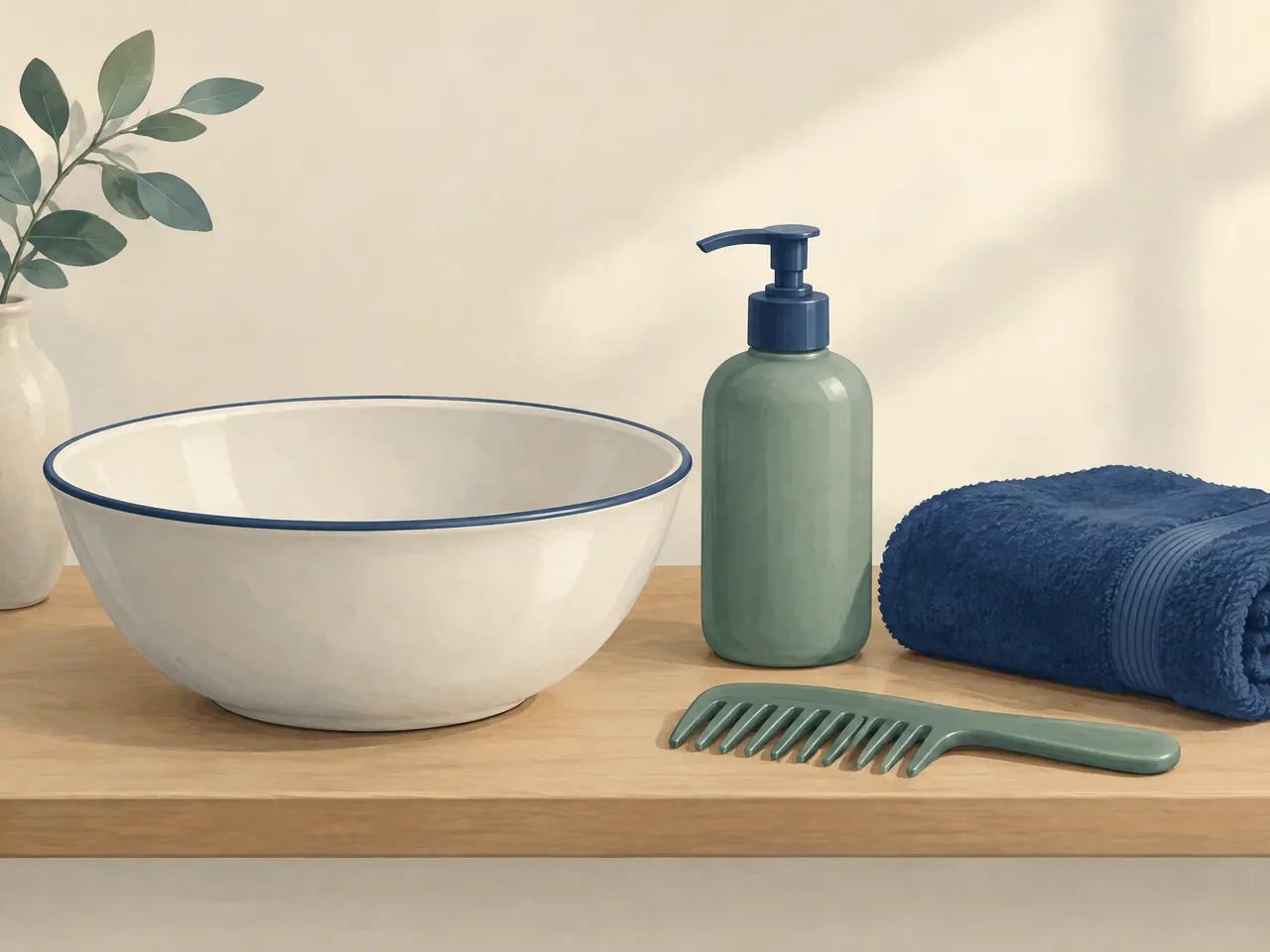
A plain wash basin, unbranded pump bottle, folded towel and wide-tooth comb arranged on a cream shelf
Illustrative wash-day equipment; the basin does not prescribe soaking or establish product compatibility.Generated illustrative image

Rehearse drying and packing before travelling

Before a trip, compare the model's approved drying setup with the space available at your destination. Ask whether a portable stand is suitable and how to support the lengths without placing weight on the hairline. Allow time to complete the instructed drying stage before departure; if the piece is still damp, seek advice about the packing plan rather than assuming a closed pouch is suitable. The stand illustration shows equipment to discuss, not a universal drying method or a guarantee that every cap fits it. [1] [2]

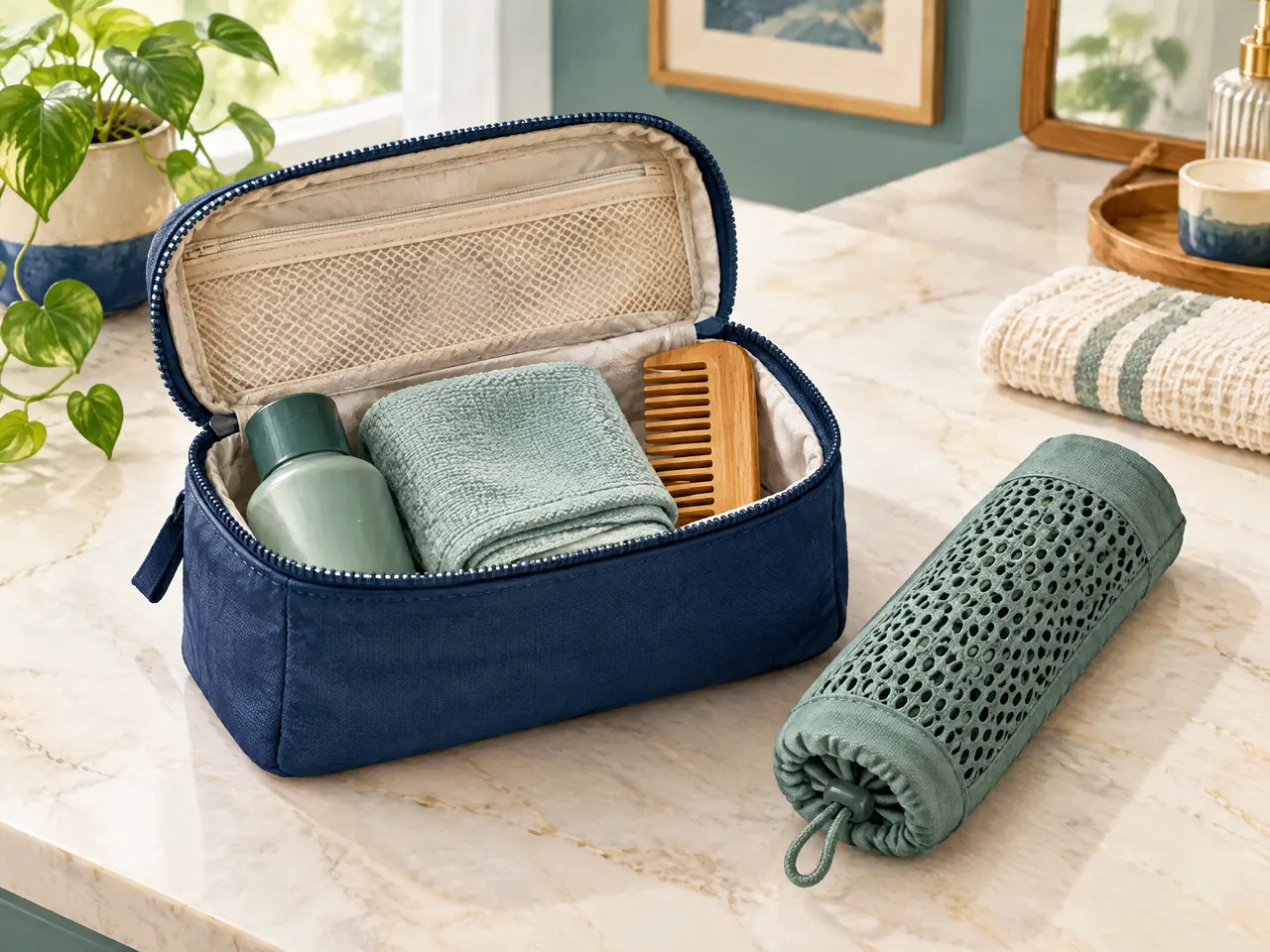
Pack the written routine where you can reach it without unpacking the wig. Keep product directions and identification with the bottles, especially when cleanser and adhesive remover could otherwise be confused. Ask the supplier how the piece should be arranged inside its travel container and whether removal products need separate storage. On arrival, compare the cap and usual parting with your reference photographs before making adjustments. If an attachment or base appears damaged, photograph the change and request advice; do not try to correct a packing problem by pulling the hair into position. [2] [4]
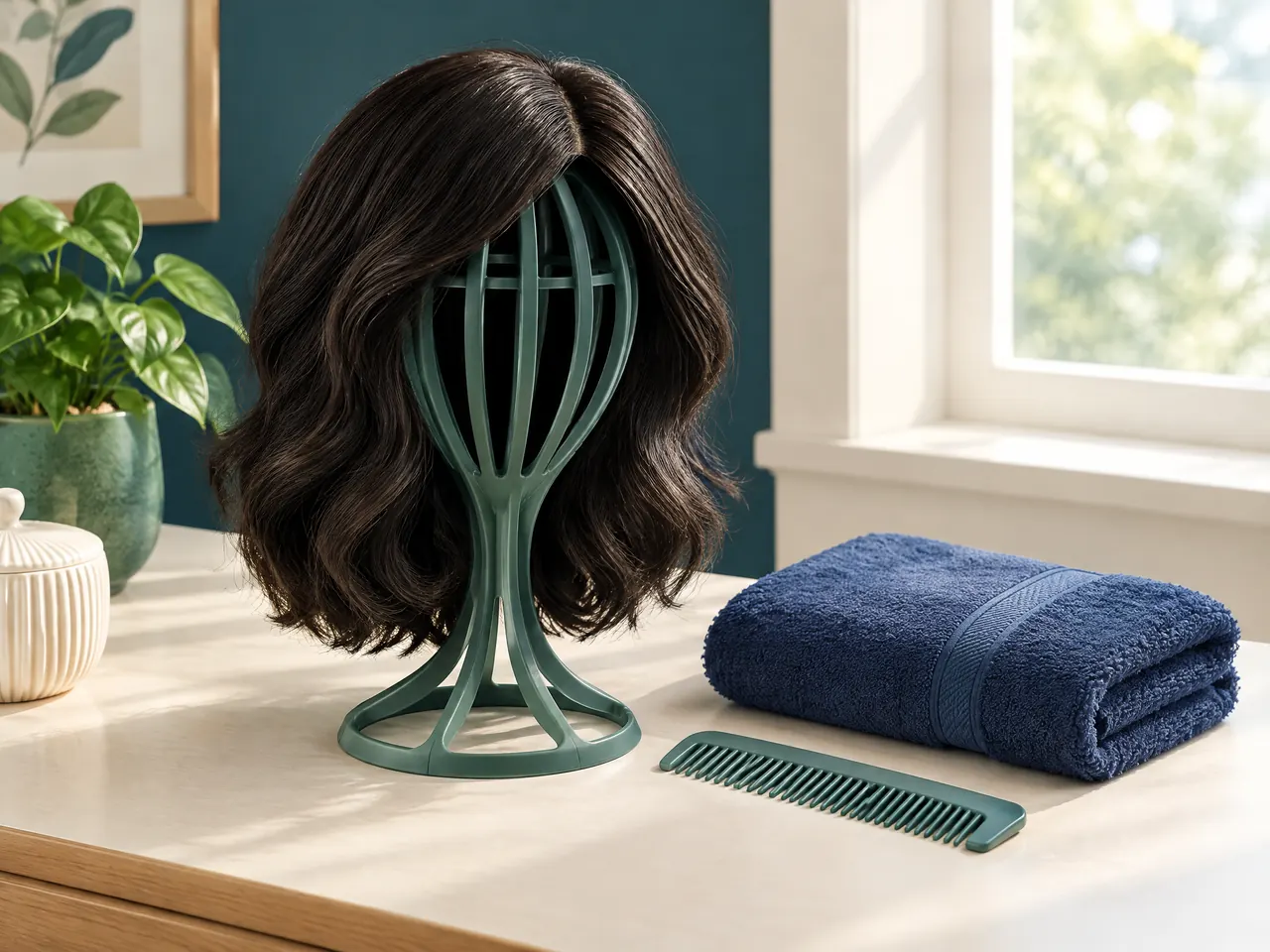
An anonymous wig on an open ventilated stand beside a folded towel and unbranded comb in indirect daylight
Illustrative drying equipment to compare with your model's instructions; not a prescribed stand or styling result.Generated illustrative image
An open unbranded travel pouch containing a capped bottle, folded cloth and comb beside a separate storage sleeve
Illustrative travel-care preparation; confirm the packing method and retain the actual product directions.Generated illustrative image

Clinic enquiries

Contact and appointment arrangements

Clinics
Prince Edward and Kwun Tong
Opening hours
11:00–21:00
WhatsApp and telephone
+852 6940 5663

Appointments, practitioner availability and service arrangements are confirmed via WhatsApp.

Please mention any consultation language needs in your WhatsApp enquiry so that arrangements can be confirmed.

Enquire via WhatsApp
Food, gifts and floral lifeWhatsApp enquiry