Match the practice materials to your chosen exercise
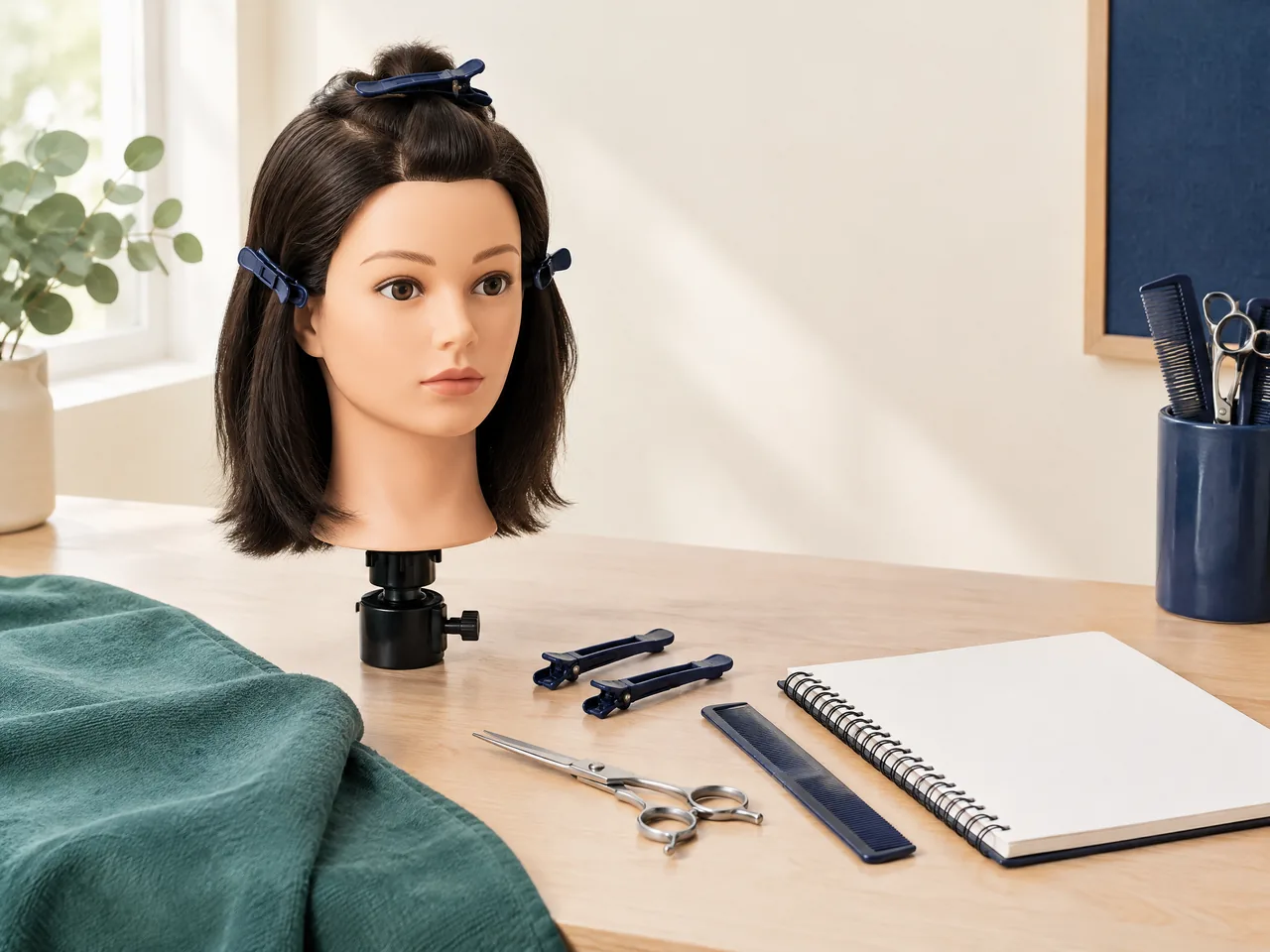
Do not buy a general hairdressing toolkit simply because it appears in a course photograph. For colour learning, ask which practice head, combs, sectioning clips and sample hair the instructor expects you to use. For makeup, request the brush and applicator list for your chosen exercise. Separate items needed during class from those needed for later practice; a shared classroom supply is not necessarily yours to keep.
Ask whether you can rehearse parting and securing sections on a mannequin before a colour application. Describe the step you find difficult, such as keeping a section separate while reaching for a tool. This gives the tutor a specific preparation skill to review without turning an equipment purchase into permission to practise chemical services independently.
Turn one demonstration into a repeatable exercise
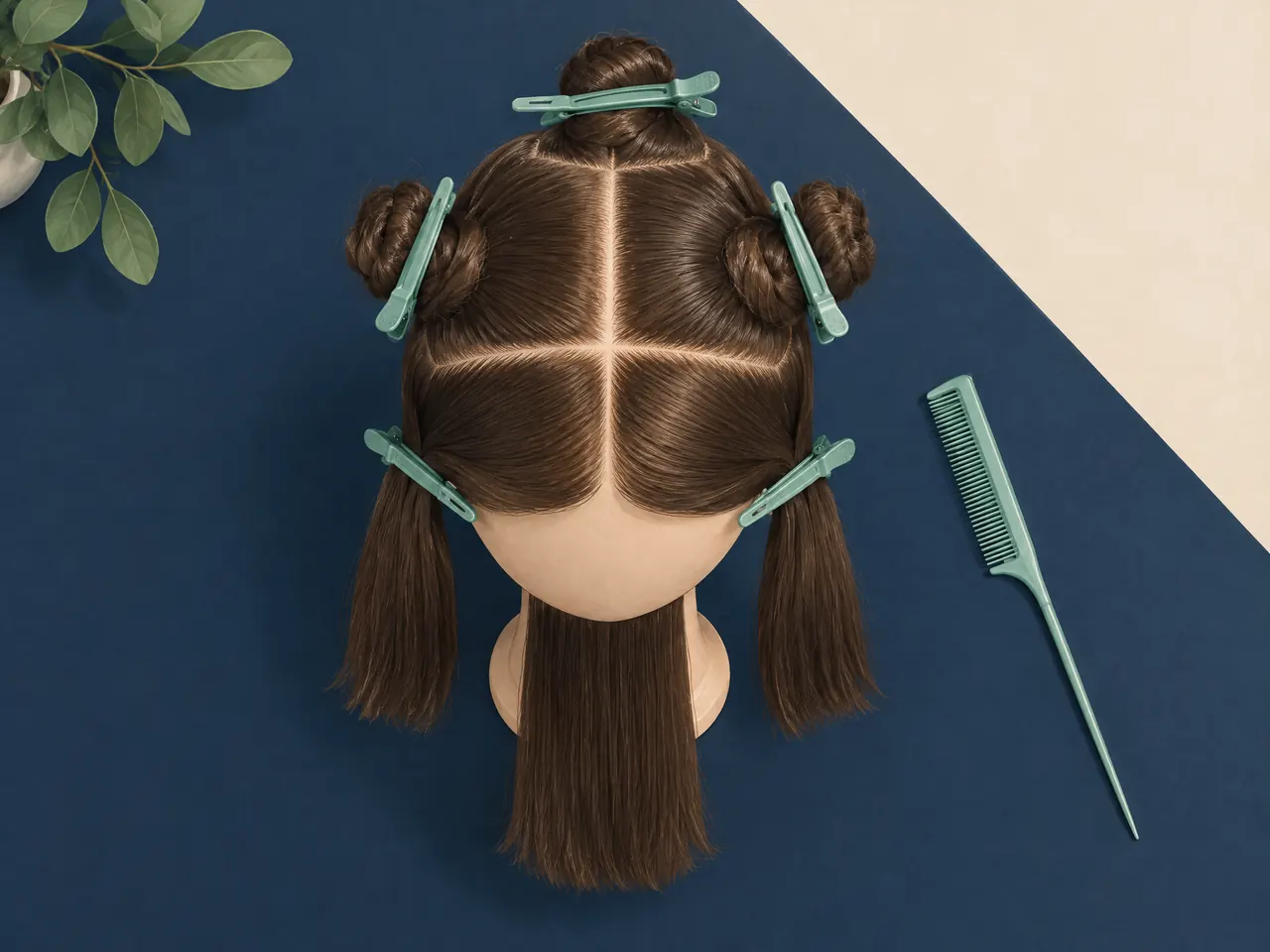
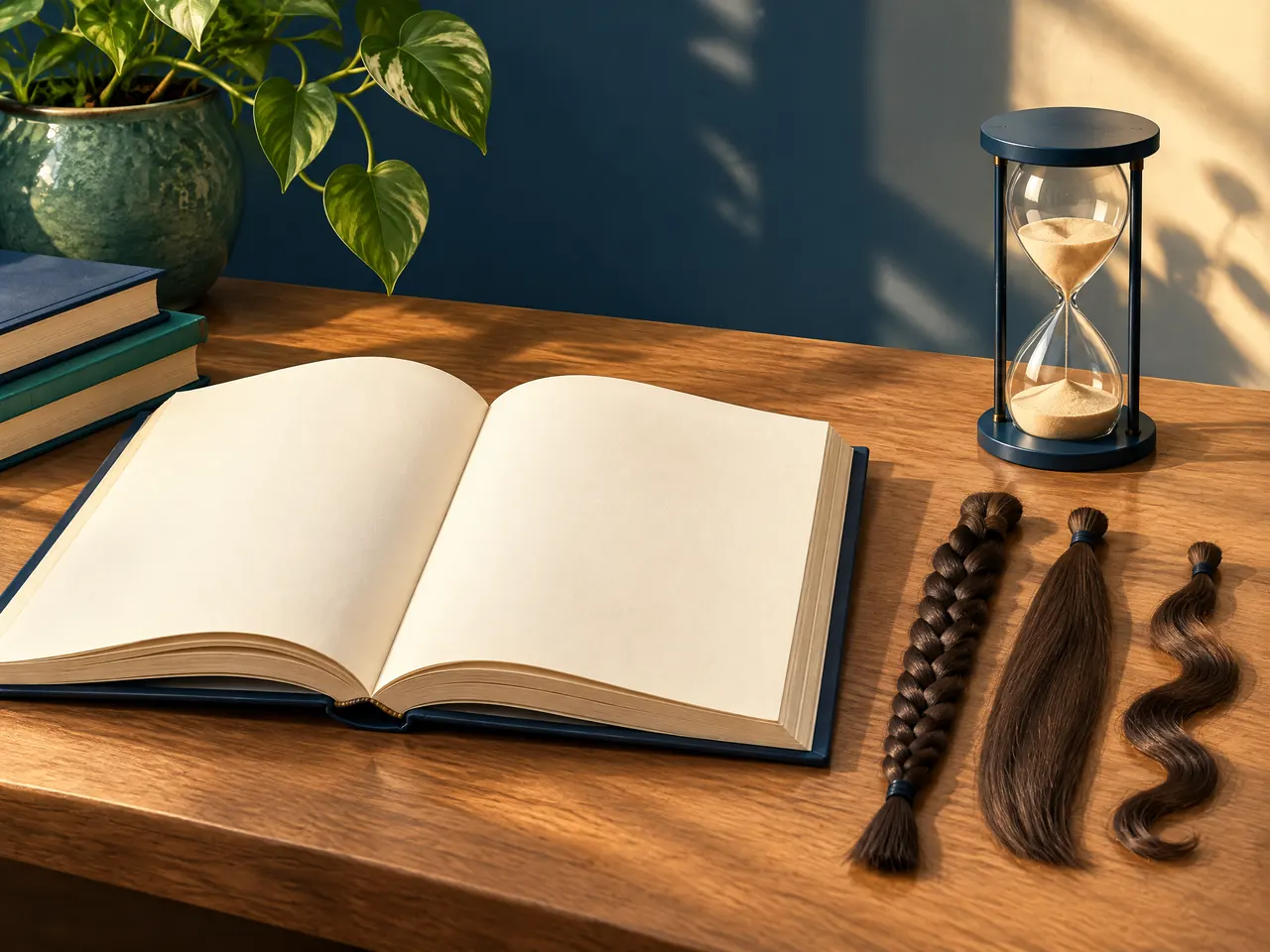
Before the next lesson, choose one small exercise from the tutor's feedback rather than attempting the entire finished look again. A makeup learner might practise the corrected blending step with the products and handling method already explained in class. A colour learner might redraw a placement plan or rehearse sections on a mannequin. Keep chemical application within the supervision arrangements agreed with the instructor.
In your notes, separate the instruction you received from your own observation. Record what you attempted, where you needed help and the question you will bring back. If an instruction was unclear, do not fill the gap by copying an online formula. Ask the tutor to explain it again, then confirm whether a repeat attempt is part of the next session or needs a separate practice arrangement.

Include clean-up in the practical session
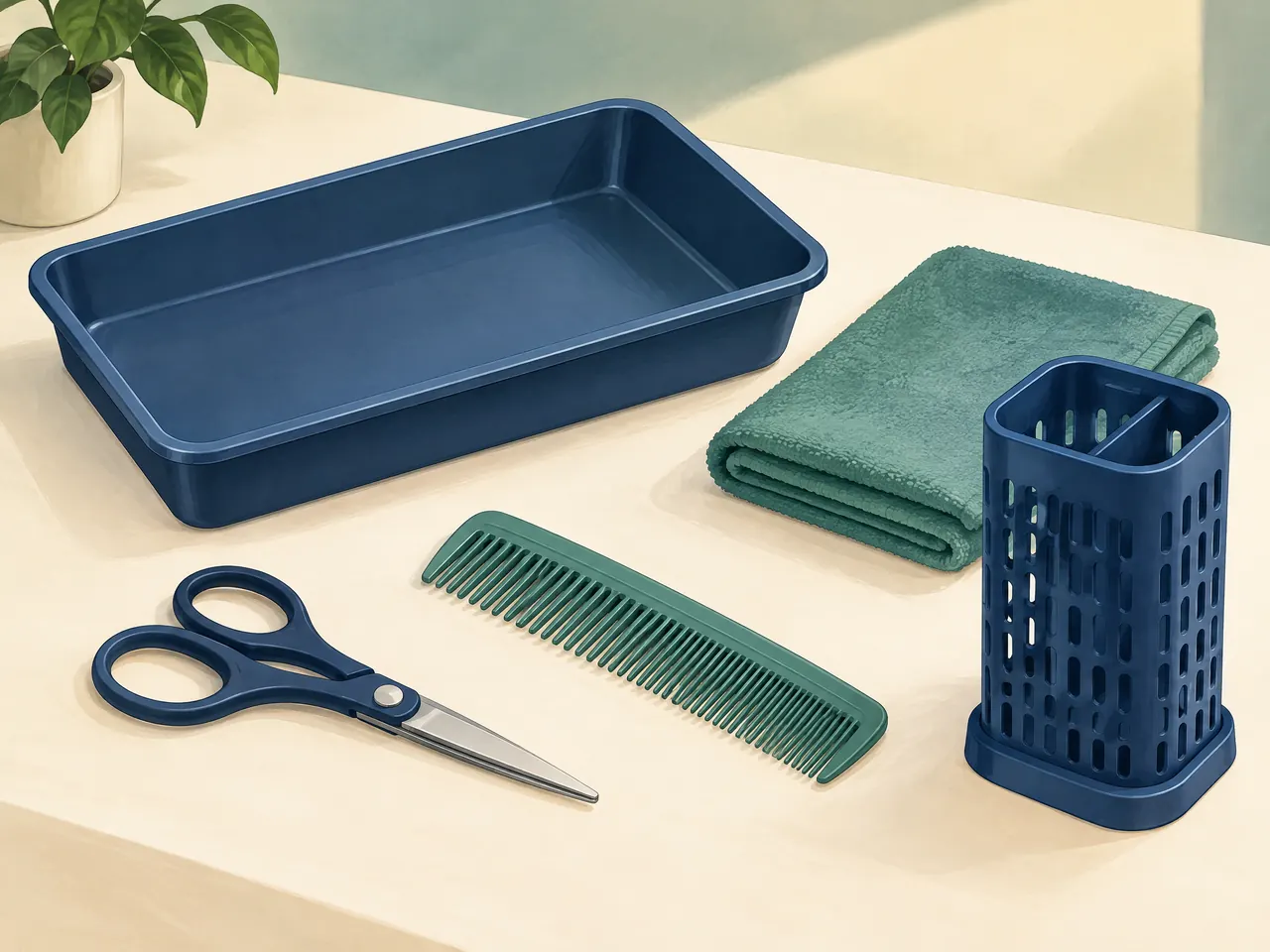
Ask what happens to tools between learners and after each exercise, not only whether a clean set is available at the start. FDA guidance calls for clean eye-area instruments and warns against sharing eye cosmetics.[3] A tidy-looking holder does not demonstrate how its contents were cleaned. Ask the tutor to explain the procedure for the actual tools and products you will handle.
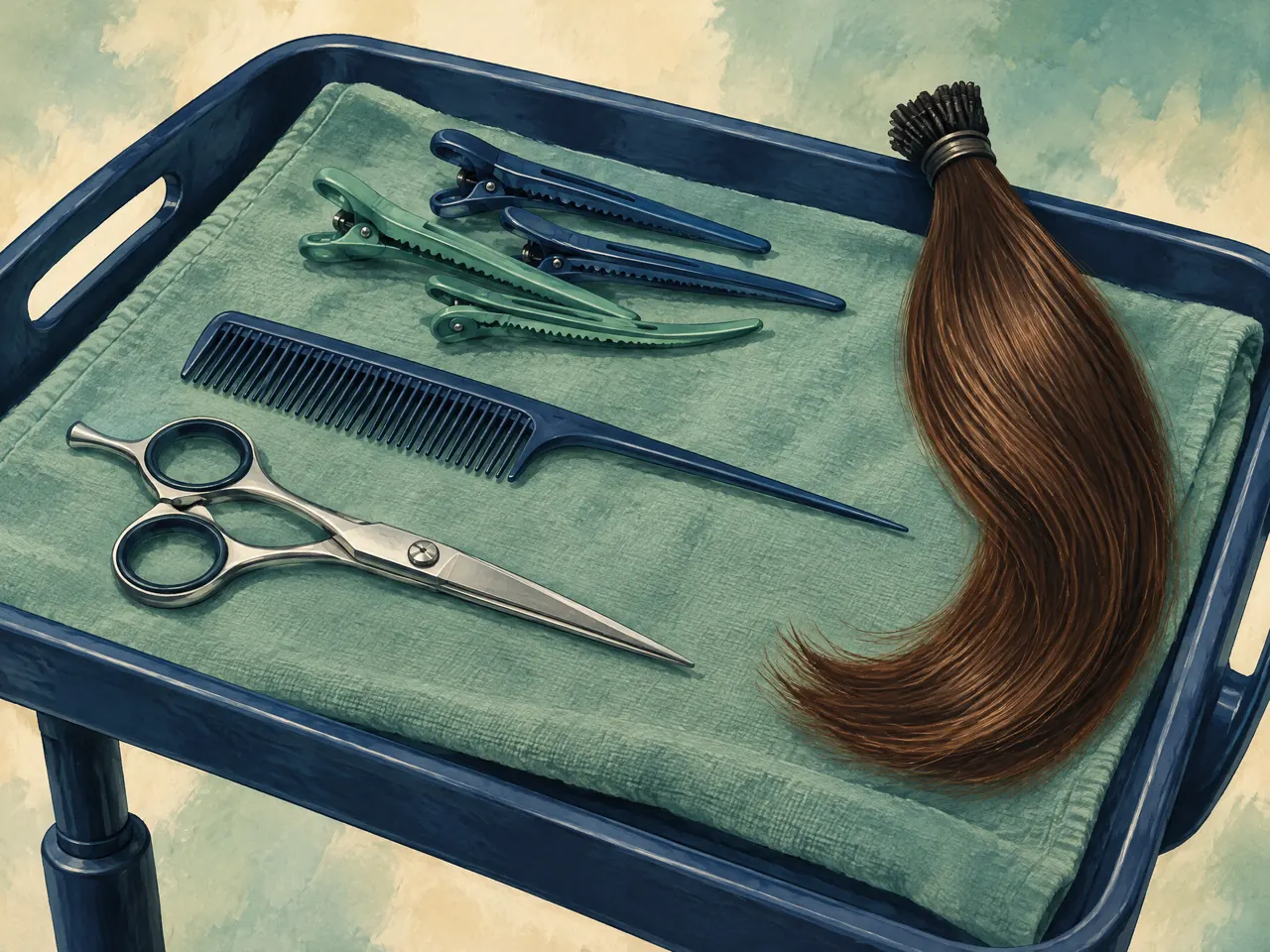
When comparing practical time, include setting up, separating used items and clearing the station. Find out who supplies replacement applicators or tools when the next exercise starts. If a brush or comb falls or is mixed with used equipment, ask what you should do before continuing. A cleaning tray in an illustration is an organisation cue, not evidence that a particular cleaning method is sufficient.
Use lighting comparisons to ask a better colour question
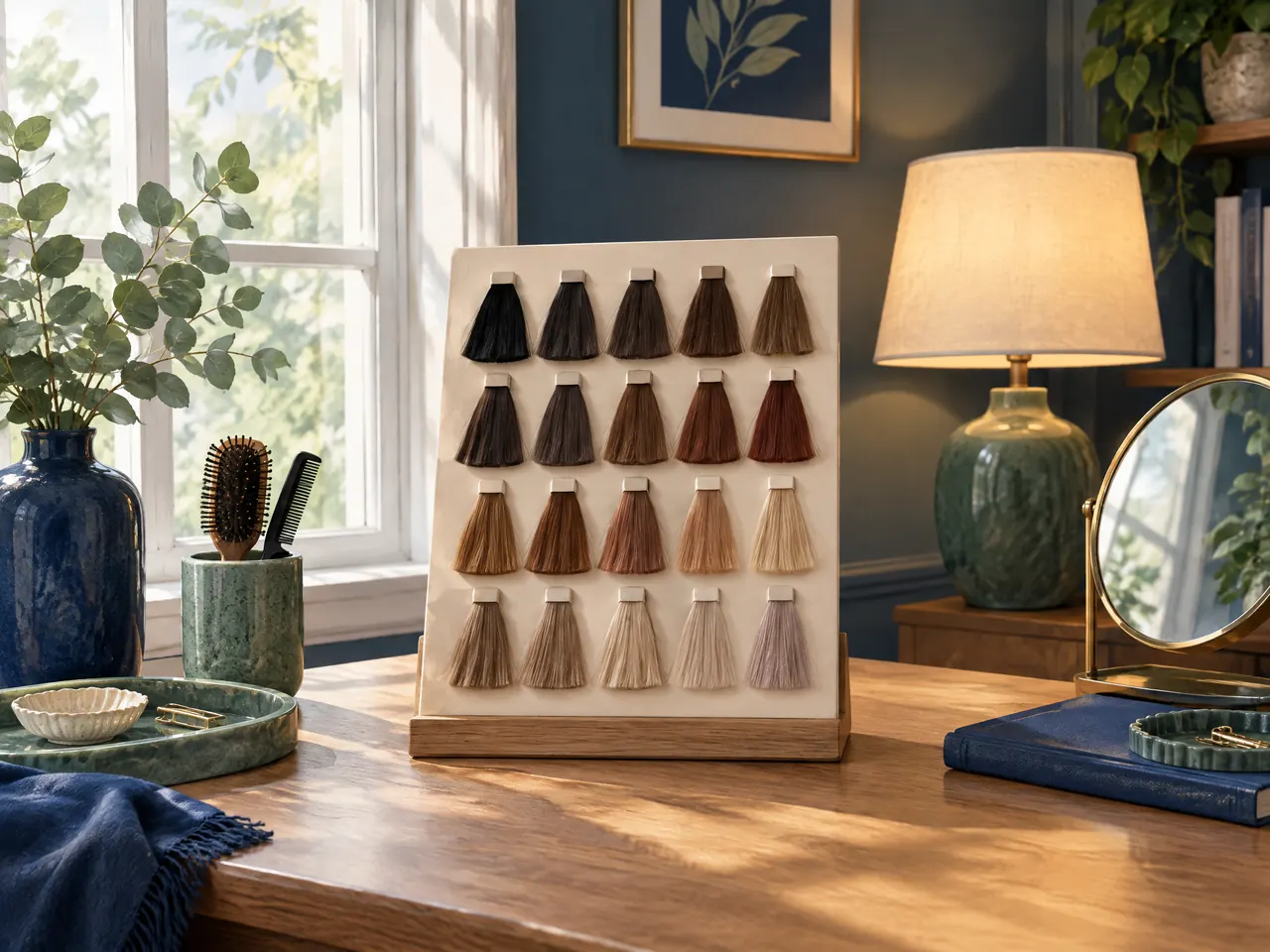
For a shade discussion, ask to view the same sample in the classroom light and near available daylight. Keep the sample and viewing angle consistent so you can describe what seems different without changing several conditions at once. For foundation, explain which visible mismatch you want the tutor to help you assess. For hair colour, ask how a sample relates to your model's starting hair rather than treating the sample board as a guaranteed result.
Photographs are useful reminders, but compare images taken under similar conditions before deciding a technique improved. Do not use a filtered reference or one isolated photograph to infer a foundation match or choose a dye formula. Bring the uncertainty back to the tutor: is the question about shade selection, application or the way the result was photographed?