Give the reference photo two separate length notes
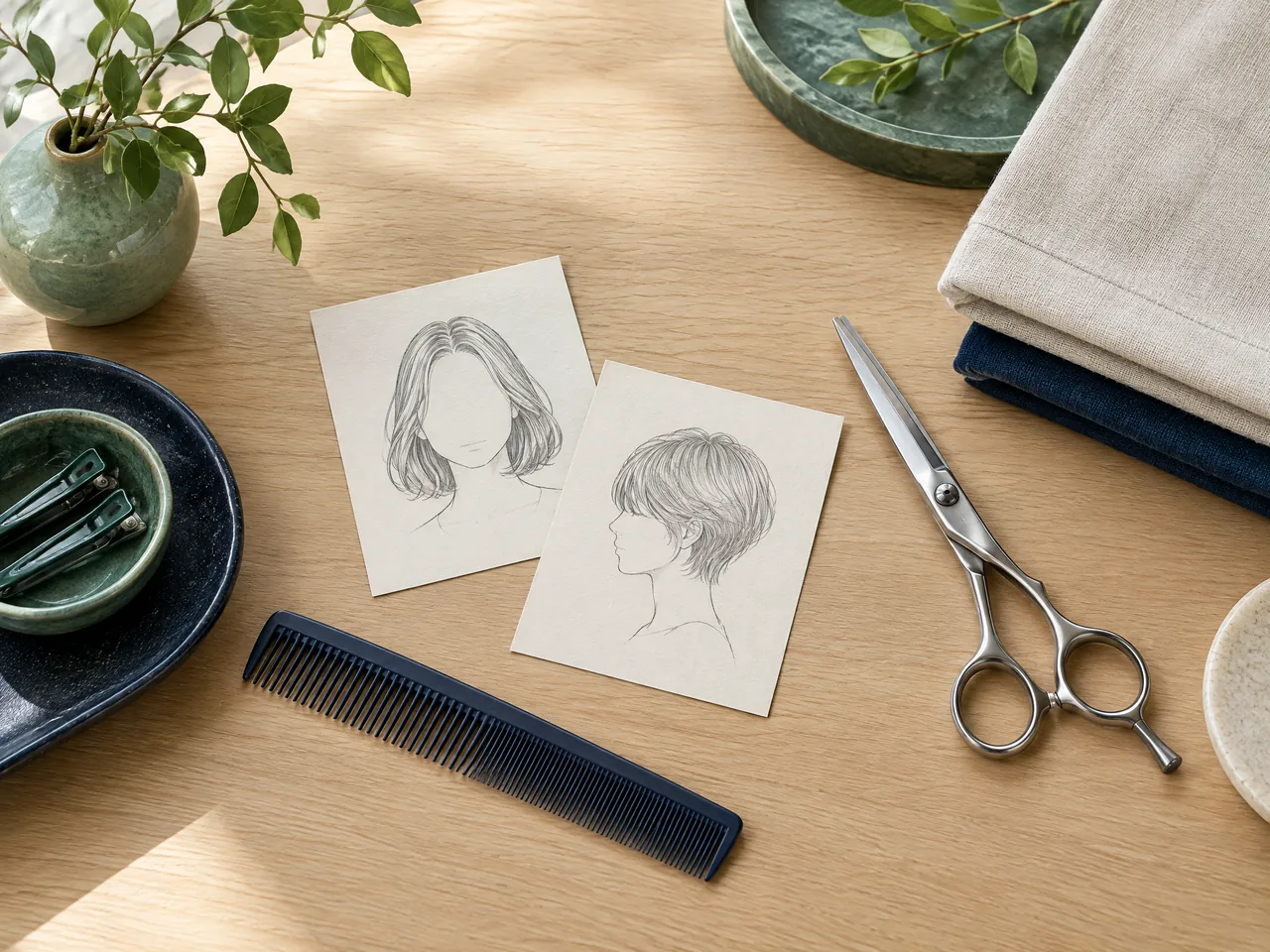
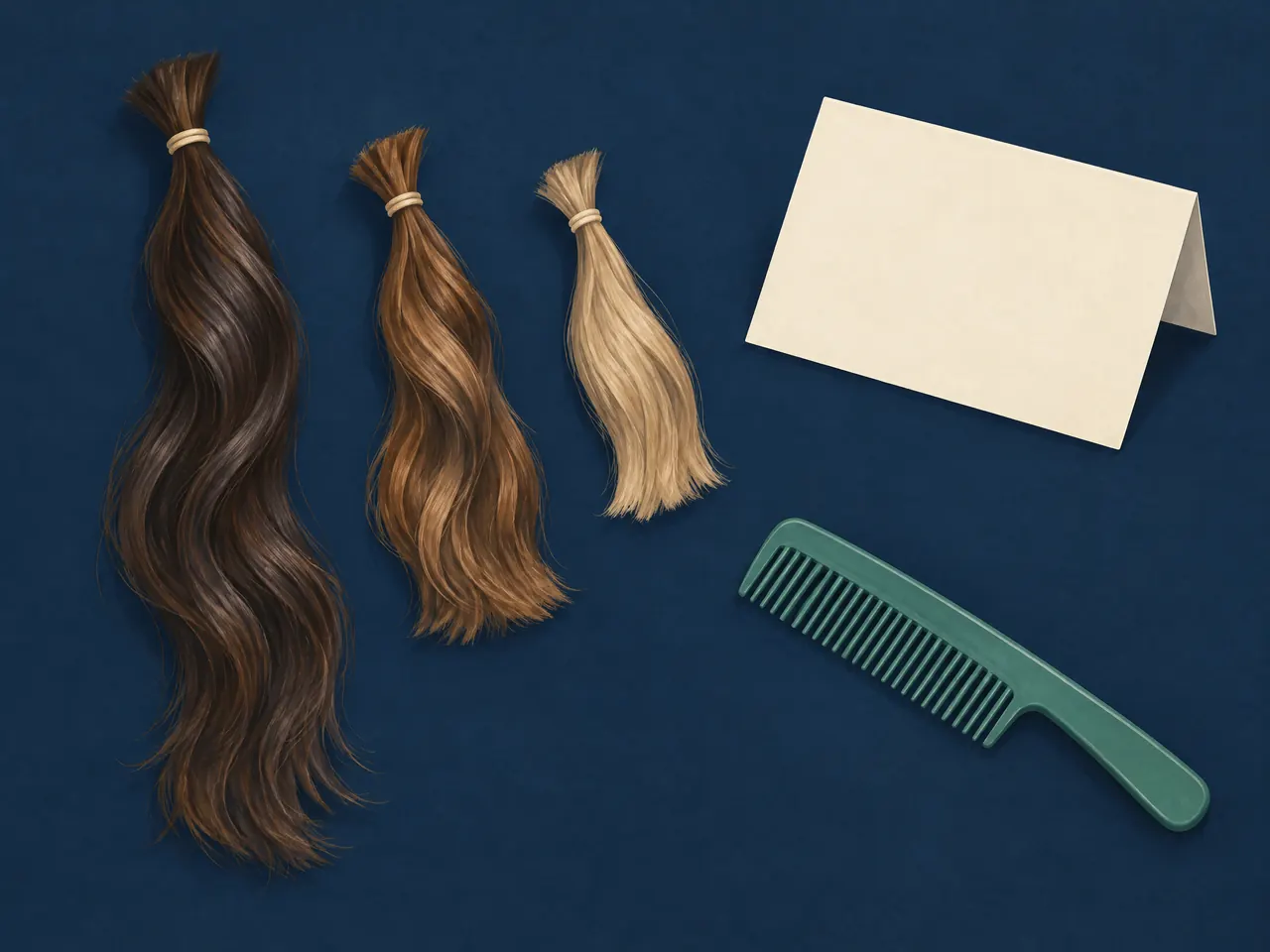
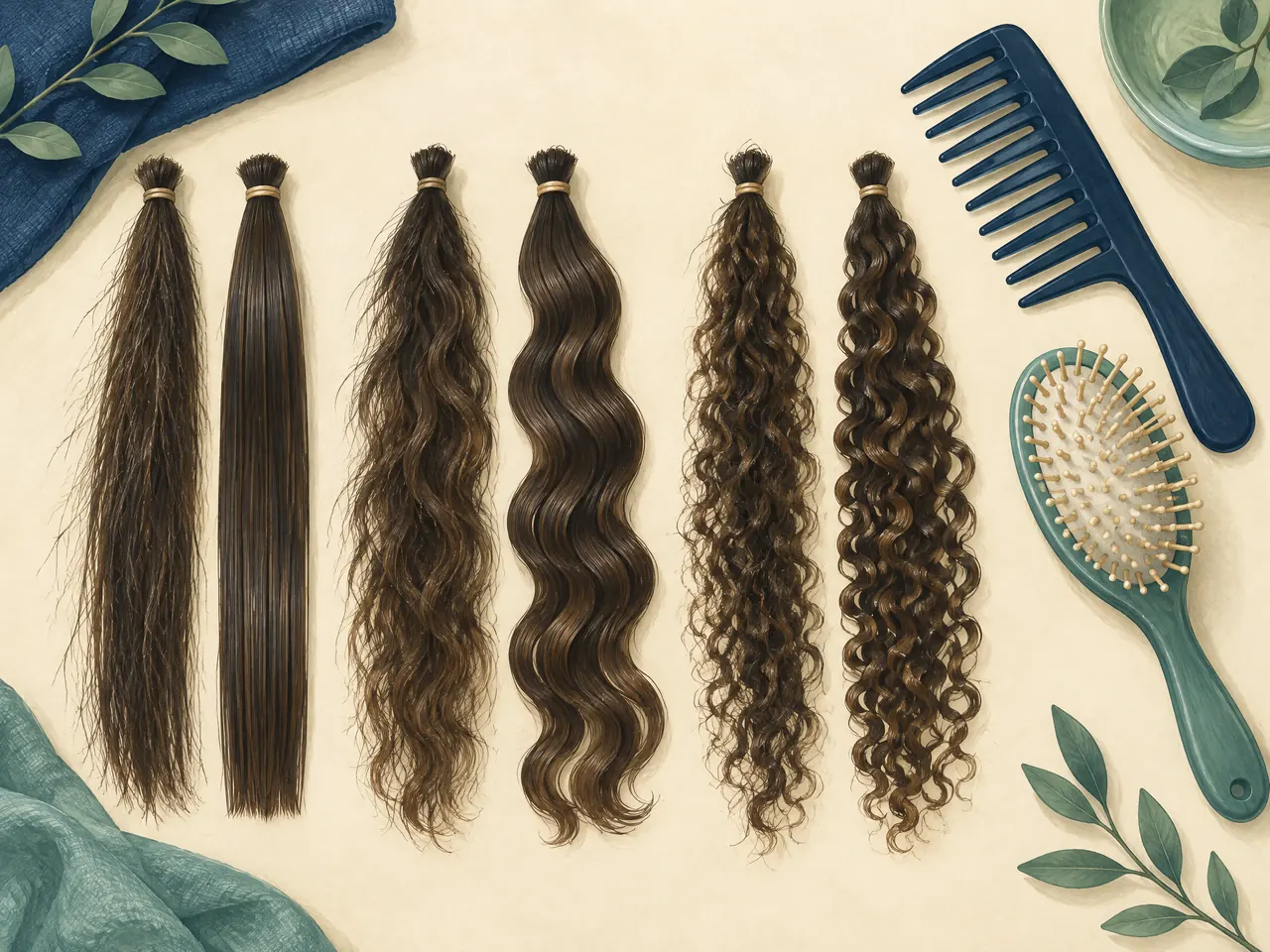
Turn your length limit into a practical instruction: ‘I need the back long enough to tie up, and I do not want the shortest layer falling across my face.’ Put the overall length and shortest acceptable layer on separate lines beside your reference photo. If you cannot judge the length from the picture, mark it as a question for the consultation rather than an instruction to copy. The separate practice tresses illustrate length choices, not predicted results on your hair.
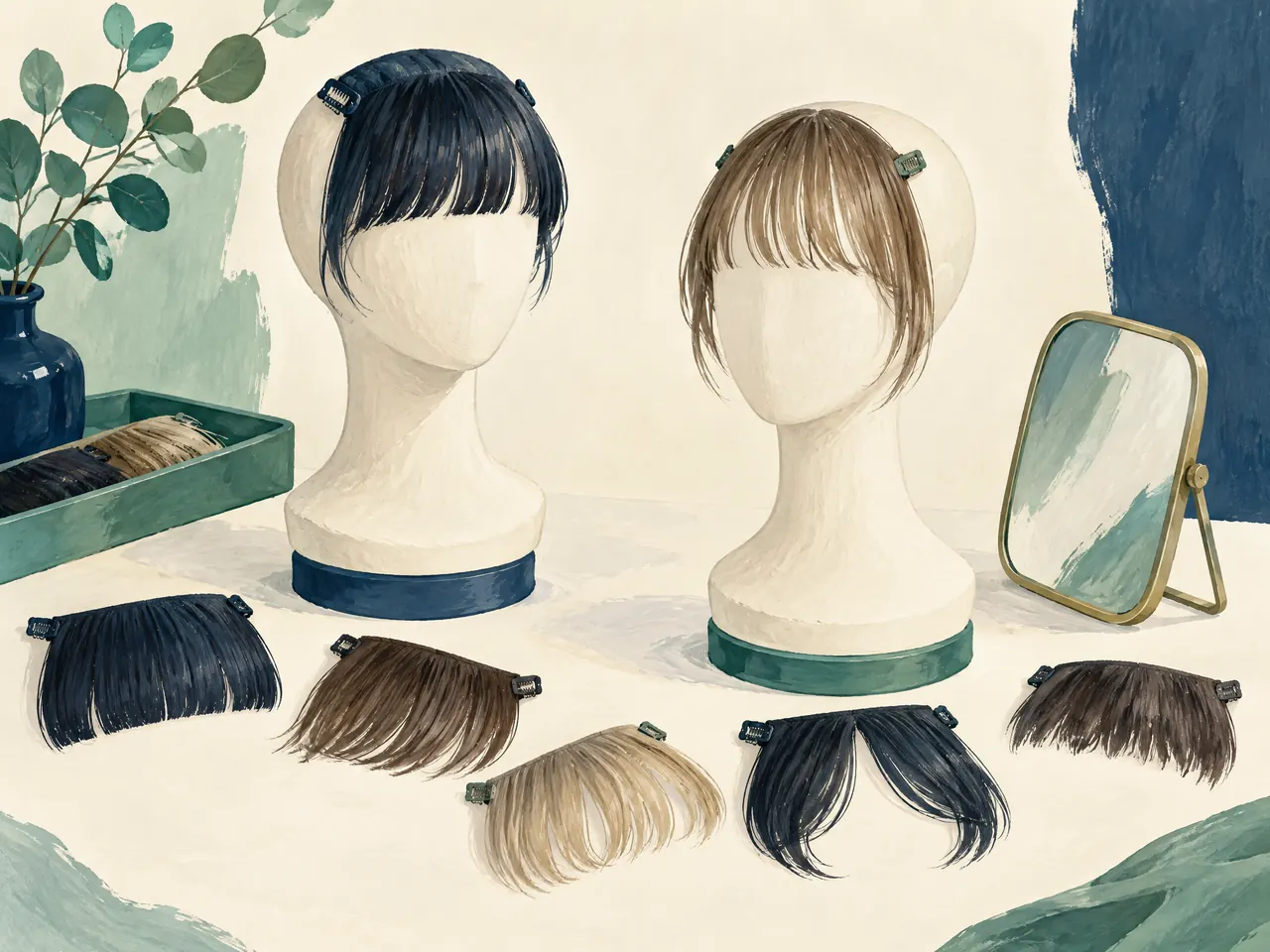
Give the fringe its own note. Explain whether it must stay clear of glasses, tuck behind an ear or remain easy to pin back, and how you normally wear the parting. Ask the stylist to confirm the intended dry position before cutting. The featureless fringe studies are a prompt to discuss those boundaries; choosing a mannequin shape does not establish that the same fringe will behave identically on you.
Describe the finish you can reproduce at home
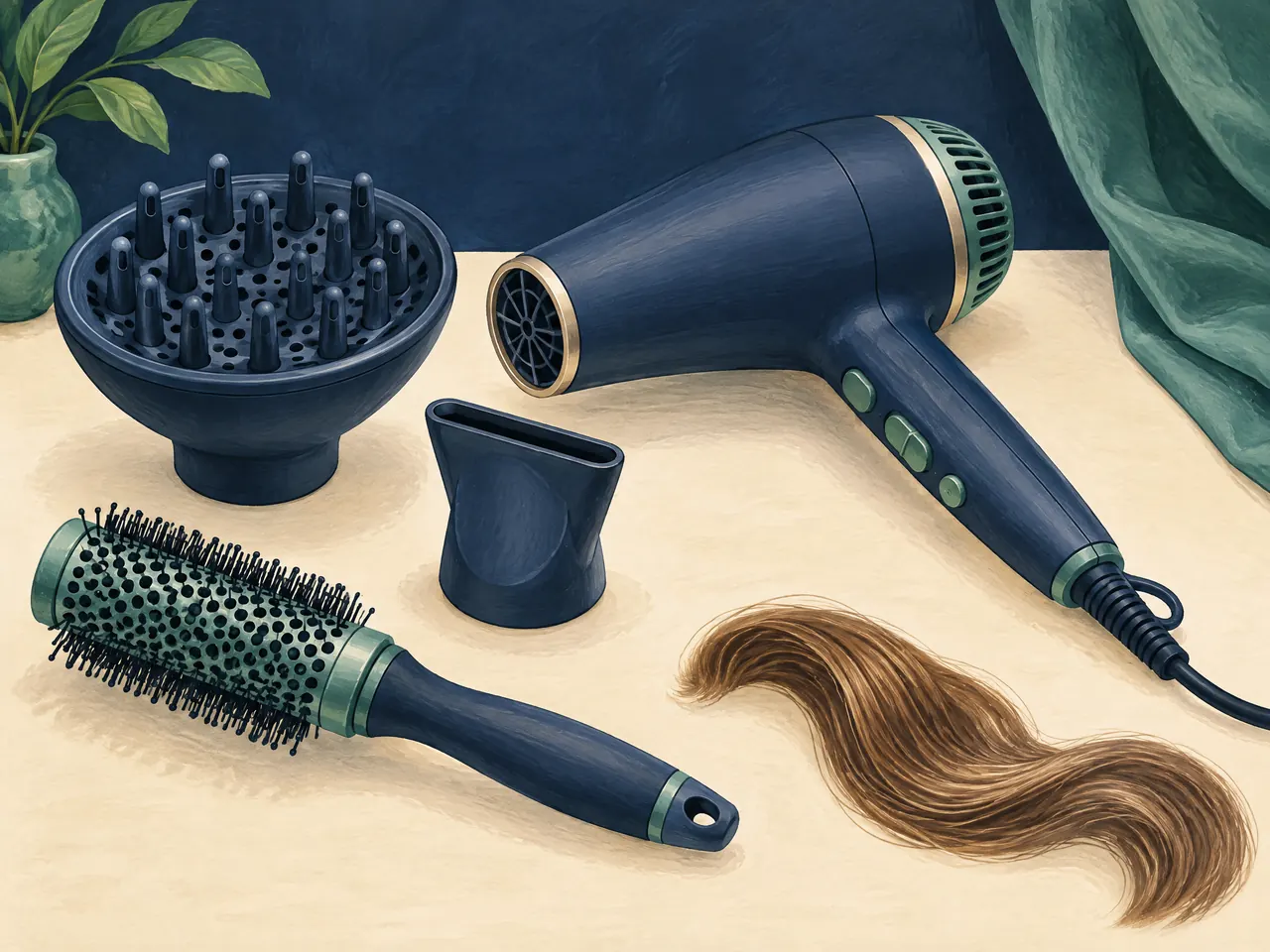
List the tools you actually use, rather than the tools you would be willing to buy in theory. For example: ‘I use a dryer without a brush and have a few minutes before work.’ Ask which parts of the reference finish depend on extra brushing, attachments or styling steps. Use the separate straight, wavy and curly practice tresses as a discussion aid, then explain how your own hair behaves when dried normally. Ask the stylist to distinguish the cut's shape from the finish created during the appointment and to explain a routine using your available tools.
Ask where the shape will change, not just what the technique is called
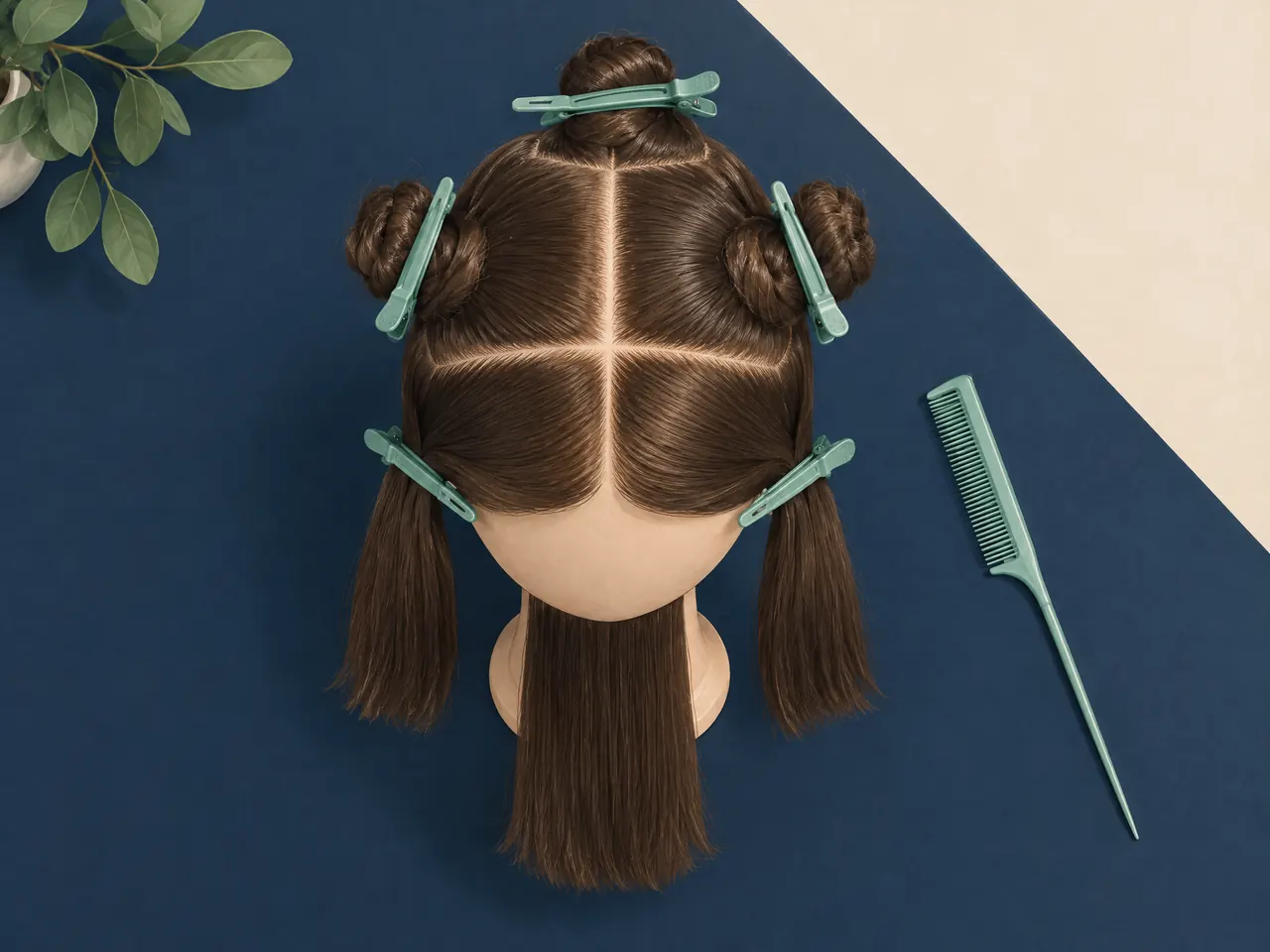
Use the sectioned practice mannequin as a reminder to discuss different parts of the haircut separately. Ask the stylist to point out where the outline, layers and fringe would change, and which areas would retain their present length. Write the answer next to your length limits and read it back before agreeing. You do not need to prescribe the stylist's sectioning method: the useful decision is whether the proposed changes match the parts of your hair you want to keep.
Make your first normal wash useful for the next consultation
Before leaving, ask whether the agreed service requires any specific washing or product instructions; do not invent a waiting period or assume every service has the same aftercare. After following those instructions and returning to your normal routine, take the home photo suggested above and add a short observation: whether the fringe sits where agreed, the hair still ties back, and the finish needs more work than expected. Record the tools and steps you used so a follow-up conversation can address a specific difference rather than simply ‘it looks different’. The wash objects illustrate that routine, not a treatment or product recommendation.