Mark the dry outline you need to live with
Give your reference photograph a practical boundary. Point out where the front must sit when you wear glasses, whether you need to tuck the sides behind your ears and which lengths must still reach a hair tie. Show the stylist these positions on your current, normally dried hair. Separate a strand's length from where you want its end to sit in the finished shape; a length reference alone does not explain the curl you want.
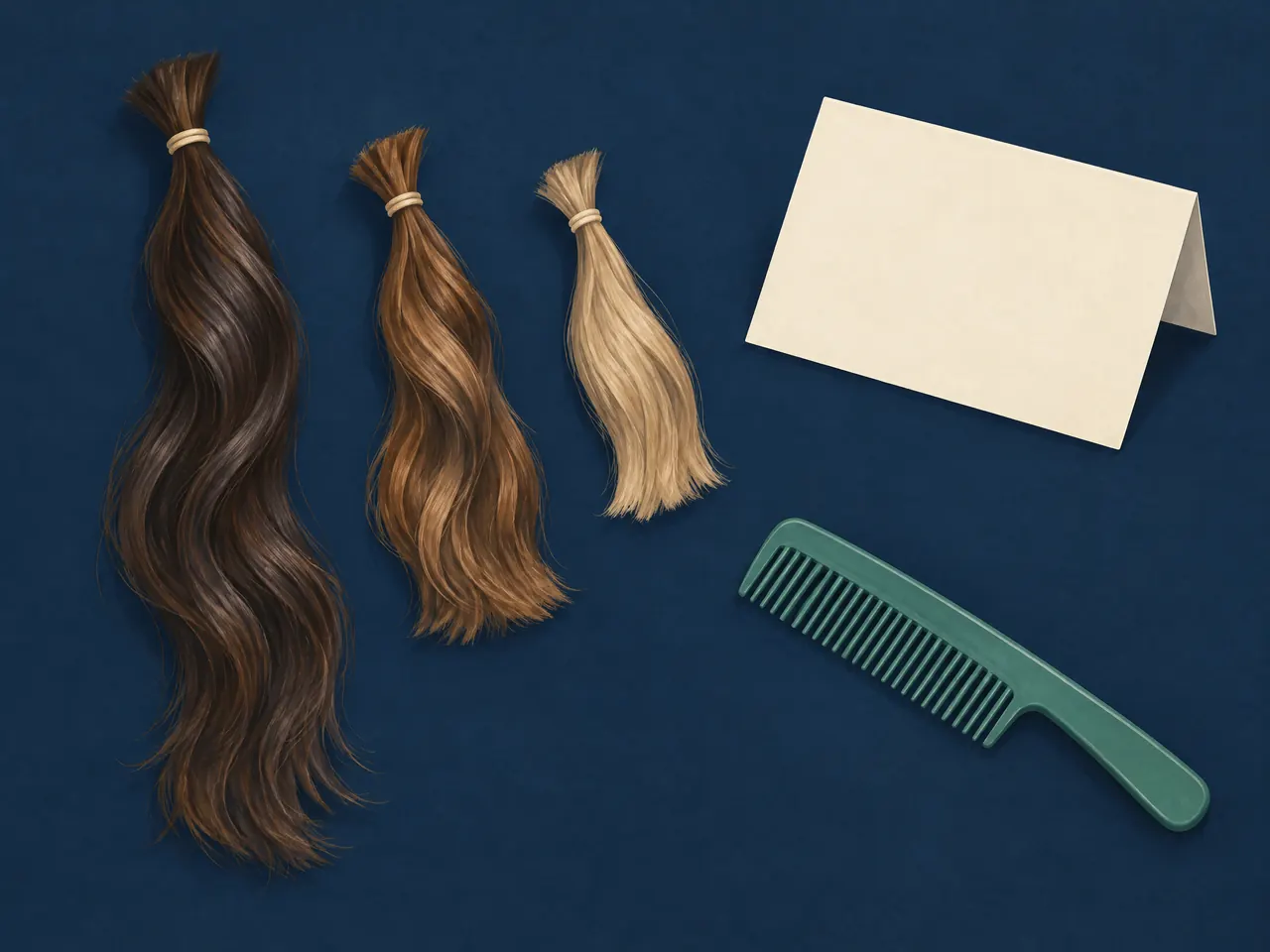
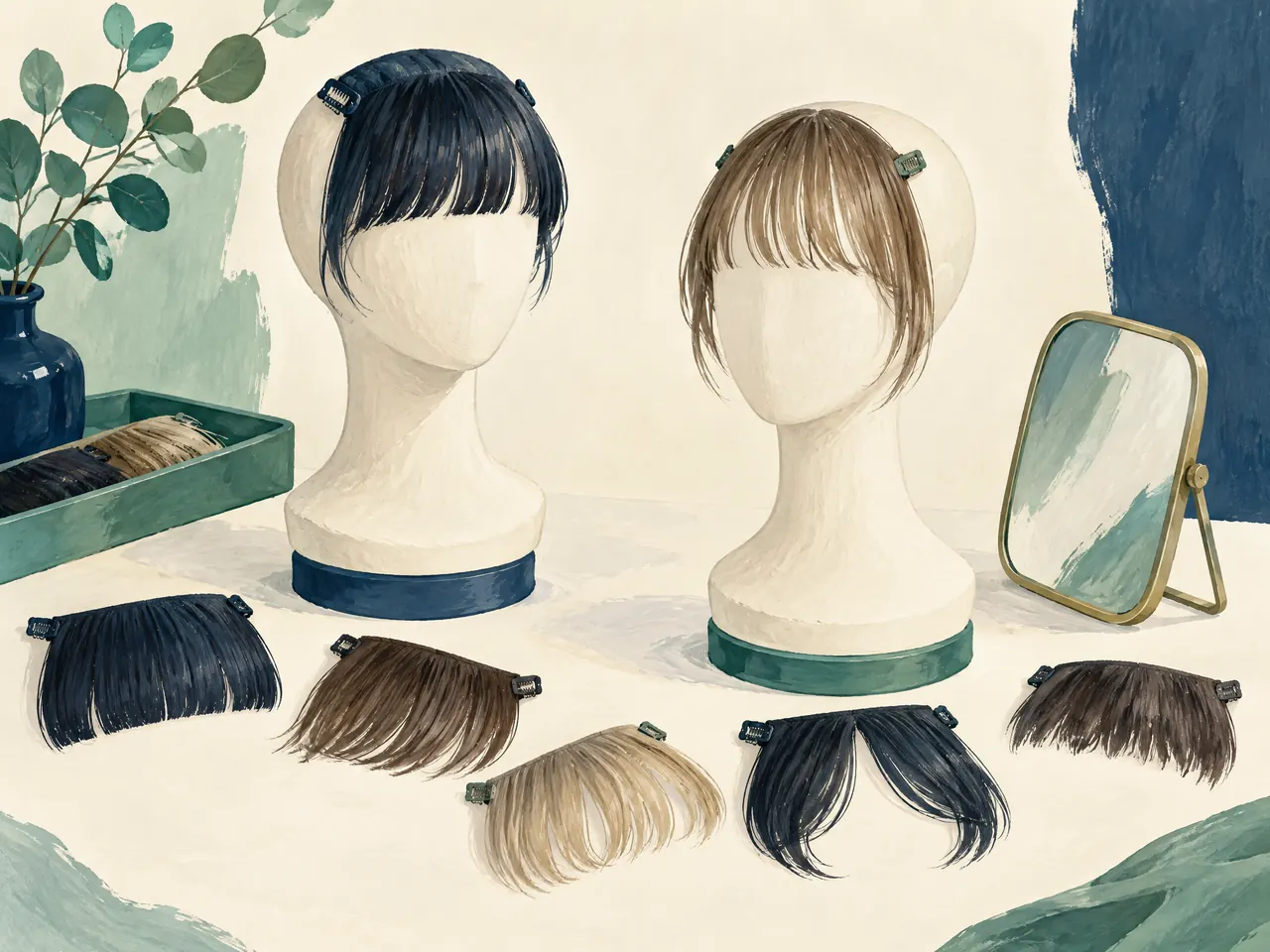
Include a side and back view when discussing the outline, rather than judging only the face-framing sections. Ask which areas the stylist expects you to shape by hand and whether those steps remain practical with your usual parting. A mannequin fringe study or loose length samples can help you point out preferences, but neither predicts your personal result.
Rehearse the drying sequence, not just one movement
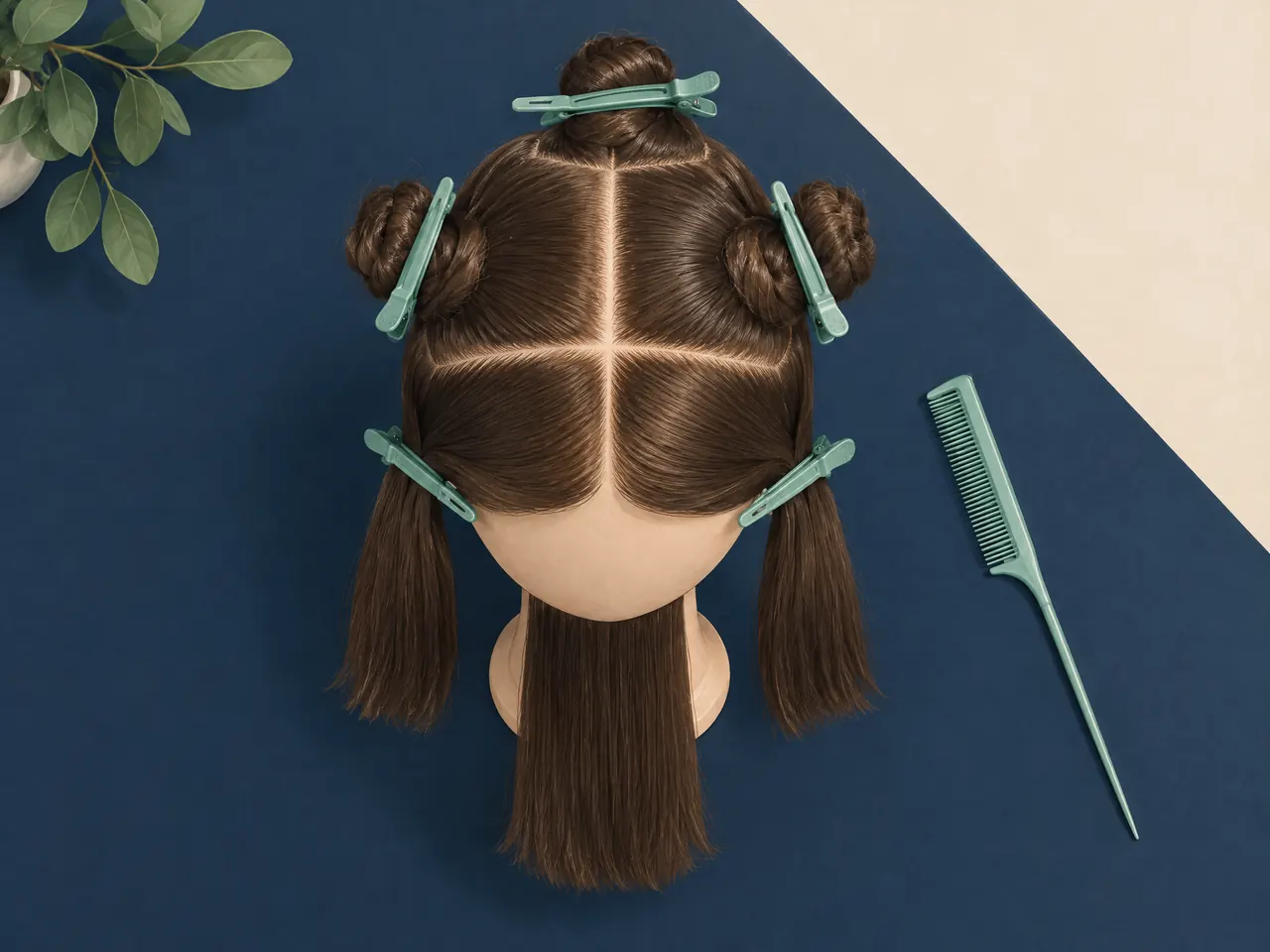
Ask the stylist to walk through the front, sides and back separately. Write down where to begin, how to reach the back and when to stop handling each area. If a step involves dividing the hair, ask how to do that at home without pulling or tangling it. The practice mannequin illustrates sectioning vocabulary; it is not a rod-placement plan or an instruction to copy salon processing.
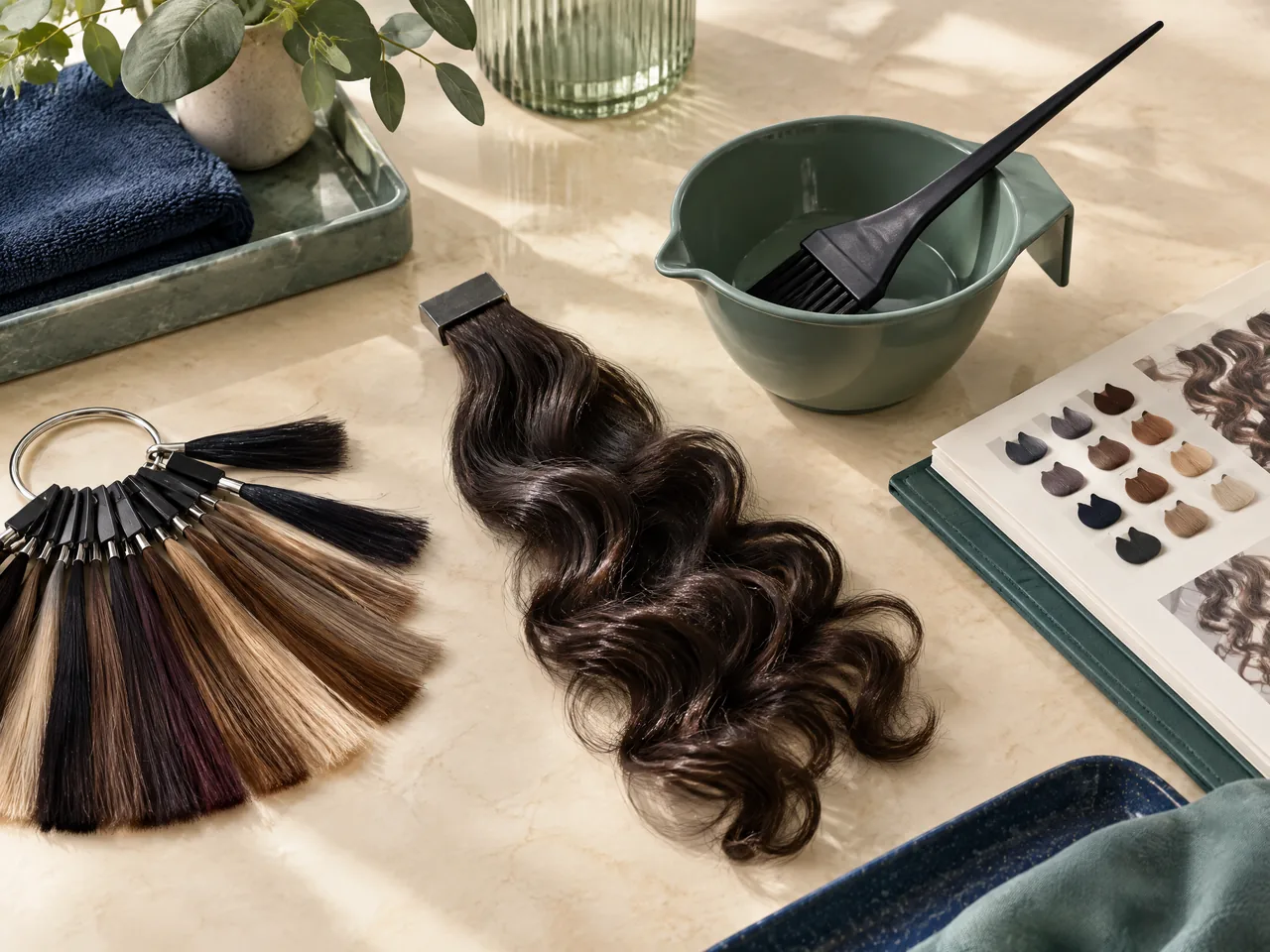
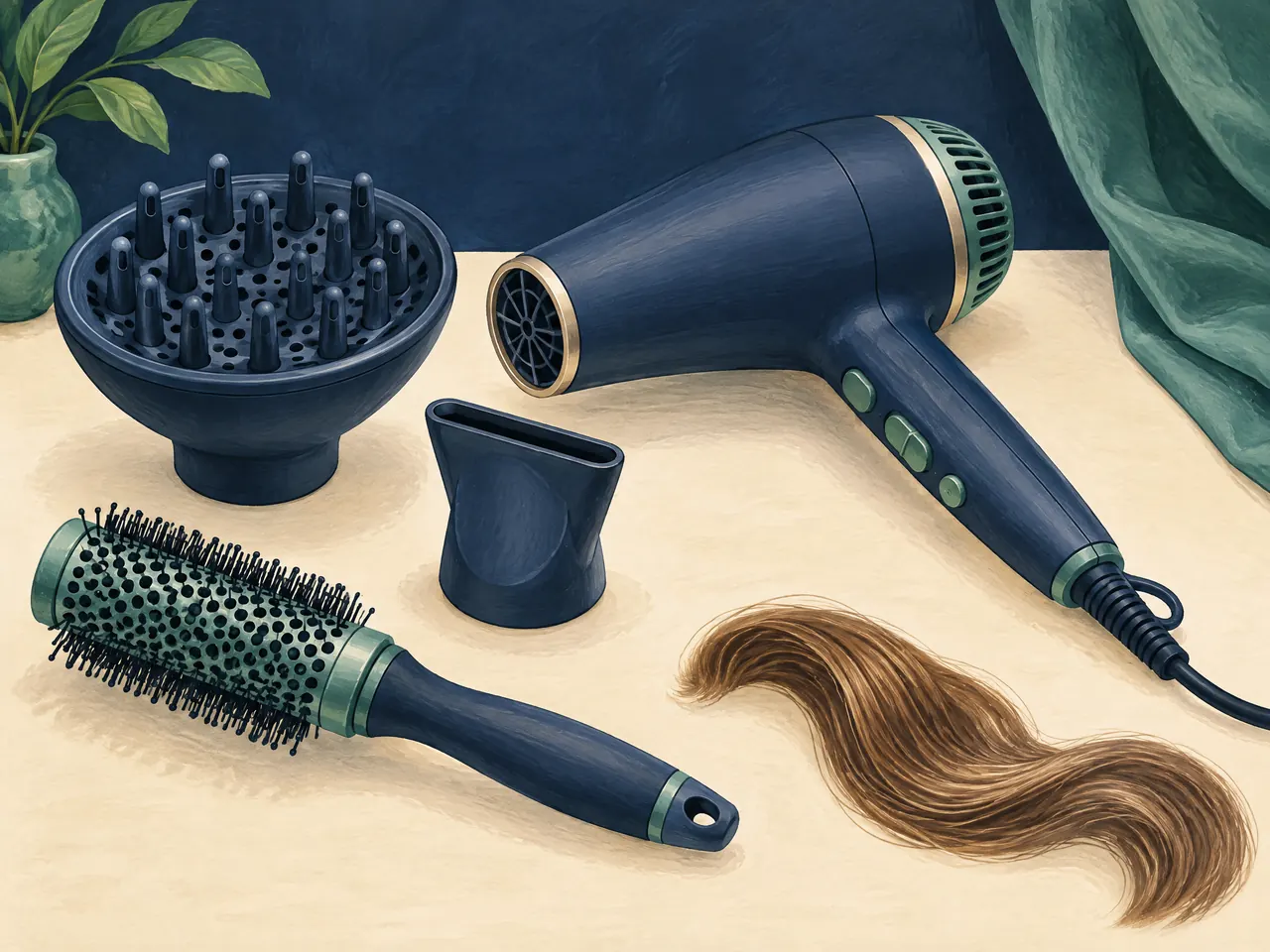
Use the finishing tools to clarify the demonstration. If the stylist uses a diffuser, nozzle or round brush, ask what each contributed and which can be omitted from your ordinary routine. Note the heat setting you were shown; the American Academy of Dermatology recommends the lowest dryer heat setting. An attachment does not remove heat-related risk, and a polished brush finish should not be mistaken for the appearance you can achieve by simply air-drying. [2]
Write down the product order for your first home wash
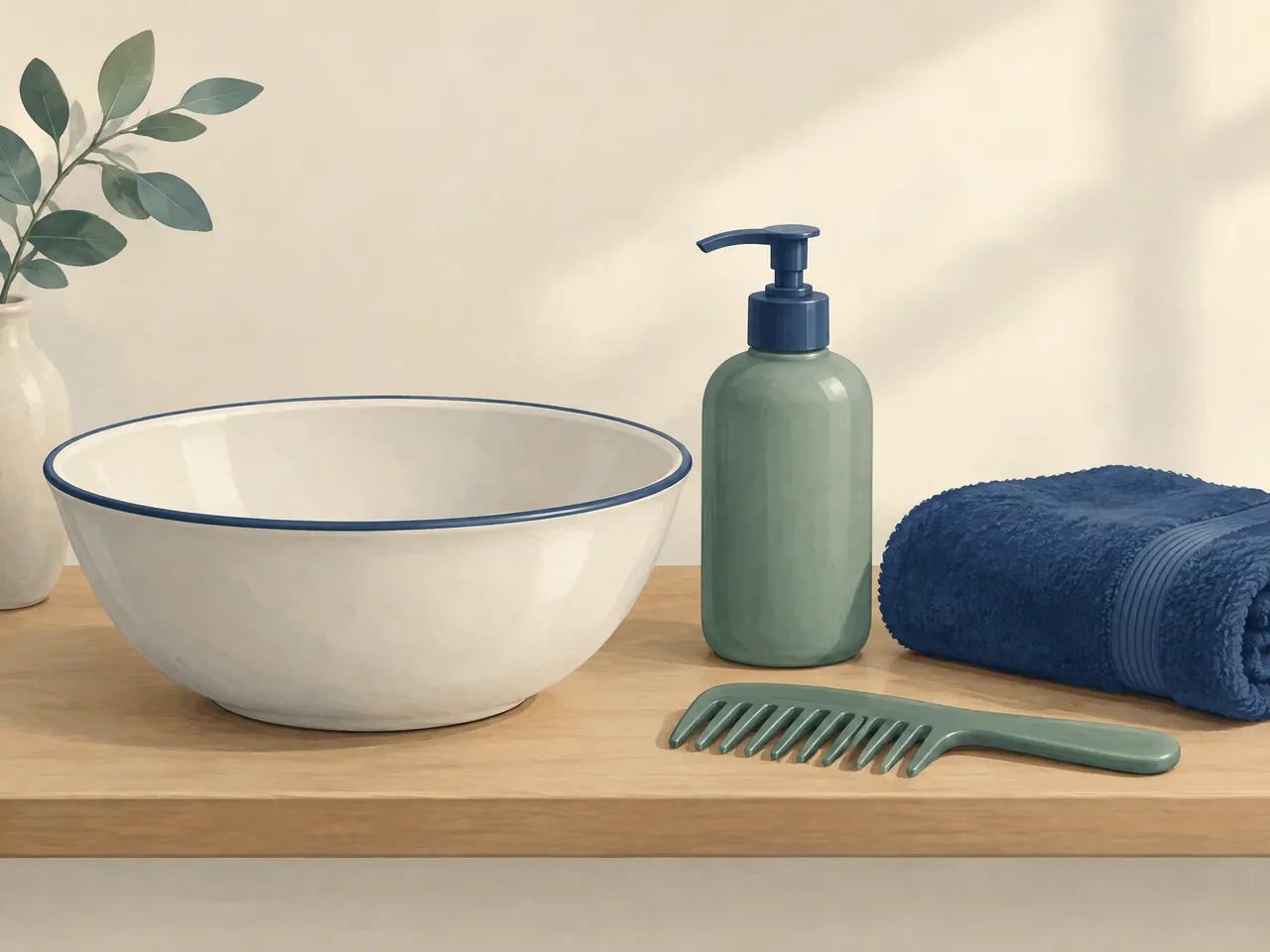
Make the aftercare note usable at the basin. Record which product is shampoo, which is rinse-out conditioner and which is a styling product. Ask the stylist to show the intended amount, where it goes and whether it is rinsed away before the next step. Keep the packaging instructions with the note rather than relying on the bottle's appearance. The American Academy of Dermatology advises conditioner after shampoo and towel absorption instead of rubbing. Those are care principles, not evidence that a particular product will reproduce your reference curl. [2]
Agree when detangling belongs in the routine
Do not assume the combing habit you used on straight hair belongs at the same point after a perm. The American Academy of Dermatology distinguishes straight hair, which it advises letting dry a little before gentle wide-tooth combing, from textured hair or tight curls, which it advises combing while damp. Ask how that guidance applies to the texture and condition you actually have. [2]
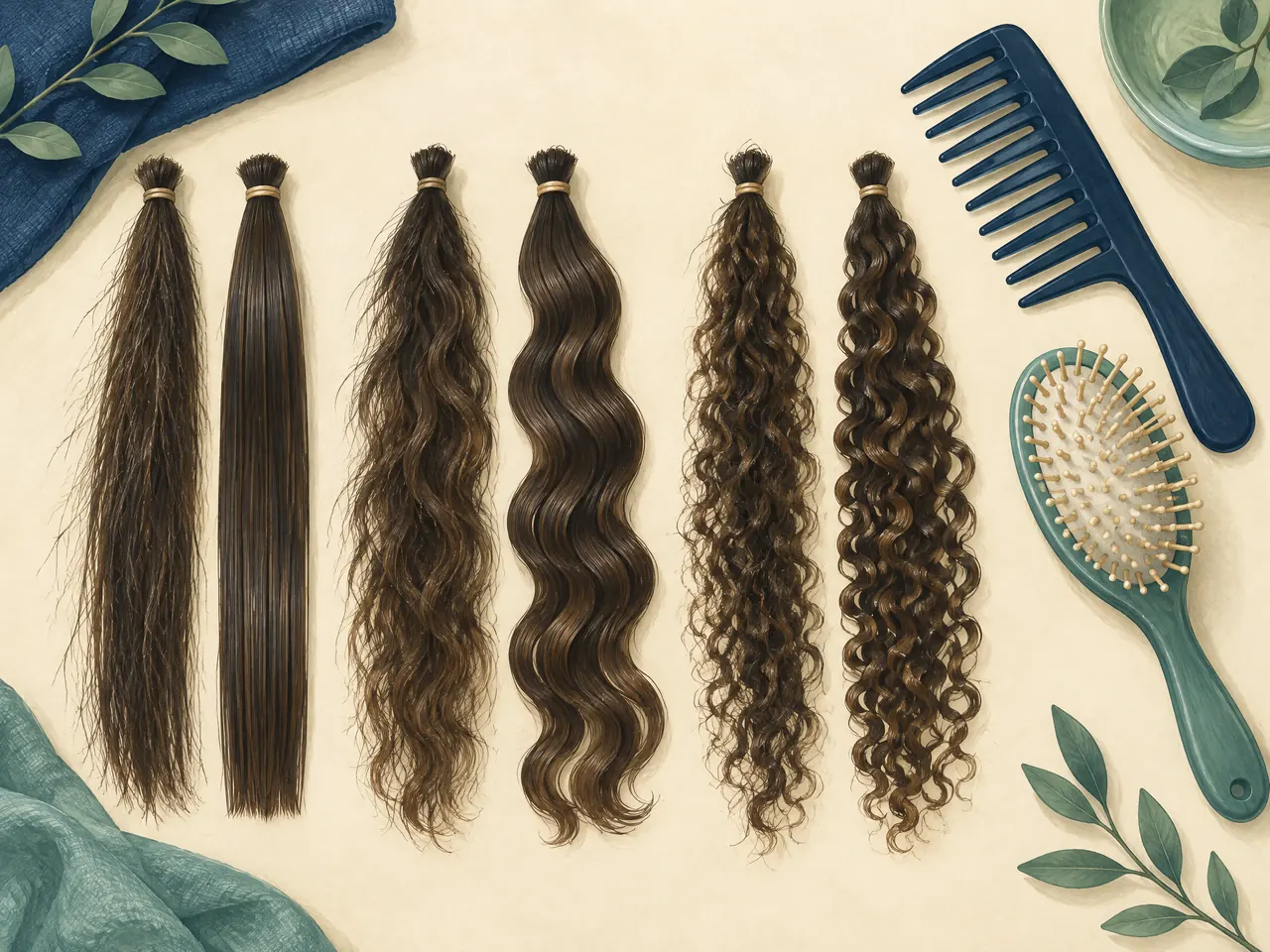
Show the stylist where knots usually form and ask for a gentle demonstration before curl shaping begins. If the comb catches, avoid pulling through the resistance; ask how to ease the tangle and whether conditioner belongs in that step. Separate practice tresses illustrate different textures, not before-and-after results or proof that every loose wave needs the same routine. [2]