Resolve conflicting length and fringe references
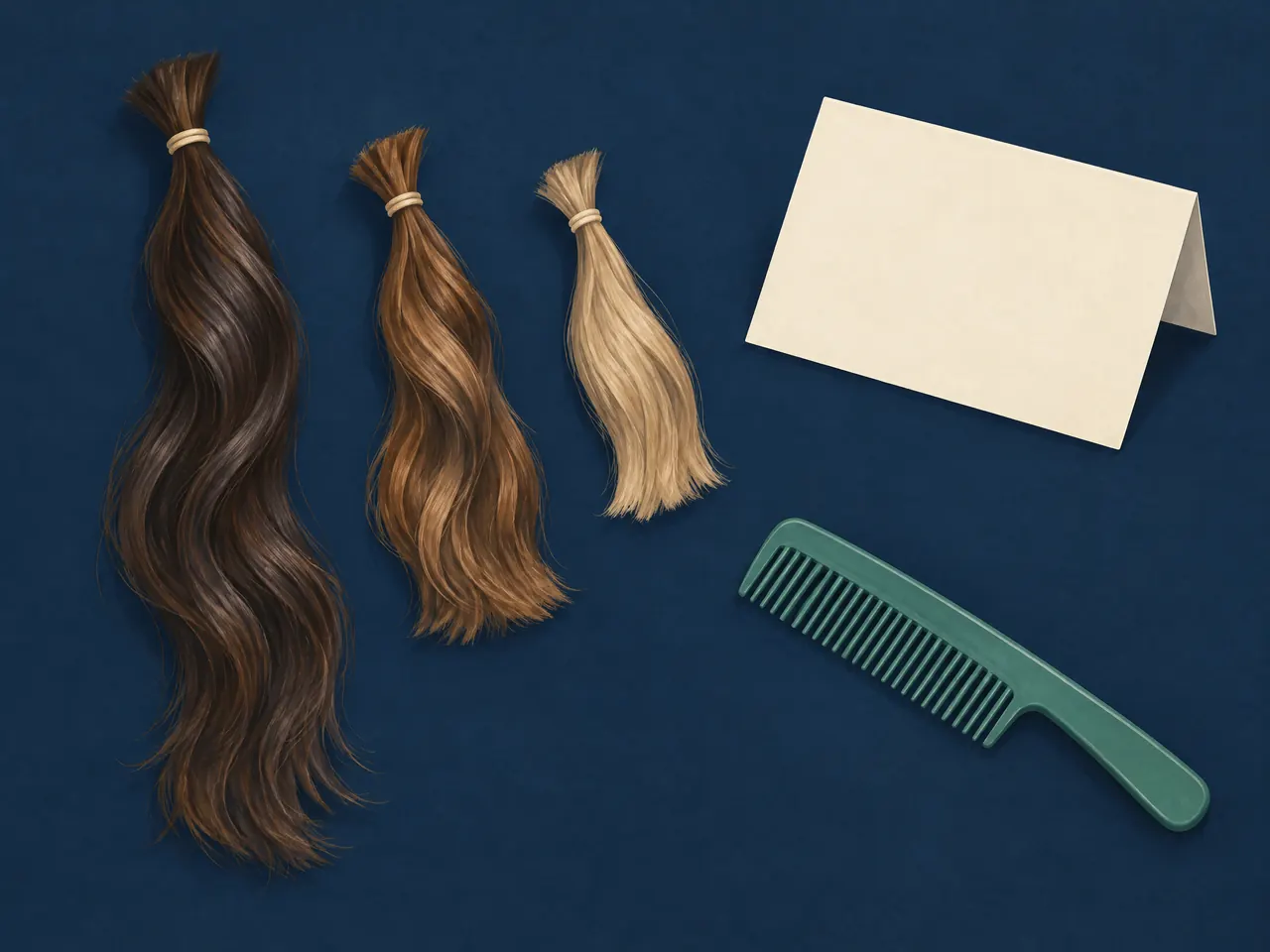
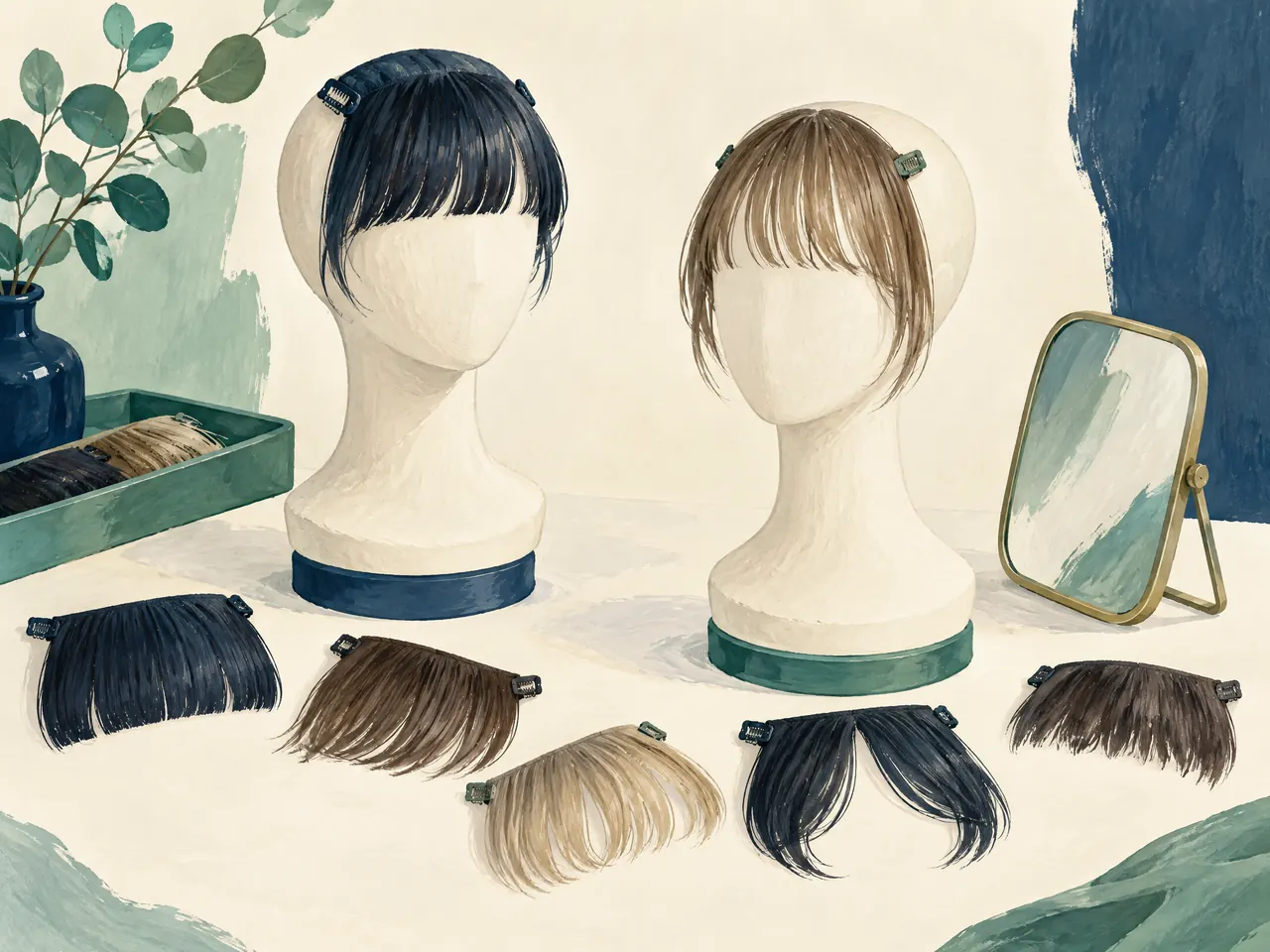
Suppose one reference shows the ends at the jaw, while another shows a longer style tucked behind the ears. Do not leave both labelled ‘preferred length’. Write what each contributes: ‘jaw-length outline from the first image; the ear-tucking movement from the second’. Ask whether those preferences can work together on the proposed piece. If not, record which matters more and the alternative you would consider. A comparison of separate practice tresses can help explain length, but it cannot show how a finished wig will sit on you.
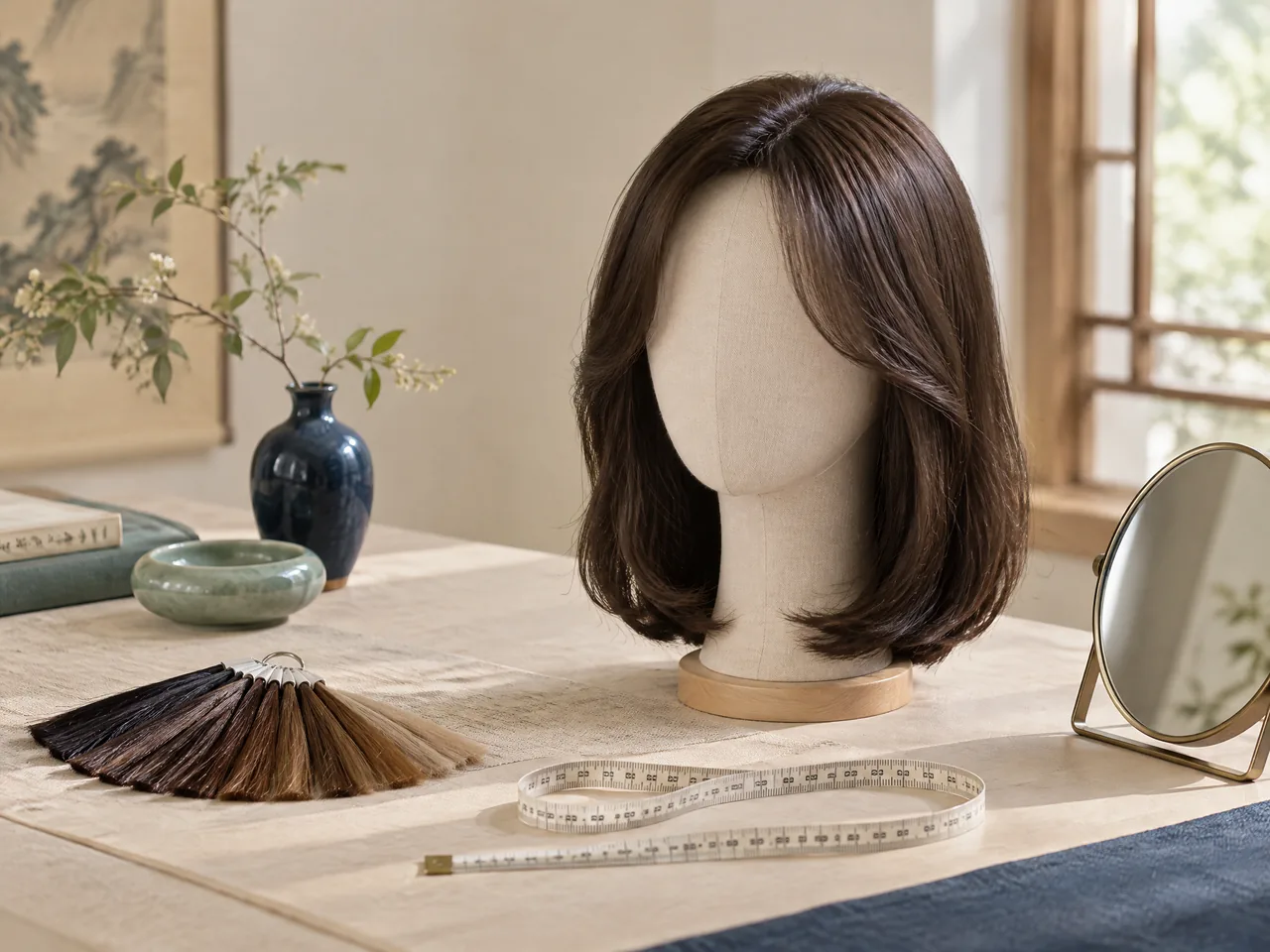
Give the fringe its own short test description. For example: ‘I want the front to sweep right without falling across my glasses when I look down.’ Ask to see the relevant movement on a suitable sample, if available. Record whether the sample demonstrates the fringe itself or only its approximate shape. A mannequin fringe study is a vocabulary aid, not evidence that the proposed construction permits the same movement.[4]
Keep style notes separate from fit observations
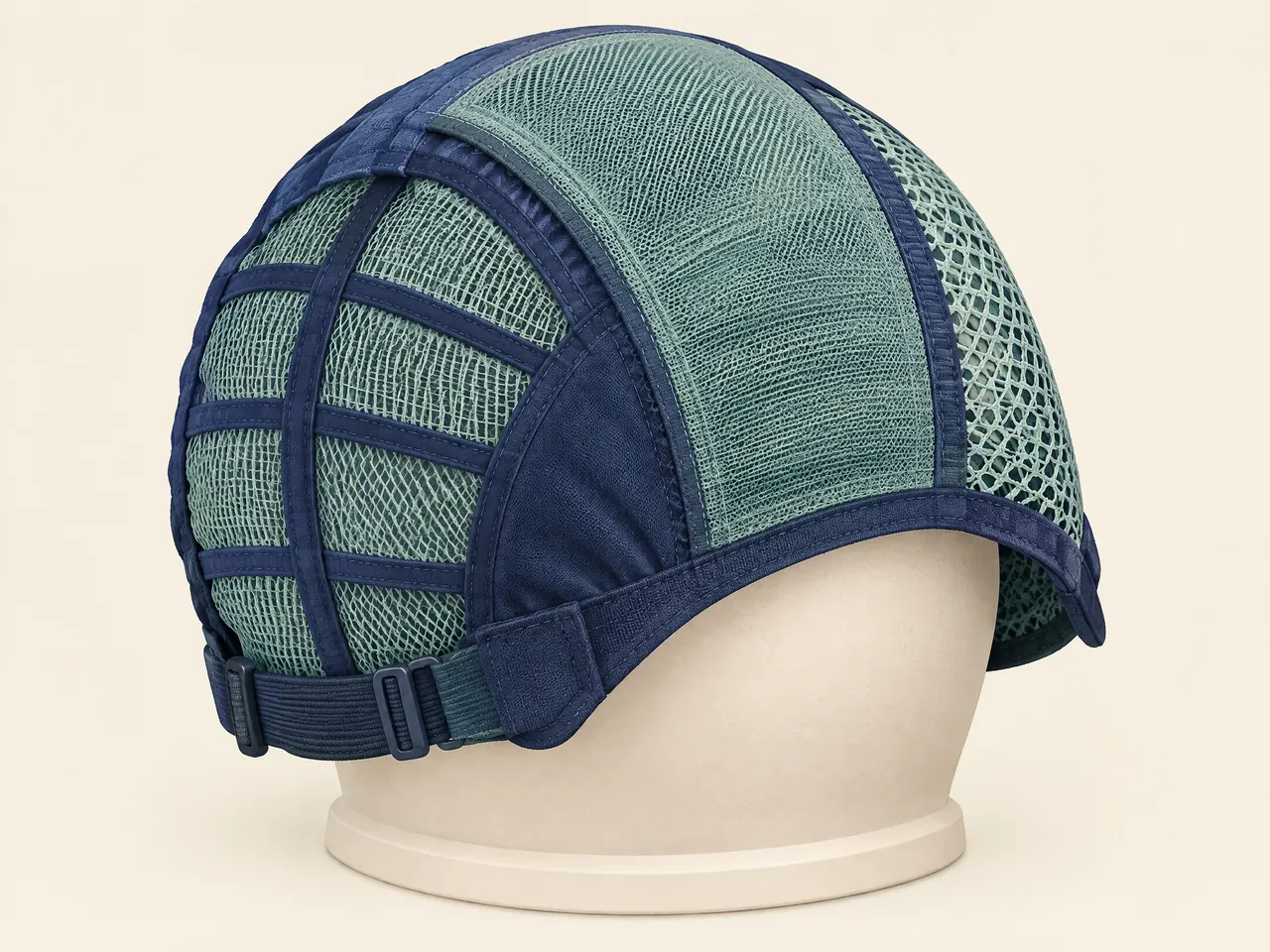
Split an unclear observation into two questions. ‘The side looks bulky beside my glasses’ concerns the visible outline; ‘I feel pressure where the glasses sit’ concerns the wearing setup. Write both rather than assuming that removing hair would solve the pressure. Ask the fitter which detail needs checking before discussing a cut. An inside-out cap illustration can prompt questions about the interior, but its generic panels and band are not specifications for the wig you are considering.
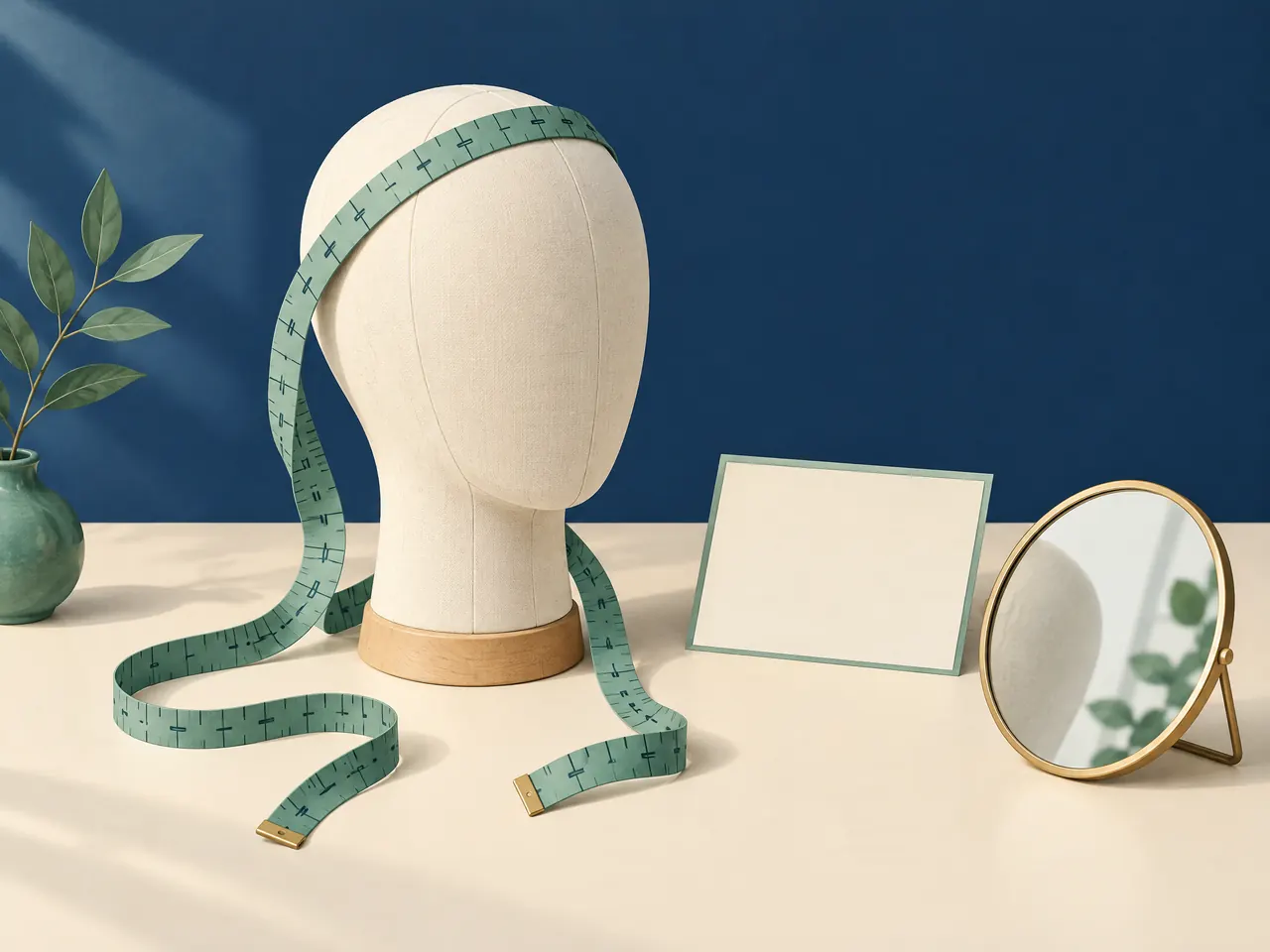
Keep any measurement figures in a separate part of the record, with who took them and whether they have been checked. A tape around a mannequin is not a measurement guide for your head. Ask what preparation and checks apply to the actual custom arrangement.[4] At the return visit, distinguish an agreed hairstyle detail from a fit concern so that each question receives an answer before further finishing is discussed.[3]
Record the colour and finish you want to repeat at home
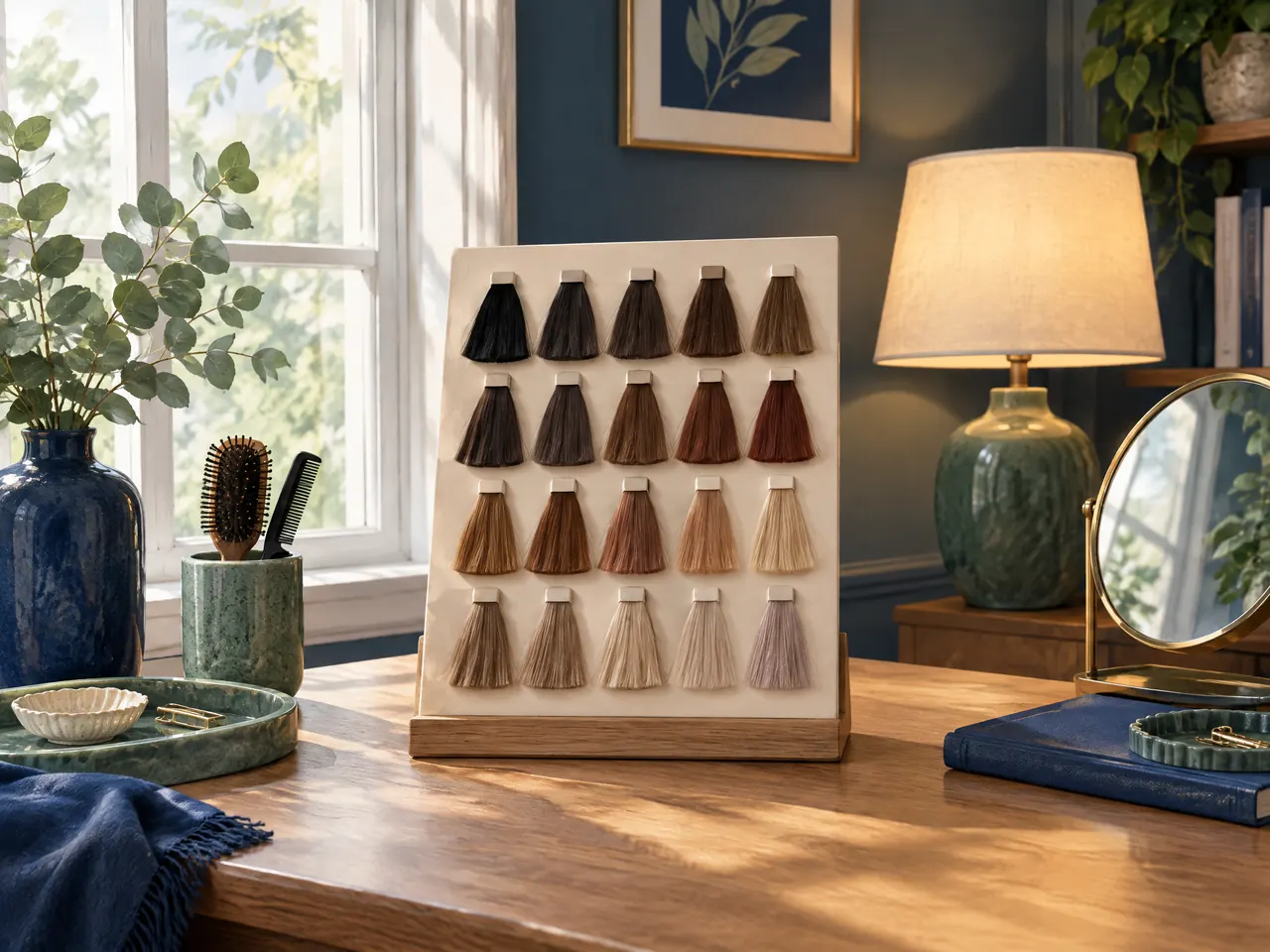
When comparing a colour reference, use the same sample rather than switching between two unnamed swatches. The American Cancer Society recommends natural light for colour comparison.[1] Record the sample identifier and a plain observation, such as ‘I prefer this tone near the window; please confirm the supply option’. Keep a photograph as a reminder, not the sole colour agreement. The lighting illustration shows one sample board in two settings; it is not a supplier shade chart.
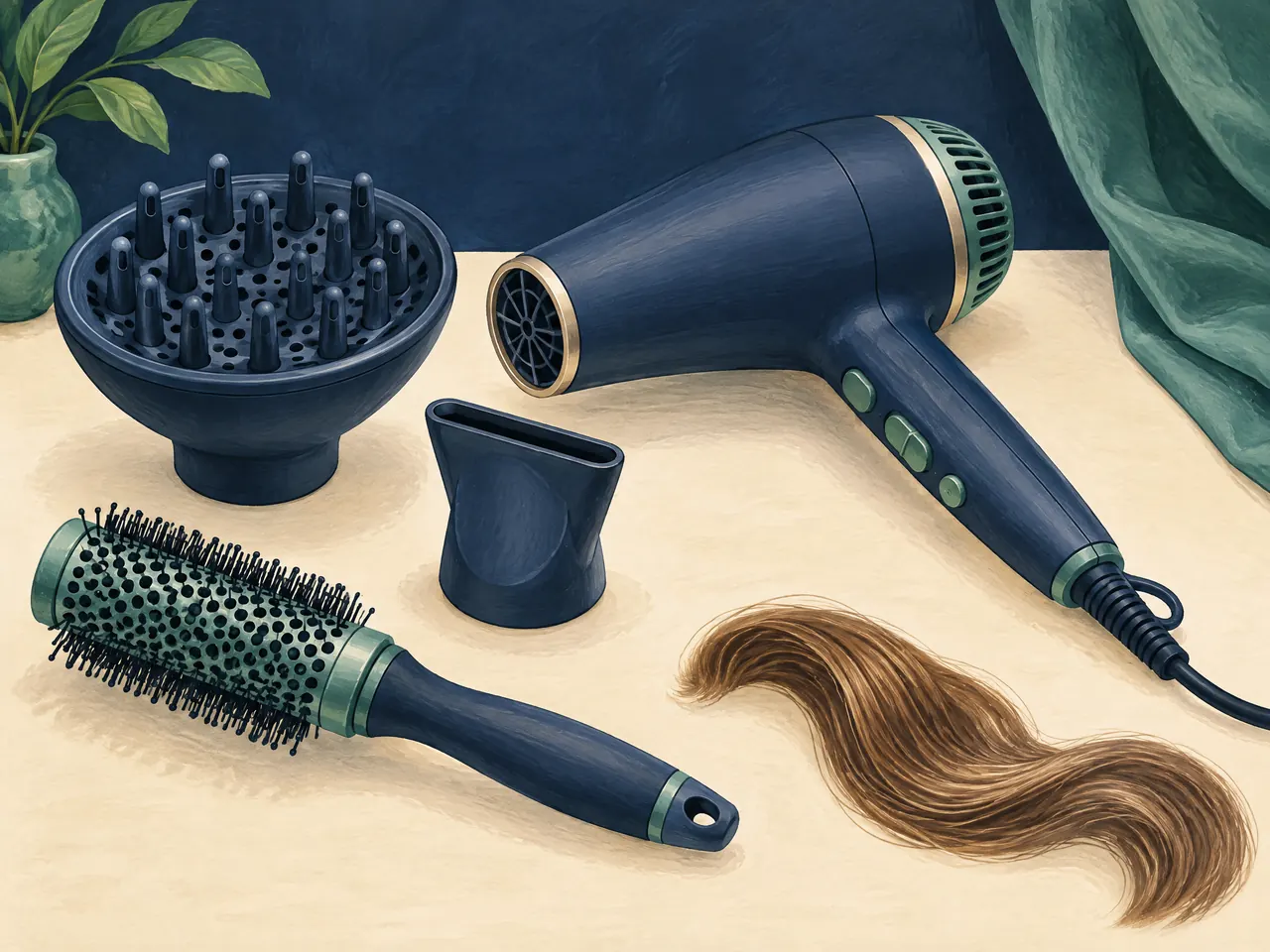
If a sample has a rounded, blow-dried finish, ask what would be involved in recreating that shape after washing. Write down which part of the look depends on styling and whether you are willing to do it. OWNSTRAND describes blow-drying at the return fitting, but that does not establish your home routine.[3] Ask for the proposed piece's care and heat-compatibility guidance before using a dryer or heated tool; the American Cancer Society cautions against heat styling unless the wig is heat resistant.[1]