
Prince Edward & Kwun Tong clinics · Home-visit enquiries elsewhere

TCM Lab

TCM Lab · Beauty & lifestyle / Fit and comfort

Custom or ready-made: compare fit before deciding how a wig is made

Content updated

A comfortable wig decision starts with what happens on your head, not the word on the label. Compare placement, movement and the changes you can realistically request before committing to an existing design or a measured custom order.

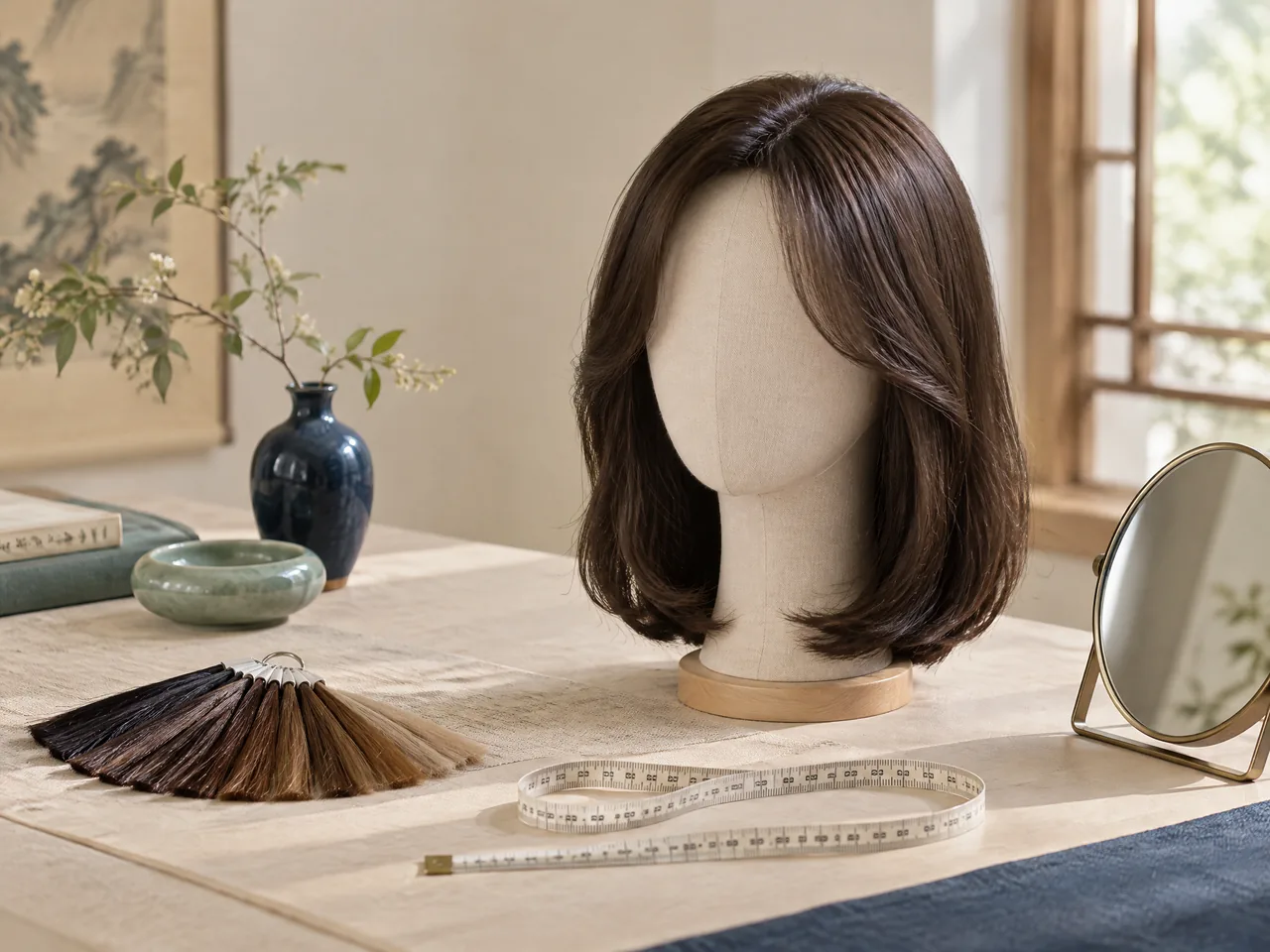
Illustrative wig selection, colour swatches and fitting tools
Illustrative wig-lifestyle concept; not an OWNSTRAND product photograph or a client record.

The short answer

Choose a ready-made wig when the specific cap, confirmed size and available style meet your needs. Consider custom when you have a clear requirement that the measured service can address. For either route, prepare your hair consistently, check the actual piece during ordinary movement and confirm which adjustments and follow-up services are included. Custom is not a guarantee of comfort, and ready-made is not a guarantee of immediate availability.

OWNSTRAND is an external wig and hairpiece website under the same ownership as TCM Lab. These appearance and everyday wearing guides are separate from Chinese medicine care, not diagnosis, treatment or a promise of hair growth.

Decide what a good fit must let you do

Write down the situations in which you expect to wear the wig. Perhaps you need to read at a desk, look down while cooking or wear glasses throughout an MTR journey. Pick the activities that matter most to you, then use them as comparison points. A flattering reflection while sitting still answers only part of the question. This article concerns full wigs; a topper covers a local area and needs a different coverage and attachment discussion. [1]

Separate essential requirements from preferences. Being able to turn your head without repeatedly correcting the cap may be essential; having a slightly longer fringe may be negotiable. Bring photographs if you want to retain a familiar hairstyle. Cancer Research UK also suggests taking a trusted companion and asking about privacy if that would make the fitting easier. Confirm arrangements rather than assuming a separate room will be available. [3]

TCM Lab and OWNSTRAND share ownership; the linked pages provide shopping and service context, not an independent endorsement. OWNSTRAND's guide to custom vs ready-made wigs explains the different selection processes. Use it to prepare questions about a specific existing design or a measured custom option, not to conclude that either label guarantees a better result. Confirm which styles or samples can actually be seen before travelling. [4]

Measure for the way you will actually wear it

A size name is a starting point, not a complete fit assessment. The American Cancer Society advises checking the selected brand's chart because sizes can vary between brands. Jon Renau's manufacturer guide records circumference, ear-to-ear and front-to-back dimensions. These describe different parts of the head, so a comfortable circumference alone does not settle whether the cap's depth or length suits you. Use the chosen maker's diagrams rather than borrowing another brand's numbers. [1] [2]

Prepare existing hair before measuring if you will wear the wig over it, as Jon Renau advises. Use a flexible fabric tape and ask someone to help follow the correct landmarks. Record the measurements with their units, the chart used and how your hair was arranged. For try-ons, recreate that arrangement as closely as possible. If you expect to use a liner, ask whether it should be included in the fitting setup. [2]

If your measurements suggest different sizes, show all of them to the fitter instead of rounding everything into an average label. Ask where a proposed cap may have spare room or limited depth. Where hair loss or regrowth is changing the amount beneath the wig, discuss when another fit check would be useful. The wig changes appearance, not hair growth; sizing advice should remain separate from diagnosis or treatment. [3]

Check placement before reaching for the adjusters

Ask the fitter to demonstrate putting on the actual wig, then repeat the process yourself. Follow its supplied instructions: a method remembered from another piece may not suit this one. Check where the front edge is intended to sit and whether the sides are balanced. For caps with ear tabs, observe their relationship to your ears. The American Cancer Society advises keeping the wig off the ears; avoid pulling the whole piece downward simply to hide an edge. [1]

Before making any permitted strap adjustment, describe what you feel. Is the pressure beside one temple, across the forehead or at the nape? Does the cap appear spacious at the crown even though the edge feels snug? These are more useful observations than saying only that it feels wrong. Ask the fitter to inspect the placement first so you are not trying to compensate for a positioning problem by tightening everything.

If the model has adjustable tabs, have the fitter show their intended use and the available adjustment for that piece. Some wigs include them, but their presence does not tell you how much change is possible. [1] Do not add tape, clips or a grip band simply to force an unsuitable cap to stay put. Ask whether any proposed accessory is appropriate, how to remove it and whether you can manage that routine yourself.

Compare fit through ordinary movement

Once the wig is positioned, repeat a few gentle actions from your day: sit and stand, turn to speak to someone and look down as if reading a phone. Put on your glasses after the initial placement and notice how their arms sit beside the cap. Use the same sequence for each candidate. This is a practical comparison exercise, not proof that a brief indoor fitting predicts every outdoor or all-day condition.

Notice the cap separately from the hair. Hair brushing a collar does not necessarily mean the base has shifted. If the front edge moves or the nape lifts, show the fitter what changed and which action preceded it. Ask permission before taking comparison photographs. A front and side view can help you distinguish the original position from the position after movement without relying only on memory.

Do not test security by tugging hard or shaking vigorously. If something hurts or feels unstable, stop and ask for assessment. Also note what you cannot judge during the appointment, such as comfort through a long humid commute or how manageable removal will feel at home. Ask what follow-up is available if a concern appears later. Treat an unanswered question as something to resolve, not as evidence that the wig will eventually become comfortable.

Separate cap adjustments from finishing the hairstyle

A fringe that obscures your eyes is a styling concern; an edge pressing against your ear is a fit concern. Explain them separately. A stylist may be able to trim a fringe or reduce apparent fullness, as the American Cancer Society notes, but that does not establish that an incorrectly fitting cap can be corrected with a haircut. [1] Ask which issue the proposed work addresses and what will remain unchanged.

For a completed OWNSTRAND custom item, custom wig fitting Hong Kong describes the return visit before collection. That route can include trying on the finished piece, discussing adjustments, and washing, cutting and blow-drying to refine the style. Confirm the work for your order before it begins. The page does not promise that every requested alteration is possible or that wigs purchased elsewhere can receive the same service. [5]

Before approving a cut, ask the stylist to show the proposed length and explain the effect on face framing. Keep fit observations from before the styling work so you can check them again afterwards. For a ready-made candidate, establish whether styling changes affect its return or exchange conditions before agreeing. Buying advice from the American Cancer Society emphasises checking the seller's return policy; it should not be assumed from another retailer's practice. [1]

Choose the route with the clearest answers

A ready-made option is worth considering when the actual cap and style meet your requirements without relying on uncertain alterations. A custom conversation is useful when you can identify a specific unmet need and the maker can explain which agreed choices address it. Distinguish a sample used to discuss appearance from the finished piece you will wear. OWNSTRAND describes sample viewing, measurement and a return fitting as parts of its custom human-hair process. [4]

Compare written details rather than headline labels: the selected size or measurements, agreed style, included fitting work and arrangements if a concern remains. Ask separately about making, supply and appointment timing. OWNSTRAND's catalogue does not confirm local stock or immediate try-on. Its only confirmed shop is Unit 2103, Li Po Time Centre, 50 Hoi Yuen Road, Kwun Tong, Hong Kong; check visit arrangements before setting out. [4] [5]

Before collection, practise removal and putting the wig on again using the item's instructions. Ask for the care guidance that applies to its actual fibre and construction, then repeat back any adjustments completed and any follow-up agreed. [1] [3] Choose when your essential fit questions have workable answers. If neither candidate meets them, another size, a different design or more discussion is a reasonable next step; there is no need to force a decision at the mirror.

Take it into everyday life

A practical checklist

  • Write down your essential daily activities and separate them from cosmetic preferences.
  • Bring useful hairstyle references, your glasses and any liner you intend to discuss.
  • Record the required measurements, units, brand chart and hair preparation method.
  • Confirm the exact candidate, sample availability and visit arrangements before travelling.
  • Practise correct placement before adjusting straps or considering accessories.
  • Repeat gentle everyday movements and describe the location and timing of any discomfort.
  • Get approval and policy details before a cut or other irreversible styling change.
  • Confirm included adjustments, removal instructions, item-specific care and follow-up in writing.

Questions & answers

My circumference fits an average size, but the nape lifts. Should I order custom immediately?

Not necessarily. Ask the fitter to check placement, hair preparation and the cap's other dimensions first. Compare another size or design if available. A custom discussion becomes more useful when you can describe the unresolved fit issue and the maker can explain how the proposed specification would address it. A size label alone is not enough to make that decision. [1] [2]

Should I wear a wig liner when my measurements are taken?

Tell the fitter how you plan to wear the wig and ask whether to measure or assess it with that liner. Prepare your own hair according to the selected maker's guidance and record the setup. Bring the liner to the try-on if possible, so the appointment reflects your intended routine rather than an arrangement you will not use at home. [2]

What if the wig feels fine until I put my glasses on?

Show the fitter where the glasses and cap meet, then repeat the action that causes the discomfort. Ask whether positioning or a different cap design is worth assessing. Do not assume you must tighten the wig or tolerate pressure because the initial mirror check looked good. Include your glasses in the final movement comparison before deciding.

Can cutting a ready-made wig make it fit like a custom one?

A suitable trim can refine the hairstyle, but it does not by itself change the cap's dimensions. Clarify whether the concern is visual fullness, fringe length or the base's fit. Ask what the stylist can change and confirm the seller's return conditions before approving work. Custom and ready-made describe different selection routes, not guaranteed levels of comfort. [1] [4]

What should I clarify before collecting an OWNSTRAND custom wig?

Confirm the completed item's fit, the styling work you have approved, how to put it on and remove it, and the care instructions for that particular piece. Ask what happens if a fit concern remains and which follow-up arrangements are agreed. OWNSTRAND's completion visit can include washing, cutting and blow-drying, but the work and visit arrangements need confirmation for your own order. [5]

Sources & further context

Numbered references follow the source order below. Product and service websites provide appearance-related context, not medical evidence.

  1. [1] American Cancer Society — Wigs for Hair Loss
  2. [2] Jon Renau — Wig Sizing 101
  3. [3] Cancer Research UK — Wigs, hats and scarves
  4. [4] OWNSTRAND — Custom vs Ready-Made Wigs: How to Choose
  5. [5] OWNSTRAND — Wig Fitting Hong Kong and Custom Wig Kwun Tong: Completion Visits

Keep a fitting record you can use at the next visit

Give each candidate its own short note rather than recording only 'custom' or 'ready-made'. Start with the exact style or sample identifier, then separate the wearing setup from the observation. For example: 'Hair arranged flat; glasses on; nape lifted when looking down; fitter checked placement; movement repeated afterwards.' Record only what actually happened. This makes a later comparison more useful than a general comfort score, because you can see whether two pieces were assessed under different conditions.

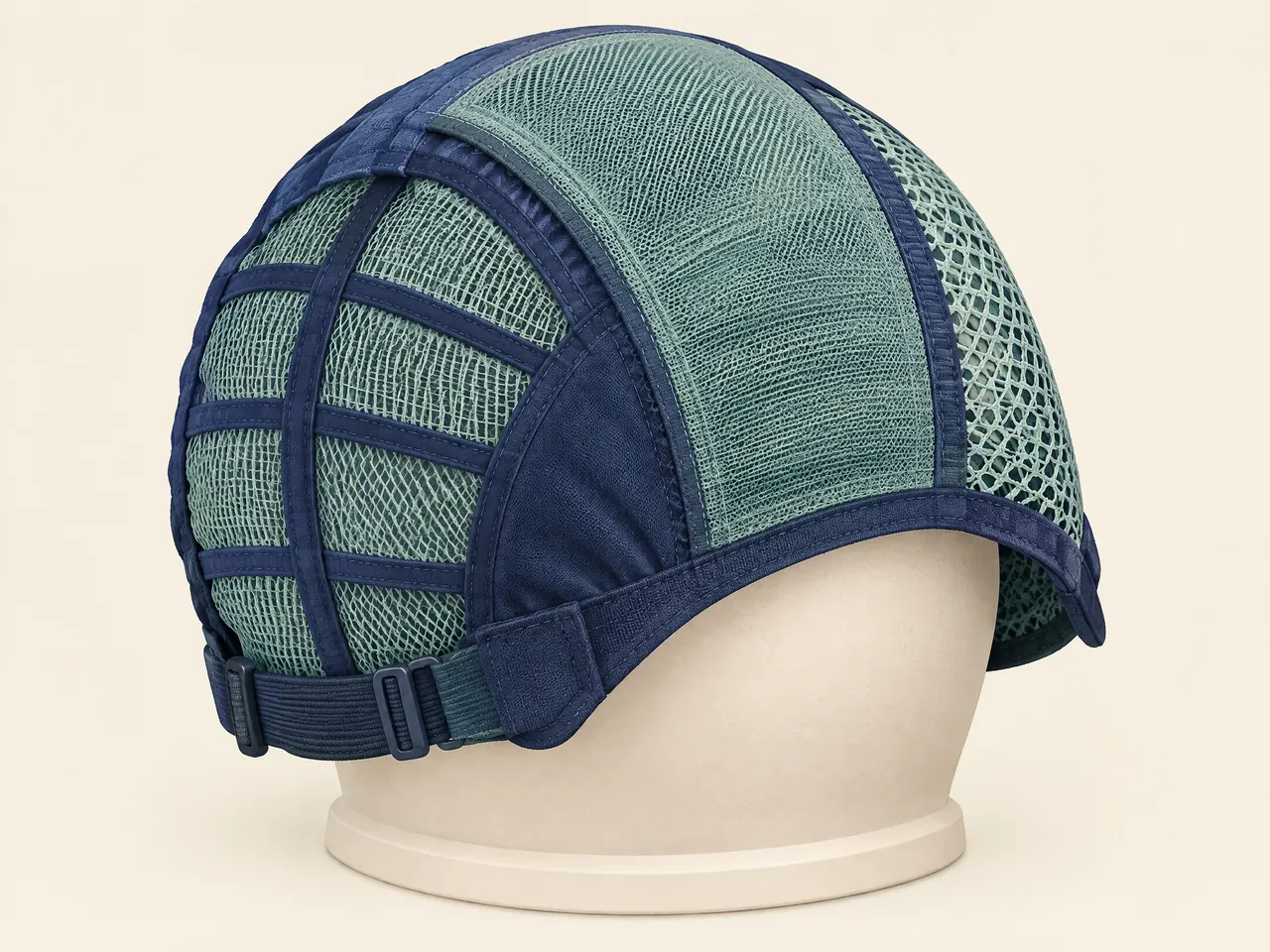
Keep measurements in a separate part of that note, alongside the maker's chart and any explanation of the proposed size. Jon Renau's guide uses three measurements, but its landmarks and chart belong to that manufacturer's guidance. [2] Ask the fitter which measurements inform the specific order and whether you are inspecting a sample cap or the finished item. The cap illustration shows features to ask about, not a specification for either candidate; a visible band or mesh panel does not establish an adjustment range or predict your comfort.
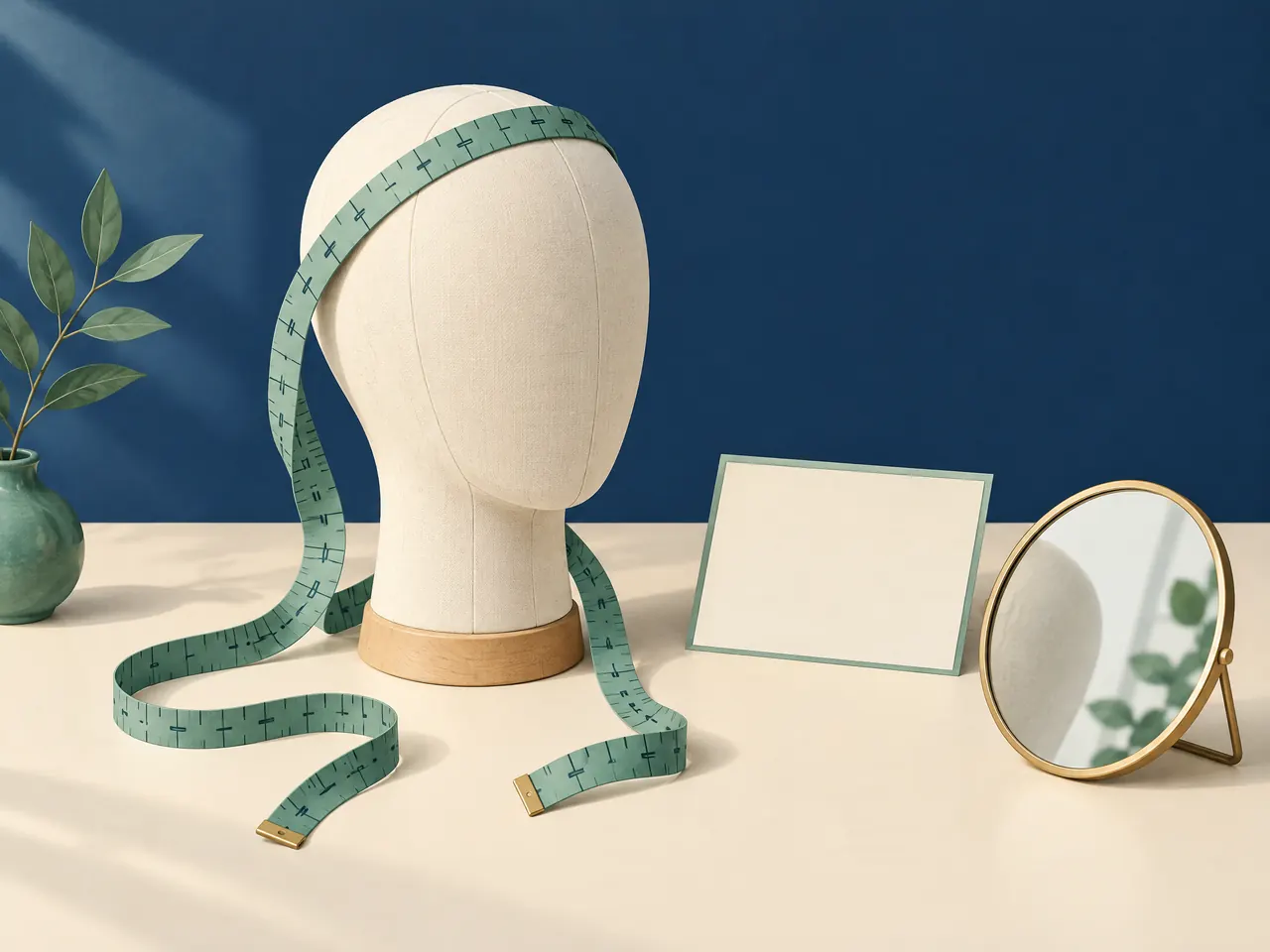
Fabric measuring tape around a blank mannequin dome beside an empty fitting-note card and mirror
Illustrative fitting-record tools; follow the selected maker's measurement guidance rather than using this scene as a measuring diagram.Generated illustrative image
Inside-out generic wig cap on a plain stand, showing illustrative mesh panels and an adjustable band
Illustrative cap interior for discussing construction and adjustment; not an OWNSTRAND product specification or evidence of comfort.Generated illustrative image

Record the cut you approve, not just the look you like

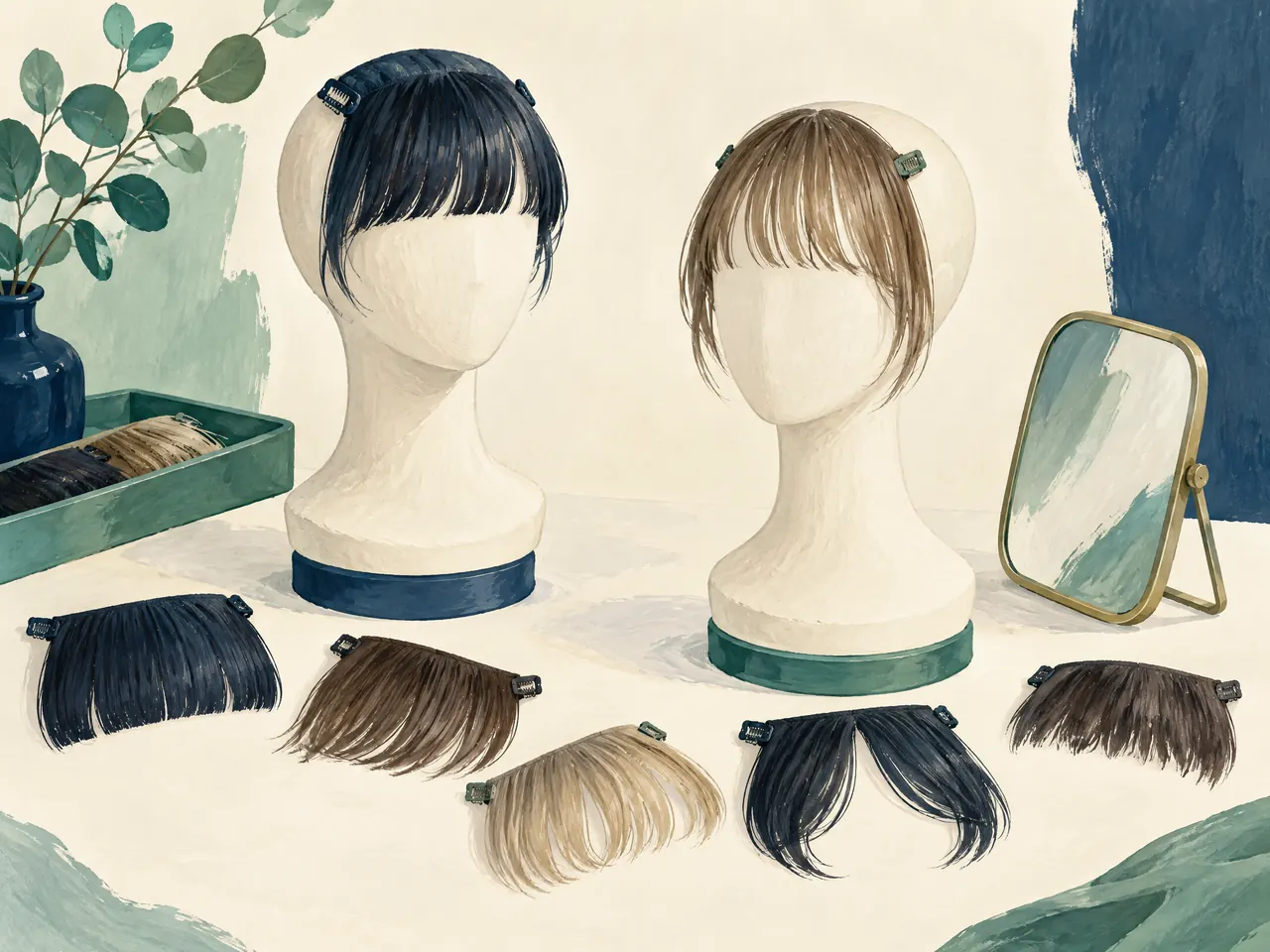
Turn a preferred hairstyle into a small set of visible reference points. Instead of asking only for a shorter wig, indicate where you want the ends to sit when your head is upright. Give the fringe its own reference: which part should remain clear of your eyes, and which direction you intend to wear it? The separate practice tresses and fringe forms illustrate two different conversations. Neither shows how a particular wig will look on your head or how much can safely be removed.

Before a cut begins, ask the stylist to show the proposed change on the actual piece and record what you approve. If a reference photograph combines a shorter fringe with less fullness at the sides, clarify whether both changes are intended rather than treating the picture as one instruction. OWNSTRAND's completion service can include cutting and other finishing for its completed custom item, subject to the work agreed for that order. [5] Keep any unresolved cap concern separate: approving the hairstyle is not confirmation that the fit problem has been addressed.
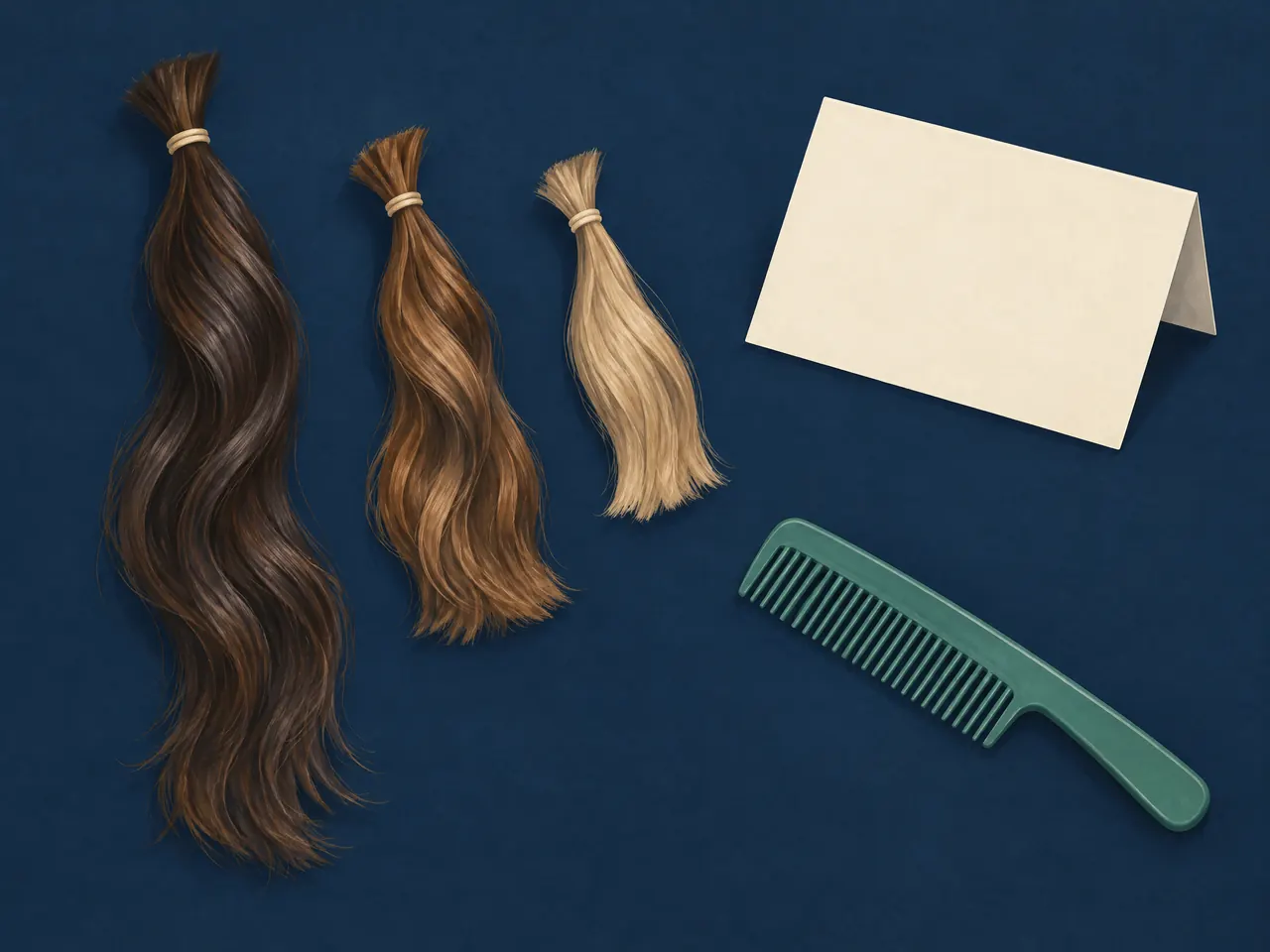
Three separate practice hair tresses of different lengths beside a blank consultation card and comb
Practice-length illustration for describing a preferred endpoint; not a before-and-after haircut or an available wig range.Generated illustrative image
Two featureless mannequin forms with detachable practice fringe pieces beside a small mirror
Fringe-planning illustration for separating fringe direction from overall length; not a customer fitting or a promised styling result.Generated illustrative image

Check whether you can manage the wig away from the mirror

A secure try-on still leaves the removal routine to resolve. Ask the fitter to identify each fastening that actually belongs to the piece and show its release sequence. Then practise that sequence yourself under guidance. If you cannot comfortably reach a fastening or distinguish it from the cap edge, describe that difficulty before choosing. The clips and band in the illustration are discussion examples, not a kit to add to every wig. Ask what is required, what is optional and whether a simpler arrangement can be assessed without masking a poor fit.

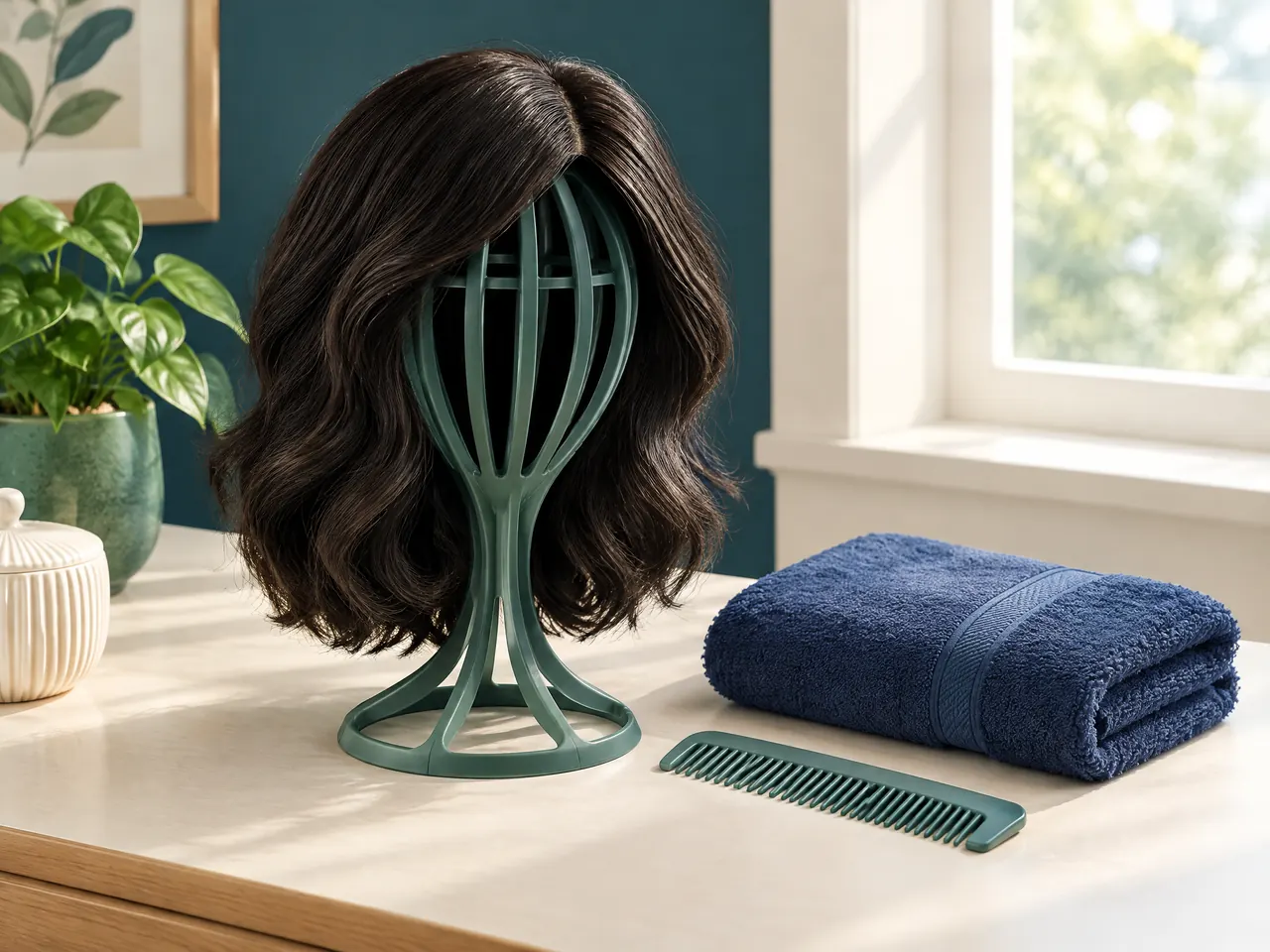
Also ask the supplier to talk you through the first wash and drying cycle for the specific item. Establish where it will rest, which support is suitable and whether that setup fits the space you have at home. An open stand in an illustration is not a drying instruction for every fibre or construction. The American Cancer Society cautions against using a hairdryer unless the wig is heat resistant. [1] If OWNSTRAND blow-dries your completed custom piece during finishing, that service does not by itself tell you which tools or settings to use later; obtain the item's own care guidance before trying to repeat it. [5]
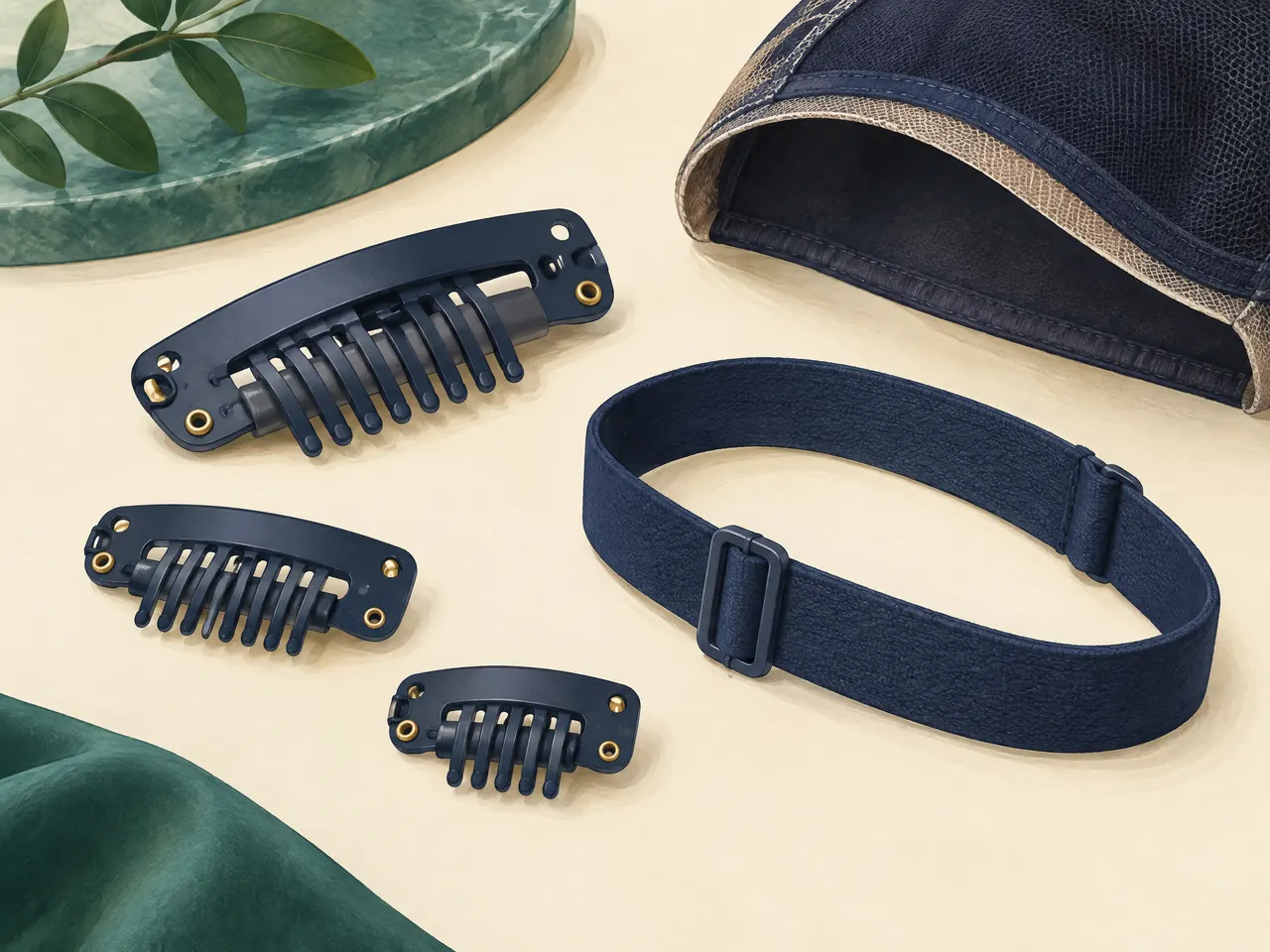
Generic hairpiece clips, a soft adjustable band and an empty sample cap edge arranged separately on a tabletop
Illustrative fastening examples for asking about release and handling; not a recommended attachment method or a supplied accessory set.Generated illustrative image
Anonymous wig on an open ventilated stand beside a folded towel and comb in indirect daylight
Illustrative care setup for discussing item-specific drying and support; not a universal drying method or a product photograph.Generated illustrative image

Clinic enquiries

Contact and appointment arrangements

Clinics
Prince Edward and Kwun Tong
Opening hours
11:00–21:00
WhatsApp and telephone
+852 6940 5663

Appointments, practitioner availability and service arrangements are confirmed via WhatsApp.

Please mention any consultation language needs in your WhatsApp enquiry so that arrangements can be confirmed.

Enquire via WhatsApp
Food, gifts and floral lifeWhatsApp enquiry