
Prince Edward & Kwun Tong clinics · Home-visit enquiries elsewhere

TCM Lab

TCM Lab · Beauty & lifestyle / Shapes and styling

Wigs with bangs: choose the fringe around your glasses and forehead

Content updated

A fringe that looks right in a photograph may sit differently above your own frames. Use your everyday glasses, a settled cap position and a clear trimming plan to choose a look you can comfortably repeat.

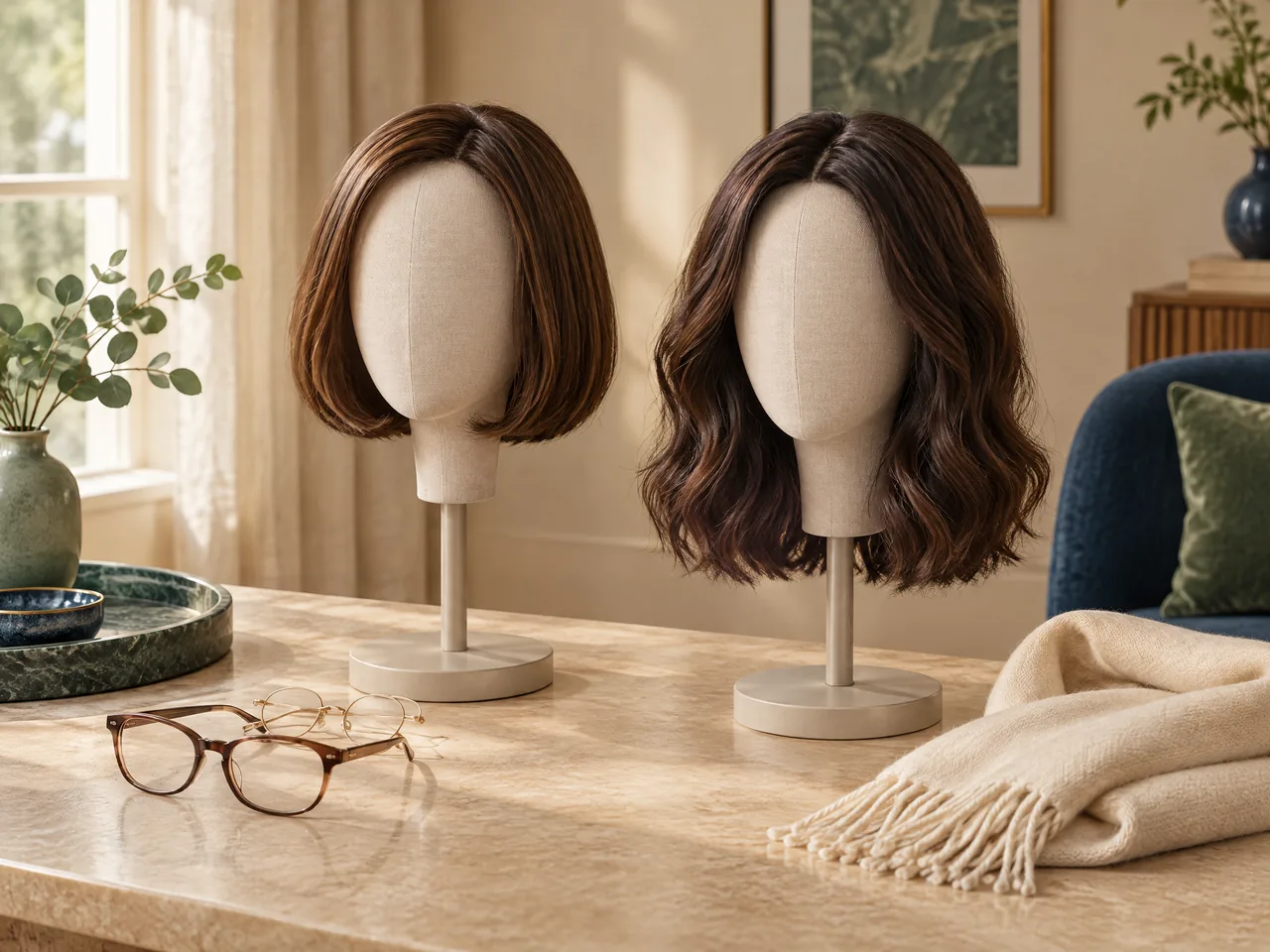
Illustrative bob and wavy wig silhouettes
Illustrative wig-lifestyle concept; not an OWNSTRAND product photograph or a client record.

The short answer

Try the wig with the glasses you normally wear, but remove them while putting the cap on. Once the cap is correctly fitted according to its instructions, replace your glasses and check your view while reading, turning your head and taking the frames off. Choose forehead coverage by preference, not a fixed face-shape rule. Confirm the fibre, permitted styling and alteration terms before a wig-experienced stylist trims anything.

OWNSTRAND is an external wig and hairpiece website under the same ownership as TCM Lab. These appearance and everyday wearing guides are separate from Chinese medicine care, not diagnosis, treatment or a promise of hair growth.

Bring the glasses you actually wear

Take your everyday prescription glasses to the fitting, not just a photograph of yourself wearing them. Bring reading glasses or sunglasses too if you regularly swap pairs. Different frames let you check different things: the upper rim shows where the fringe ends, while the arms reveal whether the cap and frames compete for space near your ears. A style chosen without those checks leaves an important part of your daily outfit out of the decision.

The American Cancer Society advises removing glasses before putting on a wig and following the instructions supplied with it. After the cap is settled, put your glasses back on gently. Specialist retailer Wigs.com describes several possible frame positions around ear tabs, depending on construction, and warns against forcing arms into openings that do not accommodate them. Ask the fitter to demonstrate a comfortable route for your particular pair rather than assuming all caps work the same way. [1] [2]

Notice whether the frames remain level and whether either side feels pinched. If your glasses need adjustment, speak to an optician rather than bending them during the fitting. You do not have to buy thinner frames just to make a favourite wig work; comparing another cap or style is also a reasonable option. [2]

Choose your forehead outline, not a face-shape rule

Look straight ahead with your glasses on and decide how much forehead you enjoy seeing. You might prefer a continuous fringe above the rims, a small opening at the centre, or a sweep that leaves one eyebrow visible. These are preferences to test, not corrections your face needs. Compare the complete outline from fringe to temples; a front section can look appealing on its own yet feel too crowded beside your chosen frames.

For browsing, OWNSTRAND's wigs with bangs page is a starting point for integrated full-wig fringe styles, rather than a detachable fringe piece. Use it to identify a direction you would like to try, then ask for the actual option's front length, parting and construction. Its style illustrations do not establish how the fringe will fall on your forehead or confirm availability. TCM Lab and OWNSTRAND share ownership; this link is for product exploration, not an independent recommendation. [3]

Take front and side photographs at normal viewing distance, with permission in the shop. Compare one feature at a time, such as how much eyebrow is visible, instead of changing colour, length and fringe direction together. If you prefer a parted fringe, ask whether the individual wig supports that arrangement before choosing it. [3]

Settle the cap before deciding the fringe is too long

A fringe's apparent length depends partly on where the wig sits. Before discussing a trim, have the fitter check the cap position using the maker's instructions. Keep your own hair arranged as you expect to wear it beneath the wig. If you plan to use a liner, include it in this check rather than adding it only after the front has been cut. The useful starting point is a fit you can reproduce, not one perfect mirror pose.

Check that the ear tabs, where present, are level and that the cap does not cover your ears. The American Cancer Society recommends checking the size chart for the particular brand because sizing can vary. Do not pull the cap backwards simply to lift the bangs away from your lenses: that changes the position you are judging. If the front shifts whenever you turn your head, pause the style comparison and ask the fitter to reassess fit. [1]

When comparing women's wigs through OWNSTRAND, note the exact design and cap size you want to discuss, alongside your fringe preference. A full wig provides whole-head coverage; a topper addresses a smaller area and is not an interchangeable fitting choice. Ask which sample can be viewed and what its specifications are before arranging a visit. A category label cannot tell you whether that cap will suit your head or glasses. [4]

Test reading, looking down and removing your frames

Once the fit is settled, use your phone or a page of text for a practical reading check. Look down as you would on the MTR, then look back up. Notice whether the fringe drops into your view, catches on the top rim or needs constant sweeping aside. There is no required gap between fringe and glasses; the useful question is whether your chosen length lets you see comfortably without repeated adjustments.

Next, turn your head to each side and remove your glasses slowly, as you would when cleaning the lenses. Watch for hair catching at the hinges and for any movement of the cap. Try your other pair if you brought one. Describe the exact problem to the fitter: 'The left side catches when I remove these frames' is more useful than 'The fringe feels wrong'. A brief fitting cannot prove all-day comfort, but it can reveal a problem worth addressing before purchase.

If hair touches the lenses, compare a different fringe direction or less bulk near the temples before deciding on a shorter cut. Wigs.com suggests professional help when adapting bangs or volume to glasses. An arrangement that works only while you hold the hair aside is not yet a workable everyday choice. [2]

Agree the trim before any scissors come out

Cutting is not a reversible fitting adjustment: the removed fringe cannot grow back. First ask the seller how trimming affects return or exchange eligibility, and whether the proposed alteration is suitable for that exact wig. The American Cancer Society advises checking return policies before buying and notes that a stylist can trim bangs where needed. That does not mean every seller provides the service or every piece should be altered in the same way. [1]

Use your glasses to describe the result, but do not prescribe a universal measurement. For example, ask to keep the centre clear of your sightline while retaining enough side length to sweep away from the frames. Show the stylist where the fringe catches during your movement test. Confirm whether you are requesting shorter ends, less density or a change in outline; these are different alterations, and a vague request to 'make it lighter' can be misunderstood.

Ask a stylist experienced with wigs to work from the settled wearing position and let you review a conservative first change before taking more off. Confirm the fee, who will do the work and whether further adjustments are included. Keep a photograph of the agreed outline for your own reference. If the fit is still shifting, or the alteration and purchase terms remain unclear, leave the scissors aside and resolve those questions first.

Choose a fringe routine you can repeat at home

Before deciding, ask the fitter to show you how to arrange the front, then try the permitted method yourself. Can you recover the preferred outline without a complicated salon routine? Check which comb or styling product is appropriate and how the fringe should be restored after washing. If it only looks right after styling you cannot reproduce, compare another option rather than assuming practice will solve an unsuitable routine.

Do not reach for a straightener or hairdryer simply because bangs need redirecting. Jon Renau distinguishes its conventional synthetic fibre from its heat-resistant fibre and gives different styling guidance for them. Those instructions are manufacturer-specific, not a temperature rule for every wig. Confirm the exact fibre and follow that product's care directions; ask for professional help before attempting a heat or steam technique you have not been shown. [5]

For daily wear, keep the cap-positioning sequence consistent and check the fringe after putting your glasses on. If wearing the combination causes discomfort, stop and reassess instead of tightening the cap or pushing the frames harder into place. A wig is an appearance choice, not a way to stimulate hair growth or treat the cause of hair loss.

Take it into everyday life

A practical checklist

  • Pack your everyday glasses and any reading glasses or sunglasses you regularly use.
  • Bring a reference photograph and identify the specific forehead coverage you like.
  • Confirm the exact style, cap size, fibre and sample-viewing arrangements before visiting.
  • Settle the cap with the hair arrangement and any liner you intend to use at home.
  • Check frame pressure, clear vision and fringe movement while reading and turning your head.
  • Remove and replace your glasses gently to check for caught hair or cap movement.
  • Before trimming, agree the outline, responsible stylist, fee and effect on returns or exchanges.
  • Practise the permitted fringe-styling method yourself and obtain the product's care instructions.

Questions & answers

Should I choose short bangs if I wear glasses every day?

Not automatically. A shorter fringe may suit your preferred outline, but the decision should come after checking cap position, clear vision and movement with your actual frames. A longer side-directed fringe might work better for you if the particular wig supports it. Compare those options before making an irreversible cut.

Do the arms of my glasses have to go under the ear tabs?

No single position works for every cap and frame. Some wearers place the arms over the tabs; other constructions offer openings or permit another comfortable route. Ask the fitter to demonstrate the appropriate method for your wig. Never force an arm through an opening or accept painful pressure as normal. [2]

The fringe is too low. Can I just move the wig backwards?

Have the fit checked first. Moving the cap to lift the bangs also changes the hairline and the position of the rest of the wig. Establish the intended wearing position according to the product instructions, then judge the fringe again. Only discuss shortening it once that position is stable and repeatable. [1]

Can I trim the fringe myself after buying online?

A mistake cannot grow out, so professional help is the safer starting point if you are unfamiliar with cutting wigs. Confirm the seller's alteration and return terms before cutting. Give a wig-experienced stylist your glasses, preferred outline and specific movement problem; agree a conservative change and review it before shortening further. [1] [2]

Can I use heat to keep the fringe away from my lenses?

Only use a technique permitted for the exact product. Conventional synthetic and heat-resistant synthetic fibres do not have the same instructions, and a fringe style name does not identify the fibre. Do not transfer another manufacturer's settings or a social-media demonstration to your wig. Ask for a suitable styling method first. [5]

What should I ask OWNSTRAND before planning a fitting visit?

Send the exact style reference and say that you want to assess the fringe with glasses. Ask whether a suitable sample can be viewed, which cap and fibre it uses, and what fitting or alteration arrangements are available. Confirm supply and terms separately; a catalogue page is not a stock promise. [3] [4]

Sources & further context

Numbered references follow the source order below. Product and service websites provide appearance-related context, not medical evidence.

  1. [1] American Cancer Society — Wigs for Hair Loss
  2. [2] Wigs.com — How to Wear Glasses with Wigs
  3. [3] OWNSTRAND — Wigs with Bangs: Choosing a Full-Wig Fringe Style
  4. [4] OWNSTRAND — Women's Wigs for Full-Head Coverage
  5. [5] Jon Renau — Synthetic Hair Care 101

Make a fringe record you can compare later

Give each trial a separate note beside its front and side photographs. Record the frame pair used, how much eyebrow was visible and whether the centre sat above the rim or swept to one side. Keep a liked appearance separate from a movement problem: 'I like the opening above my right eyebrow' and 'hair catches at the left hinge' describe different things. This lets you ask for the feature you want to keep without accidentally requesting a shorter fringe everywhere.

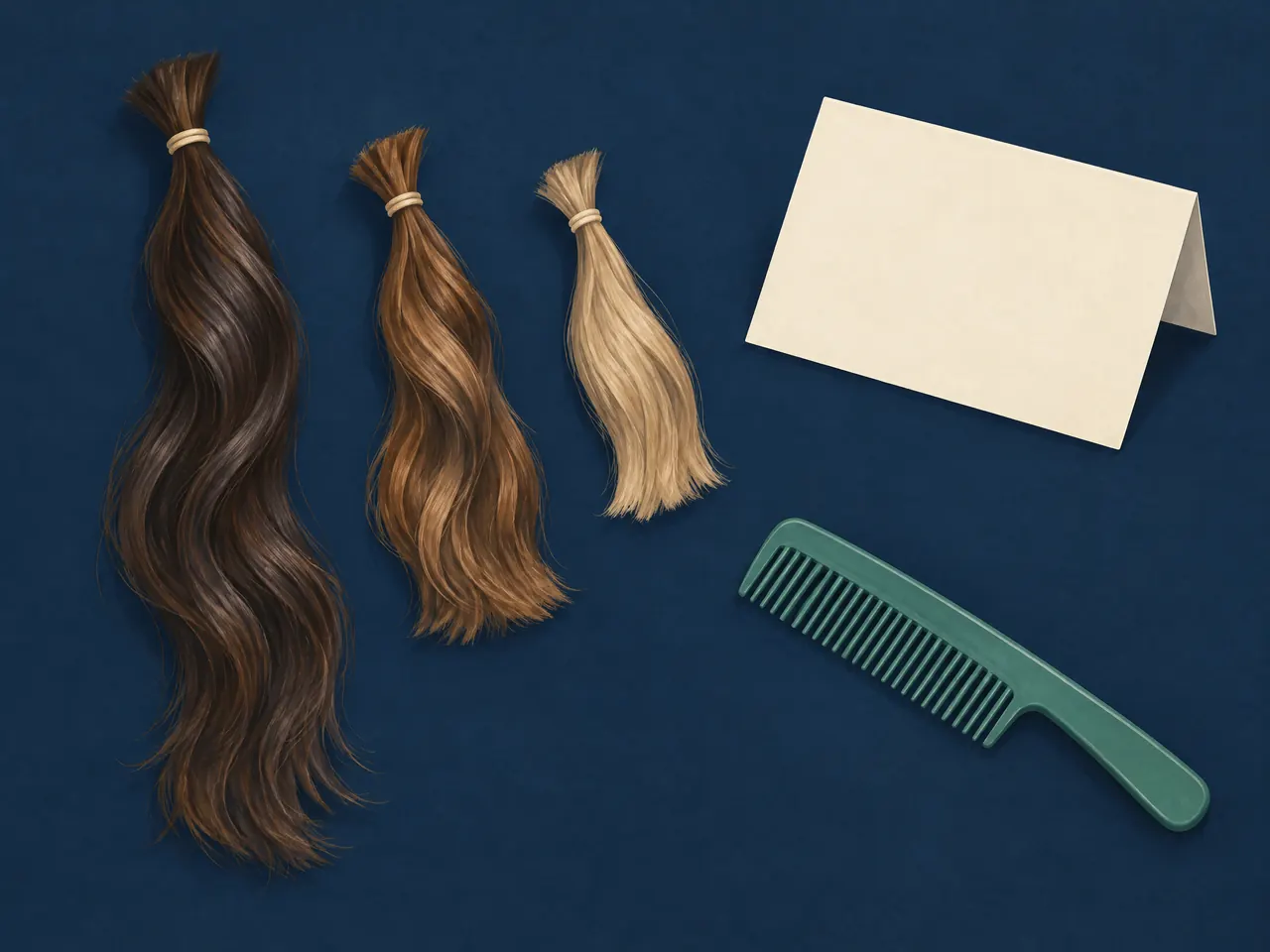
The practice fringe pieces and separate length samples shown here illustrate two different discussions: the outline across the forehead and the length of the ends. They are not full-wig product samples or measurements to copy. Ask the stylist to identify which part of your proposed change concerns length, direction or density before agreeing an alteration. [2]
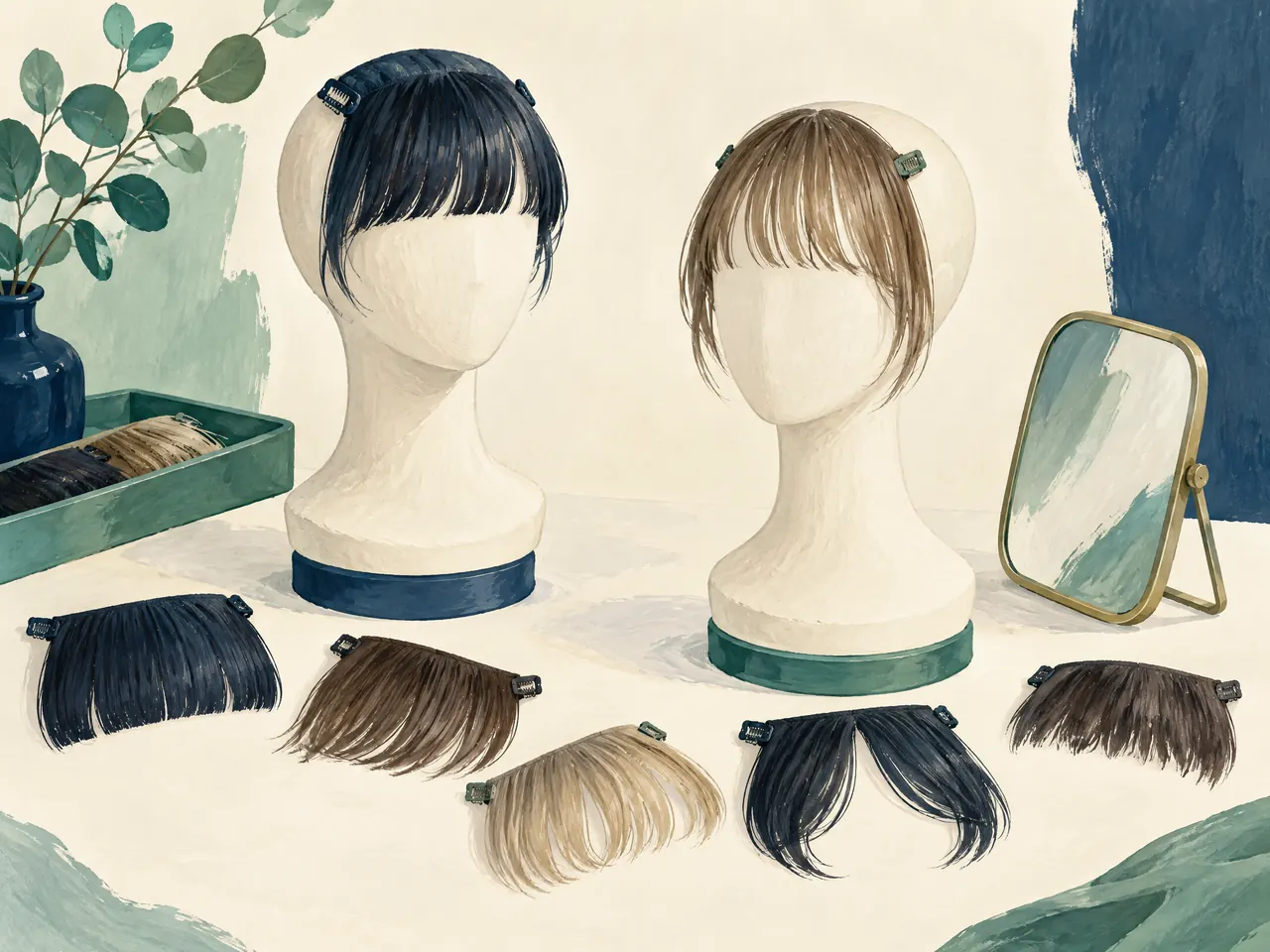
Two featureless mannequin forms with detachable practice fringes and a small mirror
Illustrative fringe-outline study; the practice pieces are not full wigs or OWNSTRAND products.Generated illustrative image
Three separate practice hair tresses of different lengths beside a blank consultation card and comb
Illustrative length references, not a cutting guide or an agreed measurement for your fringe.Generated illustrative image

Record the fit separately from the fringe

Ask the fitter to help you record the cap size tried and the position of any adjusters, together with the hair arrangement or liner used underneath. Note the demonstrated route for your frame arms without treating it as a method for every cap. Keep those details beside the fringe photographs so a later comparison does not confuse a changed fit with a changed cut. Follow the individual wig's fitting instructions and the brand's own sizing guidance. [1] [2]

If you notice pressure, describe whether it appears with the glasses alone, with the wig alone or only when both are worn. This is an observation to share, not a diagnosis or a reason to tighten the band. The empty cap and loose measuring tape illustrations show what to discuss; they do not specify a fitting tension, size or frame opening.
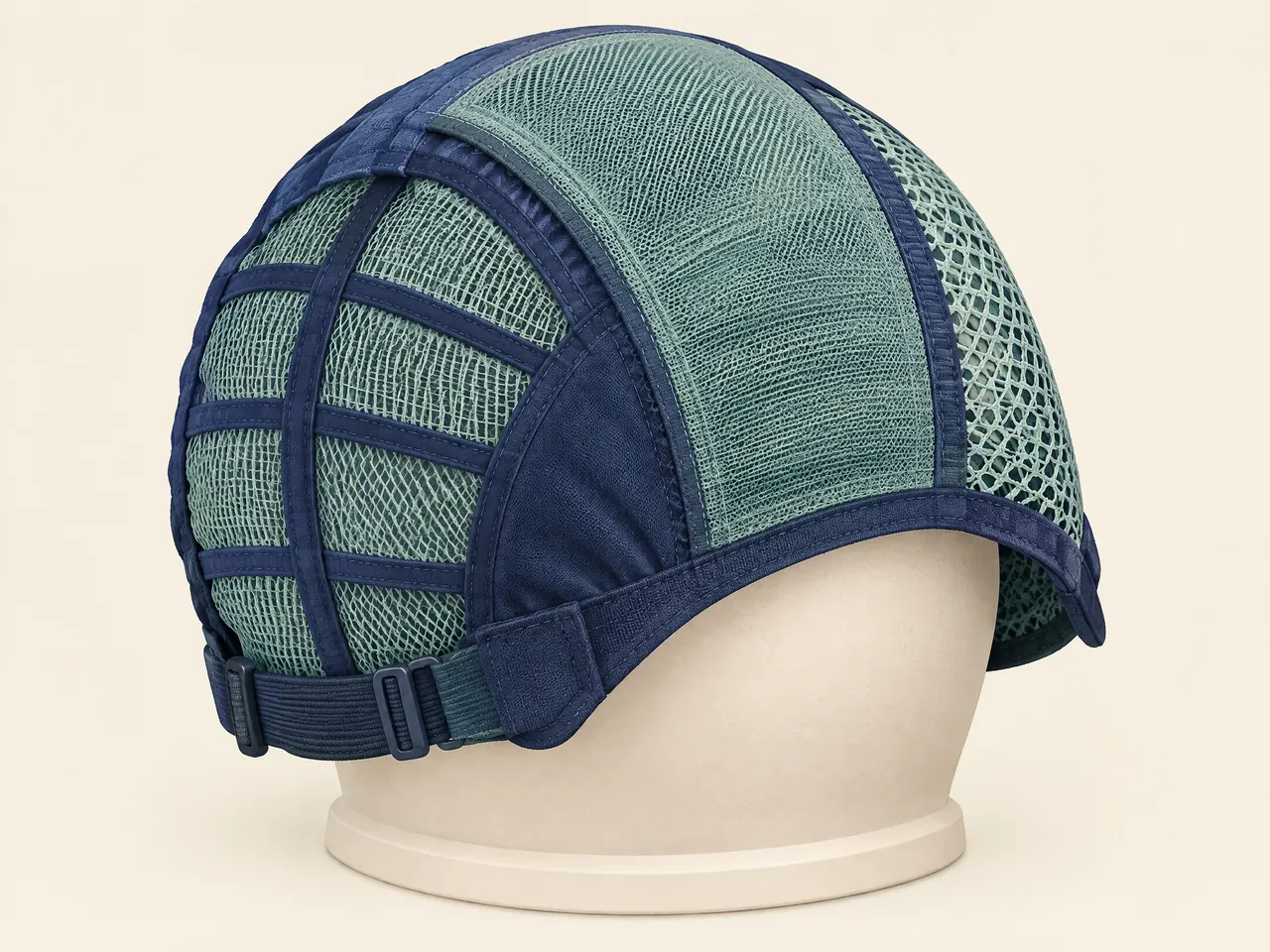

Inside-out empty wig cap on a dome stand, with illustrative mesh panels and an adjustable band
Generic cap-construction illustration; your wig's ear tabs, openings and adjustment details may differ.Generated illustrative image
Fabric measuring tape loosely around a blank mannequin dome beside an empty fit-note card and mirror
Illustrative fitting-note setup, not a size chart or instructions for placing the tape.Generated illustrative image

Keep the fibre name with the styling instructions

Write the exact model and stated fibre beside your fringe record, then keep a copy of the care instructions supplied for that piece. A photograph of the fringe, its softness or a generic sample bundle cannot establish whether heat is permitted. Jon Renau's distinction between its traditional and heat-resistant synthetic fibres is a reason to check the specific product, not a rule to transfer between brands. If the material description and the styling advice are unclear, resolve that question before trying to redirect the front with a tool. [5]

Three separate anonymous hair-like fibre bundles under a magnifying lens beside unlabelled material cards
Illustrative material study; appearance alone does not identify a wig's fibre or heat compatibility.Generated illustrative image

Plan the first post-wash fringe check

Before taking the wig home, ask how its front should be arranged during the permitted drying method and when it can be handled again. Ask which stand or support is appropriate for the exact piece. Once it is ready to wear according to its instructions, repeat the recorded cap position with the same glasses and compare the outline with your fitting photographs. If the fringe now sits differently, show the fitter that comparison and describe your washing and drying steps before requesting another cut. The illustrated stand is a care-discussion prompt, not proof that one drying setup suits every wig. [1]
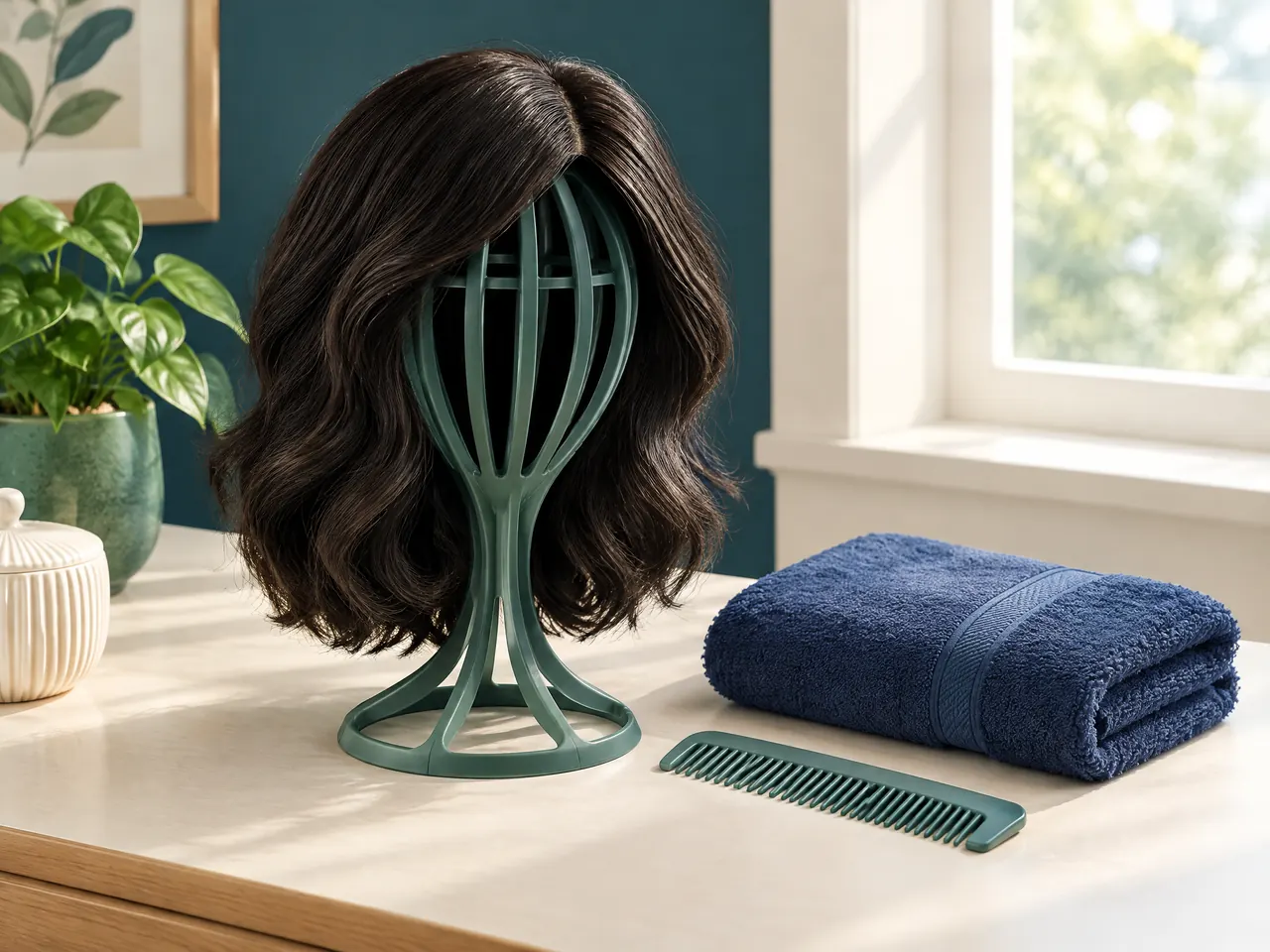
Anonymous wig on an open ventilated stand beside a folded towel and unbranded comb in indirect daylight
Illustrative wig-care setup; confirm the suitable support and drying method for your own piece.Generated illustrative image

Clinic enquiries

Contact and appointment arrangements

Clinics
Prince Edward and Kwun Tong
Opening hours
11:00–21:00
WhatsApp and telephone
+852 6940 5663

Appointments, practitioner availability and service arrangements are confirmed via WhatsApp.

Please mention any consultation language needs in your WhatsApp enquiry so that arrangements can be confirmed.

Enquire via WhatsApp
Food, gifts and floral lifeWhatsApp enquiry