Separate the length you want from the way a sample is styled
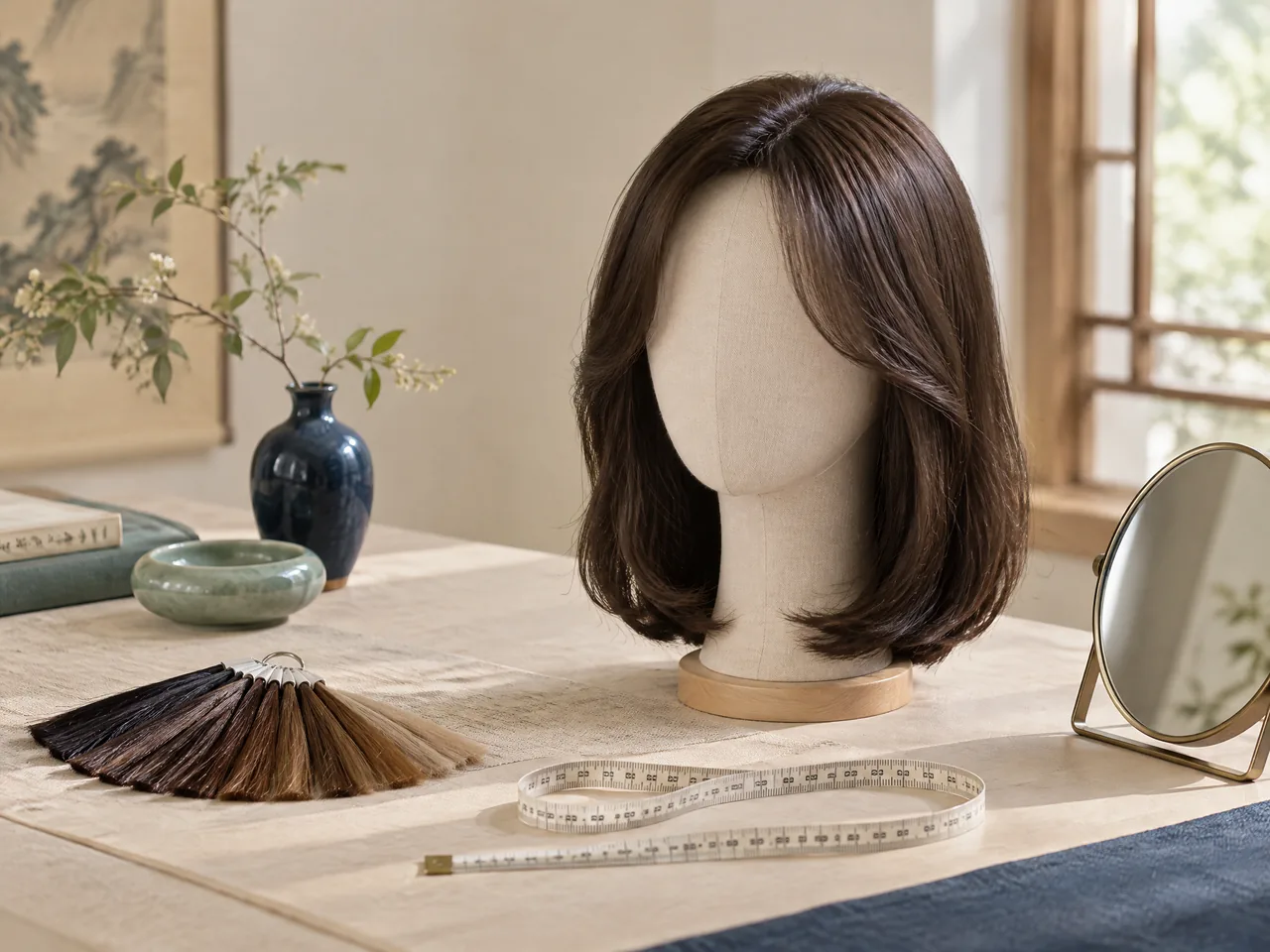
For each reference photograph, distinguish where the ends sit from how they have been curled, tucked or swept back. A useful note might be 'ends near the jaw, without needing to turn them under each morning'. Ask which shortlisted sample demonstrates the length and which only demonstrates the finish. For custom work, have the intended finished outline recorded separately from the display sample, so the return cutting discussion has a clear starting point.[3]
Keep the colour reference attached to the decision
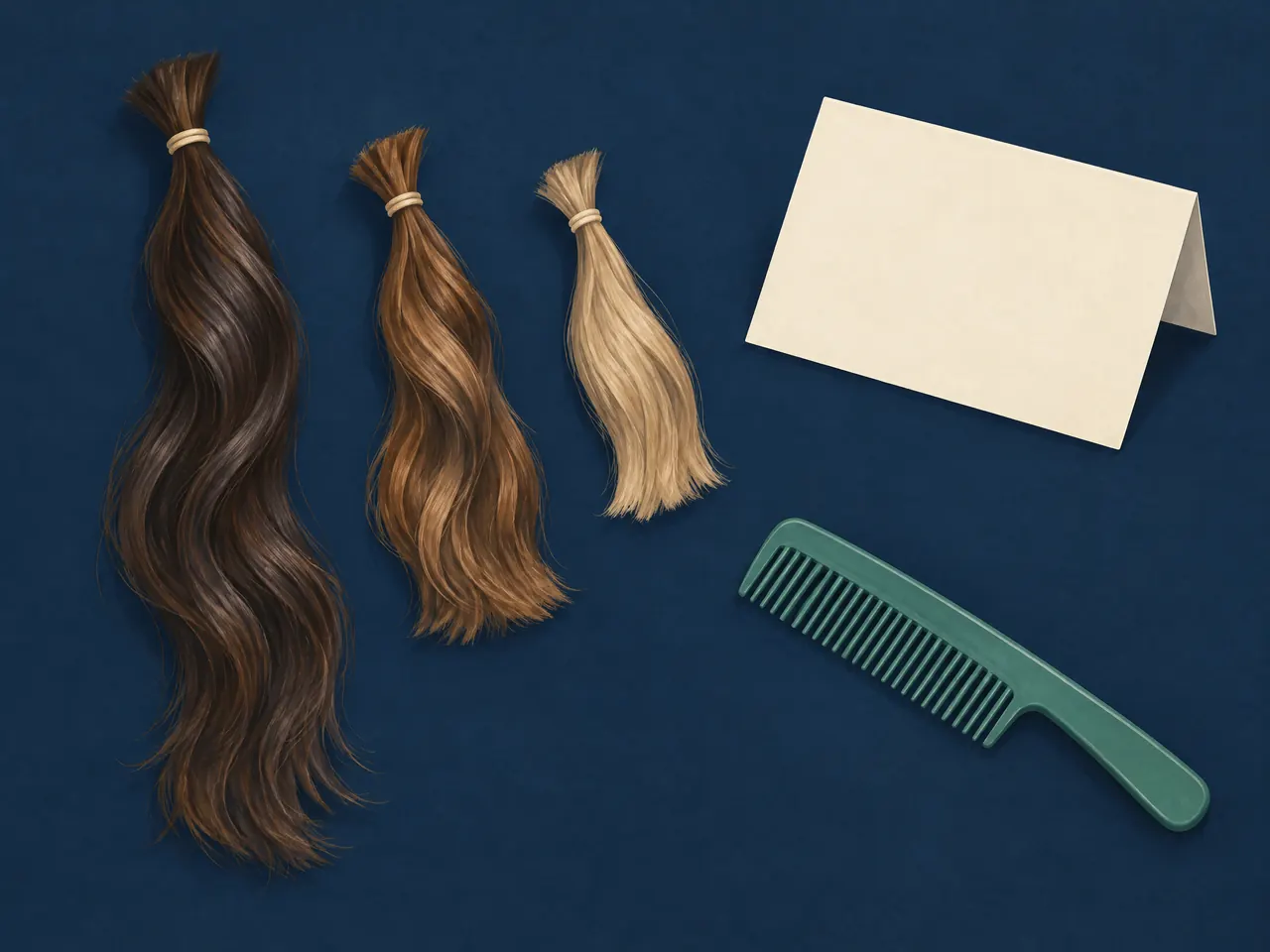
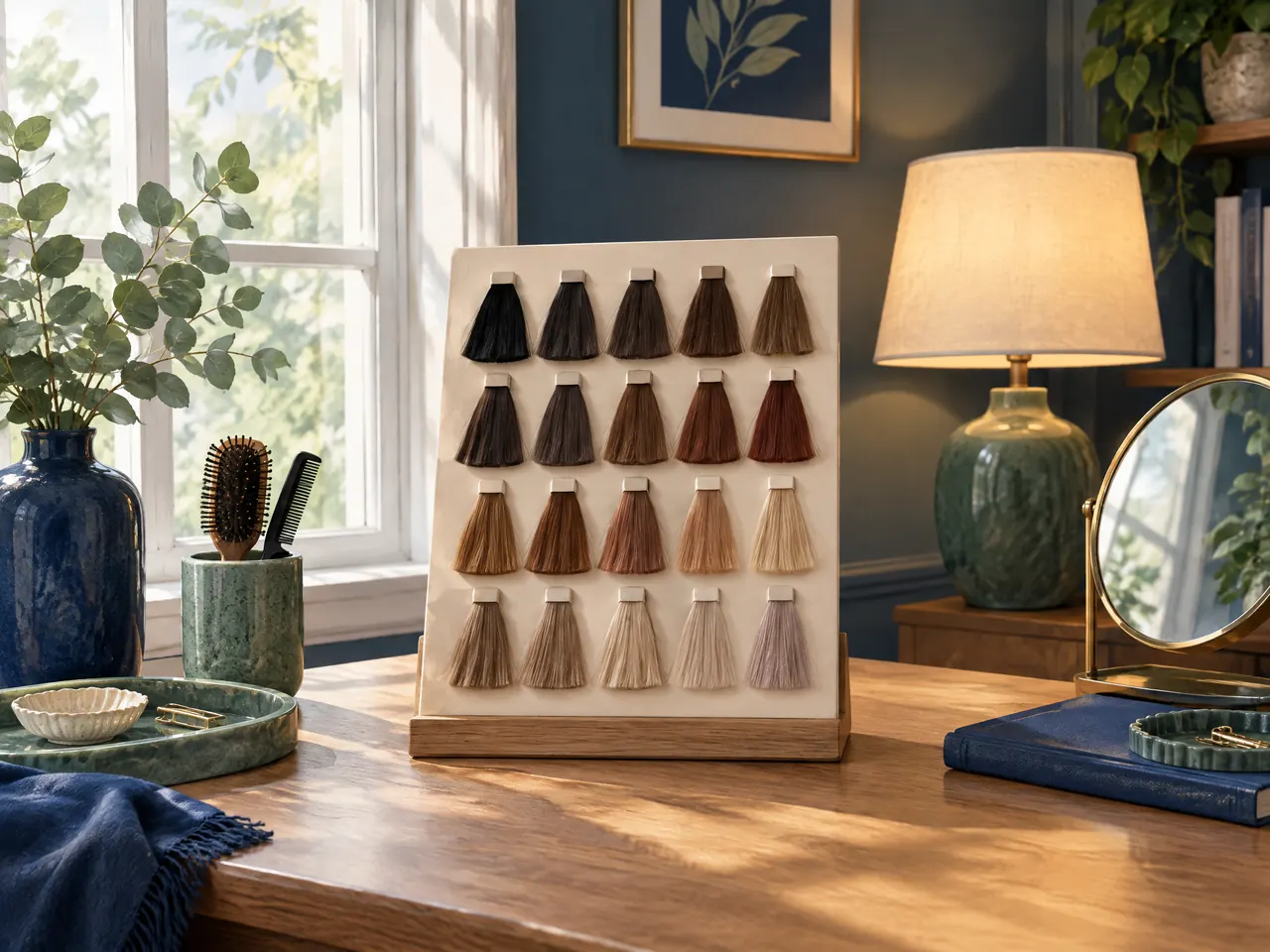
When comparing colour in natural light, as the American Cancer Society recommends, keep the same reference beside each candidate.[1] Record whether you compared a loose swatch, a display piece or the piece being quoted. If visible grey matters, ask the fitter to identify the sample that represents the proposed blend. Keep its code or description with the quote rather than relying on a phone photograph to communicate the approved colour later.
Check coverage and attachment as one proposed arrangement
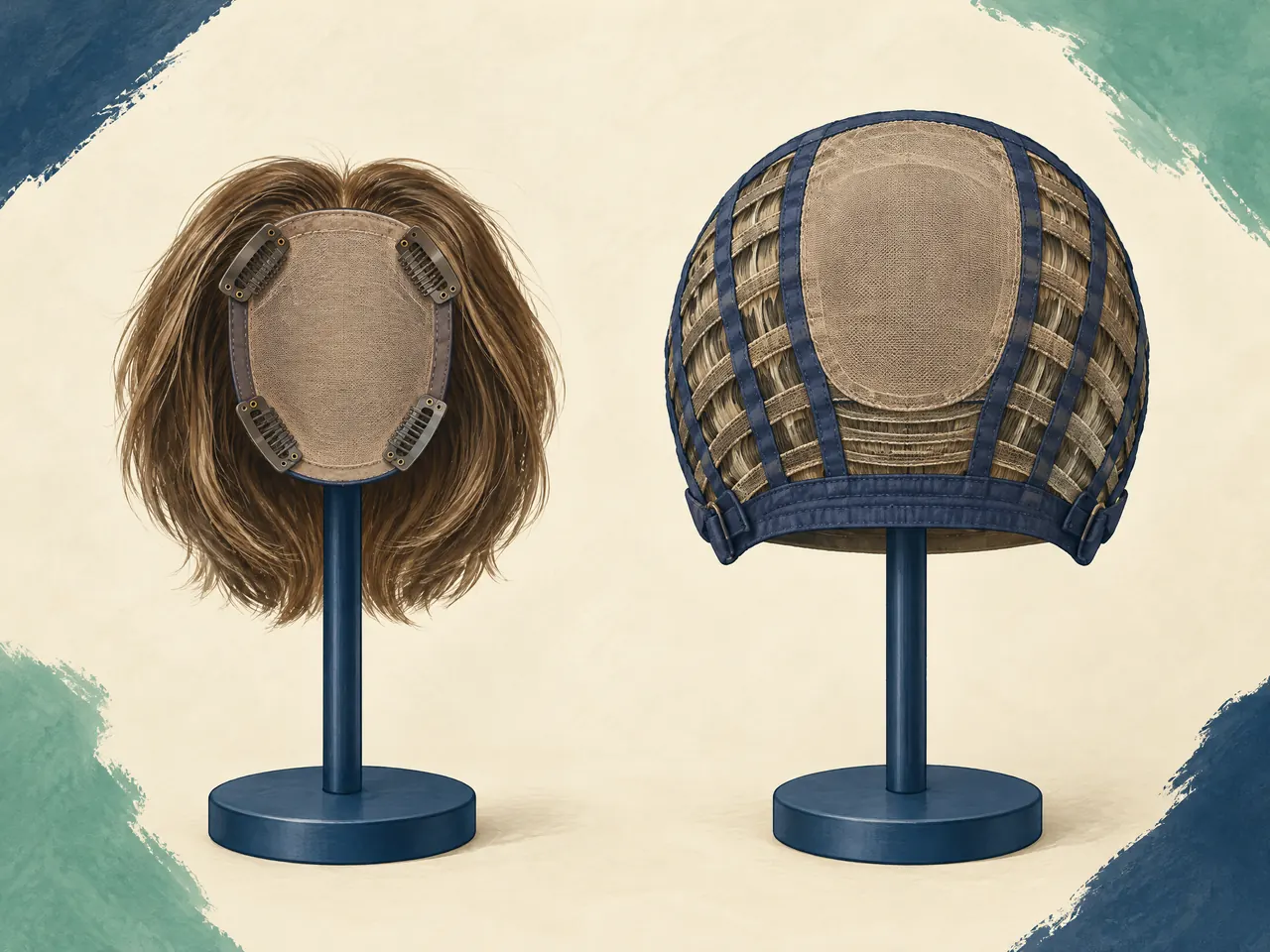
Ask to see the underside as well as the styled surface when comparing a topper with a full wig. A topper adds coverage over the top while a full wig covers the head, but that distinction alone does not confirm a particular model's suitability.[1] Have the fitter relate the sample's footprint to the area you want covered and point out where your own hair would remain part of the finished appearance.
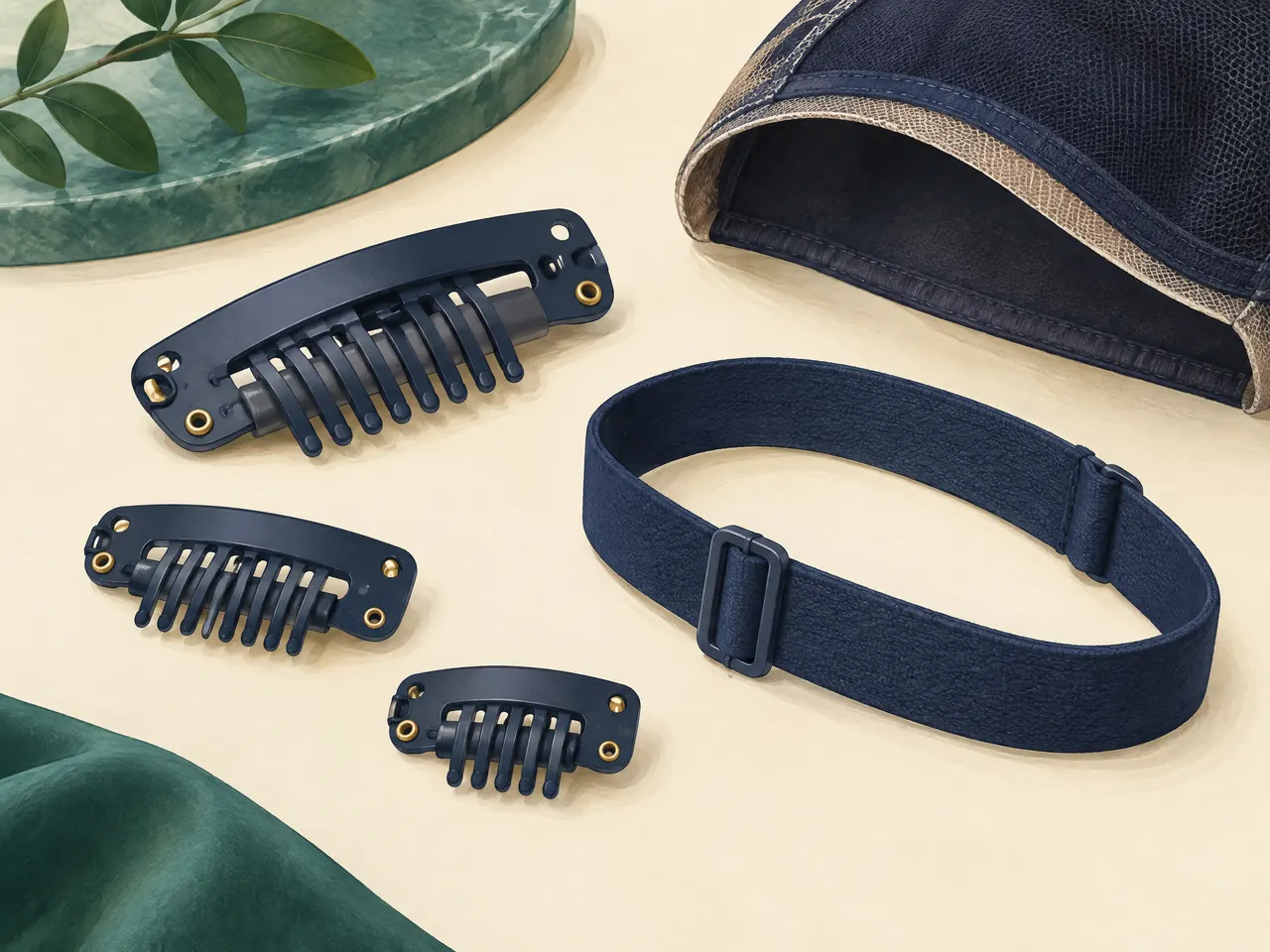
Then ask which attachment components belong to that exact candidate and whether anything shown is an optional accessory. Request a supervised demonstration of putting it on and removing it, if a try-on is agreed. Note which step you could repeat comfortably and which needs further explanation. Do not treat the clips or band on another sample as the instructions for your chosen piece.
Make the inside of the cap part of the comparison
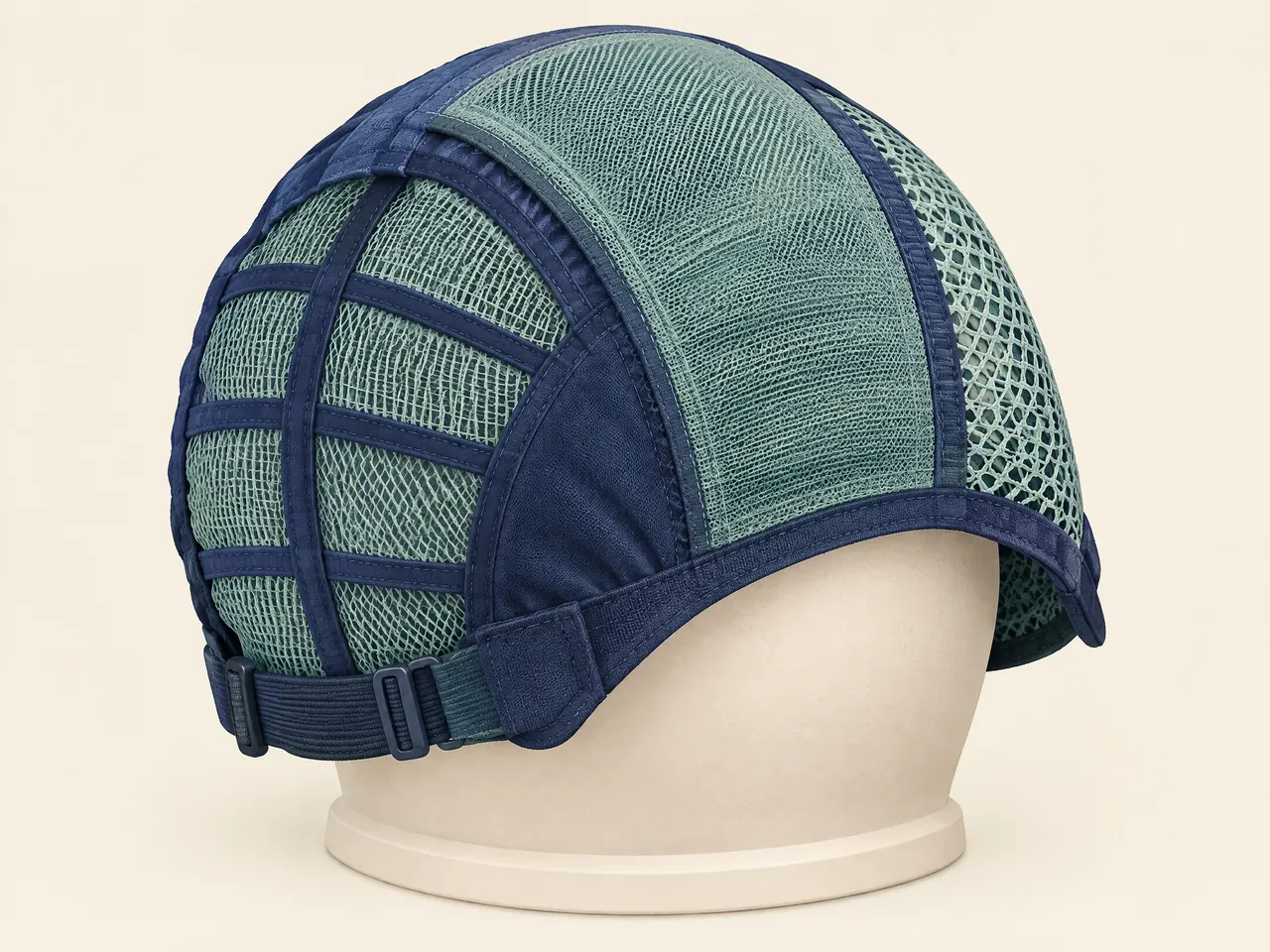
Ask the fitter to show the inside of a full-wig candidate and explain the parts that would sit near your ears, forehead and glasses. If a liner or band is proposed, compare the arrangement with that item present rather than discussing the cap alone. Record the wearing setup beside your comfort observations. This gives you a clearer question to revisit if the same candidate feels different at another fitting, without assuming that every mesh panel or adjustable band behaves alike.
Keep measurement notes separate from finished-piece checks
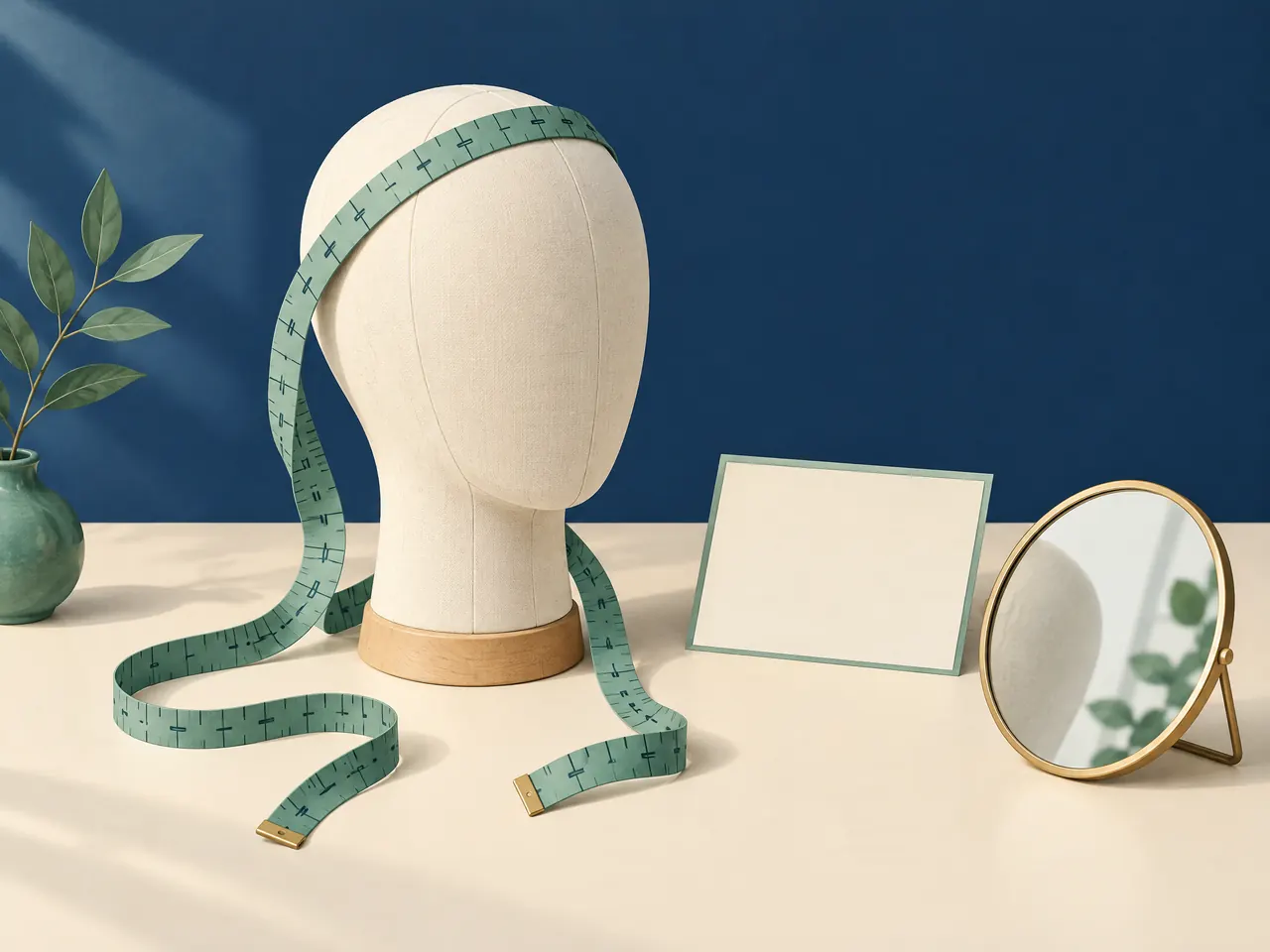
For a custom candidate, ask the fitter to record the hair preparation and any liner used when measurements are taken. Keep that note with the agreed style brief. OWNSTRAND describes measurement followed by a separate return fitting with washing, cutting and blow-drying.[3] At the return visit, bring the brief back and compare the finished piece with the preferences it records. Mark any fit or finishing question that still needs an answer; a measurement record is not a completed fitting assessment.