
Prince Edward & Kwun Tong clinics · Home-visit enquiries elsewhere

TCM Lab

TCM Lab · Beauty & lifestyle / Hair toppers

Custom hair topper prices: compare the individual specifications

Content updated

A custom topper quote should describe what will be made, not just a hairstyle and a total. Compare the base, hair and finishing services together, then check which details are actually confirmed before paying a deposit.

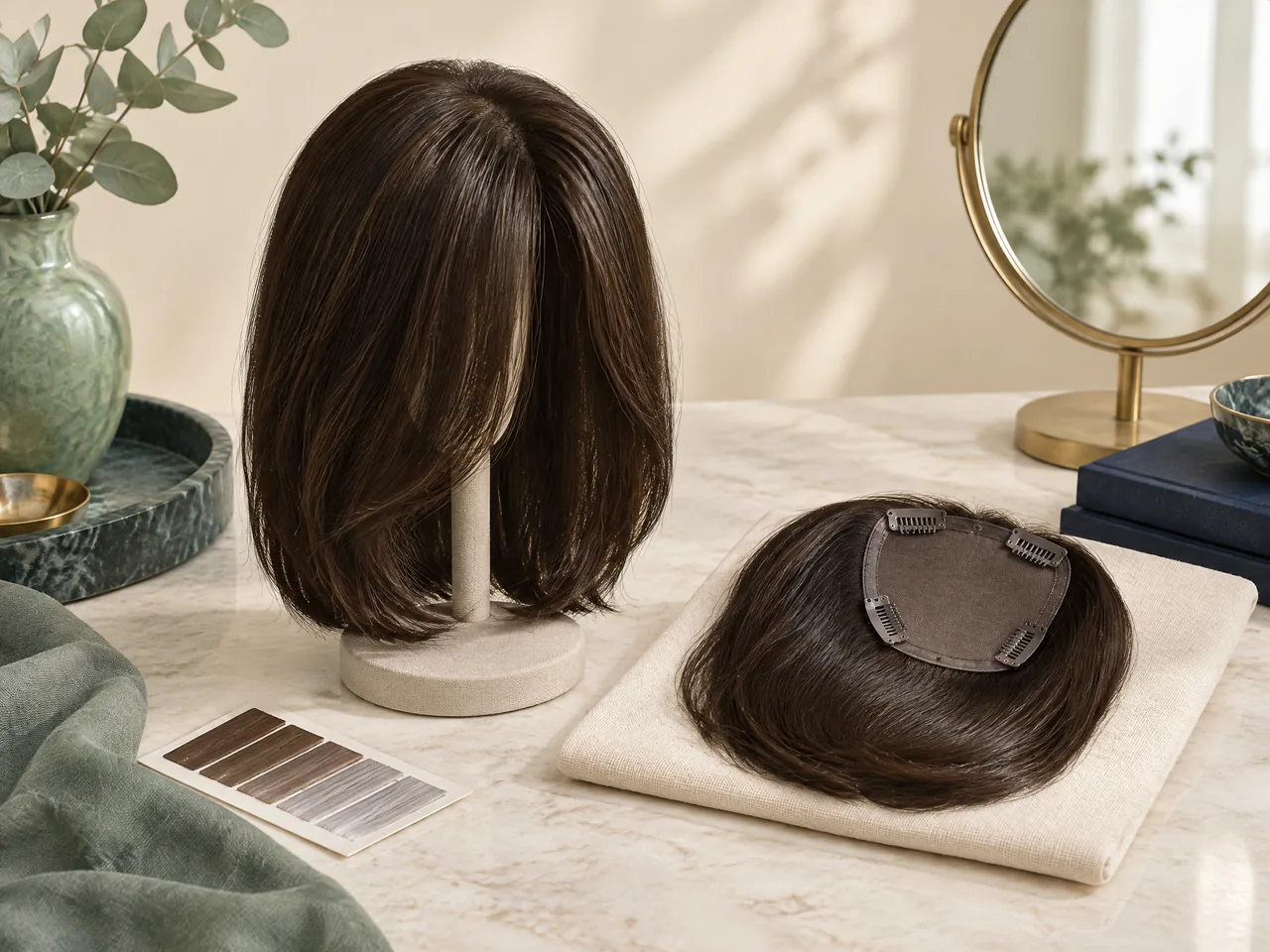
Illustrative hair topper and removable hairpiece
Illustrative wig-lifestyle concept; not an OWNSTRAND product photograph or a client record.

The short answer

Compare custom topper quotes only after each supplier has identified the base dimensions and construction, attachment, hair specification, shade, length and agreed fullness. Ask what the total includes, which details remain provisional, and what happens if the design changes. A published category page or sample does not establish the price or availability of your requested piece.

OWNSTRAND is an external wig and hairpiece website under the same ownership as TCM Lab. These appearance and everyday wearing guides are separate from Chinese medicine care, not diagnosis, treatment or a promise of hair growth.

Find out what is being customised

Before comparing totals, ask each supplier what ‘custom’ means in its quotation. Is the base being made to agreed measurements, or is a standard topper being cut and styled? Is the colour selected from existing shades, or is a particular blend being arranged? Both conversations can be useful, but they describe different work. Request a short written description of the finished piece so that a made-to-measure order is not accidentally compared with a stock item plus a haircut.

For a local starting point, OWNSTRAND's custom hair topper Hong Kong service page describes sample viewing, measurements and a return fitting with washing, cutting and blow-drying in its confirmed bespoke process. Ask which steps apply to your design and what the quotation includes. Its only shop is Unit 2103, 50 Hoi Yuen Road, Kwun Tong, Hong Kong, in 利寶時中心; confirm arrangements before visiting. TCM Lab and OWNSTRAND share ownership, so this link is related-brand information rather than an independent recommendation. [3]

Put the base footprint and attachment in writing

Separate the area you want covered from the dimensions of the proposed base. Ask the fitter to show where the front edge, sides and back will sit, then record front-to-back and side-to-side measurements with their units. For its clip-in toppers, Jon Renau's measuring guide considers both coverage and the surrounding hair available for attachment. That makes clip position a fitting question, not something to decide from a hairstyle photograph. Follow the measuring method for the actual design rather than borrowing another maker's sizing allowance. [1]

Ask for the base construction as well as its size. A useful description identifies the material or construction at the parting, front edge and perimeter instead of relying on ‘natural scalp’ alone. Also record the attachment method separately. Jon Renau's Top Form HH 18-inch model, for example, lists a 6.5-by-6.5-inch base, double monofilament with a polyurethane perimeter, and clip-in application. These are distinct specifications for that model, not interchangeable descriptions of all toppers. [2]

During a sample fitting, try your usual parting and look at the edge from the angles you care about. Ask the fitter to show the proposed attachment points and removal method. If the sample pulls or feels uncomfortable, flag that before agreeing to a design. A topper provides an appearance change, not treatment for thinning hair; persistent scalp discomfort or unexplained hair loss belongs in a separate health discussion.

Compare the hair you will receive, not just the fibre label

A fibre category leaves several quotation questions unanswered. When exploring a human hair topper, ask the supplier to identify the hair specification for your proposed piece, including any explicit Remy claim. Then ask for its care directions. As a model-specific example, Jon Renau identifies Top Form HH 18-inch as Remy human hair but does not recommend colouring or chemically altering its alternative hair. Human hair is therefore not a blanket invitation to dye a new purchase at home. [2]

Clarify whether the quoted hair length is measured before the blending cut or describes the finished style. A longer piece intended to be trimmed is a different purchase from one already cut to the agreed shape. Discuss where you want the ends to meet your own hair, how you wear the front sections and whether your usual hairstyle exposes the topper's boundary. Ask which of those details the sample demonstrates and which will only be checked at the final fitting.

For fullness, agree on a sample or clearly described finish rather than accepting an unexplained density percentage. Ask what that figure means for this supplier and whether it describes the whole piece or a particular area. Compare relevant colour samples alongside your own hair, including the roots and ends. If requesting grey hair, write down the agreed blend and how you will review it; ‘some grey’ is too vague to resolve a later disagreement.

Separate the piece price from fitting and finishing

Ask for a quotation that distinguishes the topper itself from the services needed to finish it. Measurement, sample consultation, blending cut and collection styling should each be described as included, separately charged or not offered. If two totals differ, first check whether they cover the same work. An included appointment may matter more to your decision than an optional feature you do not intend to use.

Make the fitting plan concrete. Will you review placement and length before cutting starts? What adjustments are covered after collection, and for how long? Ask separately about replacing an attachment or arranging another styling appointment. These questions are not requests for unlimited free work; they help you understand what happens after the first handover and whether later visits fit your budget and schedule.

List any required care products or accessories outside the main total so you can see the initial spending clearly. Ask for a demonstration of the actual care routine before ordering if maintenance is a deciding factor. Do not calculate value from a promised generic lifespan: compare the confirmed product, the support offered and the routine you are willing to follow.

Check availability for the whole specification

A sample proves that you can inspect that sample; it does not settle whether your chosen combination can be supplied. Ask whether the proposed base construction, hair length and shade are all confirmed together. If something remains provisional, request the available alternative and an updated quotation before accepting a substitution. Keep a reference to the exact piece or design so a reply about a similar item is not mistaken for confirmation.

OWNSTRAND's hair topper prices page is useful for framing a quotation enquiry, but it expressly separates named custom reference options from generic topper pricing. Use it to prepare questions, not to assign a published reference amount to your own order. Its enquiry route also does not itself reserve an item or complete a purchase. Confirm the exact specification, current quote and supply status together. [4]

Ask for a dated quote and its validity period. Separate production timing from the date you can attend a fitting or collect the finished piece. If you need it for an event, tell the supplier that date and ask what is actually feasible. A general production estimate should not become an assumed end-to-end deadline.

Make the final order easy to check

Before paying, gather the agreed specification, inclusions and payment terms in one record. Ask when a deposit becomes committed, whether a design change alters the balance, and what the supplier's cancellation and return terms say about the proposed order. Hong Kong's Home Affairs Department shopping guide advises recording transaction promises on the receipt and warns that return policies vary. Do not assume a change-of-mind return will be available. [5]

At the final fitting, compare the piece with that record before approving the finishing cut. Check the base description and placement, then review the shade, length and agreed fullness. Describe a concern precisely: ‘the front edge sits farther back than we discussed’ is easier to address than ‘it looks wrong’. Ask what can be adjusted and whether that work changes the quote before proceeding.

Keep the final receipt and product-specific care instructions together. Once two offers are equally clear, choose according to the coverage, look and maintenance you prefer, as well as the total you can afford. The lowest headline amount is not automatically poor value, and the highest is not proof of a better fit. A clear specification lets you judge what you are actually buying.

Take it into everyday life

A practical checklist

  • Describe the area you want covered and bring a reference for your usual parting and finished hairstyle.
  • Record the proposed base dimensions, units and placement; identify the construction and attachment separately.
  • Confirm the exact hair specification, any Remy claim, shade or grey blend, and product-specific care directions.
  • Clarify whether hair length is before or after cutting, and agree on a sample or description of fullness.
  • Mark measurement, fitting, blending cut, styling and later adjustments as included or separately charged.
  • Ask whether the entire proposed specification is available; approve substitutions only after reviewing revised details.
  • Get the dated total, deposit terms, cancellation policy and fitting or collection arrangements in writing.
  • At handover, check the agreed details before finishing work and retain the receipt with the care instructions.

Questions & answers

Why can two custom topper quotes differ when both say human hair?

The phrase identifies a hair category, not a complete order. Compare the base dimensions and construction, attachment, hair specification, length, colour and agreed fullness. Then check whether the totals include the same fitting and finishing work. Ask each supplier to explain the difference for those actual designs rather than assuming the higher quote contains better hair.

Should I choose a larger base because it costs only slightly more?

Not on price alone. The proposed footprint needs to relate to your coverage area, placement and attachment. Ask the fitter to show where the edges and fastenings would sit for each option. For clip-in designs, surrounding hair available for attachment is part of the manufacturer's measuring discussion; size is not simply an upgrade tier. [1]

Can I use a listed custom wig price as my topper budget?

Treat it only as background unless the supplier confirms that it applies to your requested topper. A full wig and a partial topper are different orders. OWNSTRAND's topper pricing page explicitly says its named custom reference options are not generic topper prices. Request a quote for the exact base, hair and services you want. [4]

Can I order a close colour and dye it after collection?

Do not build that assumption into your purchase. Get the proposed piece's colouring instructions before ordering and discuss the shade you actually want. Some manufacturers advise against chemical alteration even for their human-hair products; Jon Renau does so in its Top Form HH care guidance. Permission for one product would not establish permission for another. [2]

What should I do if a detail changes after I have received a quote?

Ask for a revised written specification and total before agreeing to the change. Clarify whether your deposit, timing and cancellation terms are affected. Keep both versions and the supplier's response. If the change appears at the final fitting, raise it before cutting or further finishing work so you can discuss the available resolution without adding another alteration.

Sources & further context

Numbered references follow the source order below. Product and service websites provide appearance-related context, not medical evidence.

  1. [1] Jon Renau — All About That Base
  2. [2] Jon Renau — Top Form HH 18-inch specifications and care
  3. [3] OWNSTRAND — Custom Hair Topper Hong Kong: Bespoke Fitting
  4. [4] OWNSTRAND — Hair Topper Prices: What to Check Before Requesting a Quote
  5. [5] Hong Kong Home Affairs Department — Consumer Rights

Give both suppliers the same comparison brief

Prepare one short brief and use it for both enquiries. Describe the partial coverage you want, then leave separate spaces for the proposed base and attachment. If one supplier suggests a full wig instead, keep that as a different option rather than treating its total as a competing topper quote. Ask each supplier to explain any departure from your brief before you compare the offers.

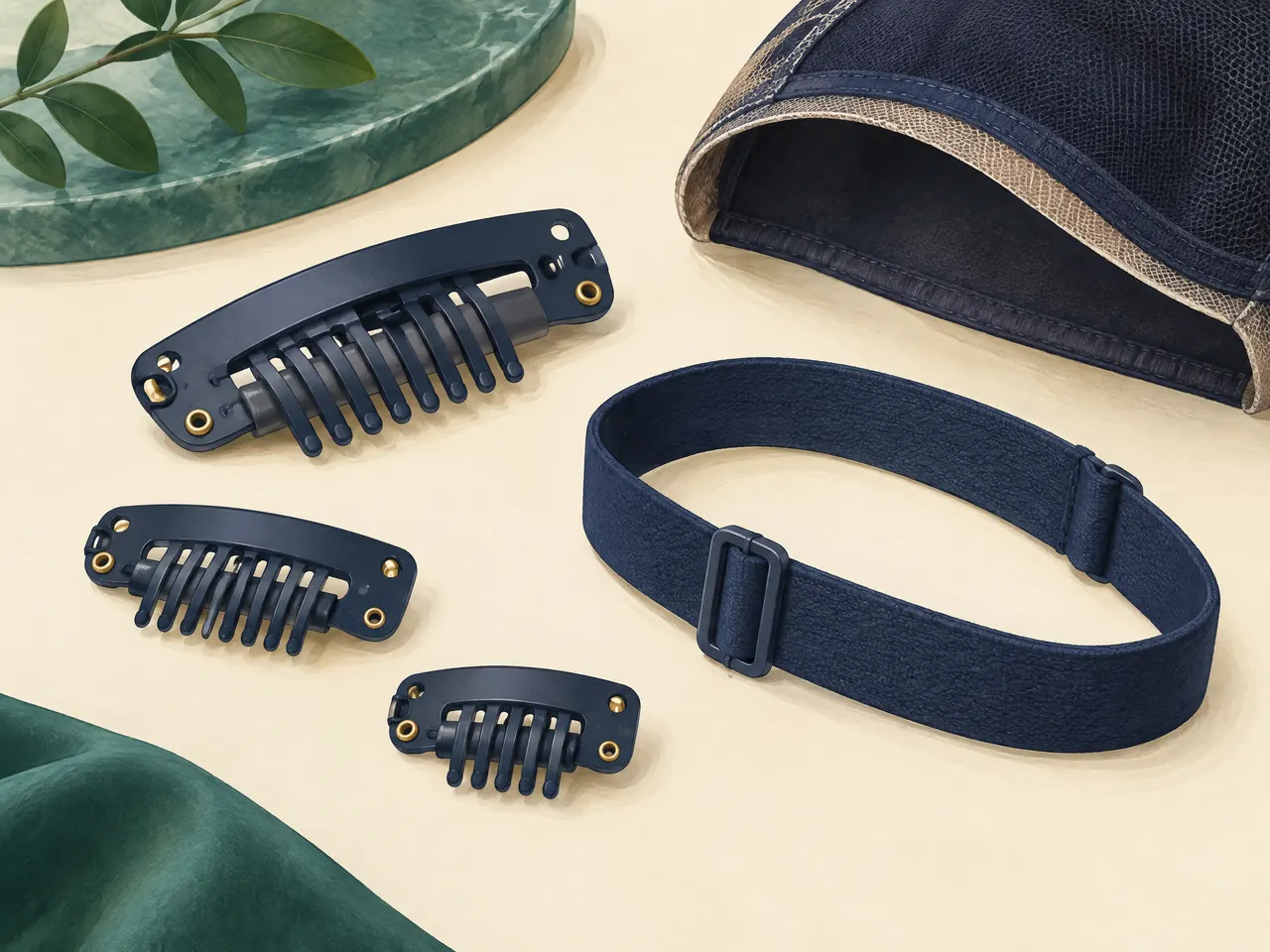
For fastening, distinguish a feature shown on a sample from one confirmed for your order. Ask which attachment points belong to the proposed base and whether you can practise removal before committing. Record an unanswered point as awaiting confirmation, not as included. The illustrative clips and band below are discussion prompts, not a recommendation that either attachment suits your topper.
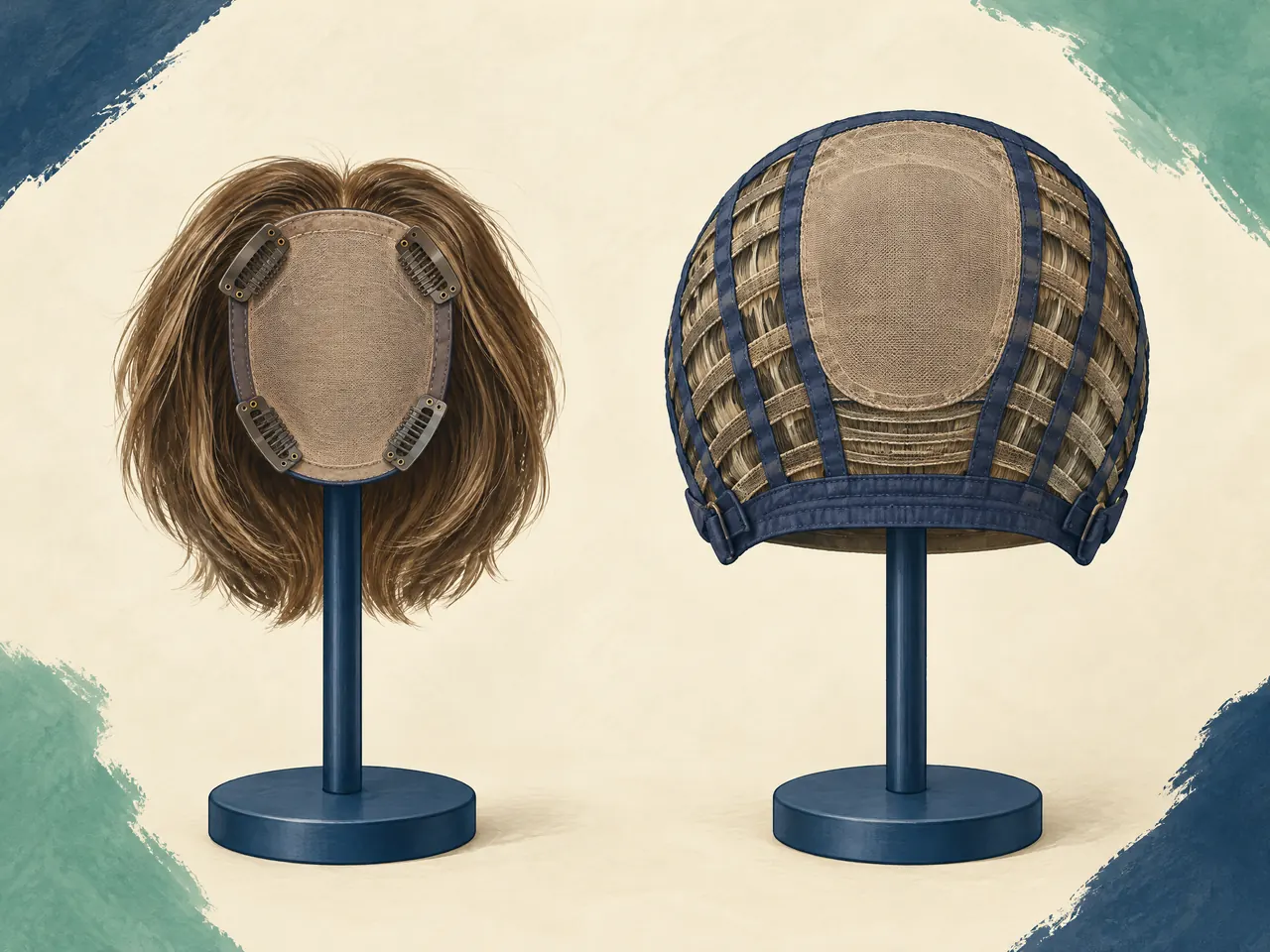
A generic removable topper and an empty full wig cap on separate stands, with their undersides visible
Compare partial coverage with a full-cap option before treating two totals as like-for-like. Illustrative objects, not supplier products.Generated illustrative image
Generic hairpiece clips, a soft adjustable band and a sample cap edge arranged separately on a tabletop
Ask which fastening is confirmed for the proposed base and how removal will be demonstrated. The pictured objects do not establish suitability.Generated illustrative image

Record what each sample actually helps you approve

A single sample need not answer every question. You might like the length of one piece and the colour of another. Give each reference a separate note: length and outline only, colour only, or proposed construction. Ask the supplier to confirm how those choices will be combined. Otherwise, a photograph of an appealing sample can become an ambiguous instruction about the whole order.

For the finished length, name where the ends should sit beside your own hair and whether the reference shows the uncut piece or the intended result after blending. For colour, identify the sample you discussed and the root, end or grey-blend detail that matters to you. Ask to review it in the lighting you expect to use. If a preferred sample cannot be supplied, request a new reference for the alternative instead of allowing an old approval to carry over silently.
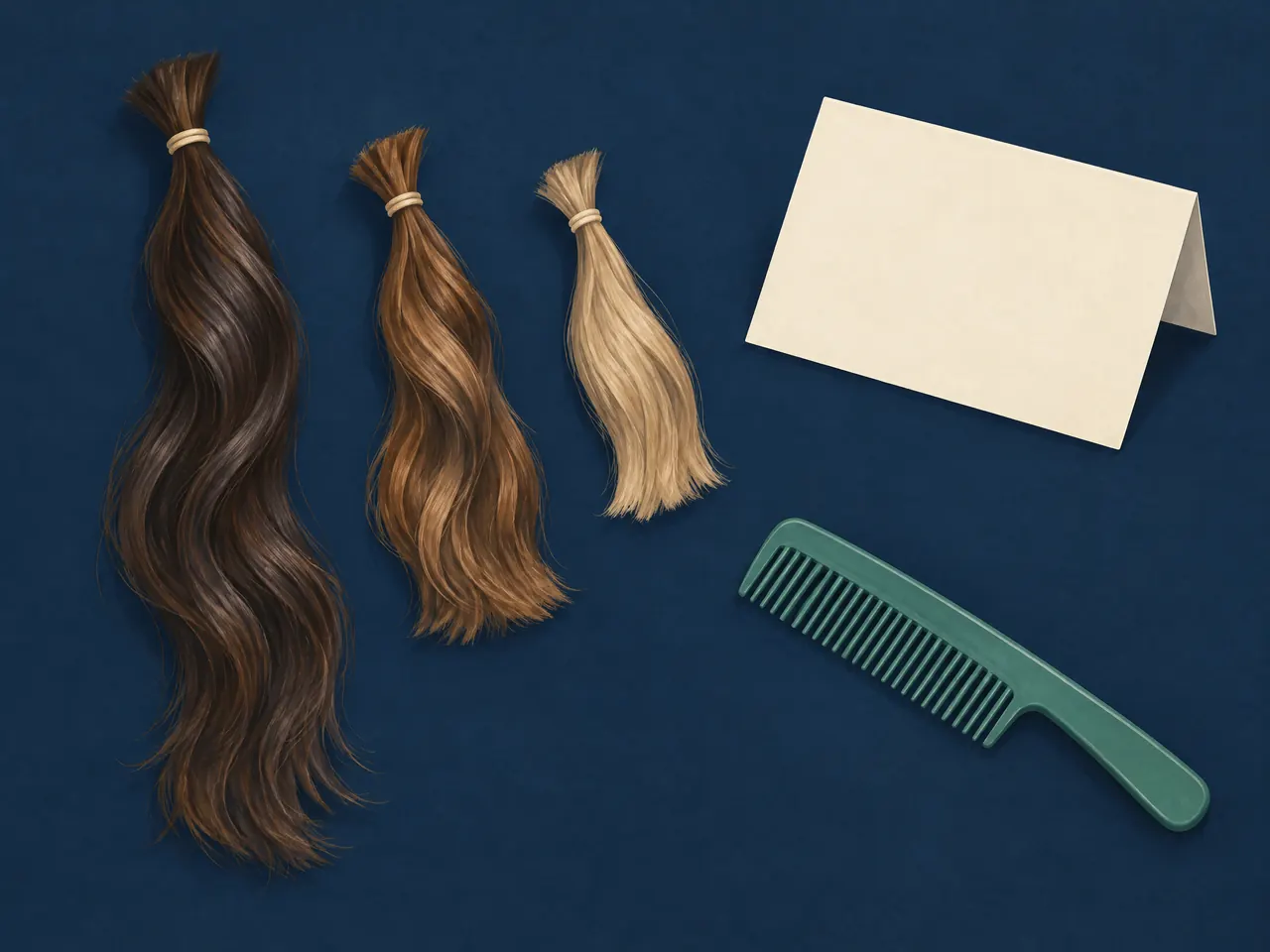
Three unbranded practice hair tresses of different lengths beside a blank consultation card and a comb
Use a length reference to describe the intended finishing cut, not to assume the sample's other specifications are included.Generated illustrative image
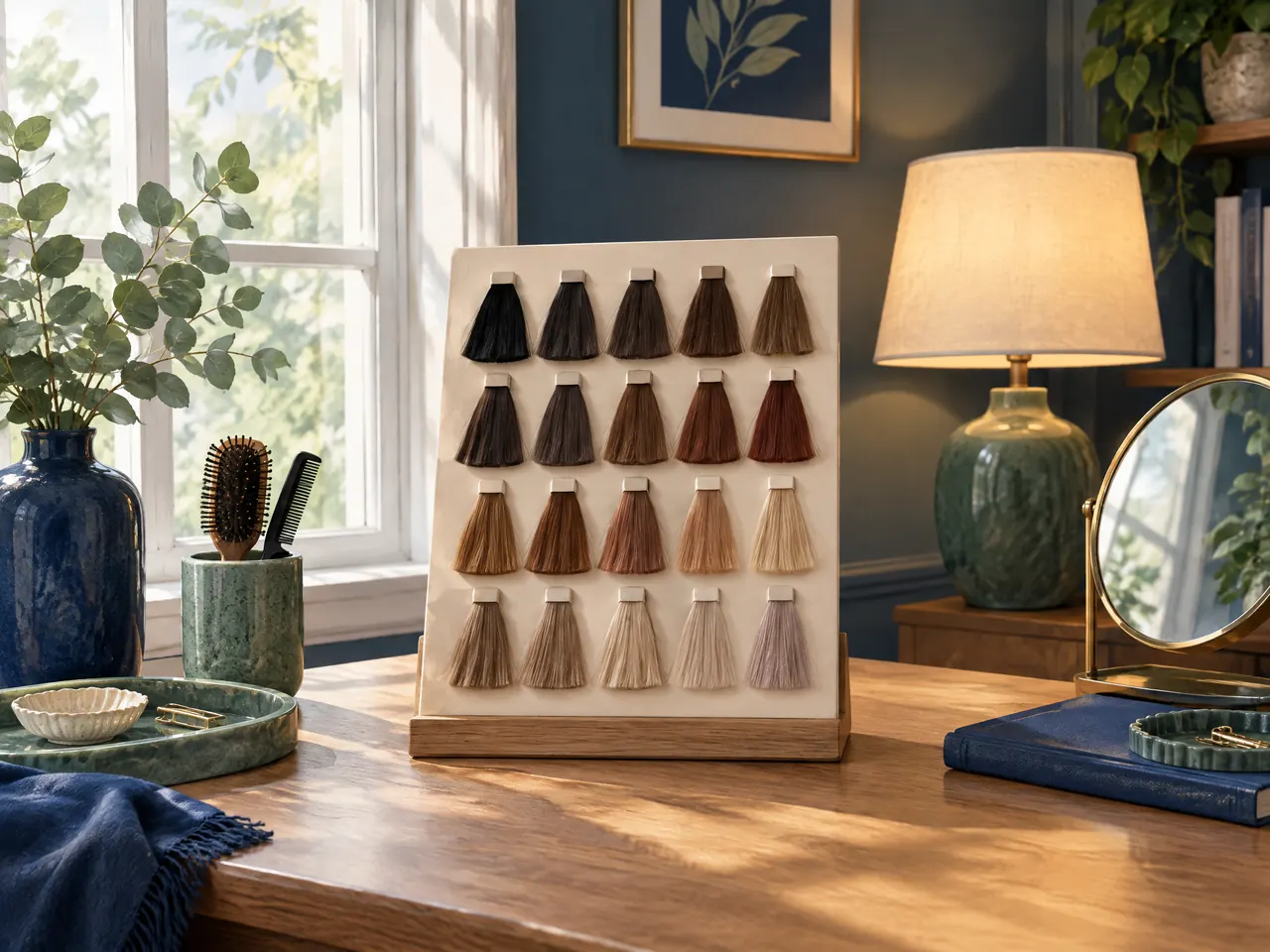
A neutral hair sample board between soft window daylight and a shaded interior lamp, with a mirror beside it
Keep a separate record of the colour sample and viewing conditions you discussed. This illustration is not an accurate shade chart.Generated illustrative image

Check whether the quoted piece fits your care routine

Use the material discussion to request instructions for the exact proposed topper. A fibre illustration cannot authenticate human hair, Remy status or any supplier's material claim. Ask for those descriptions in the written specification, then ask how the care requirements relate to the finish you are ordering. Keep a claim about the hair separate from permission to colour it or use a particular styling tool.

Make the maintenance discussion practical: ask what you would need to wash the piece, how you should handle it during washing, and what drying arrangements its instructions require. Request a demonstration if the routine is unfamiliar. Mark required products and equipment as included, separately charged or still to be confirmed. Compare that list with the space and time you can realistically provide at home, rather than agreeing to a routine you have not seen explained. The unbranded care objects are illustrative, not an approved product kit.

Three separate anonymous hair-like fibre bundles beneath a magnifying lens beside unlabelled sample cards
Request the supplier's written hair specification; illustrative fibre bundles cannot verify a material or Remy claim.Generated illustrative image
A plain wash basin, unbranded pump bottle, folded towel and wide-tooth comb on a cream shelf
Ask which washing supplies and instructions apply to the exact topper, and which costs sit outside the quote. These are illustrative care objects.Generated illustrative image

Clinic enquiries

Contact and appointment arrangements

Clinics
Prince Edward and Kwun Tong
Opening hours
11:00–21:00
WhatsApp and telephone
+852 6940 5663

Appointments, practitioner availability and service arrangements are confirmed via WhatsApp.

Please mention any consultation language needs in your WhatsApp enquiry so that arrangements can be confirmed.

Enquire via WhatsApp
Food, gifts and floral lifeWhatsApp enquiry