Record three outline preferences before choosing a length
Make a small comparison note with separate descriptions for the ends, the sides and the fringe. For example, you might want the ends outside your work collar, some hair visible in front of the ears, and a fringe that leaves the upper rim of your glasses clear. A long style and a pixie could satisfy different parts of that note. Identifying the preference that matters most makes it easier to ask for a different sample rather than rejecting a whole length category.
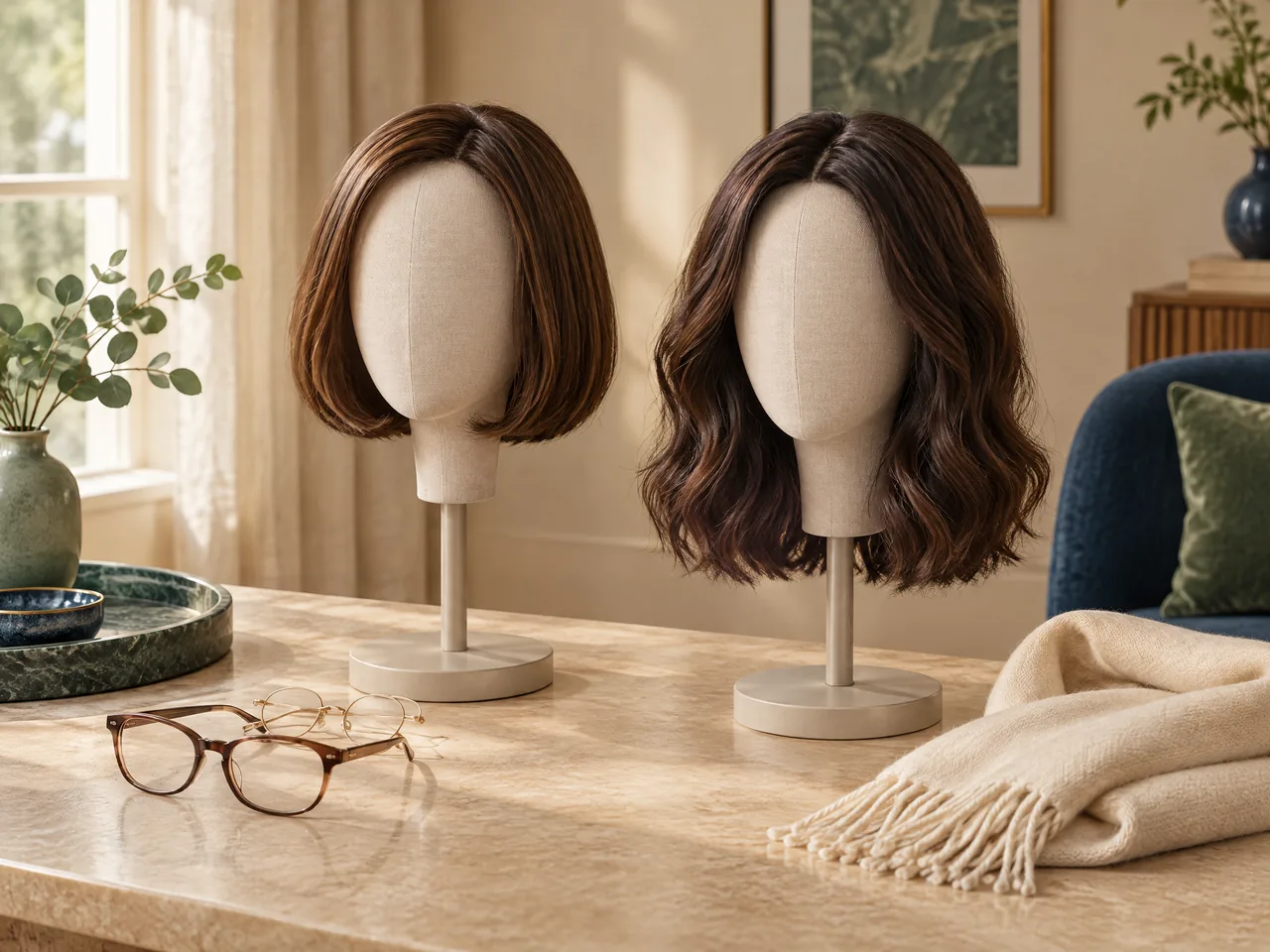
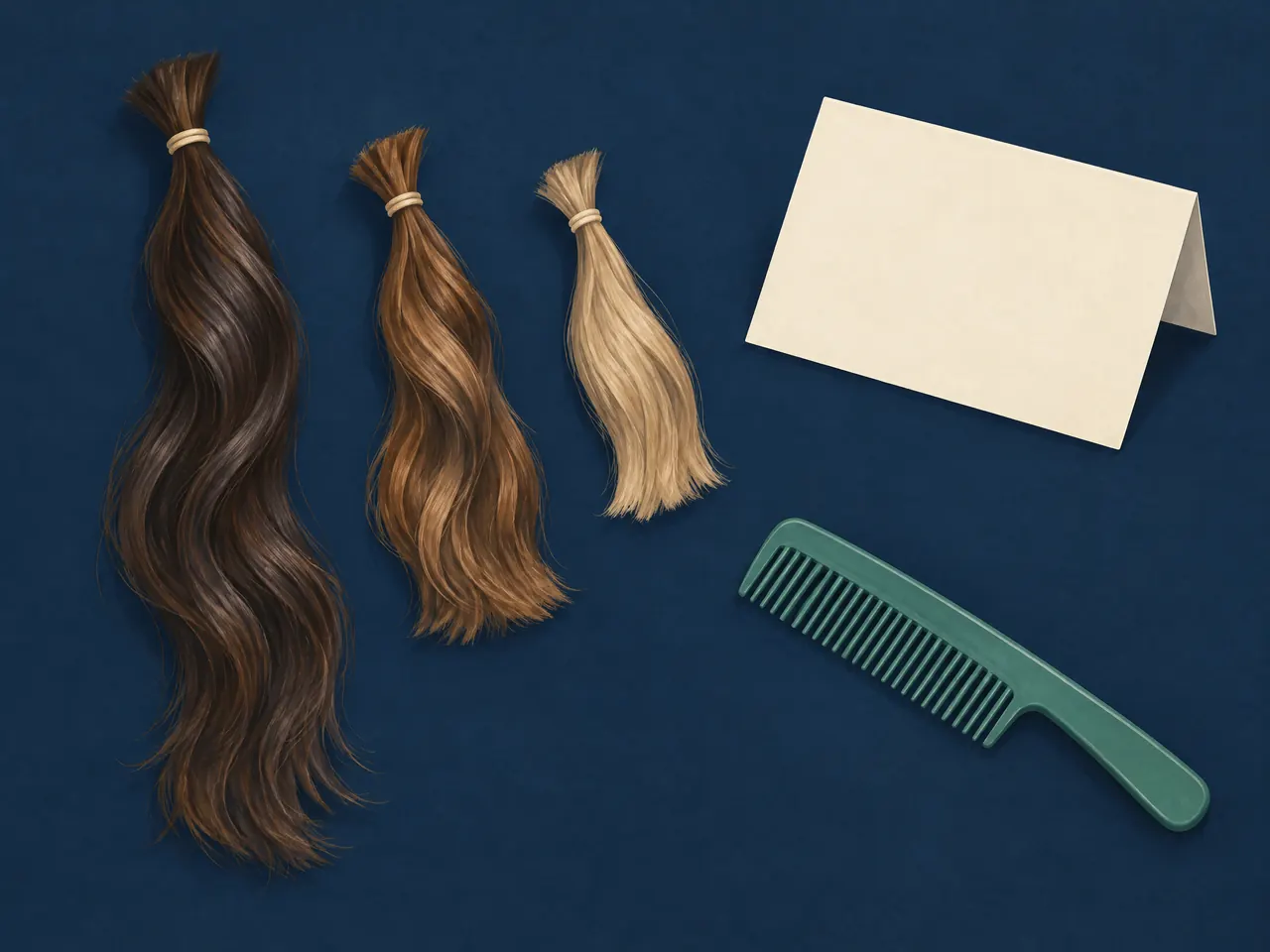
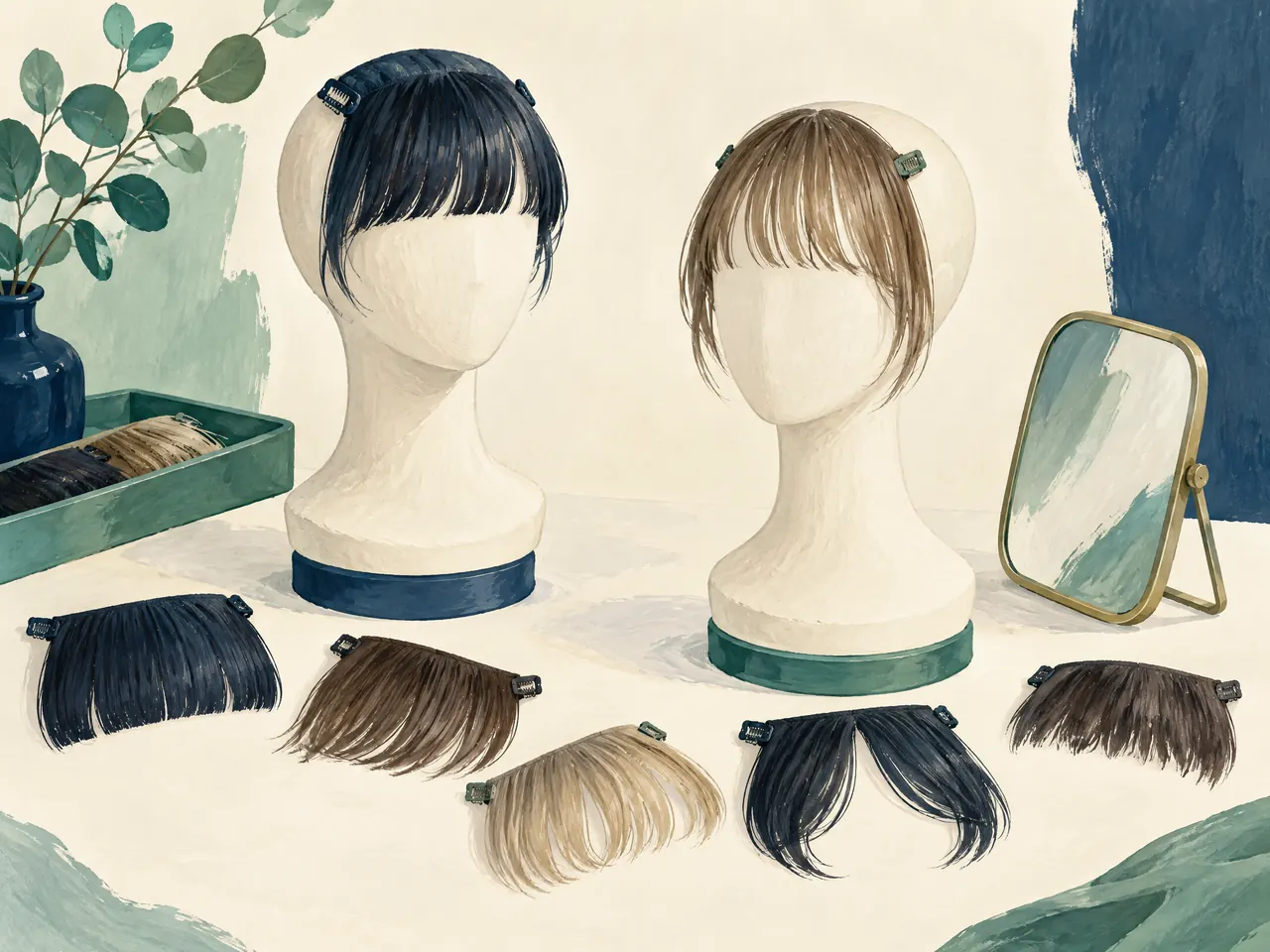
The separate practice tresses illustrate length choices; the mannequin fringe study illustrates a different question about the front outline. Neither shows how a particular wig will sit on you. Use a reference photograph to explain the feature you like, as the American Cancer Society suggests for matching a familiar hairstyle. [1] Then point to that feature on the fitted sample: do you like the overall length, or mainly the way the front frames your glasses? Keep those answers separate when comparing another wig.
Keep a cap-fit problem out of the length decision
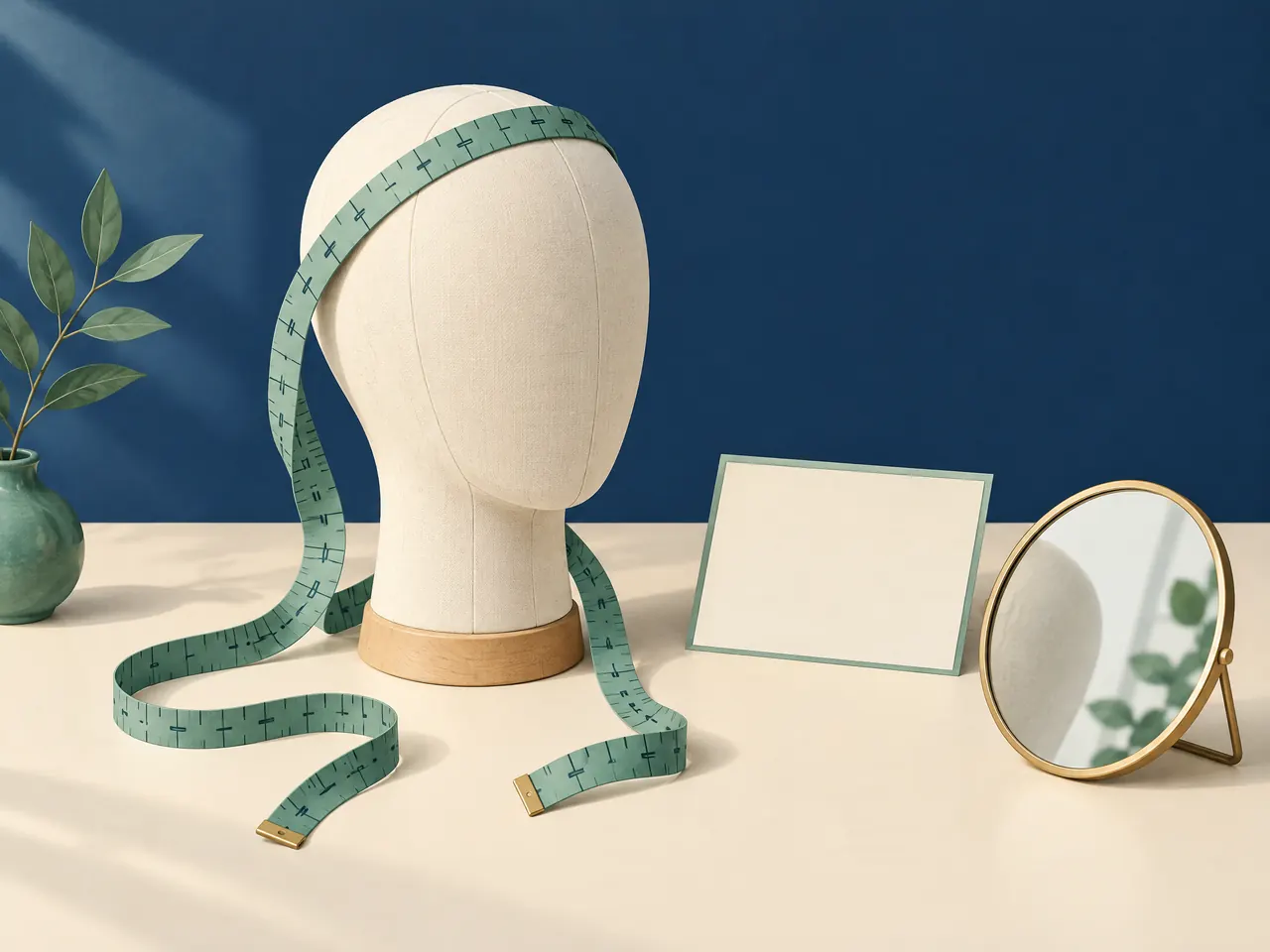
If the long sample shifts but the pixie stays in place, ask whether you are comparing different cap sizes or fitting arrangements before attributing that difference to length. Record the exact sample identity and the fitter's explanation for each one. The American Cancer Society advises checking the size chart for the particular brand rather than assuming all brands use identical sizing. [1] Ask which measurements the supplier needs; a tape around a mannequin is only an illustration, not a measurement guide for your purchase.
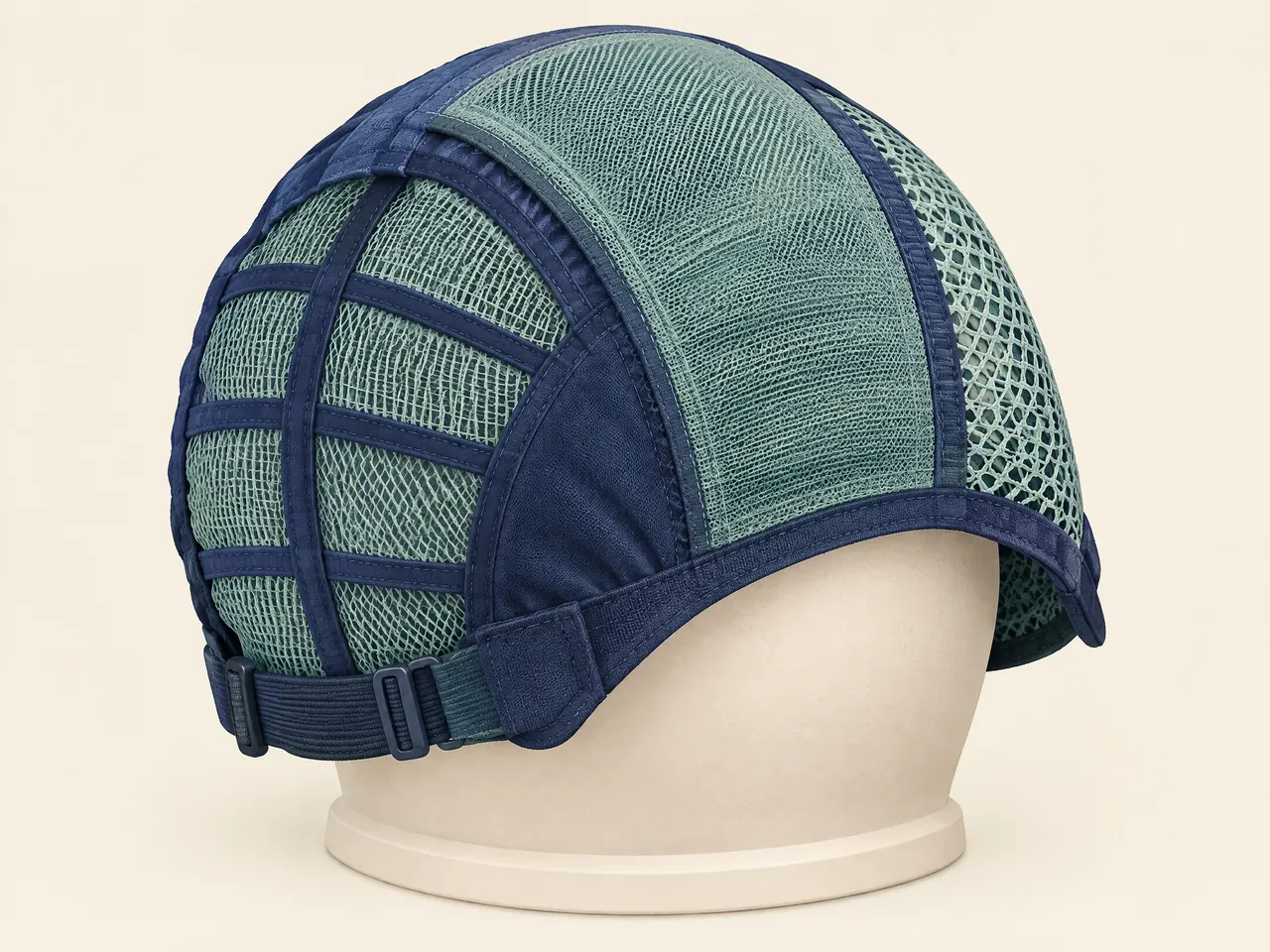
Use the generic cap-interior illustration to identify the parts you want the fitter to explain on the actual wig. Ask where its ear tabs sit with your frames and which adjustments have been made. Cap fit and ear-tab position can affect spectacle-arm clearance. [3] Once a comfortable position is established, return to the same phone-reading and collar checks for both lengths. If pressure or shifting remains unresolved, leave that sample's fit decision open rather than treating its hairstyle as the cause.
Compare the routine from storage to the next morning
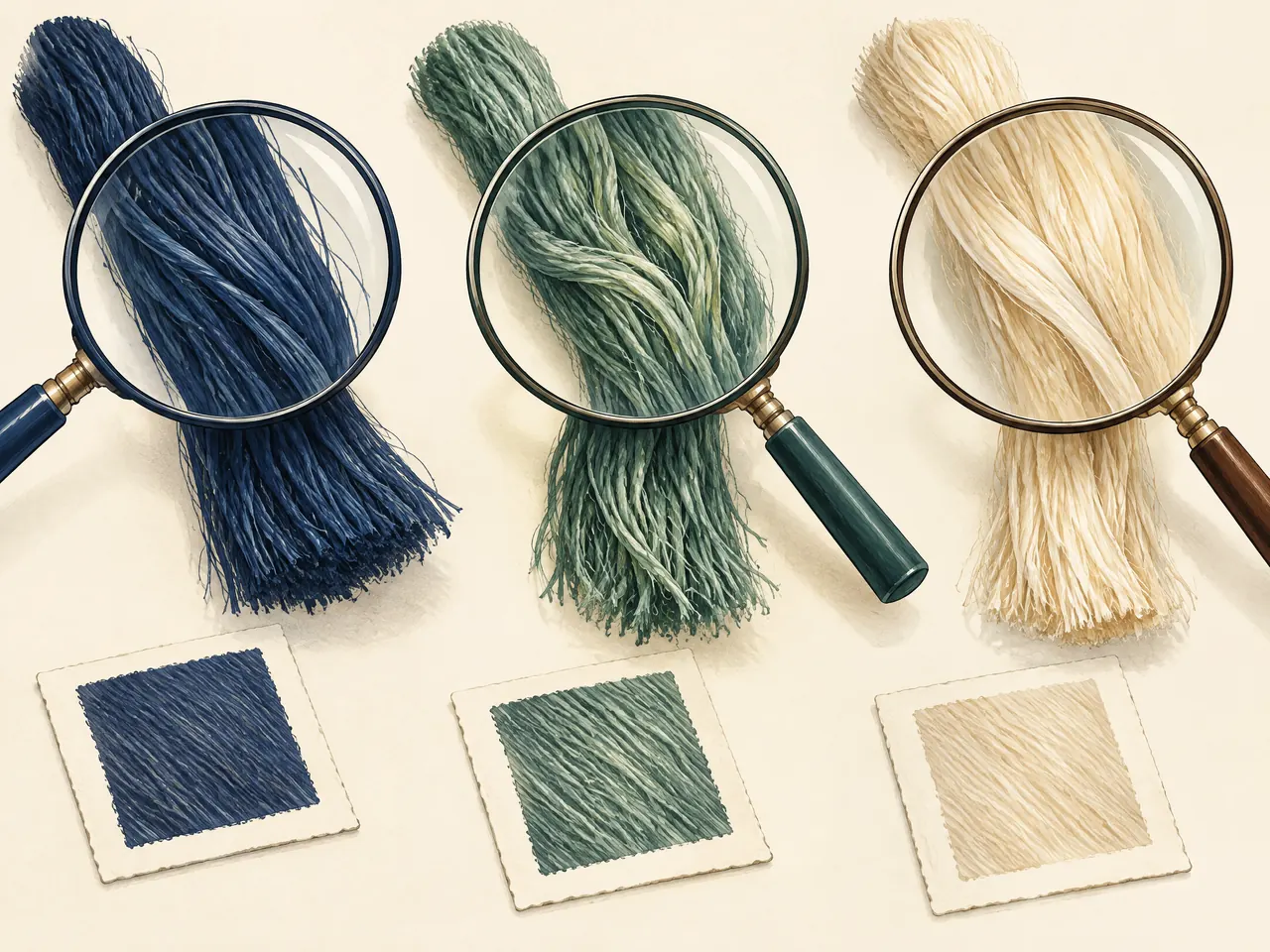
Before calling one length easier, ask the supplier to identify the fibre in each sample and show you its care instructions. The anonymous fibre bundles illustrate that question; appearance alone is not a material specification. The American Cancer Society distinguishes synthetic and human-hair maintenance and cautions against dryers or curling irons unless a wig is heat-resistant. [1] Write the approved tools beside each sample's name so you do not accidentally transfer instructions from the long wig to the pixie.
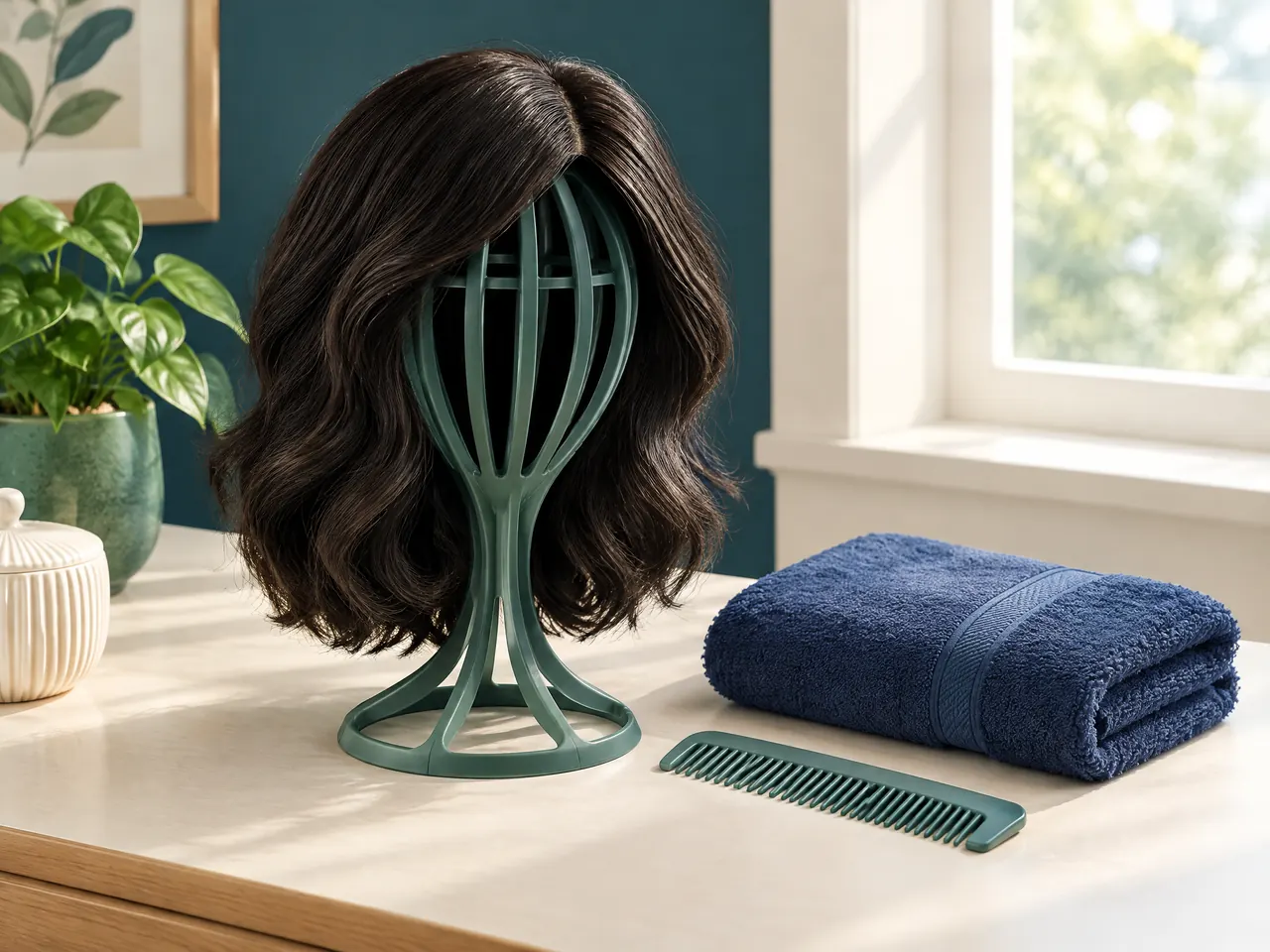
Then ask what happens between taking the wig off and wearing it again. Have the supplier distinguish overnight storage from drying after washing, and explain how the front and ends should be arranged for the exact piece. The stand illustration gives you an object to discuss, not a universal drying method; the American Cancer Society recommends a wig stand for short-term storage. [1] Check where an appropriate stand would fit at home. Compare the preparation you would need on a normal work morning with what you would need after care, rather than judging either wig only in its freshly prepared fitting-room state.