
Prince Edward & Kwun Tong clinics · Home-visit enquiries elsewhere

TCM Lab

TCM Lab · Beauty & lifestyle / Shapes and styling

Women’s bob wigs: compare the silhouette with glasses and collars

Content updated

A bob can look right in a close-up and feel quite different once your glasses and work shirt are on. Compare the whole outline, then notice what changes when you turn, sit and read.

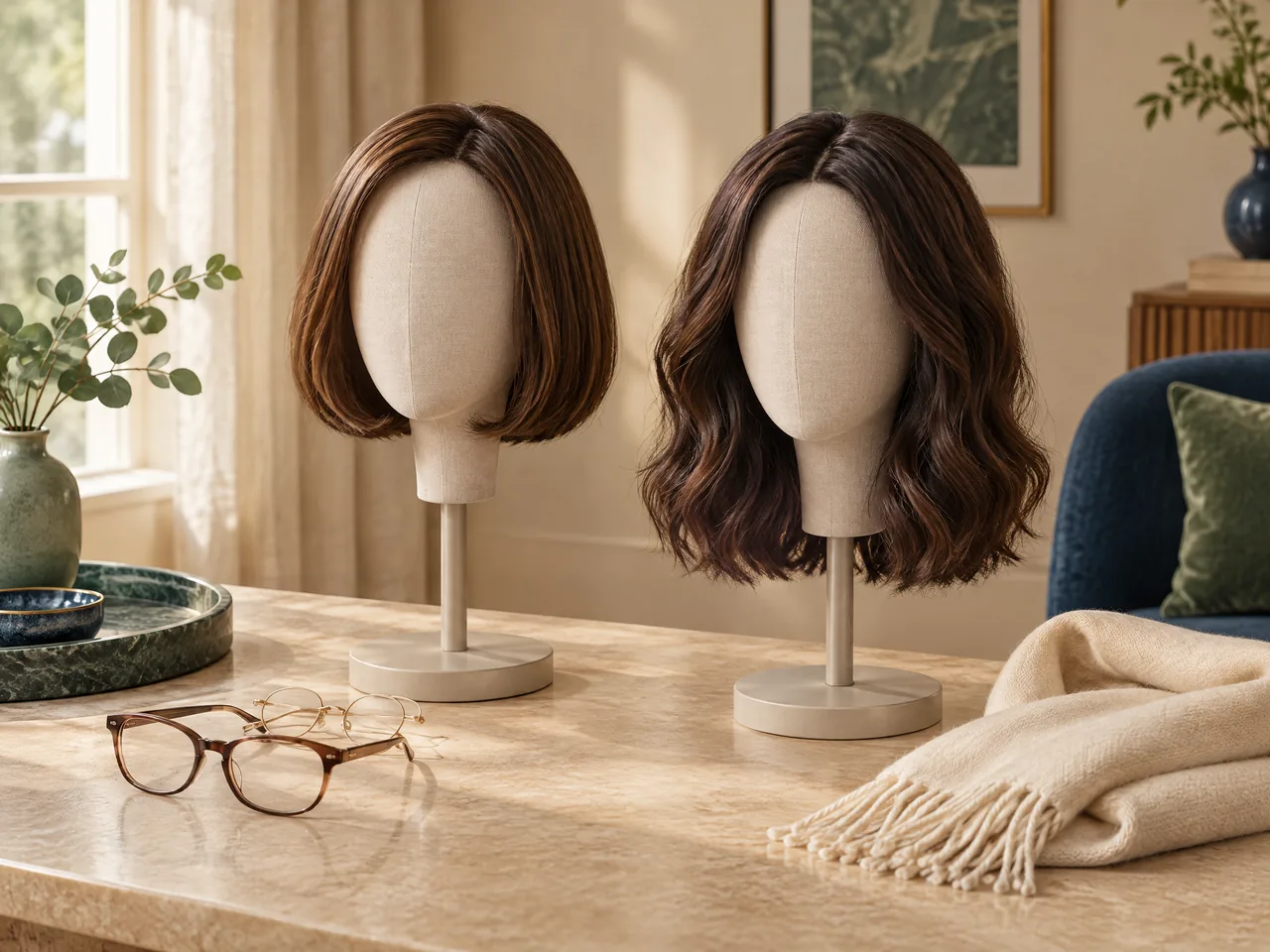
Illustrative bob and wavy wig silhouettes
Illustrative wig-lifestyle concept; not an OWNSTRAND product photograph or a client record.

The short answer

Try each bob with your everyday glasses and both an open neckline and a raised collar. Settle the cap before comparing the cut, then check the front, both sides and back from the same viewing distance. Watch whether the ends catch on clothing, the fringe interrupts your view or the cap moves when you turn. Choose the shape you enjoy wearing, not a face-shape rule or a single polished photograph.

OWNSTRAND is an external wig and hairpiece website under the same ownership as TCM Lab. These appearance and everyday wearing guides are separate from Chinese medicine care, not diagnosis, treatment or a promise of hair growth.

Give every bob the same starting conditions

Start with the clothes and accessories you actually wear, rather than dressing especially for the appointment. Bring your everyday glasses, a familiar shirt and a jacket with the sort of collar you often use. If you want to recover a previous hairstyle, take a photograph that shows its side and back as well as the front; Cancer Research UK recommends reference photographs for discussing a familiar look. [2] Add one picture of a different bob you like and explain the particular detail: an exposed neck, longer front pieces or a fringe that leaves your eyebrows visible. This gives the fitter something more useful than ‘make it natural’.

Confirm that you are comparing full-head pieces if you want a complete bob outline. The American Cancer Society distinguishes full wigs from toppers, which add coverage to a smaller area. [1] For full-head browsing, OWNSTRAND’s women's wigs page provides a starting point; confirm each design’s cap, fibre and availability rather than assuming the category answers those questions. [4] TCM Lab and OWNSTRAND share ownership, so this is a related-brand browsing link, not an independent recommendation. Keep your own hair preparation and any approved liner consistent during try-ons so you can compare the shapes fairly.

Test glasses for comfort before judging the fringe

Put the wig on without your glasses, following its own fitting instructions; the American Cancer Society specifically advises removing glasses before trying on a wig. [1] Once the cap is settled, replace your frames gently and check the area above and behind each ear. Notice any pressure where a frame arm meets the cap edge, whether one arm sits differently from the other, and whether adjusting your glasses also shifts the wig. Ask the fitter to investigate rather than forcing the frames into position. A bob you like visually still needs to be comfortable with the glasses you depend on.

Now look at the fringe while reading something at your normal distance. Does hair fall across a lens when you tilt your head down? Can you look up without sweeping it aside? Try the sides loose, then ask whether a light tuck is appropriate for that particular design. Check both ears instead of judging only your preferred side. In a photograph, compare how much of the frame remains visible and whether that balance pleases you. A heavy frame does not automatically require a short fringe, and a delicate frame does not require longer hair; the useful question is how the actual combination looks and works for you.

Compare the back edge with a collar, not just bare skin

First view the bob over a plain open neckline, with your shoulders relaxed. Identify where the back edge ends on you and whether the front pieces reach the same level. Then put on your usual collared shirt or jacket without changing the hair deliberately. From the side and back, look for ends resting on the collar, disappearing inside it or being pushed outward. Repeat while sitting, because a collar can sit differently against your neck in that position. These are observations about the sample and outfit together, not proof that a particular length will always behave the same way.

If the ends land exactly where a raised collar meets them, compare a slightly shorter outline or a longer front before assuming the whole style needs cutting. OWNSTRAND’s bob wigs page can help you browse different cut directions, but the named style and screen image do not establish how it will fall on your neck or whether it can be supplied. [5] Ask to see the back of the exact design. If you often alternate between a work shirt and a soft T-shirt, test both: a silhouette worth keeping should not depend on the one outfit that happens to avoid its ends.

Watch what moves when you turn and look down

With the fitter’s permission, make a few ordinary movements rather than shaking your head vigorously. Turn as if speaking to someone beside you, look down at a phone and look back up. Walk a short distance, then sit. Notice whether a front piece moves across your glasses, whether the nape catches at the collar, and how much arranging you want to do afterwards. If a companion records a short video with permission, watch the moments between poses. A still picture may capture the best arrangement while leaving you unsure how the same cut behaves during conversation.

Separate moving hair from a moving cap. Hair swinging away from your cheek may be a feature you enjoy; the whole piece shifting when you look down is a fitting question to resolve first. Dana-Farber recommends assessing comfort and fit alongside appearance and budget, and notes that wig-store staff can help with securing a piece. [3] Do not assume extra tightening or adhesive is the answer. Ask the fitter to check the intended fit and attachment for that item. Repeat the gentle movement test after any appropriate adjustment, then decide whether the remaining hair movement feels appealing or distracting.

Use comparable views instead of searching for one perfect photo

Take a front view, a view from each side and a back view at roughly the same distance for every sample, if photography is allowed. Include your shoulders and neckline rather than cropping tightly around your face. Keep your head upright and the camera position consistent. Look at the space between the glasses and hair, the width around each cheek and the line above the collar. These concrete details make it easier to explain why one outline feels too enclosed or another shows more neck than you want, without assigning yourself a rigid face-shape category.

Compare colour separately from cut whenever possible. The American Cancer Society suggests natural light when checking hair colour against swatches. [1] Ask whether you can inspect the sample near a window, away from direct glare; use the same spot for the alternatives. A phone image is useful as a reminder, not an exact colour guarantee. If two bobs differ in both colour and shape, note which feature you are responding to. You might like the brighter tone of one while preferring the other’s nape. Keeping those preferences separate helps you request a relevant alternative rather than buying the wrong outline because its photograph was more appealing.

Agree the routine before altering the silhouette

Before trimming a fringe or changing the ends, ask what styling is permitted for the exact fibre and construction. The American Cancer Society advises against heated tools unless the wig is heat resistant, and Cancer Research UK recommends following the supplier’s care and wearing instructions. [1] [2] Do not assume an inward curve can be recreated with your usual straightener. If a stylist proposes thinning or shortening, ask which visible problem it will address with your glasses or collar. Confirm the seller’s terms before alteration, then check the proposed line while the wig is correctly fitted on you.

Ask for a demonstration of the simplest approved way to restore the chosen shape, and try that method yourself if allowed. Notice whether it requires an amount of daily arranging you are happy to do. Write down the exact model and colour, your collar observations and any agreed fitting changes before deciding. If you want a second opinion, Cancer Research UK suggests bringing a friend or relative and asking for privacy when helpful. [2] A wig changes appearance; it does not diagnose hair loss or stimulate growth. Choose the bob whose fit, everyday movement and achievable finish work together, rather than one that only succeeds immediately after expert styling.

Take it into everyday life

A practical checklist

  • Bring your everyday glasses, a collared layer and a plain-neckline top; prepare your own hair consistently for each sample.
  • Describe the bob using visible details: front-piece length, fringe clearance, side width and the back edge on your neck.
  • Have the cap fitted before replacing glasses, then check frame pressure and any shifting around both ears.
  • View the ends with the collar open and raised, standing and seated, without repeatedly resetting the hair.
  • Try gentle turns and a phone-reading position; distinguish hair movement from movement of the whole cap.
  • If permitted, save comparable front, side and back photographs plus a short movement video.
  • Confirm the exact model, colour, fibre, fitting instructions, supply and seller’s alteration terms before committing.

Questions & answers

Should I choose a shorter fringe because I wear glasses?

Not automatically. Try the intended fringe with your actual frames and read at your normal distance. Check whether hair crosses a lens when you look down and whether you keep moving it aside. A different sweep or suitable trim may help, but agree any alteration with a wig-experienced stylist after the cap is fitted. [1]

What if the glasses feel tighter with the bob on?

Pause the appearance comparison and ask the fitter to check where the frame arms meet the cap around each ear. Do not push the arms into place or keep tightening the wig to compensate. If the pressure remains, that combination may not be comfortable for everyday wear, even if you like its outline. Comfort and fit deserve equal weight with appearance. [3]

Will a chin-length bob stay clear of a high shirt collar?

The front length alone cannot answer that. Check the actual back edge while wearing your shirt, then turn your head and sit down. Compare whether the ends rest above the collar or are lifted by it. Two designs with similar front lengths can have different backs, so ask to see the exact sample from behind.

Can I use a heated tool to turn the ends inward?

Only if the exact product’s instructions permit that tool and provide suitable directions. A bob label does not establish heat resistance, and you should not apply a temperature rule taken from another wig. Ask for an approved styling demonstration before buying, especially if the inward curve is essential to the look you want. [1] [2]

How do I choose when a front photograph looks good but the video does not?

Identify what changes between poses. Is hair crossing a lens, catching on your collar or requiring constant arranging, or is the cap itself shifting? Resolve fit first, then compare the remaining movement with your preferences. Review side and back views too. You do not need every frame to look perfectly posed, but the everyday behaviour should feel manageable to you.

Sources & further context

Numbered references follow the source order below. Product and service websites provide appearance-related context, not medical evidence.

  1. [1] American Cancer Society — Wigs for Hair Loss
  2. [2] Cancer Research UK — Wigs, hats and scarves
  3. [3] Dana-Farber Cancer Institute — How to Choose a Wig
  4. [4] OWNSTRAND — Women's Wigs for Full-Head Coverage
  5. [5] OWNSTRAND — Short Wigs and Bob Wigs: Compare Length, Cut and Texture

Describe the front and back as separate choices

Turn your preferred photograph into two short descriptions before comparing another sample. For the front, describe where you want the longest pieces to end relative to your jaw and how much of each glasses frame you want visible. For the back, describe the neck area you want exposed and which collar you need the ends to clear. Separate practice tresses can help explain a shorter or longer direction, but their lengths do not show where a complete wig will fall on you. Ask to check both requests on the same fitted bob rather than assuming that a front view settles the back.

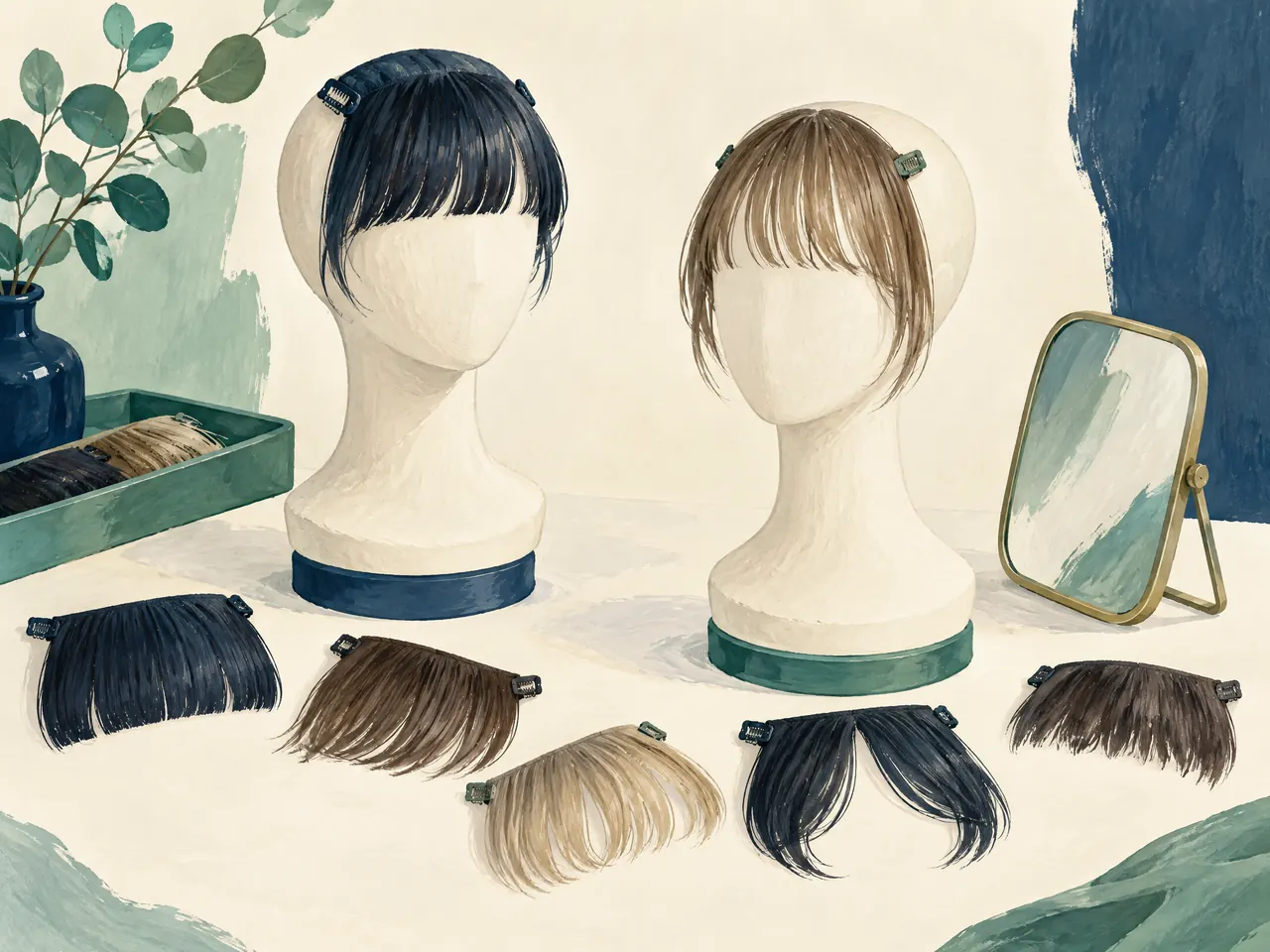
Make the fringe request equally specific: say whether you prefer an opening above one eyebrow, a continuous line above the frames or hair swept away from both lenses. A detachable fringe study helps describe those alternatives; it does not establish that the sample wig allows them. If your favourite front and back cannot be combined in that design, identify which feature matters most before discussing a different sample. This gives the fitter a clear priority instead of a request to reproduce every detail from unrelated photographs.
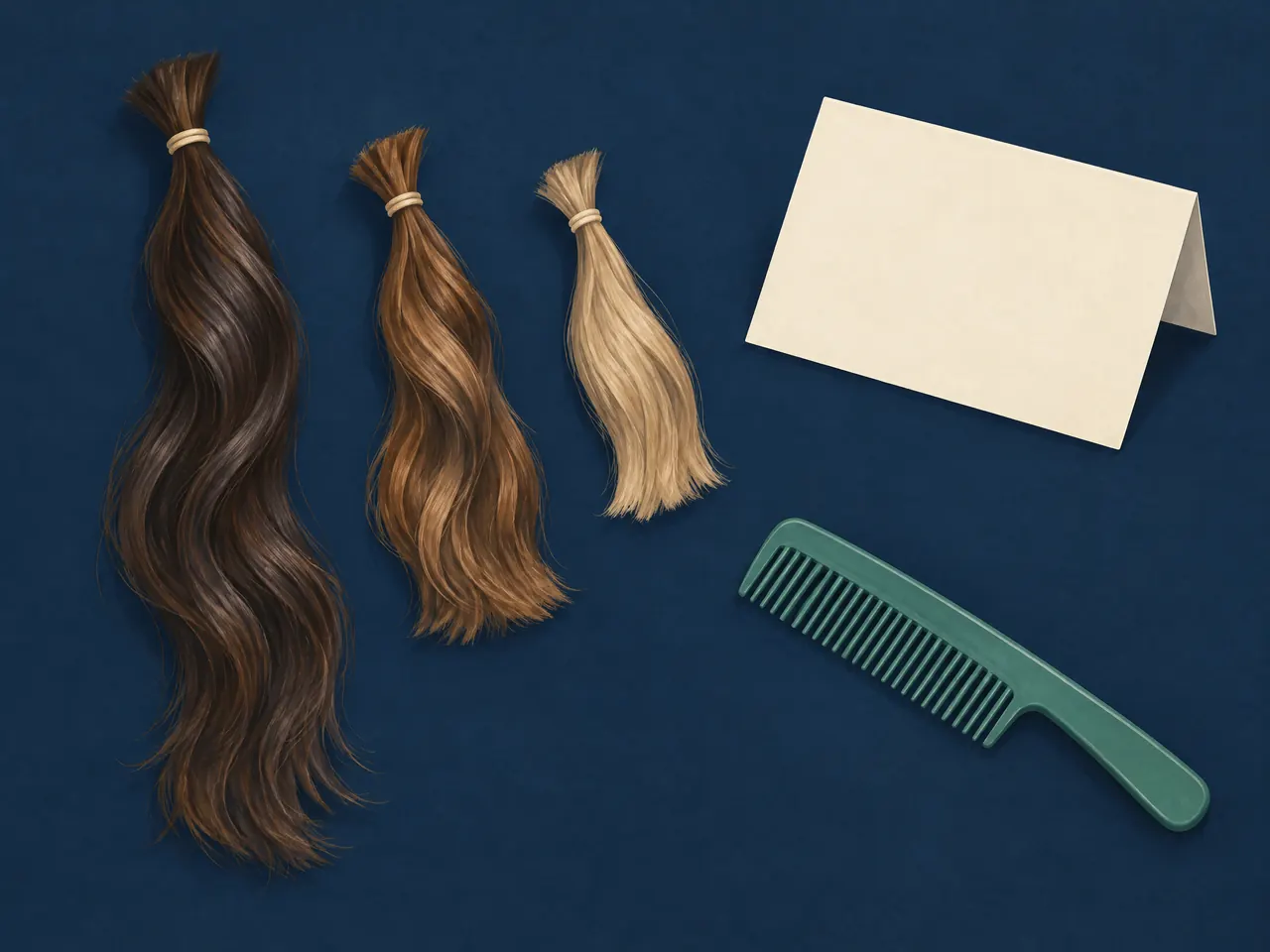
Three separate practice hair tresses of different lengths beside a blank folded card and comb
Illustrative length references for describing a bob preference; not measurements of a fitted wig.Generated illustrative image
Two featureless mannequin forms with detachable practice fringes and a small mirror
Illustrative fringe design study; not a product photograph or a promise that a particular wig can be restyled this way.Generated illustrative image

Keep fit notes separate from shape notes

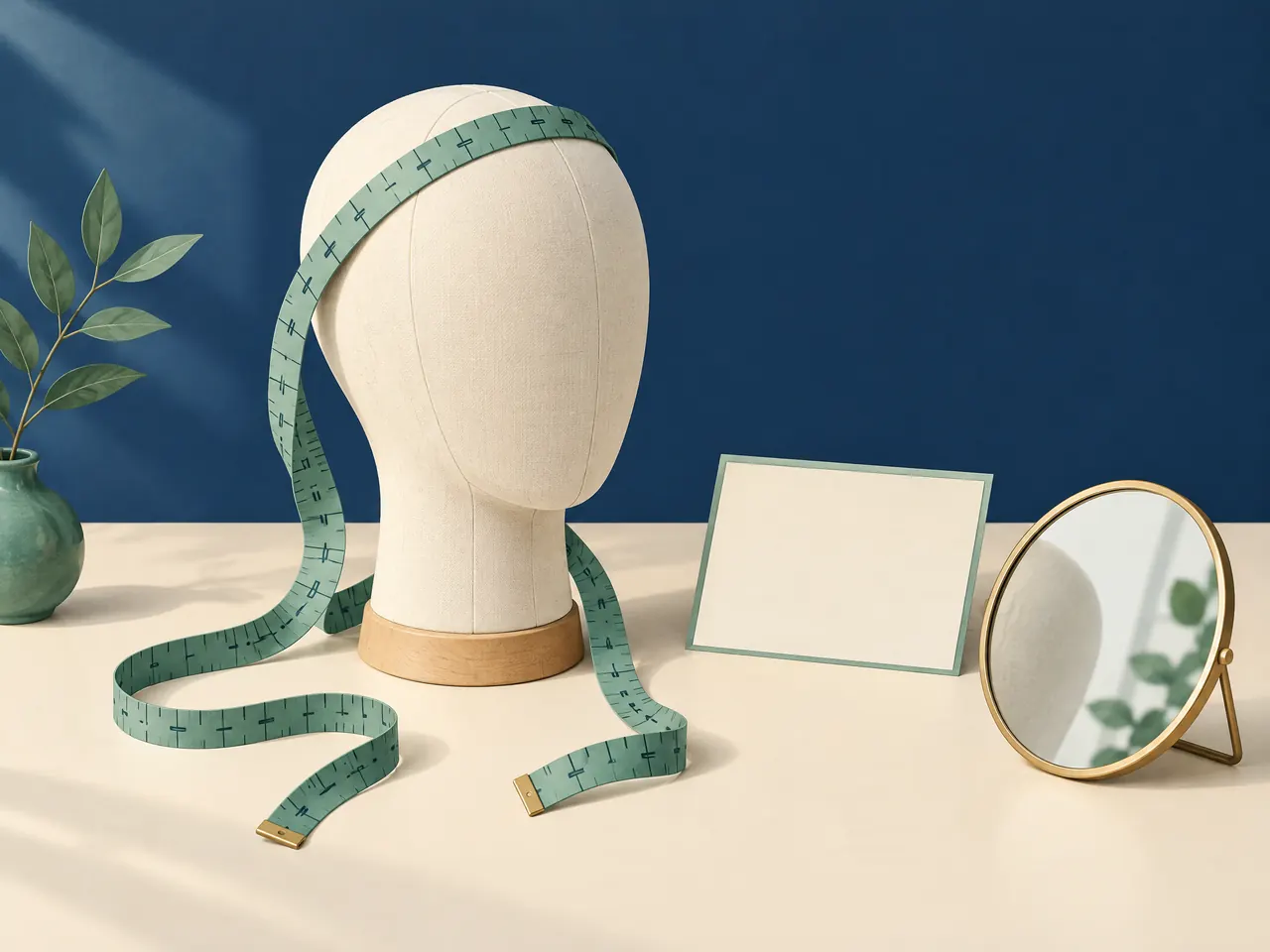
For each candidate, keep one note about the cap and another about the cut. Record the exact model and stated size in the fit note, then ask which measurements were checked and how they relate to that brand's chart. The American Cancer Society advises checking the relevant brand's sizing because charts can vary. [1] A tape around a mannequin is only a reminder to ask about individual measurements, not a guide to choosing your size from a picture.

Ask to see the inside of the actual sample and have the fitter identify the parts around the ears and nape. The illustrated mesh and band are generic examples, not specifications for the bob you are considering. In the separate shape note, record the front length and collar clearance you liked. If the cap needs reassessment, retain that shape preference while checking another suitable sample; do not treat comfortable frames as proof that the cut is right, or an attractive cut as proof that the fit is settled.
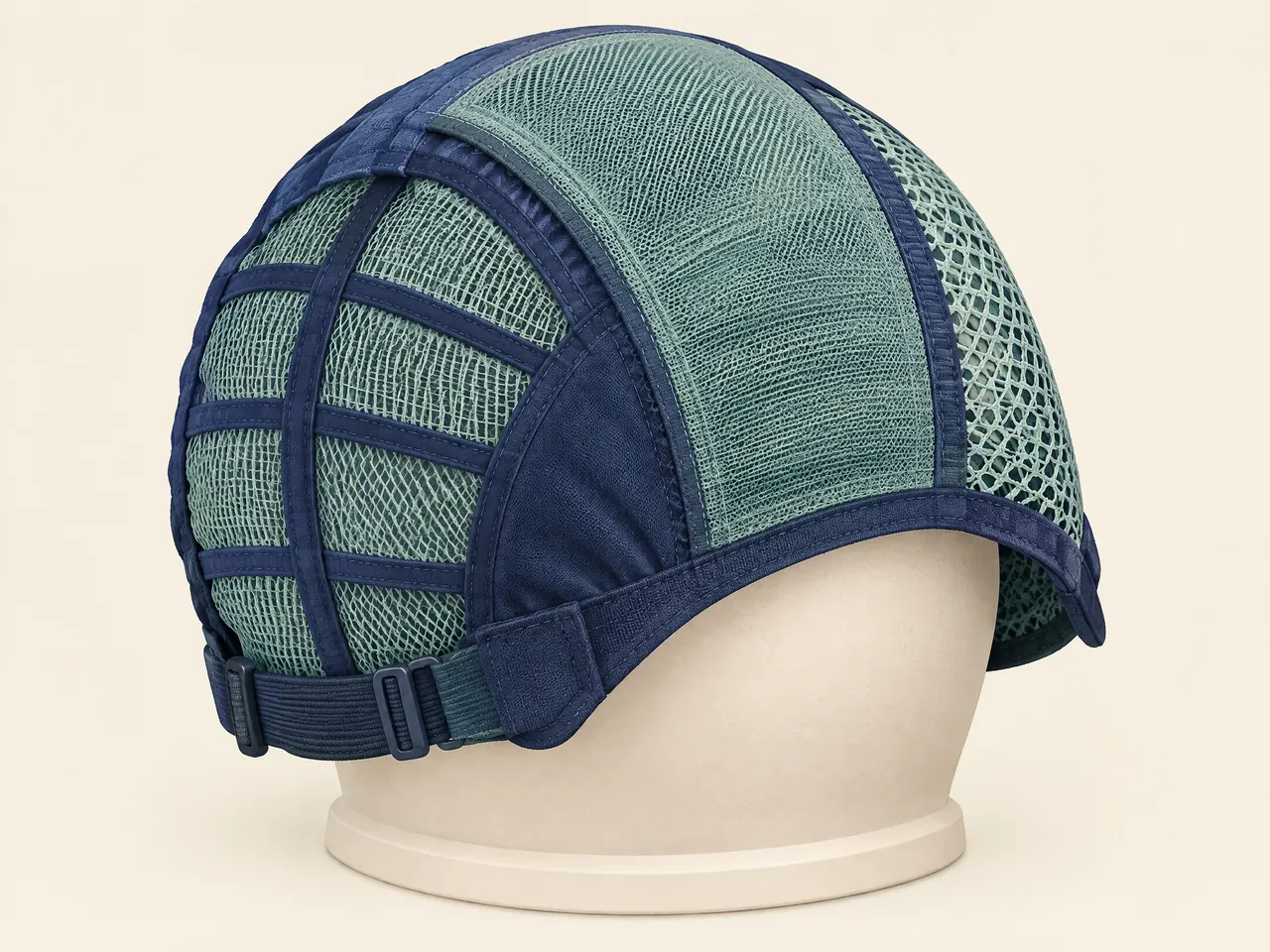
Inside-out generic wig cap on a dome stand showing illustrative mesh panels and an adjustable band
Illustrative cap interior for fitting questions; the exact bob may have different construction.Generated illustrative image
Fabric measuring tape around a blank mannequin dome beside an empty fit-note card and mirror
Illustrative measurement reminder; individual fit requires the actual product's sizing and a fitting assessment.Generated illustrative image

Check how the chosen outline is restored after care

Ask whether the bob shown at the fitting is in its usual ready-to-wear state or has been specially styled for the appointment. Then ask how its fringe and curved ends should be arranged after the care routine permitted for that exact item. Cancer Research UK advises following the supplier's wearing and care instructions. [2] Fibre samples can prompt this conversation, but their appearance cannot confirm a product's material or heat permissions. Get those details from the product information rather than inferring them from shine or softness.

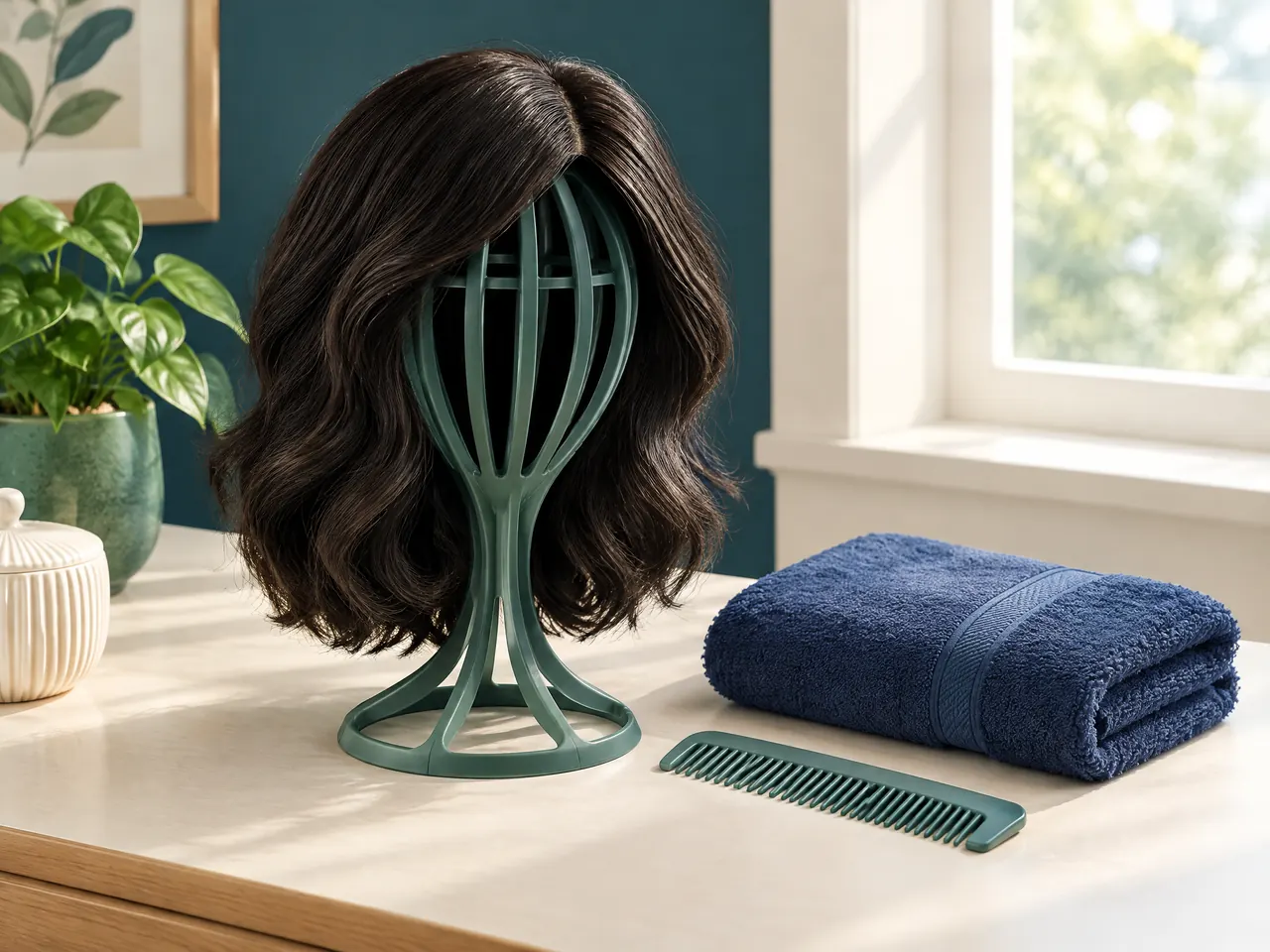
Ask which stand or support is suitable between wears; the American Cancer Society includes a wig stand in its short-term storage advice. [1] Confirm drying separately with the supplier, including whether any finishing step is needed afterwards. If a post-care sample or demonstration is available, look again at the fringe above your glasses and the ends against your collar. Record any help or tools the approved routine requires. This connects the silhouette you choose with the finish you can realistically maintain, without assuming that every bob returns to its fitting-room shape in the same way.
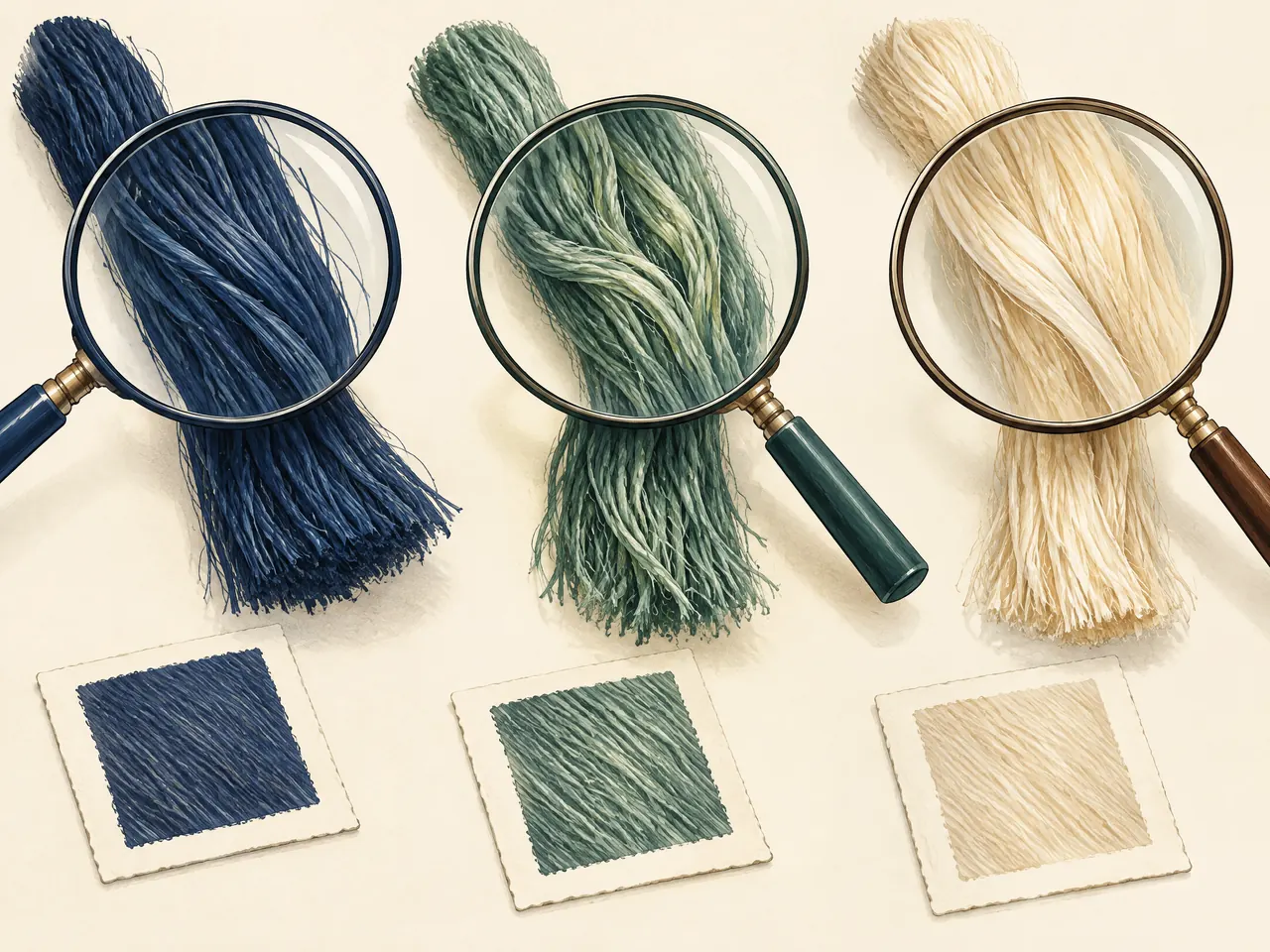
Three separate anonymous hair-like fibre bundles under a magnifying lens beside unlabelled sample cards
Illustrative material study for supplier questions; fibre type and care permissions cannot be identified from this image.Generated illustrative image
Anonymous wig on an open ventilated stand beside a folded towel and comb near indirect daylight
Illustrative care equipment, not a drying prescription; confirm suitable support and drying instructions for the exact wig.Generated illustrative image

Clinic enquiries

Contact and appointment arrangements

Clinics
Prince Edward and Kwun Tong
Opening hours
11:00–21:00
WhatsApp and telephone
+852 6940 5663

Appointments, practitioner availability and service arrangements are confirmed via WhatsApp.

Please mention any consultation language needs in your WhatsApp enquiry so that arrangements can be confirmed.

Enquire via WhatsApp
Food, gifts and floral lifeWhatsApp enquiry