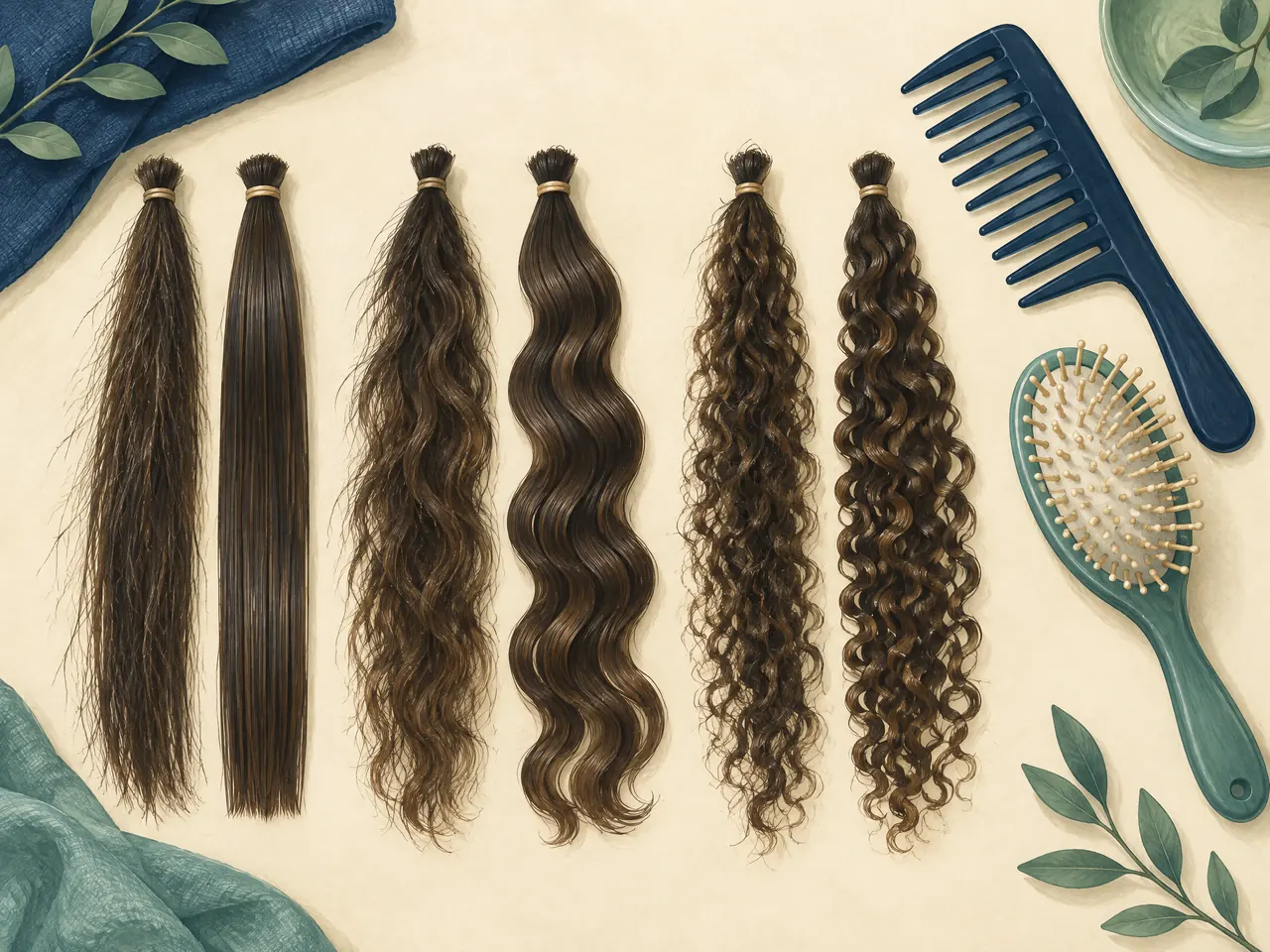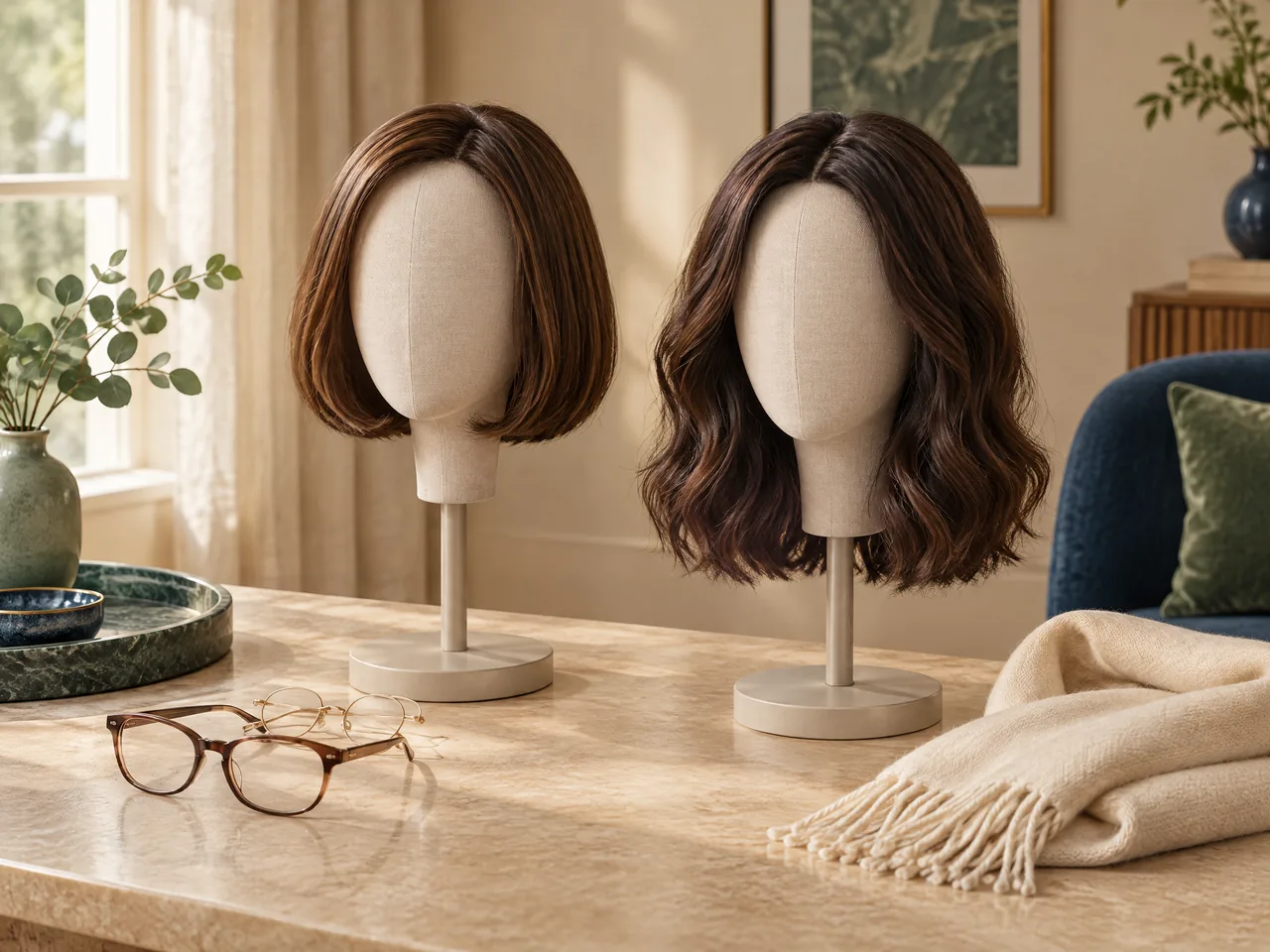
Keep what you can see separate from what needs confirmation
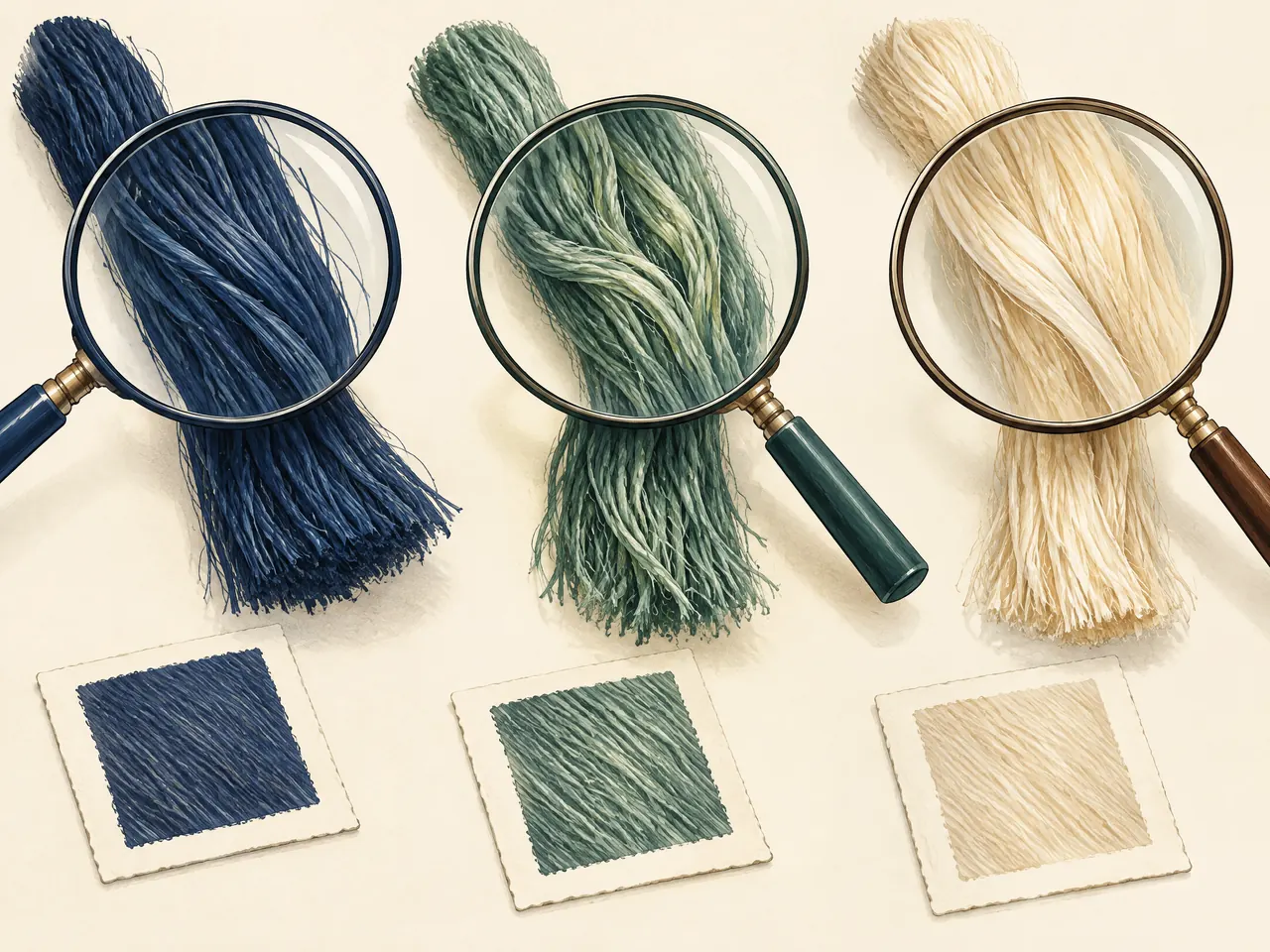
Make two short notes for each shortlisted wave or curl. In the first, record visible observations: where the pattern starts, where the shortest pieces finish and whether the sides lie close or spread out. In the second, record unanswered questions, such as the fibre name and the seller's length-measurement method. This prevents a convincing reference photograph from becoming an assumed product specification. If the picture does not show the back, leave the back length unconfirmed rather than guessing from the front.
Keep the item name beside both notes. A sample tress can help you describe a preferred length or bend, but it cannot establish the construction or care permissions of a complete wig. Human hair and synthetic fibres are separate material choices in the American Cancer Society's guide. Ask the seller to identify the actual piece rather than trying to recognise its fibre from curl shape or shine. [1]
Reset the fit before comparing a second texture
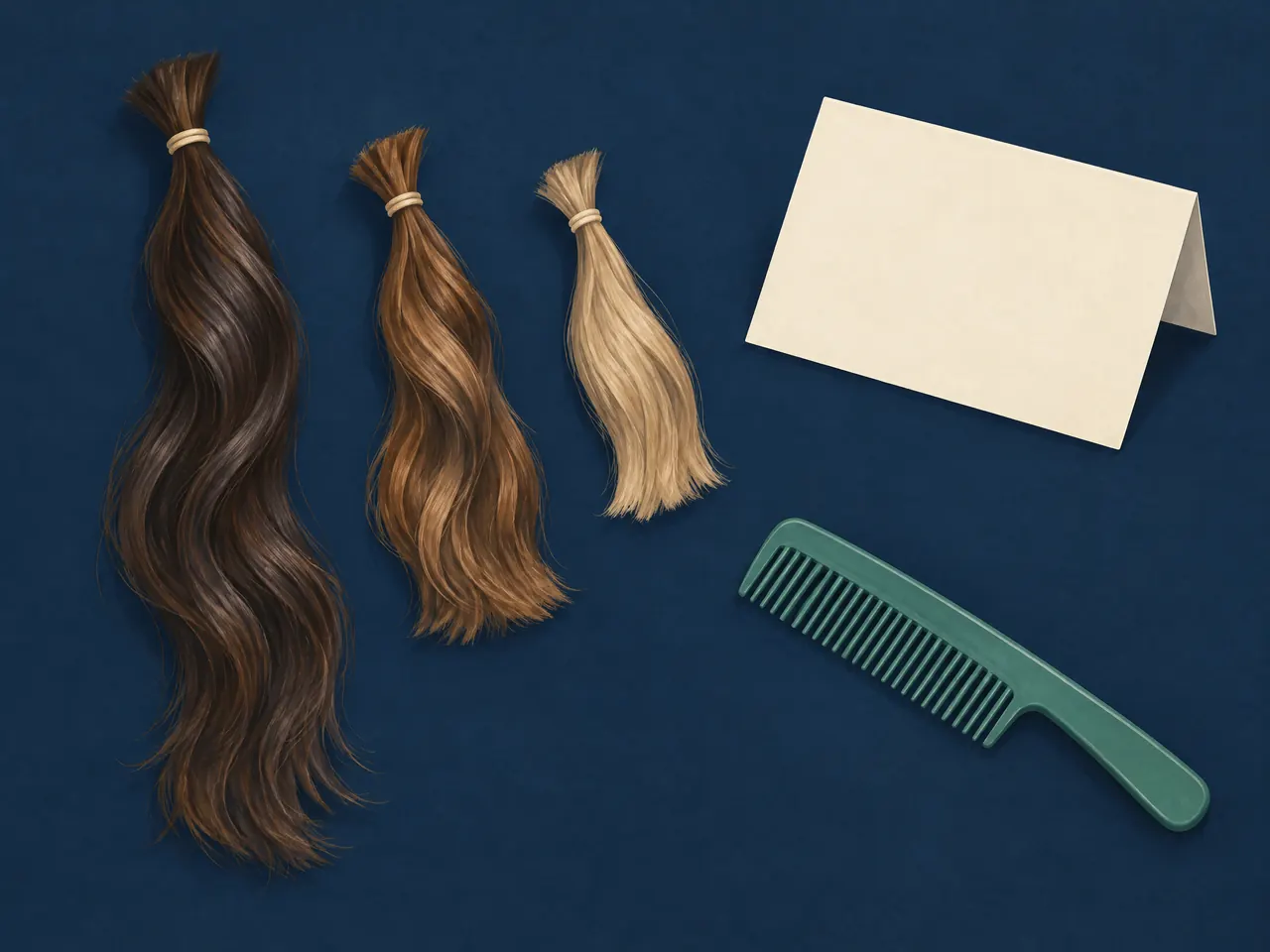
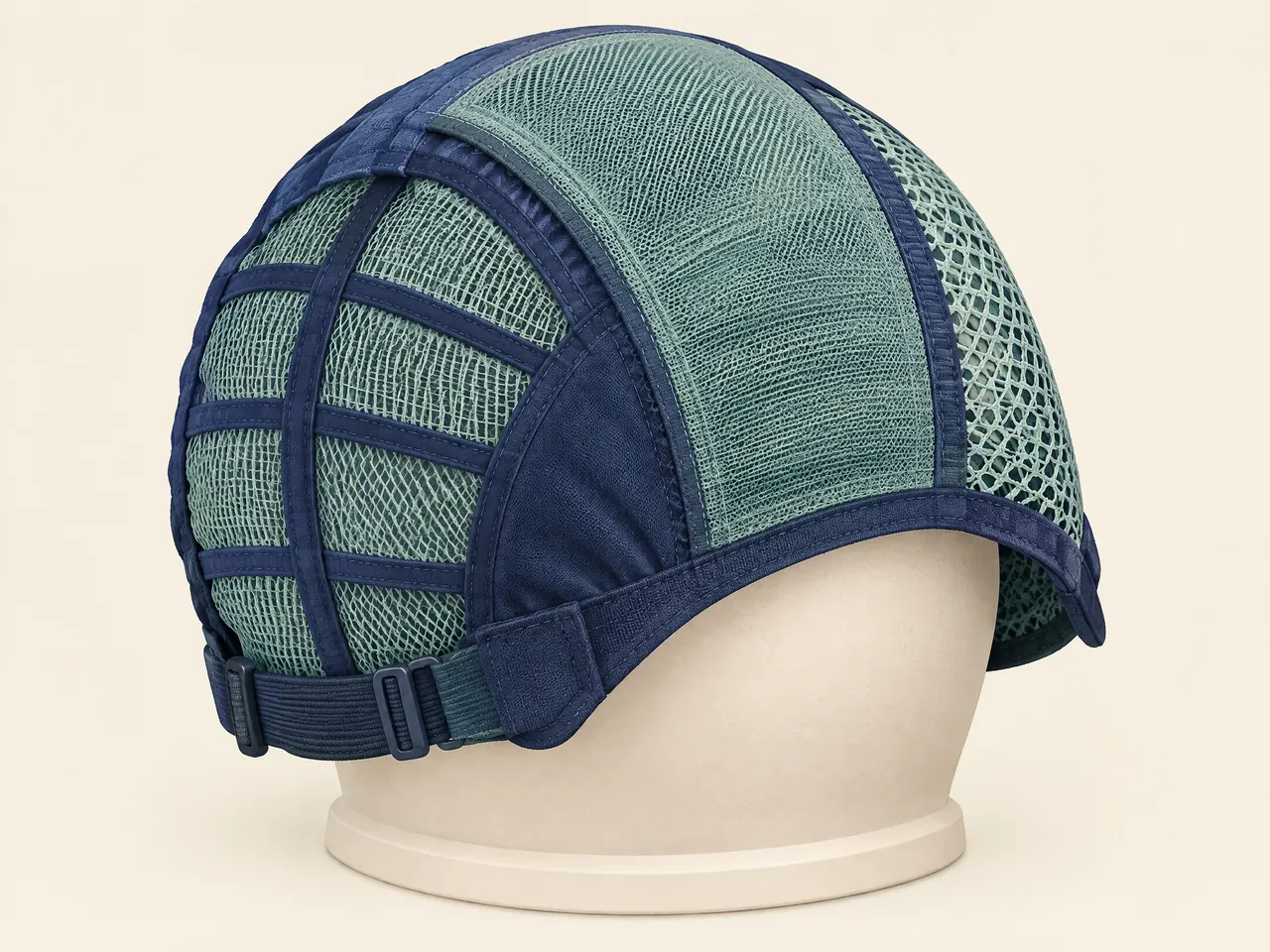
Before moving from a wave to a curl, ask the fitter to settle the second cap independently. Do not carry over an adjustment simply because both pieces have the same size label. The American Cancer Society advises checking the brand's own size chart and following the instructions supplied with the wig. Keep any measurements and fitting notes attached to the correct item; a generic illustration of a cap cannot confirm its panels or adjustment range. [1]
If one sample sits differently, record that difference before judging the hairstyle. For example, write 'front position not yet settled' rather than 'curls too short'. Once the fitter has checked the placement, repeat the same front and side views without pulling the ends. If a satisfactory fit cannot be established, leave the texture comparison provisional. This avoids choosing a wave or curl on the basis of an unresolved fitting issue.

Rehearse the care sequence, not just the finished look
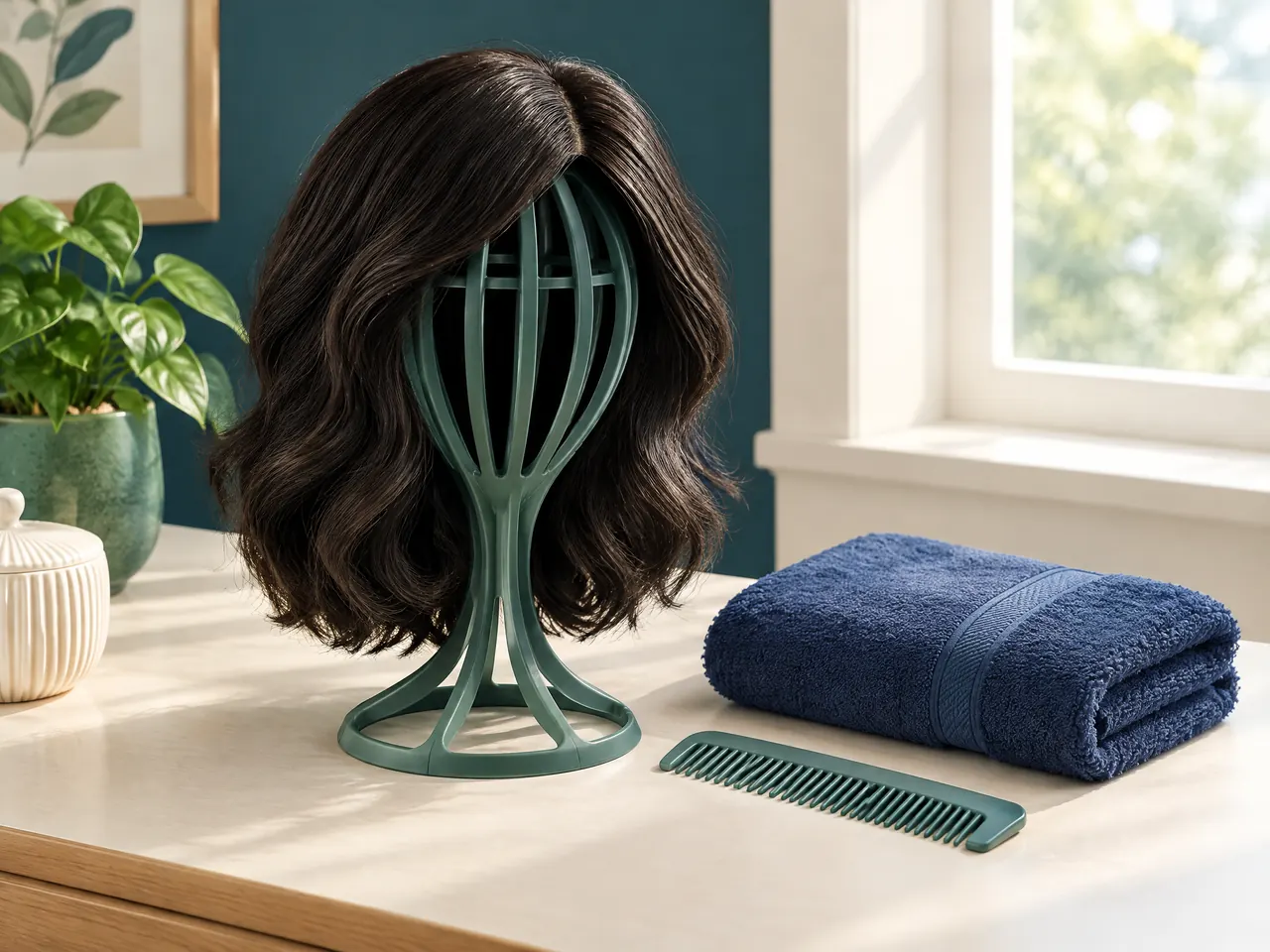
Ask for the refresh demonstration to be explained in order, then describe the steps back to the fitter. Clarify which stage uses a comb, when fingers reshape the pattern and what must happen before the wig is ready to wear again. Jon Renau's synthetic curl guide places ends-up detangling before finger shaping on a stand and air drying. That sequence is an example for its products, not permission to apply the same routine to every shortlisted wig. [3]
Beside each item, note the approved tool, the instructed wet-or-dry handling stage and the drying arrangement. If advice from a general guide differs from the supplied instructions, ask the seller to resolve the difference before trying it yourself. Also ask whether the fitted display finish needs any additional work after drying. A useful final comparison is between the finish you can maintain with confirmed instructions and the finish you actually want, rather than between two carefully prepared shop photographs.